
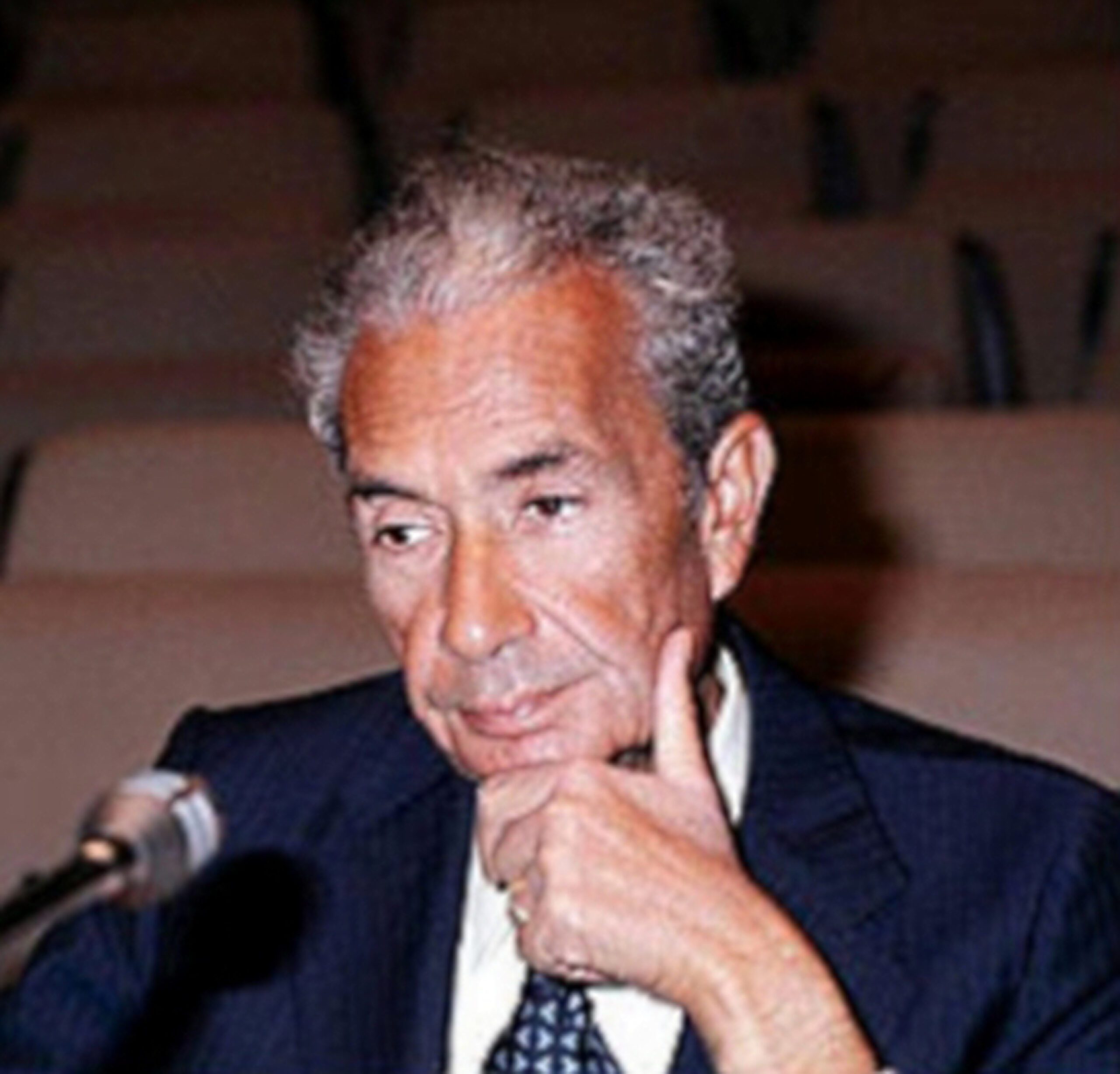
Aldo Moro’s widow, Eleonora Chiaravelli, died recently in Rome. She was 94. To her, the president of the Christian Democracy had addressed some of the 86 letters written during his captivity with the Red Brigades. Very touching is the last letter he wrote just before his execution: “My most sweet Noretta, after a moment of very feeble optimism due to a misunderstanding on my part of what I was told, we have reached, I believe, the decisive moment. I don’t think it is the case of discussing the thing in itself and the incredible punishment that is falling on my meekness and moderation…
“At any rate, I would like the full responsibility of the leaders of the Christian Democracy, with their absurd and incredible behavior, to remain well clear. We must state this very firmly and a possible medal, which is usually given in such cases, must not be accepted… But all this is passed. For the future, there is, in this moment, an infinite tenderness towards all of you, the memory of each and everyone, a very great love full of all the memories apparently meaningless yet very precious to me. United in my memory, may you live together. It will seem that I am with you…
“Give a kiss and a caress to all, on my behalf, face by face, eye by eye, hair by hair. Be strong, my sweetest, in this absurd and incomprehensible trial. They are God’s ways. Remind me to all our relatives and friends with immense affection and to you and all, the warmest embrace, pledge of an eternal love. I wish I could understand, with my small, mortal eyes, how we will see each other afterwards… If there were light, it would be most beautiful. My love, feel me as always with you and hold me tight…”
The Red Brigades never delivered the letter which was found only years after Moro was executed. Nobody knew Lady Noretta Moro until the day her husband was kidnapped by the terrorists on March 16, 1978. Immediately after the kidnapping, this previously reserved woman sprung to world attention because of her decision and determination in knocking at all doors in order to secure her husband’s release, without ever surrender. Her composed firmness convinced even Pope Paul VI who performed a clamorous gesture. From the Vatican, the Pope wrote an open letter to the “Men of the Red Brigades,” even offering his life in exchange.
When however, after 55 days in prison, Aldo Moro was found murdered, on May 9, 1978, Lady Moro did not hide her anger against all those who, according to her, had not allowed her husband to come back among the living. She particularly rejected the leadership of the government and of the Christian Democracy who had stubbornly refused to negotiate with the terrorists.
THE CENTER-LEFT COALITION
Moro was born in a middle class family at Maglie, in the province of Lecce, Italy, on September 23, 1916. After his primary and secondary schooling, he studied Law at the University of Bari, an institution where he was later to hold the post of ordinary professor of Philosophy of Law and of Criminal Law. In 1935, he entered the Catholic University Students’ Association of Bari. A little later, with the approval of Msgr. John Baptist Montini, later Pope Paul VI, whom he had befriended, Moro was chosen as president of the association; he kept the post till 1942, succeeded by Julius Andreotti, who will head the government at the time of his murder.
During his university years, Italy was under the Fascist government and Moro was quietly preparing for future leadership, together with a bunch of promising young Catholic professors who will dominate the post-war political scene, like Alcide De Gasperi, Joseph Dossetti, George La Pira and others. In 1945, he married Eleonora Chiavarelli, with whom he had four children: Maria Fida, Agnese, Anna and Giovanni. After teaching Law for twenty years in Bari, in 1963, Moro obtained transfer to the Sapienza University of Rome, as professor of Criminal Law and Procedure.
He developed his interest in politics between 1943 and 1945. Initially, he seemed to be very interested in the social-democratic component of the Italian Socialist Party, but then his Catholic faith moved him towards the newly-constituted Christian Democracy. In 1946, he was nominated vice-president of the Christian Democracy and elected member of the Constitutional Assembly, where he took part in the works to redact the Italian Constitution.
In 1948, he was elected to the Italian Parliament and nominated vice-Minister of Foreign Affairs. After covering different positions in several government cabinets, in 1963, he was nominated Prime Minister of Italy for the first time. His government was supported by the Christian Democracy, but also by the Italian Socialist Party. The center-left coalition, a first for the Italian post-war political panorama, stayed in power till the 1968 general elections. Moro was Prime Minister in other two instances.
THE “HISTORIC COMPROMISE”
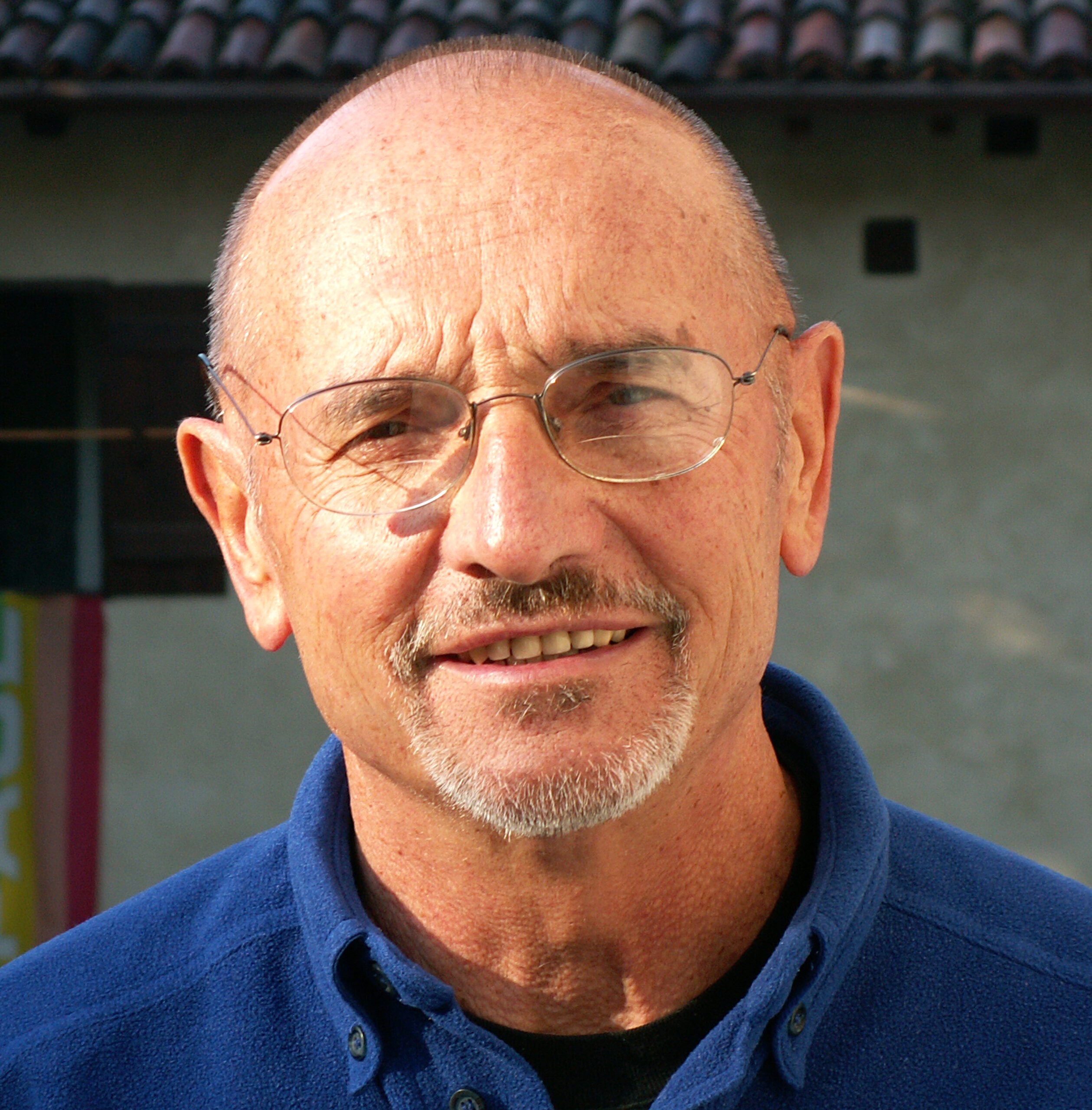
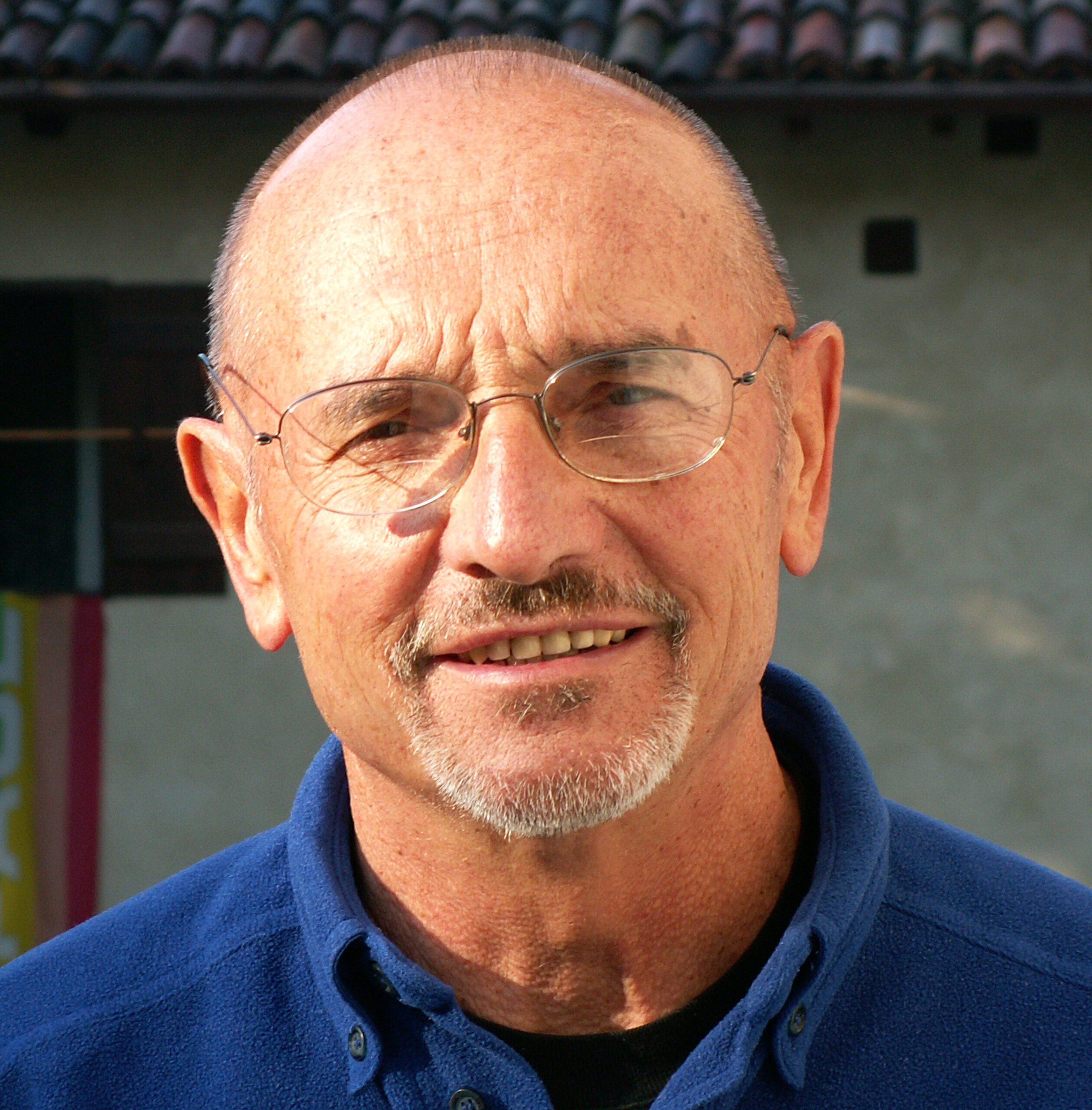
Tall, soft spoken, with the characteristic forelock of white hair, Moro was considered a tenacious mediator, particularly skilled in coordinating the different internal trends of the Christian Democracy. At the beginning of the 1960s, Moro was one of the most convinced supporters of an alliance between the Christian Democracy and the Italian Socialist Party, in order to widen the majority and integrate the socialists in the government system. In the 1963 party congress in Naples, he was able to convince the whole party directive of the strategy. The same happened in 1978, when he supported a “national solidarity” government with the backing of the Italian Communist Party.
Moro faced big challenges: the necessity of conciliating the Christian and popular mission of the Christian Democracy with the rising liberal values of the Italian society and integrating new important social groups (youth, women, workers) in the democratic system. Following the Hungarian Revolution of 1956, the Italian Socialist Party had taken a definitive distance from the Italian Communist Party. Later, the Communists themselves broke up with Moscow, and convened with the Spanish and French parties to draw the lines of Euro-communism. Such a move made an eventual collaboration more acceptable for Christian Democracy voters, and the two parties began an intense parliamentary debate, in a moment of deep social crises. Moro called this move the “Historic Compromise.”
On March 16, 1978, Moro was ambushed by the Red Brigades, his five bodyguards were murdered and he was kidnapped on Via Fani, a street in Rome. The whole of Italy, even Europe, were shocked because of the daring and ruthless act of banditry and the fame of the person involved. In the following days, trade unions called for a general strike, while security forces made hundreds of raids in Rome, Milan, Turin and other cities searching for Moro’s location. During his captivity, Moro wrote several letters to the leaders of the Christian Democrats, to the Prime Minister and the heads of other government bodies. In his letters, Moro said that the state’s primary objective should be saving lives, and that the government should comply with his kidnappers’ demands and agree to the exchange of war prisoners.
TRUTH IS ENLIGHTENING
Most of the Christian Democracy leaders argued that the letters did not express Moro’s genuine wishes, claiming they were written under duress, and thus refused all negotiation. They never considered the Red Brigades as war enemies, but only as bandits and criminals. This was in stark contrast to the requests of Moro’s family. In his appeal to the terrorists, Pope Paul asked them to release Moro “without conditions.” But the Red Brigades instead condemned Moro to death. After 54 days of detention, Moro was murdered in or near Rome.
When the Red Brigades decided to execute Moro, they placed him in a car and told him to cover himself with a blanket, that they were going to transport him to another location. After Moro was covered, they emptied ten rounds into him, killing him. Moro’s body was left in the trunk of a red Renault 4, in Via Michelangelo Caetani. The location was somehow midway between the national seats of the Christian Democracy and of the Italian Communist Party in Rome to symbolize the end of the “Historic Compromise,” the alliance between Christian Democracy and Communist Party sought by Moro. The Red Brigades didn’t want it, fearing that the Communists would be “tamed” and lose their revolutionary urge.
On April 7, 1979, Marxist philosopher Antonio Negri was arrested. Although he was found innocent of Moro’s assassination, he, however, bears moral responsibility for the crimes, because he wrote: “Every action of destruction and sabotage seems to me a manifestation of class solidarity…. Nor does the pain of my adversary affect me: proletarian justice has the productive force of self-affirmation… The adversary must be destroyed.” Moro had written: “When we speak the truth, we must not regret to have uttered it. Truth is always enlightening. It helps us to be courageous.”
THE RELUCTANT MARTYR
As a matter of fact, Moro has been the most accomplished intellectual that lived at the highest levels of the Italian political life. He represented the leftist tendency in the Christian Democracy – following the leadership of Joseph Dossetti who eventually left politics to embrace religious life, became a priest and founder of religious families. Moro was a man who could incessantly search for possible solutions to all the problems, projecting what were called “long thoughts,” strategic ideas that could mediate between apparently extreme positions, something that never abandoned him even during the dramatic moments of his kidnapping and death.
In captivity, Moro was, however, under the complete dominion of the Red Brigades: they filtered the news he was allowed to receive and delivered or withheld the letters he was writing according to their purposes. He never saw the face of any of them. The Red Brigades had the upper hand because they had the body of the kidnapped and the control over his writings. They partially succeeded in promoting the feeling in the public that the blame for Moro’s death was to be attributed to the Christian Democracy and the government for their inflexibility in refusing to negotiate with them.
THE REPENTED ONES
On the other hand, the cruelty of Moro’s execution turned the public opinion against the Red Brigades. Their cause was never popular; now even the hard core members started feeling sorry and turning away from them. There then appeared the movement of the so-called “repented ones”: members of the Red Brigades who gave themselves up or, when captured, revealed the identity and hideout of the others. Some of them ended in prison in England. The London prison chaplain, Fr. Carmelo Di Giovanni, gathered the confessions of many “repented ones” and brought them back into the Church as he gives a detailed account in the book he wrote on the subject. We can safely say that Moro’s reluctant sacrifice signed the end of the Red Brigades.
Moro’s objective from the Sixties onwards was to confirm the guiding role of the Christian Democracy no more as a “dam” against the Communists, but as the leading promoter of the necessary structural social reforms in order to harness the rapid and impetuous economic development of the country. Moro remains one of the last prominent politicians with strong links with the Catholic Action: he followed with growing interest the changes brought about by the Second Vatican Council and identified with the spirit of dialogue that the Council was promoting.
Paradoxically, he became victim of those who didn’t want this dialogue because it was contrary to their policy of violent confrontation.
But the consideration about the politician should not make us forget the dimensions of his human and Christian personality: he had reached the peak of power and yet he never let go of his roots and his faith. Thus, in the last letter to his wife, he wrote: “I wish I could understand, with my tiny mortal eyes, how we shall see each other afterwards… If there were light, it would be most beautiful.” In the hope of that light, he faced the extreme ordeal.