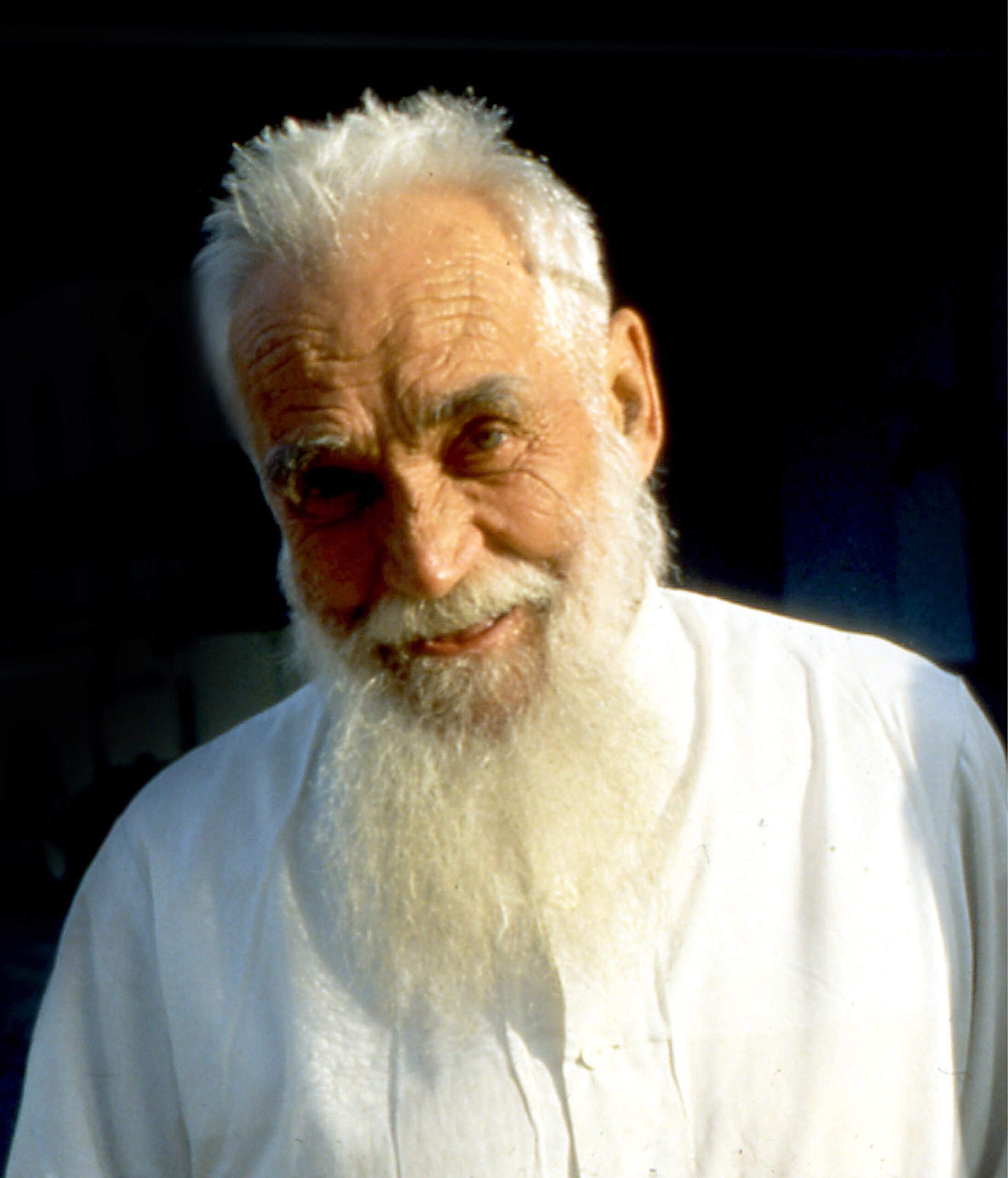
Burma or Myanmar is, nowadays, a world-famous country because of Aung San Suu Kyi, the Nobel Prize heroine of democracy and her vicissitudes. But she is not alone. In 1988, Dr. John Casey, a Cambridge don visiting Burma, was told of a waiter in Mandalay with a passion for the works of James Joyce. Intrigued by this unlikely story, he visited the restaurant, where he met Pascal Khoo Thwe. The encounter was to change both their lives.
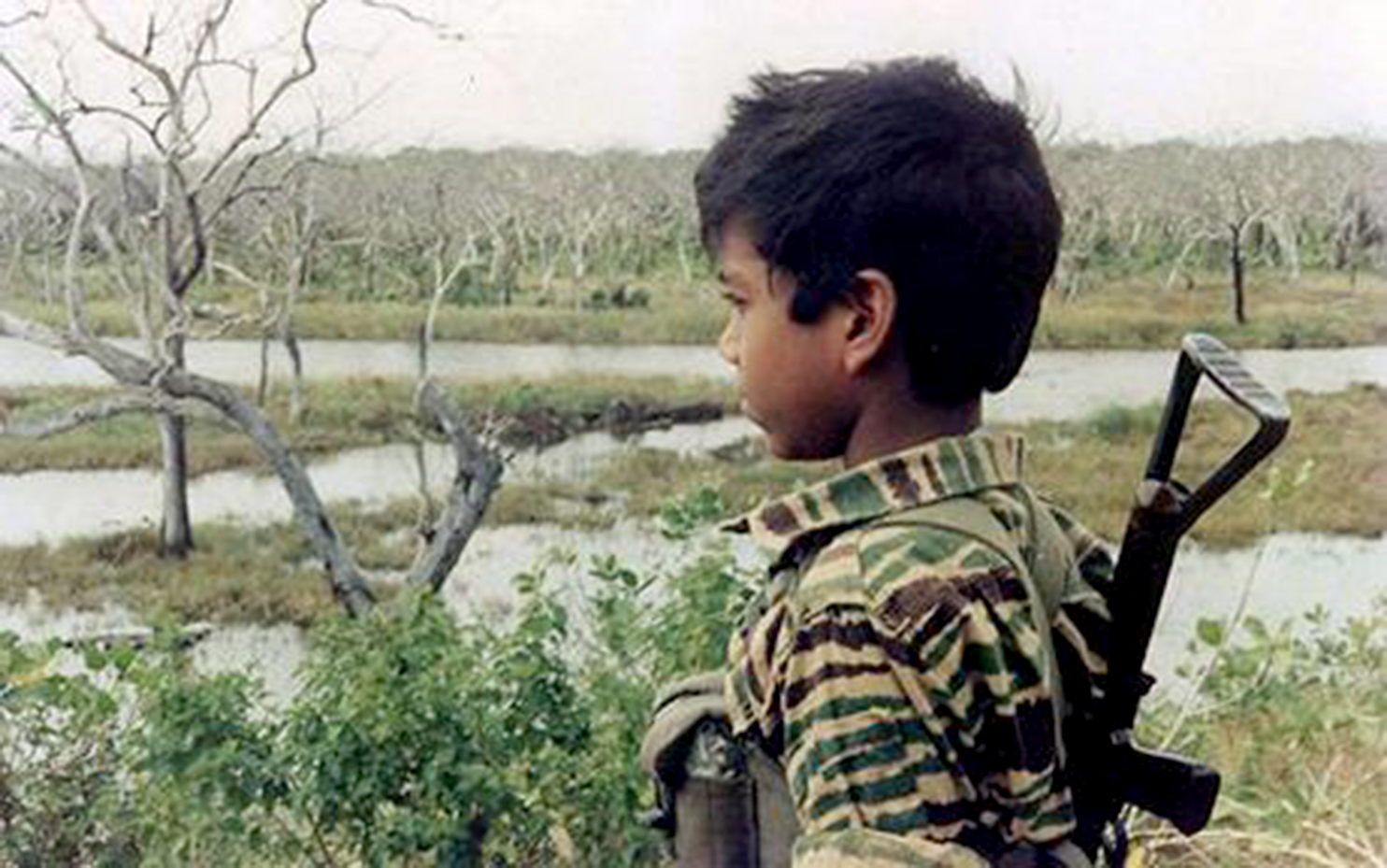
Pascal grew up as a member of the tiny, remote Kayan Padaung tribe, famous for their “giraffe-necked” women. The Padaung practice a combination of ancient animist and Buddhist customs mixed with the Catholicism introduced by Italian missionaries. Within a few months of his chance meeting with Dr. Casey, Pascal’s world lay in ruins. Successive economic crises brought about by Burma’s military dictatorship meant he had to give up his studies. The regime’s repression grew more brutal. Pascal fled to the jungle, becoming a guerilla fighter in the life-or-death struggle against the government and seeing many of his friends die in battle.
In a moment of despair, he remembered the Englishman he had met in Mandalay and wrote him a letter, with little expectation of ever receiving a reply. Miraculously, the letter reached its destination on the other side of the world. Dr. Casey went to Thailand and had Pascal rescued from the jungle. He took him to Britain and enrolled him to study English at Cambridge University, the first Burmese tribesman to do so. After his graduation, Pascal wrote From the Land of Green Ghosts (2002), his best-selling autobiography: a tale of the remarkable triumph of hope over despair.
In the opening chapter about his life as a village boy, he speaks of Fr. Carlo, an Italian missionary: “Indeed we children loved him. He clothed us, fed us and taught us until his death. He never returned to Italy. He became accustomed to being a quasi tribal chief, so far had he gone in adopting our customs… Like the ghosts of our ancestors, he and the other Italian priests became, after death, part of our society, pleasantly haunting and guarding our village.” When Pascal wrote this from Landon, he was far from imagining that, only nine years afterwards, one of his Italian priest-friends, Fr. Clement Vismara (1987-1988) would be declared Blessed and in this way attract again the world attention on his unfortunate Asian homeland.
A WAR HERO
Born in 1897 in Agrate Brianza, Northern Italy, Fr. Clement Vismara took part in the First World War, as a trench soldier, emerging from battle with the rank of sergeant and three medals for military valor. From his war experience, he understood that “life has value only if you give it for others” (as he wrote), and thus he became a priest and missionary of PIME (Pontifical Institute for Foreign Missions) in 1923 and left for Burma.
Arriving in Toungoo, the last city with a British governor, he spent six months in the bishop’s house to learn English, then he set off for Kengtung, an almost unexplored land of forests and mountains, inhabited by tribal people. After fourteen days on horseback, he arrived at Kengtung where he remained for three months to be introduced to the local languages and then the superior of the mission accompanied him to Monglin, another six days on horseback away, his last destination, on the border between Laos, Thailand and China. He wrote home: “Here, I am 120 kilometers from Kengtung. If I want to see another Christian, I have to look in the mirror.”
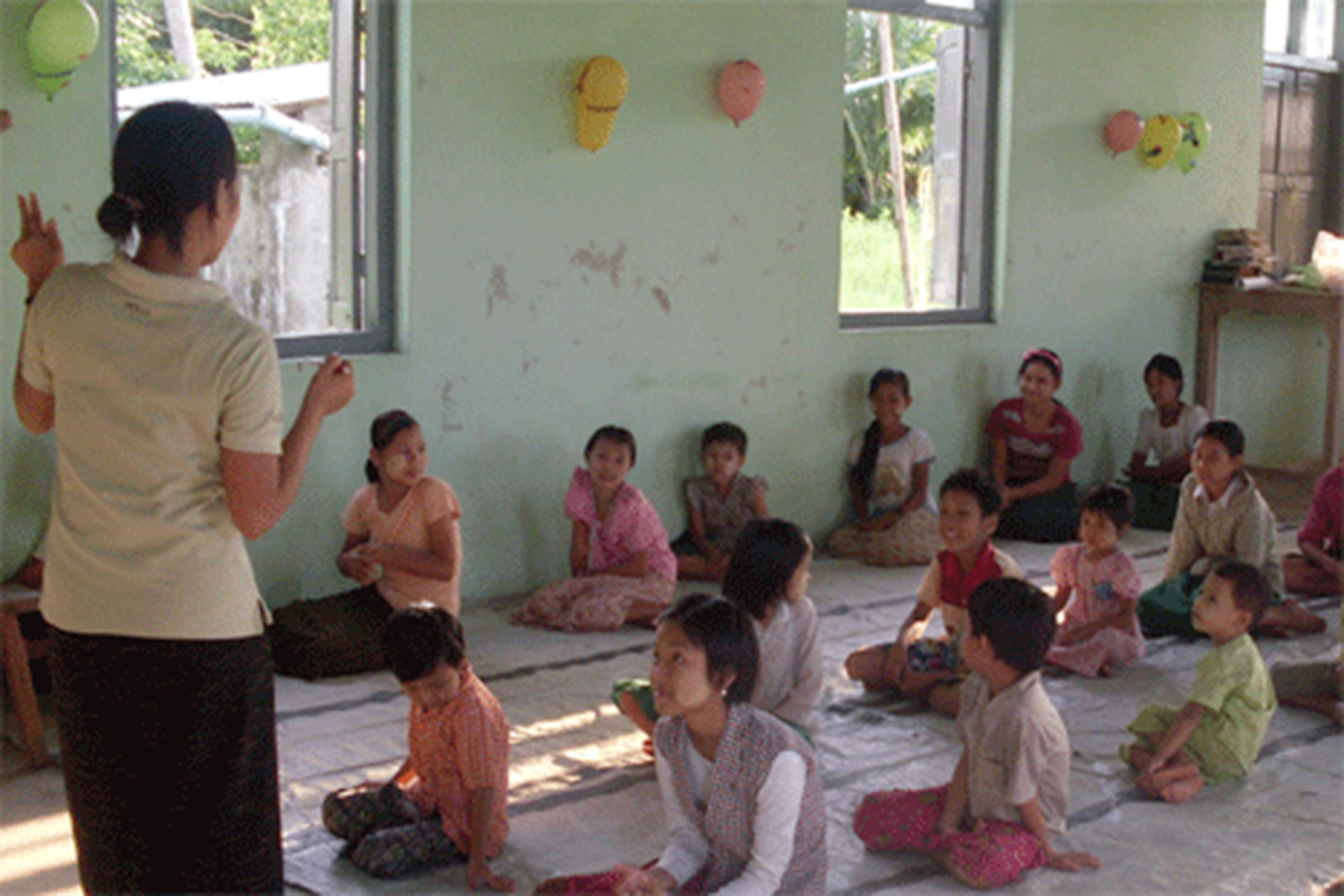
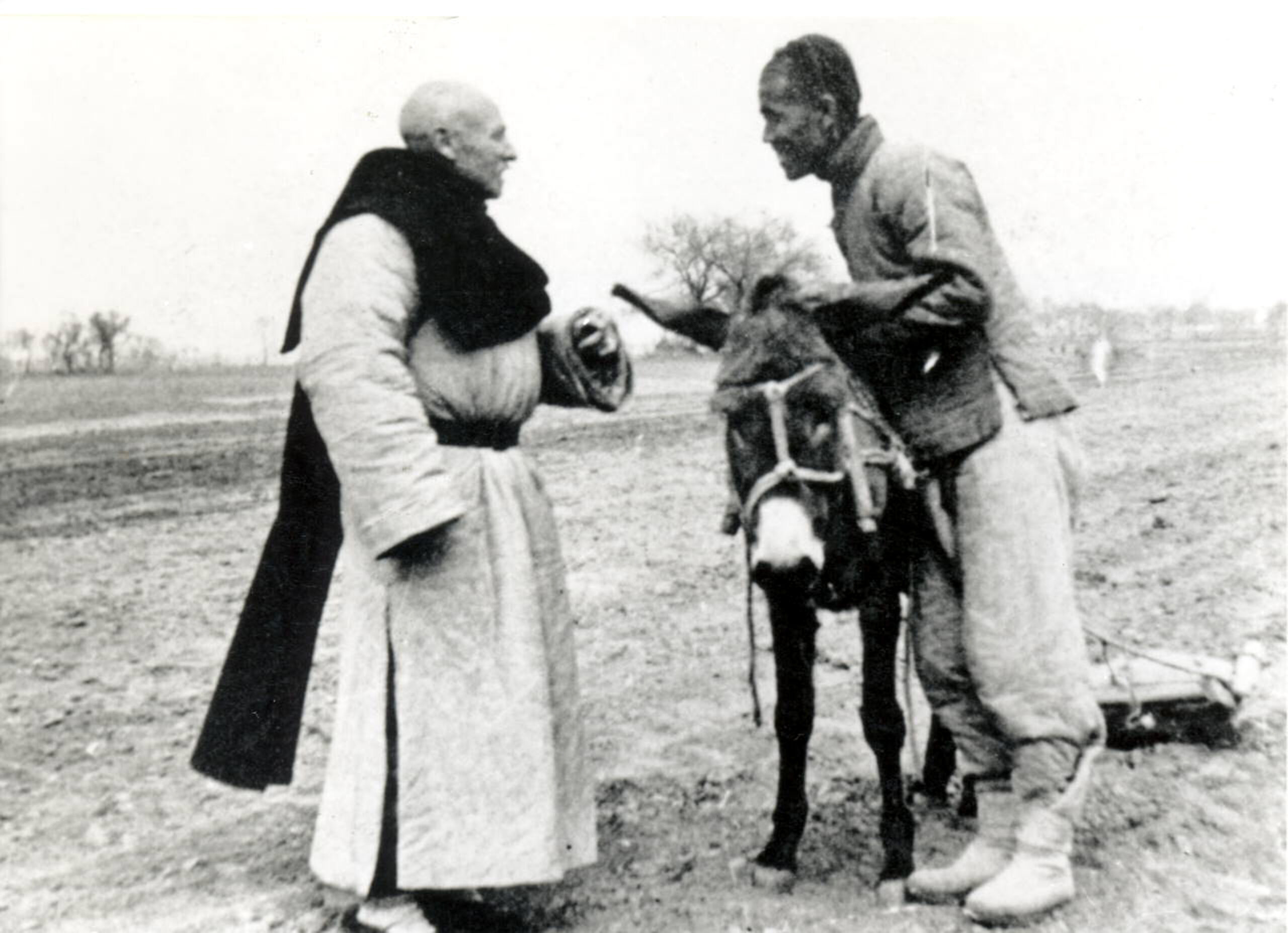
It was October 1924. In 32 years, Fr. Clement, out of nowhere, built three parishes: Monglin, Mong Phyak and Kenglap. He used to live with three orphans in a mud and straw shed. His apostolate was to tour the tribal villages on horseback, to pitch his tent and make himself known: he brought medicine, pulled rotten teeth, adapted to the life of the tribal people, the climate, the dangers, the food of rice and spicy sauce, the hunting for meat. In the midst of World War II, he was a prisoner of the Japanese. From the outset, he took in orphans and abandoned children in Monglin to educate them. Later, he founded an orphanage that became home to between 200 and 250 orphans. Today, he is invoked as the “Protector of Children” and a lot of the graces received concern children and their families.
OPIUM SMUGGLERS AND BRIGANDS
It was a life lived in conditions of extreme poverty. Clement wrote: “This is worse than when I was in the trenches during World War I, but this is the war I wanted and I have to fight it to the end with God’s help. I’m always in God’s hands.” Fr. Clement was a poet and a dreamer. He used to get up very early in the morning and climb the nearby hill to contemplate the sunrise. “When I look at the sunrise – he once wrote – I understand that God has not abandoned me.”
In his utter simplicity, Fr. Clement was clever and cunning: he had a kind of Gospel ingenuity. He tended to trust everybody, even those who did not deserve it. One time, he was stopped by some brigands who relieved him of everything he had. He exclaimed: “Poor people! They too were hungry!” Another time, when he was travelling with a group of people, the brigands appeared, but Fr. Clement faced them by saying: “Aren’t you ashamed of robbing all these poor people the little they have? If you are hungry, come to the mission of Monglin and you will eat to your hearts’ content.” He was an impressive man, big and more than six feet tall. The brigands listened to him. In him, what prevailed was always the welcoming, forgiving and trust in his fellow human beings and ultimately in God.
Blessed Clement founded the Church in a corner of the world where there are no tourists, but only opium smugglers, black magicians and guerillas from different backgrounds. He brought peace and helped the nomadic tribes to settle within the territory. Gradually a Christian community was born. The Sisters of the Child Mary came to help; he founded schools and chapels, factories, rice fields, and irrigation canals. He taught carpentry and mechanics, built brick houses and brought new crops, wheat, corn, silkworms, vegetables (carrots, onions, salad – “the Father eats grass,” the people would say). Through schooling and health care, the indigenous people raised their standards of living and now have doctors and nurses, artisans and teachers, priests and nuns, bishops and civil authorities. Many of them are called Clement and Clementine. In 1957, Fr. Clement took his only vacation to Italy. Back in Burma, he was active for another thirty years.
He died June 15, 1988 in Mongping and is buried near the church and the Grotto of Lourdes, which he built. His grave is visited also by many non-Christians. Fresh flowers are never lacking and candles are always burning in his honor. Now, only 23 years later, Father Clement Vismara was declared a Blessed of the Universal Church and the first Blessed of Burma. The cause of beatification started from the diocese where Fr. Clement lived and worked, died and is buried.
Bishop Abraham Than declared: “Never had we seen such a thing in Kengtung. We have had many holy missionaries who laid the foundations of the diocese. For instance, the first bishop, Msgr. Emilio Bonetta, whom many still remember as a model of Gospel charity and others whose goodness is still a living memory. But, for none of them, there is such a movement of people and devotion as for Fr. Vismara and this is not only on the part of the Catholic population, but also on the part of members of the traditional animist religion, as well as Buddhists, Hindus, Muslims. In this I saw a sign from God. This convinced me to open the diocesan inquiry on Fr. Clement’s heroic virtues.
EXTRAORDINARY IN THE ORDINARY
Why was Father Clement Vismara declared Blessed? In life, he did not perform miracles, have visions or revelations; he was neither a mystic nor a theologian. He made no great works nor had any extraordinary gifts. He was a missionary like the rest, so much so that some of his confreres in Burma said: “If you declare him Blessed, you need to declare all of us here Blessed who have led the same life he did.” One of his religious brothers said: “Fr. Clement saw the extraordinary in the ordinary.”
At 80 years, he had the same enthusiasm for his vocation, as priest and missionary, as when he was 20. He was always peaceful and joyful, generous to all, a man of God despite the tragic situations in which he lived. He had an adventurous and poetic vision of the missionary vocation that made him a fascinating character also through his writings. He is perhaps the most famous Italian missionary of the twentieth century.
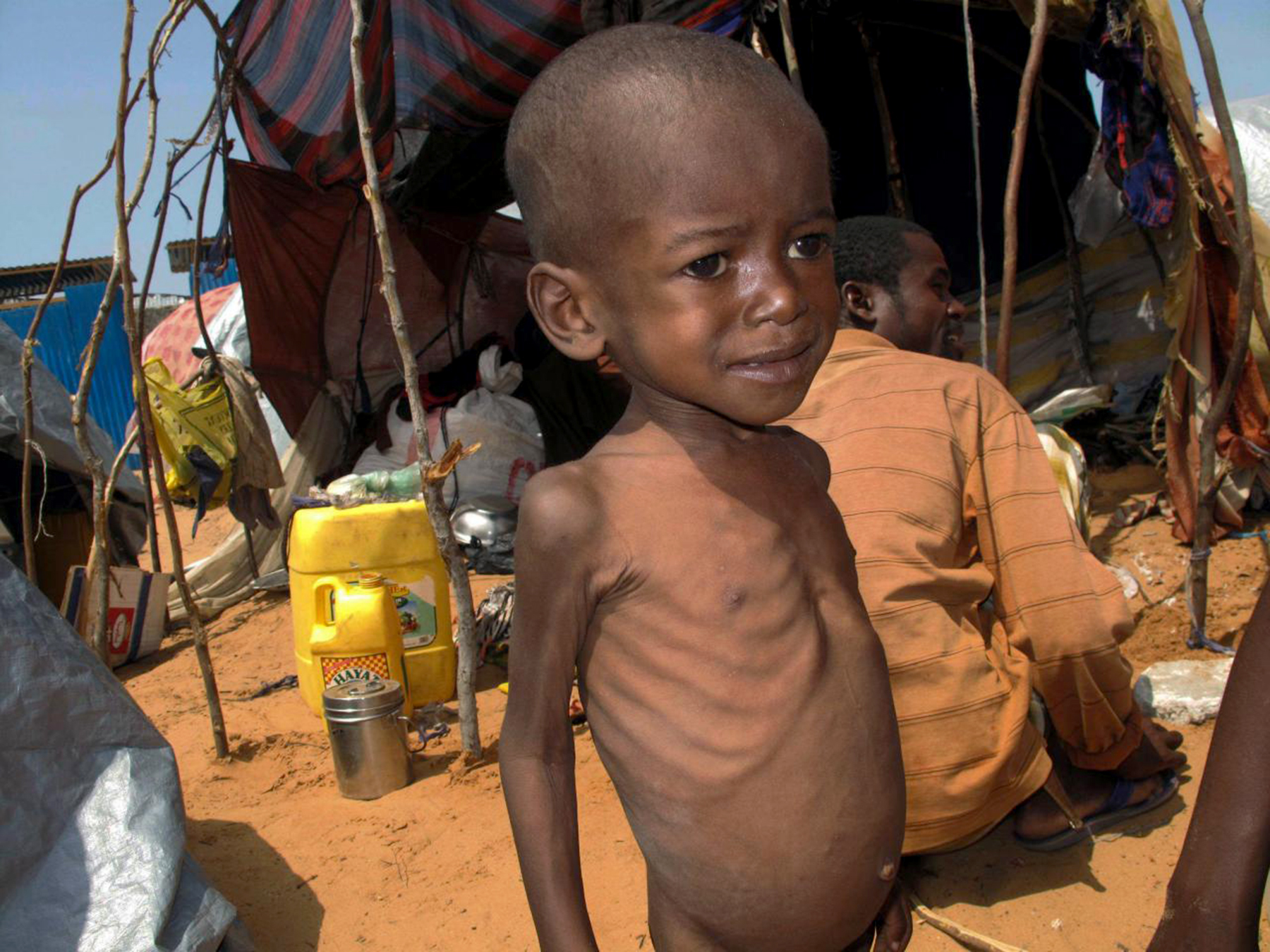
His trust in Divine Providence was proverbial. He had no budgets or estimates; he never counted the money he had. In a country where the majority of people during some months of the year suffer from hunger, Fr. Clement gave food to all. He never turned anyone away empty-handed. The PIME Brothers and Sisters of the Child Mary would reproach him for taking in too many children, old people, lepers, disabled, widows, mentally unbalanced. Fr. Clement always said: “Today we all ate, tomorrow the Lord will provide.”
He trusted in Providence, but across the world he wrote to donors for support and help with articles in various magazines. He spent his evenings writing letters and articles by candlelight (over 2,000 letters and 600 articles of his have been collected). Father Vismara’s writings are poetic, adventurous, burning with love for the poorest and most abandoned. They have attracted many vocations to the priesthood and missionary life and not only in Italy.
Fr. Clement well represents the virtues and the values of the missionaries to be passed down to future generations. In the last half century, Mission to the Nations has dramatically changed, yet it always remains what Jesus wanted, “Go into all the world, proclaim the Gospel to every creature.” The new methods (responsibility of the local church, inculturation, interreligious dialogue, etc.) must be experienced in the spirit and continuity of the Church tradition that dates back to the Apostles. Fr. Clement is one of the last links in this glorious Apostolic Tradition. He was in love with Jesus (he prayed a lot!) and in love with His people, especially the small and the least.
He lived to the letter what Jesus says in the Gospel: “Do not worry too much, saying, ‘What shall we eat? What shall we drink? How will we dress?’ The pagans are the ones who care for all these things. But as for you, you should look first for the Kingdom of God and do God’s will and everything else God will give you” (Mt. 6:31-34). Utopia? No, for Fr. Clement it was a living reality bringing joy to his heart despite all the problems he had.
THE GREATEST APOLOGY OF OUR FAITH
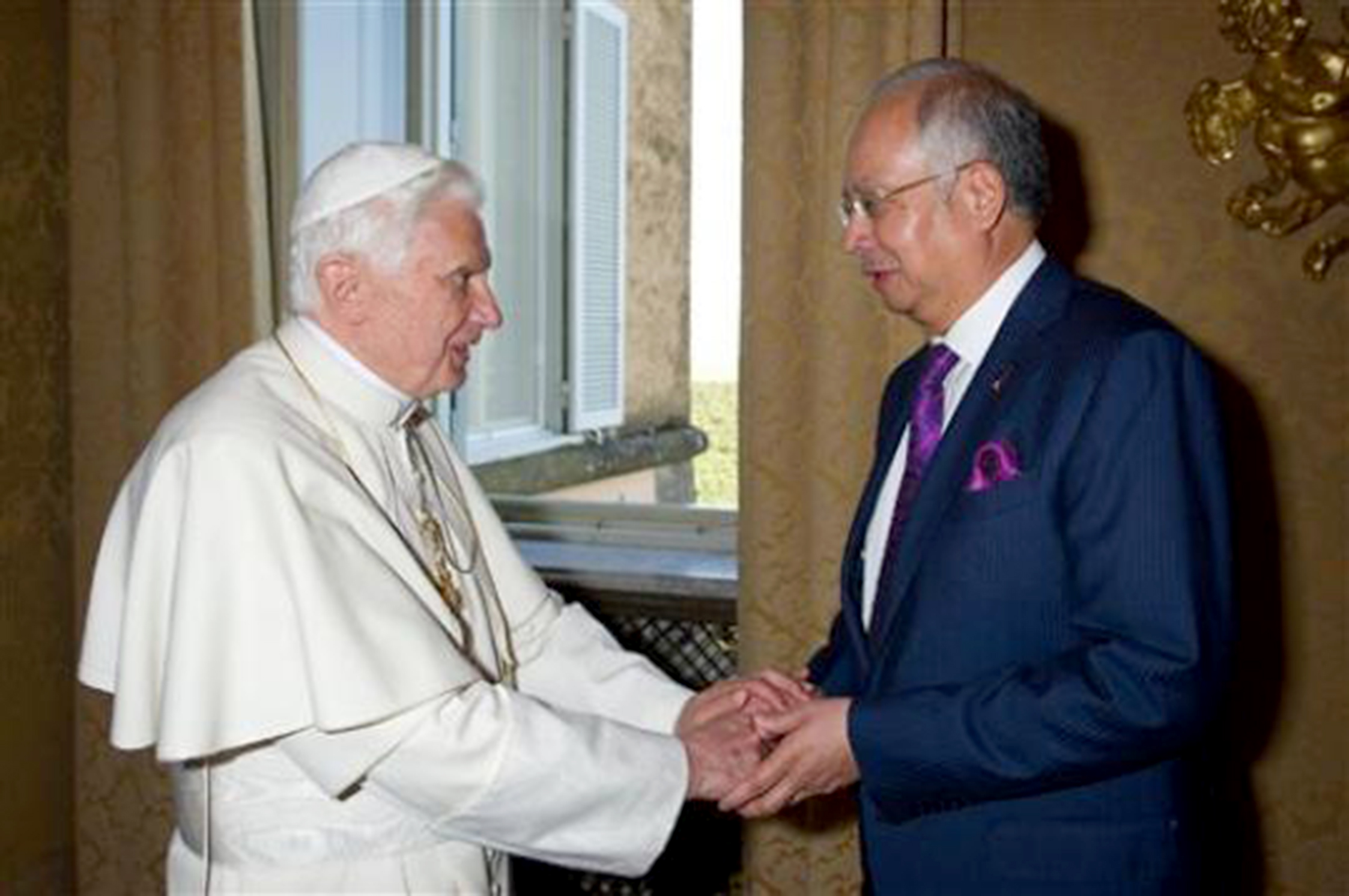
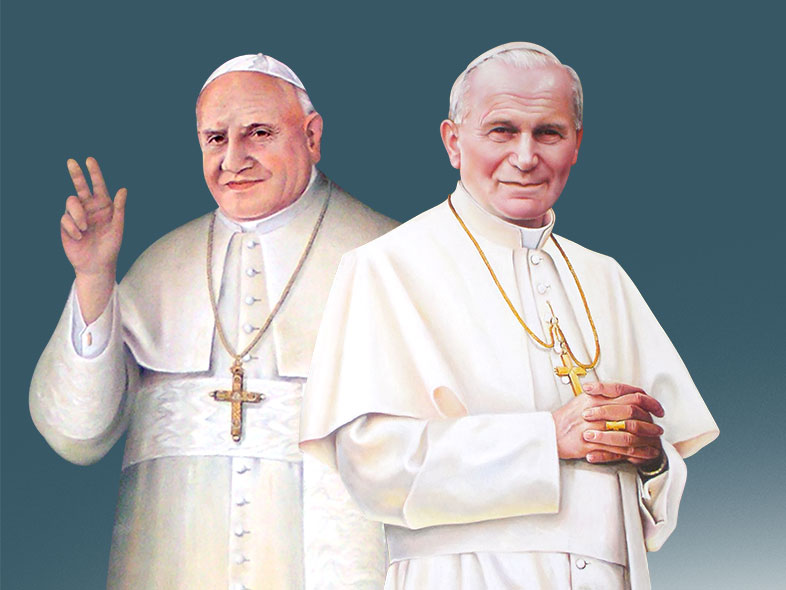
The beatification of John Paul II, on May 1, rocked the whole world like a hurricane. But there are also other exemplary witnesses of Christ, much less known, whom the Church joyfully points out to the veneration of the faithful: humble, ordinary saints – including those who will never get a halo. They are a key theme in the preaching of Pope Benedict. For him, the saints are “the greatest apology of our faith.” Together with art and music, he has often added; and much more than the arguments of reason. “The saints are the great luminous trail on which God passes through history. In them we see that there truly is a force of good which resists the millennia; there truly is the light of light.”
One of these lights was brought to wider attention on June 26, the day of the feast of Corpus Domini, when, in Milan, a missionary priest was beatified, Fr. Clement Vismara, who died in 1988 at the age of 91 in a remote corner of Burma. His biography is the account of that ordinary sanctity which so pleases this pope who has called himself a “humble laborer in the vineyard of the Lord.” In Buddhist Burma, today called Myanmar, Catholics are little more than one out of one hundred inhabitants. But, if the Christian faith is rooted there, it is due precisely to a missionary like Fr. Clement Vismara, to the “luminous trail” radiated by his holiness.