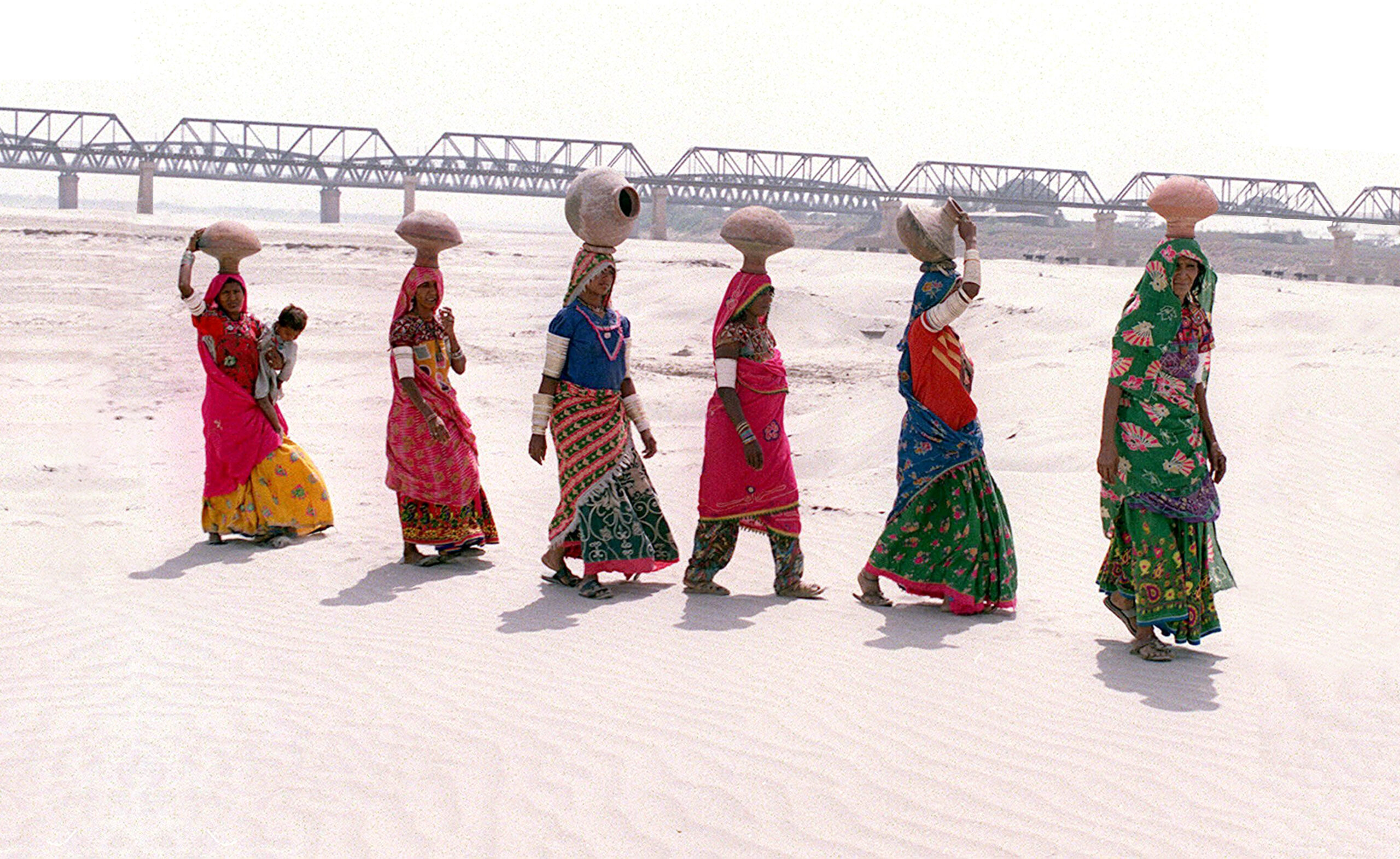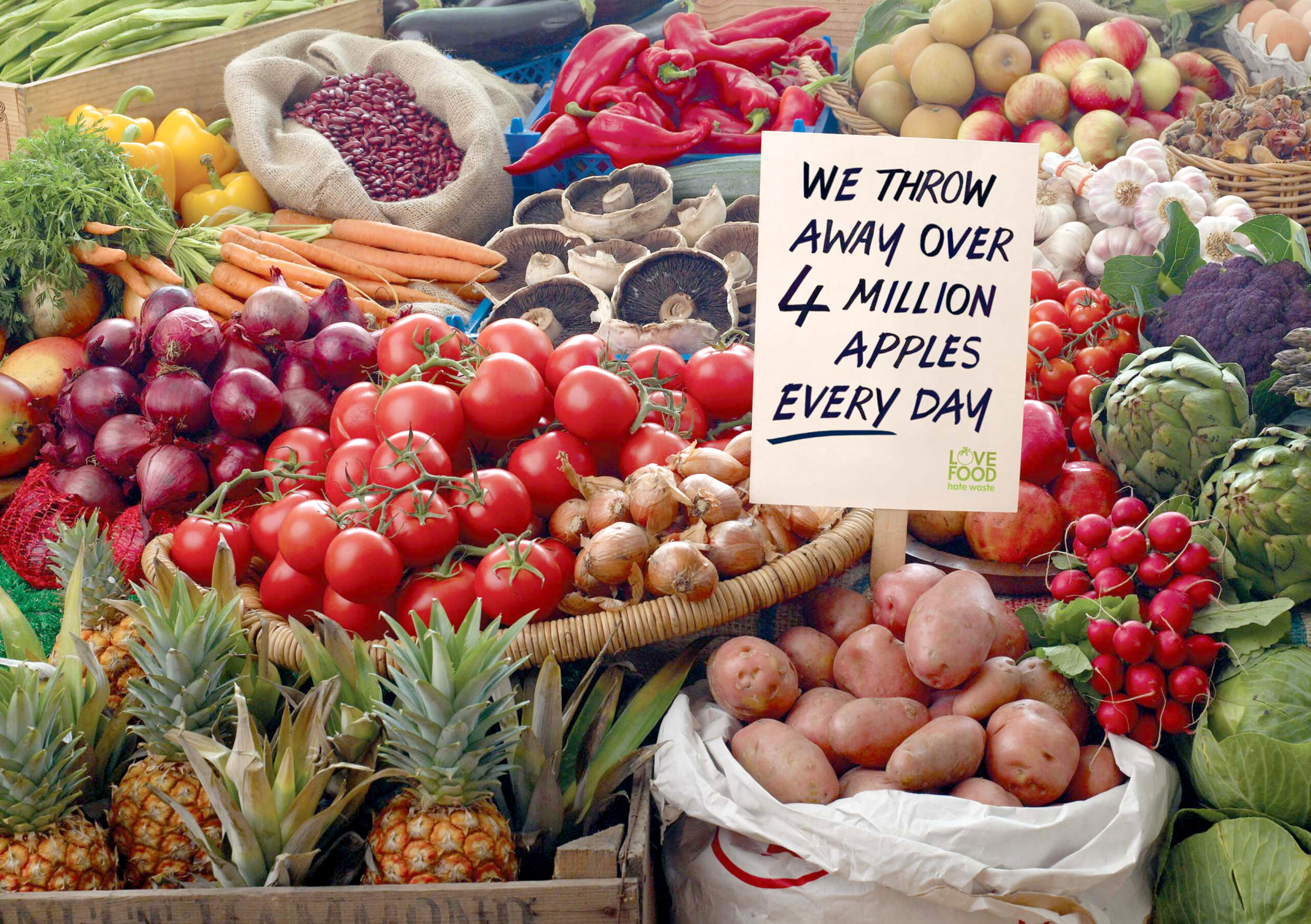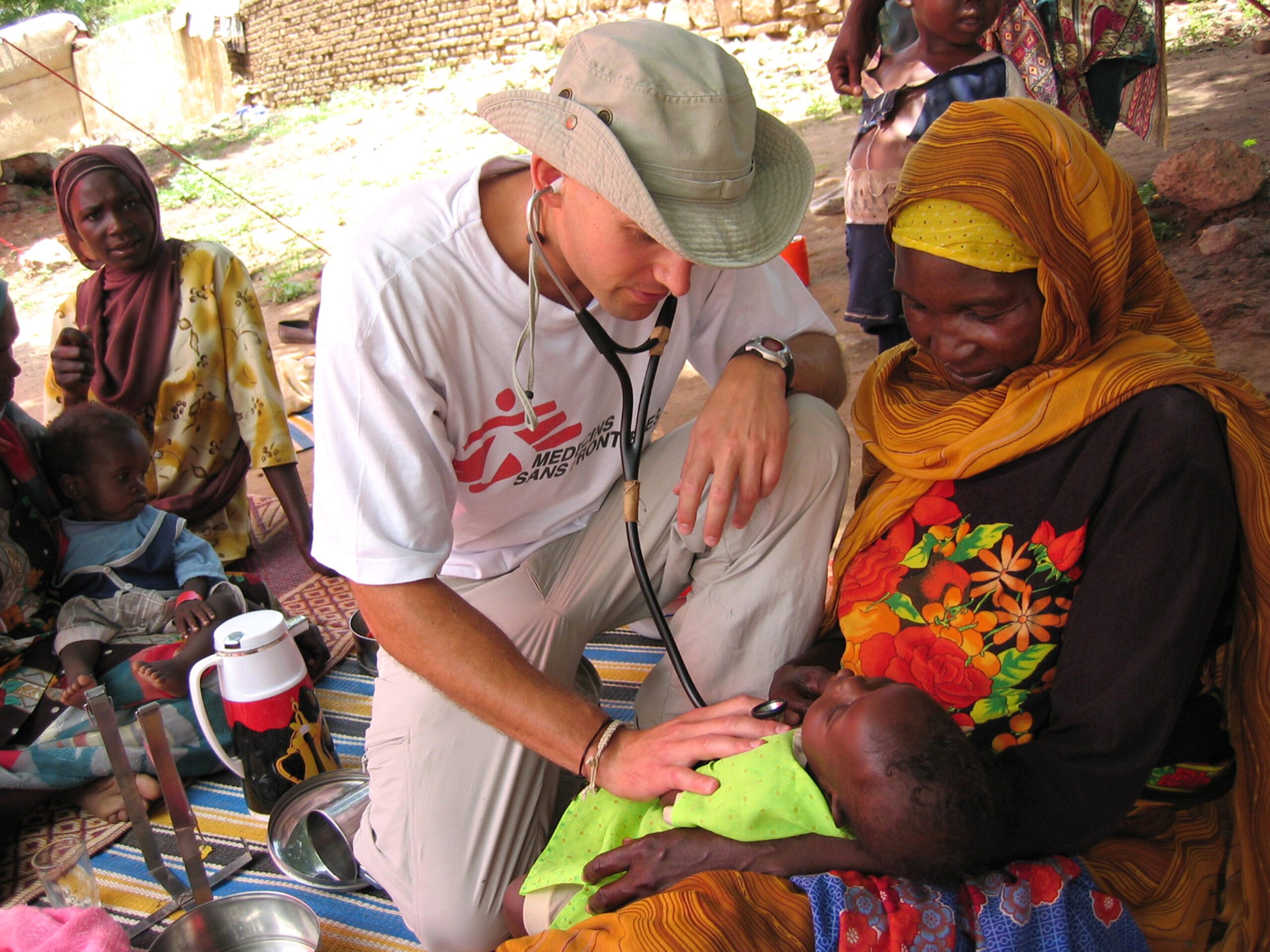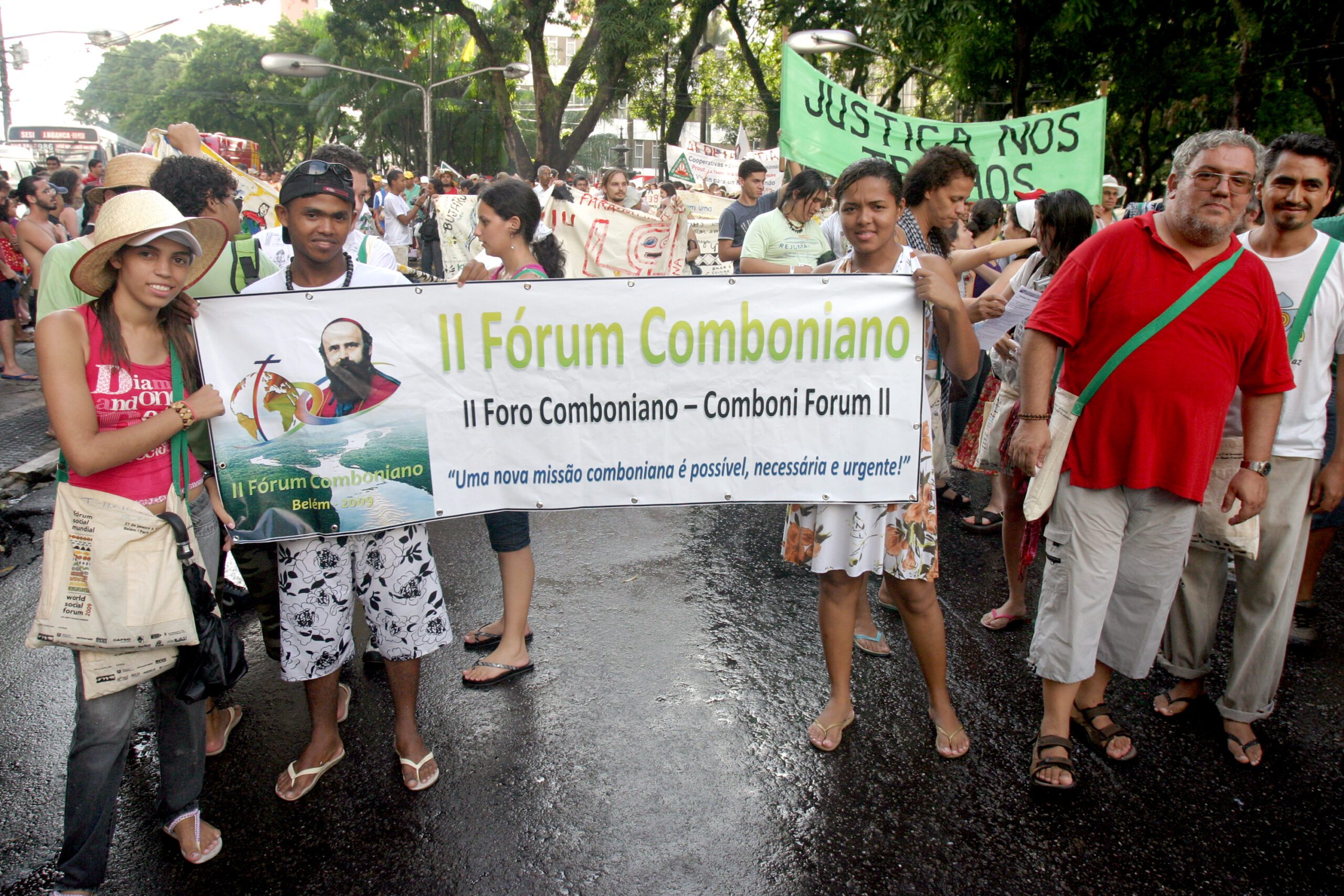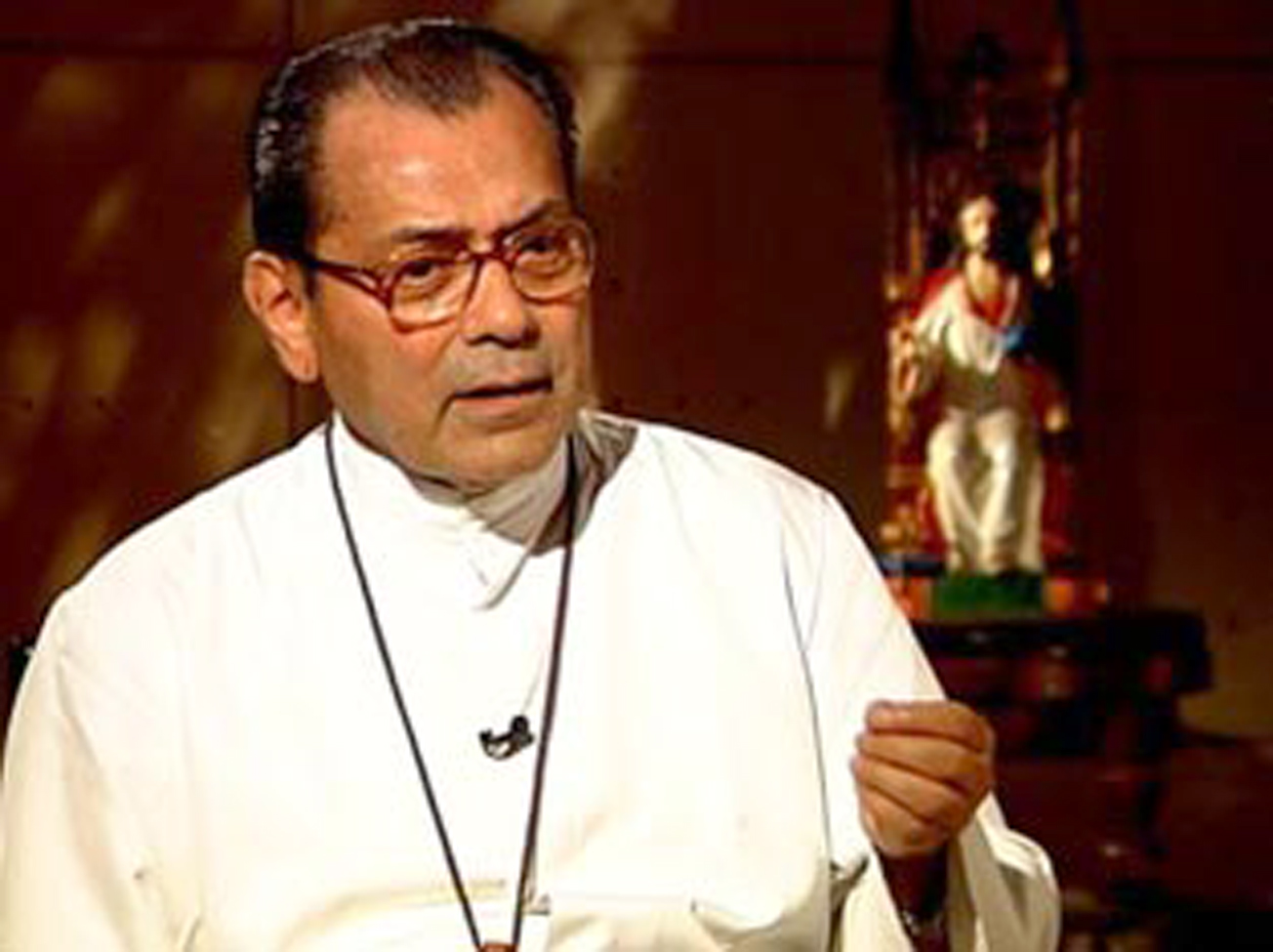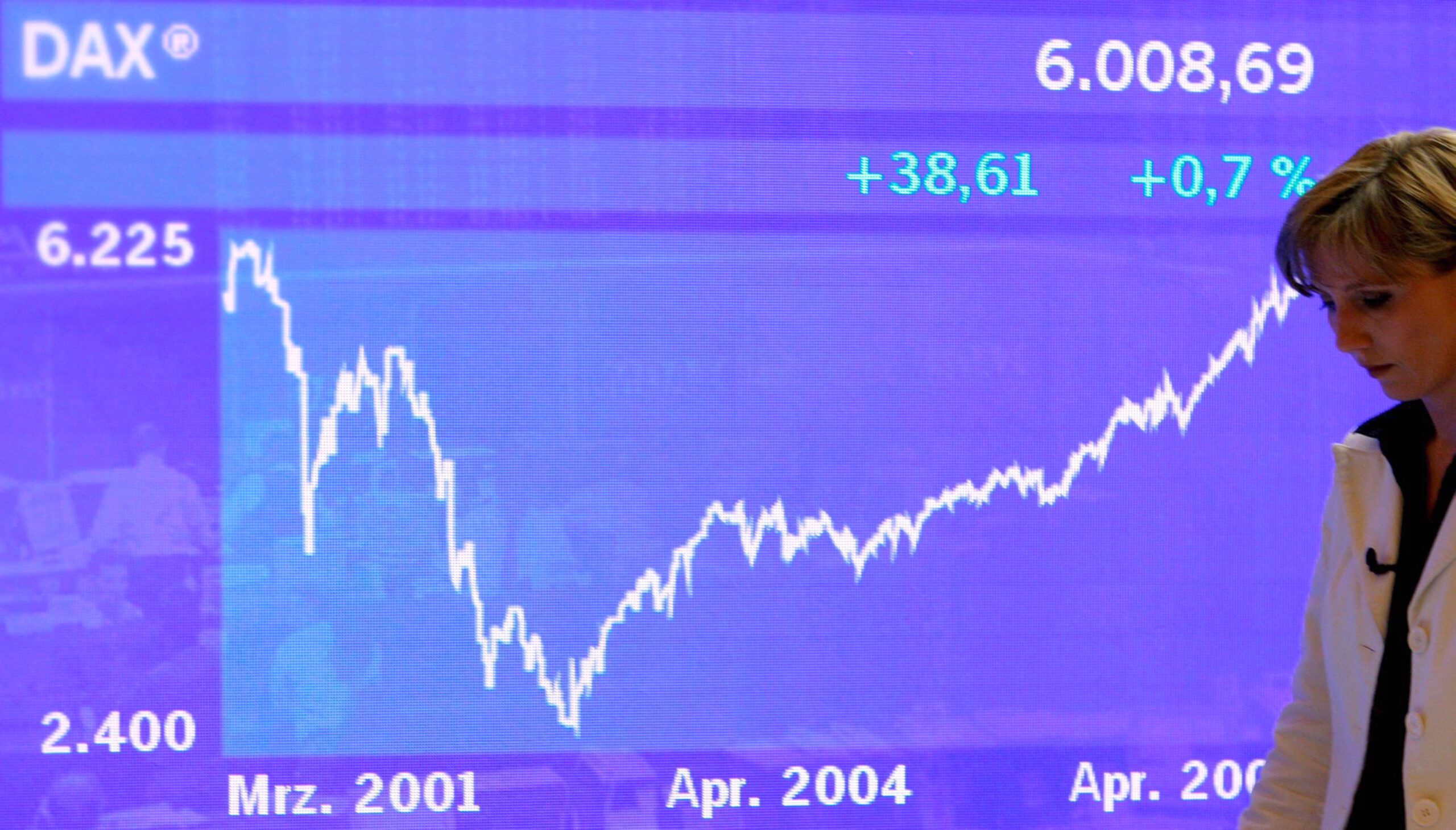

The recession, he first pointed out, is compromising human rights, “including the right to food, water, health and decent work.” And, the prelate cautioned: “When large segments of a national population see their social and economic rights frustrated, the loss of hope endangers peace.” He said the international community has a right and responsibility to ask what caused the current crisis. Acknowledging the guilt of “some actors in the financial and economic system,” the prelate said that the causes are even deeper.
Archbishop Tomasi affirmed: “There are economic, juridical and cultural dimensions of the present crisis. To engage in financial activity cannot be reduced to making easy profits, but also must include the promotion of the common good among those who lend, those who borrow, and those who work. The lack of an ethical base has brought the crisis to low-, middle-, and high-income countries alike.”
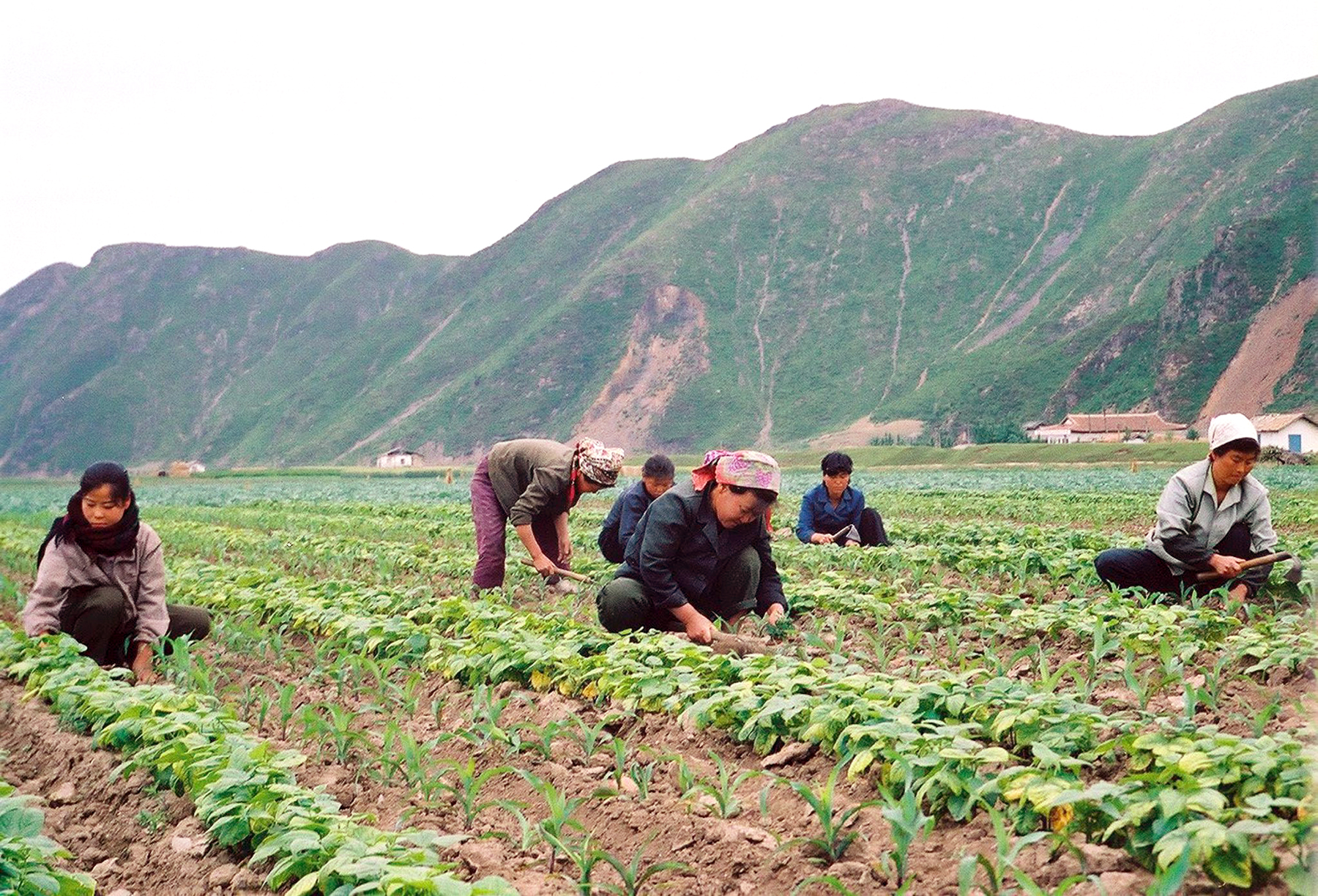
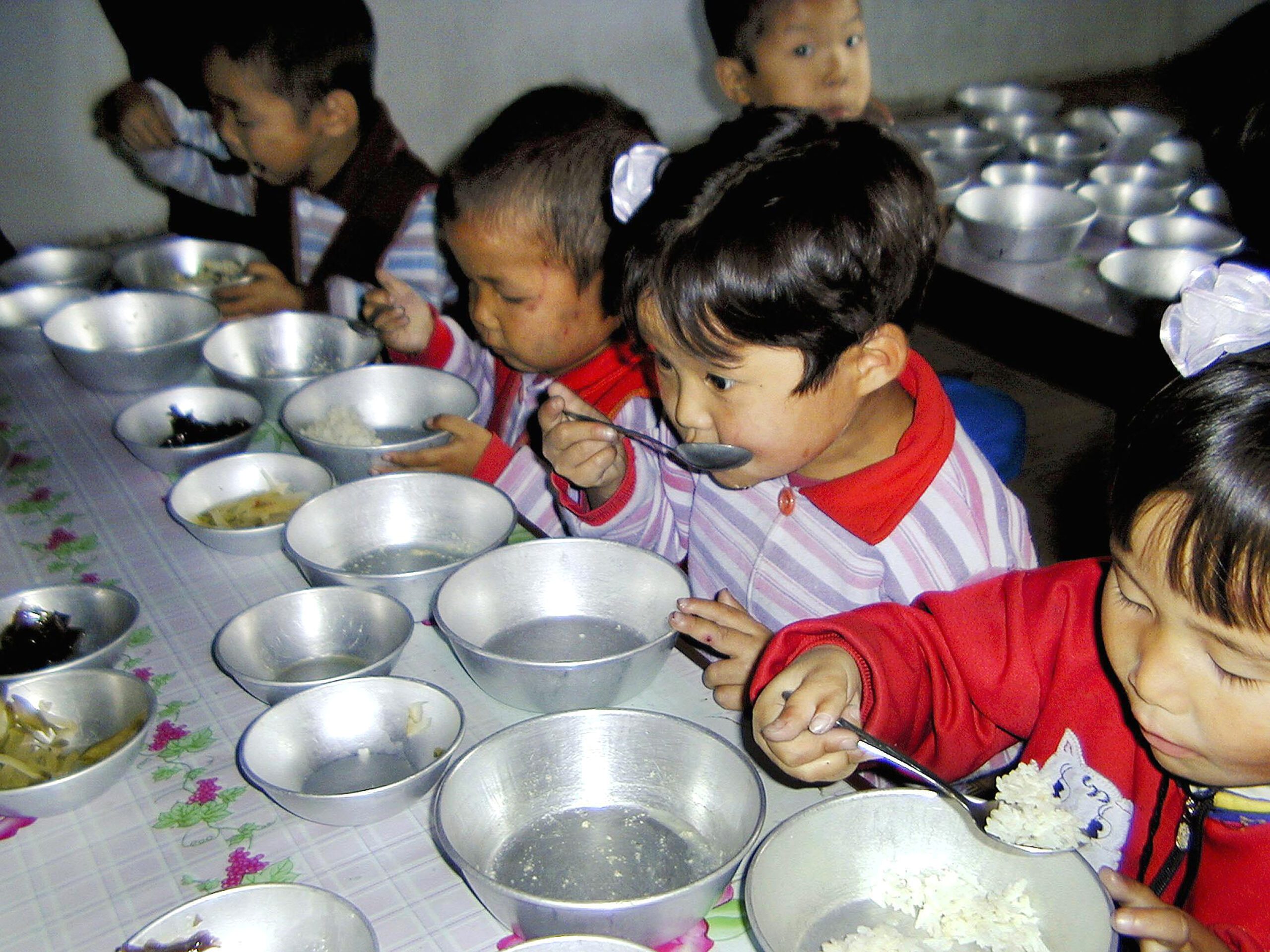
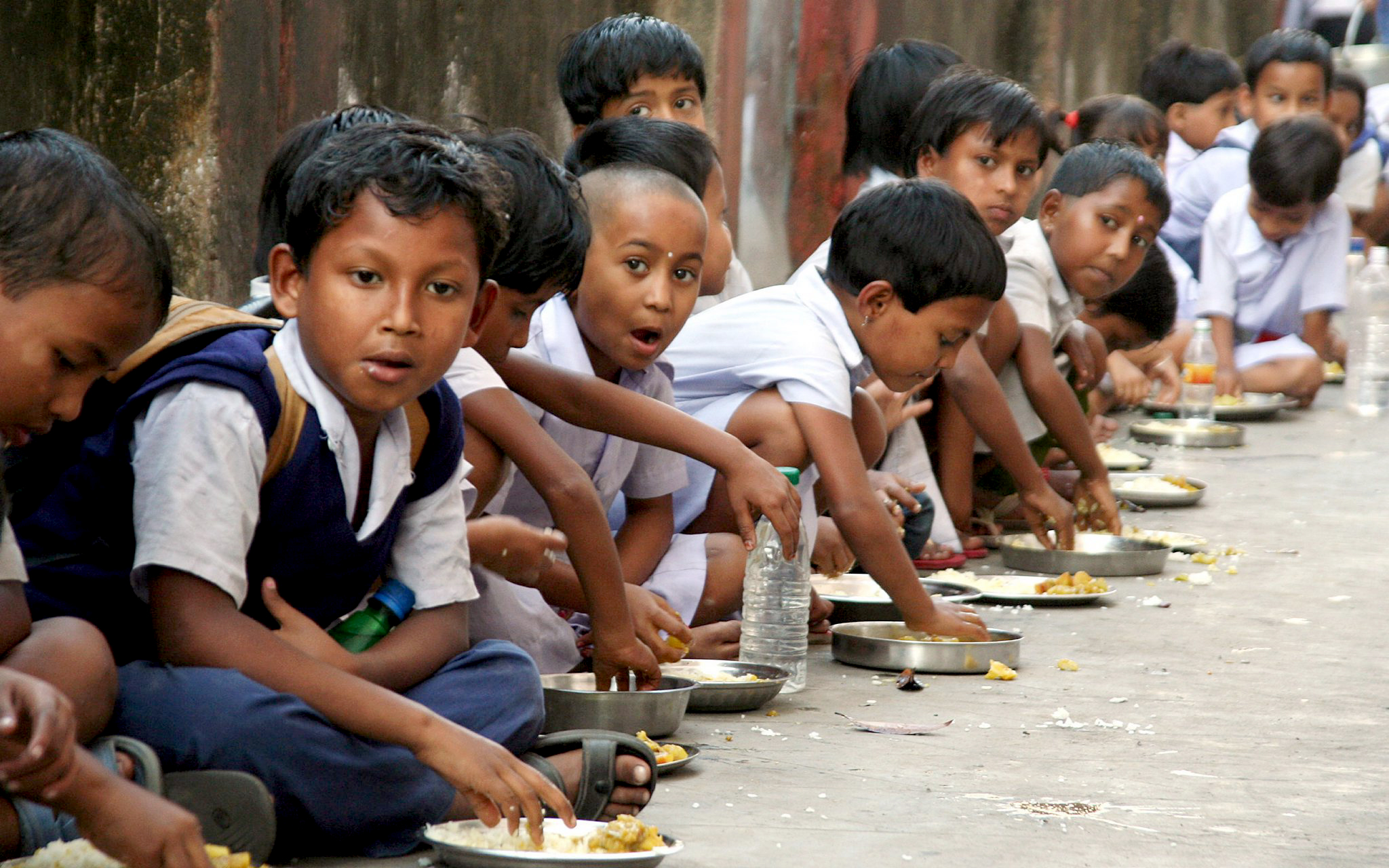
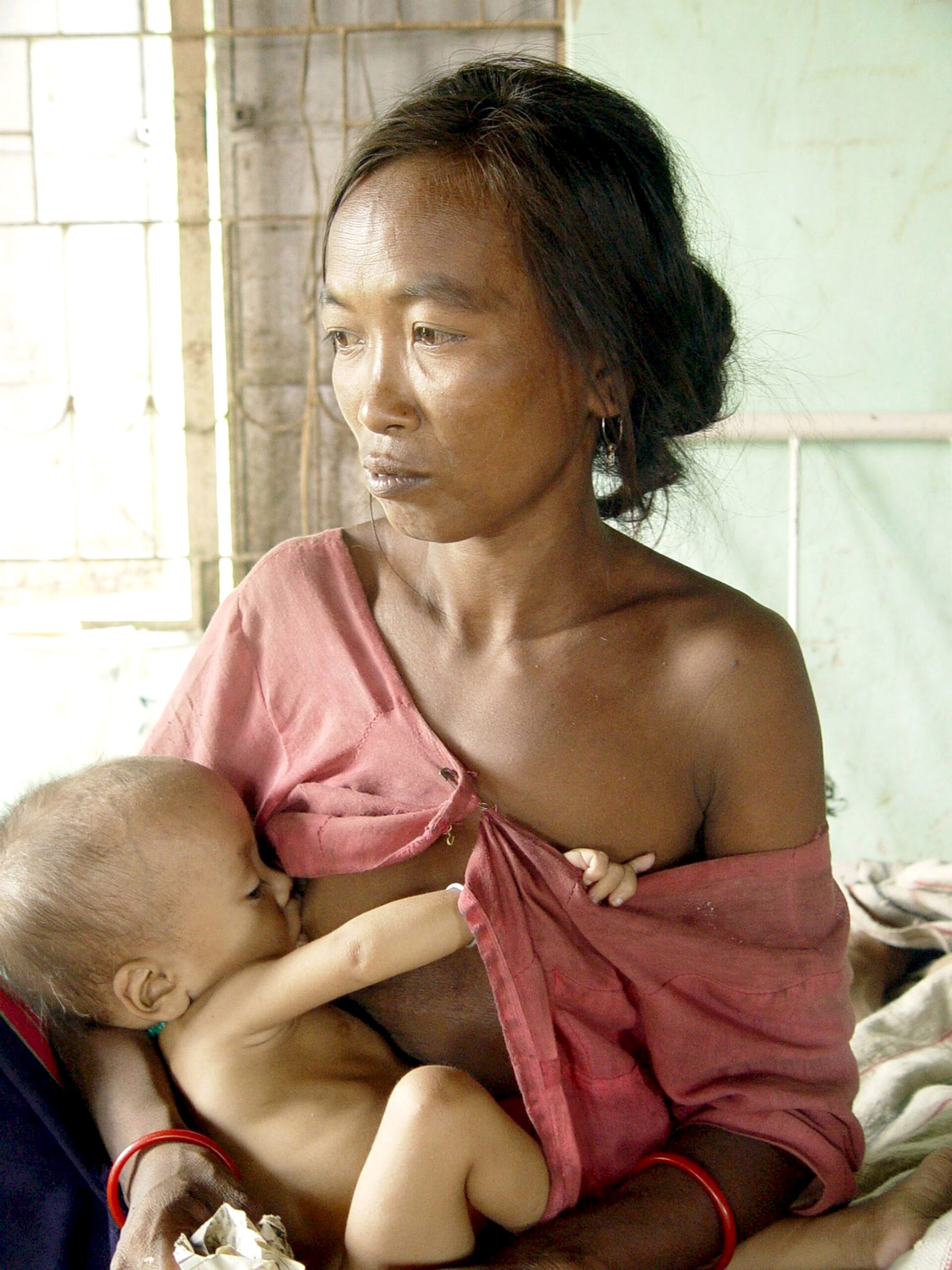
The Holy See representative lamented that the “more dramatic impact” of the crisis hits the developing world and the “most vulnerable groups in all societies.” He cited World Bank estimates predicting that, this year, the situation will push an additional 53 million people below the threshold of $2 a day. This figure is in addition to the 130 million people pushed into poverty in 2008 by the increase in food and energy prices. These trends, said the archbishop, “seriously threaten the achievement of the fight against poverty in the Millennium Development Goals by 2015.” And, he said, those who will suffer most from the economic hardship are the children.
Archbishop Tomasi pointed to the problematic situation caused for low-income countries when two primary “financing flows” dry up: foreign aid and migrant remittances. “Both flows are expected to decline significantly over the next months, due to the worsening of the economic crisis,” he said. The prelate noted that most developed countries are off track on their aid promises and migrant remittances have already been significantly reduced.
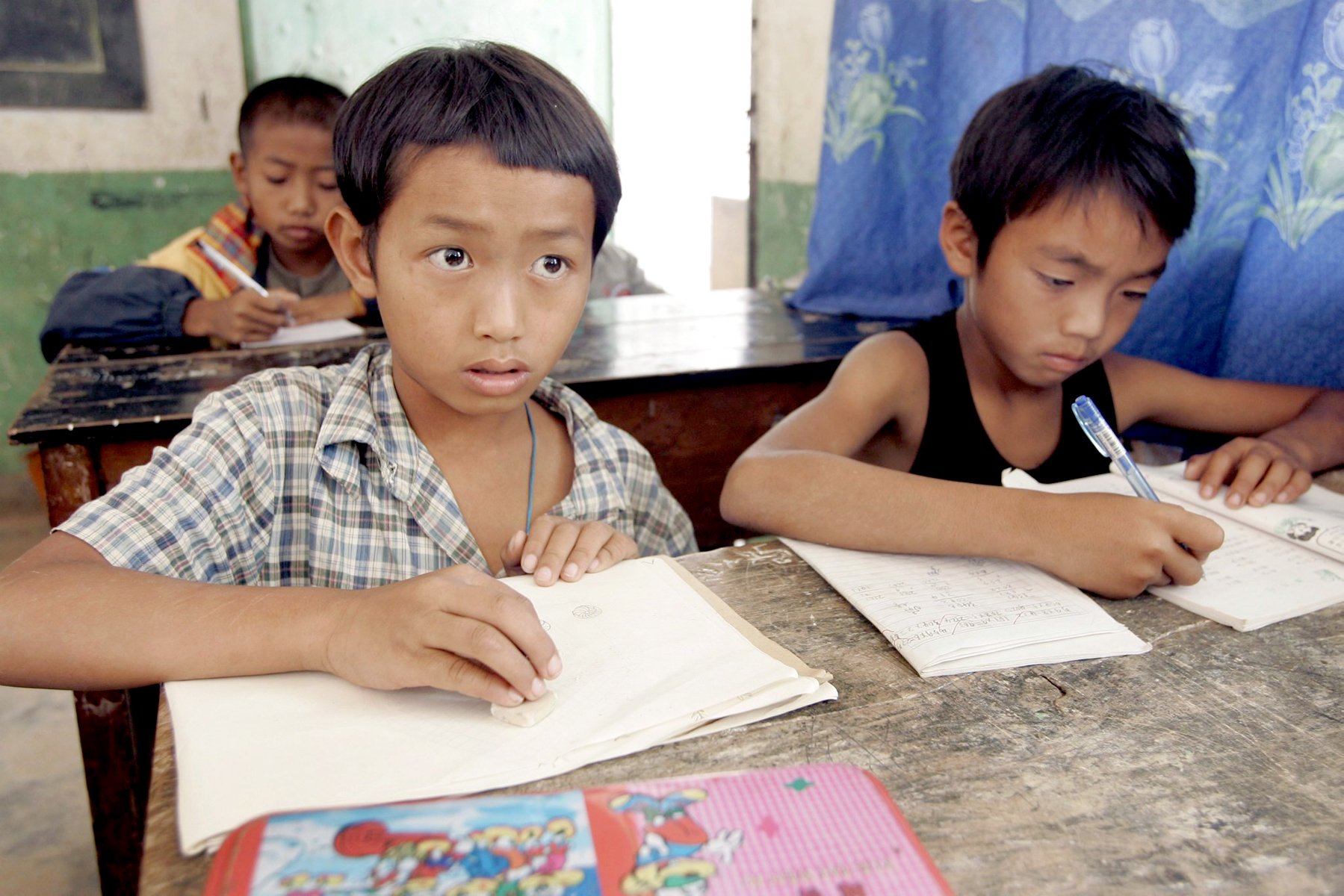
And regarding children, the Holy See representative sounded the alarm about the impact of the crisis on their basic rights, rights such as health, education and food: “If the reduction of both aid and remittances continue, it will deprive children of the right to be educated, creating a double negative consequence. Not only will we prevent children from the full exercise of their talent that, in turn, could be put to use for the common good, but also the preconditions will be established for long-range economic hardship. Lower educational investment today, in fact, will be translated into lower future growth.”
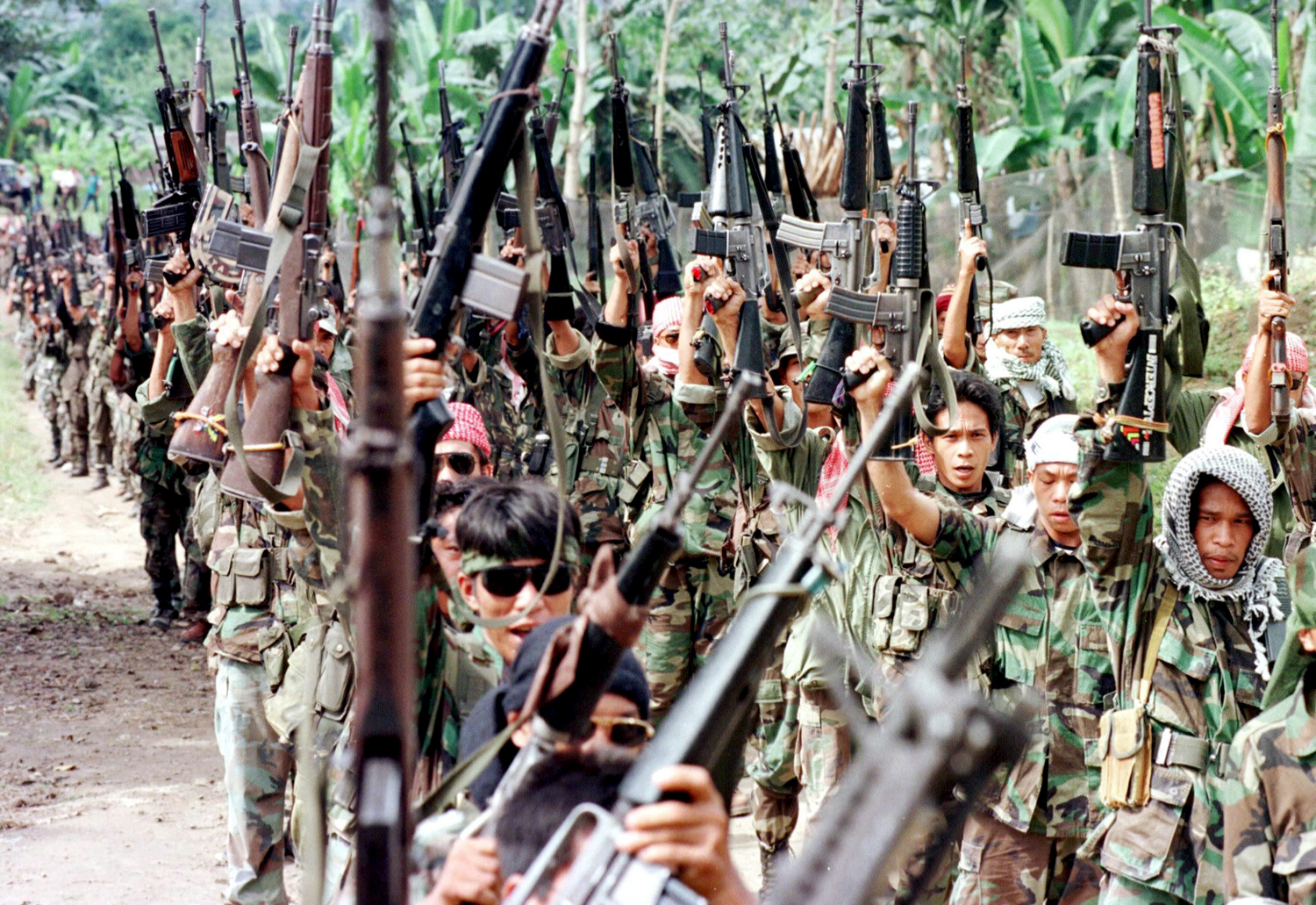
Finally, Archbishop Tomasi noted another alarming consequence of the crisis, “one,” he said “could be particularly relevant for the mandate of the United Nations.” The prelate declared: “All too often, periods of severe economic hardship have been characterized by the rise in power of governments with dubious commitments to democracy. The Holy See prays that such consequences will be avoided in the present crisis, since they would result in a serious threat for the diffusion of basic human rights for which this institution has so tenaciously struggled.”
The Holy See official concluded by lauding notable achievements in poverty reduction in the last 50 years. But he said that “these achievements are at risk, and a coherent approach is required to preserve them through a renewed sense of solidarity, especially for the segments of population and for the countries more affected by the crisis.” The archbishop cautioned: “Old and recent mistakes will be repeated, however, if concerted international action is not undertaken to promote and protect all human rights and if direct financial and economic activities are not placed on an ethical road that can prioritize persons, their productivity and their rights over the greed that can result from a fixation on profit alone.”