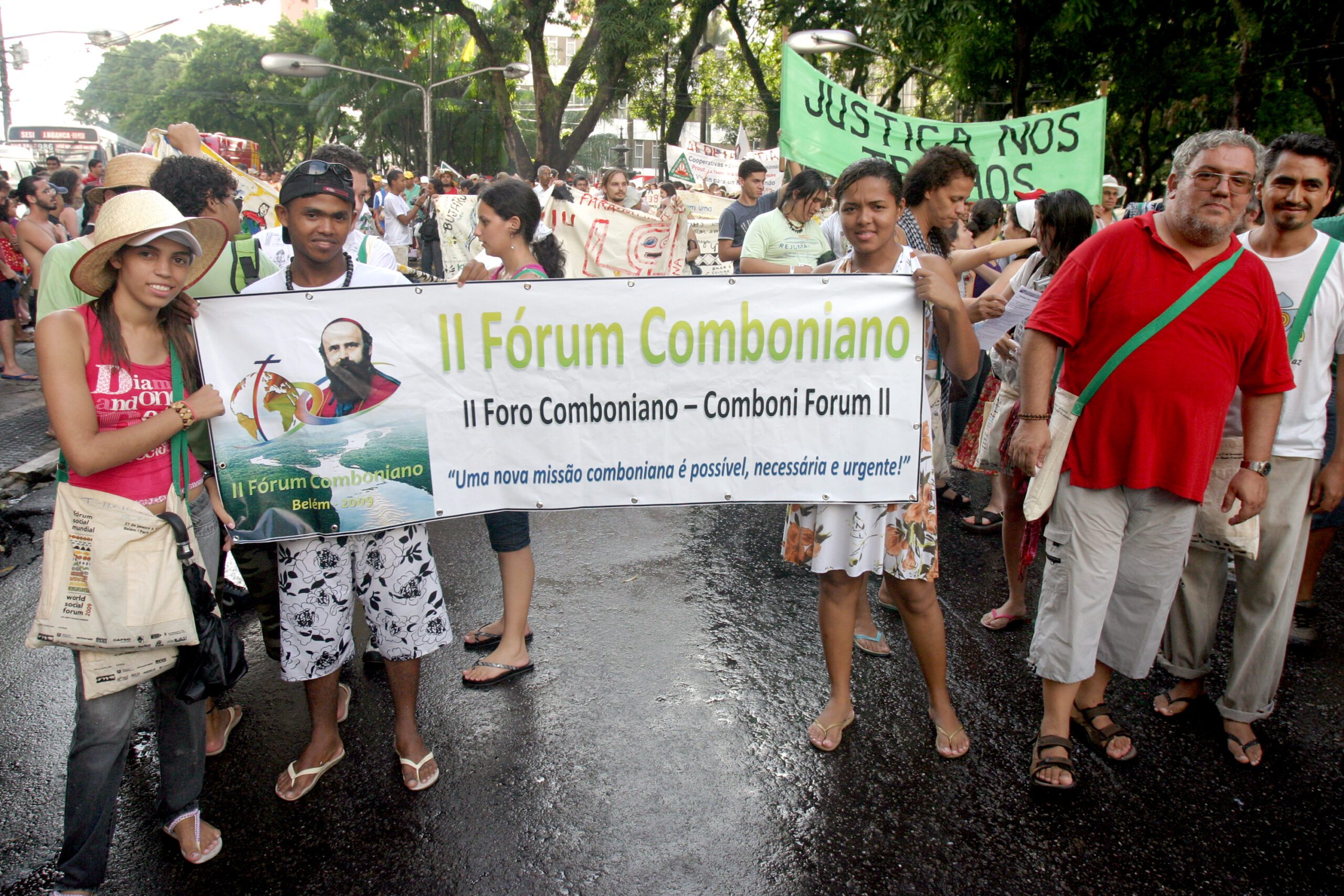
The current economic and financial crisis, far from being just a mere conjuncture crisis of an economic model (the neoliberal capitalism), brings out an authentic socio-cultural mutation, which is intense and planetary. It involves not only the development models that have been world-widely implemented so far, but also the relation of humans between themselves and with the whole of creation, the different cultural and ethical patterns, and our vision/praxis regarding the mission of human beings in the world. This is what we define as crisis of civilization.
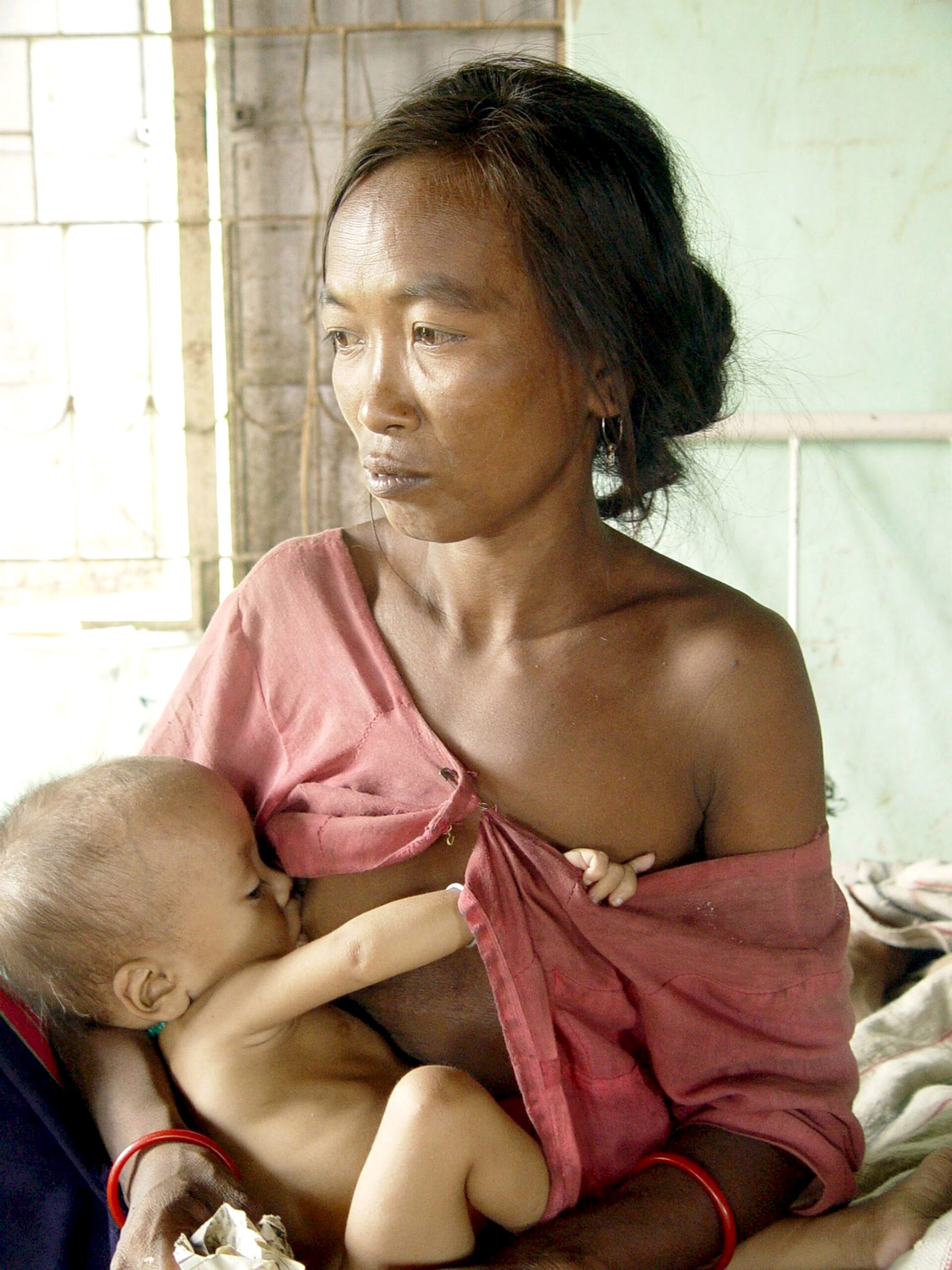
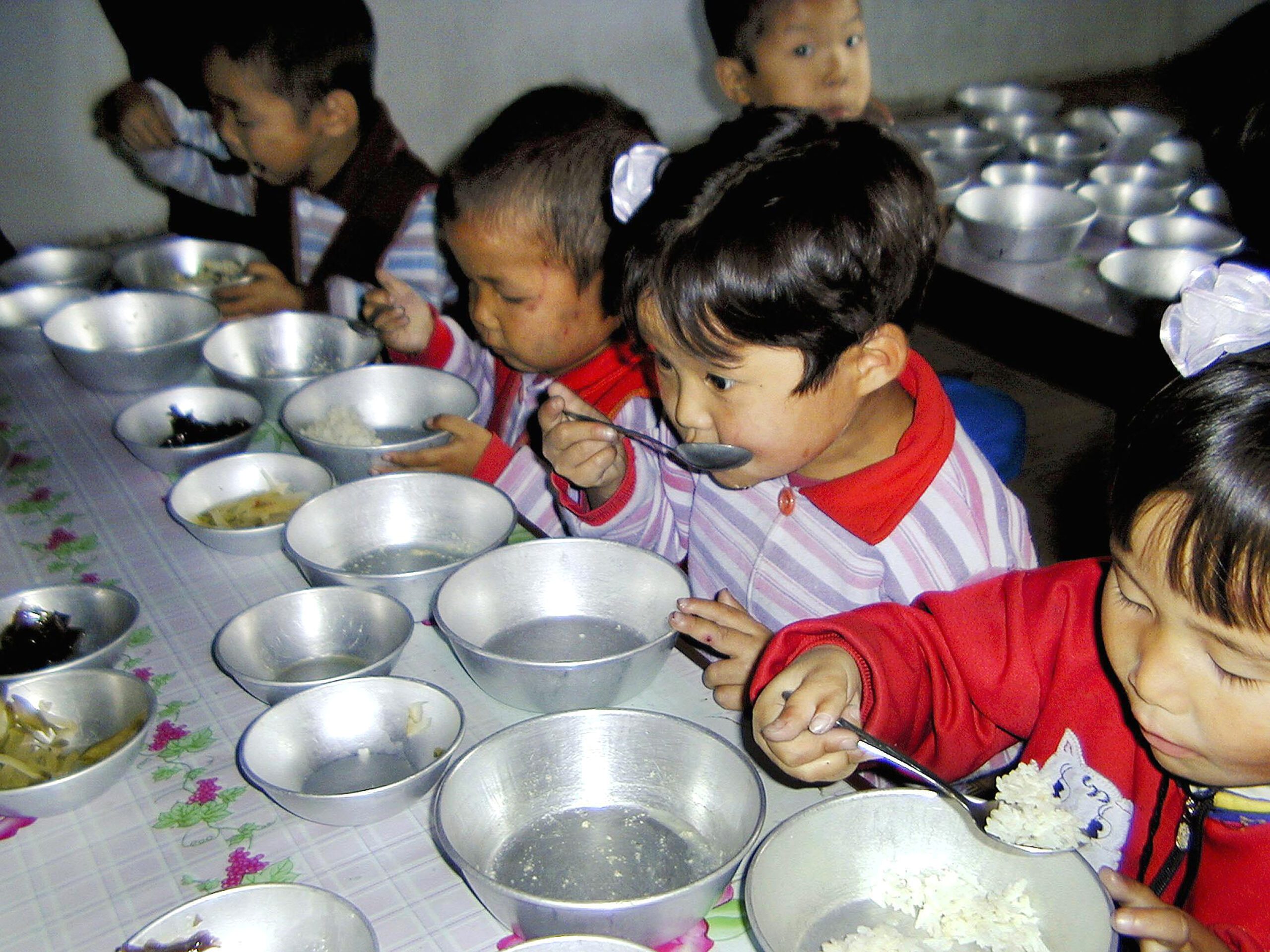
Through this global crisis, we experiment a permanent feeling of uncertainty, ambiguity, instability, and fluidity of human sociability models and values. We realize that the levels of consumption, pollution, extraction and exploitation of the goods of creation threaten not only the ecosystems, but also the physical and cultural survival of human beings and, by extension, of all living beings. If, on the one hand, we all feel affected by the irrationality of our own action, on the other hand, we realize that the most affected by all this are still the poor from both rural and urban areas, the young people, the formal and informal laborers, the native people (black and indigenous), the elderly, and the children.
LISTENING TO THE SIGNS OF TIMES
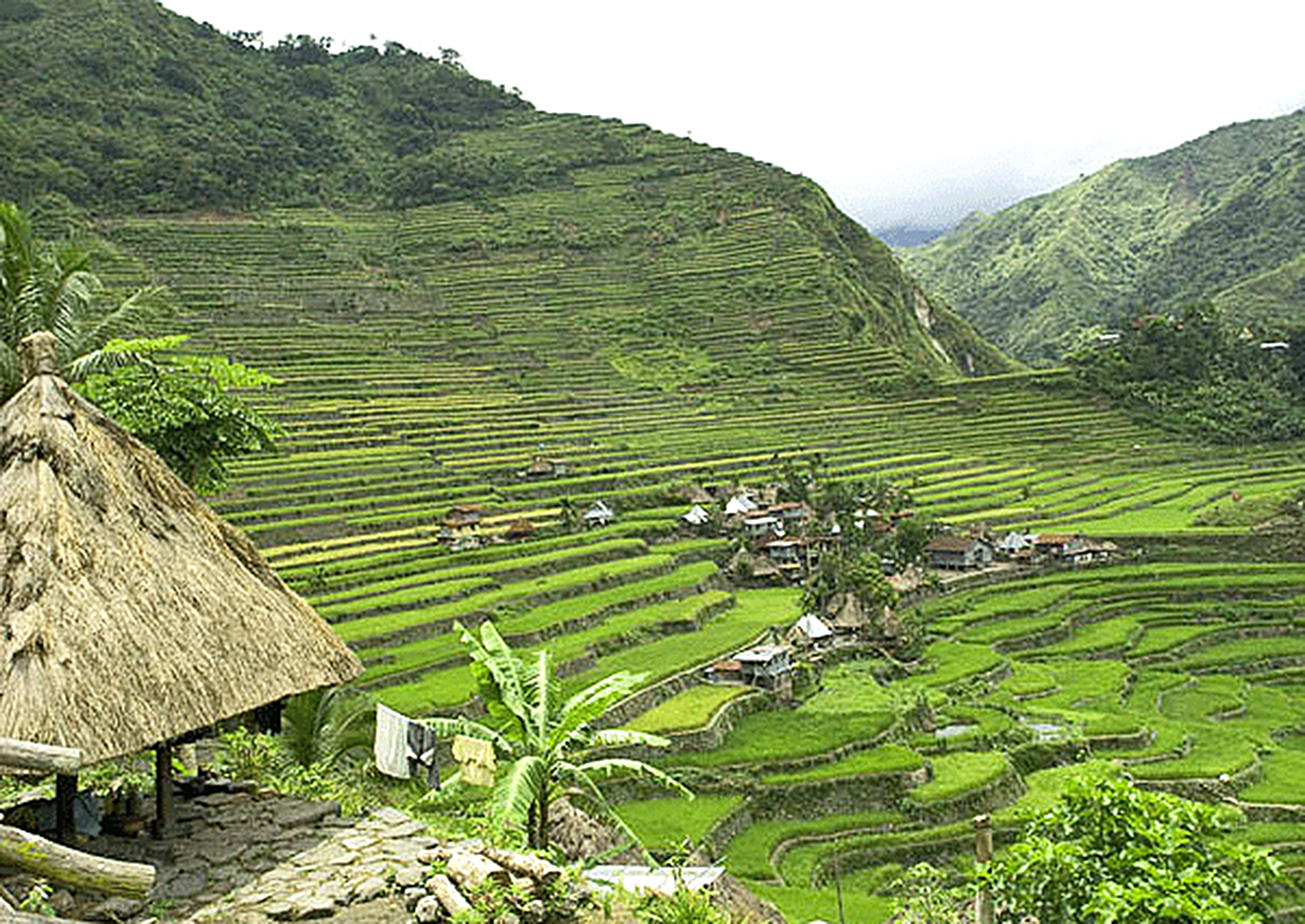
Big economic groups, with the connivance of public authorities, keep on invading and plundering traditional areas which belong to native peoples, profaning the remaining sanctuary of native rain forests and millenary cultures. The institutional violence, practiced by numerous states, is shown through sophisticated ways of restrictions to the fundamental individual and collective rights. Life, as preached and witnessed by Jesus of Nazareth, is threatened with banalities. All this provokes the Comboni Family as they carry on their humanizing mission. We feel impelled to change our theological, missionary, and operative paradigms. We also feel challenged to take on new evangelizing practices and to propose lifestyles that are capable of responding in a coherent way to the changes of the current organizational, economic, and cultural systems.
Facing the profound and reciprocal implications in the relation between human beings and nature/creation as a whole, the World Social Forum (WSF) 2009 has definitely consecrated a vision/posture of facing and analyzing, simultaneously, the effects of human action on creation and the effects of creation on human beings. Living beings sprout from Mother Earth and, thanks to the Divine Breath, they live and reproduce. Because of this, socio-environmental mission to us means an action profoundly evangelical, whose finality is to create new socio-organizational, physical, economic, and cultural relations in order to produce integration, harmony, and an integrated quality of life. In other words, to care for the environment is to care also for the life conditions of the people living in a particular ecosystem.
JUSTICE, PEACE AND CREATION’S INTEGRITY
The WSF has also helped us to comprehend that the integrity of creation is not functional only to human beings, but also to the entire life in its multiple forms (cultural, social, mental, and integral). It is fundamental to comprehend that we have to move from a socio-environmental vision, which is exclusively centered on the well-being of human beings (anthropocentrism), to a vision/posture that incorporates the respect, the care, the preventive and defensive action towards all the living beings, that is, of life in its plenitude and magnitude (biocentric).
It has now, therefore, become indispensable and urgent for us to take on the evangelical commitment of Justice, Peace, and Integrity of Creation (JPIC) in the new Comboni mission. This new mission is based on the historical experience of Jesus of Nazareth, who took on, as His own mission, “to announce the Good News to the poor, to set the captives free, to give back the sight to the blind, to liberate the oppressed, and to proclaim the year of grace of the Lord” (Lk 4:18-19).
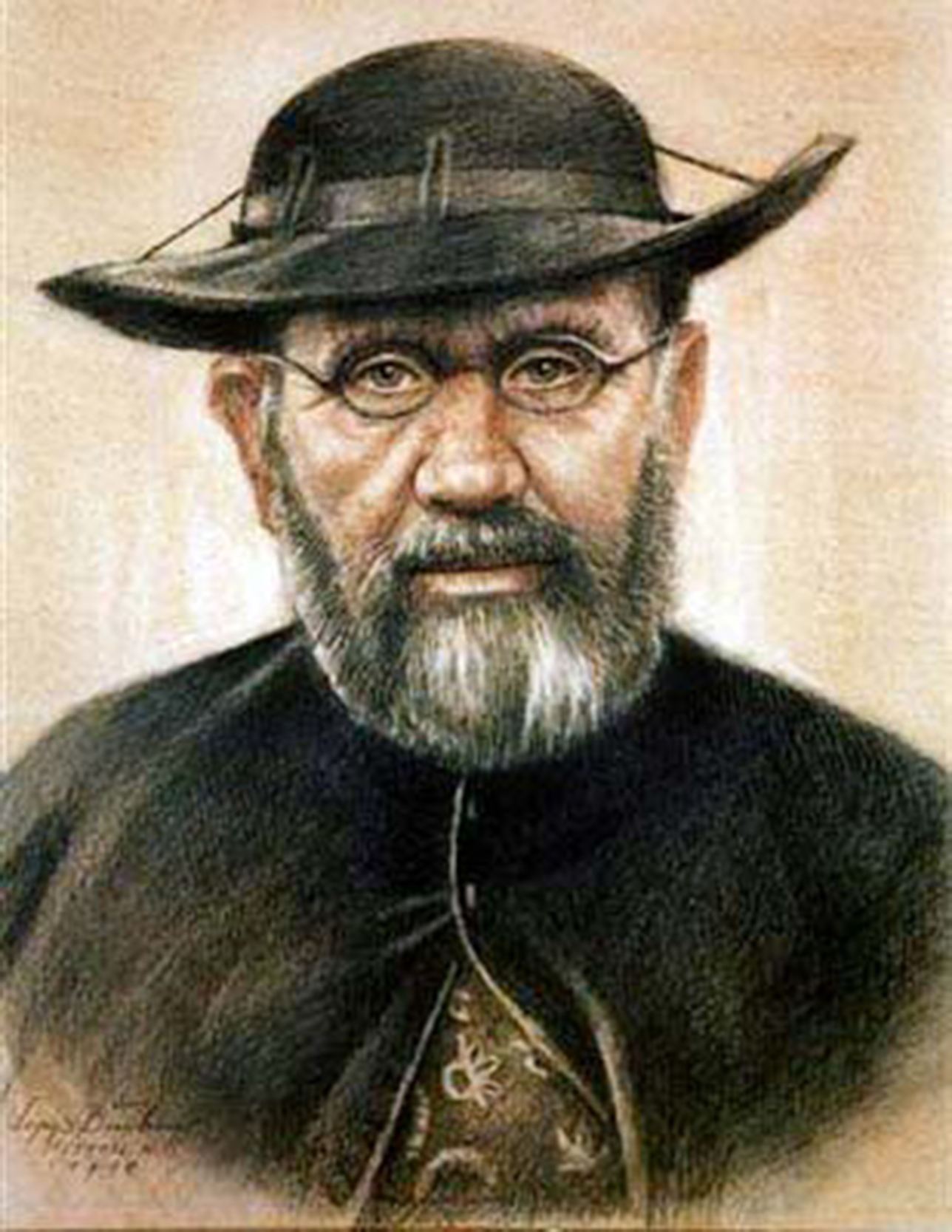
Opting for JPIC represents a renewed impulse for the Comboni mission and an effort to be faithful to the charisma of Daniel Comboni who, in his “Plan for the Regeneration of Nigrizia,” summarized the will of God and his missionary project which consist in a profound social transformation of the slavery and marginalization reality of the poorest and most abandoned of his time.
A NEW HEAVEN AND A NEW EARTH
Therefore, we reaffirm the JPIC as the inspiring and constitutive element of the Comboni charisma. So, taking the various local realities as the starting point, we the Comboni Family, commit ourselves to: perceive the new theological spaces, the places from where God speaks today to humanity, and to favor a permanent eco-theological reflection; promote a mystic of the socio-environmental care, thus cultivating the biblical dream of the Kingdom of “a new heaven and a new earth” (Is 65,17); adopt a new methodology which is capable of identifying the threats and aggressions caused to the habitat, to the culture and lifestyle of the native peoples, and to people, in general, so that, once they get hold of real and objective data, they may be able to elaborate projects of intervention in order to strengthen life in its totality.
As regarding insertion, we take it not only in its physical and geographical dimensions, but also as a plain identification with the struggles and claims for rights and better quality of life of the excluded people with whom we live; a way to adopt a socio-transforming methodology in the permanent listening to and dialoguing with the people we serve taking on the opportunities, the means, the ambiguities, and the contradictions of history, as we try to follow the example of Jesus of Nazareth; and to foster a sober lifestyle, inhibiting consume and waste and privileging simple structures in our communities.
ANIMATED BY THE SPIRIT
The cry of the indigenous people, quilombolas (African slave descendents) and Afro-Brazilians, who have welcomed us in the Pan-Amazon, together with many other peoples, cultures, races, and creeds of the world and the whole of creation “groan waiting for the liberation and the plain manifestation of the sons and daughters of God” (Rom 8:20-22), impels ourselves to renew our commitment to their struggles and hopes, making “common cause” with them in the construction of another world possible – expression of the Kingdom – in a permanent attitude of listening to the Spirit which is present in them.
Alone, we can do nothing. But, as Comboni Family, with the power of the Spirit that constantly renews the face of the earth, we are capable to keep alive the passion and to be faithful to the common commitment to the mission of proclaiming and witnessing, in today’s world, the Kingdom of Justice and Peace!