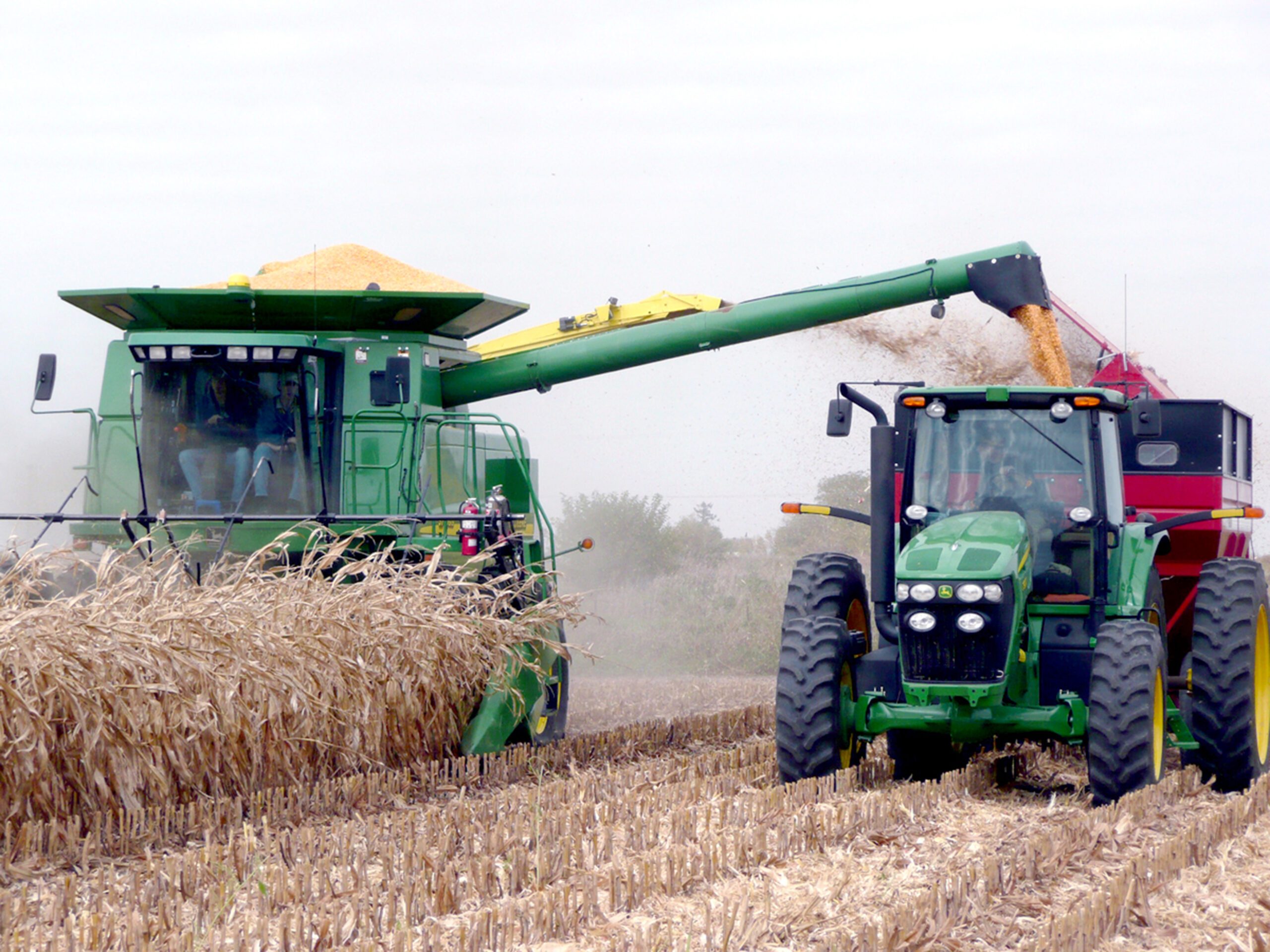
It was in Karamoja, that isolated and violent part of Uganda, that I first met two members of S.V.I. (International Voluntary Service), based in Brescia, Northern Italy, in the person of two young laymen, Giuliano and Luigi, both specialized in agriculture. They had come to teach the proud Karimojon cattle keepers how to plough the land and how to mend their farming implements. Their approach was spontaneous and unsophisticated. In a short time, both of them were courting two local girls and, after a little while, their marriage was celebrated by the African bishop of Moroto, among the jubilation of the populace and the less enthusiastic comments of the more experienced missionaries… Yet time has vindicated the young men’s move.
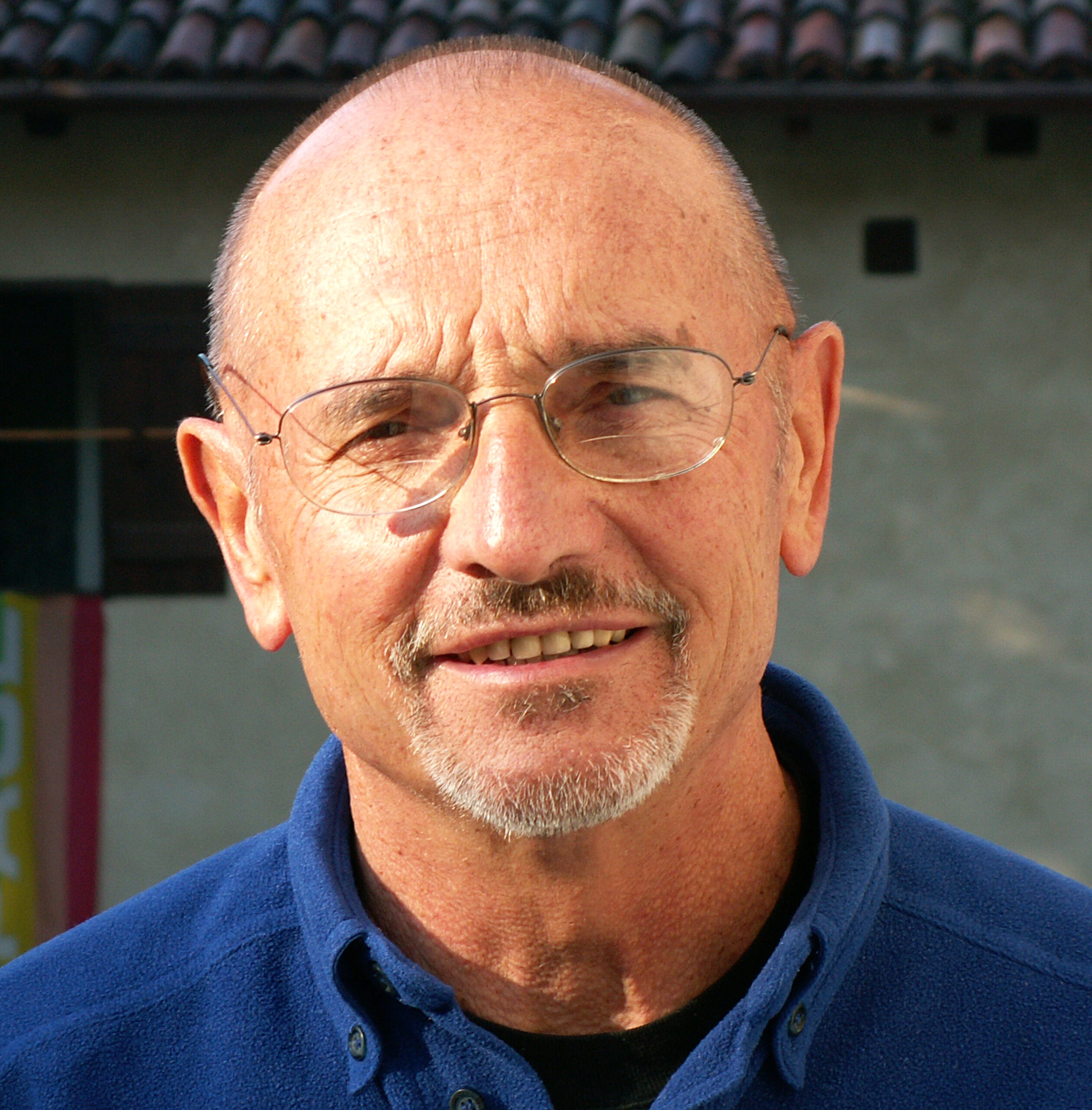
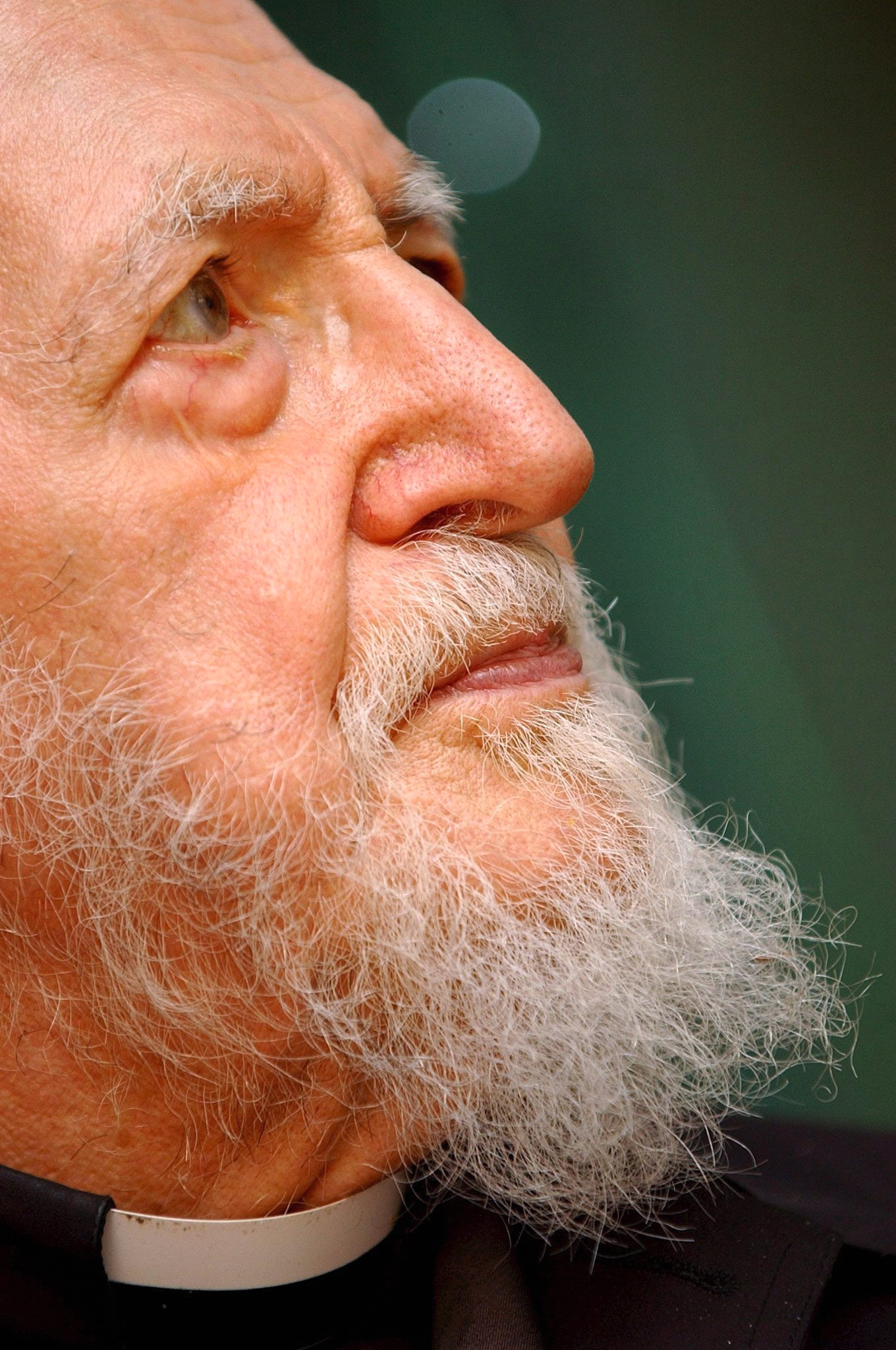
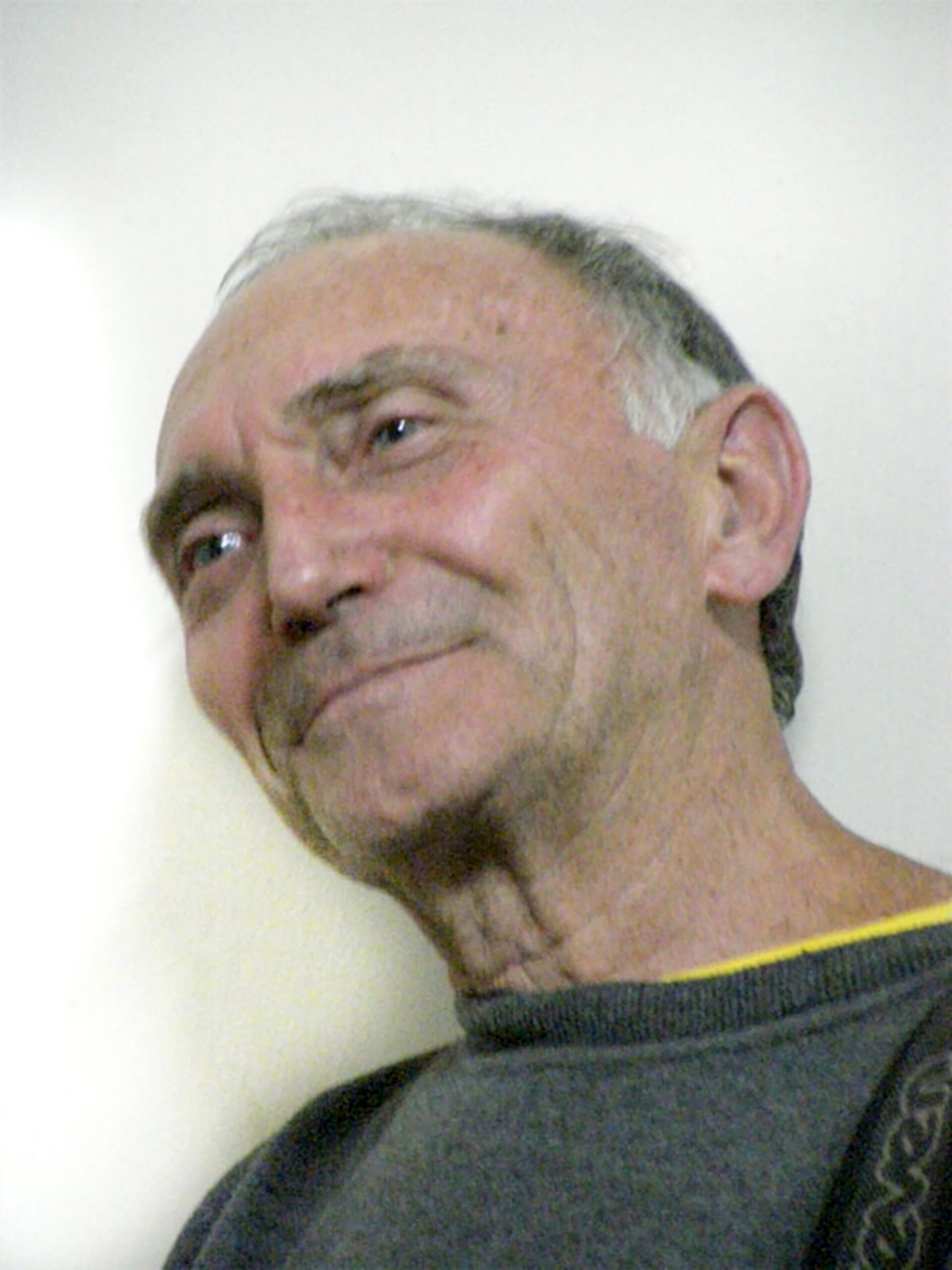
It is from the same place and the same mold that Gino Filippini had come to Africa before them, had endured more than them and was coming home to die in September, 2008. He had arrived in haste from Korogocho, a shanty town of Nairobi, where he had spent the last fifteen years because the doctor had diagnosed a lung tumor, mesotelioma: an occupational sickness that comes from the deadly amianthus dust. Gino had picked it up most probably from the rubbish dump situated besides Korogocho, where he had followed the people he was living and working with. A lethal, very swift disease: in only two months it destroyed Gino’s strong fiber.
A PASSION FOR LIFE
Fr. Alex Zanotelli, the Comboni missionary who started the Korogocho experience of insertion and had enjoyed Gino’s company and collaboration, writes: “Several times I visited him in Brescia. The last time, November 19, at Domus Salutis, when George Otieno, the person responsible for the program devised by Gino, “Education for Life,” arrived from Nairobi in order to greet him. Gino was already devastated by the disease. With a great effort, he expressed what he wanted most about the program. He was driven by a passion for life, even in front of death. That was his last will. Then we celebrated his last Eucharist, together with the most intimate friends and his two sisters. We broke together that Bread that had given him the strength to walk along the routes of the poor. The sickness undid him on November 28.
On November 30, Fr. Alex went back to Brescia to celebrate Gino’s funeral. On the bare coffin, covered by the flag of peace, Sr. Martha Citterio had placed a broken crucifix from Korogocho and another friend the cross Gino had brought from Rwanda as if to say: “Gino, you have walked with the crucified people of history…” On the coffin there were also the two books Gino loved most: the Gospels and the Psalms of Fr. David Turoldo, both worn out by usage. The congregation spontaneously broke out to sing the Gloria as a thanksgiving for the great gift that Gino had been.
After listening to the word of God, Fr. Alex shared the contents of two worn-out little pages that Gino wrote when he was in Rwanda and had been given to him by one of his women friends. They helped everybody to understand how Gino had followed the footsteps of Jesus. His was a disciple of Jesus of the poor as it was stressed also by the letter of St. John’s community from Korogocho. It was really as if his poor people were present and still pressed around Gino as they used to do when he was alive.
I WILL NEVER LIVE IN KOROGOCHO
Gino Filippini was born at Rezzato, a small town in the province of Brescia, Northern Italy, on June 17, 1939, to a working class family. At 20, he qualified as a technical engineer, then went for military service, taught for few years and held a job in a steel factory. With the restlessness proper of youth, he was unsatisfied of a life of work and career and joined the voluntary service. He started his new task at Kiremba, in Burundi, in 1967. Then, from 1973 to 1982, he lived an insertion experience in a rural context at Nyabimata in Rwanda. It was a very beautiful experience. From 1983 to 1992, as coordinator of S.V.I., he followed various rural projects in Congo, Rwanda, Uganda and Tanzania
In 1992, he came back to Italy in order to assist his father who was terminally ill with cancer. A Comboni missionary, Fr. Giovanni Nobili who had known him in Congo, invited him to spend some days in the slums of Korogocho, Nairobi. Gino accepted but, taking his leave, he exclaimed: “I will never come to stay in Korogocho!” After his father’s death and after a serious reflection and many prayers, Gino decided to go to Korogocho where he stayed until his death.
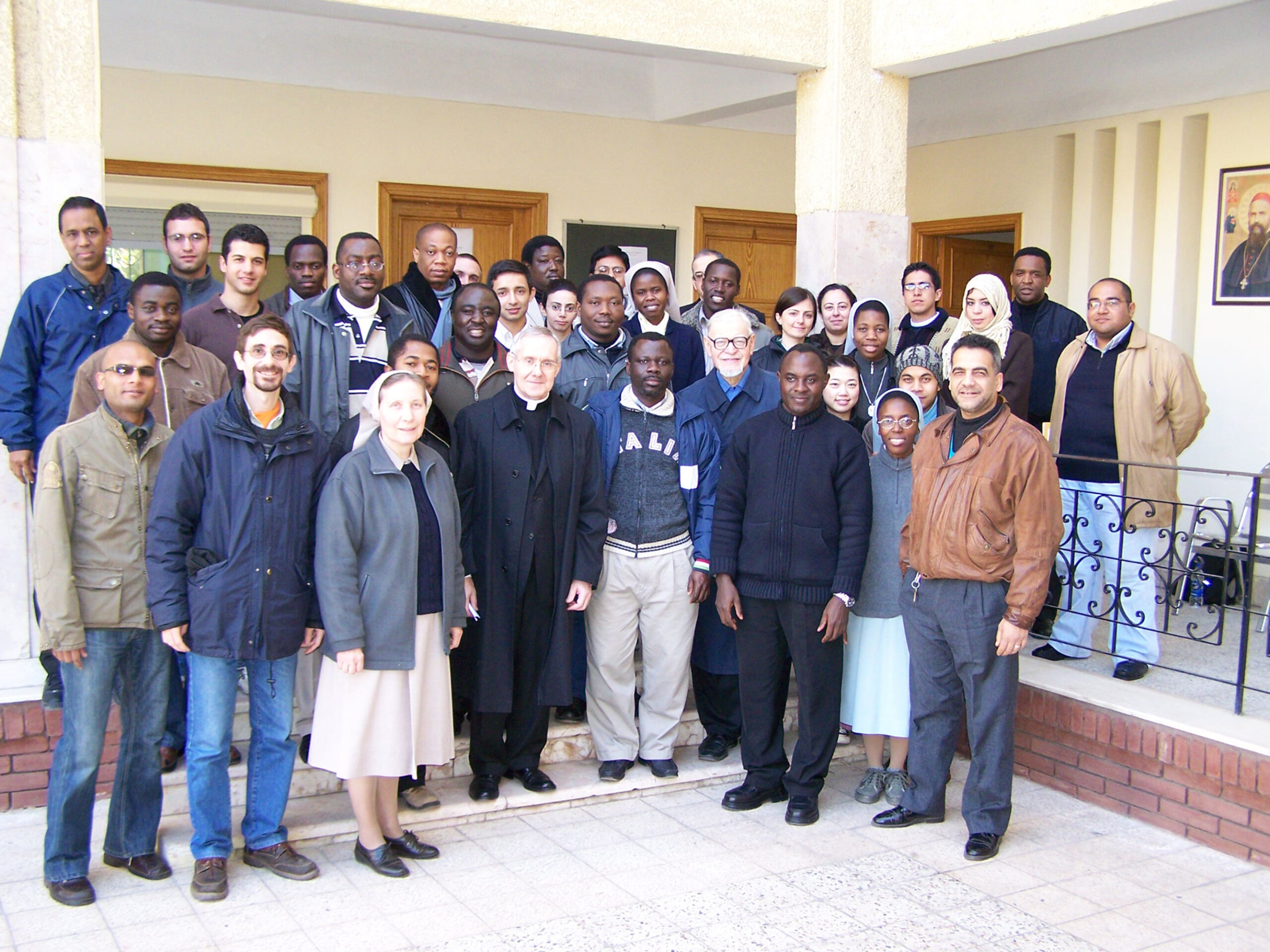
He lived a beautiful experience of prayer and community in the heart of that frightening slum. He gave a providential hand to the cooperatives that were starting and to the people of Mukuru, the rubbish dump. It was very hard for him to pass from the rural areas of Africa to the chaos of a slum like Korogocho; but he was sustained by a faith strong as a rock. He never missed the weekly day of prayer. He loved the Gospel sine glossa (without footnotes), like Saint Francis of Assisi. He was the one who guided the other lay helpers who came to give a hand.
HIS DEAREST PROJECT
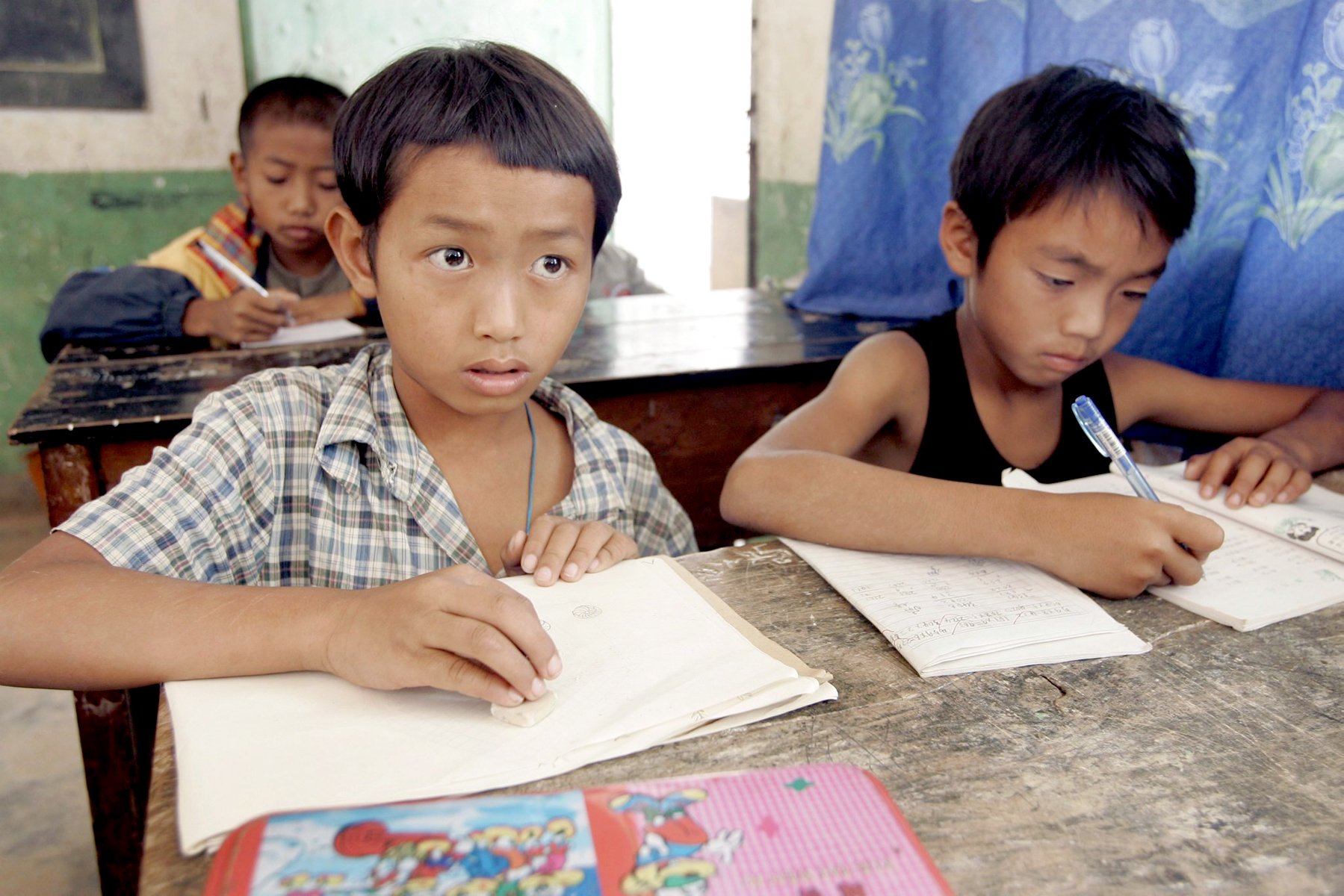
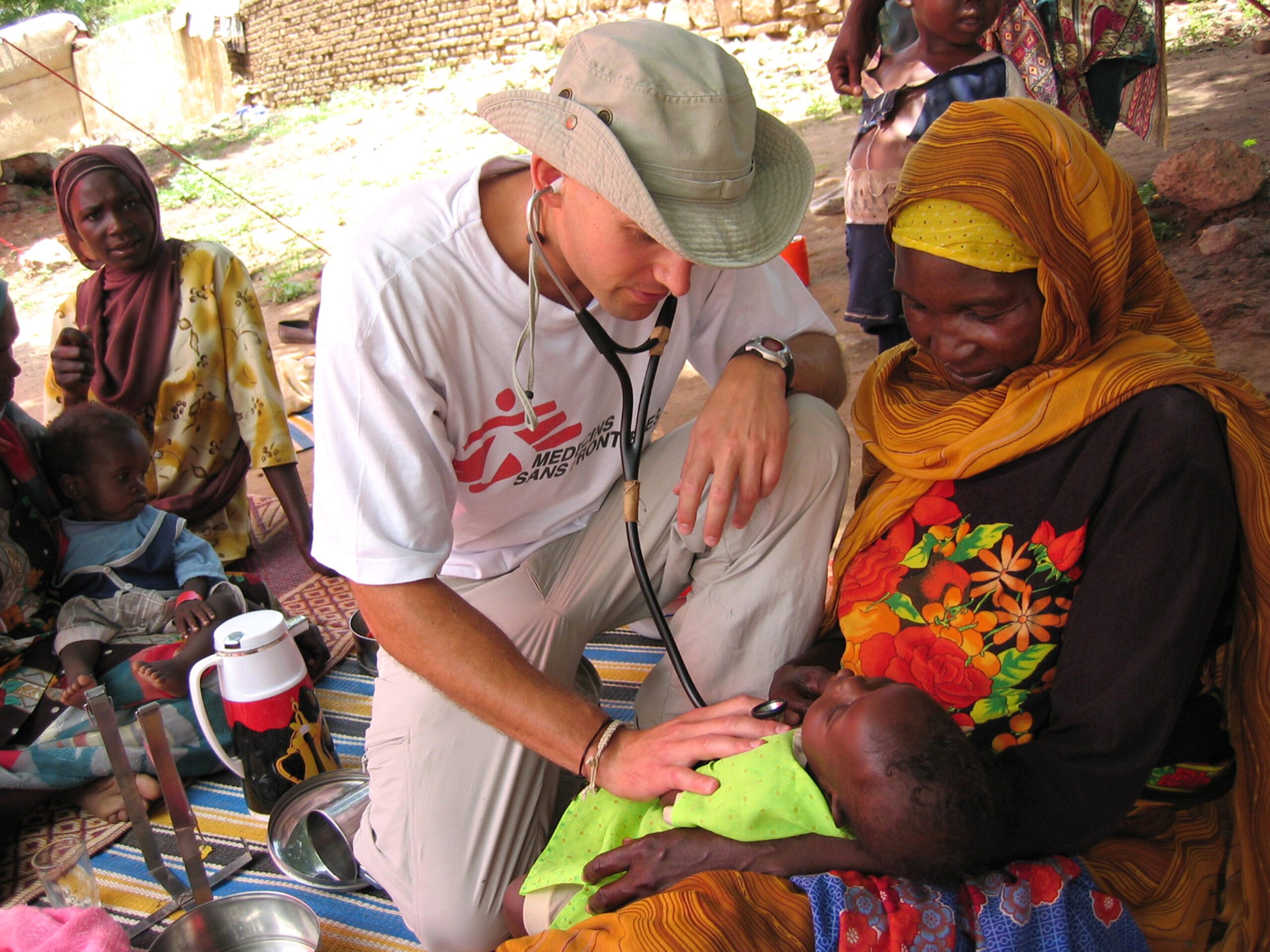
Gino was a great friend of the poor. He gave them dignity; he believed that they could stand on their feet. He believed neither in subsidies nor alms. He was touched especially by the AIDS epidemics in Korogocho. This is why he decided to commit himself in making the youth realize the danger of AIDS. He understood that he had to aim at prevention. In this connection, he had seen an experience at Mulago hospital in Kampala (Uganda) that had very much impressed him. The program was called “Education for Life.”
Gino prepared a group of Africans, led by George Otieno, in order to make both the students and the teachers aware of the AIDS problem. In fact, this program “Education for Life” is a method to form the conscience and influence the natural dynamics of the youth so that they may choose life. Gino had understood that AIDS was the result of the negation of the traditional values of life and a cultural vacuum. His program aims at recovering these vital values in the youth.
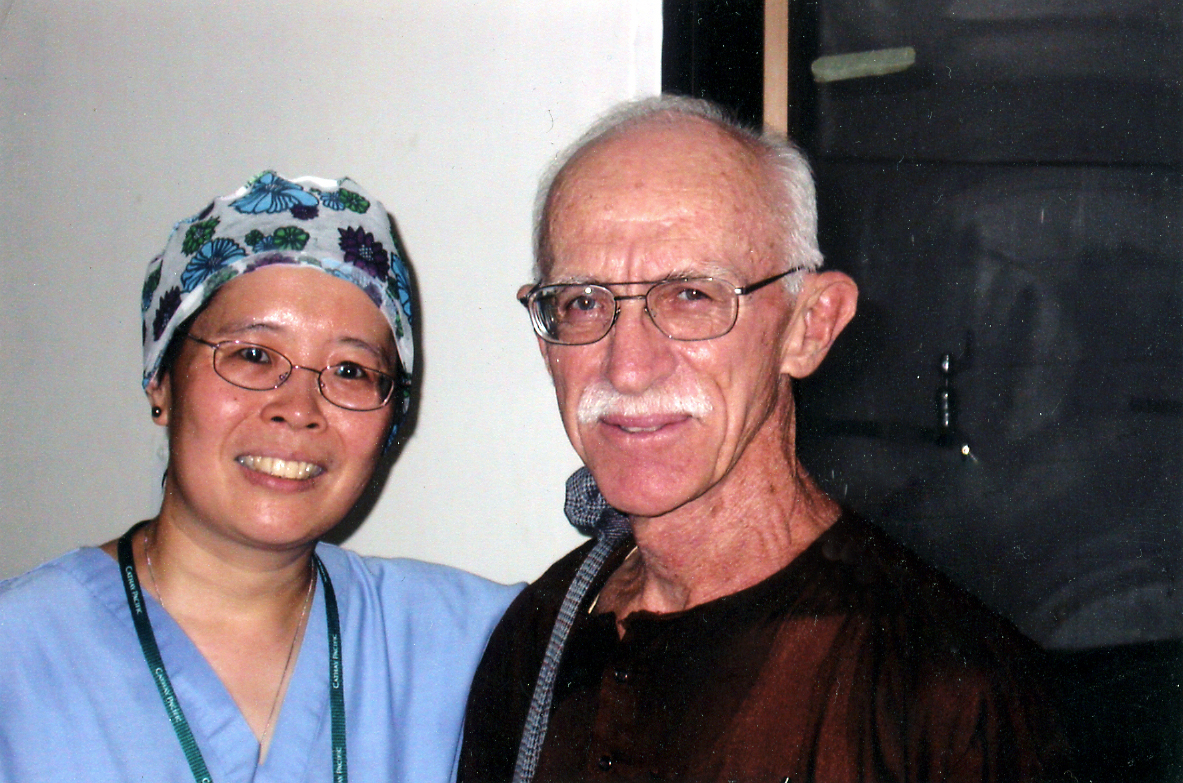
With the help of Dr. Gianfranco Morino, a surgeon who has been working in Nairobi for twenty years, he brought forward this work amidst a thousand difficulties. The last years at Korogocho were the hardest and most difficult for Gino. But he believed in the project. Even in his deathbed, he gave the last recommendation to the leader of the eight Africans who are now running it.
AN EXPERT IN HUMANITY
Gino certainly was not a builder of structures; he lived always in a hut! He was rather a “facilitator,” keen on educating the conscience and fostering the growth of people and communities, with a profound incarnational sense.
“This year,” Gino wrote in a letter in 2007, “has a special meaning for me. Forty years ago, in 1967, I left Italy for destination Burundi. I must say that Africa has not betrayed my expectations; on the contrary… it has abundantly contributed to widen the horizons of my life, deepening its meaning by means of the service to others especially those lost in life and forgotten by history.
“I thought it was necessary for me to give a hand, just that, helping them to recuperate strength, dignity, hope. But it is a mission that never ends and it is for this that the adventure will go on as long as God gives me the energy to carry forward a project that is not my personal own, but that belongs to everybody because we are all called, in different ways – to build that different world that is home for all and fulfills God’s dream for humanity”.
Thank you, Gino, and farewell in the avenues of Life!