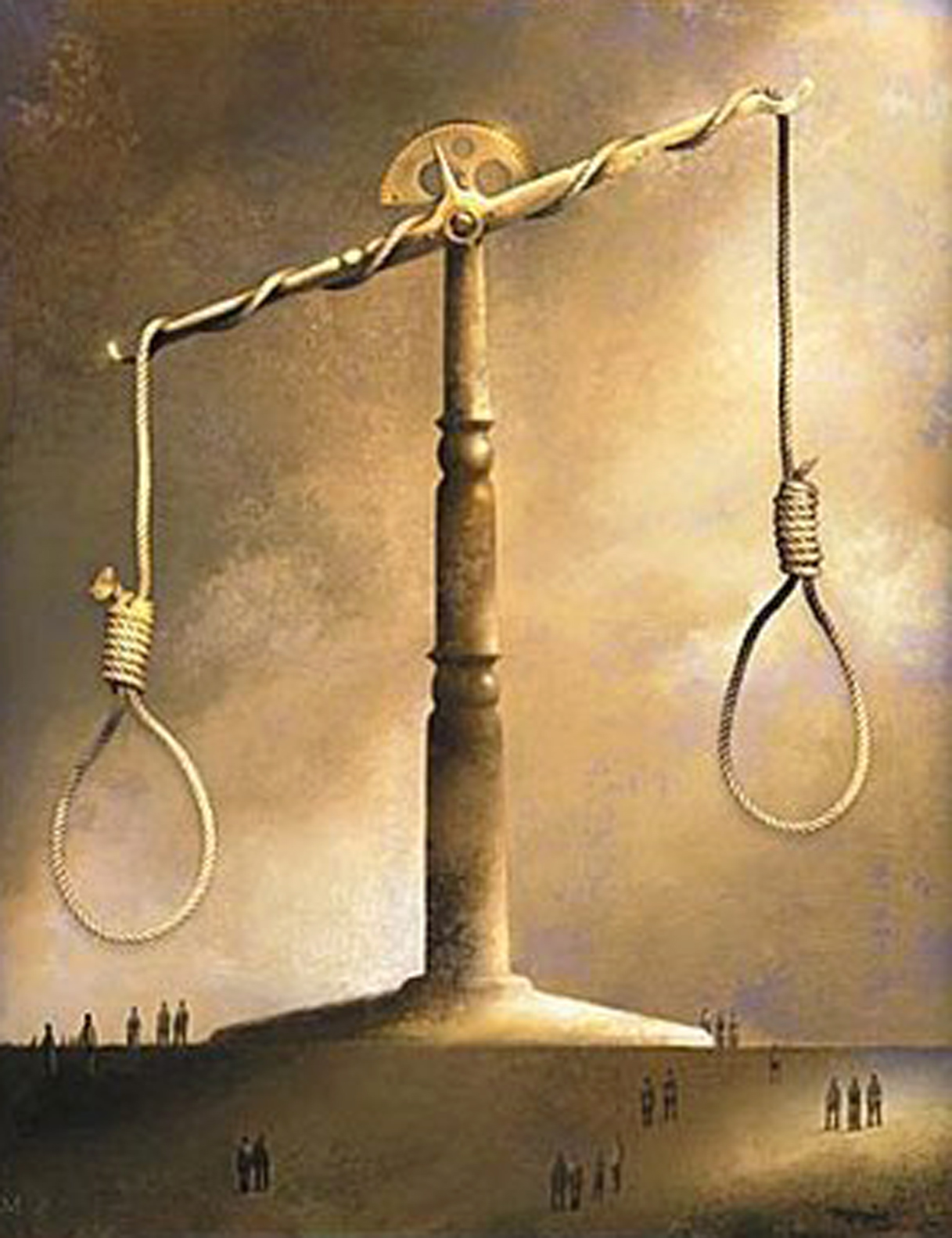
Bankers and entrepreneurs are only aides and accomplices of a globalized system that canonizes the market. The economic crisis cannot be blamed solely on such scapegoats. In hindsight, however, the world can be the wiser for the foolishness of market-spawned banking systems. Those systems include the IMF and World Bank, market deities that, until they themselves needed rescue, were grandstanding against rescue packages for Asia and pushing poor nations to deregulate markets. Now that their market-driven complex has collapsed, deficit budgeting, rescue packages and recession are considered effective tools for economic restructuring.
Besides helping big business close ranks, the G20 meeting and APEC assembly did little more than push for further spending, a wrong signal to developing nations. Seeing how emerging nations outnumbered developed economies at G20, India’s economist prime minister noted a “shift in the balance of power” at the G20. But today’s world needs more than a power shift. It needs action to cleanse the economic temple and restore moral values.
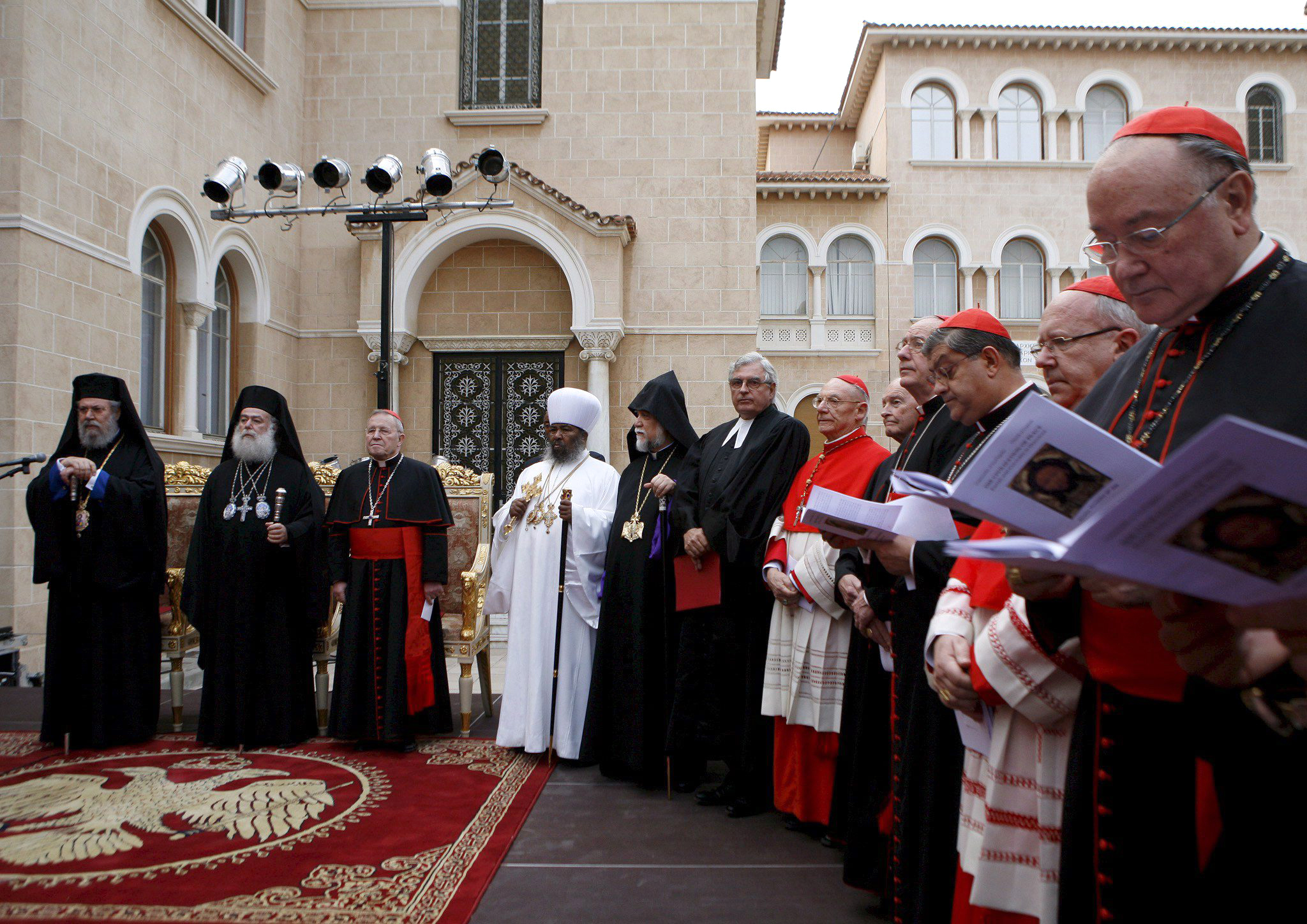
Churches lately have not lacked such counsel. In May, the Holy See held a Conference on Social Capital and Development, and British author Will Hutton wrote after attending it, “The Catholic Church is alarmed the way capitalism is developing, hence the new encyclical.” While that papal document reportedly is being reviewed in light of recent events, the Vatican secretary of state has authored a book on “The Ethics of the Common Good in the Social Doctrine of the Church.”
A noteworthy related statement by the Archbishop of Canterbury was his call to Christians and Muslims for “a fairer system of borrowing and lending.” The World Council of Churches has, meanwhile, declared that a paradigm shift alone can help move on from “the international financial system based on injustice.” Churches can provide the vitally needed spiritual environment for a paradigm shift. For the Christian social ethic, the key to a solution undoubtedly would be a bottom-upward globalization. Such an ethic demands difficult decisions.
A Hong Kong priest recently told UCANews, “The Church should not just stay with teaching and beautiful slogans.” Instead, he said, the Church should “expand its network to understand people’s lives and give a hand to those in need.” Weeks earlier, the Methodist head of Global Ministries also urged Christian witness in community: “Now is the time for the Church to be Church.”
Some of these statements echo the call of Pope John Paul II in his 1991 encyclical Centesimus Annus. “Today more than ever,” he wrote, “the Church is aware that her social message will gain credibility more immediately from the witness of action.” He urged “a change of lifestyle, of models of production and consumption.” In the current crisis, such credible “witness of action” is needed on two fronts. First, Churches must canvass their members to reach out and share resources with the market-hit poor. Second, they must chastise market-captive society by returning to a lifestyle more in keeping with the economy of salvation than with market economy.
Lifestyle has to counter the obscene affluence of overspending highfliers. It will also help Churches grow beyond being corporate bodies that depend on the vagaries of market shares or overseas aid. This may be why an Asian bishop once told his presbyteral college he wanted his diocese to be solely people-reliant for its upkeep. He said he dreamed of a Church that would be an apostolic community relying on a sharing laity, not market shares.
A lifestyle similar to that of early Christians will help Churches live and exemplify a bottom-upward globalization.
www.ucanews.com. Hector Welgampola, a Sri Lankan journalist, was Executive Editor of UCA News from 1987 until he retired in December 2001.