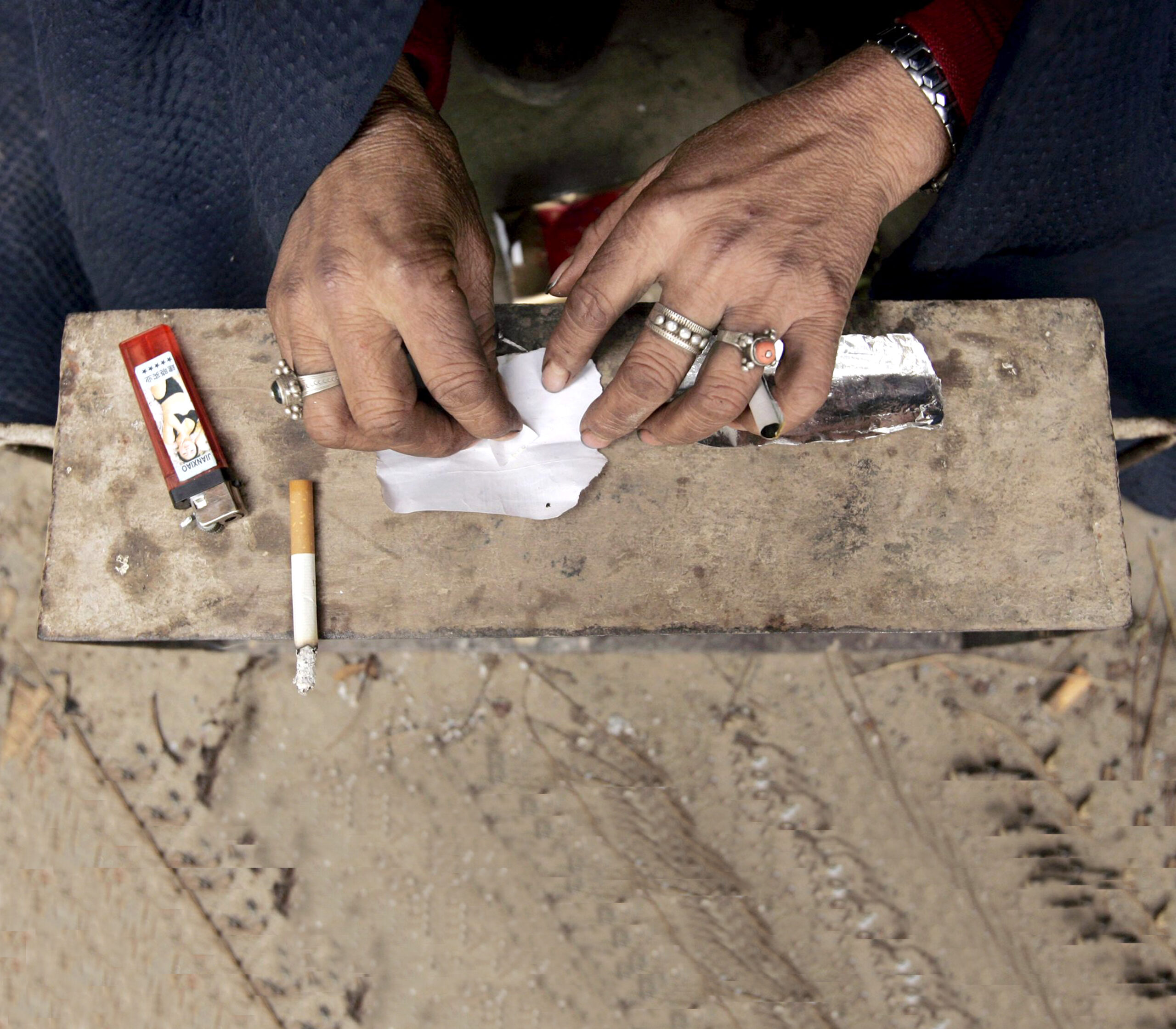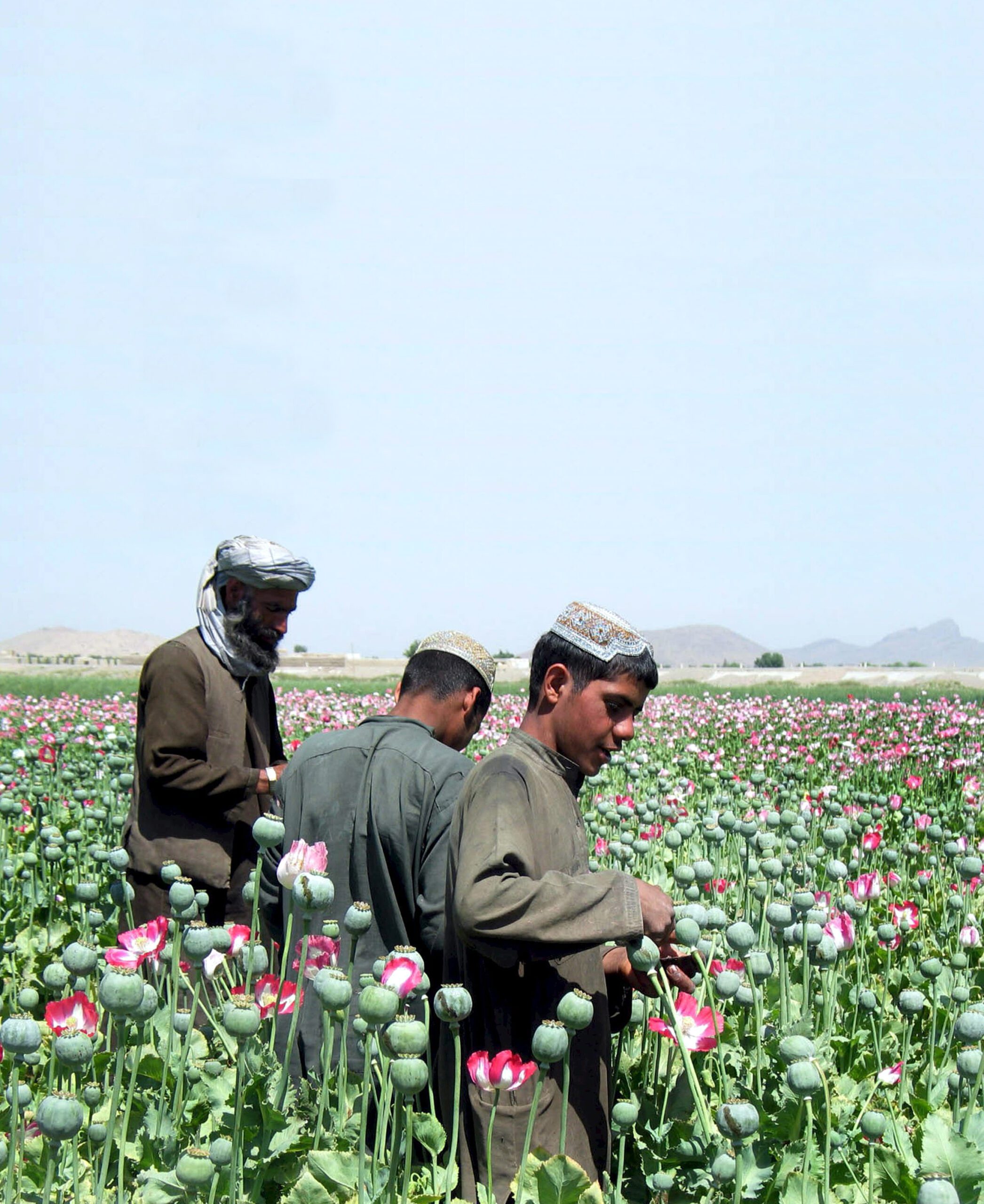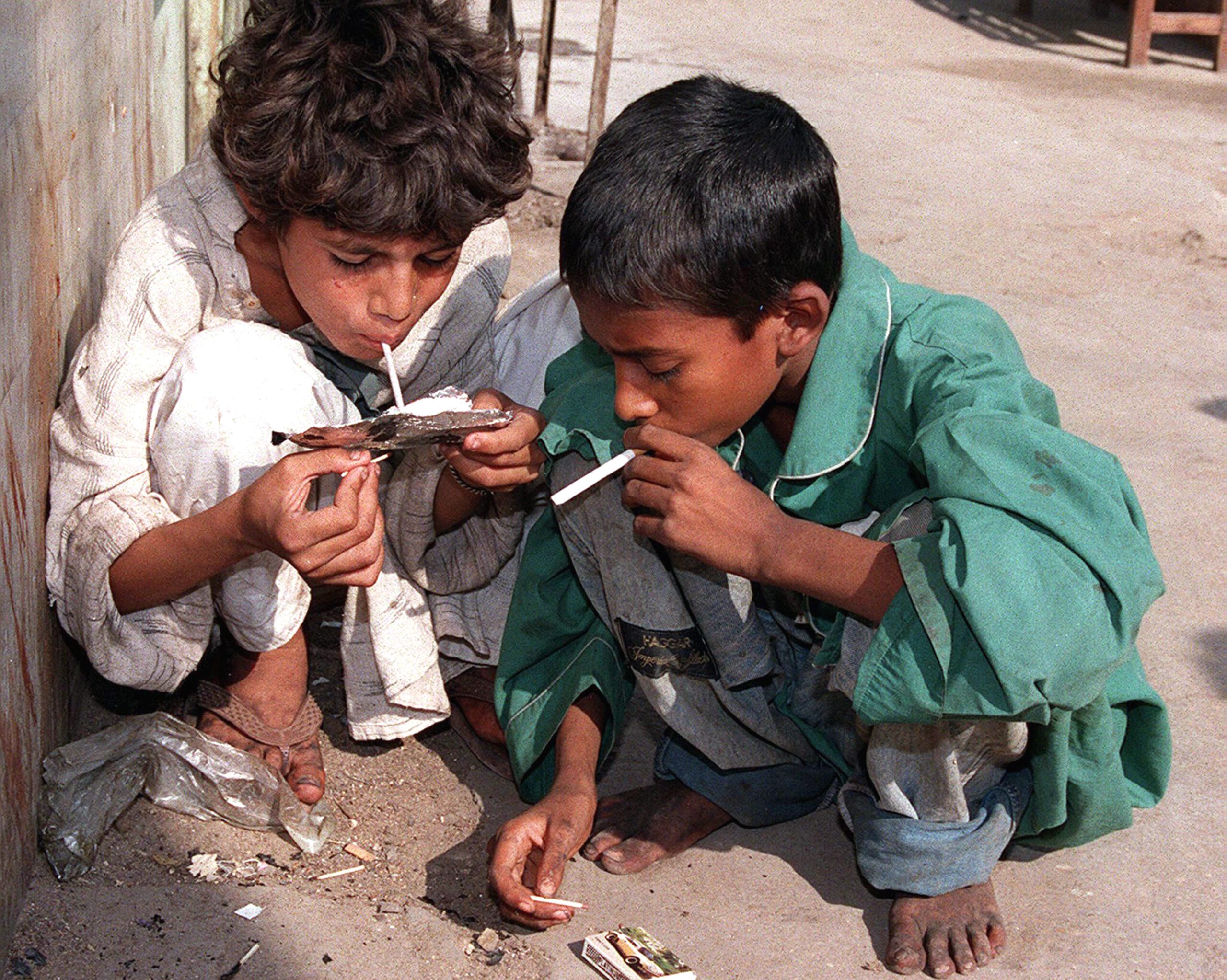
Central Asia is positioned between the world’s largest drug producing regions and has become the springboard to the European market. Afghanistan and Southeast Asia produce the bulk of the drugs that are smuggled to Europe, but China and North Korea are increasingly positioning themselves as producers of narcotics. China is, however, more interesting as a transit region for Southeast Asian producers towards the European market.
This is seen in that, currently, China intercepts 20% of all heroin and morphine in the world, and a large proportion of the drugs originating from Southeast Asia are destined for the European markets, even if the markets in Northeast Asia have grown in importance.
The Central Asian states have increased their heroin interceptions by 50% in the past few years. The high increase in the number of seizures only exemplifies that the actual trade has increased, as have the number of conflicts between competing drug lords who tend to turn each other over to the police. The increase in the drug trade can be seen in that the price of heroin and other drugs has been relatively constant in Central Asia and China, but demand in consumption countries has increased. This indicates that production has increased, and more drugs are smuggled across the region.
The role of Central Asia has increased as Iran, which has traditionally been an important smuggling route, has been relatively successful in its war against narcotics and made the Iranian route more difficult to use. In simple economic terms, the transaction costs are relatively low in Central Asia, especially since it can use the Russian network to smuggle drugs to consumer markets.
Central Asia has, moreover, the weakest political structures, with little determination to combat the drug trade, which makes it the most reliable link to the consumer markets in Europe. This makes it more profitable for the Southeast Asian and Northeast Asian drug traders to direct their trade through Central Asia rather than the more insecure water or airways to Europe.
The increased pressure on the Central Asian region as a transit region for drugs from China and Southeast Asia has created several grave problems for the socio-political and economic survival of the Central Asia states. The increased drug trade currently affects more than Tajikistan and Turkmenistan (that have traditionally been the primary drug link) since the trade that is done through China is also directed through Kyrgyzstan and Kazakhstan to minimize the possibility of seizures. A direct implication of this is that the trade is increasingly difficult to control as it spreads over a larger area and is increasingly diversified. Competition between criminal networks from Afghanistan, Russia and other parts of Asia has affected the trade negatively, with a higher density of traders and a greater part of the economy that is drug related. There is, moreover, an increase in violence in these states that is related to the narcotics business.
Central Asia has undoubtedly been affected negatively by the increased usage of the region as a transit point, and since the international drug networks proliferate in unstable societies with a high degree of corruption, it is not surprising that we can see a high increase in destabilization of the regional states and an increased level of corruption and criminalization of their societies.
There is not only a greater proportion of employment that is drug related in the region, capital from the narco-business is invested in legitimate business and used to take control of the regional business structure. Societies are, therefore, increasingly dependent on drug-related revenue, both formally and informally. As the transit business is partly paid in narcotics, rather than capital, this has impacted the number of drug users in the region negatively, on top of the increase in drug users that can be attributed to the diminishing economic situation in many of the countries in the region. The increased amount of drugs from Southeast Asia and China that transits Central Asia has further strengthened the illegal economies at the cost of the open economies.
At a health level, the situation is deteriorating as the narcotics trade has increased. In the footsteps of the drug trade, there is a ravaging level of AIDS and Hepatitis C that threatens to paralyze medical care in the region. Figures from the United Nations and other international organizations have been able to establish a direct correlation between the drugs trade and the number of HIV positive cases in the region, and the increase of registered HIV positive cases has risen rapidly the last few years. The deteriorating health situation could potentially be one of the greatest threats to the region.
The negative effects of the narcotics trade have strengthened the criminal networks and destabilized the states in the region. Traders and producers tend to work in heavily corrupt states or states in disarray as these states do not have the capability or willingness to deal with smugglers and producers. Central Asia has been at risk at becoming controlled by criminal networks and drug-related capital and with the increased attention from China and Southeast Asia, this risk is accentuated.
The situation in Central Asia has been more acute as drugs from other parts of Asia have been routed through the region. The political, social and economic effects will be devastating, especially in the long run, if nothing is done. To meet the current situation, there is a need for increased international and regional cooperation, especially to improve the capability of drug enforcement agencies in Central Asia. It will not be enough to simply assist the Central Asian states to reduce the negative effects, but rather it is needed to assist the Central Asian states in strengthening their political structures and economic situation. To do this, there is an increased need to understand the regional dynamics and the networks that are involved in the narcotics trade in a Eurasian context.
*Associate Professor/Director, Program for Contemporary Silk Road Studies, Department of Peace and Conflict Research, Uppsala, Sweden. This text was published in Asia Times Online.