The founder of the Comboni Missionaries, St. Daniel Comboni (1831-1881), was a great communicator. He believed in the power of information and all his life he used his eloquent word – spoken and written. Whenever he was in Europe, usually to recover from his infirmities, he would not miss the opportunity of traveling to meet as many collaborators, friends and benefactors as he could to inform them about the misfortunes of Africa, his tireless efforts to alleviate its misery, and to stir their faith and generosity. He even considered the possibility of going to America to ask for aid and Black missionaries to help him.
Besides, he would use pen and paper – the means at his disposal in the XIX century, because the telegraph was invented only some years after his death – to promote mission awareness, make known his work in Africa, and raise funds to support his projects. Everyday, he was writing many and extensive letters in different languages. Allow me to give just two examples: In May 1871, he confided to the Bishop of Verona, Msgr. Luigi de Canossa, that he had written 1,347 letters in the previous five months. In another letter, while talking about his multiple commitments, he mentioned that he had “more than 900 letters to write.” During his life, he wrote thousands of letters; most of them were retrieved and around 1,000 were published in a 2,000-plus-page volume, translated in various languages.
But his “lively and diligent correspondence with Europe” included many papers and magazines which multiplied with the spreading of the printing press after 1820. In a letter to the editor of the paper Libertà Cattolica, he stated: “I have to write all the time as a correspondent for 15 other German, French, English and American journals which send me fine sums of money. In Italy, I have relations with nearly all the Catholic papers … as well as my own Annali del Buon Pastore in Verona, which is a quarterly.” The latter became the prestigious Comboni magazine Nigrizia. Its first issue came out in 1872 and was the first of 20 Comboni magazines published today around the world.
Comboni had an encyclopedic knowledge and was interested in all matters pertaining to Africa – people and their vicissitudes, history, geography, fauna, flora, discoveries, exploratory expeditions, customs and culture, trade, development… He wrote chronicles about his trips, ethnographic, geographic and biographic articles, historical essays and, especially, annual reports about the progress of his mission and asked for prayers and financial aid. It seems he believed in the power of communication as much as in the power of prayer.
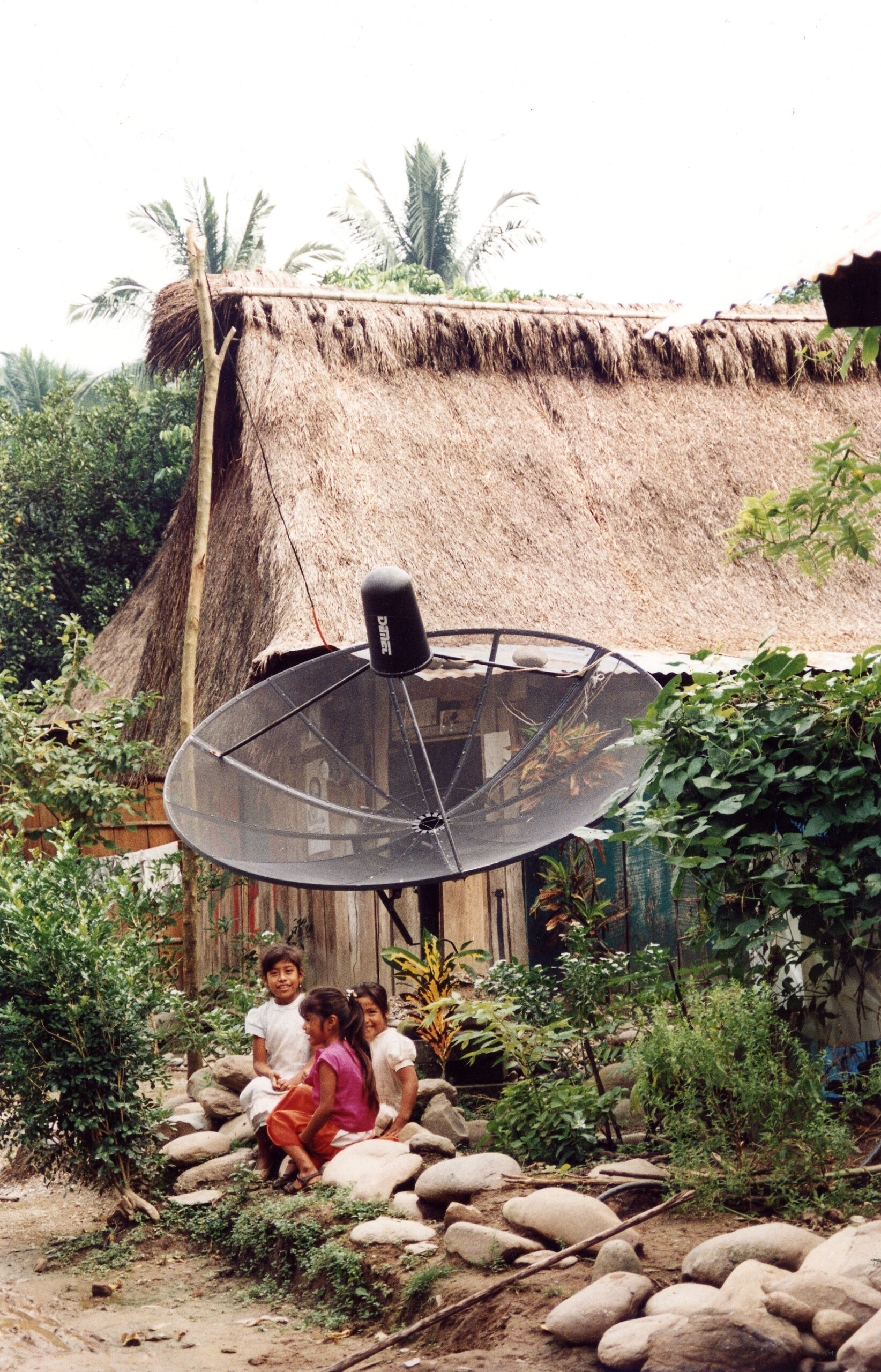
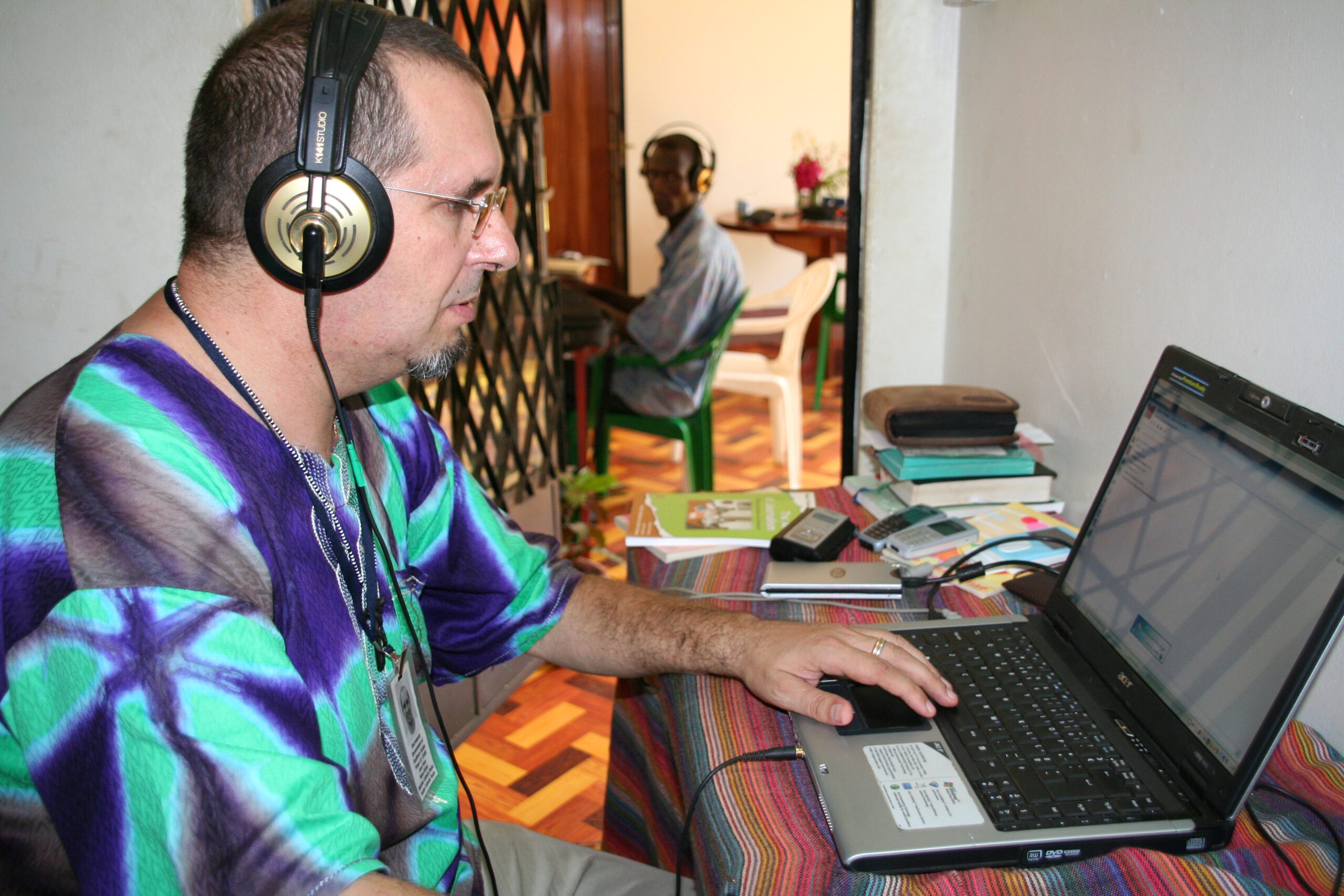
In addition to writing, he read and subscribed to a great number of Italian, German, French and English periodicals, especially, Catholic papers. The reason he gave was: “because I want the Institutes and the many establishments I direct to think properly today, and I thank God that they all do.” In his Writings, he mentioned more than 40 papers and magazines. One wonders how, in the middle of his strenuous labors, exhausting trips through sickening swamps and scorching deserts, he could have time to read and write so much. The means of transportation then were the camel and the steamer. One can only imagine how the great mission animator Daniel Comboni would have made use of modern means of communication, especially phone and Internet, to communicate in real time!
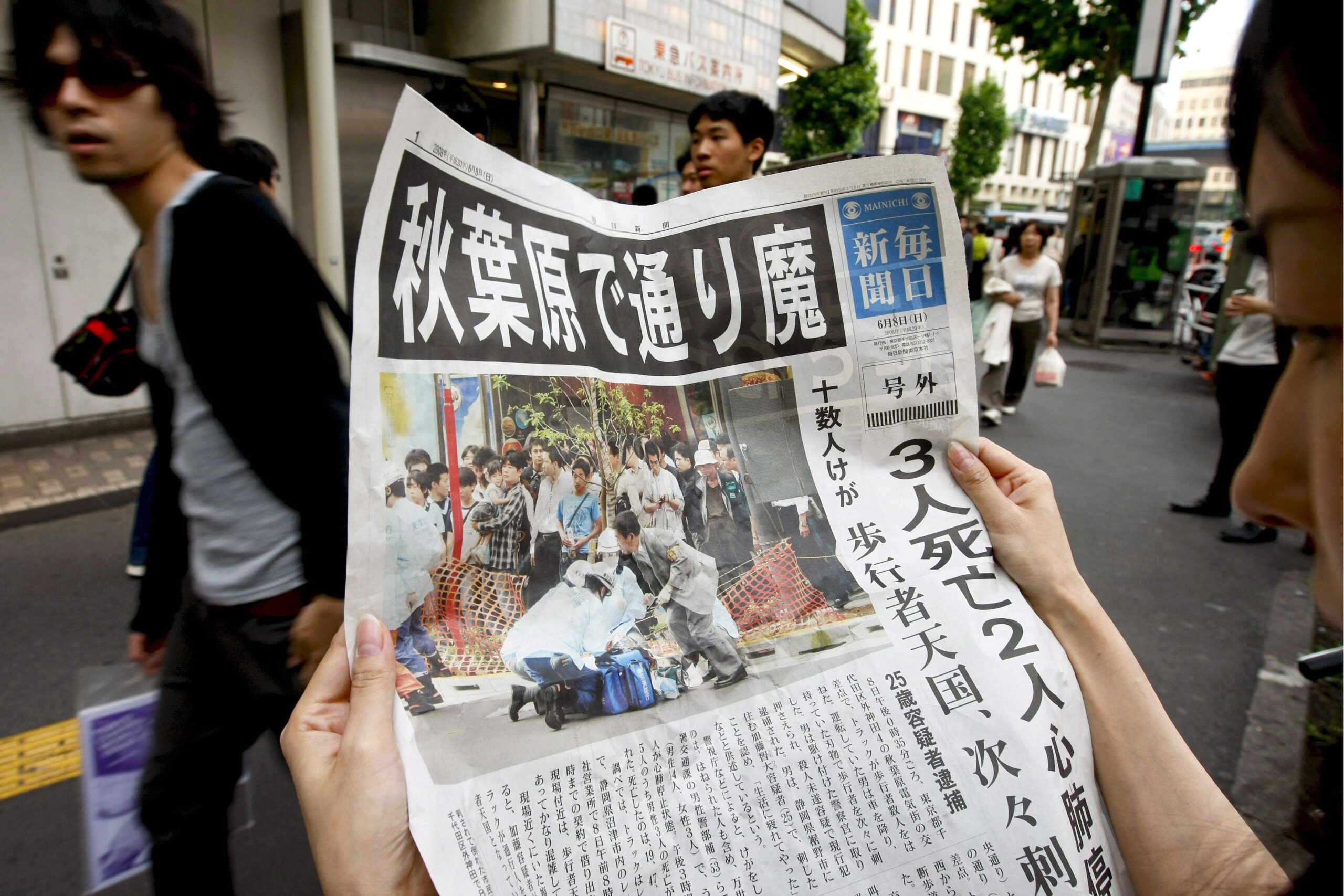
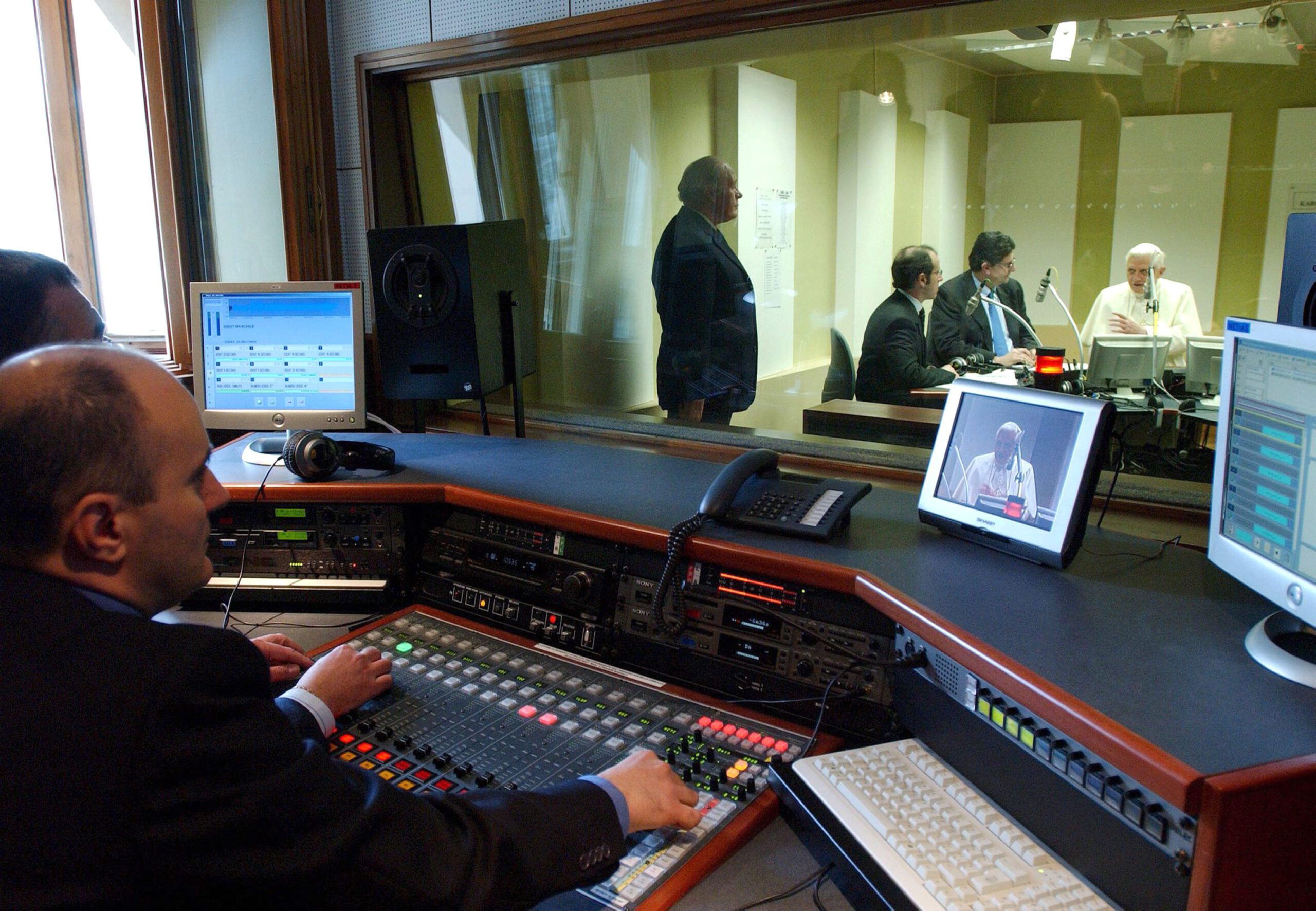
News – more than any other journalistic genre and in another context, sermons – has the power to change people’s way of thinking and mobilize their will to do good. Therefore, it is not easy to understand the Church’s fear of media and its timidity to commit more people and resources to this sector. Surely, the Good News of Jesus deserves much more in methods, approaches and dedication.