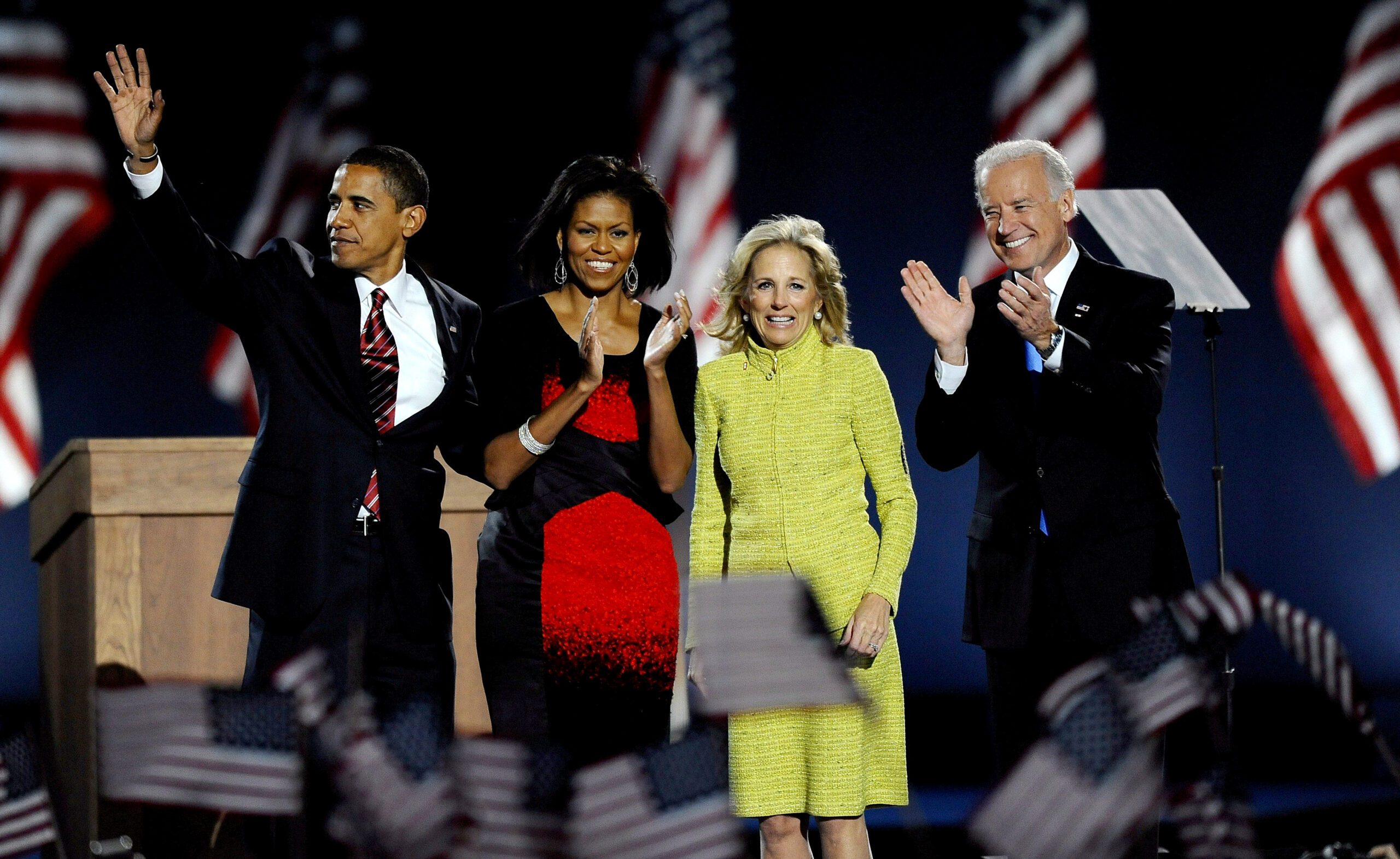
In a country and a world that were (and still are) in an almost incredible mess, the election of Barack Obama as the 44th President of the United States of America generated a global wave of hope. All around the planet it was celebrated as a turning point, as the beginning of a new era. Problems did not disappear in a glimpse, but change was all of a sudden a possibility. “Change” was precisely the motto of his campaign. People responded to the call, and said “yes” as in his iconic slogan: “Yes, We Can.”
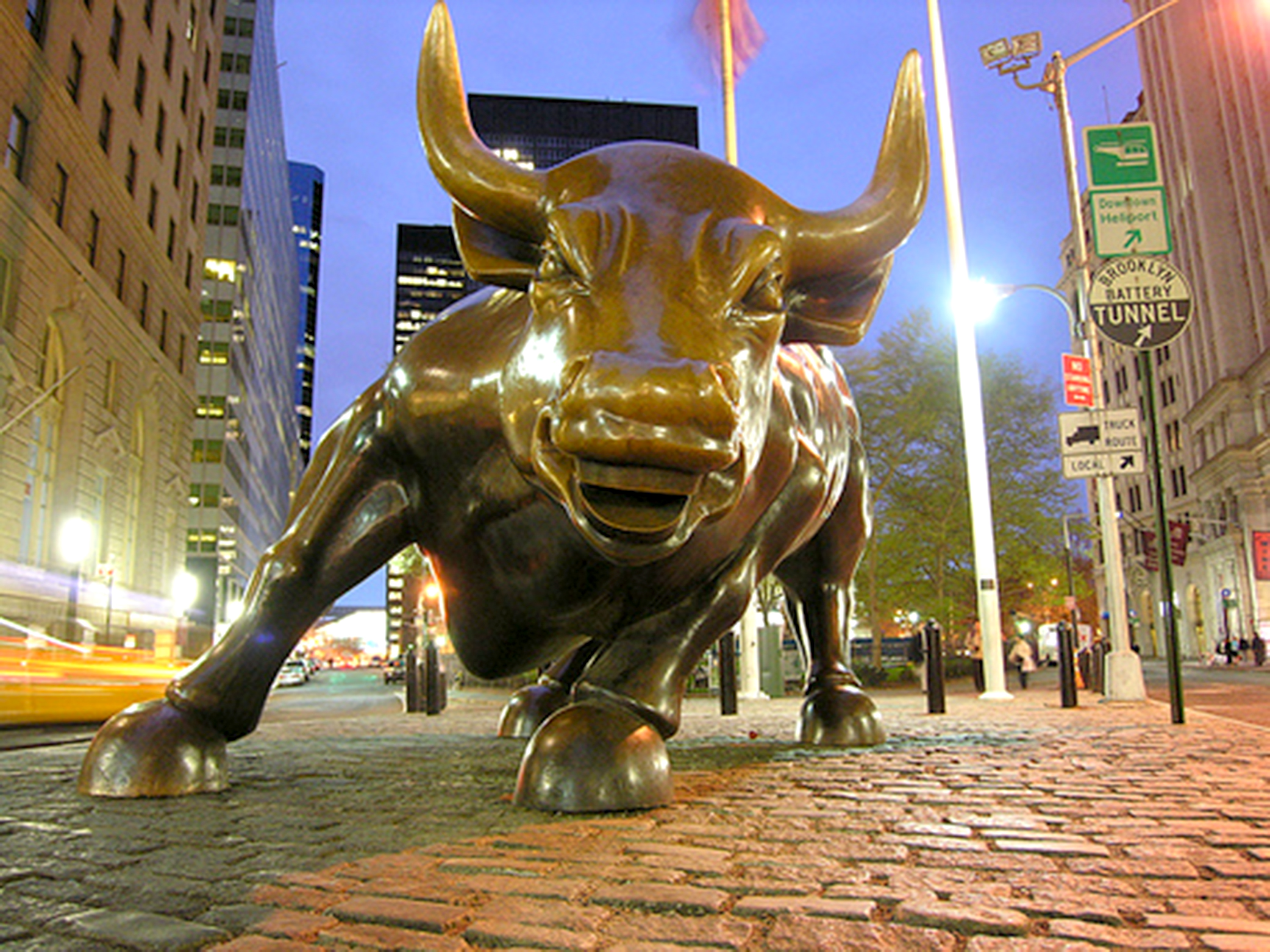
The first signal, in the middle of what is, as Obama himself recognized in his victory speech, “the worst financial crisis in a century,” was not properly positive: Wall Street reacted with another big stumble. But the bad state of the American and the world economy is not the only big challenge that the President-elect will have to face. With two wars being fought (in Iraq and Afghanistan) and a planet in peril, Obama warned the cheering crowd: “We may not get there in one year or even one term but, America, I have never been more hopeful than I am tonight that we will get there. I promise you, we as a people will get there.”
In this speech, as in many others he pronounced during the campaign, where he proved to be one of the more charismatic and eloquent orators of the last decades, there was a tone that brought to mind Martin Luther King’s “I Had a Dream.” We will never know what the Reverend Jesse Jackson, repeatedly focused by the cameras among the audience, was feeling. But the old companion of Luther King in the hard struggle for civil rights and to end racial segregation, was in tears. It’s true that many people, young and old, white or black skinned, were crying while applauding. But Rev. Jackson remained still and stunned, like he was reviewing the long chain of sufferings and battles since the time of slavery.
It was almost incredible, for someone who had so closely known the almost unbearable pain and humiliation caused by segregation: The first Afro-American elected President of the USA! But perhaps Rev. Jackson was not even thinking about that. I presume he was feeling a mixture of hope and sadness – so well expressed in the gospel song that became a kind of hymn during the hard times of persecution and discrimination, “We shall overcome,” the song goes. “Some day…” It suggests that, like heaven, the future must not be taken for granted, that there are still more battles to fight ahead. An election does not change magically the fact that Afro-Americans are still the biggest part of the poorest of the poor, of the uneducated, of the more crime-exposed and imprisoned among America’s population.
Another face that left an impression on TV viewers was that of a white young man, interviewed by CNN in a festive meeting held in Berlin to celebrate the victory. He jubilantly said: “This is my country. Now the world will see us as we are.” It could be an emotional reaction, but it has a point: after eight years of the two mandates of George W. Bush (who is already considered the worst president in the US history), the sole world’s superpower has its image badly tainted in international public opinion. What is bad to the US is also bad to the world. The lack of credibility and dialogue harmed relations between nations, regions and religions, the prospects of peace, the resolution of crisis, the fight against poverty, climate change or environmental degradation.
The Bush administration had an arrogant “cowboy” attitude that helped to install unilateralism, discredit the UN, revive the tensions with Russia, turn the “war against terrorism” in a sort of war between civilizations. What America and the world expect of Obama is just the opposite: The return of the role model that people used to see in this great country, the comeback of a soft power to the international stage. No wonder, that Obama’s election was celebrated around the world.
In Pakistan, a country in turmoil and a hideout for Taliban’s supporters and Islamic fundamentalists, the election was followed very closely. After knowing the results, there was great rejoicing. “This is the first time that someone with a dark skin has come into a position of such power. Everyone is happy about it,” Abdul Jabbar, a driver from Karachi told IPS. Reports the agency: “Many Pakistanis hope that Obama’s Muslim heritage will make him more understanding of their culture, even though the President-elect has consciously distanced himself from this heritage, even dropping the use of his middle name Hussein. A student in Lahore told a television reporter why Obama’s election has given them hope after eight years: “He has some cells of Muslim blood.”
In Kenya, home to Obama’s father’s family, people also rejoiced. The government even declared the election day a national holiday. In Indonesia, the biggest Muslim country in the world, where the President-elect studied for two years, there were also manifestations of joy. All over Europe, where he has gained legions of admirers, people on the streets reacted as if they had elected their own president. The only dissonant note came from Moscow, where the Russian President, Dmitry Medvedev, remembered the cold relations with the US caused by Kosovo’s self-proclaimed independence, the support to defying Georgia and the announced deployment of an anti-missile system near the national borders; and, in turn, promised a Russian anti-missile system near the borders of Poland, something frightening, that brings to mind the dangerous times of the Cold War.
There always will be tensions and confrontations. Troubles are not erased by hope. But hope helps a lot to surpass the national and international depression that was spreading, like a grey fog, around the planet in such a crucial time for humanity.