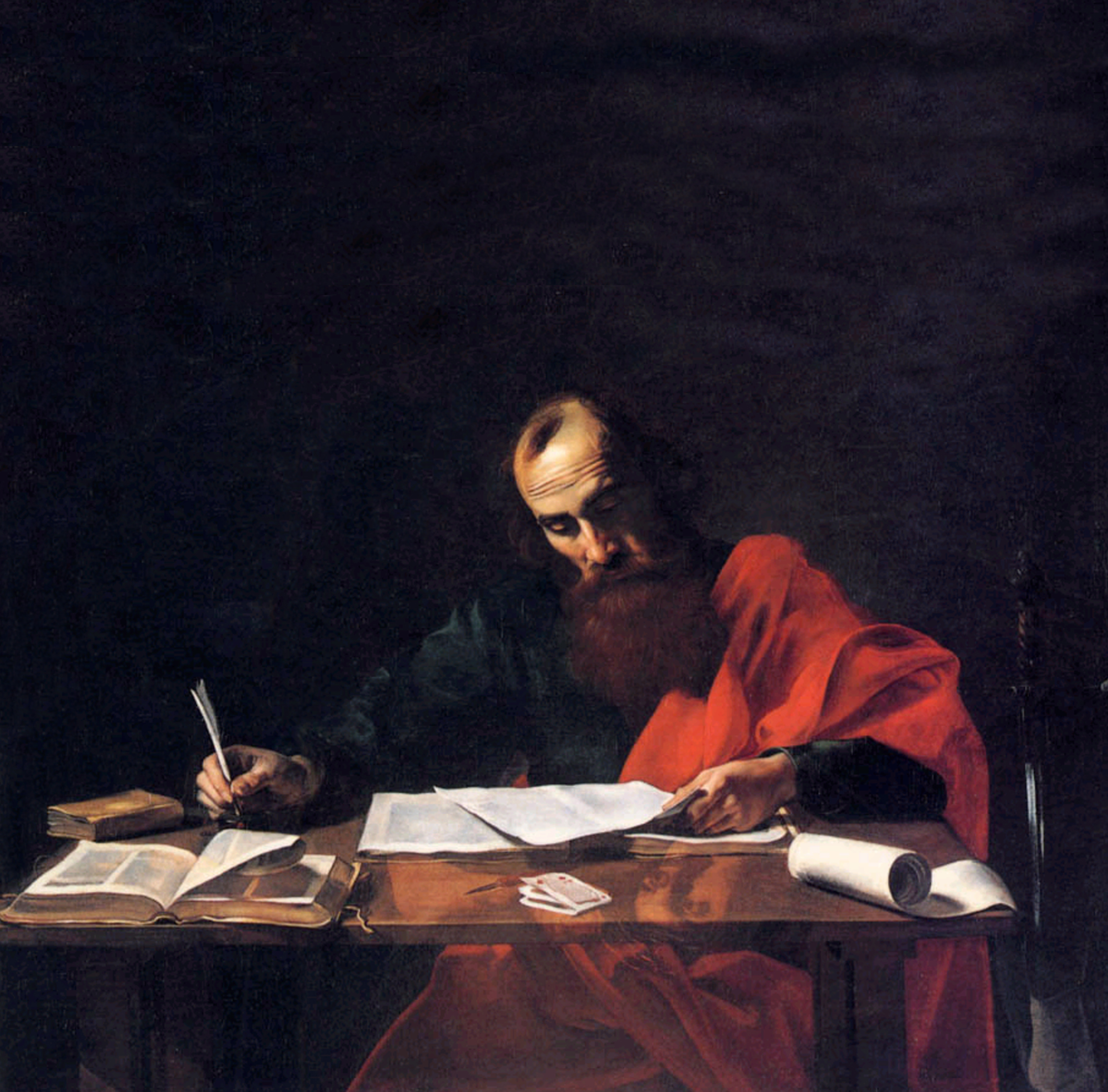

This month, we start the celebration of a special jubilee for the bi-millennium of the birth of Saint Paul. The Apostle does not cease to inspire and challenge us especially with his selfless commitment to the Gospel and his theological and pastoral vision. His memory can be a good occasion to get to know him better, to rethink on the universal mission of the Church in these rapidly changing times and to acquire a new missionary enthusiasm.
Not having had the chance to know Jesus personally, Paul became a Christian and God’s “chosen instrument” for the conversion of the Gentiles only after a transforming and revelatory experience of the living Christ on the road to Damascus. From then on, and helped by his education and culture, Paul became the apostle to the Greeks and the intrepid missionary of the Church’s aperture to the world.
The autobiographical pages about his apostolic endeavors are impressive. An example: “Five times I had thirty-nine lashes from the Jews; three times I have been beaten with sticks; once I was stoned; three times I have been shipwrecked and once adrift in the open sea for a night and a day. Constantly traveling, I have been in danger from rivers and from bandits, in danger from my own people and in danger from Gentiles; in danger in the towns, in danger in the open country, in danger at sea; and in danger from false brothers. I have worked and labored, often without sleep; I have been hungry and thirsty and often starving; I have been cold and naked” (2 Cor 11:24-27).
In spite of all the “trials, hardships, afflictions, floggings, imprisonment, riots, fatigue, sleepless nights and days of hunger” (2 Cor 6:4-5) he endured, the Apostle never shrank from his missionary passion. He wrote: “I consider life of no importance to me, if only I may finish my course and the ministry that I received from the Lord Jesus, to bear witness to the Gospel of God’s grace” (Acts 20:24).
Paul was a great preacher – with his words, oral or written in his letters – but, before all, he was a witness of God’s compassion and love for all. He boasted to have worked more than everybody else to spread “Christ’s fragrance” and conquer for Christ as many as he could: “Feeling free with everybody, I become everybody’s slave in order to gain a greater number. (…) I made myself all things to all people in order to save, by all possible means, some of them” (1 Cor 9:19.23).
To his newly-founded communities, some of them in Asia, Paul presented himself as an example of dedication to emulate. They make us think of most of our modern communities in the continent – small, made up by poor and unskilled members and, more than elsewhere, living in multicultural and multireligious societies which challenge and oftentimes threaten their identity. What kind of witness is expected from them?
The Gospel of Jesus, according to Gandhi, “needs no adventitious propaganda to make itself felt and accepted.” Time and again, he brought the parable of the rose to illustrate the point. “Let your life speak to us – he urged Christians and missionaries – even as the rose needs no speech but simply spreads its perfume. Even a blind who does not see the rose perceives its fragrance. The fragrance is its own sermon.”
Before the explicit proclamation of the Lord Jesus Christ, Christians are called to proclaim the Gospel of the Rose through their loving deeds – sharing Christ’s fragrance in a life of solidarity with the poor and those in need, reducing inequalities in the distribution of goods, working for justice and peace, protecting the environment and fostering sustainable growth and development. Such witness attests of our Christian identity and is a good platform to meet and relate to believers of other faiths.