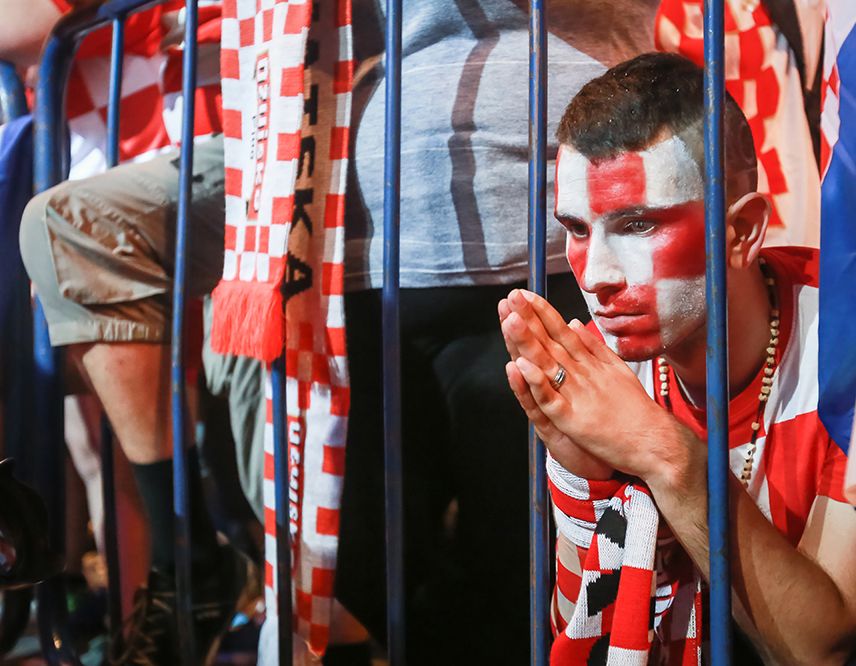

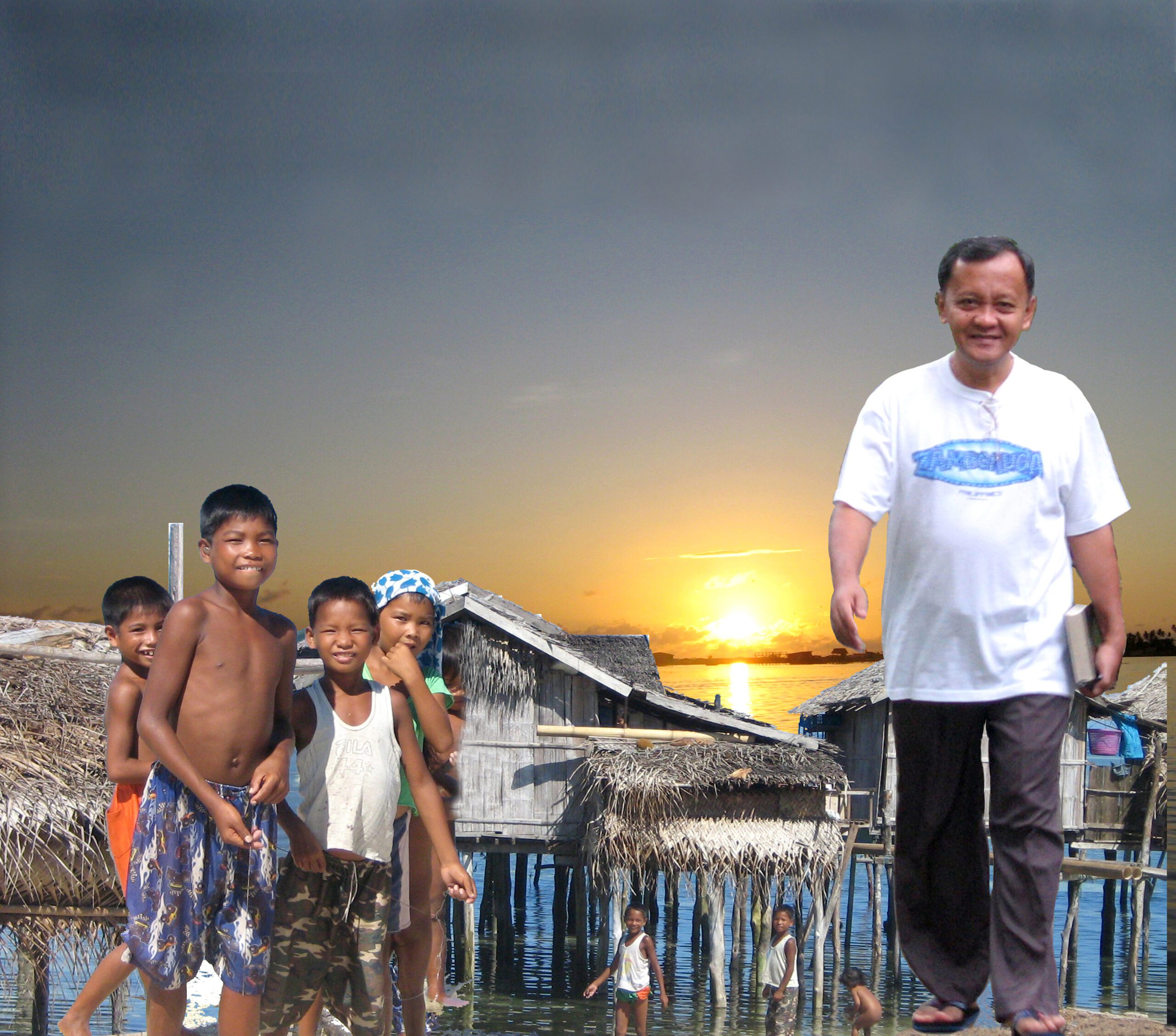
Father Reynaldo Roda expected it all along. But not the people of Tabawan whom Fr. Rey served for ten years before his brutal murder last January 15 in the hands of his abductors. In the words of one of Fr. Rey’s Muslim scholars describing the immediate reaction of the people: “As if a big bomb was dropped in our midst and we got the shock of our lives. We all mourned. Some lost appetite to eat. Some kids don’t want to go to school anymore.”
Tabawan is one of the beautiful islands of Tawi-Tawi, a province in the southernmost part of the Philippine archipelago. It is inhabited by peace-loving Samals and prides itself of being a peaceful and tolerant society. That is why the murder of a missionary priest in this island is hard for the local inhabitants to accept. At most, it was taken as a desecration of their sacred ground.
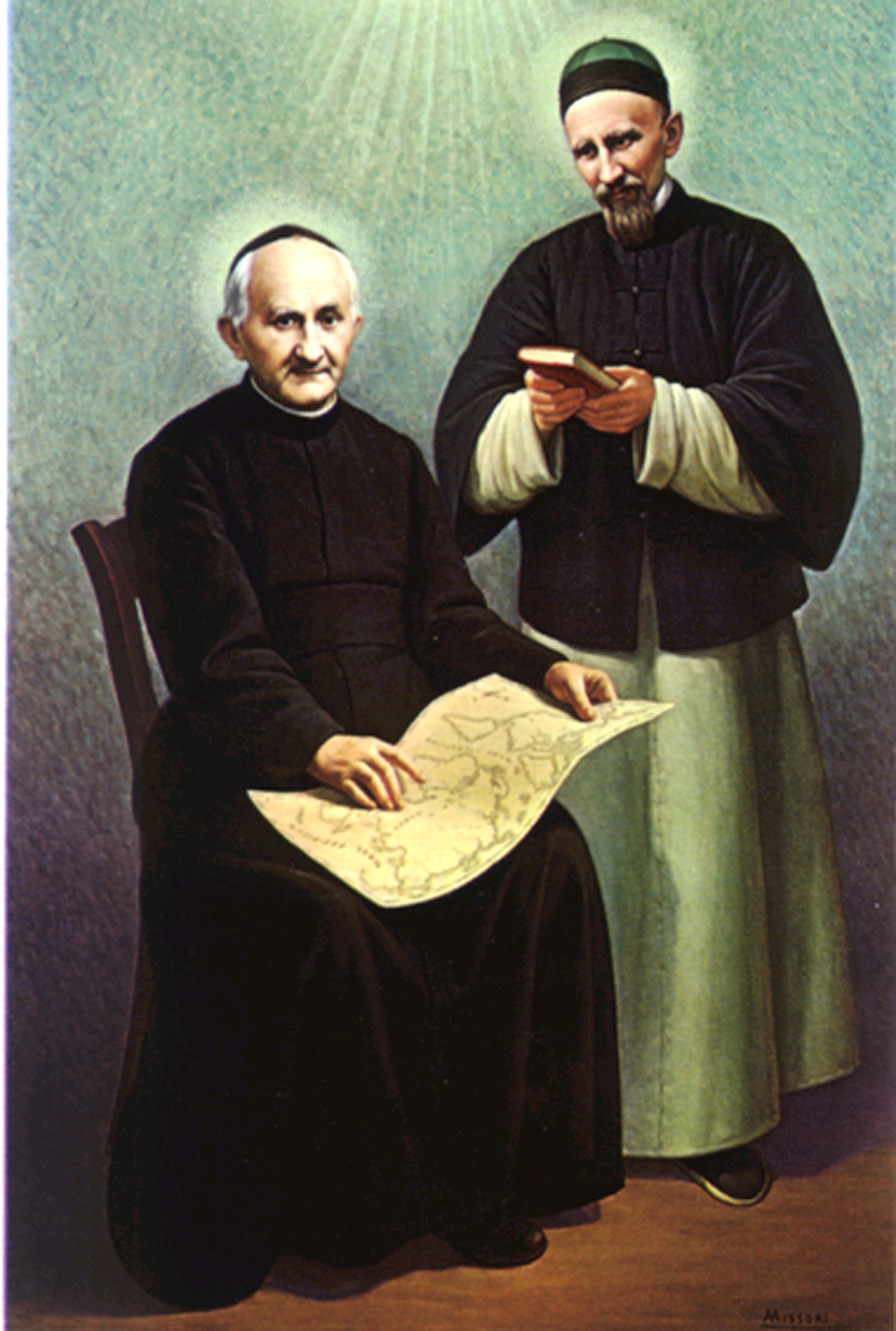
It was in 1939 when the Oblates of Mary Immaculate, a missionary congregation, started to establish mission stations in Muslim-dominated provinces of Cotabato, Sulu, and Tawi-Tawi. Since then, they have been living with Muslims while serving the minority Christian population of the islands.
After World War II, the Oblates put up Notre Dame Schools in the islands. These schools were welcomed by the local Muslim inhabitants. Not only that. Over the years, the local inhabitants also started to develop strong affection for the missionaries. This is especially true of Fr. Leopold Gregoire, OMI.
Fr. Gregoire was the director of the Notre Dame School in Tabawan for 20 years until his death. He actually died many years back but until now, not only the Notre Dame community celebrates his birthday every year but the entire island. The celebration is called “Gregoire Day” and the people celebrate it for three days with a lot of fanfare. The town has more or less 20,000 people with Christians numbering only about 30 individuals.
SHOT AT PRAYER TIME
Fr. Rey was praying inside the chapel as he used to do after dinner when he was taken forcibly by his abductors. When he refused to go with them, they shot him, leaving him dead. The Oblates in the Vicariate had agreed among themselves not to go with the kidnappers just in case they would be kidnapped. The reason is, in many kidnapping incidents in Mindanao, the subsequent military operations usually take its toll not only among the combatants but also among the civilians. Fr. Rey chose to sacrifice his life in order to prevent the loss of more lives.
Ordained on May 10, 1980, Fr. Rey was in the forefront of justice and peace in the diocese of Kidapawan in the later years of Martial Law. Prior to his assignment in Tabawan, he was a missionary in Thailand where he became the superior of a seminary. In Tabawan, he did not only direct the school and support many scholars but he also implemented several socio-economic projects for the poor in close coordination with a number of NGOs. He so loved the people of Tabawan that he even disclosed to a fellow Oblate that he preferred to be buried in the island when he dies.
The death of Fr. Rey brought back to my memory that fateful day on February 4, 1997 when Bishop Benjamin de Jesus, OMI was murdered in front of the Mt. Carmel Cathedral in Jolo where I served as parish priest. Three years later, it was followed by another tragedy when Fr. Benjamin Inocencio, OMI was also murdered at the back of the Cathedral on December 28, 2000.
THE MUSLIMS CRIED
On the death of Bishop Ben and Fr. Benjie, the Muslims mourned. So, too, on Fr. Rey’s death, especially the people ofTabawan whom Fr. Rey had learned to love. They literally lost one of them.
I saw Samud on TV being interviewed by Ces Drilon of ABS-CBN. He is the same convento boy whom I met when I was assigned in Bongao from 1990 to 1994. The day after the killing, a fellow Oblate assigned in another island in Tawi-Tawi called him. “I’m very sorry, Father, I was not able to protect Fr. Rey,” the convento boy said wailing in self-pity. He is a Muslim.
I spoke to Wija, the scholar of Fr. Rey. She called him Tatay. During the commotion at the convento with the armed men, she rushed to help Fr. Rey but he shouted at her, “Anak, tumakbo ka na.” (“Child, run while you can.”) Fr. Rey addressed her as “Anak.” She is also a Muslim. She accompanied the body of Fr. Rey from Tabawan to Cotabato.
In Bongao island where the remains of Fr. Rey was exposed for two days, Muslims and Christians filled the Holy Rosary Church. Even the Muslims brought food during the wake as told by the parish priest. In Cotabato, Muslims and Christians were crying along the highway as the remains of Fr. Rey was brought from the airport to the funeral parlor in the city. During the wake, many Muslims were there and during the burial at the Oblate cemetery, they also came.
DOING GOD’S WILL
It was very consoling. While we grieved for the death of Fr. Rey, we found solace not only in the support of fellow Christians but also in the support given by Muslims through their personal condolences and public condemnation including the Moro Islamic Liberation Front and several Moro NGOs.
This outpouring of support reveals something − that human goodness transcends even religious boundaries. And that it is possible for Muslims and Christians to work together to create a peaceful society if only we learn to shed off our human biases and concentrate on doing God’s will for His people.
We do not exactly know what Fr. Rey was telling God when he was praying inside the chapel. Perhaps, he was telling Him about his many dreams for the people of Tabawan. Now that he is gone, only the memory of Fr. Rey remains in the hearts of the Muslim inhabitants of this island.