
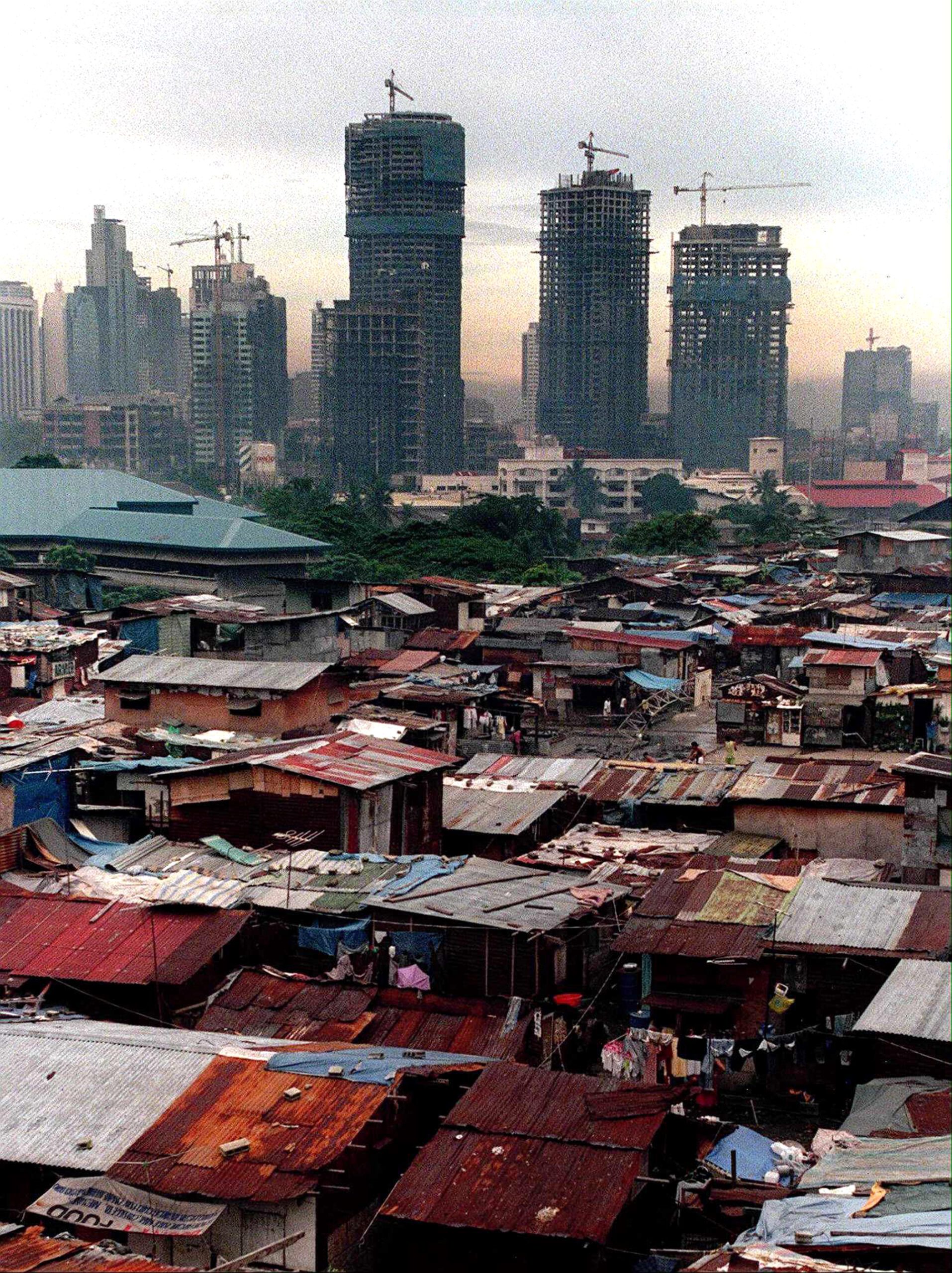
Until the end of 2008, half of the world’s population, estimated at 6.7 billion people, will be living in the cities. The numbers come from the U.N., which foresees that the phenomenon will keep increasing as a snowball up to 2025. In some zones of China and India, this will be so in response either to a government policy or to economic growth. But, unfortunately, it will also be true in countries and regions of Asia, Africa and Latin America where development is weak or practically does not exist.
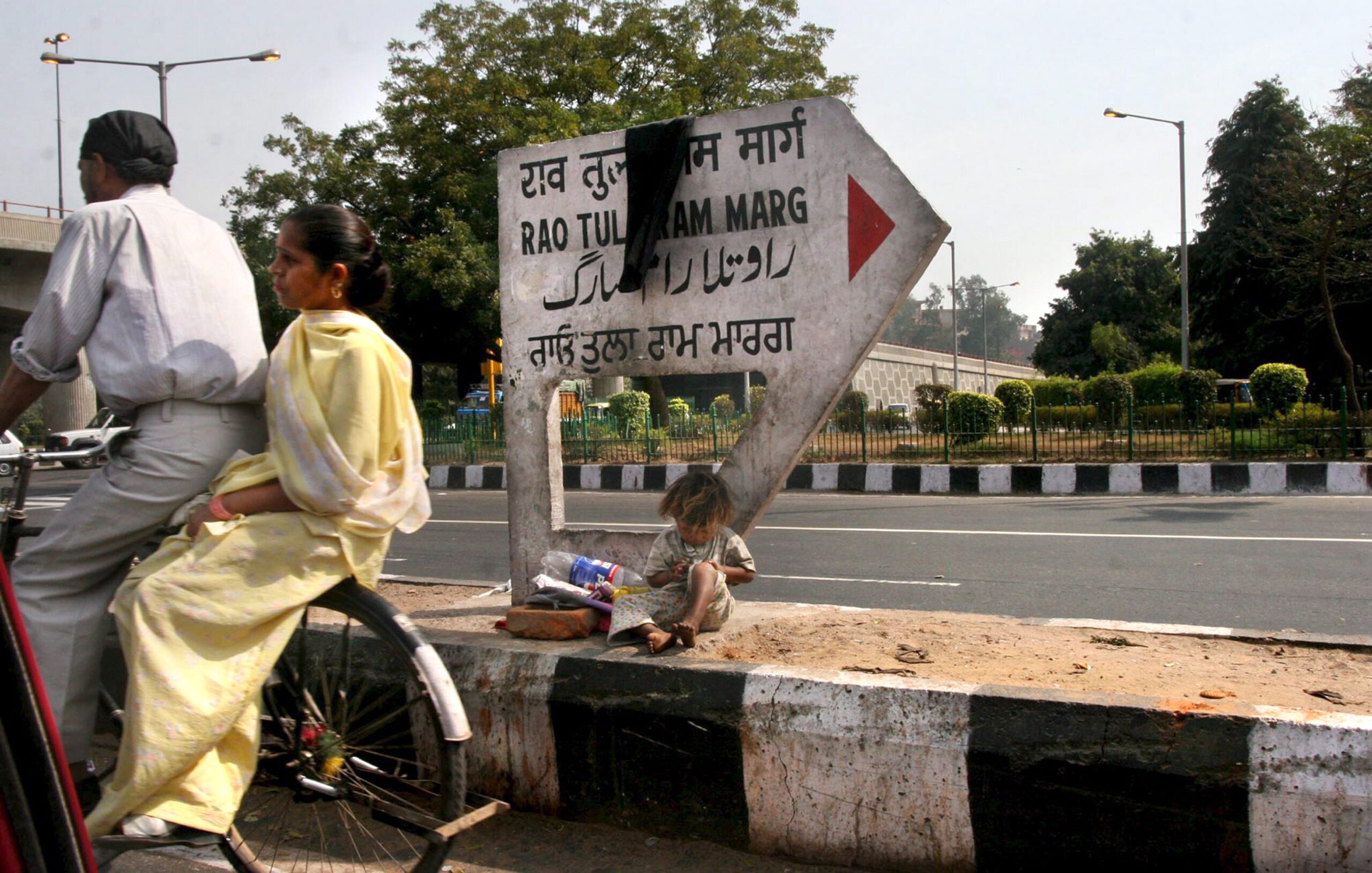
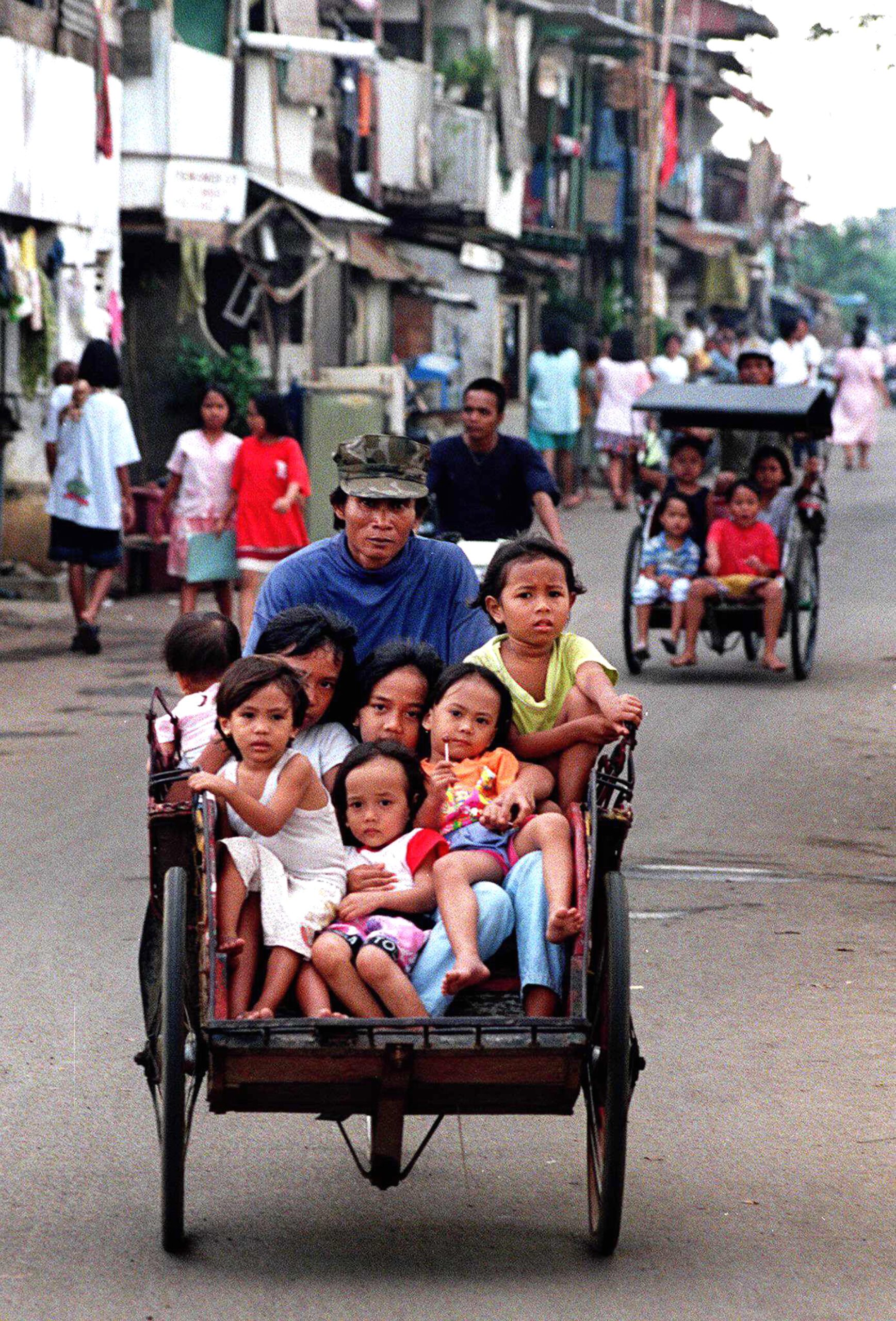
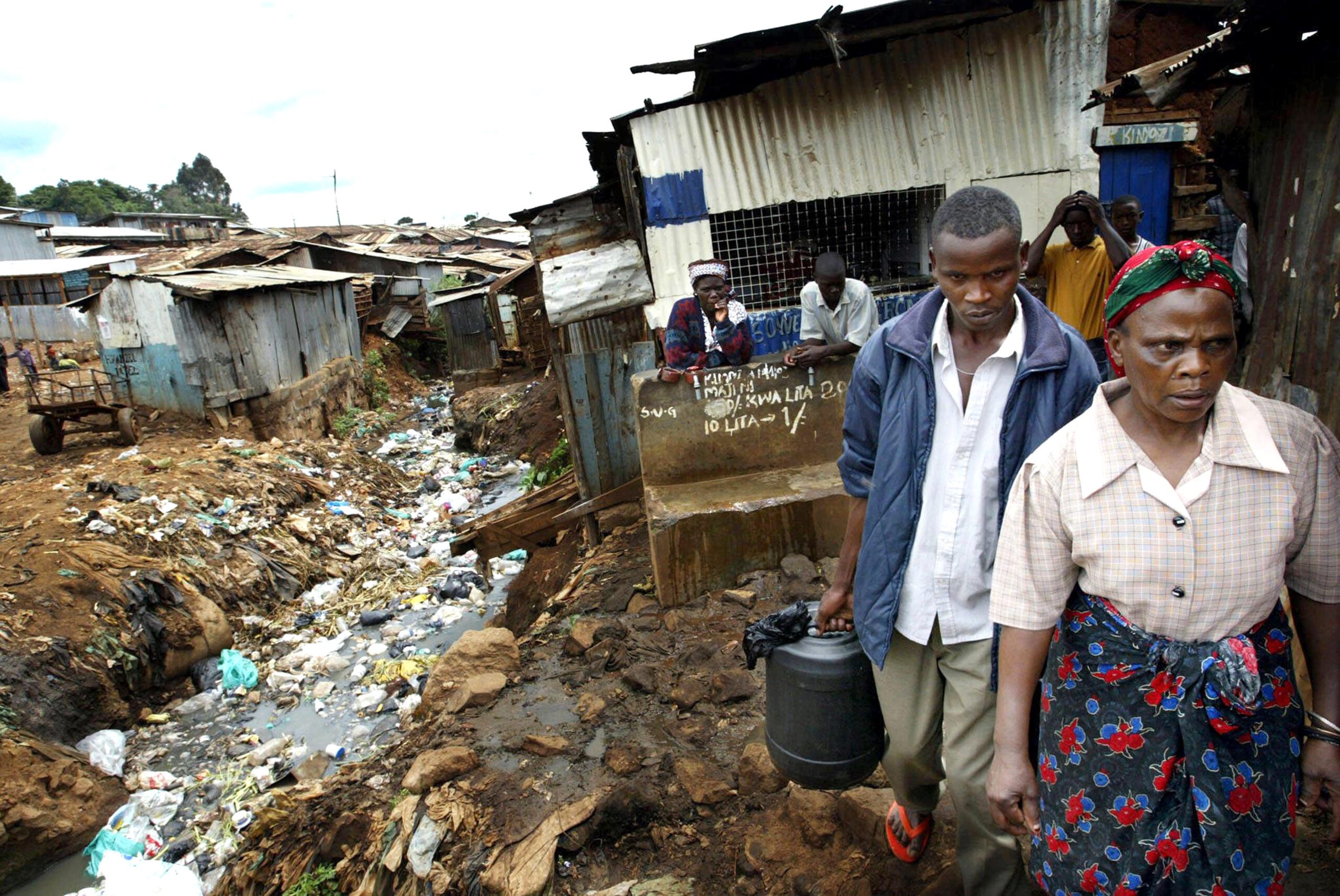
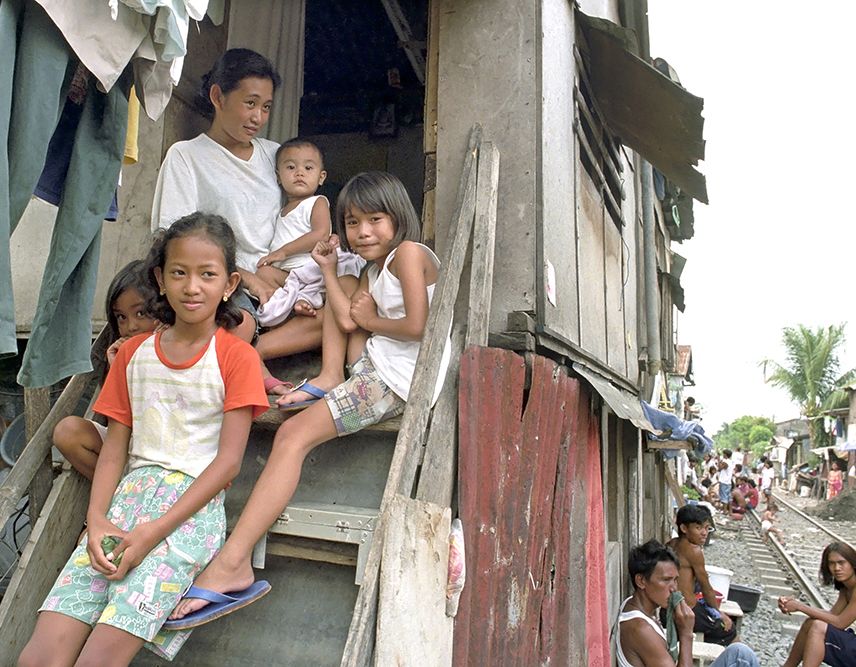
The growth of the cities is proportional to the rural exodus, consequently resulting in increased slums which, still according to the U.N. data, are expanding, in a frightening way, in Sub-Saharan Africa and in Southern Asia where, in 2005, the percentage of urban population living in degraded neighborhoods was 71% and 58%, respectively. But the phenomenon is global, also affecting Eastern Africa (35%), Latin America and the Caribbean Islands (31%) as well as Central Asia (29%) the Middle East (26%), South East Asia (25%) and Oceania (23%).
The exodus to the city has to do, above all, with lack of jobs in the rural areas, but also with the dream and hope intrinsic to the change which, for many of those who endure the sacrifice of abandoning their communities and migrate to the urban centers, often does not go beyond a mirage. Still according to the U.N., in 2005, there were a billion people surviving in inadequate and insalubrious “lodgings,” without access to basic services. But, according to an expert − the historian Mike Davis, author of The Planet of Slums − urban poverty has already doubled, comprising two billion people.
RETURN OF THE CITY-STATES
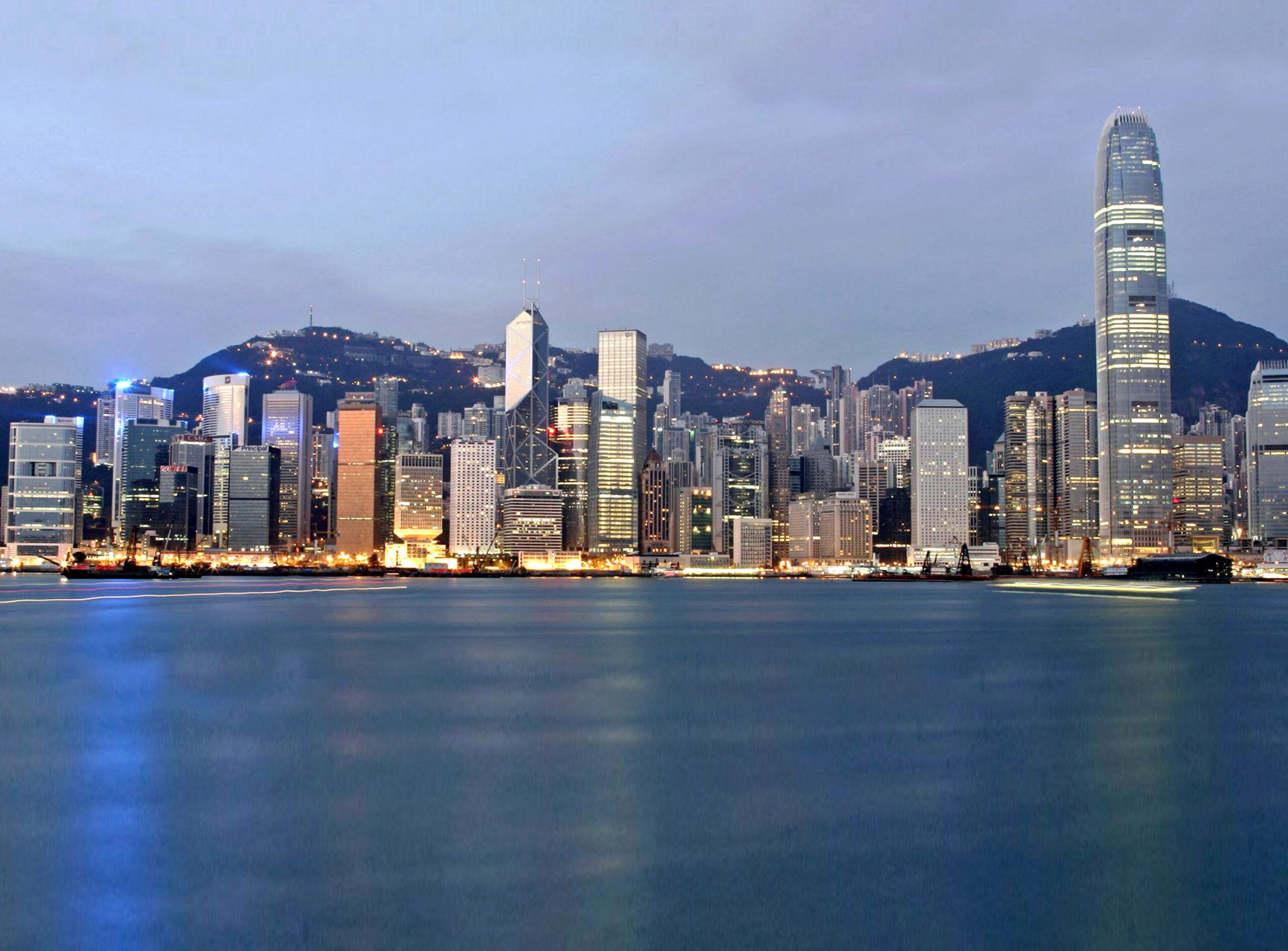
According to the Financial Times newspaper, “with the exodus of so many villagers in search of labor and prosperity, the number of the world’s cities with more than a million dwellers, has already exceeded 350 and the ones of megalopolises with more than ten million − today already around twenty − will also increase. That phenomenon is not limited to Asia and has nothing to do with economic development: Lagos, Cairo, São Paulo and Mexico City are among the world’s largest cities. But the huge Asian population entails that more than half of the world’s cities of big and average importance are concentrated in Asia.”
Journalist Victor Mallet adds: “During the next 25 years, the Asian urban population may increase by 70%, that is, by a billion people. The appearance of gigantic agglomerations of more than 20 million inhabitants, called “megapolis” by the U.N. is also predicted. Asia has already an agglomeration of this type, Tokyo-Yokohama, and the next can be the more and more integrated industrial and commercial areas which include Hong Kong, Shenzhen and Canton.” UN-HABITAT, the United Nations Human Settlements Program, foresees that the cities with more than ten million inhabitants “will be invested by such powers that will function as city-states, free from any national and regional intervention.”
AN EXPLOSIVE SITUATION
The reverse of the coin is pointed by Mike Davis, in an interview for the Chicago paper, In These Times: “About a third of the world’s slums are located inside a city, but the majority are in the periphery. They spread far beyond sight around the cities. They have become one of the world’s more serious political problems because they constitute an unknown social reality, where the city is mixed with fields, in a hybrid, unseen way.” The situation involves such a potential of fractures and social conflicts that the US Armed Forces strategists, namely the Pentagon, have been studying it − inclusively using satellite pictures of those vast areas.
Tensions in urban areas can be aggravated by a peculiar form of “social apartheid” that spreads all over: the rich flee to closed condominiums and to comfortable suburban urbanizations, leaving the chaos, the insecurity and the criminality of the degraded cities to the poor. This is happening in great Indian metropolises.
Madhurina Nandy writes in the New Delhi Hindustan Times: “Very close to the great agglomerations teeming with activity, exist small serenity oasis. The latter can be far away from the traditional activity centers because they constitute small urban nucleus. Extending for a hundred hectares, the new independent cities are generating a new lifestyle. They offer the metropolis modernity, at the same time, they propitiate to a middle class with more demanding tastes the possibility to avoid the bad smells and the jams of the overpopulated agglomerations. The peripheries of Mumbai, New Delhi and Bangalore are full of these new neighborhoods, which allow a more thoughtful city planning, a better environment for community life and less stress. Their development has been encouraged for long.”
Instead of caring for the “many wounds” of poor neighborhoods, the escape of the wealthy to comfort zones is promoted. Not to mention injustice, the dangers of such “solution” are too evident. It is enough to have in mind some cities in South Africa or Brazil, countries relatively developed, where criminality and violence have been accompanying the accelerated rhythm of exclusion of the poor, ostracized in gigantic miserable ghettos, and where the rich hardly leave their “luxurious prisons.”
Note: The data and the quotes were extracted from articles published by Courrier International (Portuguese edition).