Like many other African countries, Kenya has a long history of impunity in high places. During the twenty-year presidency of Daniel Arap Moi, a long series of politically-motivated murders, among them of an Anglican bishop and several Catholic priests, were never resolved.
Investigations of financial scandals involving astronomical figures never led anywhere. Then, more than four years ago, the current president, Emilio Mwai Kibaki, was voted into power in what many saw as a landmark election. The euphoria surrounding the new Kibaki government generated a huge upsurge of expectations. Renewed investigations of such high profile corruption scandals such as the notorious ‘Goldenberg’ scam, were launched. But three years on, there is little concrete evidence of significant progress in clearing the backlog of past injustices or bringing the alleged high profile perpetrators to the book.
Some would argue that too many ‘dinosaurs’ of the old regime, with huge skeletons in their closets, still have sufficient political clout in the new dispensation to stall any investigation that might implicate them. But all is not lost. One public investigation ordered by the government is still running and expected to conclude later this year. It is the inquest into the death of Fr. John Anthony Kaiser, an American Mill Hill Missionary, who was found dead on the side of the road near the town of Naivasha on August 24, 2000. An initial investigation, conducted with the assistance of the FBI, conveniently concluded that the cause of the death of this intrepid defender of the rights of the voiceless was suicide. A huge public outcry and sustained media interest, combined with a strong pressure from the Kenya Episcopal Conference, moved the government to grant a public inquest in April 2003. Since then, the investigators have slowly unearthed a picture of the sequence of events that led to Fr. Kaiser’s demise – events that bared numerous flaws and deliberate misinterpretations in the initial investigation.
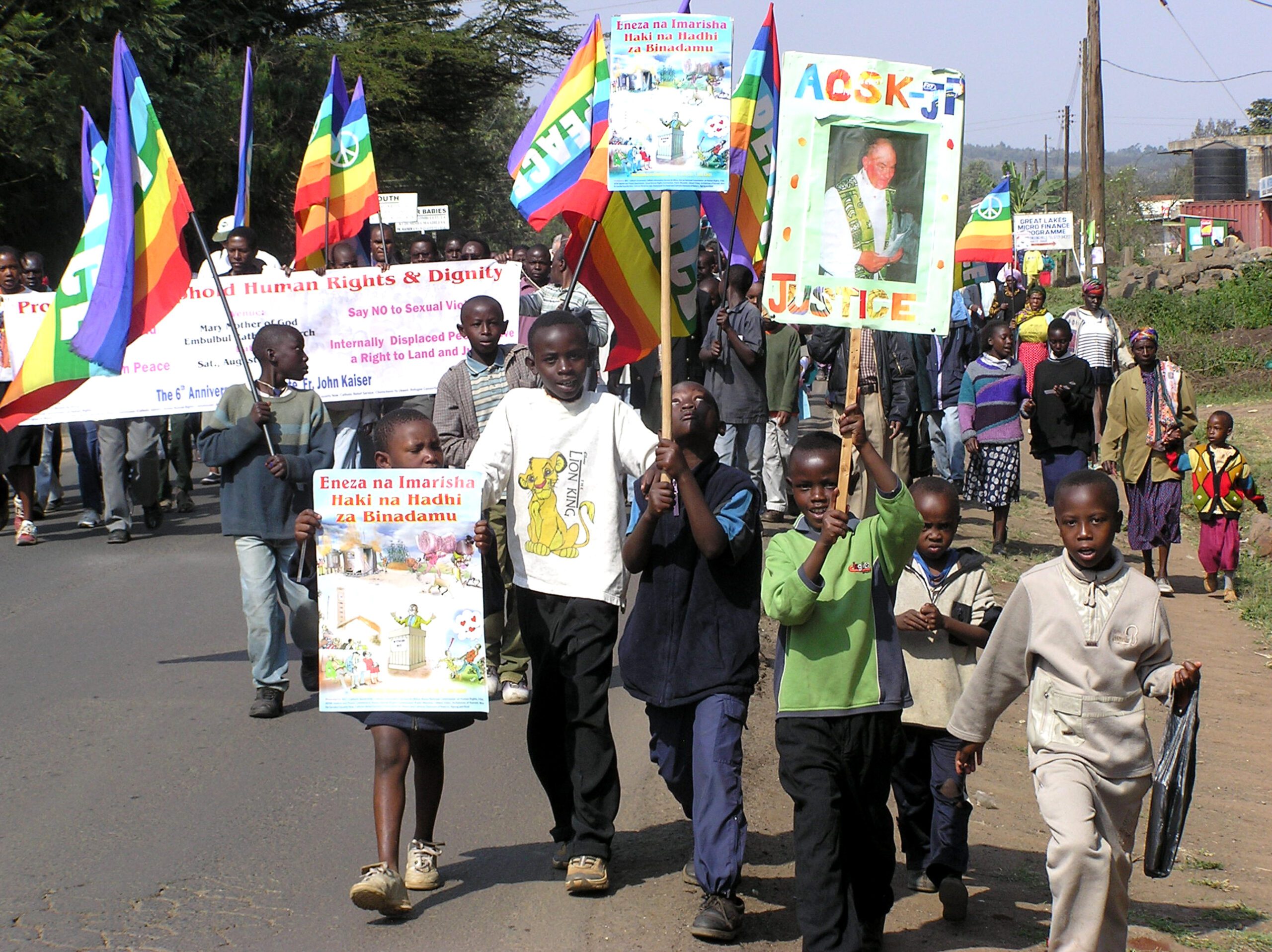
On the occasion of the celebration of the 6th death anniversary of Fr. Kaiser, the KEC counsel to the public inquest, Mr. Mbuthi Gathenji, reported that over 80 witnesses had been heard and some 240 exhibits examined. So far the inquest continues to make steady progress and its conclusion, he promised, could be expected later this year.
A WITNESS TO JUSTICE
If, as expected, the findings of this investigation will show that the previous verdict of suicide is incorrect, further legal action can be taken. To many, this means that, finally, justice would be given to this fearless advocate of the marginalized and the powerless. Then, the long chain of impunity in high places would at last be broken.
In many ways, John Anthony Kaiser was an uncompromising witness to the truth — a martyr fearing no one, not even those in the most elevated positions of power — in his defense of the powerless, in particular, the victims of the tribal clashes in Kenya in the years between 1992 and1996. He paid the ultimate price for his intrepid struggle for justice and peace in Kenyan society.
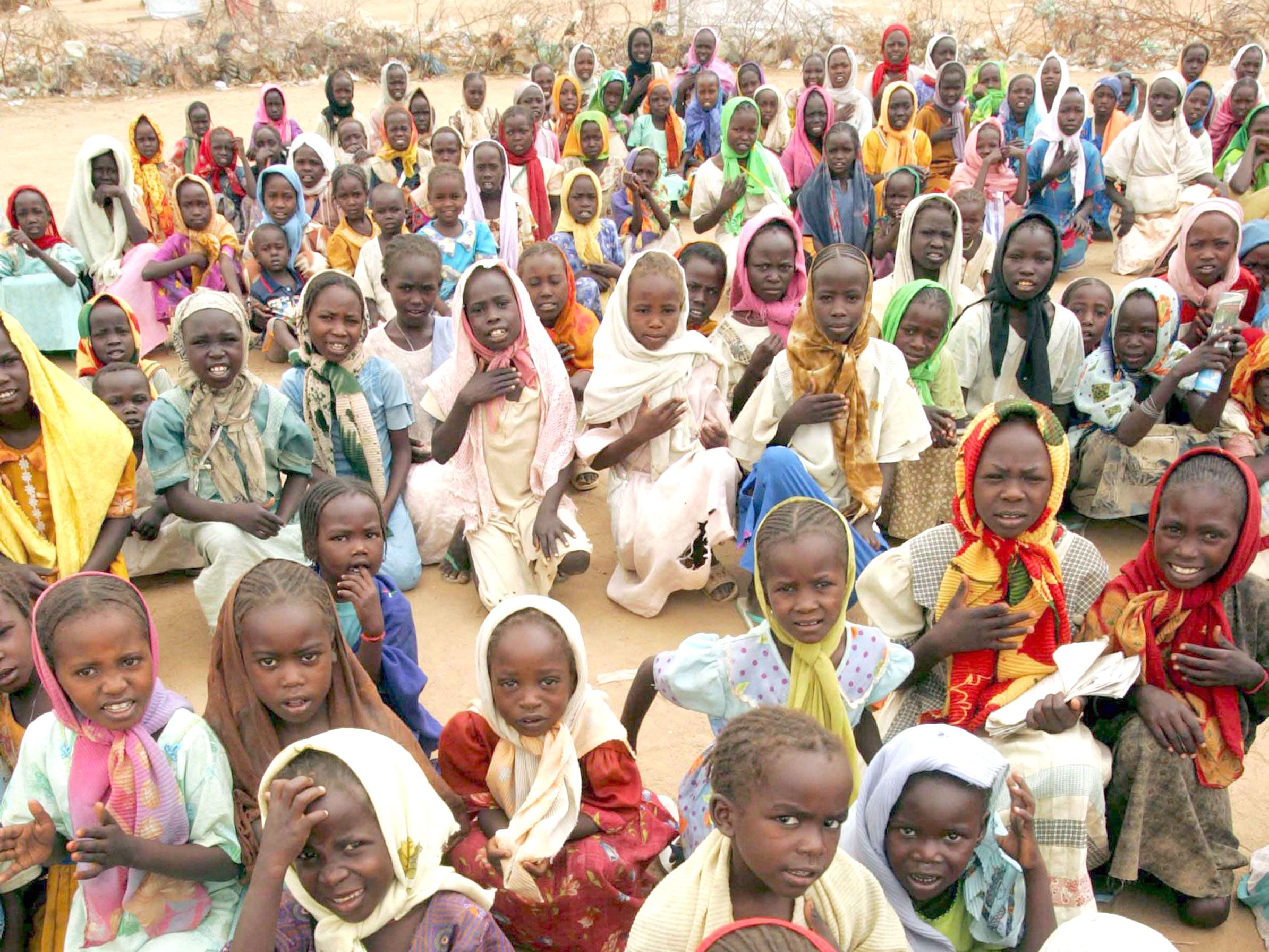
In a story of his autobiographical book ,“If I Die,” published posthumously, he relates how, as early as 1968, his moral sense of outrage was awakened at the sight of hundreds of people camping somewhere along the road to the capital Nairobi. He learnt they had been fraudulently dispossessed of their land. And he writes: “It was clear to me that if I, as a priest, was to live according to my conscience, I would have to be much more involved in the ordinary Kenyan citizen’s struggle for justice. I would also need to have a better understanding of civil law and try to live closer to those suffering farmers than I had done in my previous four years.”
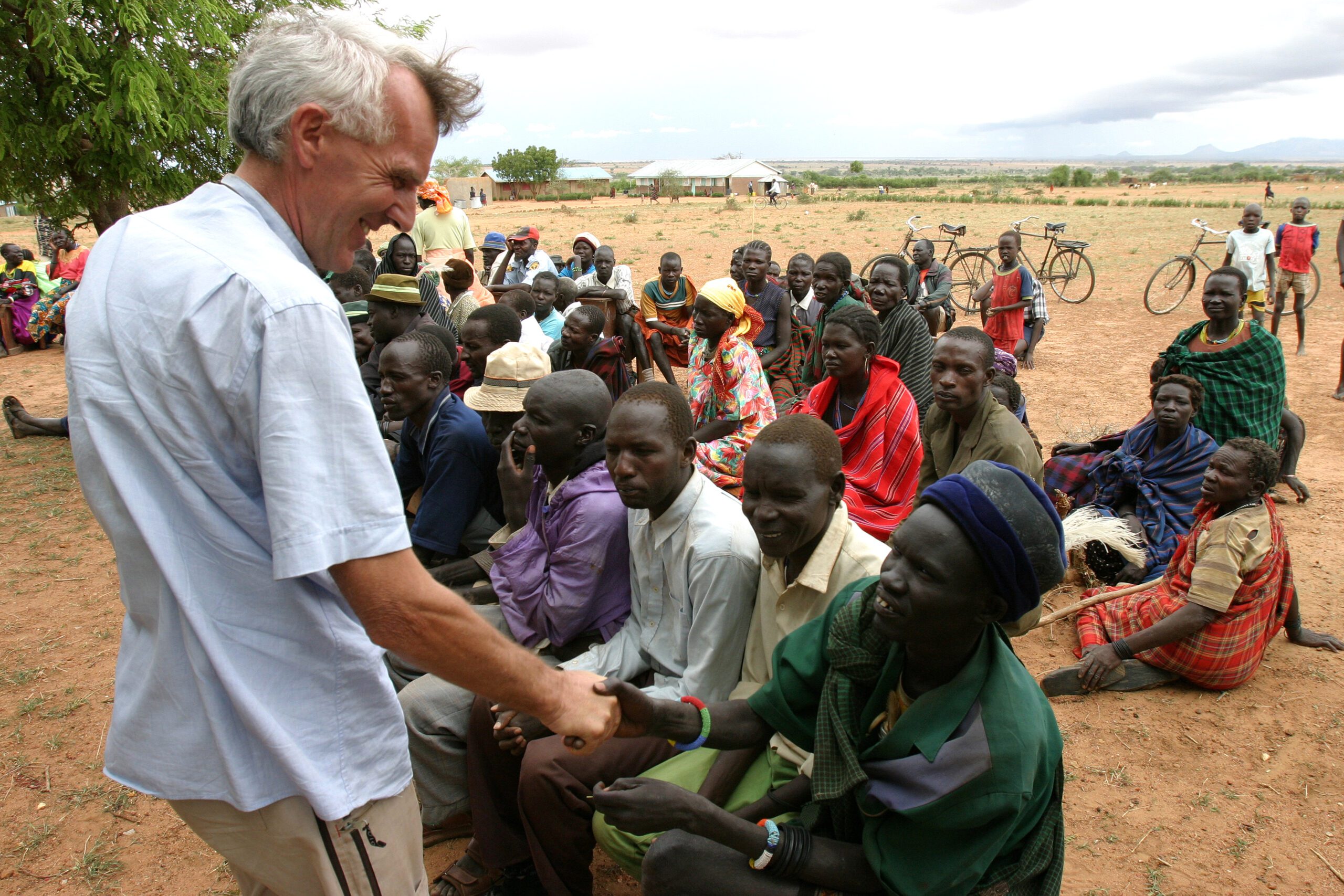
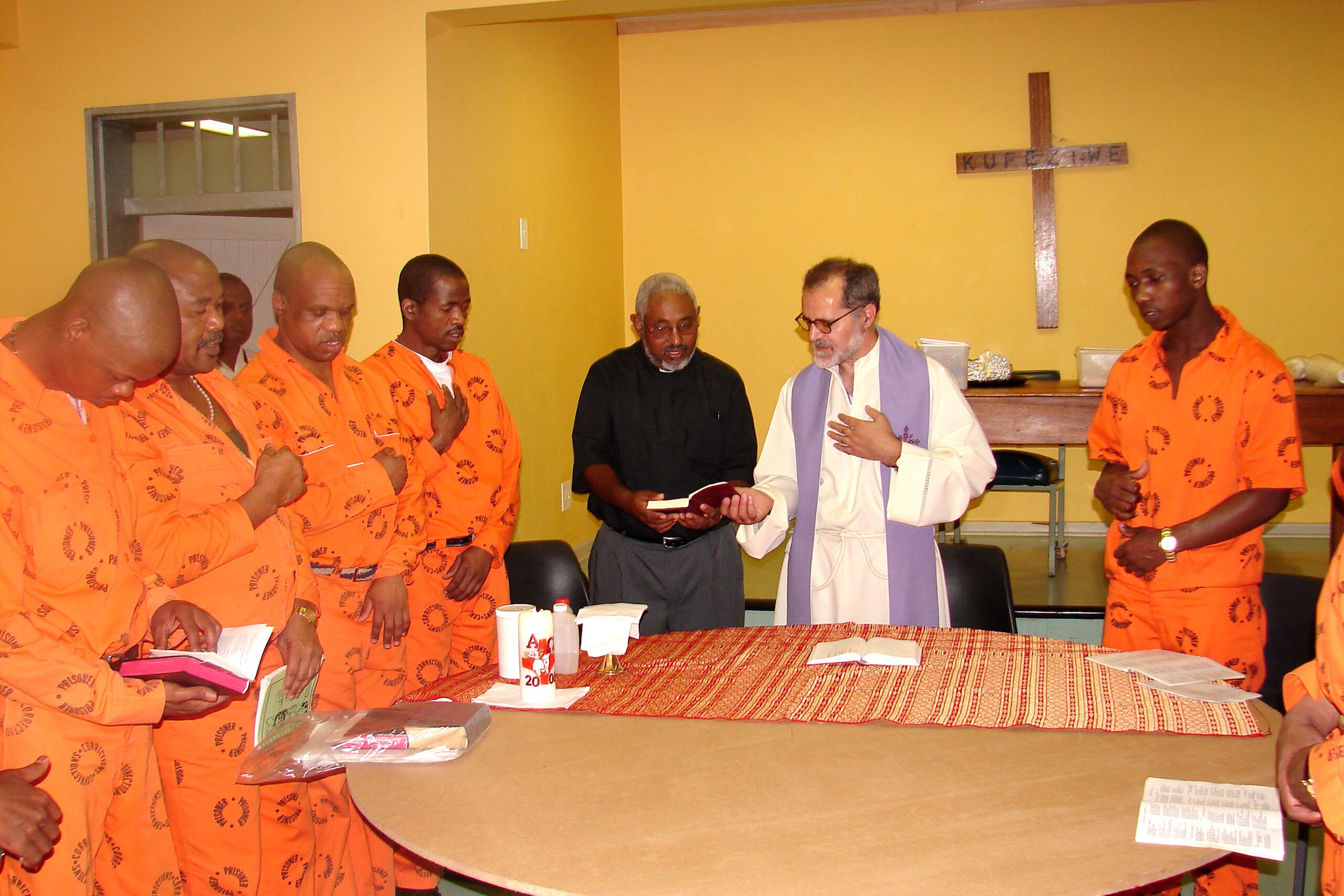
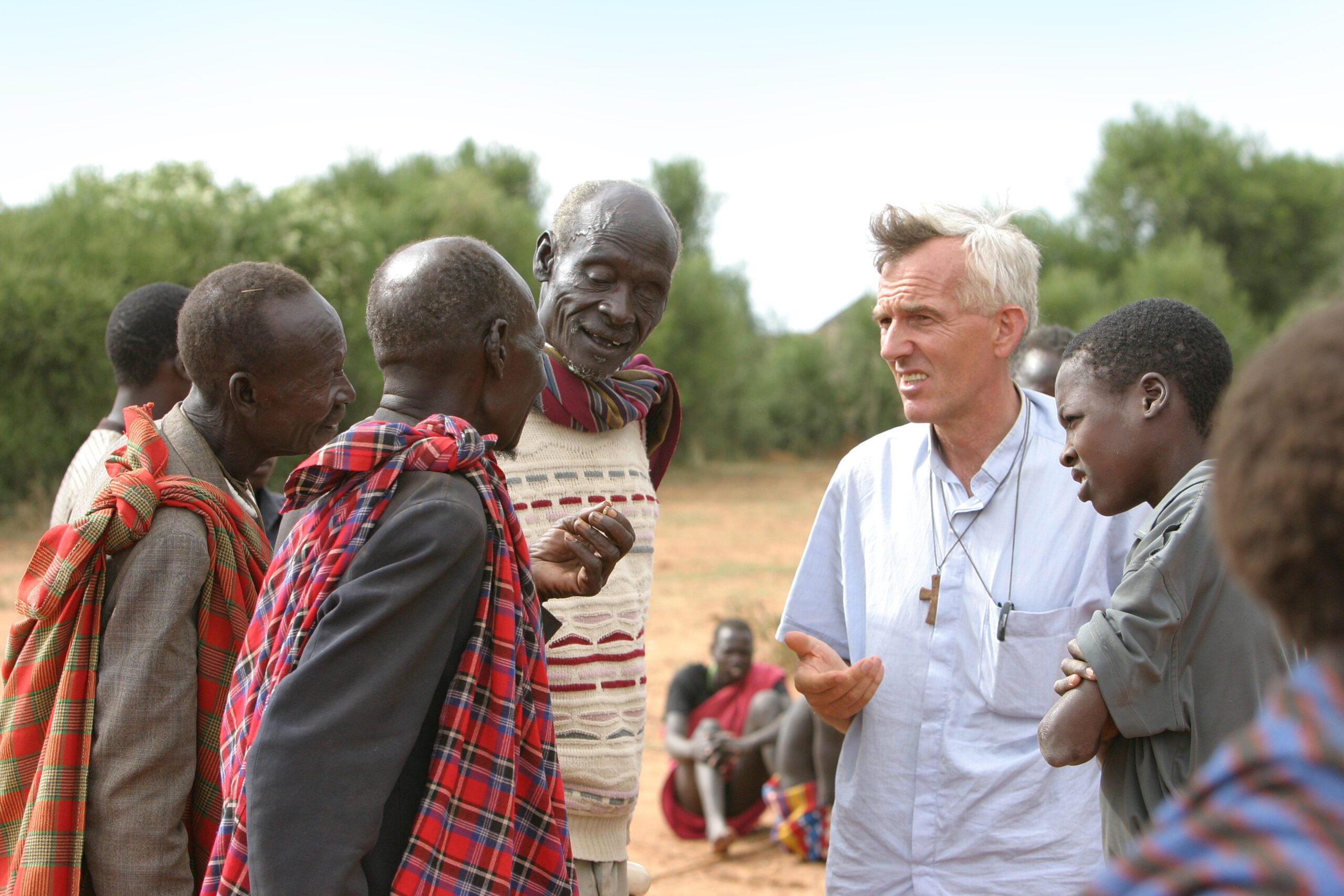
Characteristically, when after a brief spell in America he returned to Kenya in 1969, John wasted no time in putting into practice the insight he had gained. He lived close to the people, immersed himself in their culture and learnt the language. He lived as they did and made no bones about doing without electricity or material goods that would put a barrier between himself and the people. A battered pick-up was his favorite means of transportation.
INTREPID FIGHTER
The episodes of the tribal clashes in the period 1990–1997 marked a watershed in Fr. Kaiser’s perception of Kenyan society and his understanding of the role of the political class. His innate sense of justice and compassion, combined with a courage that could sometimes come across as bravado, led him to throw in his lot unreservedly with the persecuted and displaced. He ministered the displaced at the Maela camp and physically resisted their forced transfer back to their areas of origin.
When the Akiwumi Commission began its inquiry, he took his campaign to the courtroom and fearlessly named those higher ups in the government, including the President who, he was convinced, were responsible for the injustices he had witnessed and felt compelled to combat. He accused senior government ministers of instigating the clashes for their own political and financial gain and of intimidating voters.
Through these and other interventions — in particular, his defense of young girls who were allegedly raped by a government minister – Fr. Kaiser made mortal enemies in high circles. In 1999 there was an attempt to get rid of him. The Department of Immigration issued a deportation order when it was discovered that Fr. Kaiser had failed to renew his work permit. When this did not succeed, more drastic measures were taken against him. On August 24, 2000, John was found dead, with part of his skull blown off, not far from the town of Naivasha.
If, since that day, crowds including several bishops gather every year on the weekend closest to this day to mark the anniversary of John Kaiser’s death, it is because they too are passionate about justice. They will not rest until the circumstances of John’s death are fully clarified and the findings of the Inquiry Commission are acted upon. That is the least we can do to repay this intrepid fighter who gave his life for the poor and the persecuted.