What attracted you as a diocesan priest to volunteer for foreign mission?
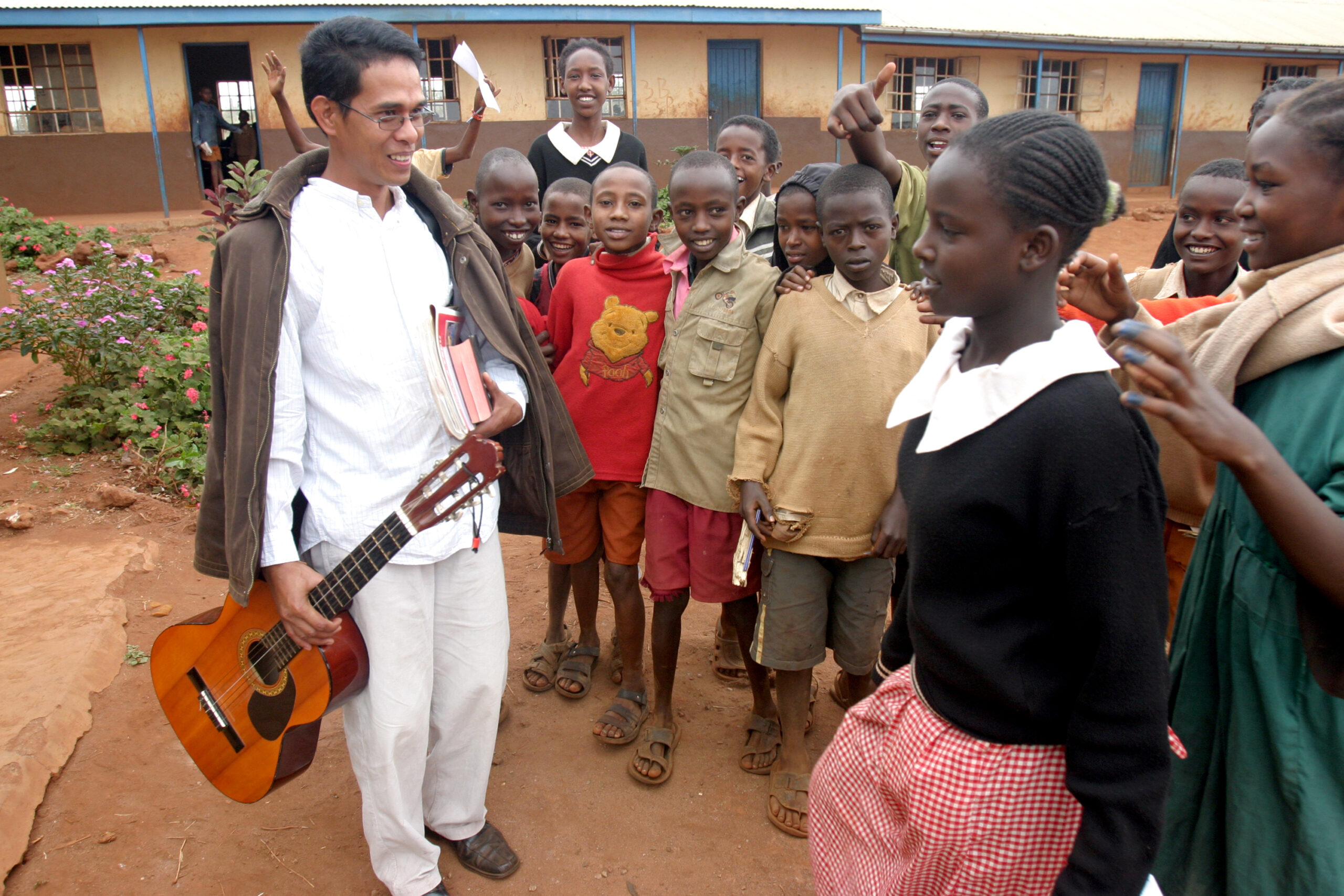
Being baptized and formed by the [French Canadian] PMÉ Fathers, I learned to love serving the less fortunate among the People of God. Father Gervais Turgeon, PMÉ, who paved my way to the seminary and supported me in so many ways, inspired me a lot to do mission in a foreign land. I have always cherished the experiences I had in the hinterlands of Sta. Maria, where I found joy and fulfillment living and working with the lumad, the indigenous people. Based on my experiences in Sta. Maria and the Sarangani Islands, and touched by the sharing of MSP missionaries who had worked in Papua New Guinea, I found that I was drawn to foreign mission. I thought I would find much joy and fulfillment serving in Papua New Guinea. Hence, I joined the MSP and volunteered to go to PNG.
SIMPLICITY IS THE KEY TO JOY
What characteristics did you like best in the PNG people and what did you learn from them?
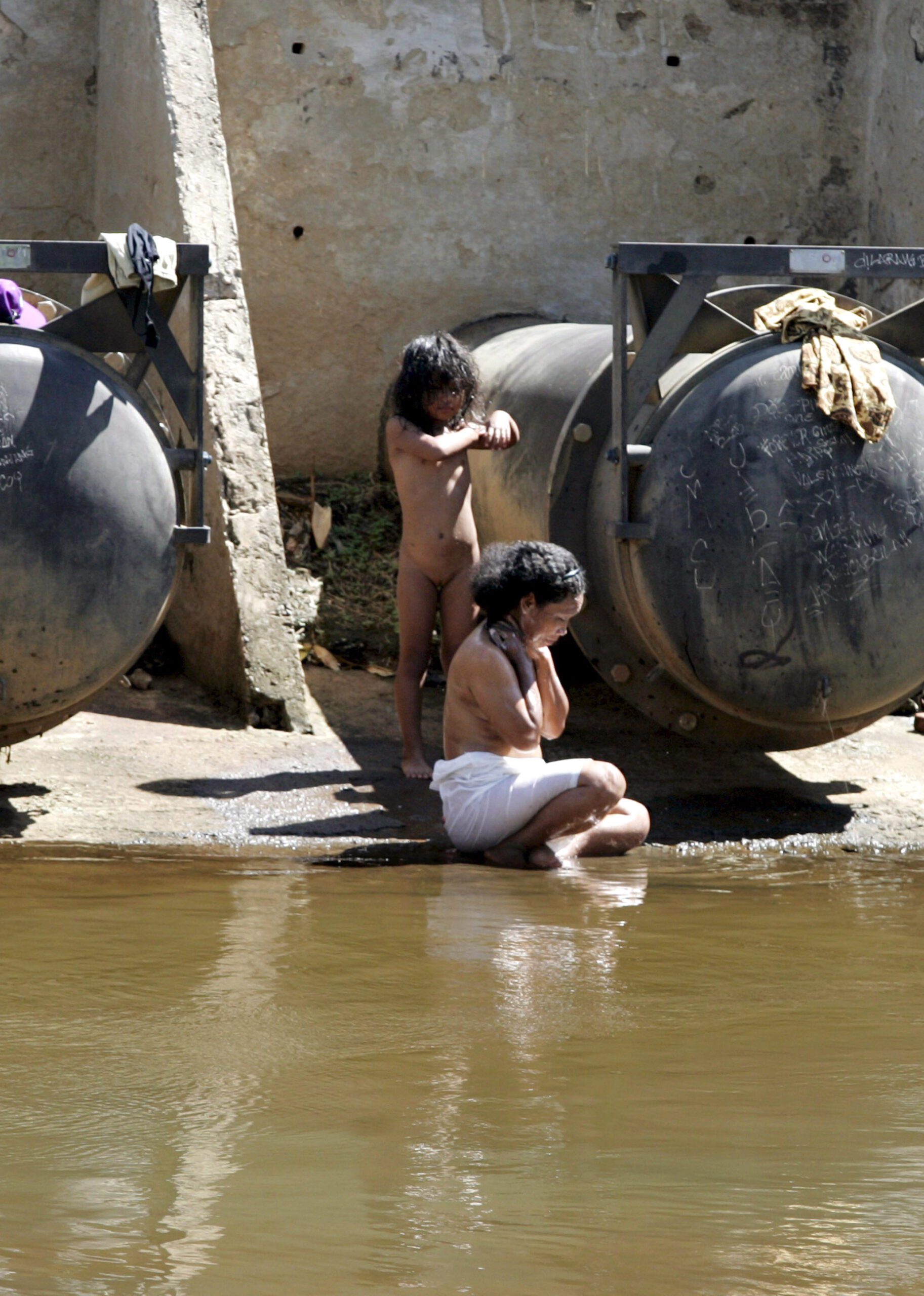
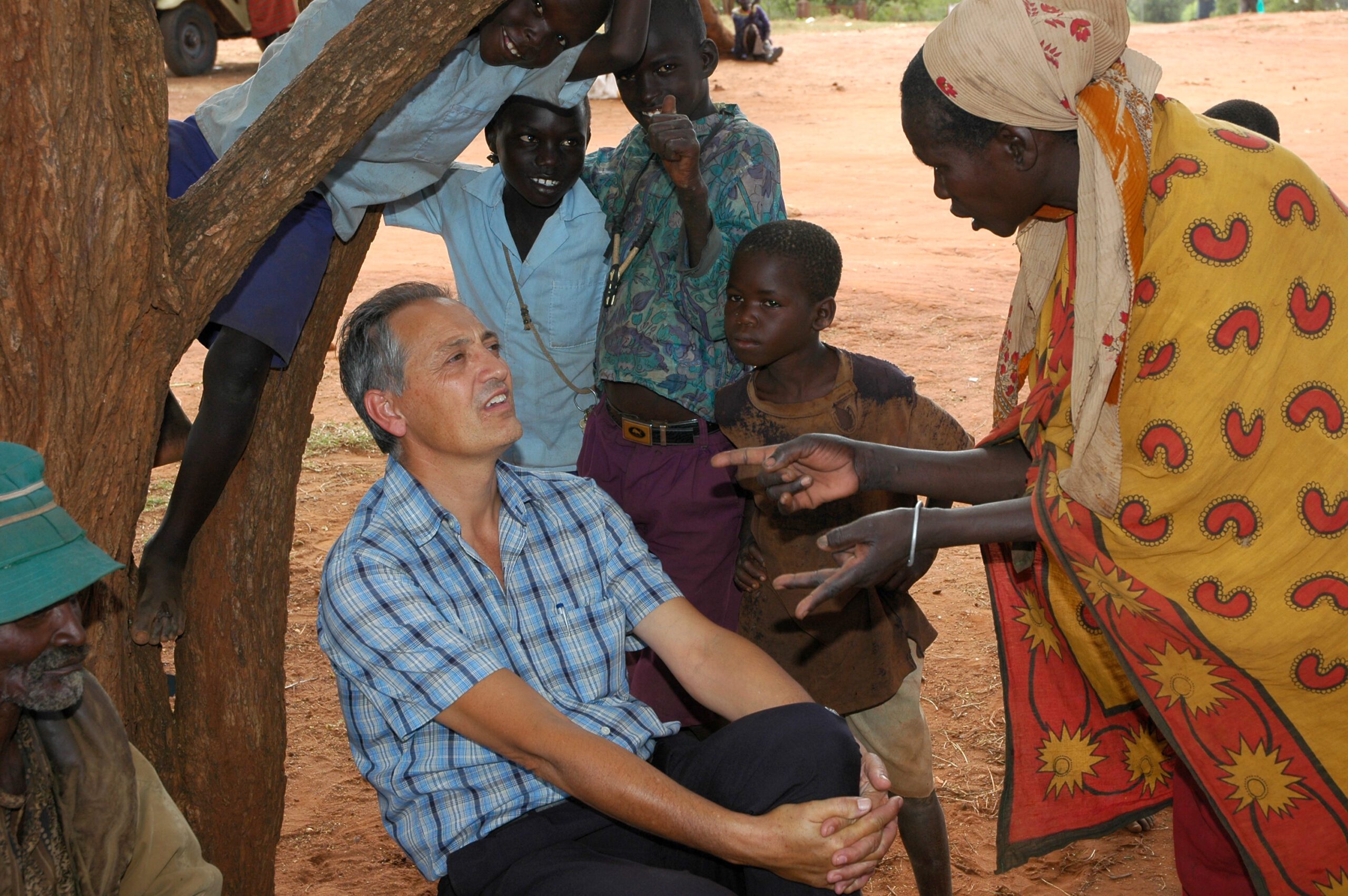
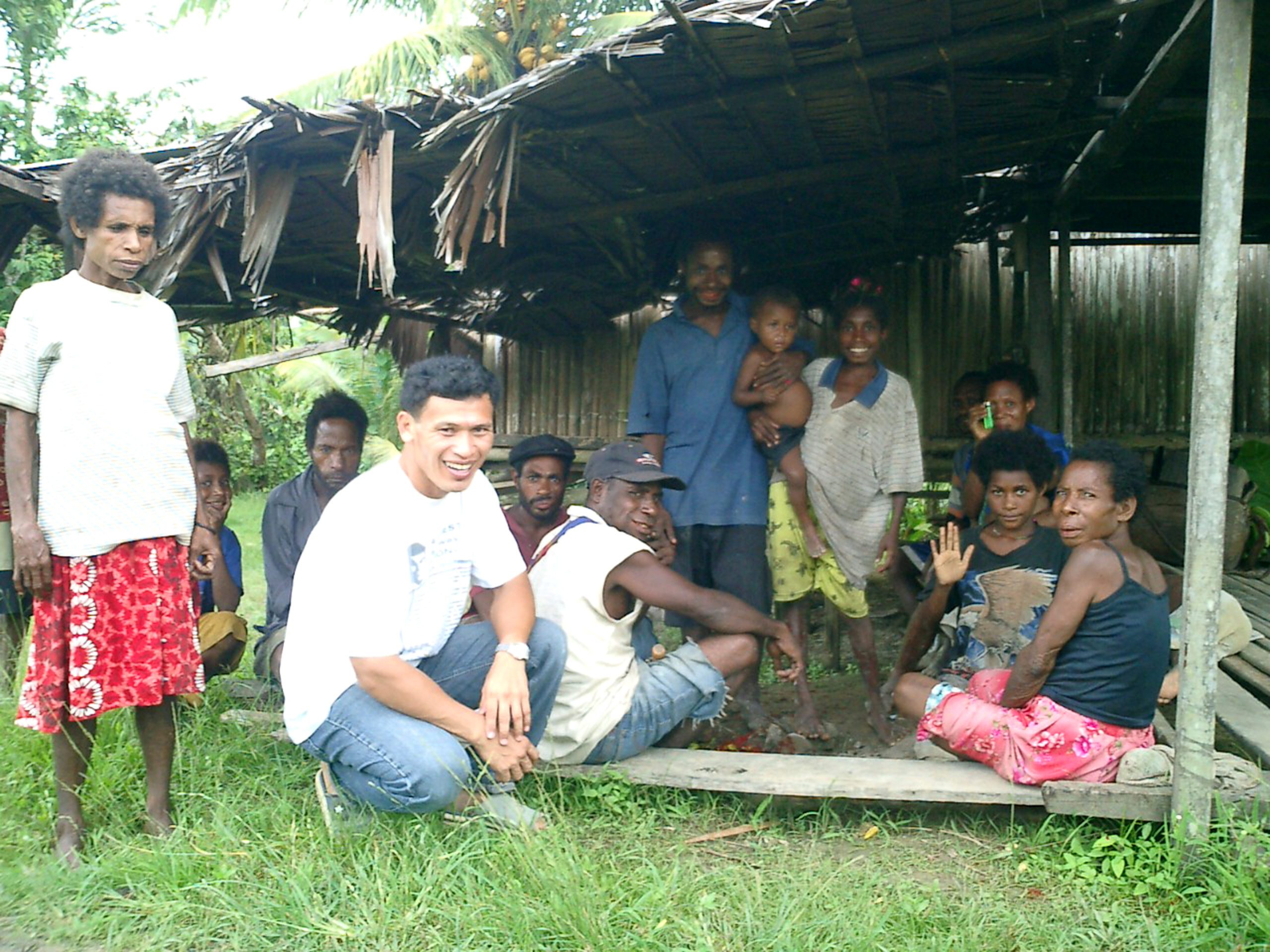
Simplicity and sense of belongingness are the characteristics I like best in the Papuans, especially the people of Idam parish. There, the people basically make their living on hunting, fishing, sago-gathering and gardening. Only spears, bows and arrows are used for hunting; axes and bush knives are the only available tools for gardening and house-building. The houses are made of bush materials. Females only wear grass-skirts and go topless, while males do wear gourds because clothes and trousers are very rare. Since the place is cold at night, the people love to sleep around the fire which is usually in the middle of the house. The people are joyful and they love celebrations and festivals in which they spend the whole night singing, dancing, telling stories, and eating. Medicines, education and the Good News are their basic dreams. The sense of belongingness is very important among the Idam people for it gives them security and identity. Belongingness includes kinship, inter-marriage, friendship and speaking the same dialect (wantok).
On one occasion, I was preparing for my “patrol” [mission trip] to Kasai, a village situated upstream on the Sepik River; the journey takes around eight hours by a motorized canoe from Idam station. To avoid unnecessary delay, I told my “local” companion to cook a bunch of bananas for our “packed lunch.” He replied: “Don’t worry Father, there are people along the way; we will just speak in their tokples dialect and they will give us food, usually, cooked fish and sago.” If one has a simple life-style, people along the way will provide adequately for one’s needs. I realize that simplicity is the key to real joy, and belonging to God’s family brings fulfillment and harmony.
THE COMPUTER AS DETECTIVE
Could you recall some humorous experiences that happened to you in mission?
One day, I received eight packages of used clothing from Italy. When the people gathered in the mission house after Sunday Mass, I opened the packages and instructed them to pick their choice of clothes. After a short while, I noticed six women holding one night gown. Then they moved a few meters away from the crowd and cut the gown into pieces. I asked them why, and the reply was: “This piece of cloth can be a good strainer, especially for sago gathering.”
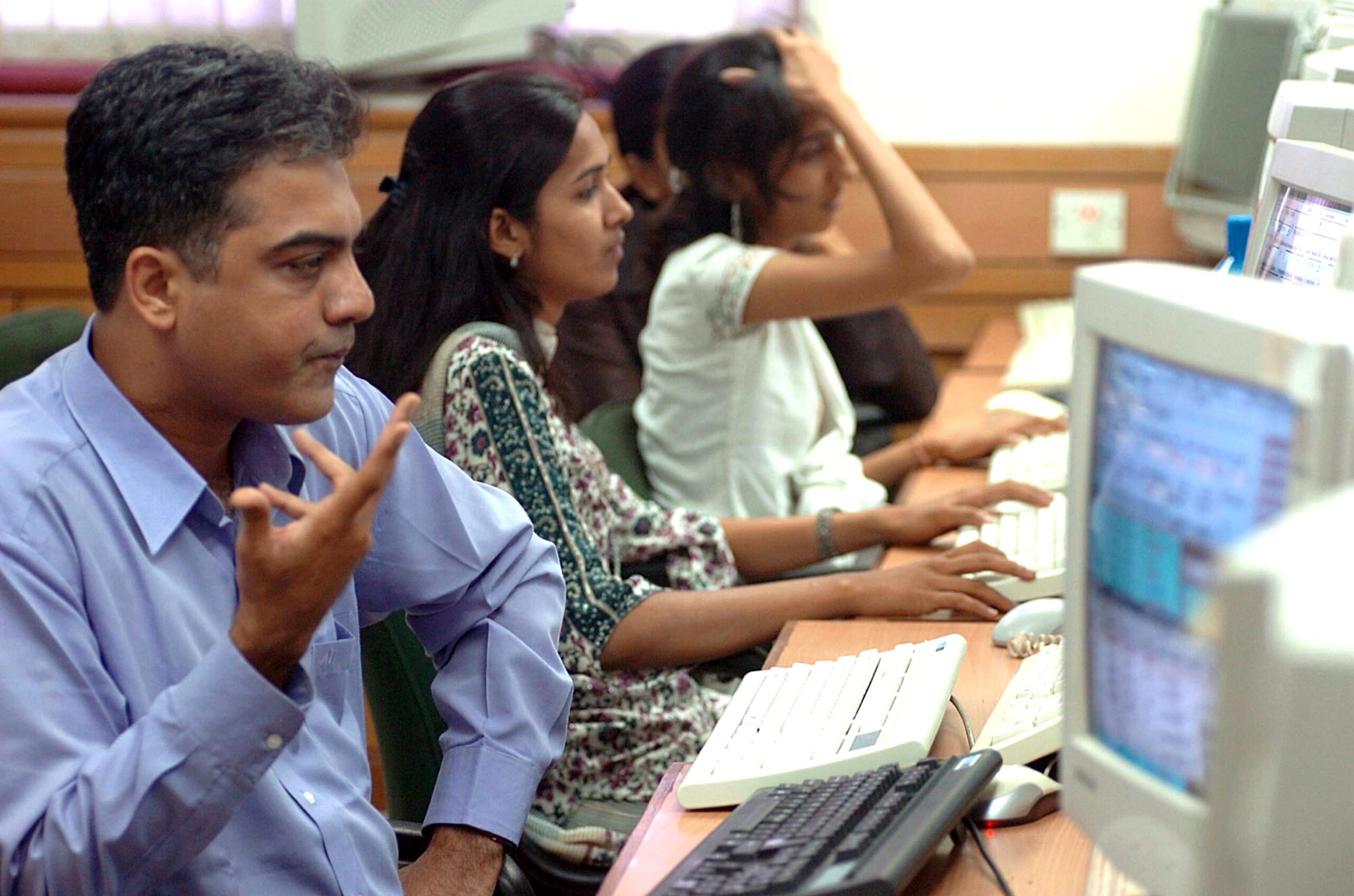
Once, I was tasked to prepare a working paper on “bush mission” to be presented to the delegates of the MSP Sixth General Assembly in Manila. I wanted to make my work presentable, so I borrowed a computer to print my report. The people came to know about it. Then one resident came to see me secretly because he was accused of having destroyed his neighbor’s canoe, and he had to compensate for the damage. So, he asked me to use the computer to find the real culprit as well as to help him locate the bush knife he lost the other week.
What gifts do you bring as a Filipino that can be used to serve mission better?
My seminary formation, both at Saint Francis Xavier College Seminary and the Regional Major Seminary, my pastoral experience in Sta. Maria and the Sarangani Islands, the opening and establishing of a mission station and parish have all given me confidence and enthusiasm to share the gift of faith with the people I live and work with in Vanimo Diocese, PNG. Actually, I spent most of my time establishing a good rapport with the local people in their different villages, traveling either on foot (to penetrate jungles and swamps, to cross rivers, and to climb mountains) or by canoe (both up and down the Sepik River).
LEARN THE PRACTICAL SKILLS
Aside from the witness of life, construction of mission houses, and “patrol” [mission trips] which included health care, I endeavored to provide for the formation and empowerment of local people through the training of prayer leaders and catechists. Unlike in the Philippines where there are skilled pastoral workers, medical personnel, engineers and technicians, in Idam parish I had to learn the practical skills needed in my undertakings. Openness to God’s grace and to new challenges, as well as the determination to serve the people of God at any cost, all sustained me in my PNG mission; all these experiences gave me so much joy and fulfillment.
Can you tell of any difficult experiences you faced in PNG?
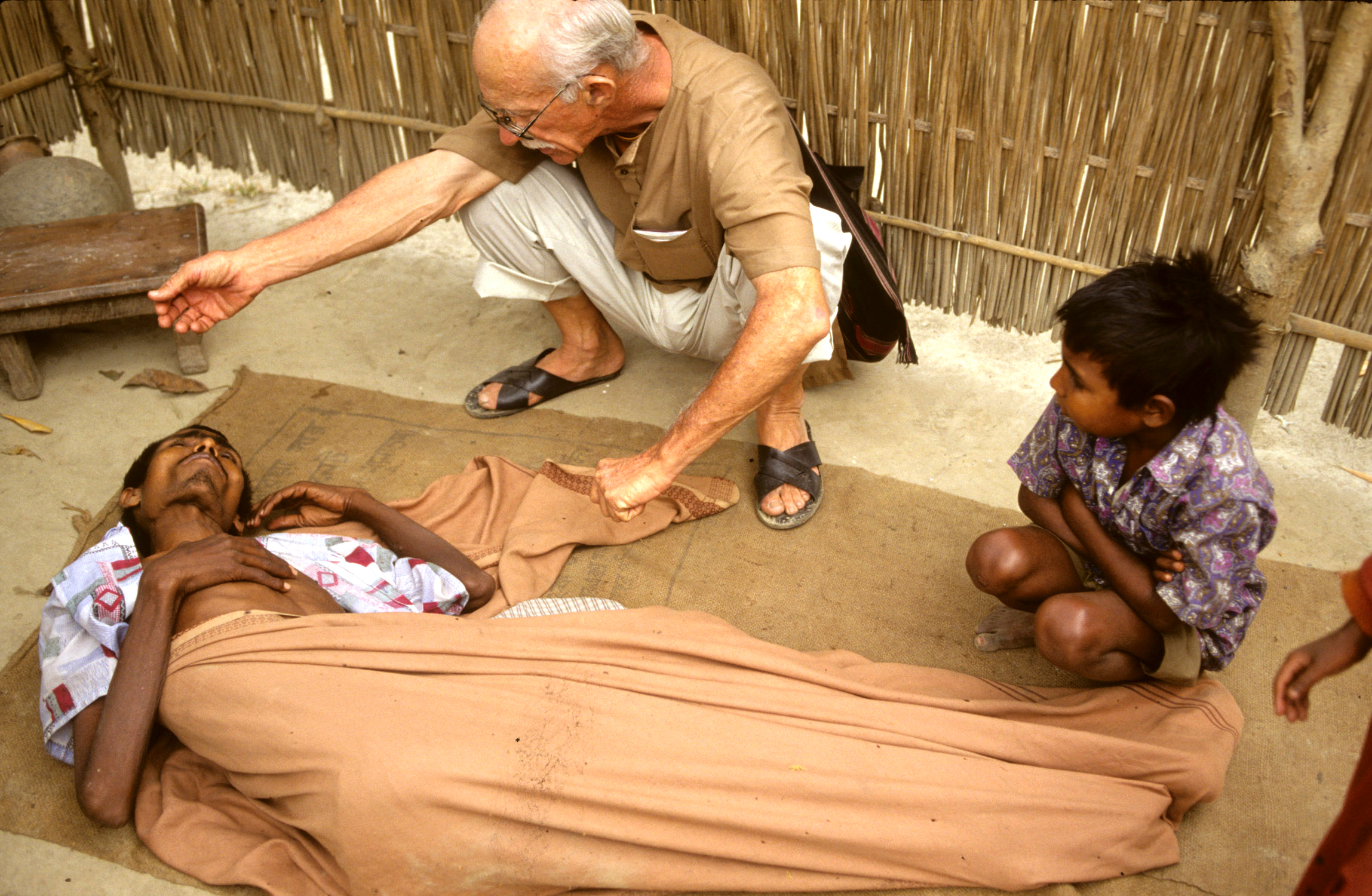
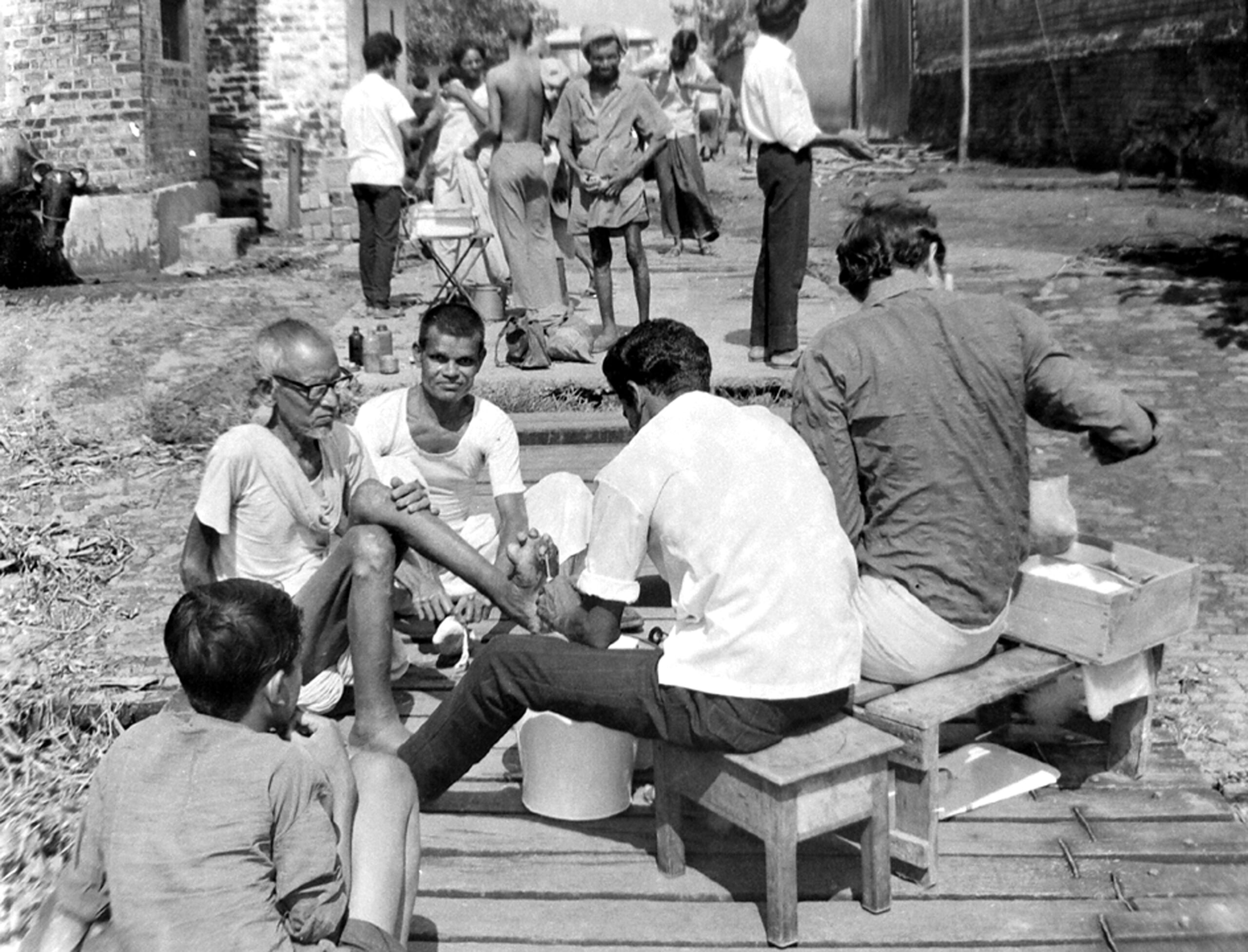
Idam parish is situated almost one hundred miles south of Vanimo town. It is an hour flight by small plane that can only land and take off on a grass airstrip − and only in good weather. Aside from the airstrip, there is no road network for a wheeled vehicle in Idam. And, that small airplane comes to Idam very seldom. Although the place is malaria infested, there is no health center or medical staff in the village. I had my first malaria attack in December 2001 and it nearly claimed my life. That experience taught me about proper malaria medication, and with the supply of medicines I received from some friends in Vanimo town and Port Moresby, I began to self-medicate and to treat patients.
It is not easy to live in the bush. When the missioner gets a malaria attack, he easily loses his appetite and his strength declines. At first, I was reluctant and afraid to medicate other patients, especially children because I had no proper training in the medical field. But, I had to do it to respond to the people’s demands − especially when there was a malaria outbreak. The recovery of patients gave me relief and consolation.
WE ARE HUMAN BEINGS
How has your experience changed you or affected your spirituality?
My experience in PNG has taught me docility to the inspiration of the Holy Spirit, self-discipline and self-sacrifice for the Church. I now trust that God’s wisdom is present in every event and situation of life. Five years in PNG have made me, in the words of the MSP motto, more “willing to spend and be spent in love and gratitude to share the gift of faith.”
Someone has said that the best missioners are joyful missioners. Do you agree?
I also believe that joyful missioners are the best missioners. For me, living and working with less fortunate people in remote places, both in the Philippines and Papua New Guinea, have been the source of my joy and fulfillment. Allow me to narrate one experience.
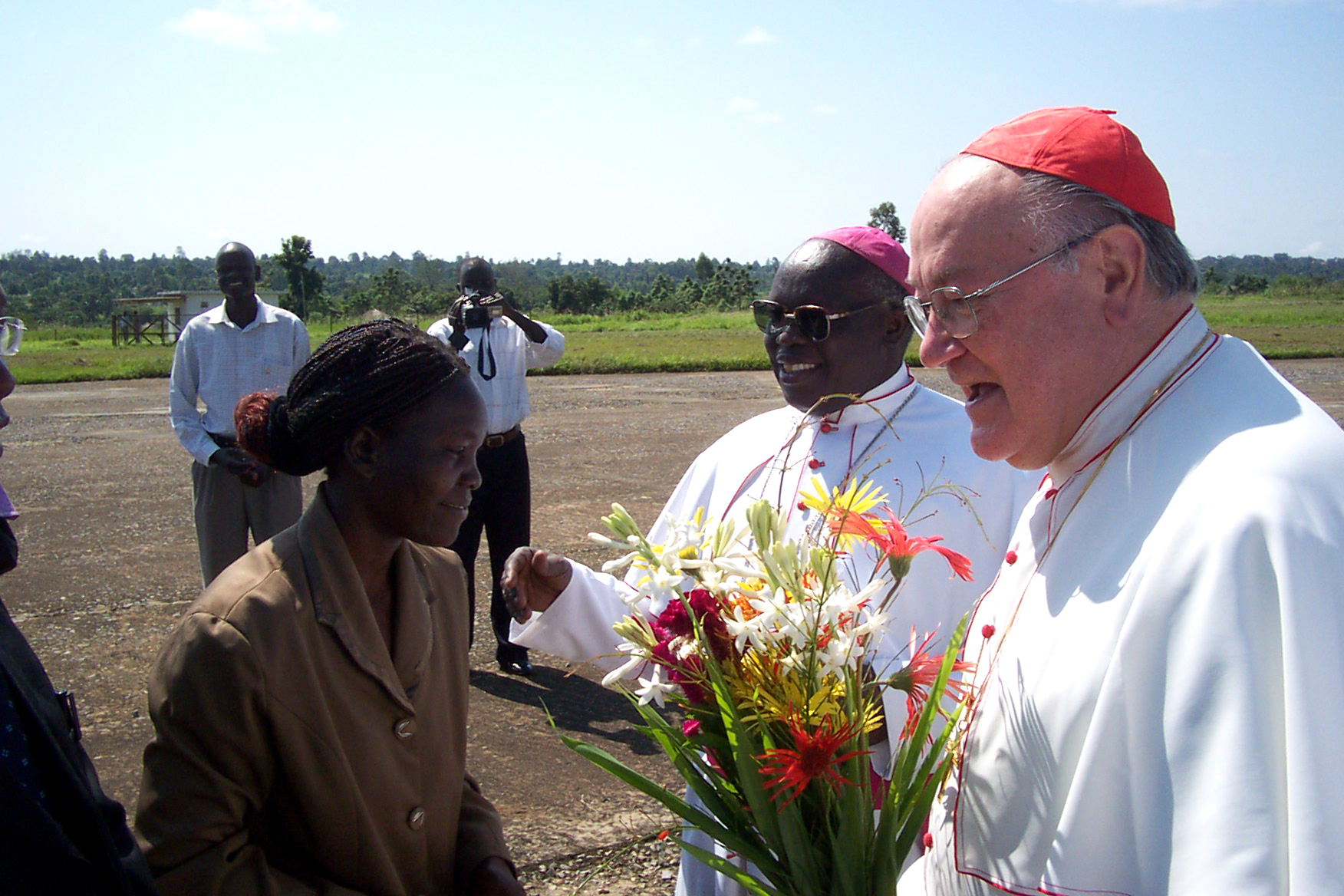
Once, it was already dark and I was exhausted from my journey to reach the far village in Idam parish I intended to visit. However, when the people noticed my arrival, they warmly greeted me with flowers, smiles, and handshakes. Then the village chief declared: “We are not beasts here in the bush; we are also human beings like you and we want to hear the Word of God and be saved.” Instantly, all my frustrations and disappointments disappeared and I felt so much joy and fulfillment!