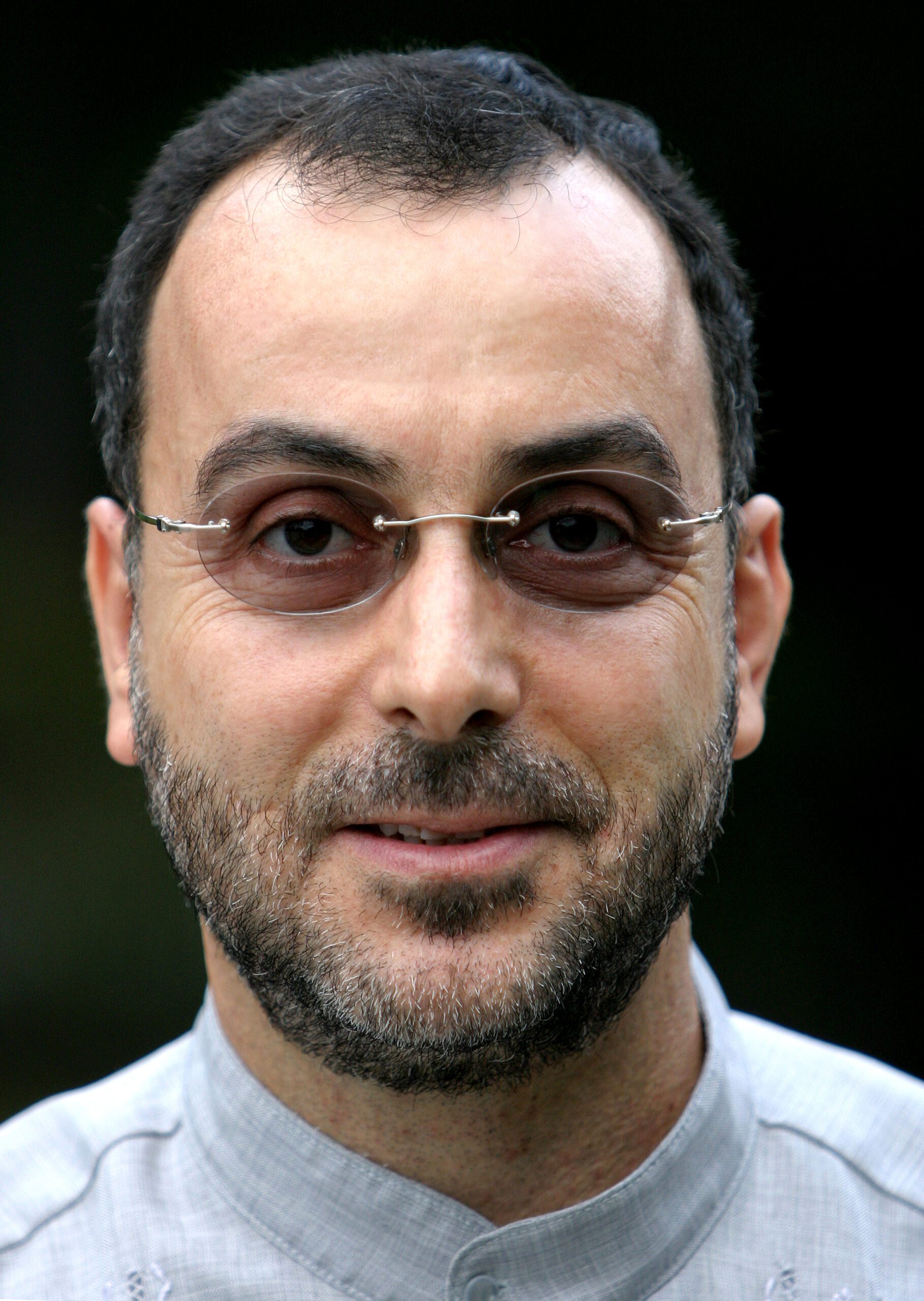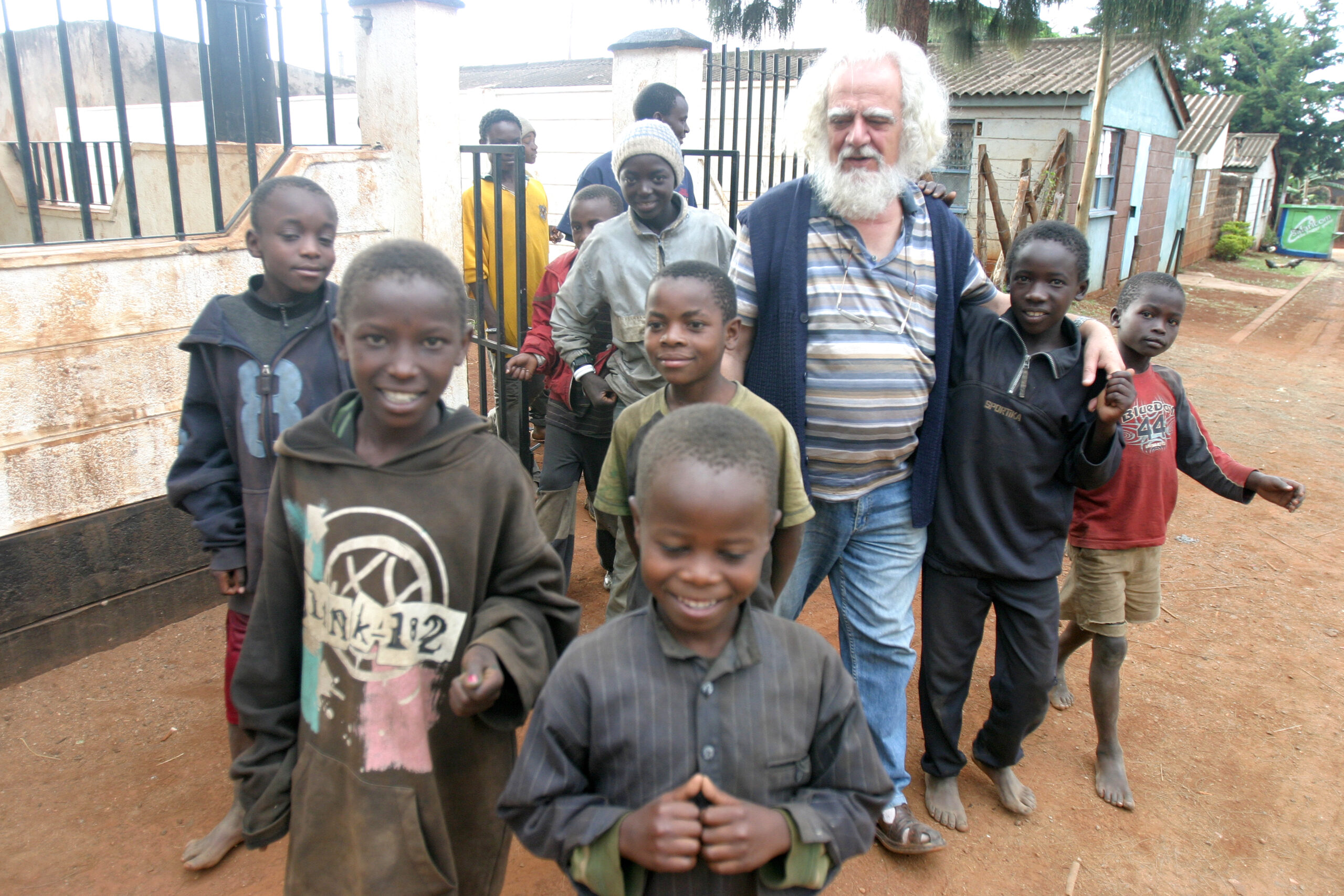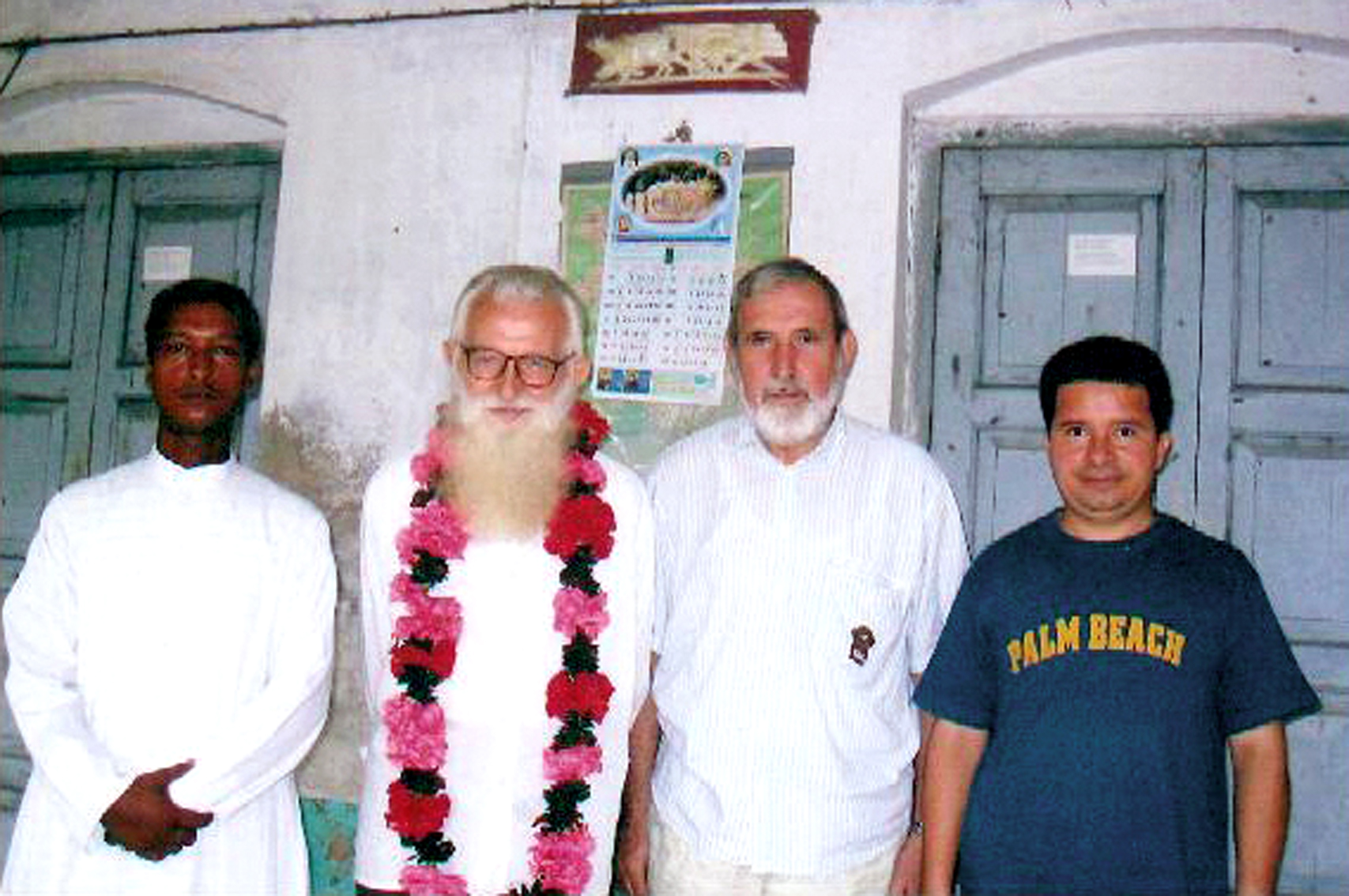
The first of his diocese to undertake a mission to Asia, Fr. Ruben Dario Oquendo left Colombia three years ago to join the PIME fathers in Bangladesh, a country with a heavy Muslim majority. Here, he found himself forced to overcome not only cultural and linguistic obstacles, but also territorial ones such as the frequent floods. Fr. Ruben is 38 years old; he comes from the Archdiocese of Santa Fe of Antioch, which recently chose to “donate” some of its 120 priests for the first time ever, to the mission ad gentes. The South American Church usually tends to concentrate its’ missionary work within the confines of its’ own borders, where the need is still great and adaptation less challenging. But in 2003, following an invitation by PIME, three Colombian priests began their missionary formation for Asia. Among them, Fr. Ruben.
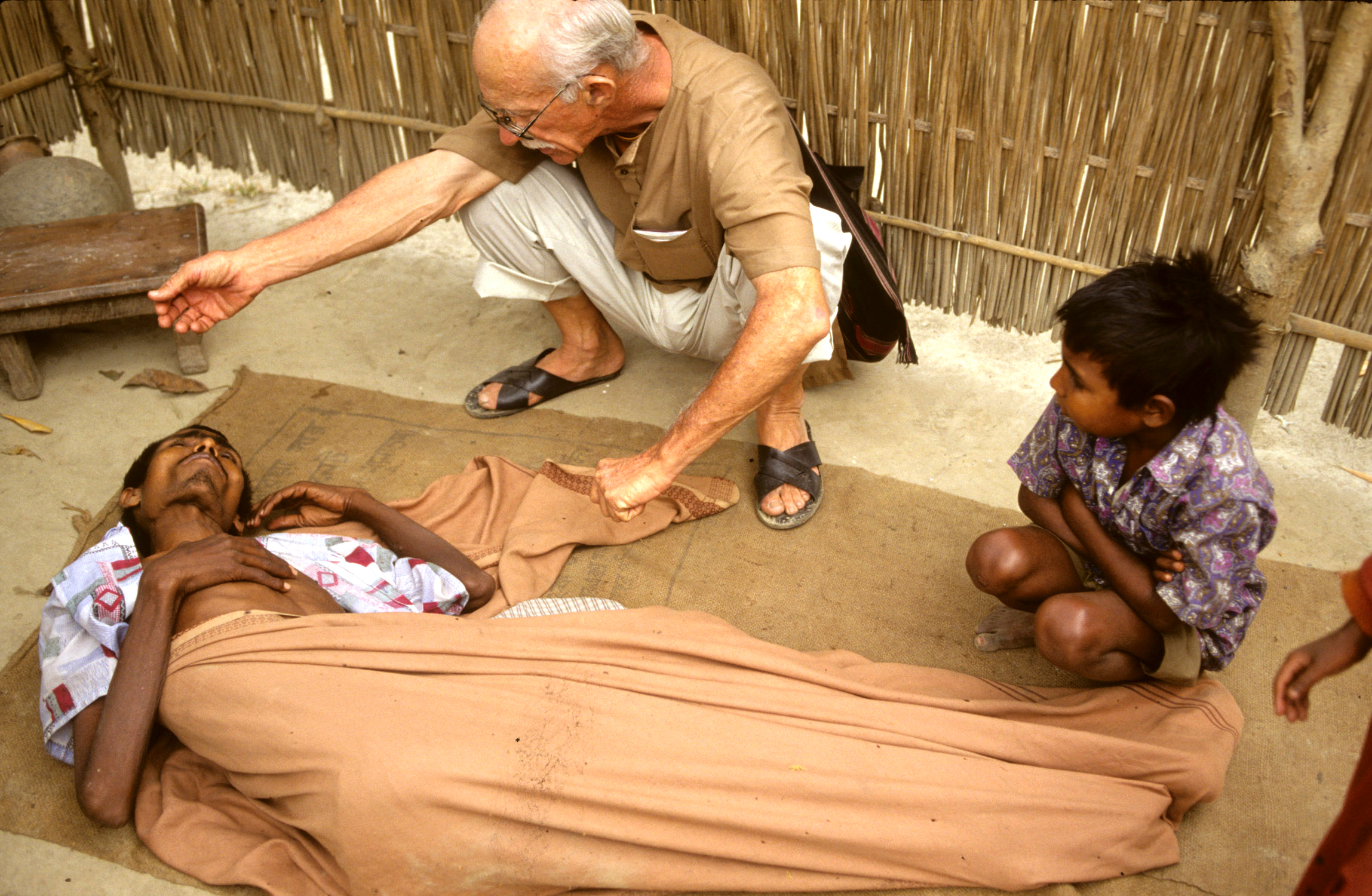
In 2005, following a year of study in Rome and the Philippines, the Colombian priest arrived in the diocese of Rajshahi, northern Bangladesh. There he worked alongside Fr. Luigi Scuccato, PIME, who has spent over 60 years in the country. The Colombian busied himself tending to the needs of the sub-parish of Lokikul, which is part of the larger parish of Beneedwar. Fr. Ruben remained a further five years in Bangladesh; at this point, he tells, “the biggest stumbling blocks have been overcome. It is a complete life change, at times requiring courage and conviction, so as not to succumb to language problems or the risk of feeling like a stranger.”
ONLY LOVE HELPS
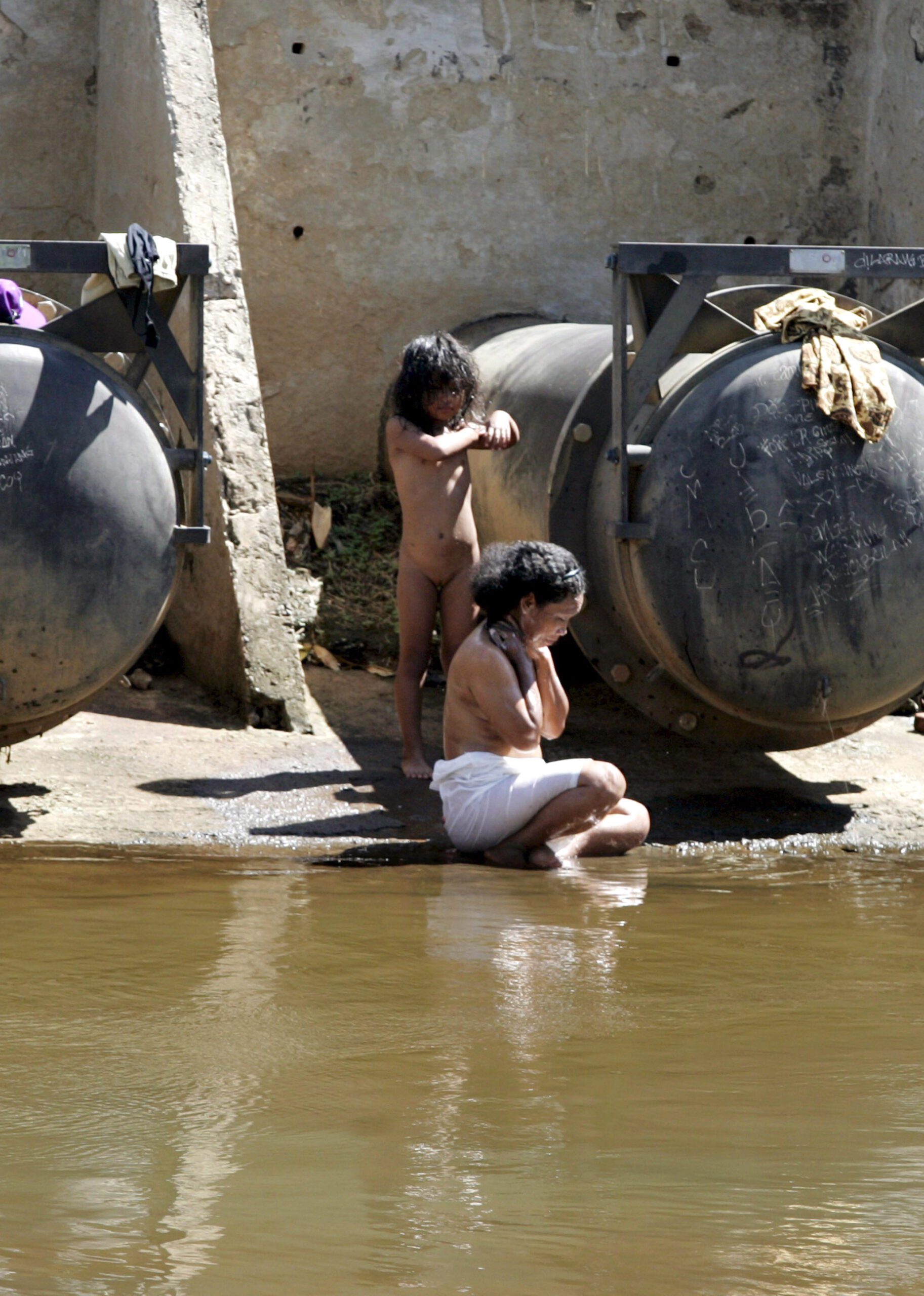
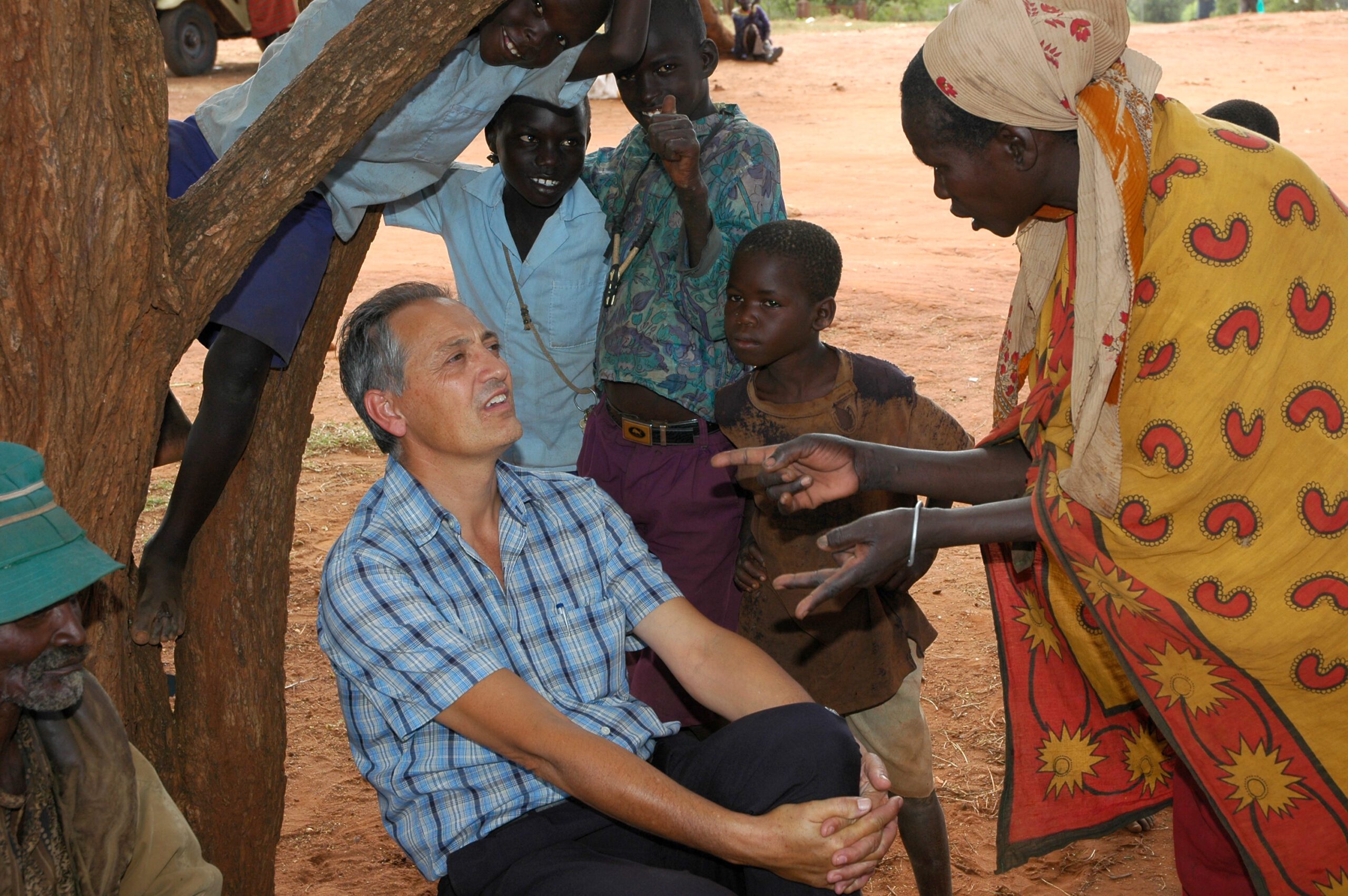
The priest says that “only thanks to the love you have for the people and the love you receive in return” can you face the difficult moments which often present themselves such as the frequent and devastating floods which hit Bangladesh, a phenomenon which you have never before experienced. “At times I felt I would not make it,” the priest admits. “I felt I had made the wrong choice.” The language presented one of the biggest obstacles. “After five months of study, you still will not be able to speak Bengali, but after nine, you will be able to appreciate its beauty.”
Beneedwar counts four Christian villages and a further 34, mainly Hindu. The parish has a state evening school where the majority of students are women. Almost every evening Fr. Ruben, drops by for a visit “just to talk with them to give them some psychological support.
They welcome me with great warmth and are happy to see me. They are very courageous and determined; they do it because they have a deep desire to learn and progress.” It is the same desire that animates the children and young people: “The young people want to find another way to work that differs from traditional labor in the rice fields, and this is why they want to study at all costs.” The Church, too, is active in concretely promoting education and manages some local technical schools.
THE EXCHANGE WORKS BOTH WAYS
“What really attracts people from this land to missionaries and the message they announce,” notes the Colombian ‘fidei donum,’ “is their unconditional love for all and their total dedication to their work.” Asia is one of the world’s poorest continents and Bangladesh one of the most prostrated countries. “This is why the people are deeply moved by the missionaries witness: they give their all and they give it freely. This wonder is the starting point from which they begin to search for the Church.”
The differences between Colombia and Bangladesh are enormous, but they do not prevent an exchange which enriches both nations. The priest recalls Colombia’s enormous problems with prostitution and drug trafficking, which are marked difficulties in the big cities. “It’s dangerous for those working in these fields, but Colombian priests are courageous and strong. This strength helped me in making my decision to leave for other difficult nations such as those in Asia or majority Muslim.” But the exchange works both ways. “On my return,” he concludes, “I hope to bring the missionary example to Colombia – an example that would also benefit many diocesan priests.” www.asianews.it