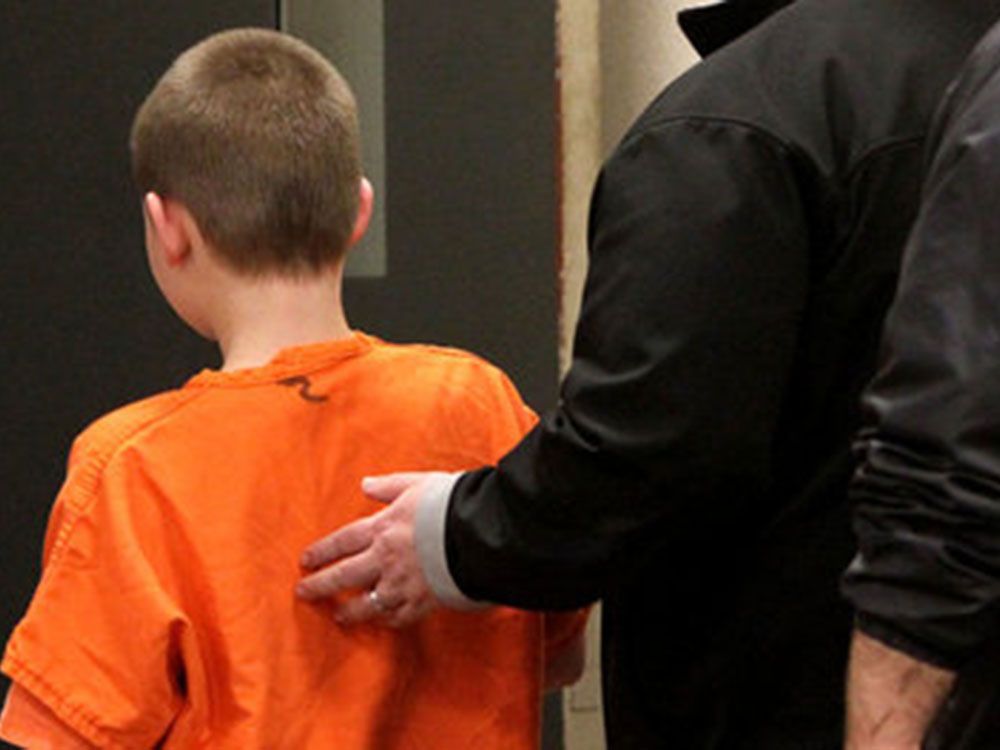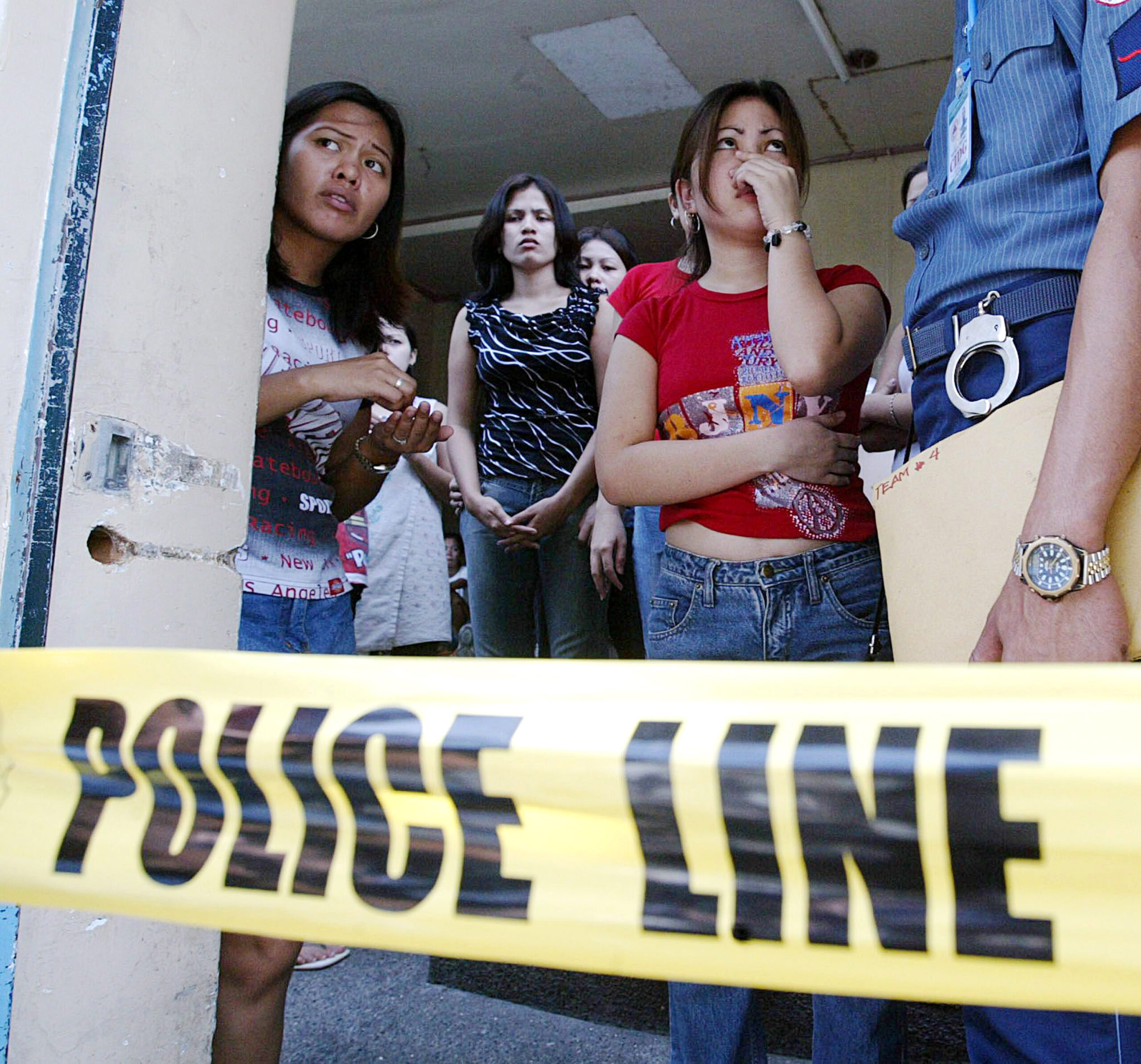
Those promises are fake and the hapless victims are frequently sold into factories, plantations, sweatshops or brothels where they are held against their will and in subhuman conditions. The good thing that is happening is that the political leaders are beginning to task this seriously and are devoting more time and effort to raise awareness and help the victims.
Slavery thrives because we all love a bargain; we want our luxuries to be of the highest quality but cheap. Likewise, the corporations that supply us the products that are supposed to satisfy our appetites for fancy food, fashionable clothes and a consumeristic lifestyle are out to maximize profits. But all these come not as cheap as we think because someone else pays for them, some with pain and blood and, sometimes, with their lives.
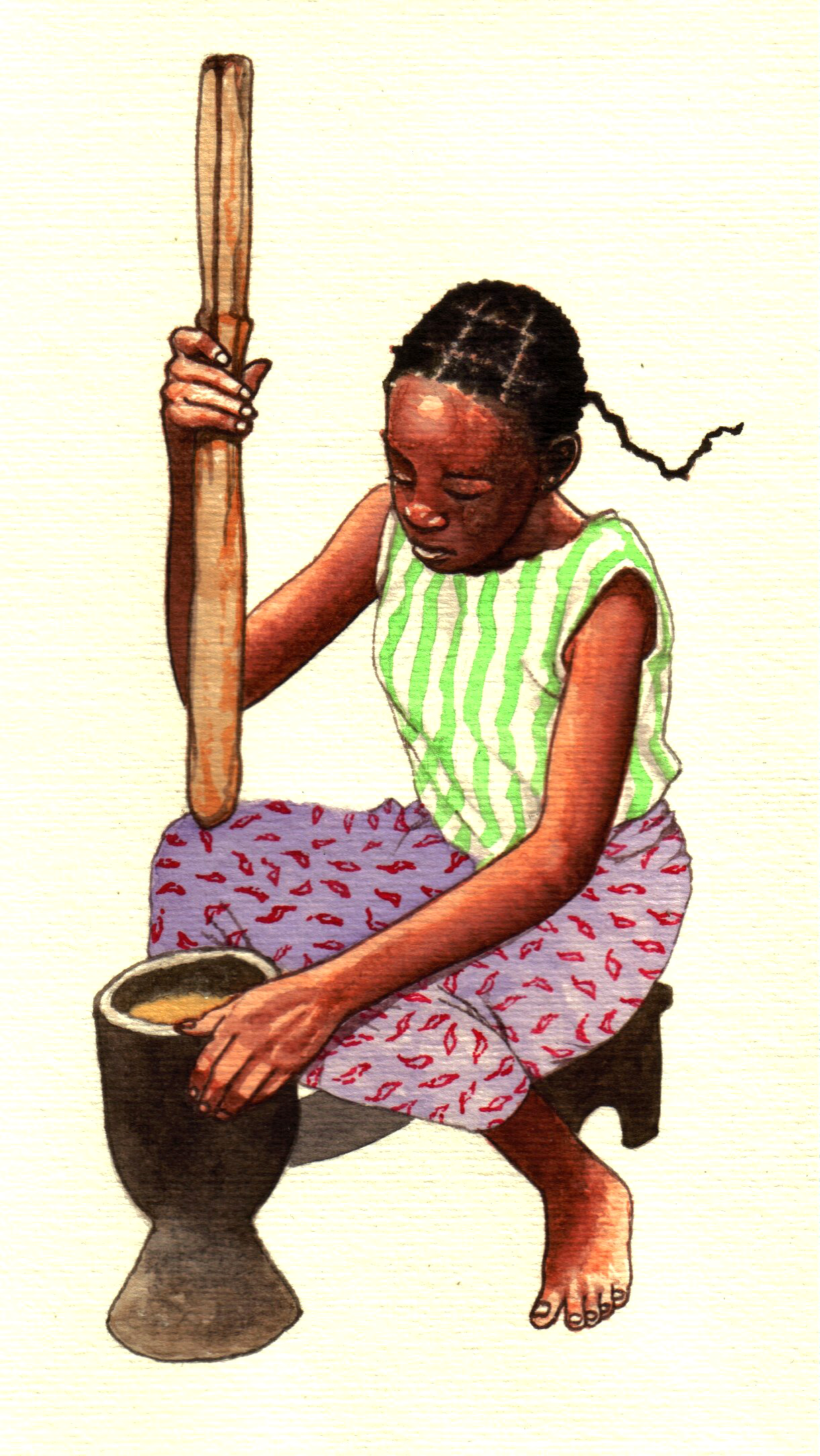
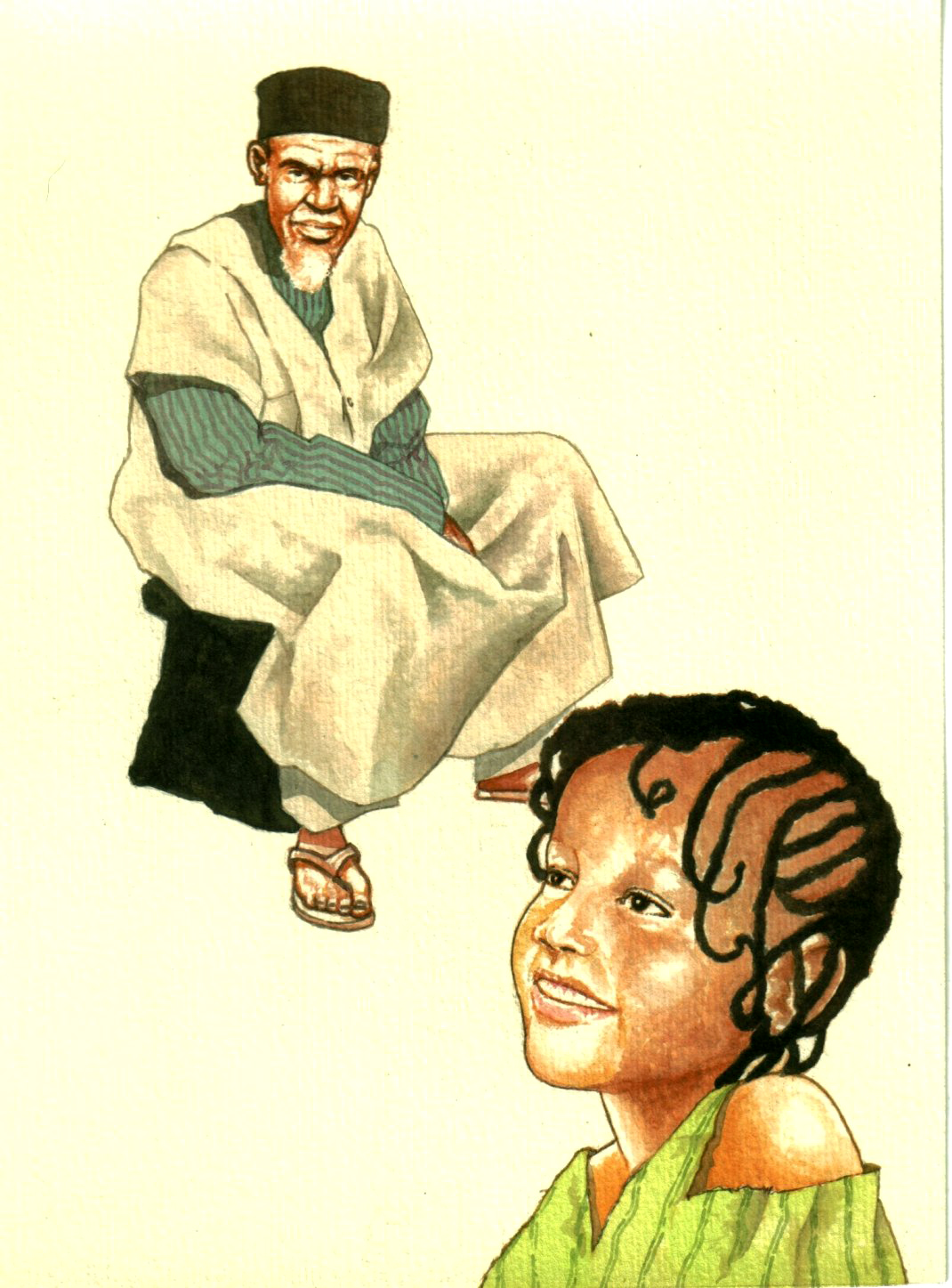
Take chocolate for example. We all love it, we all want it and we all consume it in vast amounts. It is not good for us, of course, but it is not good either for the thousands of poor people who are exploited, beaten, cheated and even enslaved. The Ivory Coast provides almost half the world’s supply of the cocoa bean and much of it grown and gathered and process by hundreds of thousands of exploited and enslaved people, many of them young boys. Some are beaten almost to death when they try to escape from the plantation.
I related before the story of the Philippine workers held against their will on a sugarcane plantation in the province of Batangas, south of Manila, and treated like slaves; they received no money and could not leave. They had to work up to twelve hours cutting the sugarcane and were told that they were deeper in debt everyday. The NBI anti-trafficking unit rescued them and we have yet to hear if the prosecutors brought the culprits to justice. Thousands more are enslaved in other ways in brothels and night clubs and are in debt and can never leave until the mounting debt is paid.
Trafficking is the modern form of slavery. The victims lose all control over their lives, they are not free to leave. They are coerced into working and many times they are beaten if they refuse.
In a recent international conference held at Wilton Park Sussex, South of London, last June, we heard of children being trafficked into Britain and turned them over to the social services. It was reported that 64 of them have disappeared out of care and no one knows where they are. These missing children are not apparently of interest to the media. There is no news of them. Where are they? We have to stop the trafficking of people and, during my presentation, I made some suggestions on what can be done to stop the flow of persons into this life of exploitation and misery and abuse.
We can treat the victims as such − humans abused and given shelter and protection − but we must encourage them to testify against the abusers and traffickers and give them a chance to work with dignity. We can hold our government responsible as to how they spend the foreign aid money with great diligence, and demand an end to slavery and abuse and trafficking to the countries from where it goes on with impunity.
We can challenge the corporations to be transparent in their operations and to guarantee that there is no exploitation – especially those who use cocoa and sugar made with slave or exploited labor. We can help Fair Traders by buying the products and promoting them to others.
Above all, we have to continue to demand our political leaders to act decisively in pressuring the nations like Ivory Coast to end the exploitation. These are Christian actions we are challenged to do to lessen the exploitation of the poor. Many are poor because of our desire to have everything cheap. Should we not demand, instead, that all our products be free from child labor and exploitation?