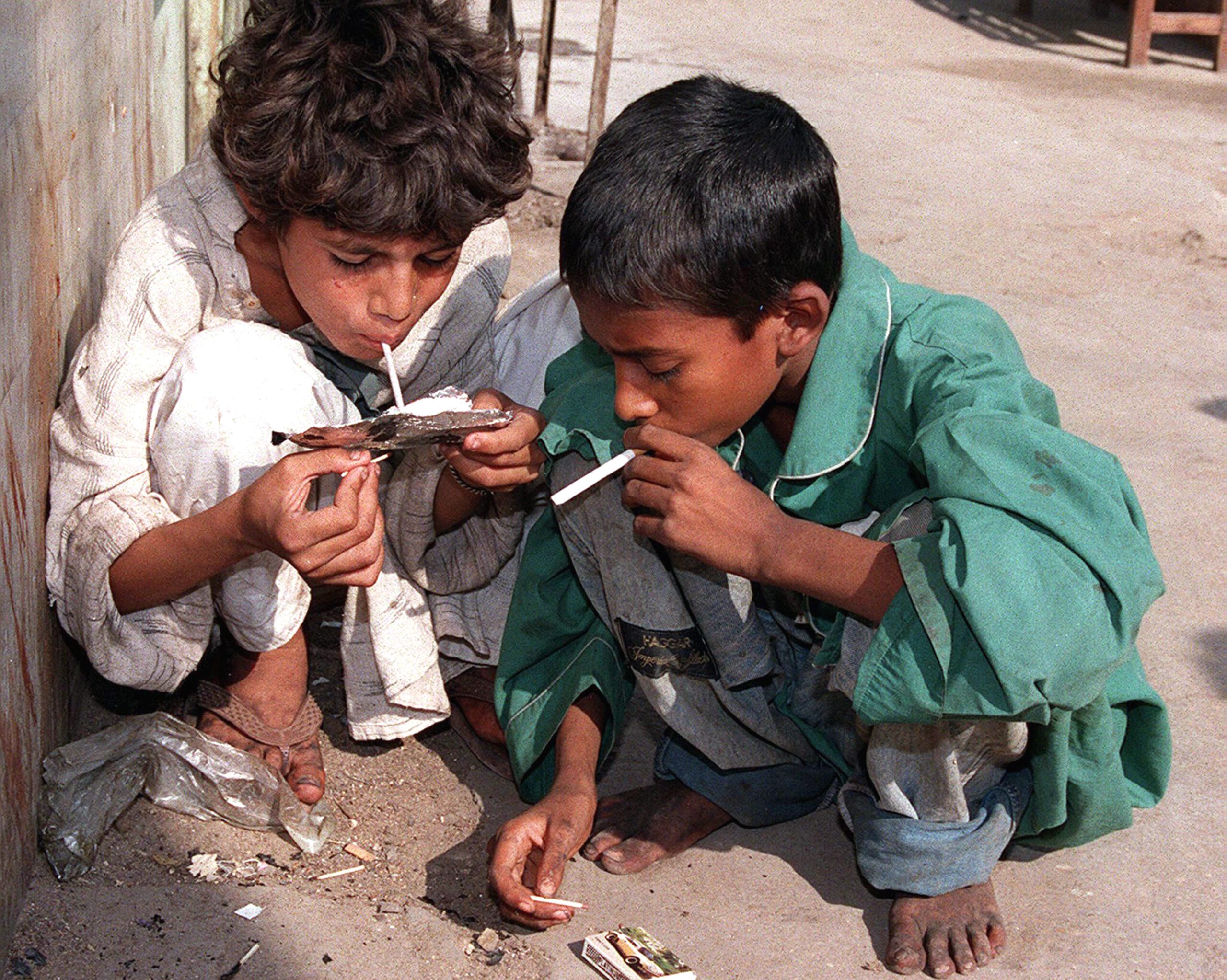
Who hasn’t read or heard news items about rugby boys robbing commuters in Metro Manila, drug traffickers killed in a shooting, or seized kilograms of shabu? Perhaps we read or hear these stories more often than we want to. Unfortunately, these are almost ordinary occurrences in Filipino’s day-to-day life, and it is caused by one menace: illegal drugs.
The drug problem permeates our society and affects people from all classes. There are about 6.7 million Filipinos who use dangerous drugs according to a 2004 survey conducted by the Dangerous Drugs Board (DDB).
Whether the figure has gone up or down in the last four years is only of secondary importance to the fact that the country has yet to see the end of this crisis. The government has aimed that the Philippines be drug-free by 2010. That is only two years from now and, obviously, a lot of work has to be done.
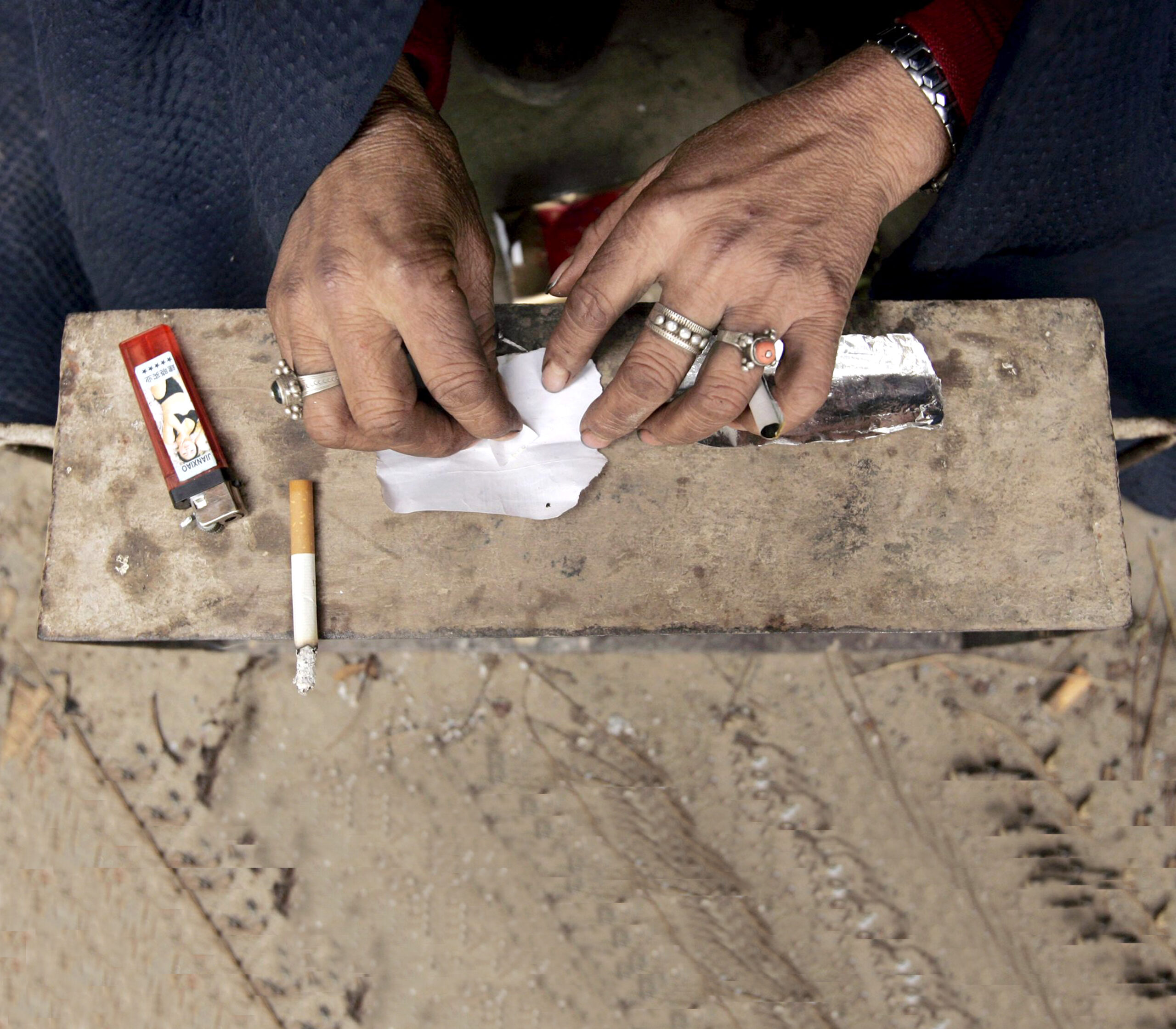
The DDB annual report released in 2005 stated that methamphetamine hydrochloride, or shabu, was the top drug of choice of Filipino drug dependents. At present, there is very little evidence to say otherwise as indicated by many instances of den and laboratory raids and busts reported in the news. Perhaps one of the most memorable was the “shabu tiangge” busted in Pasig City in 2006, which is one of the biggest raids ever. Several packs of shabu worth P2 million was seized in the operation.
SHABU IMPORT-EXPORT
The shabu supply in the country is manufactured by clandestine laboratories, some turning out 1,000 kilograms or more in each production cycle. The outputs of these labs are not only consumed locally but also exported to the US and Australia. The presence of these laboratories have put the Philippines on the map, albeit in a bad light. The World Drug Report 2007 released by the United Nations Office on Drugs and Crime disclosed that the country is the third largest producer of methamphetamine in the world. These laboratories are either owned, operated or funded by Chinese or Taiwanese nationals.
According to the Philippine Drug Enforcement Agency (PDEA), since its inception in 2003, the agency has closed 52 clandestine shabu laboratories. In addition, it has busted over 40 warehouses where chemicals, such as ephedrine, were stored. Ephedrine is a precursor chemical for shabu. The government crackdown on these labs have led operators to flee to far-flung areas such as central Mindanao, according to the International Narcotics Control Strategy Report (INCSR) released by the US Bureau for International Narcotics and Law Enforcement Affairs last March 2007. It has also resulted to an increase in shabu prices.
To offset the decrease in output brought about by these seizures, shabu is being smuggled into the country. According to the DDB report, the four major avenues where the drug is transshipped are the seaports, international airports, mail and parcel services, and the Philippine coastlines. Traffickers mainly import shabu from China and use the routes in Mindanao.
MARIJUANA’S MAJOR PRODUCER
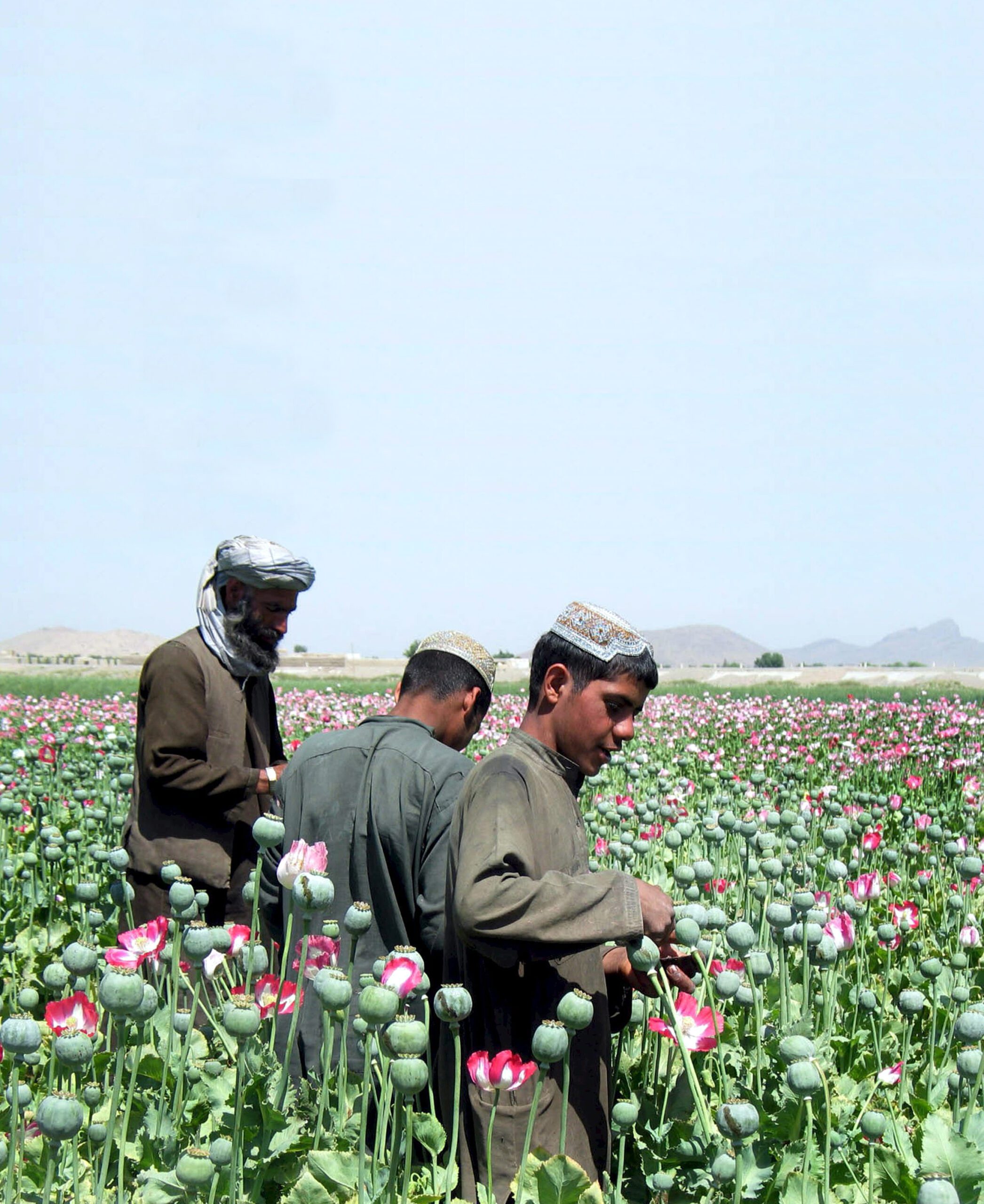
Following shabu in popularity is marijuana. The World Drug Report has pointed out that the country is also a major producer of the cannabis herb. According to the INCSR, marijuana plantations can be found in remote sites in Luzon and Mindanao. The majority of the output is consumed locally while the rest are smuggled to Australia, Japan, Malaysia and Taiwan.
Other drugs commonly used in the Philippines are inhalants and methyldioxymethamphetamine. Inhalants such as rugby and solvent are popular among street children and teenagers since they are cheap and readily available. Methyldioxymethamphetamine, more popularly known as ecstasy, is commonly referred to as a party drug and usually consumed by well-off teenagers and young adults.
In the DDB report, the ratio of male to female users was 10:1. This was based on reported cases submitted to the DDB by 55 residential and three outpatient rehabilitation facilities. This ratio, however, might have changed since its release in 2005. According to some of the boys in a rehabilitation farm World Mission visited recently, there are as much girls using dangerous drugs as boys. The report also indicated that of the 5,873 cases known, 38.2% of the clients were unemployed while 27.6% only reached high school. The majority of the cases were from the National Capital Region.
A PRODUCT OF POVERTY
Despite the Philippines’ stringent anti-drug laws and enforcement efforts exerted by the government and agencies such as PDEA and DDB, the drug trade continues to haunt us. There are several reasons for this. Poverty is one of them. The International Food Policy Research Institute said that there are about 11 million Filipinos live on less than $1 a day. There are 2.2 million unemployed Filipinos, according to the October 2007 Labor Force Survey conducted by the National Statistics Office. These people sometimes turn to illegal drugs such as shabu and rugby so that they will not feel hungry. Selling drugs, meanwhile, is an alternative source of income for those without jobs.
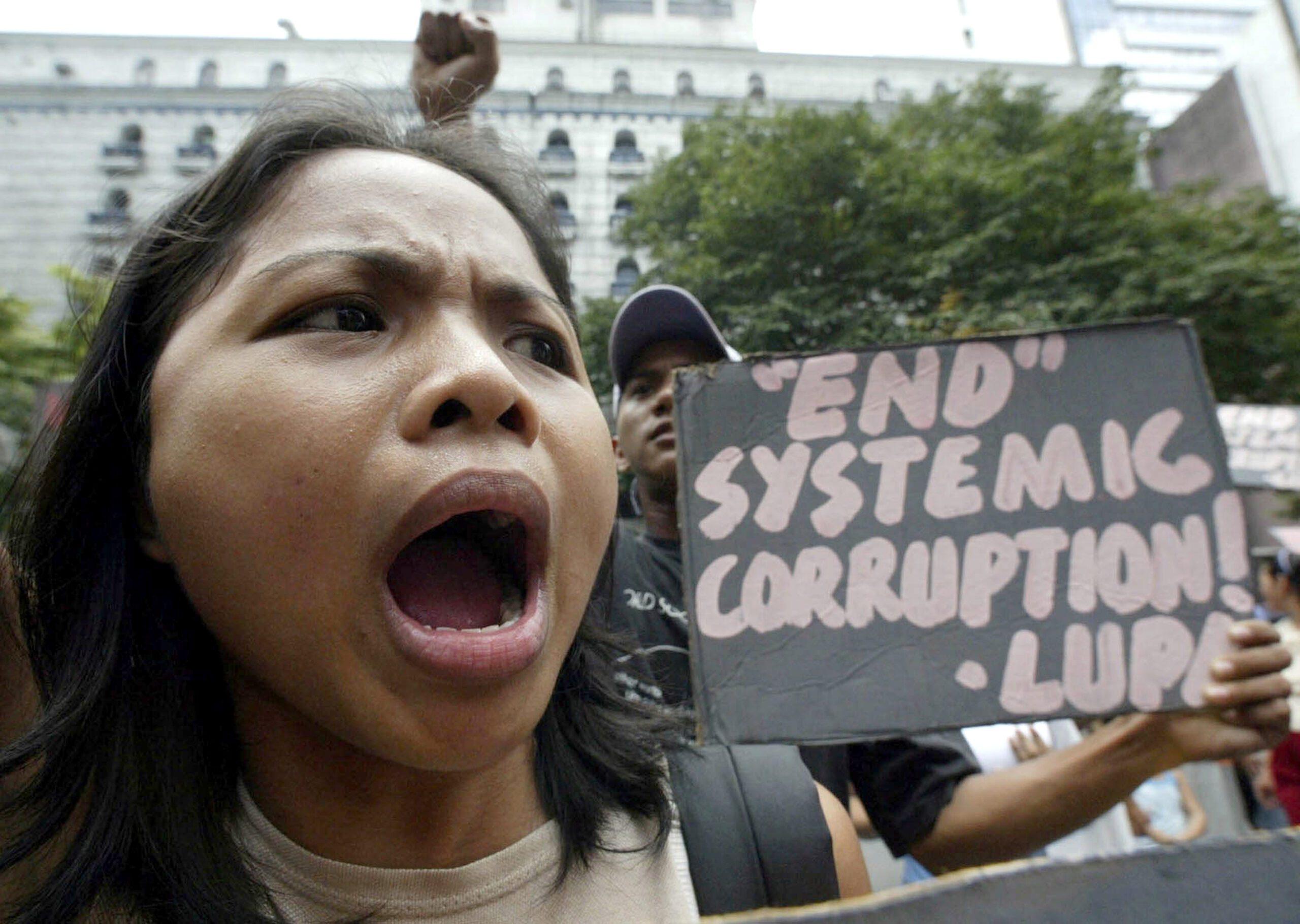
Corruption is another factor. There are indications of drug money being used to fund unlawful activities related to elections, such as “vote buying, bribery of election officials, ballot theft and voter intimidation,” according to the INCSR. In exchange for these, politicians, once elected, return the favor by protecting the drug lords.
The Pasig City drug den mentioned earlier was about 250 meters away from the City Hall and police precinct. How could it be possible to have hundreds of drug users gather there without attracting the attention of the authorities? A day after the raid, several policemen and PDEA officers were fired for protecting the tiangge and its operators in exchange for bribe money worth millions of pesos. There were 300 people arrested from the 2006 raid but, as of January this year, two of the peddlers from the shabu market received life imprisonment while 63 will face jail terms of up to 20 years. This exhibits another problem: low conviction rates. Seeing that it is quite easy to get around the technicalities of the law and not be convicted emboldens traffickers. Aside from this, it also lowers the morale of law enforcers, which may decrease their efficiency in carrying out their duties. The government’s lack of resources, such as equipment and trained personnel, also hinders it from effectively combating the drug trade.
The Philippines’ strategic location, meanwhile, makes it a favorable transshipment point for drug smugglers. In addition, the country’s geography makes it more challenging for authorities to track down these peddlers.
CRIME AND INSECURITY
The Philippine National Police (PNP) declared, in 2007, that illegal drugs are still the most prevalent type of street crime in the Philippines. However, the drug menace not only makes our streets more dangerous. It threatens our national security. There have been reports that aside from politicians, money from the drug trade funds the activities of insurgents and terrorists. According to the INCSR, the New People’s Army allegedly charges marijuana traffickers a revolutionary tax in exchange for protection of cannabis plantations. Reports from the PNP indicate the NPA’s involvement in marijuana trade in North Luzon and Southern Mindanao. The terrorist Abu Sayyaf Group is also connected to the drug trade. According to the PNP, they also provide security for marijuana farming and protect traffickers. Their involvement is mainly concentrated in Mindanao. These instances just prove that the whole country is being held hostage by powerful drug syndicates. Powerful officials in the government are under their control. Criminals are under their control. And we, the people, are their victims.
Agencies such as PDEA, the DDB and the PNP have declared war against drug lords and syndicates. They have been implementing anti-drug programs for so long, but the threat still besets us. The fight against the illegal drug problem is not just for a few. It is for each one of us. We all have a role to play. Each one of us matters in this battle. If we hold on to our values, if we contribute to helping people in need, it would definitely make a difference. After all, one man saved from drugs, is one man closer to a drug-free Philippines. n