When Msgr. Francisco Mendoza was the parish priest of the Santo Niño Church in Tondo, Manila, he told, in 1992, the following true story: One day, an old lady with wooden shoes and shabby clothes approached him. She offered him a fat envelope. When he opened it, he saw much money inside. He told her, “Lola, maybe you will need this money more than me. The Church will always have other sources of donation.”
Then she began to cry. “Please accept it because I promised the Santo Niño to give all my money to this shrine. Two nights ago, around 2:00 a.m., a small child awakened me from my sleep. His face is like that of the Santo Niño image here in this church! I am not from here. I am just a visitor, trying to do my devotion. He awakened me because there was a small fire on my altar. In one tap of my hands, I extinguished the fire. Had I been late, my house would have burned down and I would be dead. Out of thanksgiving, I told the Santo Niño that I will give all my savings to this shrine. I am sure that He will not desert me.”
The Monsignor continued: “After sometime, she returned to see me. She was well dressed. She said: ‘I told you that He will not desert me. Look at me!’”
A CEBUANO TRADITION
Devotion to the Child Jesus goes back to early times. Church Fathers like St. Athanasius (296-373 CE), bishop of Alexandria and St. Jerome (340-420) were among the early devotees. Other worshippers were St. Bernard of Clairvaux, St. Francis of Assisi (who introduced the Nativity scene on Christmas), St. Anthony of Padua, St. Rose of Lima, St. Teresa of Avila were among the later devotees. Many sculptors had carved images of the Holy Child, one was done in 1340 with a bird in his right hand.
Devotion to the Child Jesus was popular in Spain. It is no wonder that, in 1521, Ferdinand Magellan, the great Portuguese navigator at the service of the Spanish crown, presented a statue of the Santo Niño to Rajah Humabon, the ruler of Cebu during the mass baptism of the first Christians there. In an encounter with the natives, Lapu-lapu killed Magellan. Upon the arrival in Cebu of the next Legazpi-led expedition in 1565, the Cebuanos fled from the avenging Spaniards. One of the Spanish soldiers found the statue in the house that was spared by a fire.
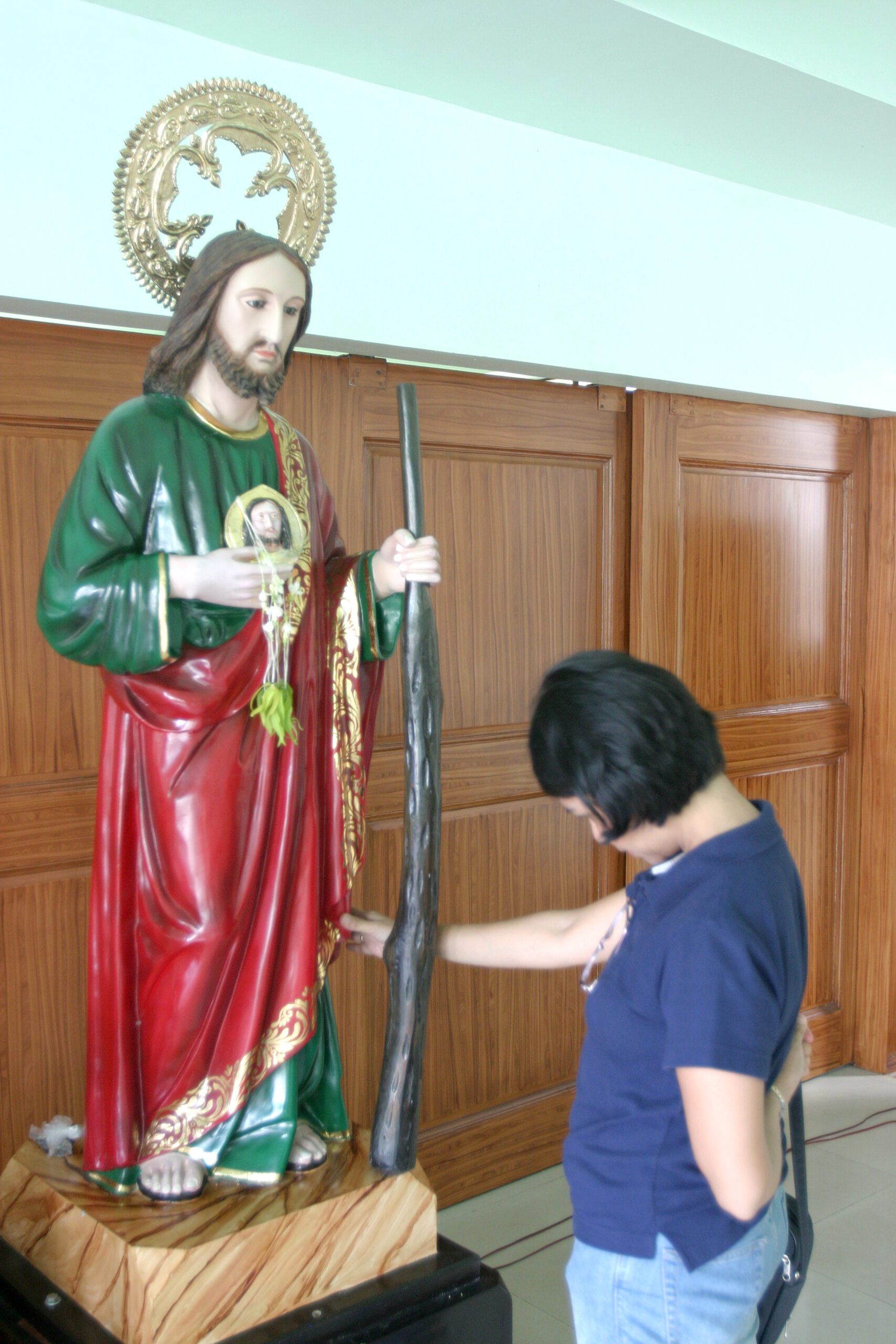
That statue was dressed in the native style with materials that show it was the object of Cebuano veneration, with Christian and native practices. From Cebu, the veneration spread throughout the Philippines. The many statues have quasi-military ranks. If one statue is a lieutenant in one place, and another is a colonel elsewhere, the general Santo Niño is in Cebu.
THE THEFT AND THE FLOOD
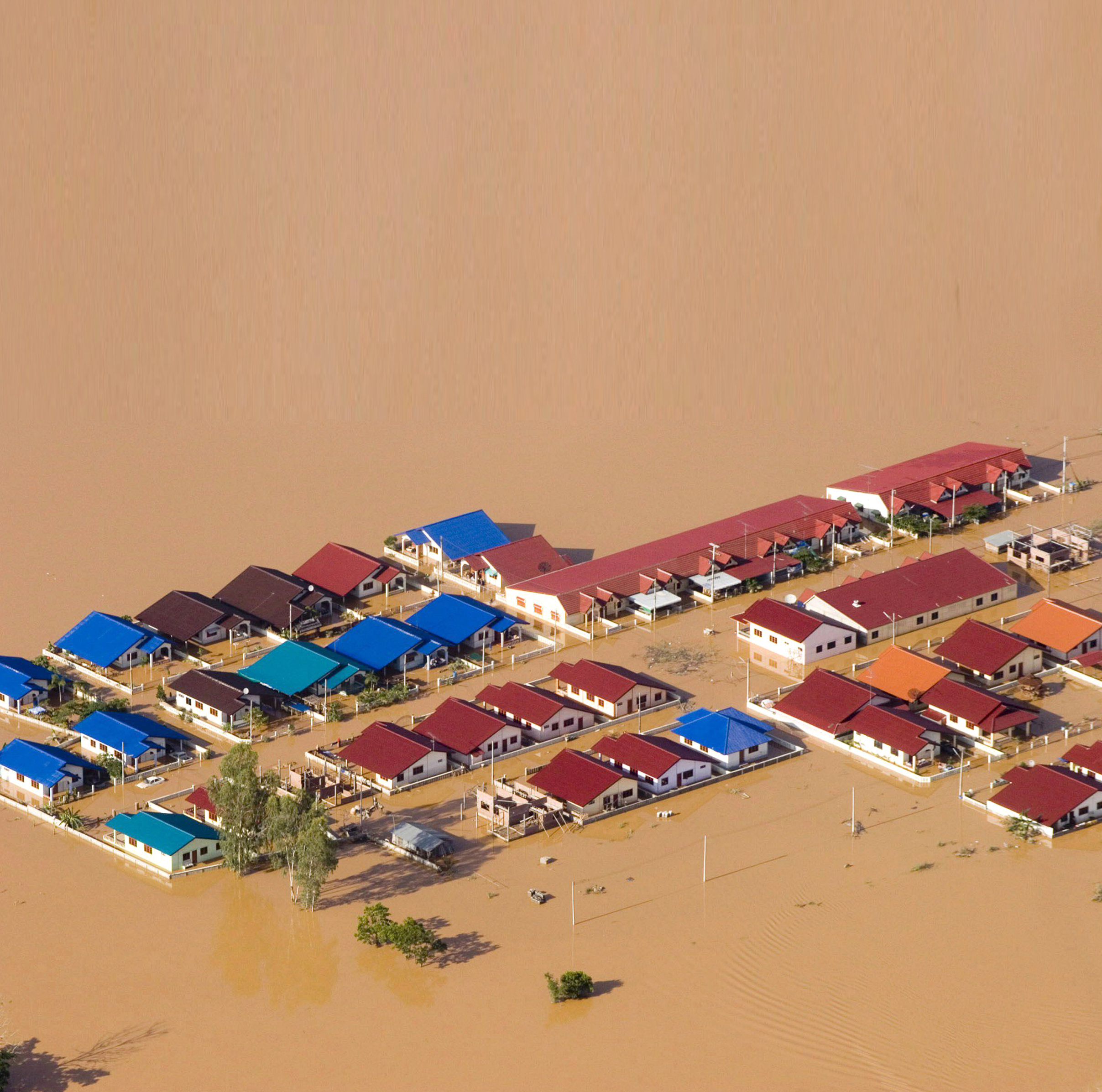
The increase in the devotion to Santo Niño in Manila can be attributed to one incident. On 14 July 1972, a thief stole the image of the Santo Niño from the church in Tondo. He hid himself in the confessional, and when he was alone, he unscrewed the glass covering and took the image. Then a forty-day deluge of rain, which not only flooded Metro Manila but also central Luzon, followed. The newspapers printed photos of one-storey public school buildings under water. The people attributed the flood to the theft of the Santo Niño.
Imelda Marcos, who was the First Lady then, used all her connections to retrieve the statue. They recovered the ivory face, hands, and feet from an antique dealer. On August 2, she returned the restored statue in a six-by-six truck that drove through the flooded streets. Right after returning it, the rain stopped and sun shone again. That occasion motivated the increase of the devotion to the Santo Niño in Manila.
THE “SECRET MEETINGS”
At Mount Sinai, God appeared to the Jews in lightning and thunder. “When the people heard the thunder and the trumpet blast and saw the lightning and the smoking mountain, they trembled with fear and stood a long way off. They said to Moses, ‘If you speak to us, we will listen; but we are afraid that if God speaks to us, we will die.’” (Ex. 20:18-19). But as the preface of Christmas puts it, “In the wonder of the Incarnation, Your eternal Word has brought to the eyes of faith a new and radiant vision of Your glory. In Him, we see our God made visible and so are caught up in love of the God we cannot see.” It is the theology of self-emptying (Phil. 2:1-11). If an innocent child melts the hearts of adults, so the Holy Child becomes most approachable. Devotees beg for mercy, even threaten Him for refusal of petitions, give thanks and make promises.
Numerous stories of the Santo Niño in Cebu are about the “secret meetings” of the Child Jesus with His Mother, the miraculous Lady of the Rule from Opon, Mactan. The meetings would be revealed in the robes of both statues with the amor seco (a weed that attaches itself to clothes as one passes by).
But there are also deviations. One devotee of the Santo Niño said that anything you ask from Him will be granted. The devotee added: “If that Nazareno believed in the Santo Niño, He would not have been crucified!”
PRAISES AND THREATS
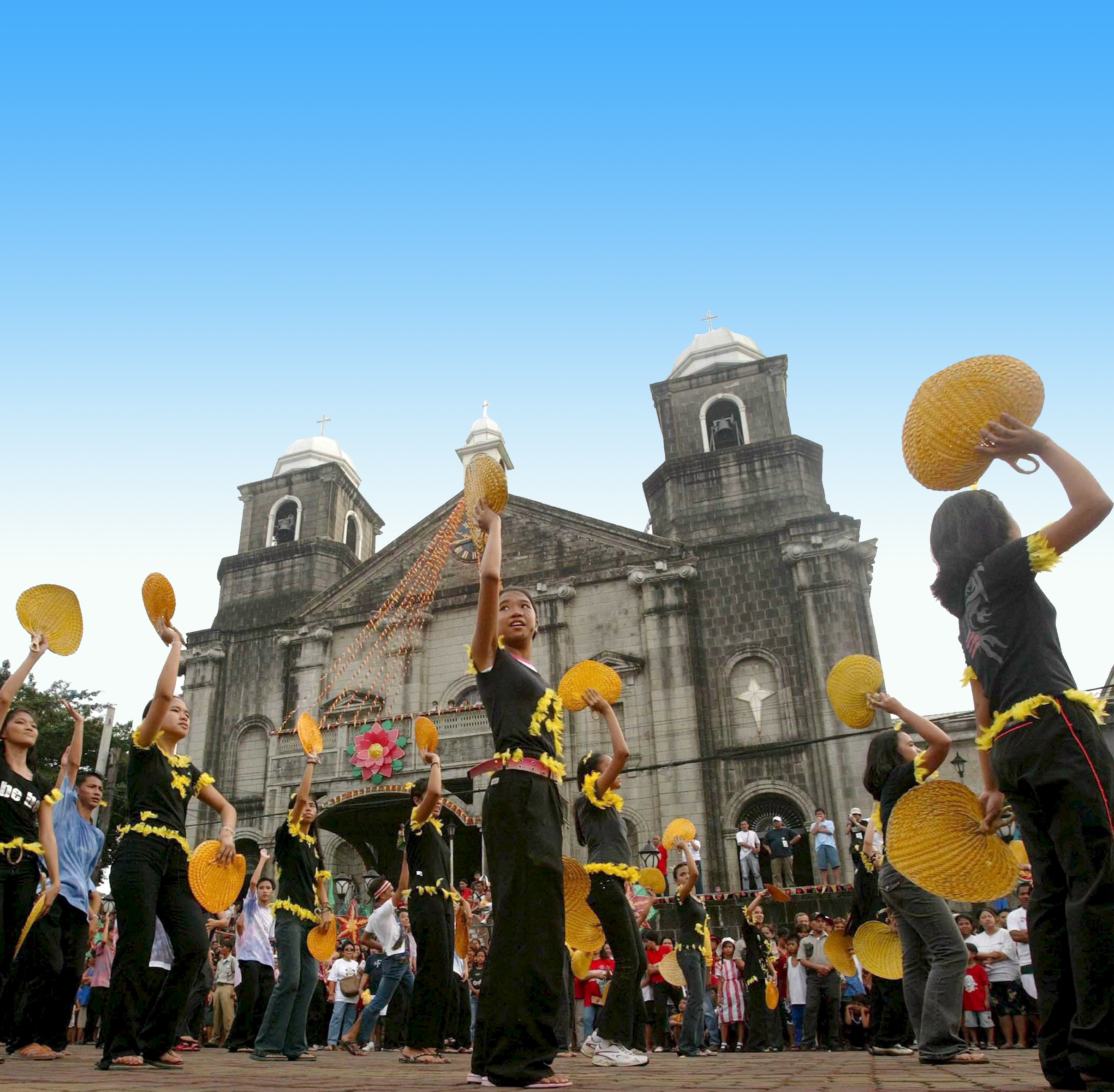
In Cebu, one form of the cult is through the Sinulog, a series of rhyhmic, jerky bodily movements with shouts of Pit Senyor (equivalent to Praise the Lord)! In Kalibo, its counterpart is the ati-atihan where the devotees cover their faces and arms with soot, to imitate the dark Aytas, the original and indigenous people of the area. From Cebu and Kalibo, the practice has spread throughout the Philippines, especially in Metro Manila. The procession of Manila has different bands with their respective majorettes. The men carry the statue on a bier, and they sway with the music of the bands. Other devotees carry their own images raised above their heads and dance with the music. Others parade their own statues in pedal-powered tricycles and pushcarts. The Santo Niño is dressed in different costumes, such as a farmer, a policeman, in baby diaper, with shades and baseball caps.
In times of drought, farmers bring the statue in a procession to the river and dip it, threatening to leave Him there unless He brings rain.
THE TRAVELING IMAGES
Some devotees form organizations similar to Basic Ecclesial Communities for the service of their devotion to the Santo Niño. In the case of Manila, the parish has the Confraternity of Santo Niño, an official organization under the parish. It has its set of officers. But there are other organizations in the parish. Those who possess a statue of the Santo Niño maintain their own group.
The members propagate the devotion by moving the statue from house to house. It can stay for three days in a given place. Members of the confraternity accompany the statue. They have prayer vigils in the house where the image temporarily dwells. Neighbors and friends of the host family join. This is a form of proclamation. n