All people, of every generation, aspire to love and justice. These are two aspects of our lives. They are so much part of ourselves, of our nature, that often we neglect to reflect on what these words really mean. In reality, justice and love have a variety of meanings, and often they are overlapping. Even the Bible, where love and justice are repeatedly quoted together, gives different meaning to these two values. The Hebrew word for justice is tsedek. This word takes many nuances throughout the sacred texts. However, there are two main meanings. First of all, justice is not seen as a legal term, a behavior regarding obedience to laws and decrees. Justice is, instead, the faithful and constructive attitude of a person towards the community. The individual is practicing justice when he acts not in obedience to a given order, but in favor of the community out of his free and good will. The person is interested in the community, loves the people he lives with, and so acts for the good of all without self-interest.
The second meaning of the word tsedek refers to the community. A just community is a place where a person can live a healthy life, where he can experience harmonious relationships. Thus justice is a situation of orderly life, a beneficial state for the person and the community. A just person is one who looks for a sincere and deep relationship with people. This is also true in his/her relationship with God. The just is one who always seeks to obey God, not so much the written laws, but His intention. This means that the just goes beyond following commandments and decrees, and asks himself/herself: “What does God want from me in this situation?”
This is the attitude of Joseph when he is told that Mary is expecting a child. Following the laws, he should have refused to marry her, which meant exposing her publicly and putting her in danger. Being a just man, Joseph realizes that God would not want anything bad for Mary, and yet he is not able to realize what the right course of action would be. At this point, the vision of the angel confirms to him that he can take Mary as his wife, and accept Jesus as his child.
LOVE AND COMMITMENT
Similarly, the idea of love, of charity, is very complex. Love is the oldest reality we can think of. It is the very engine that moves all our activities. We need to be loved and to love. The Word of God shows that there is a development of the understanding of love. If God loves all in the same way, people tend to love only those close to them. In many passages of the Old Testament, we find this reality reflected in the sacred history. People love those belonging to their clan, and later extend this to all the Israelites. Enemies are instead hated, and mistreating them is fine. Little by little, especially with the work of the prophet, the idea that we need to love others, especially the weakest in society, takes the center stage. All the prophets reminded Israel of the need to love not only the orphan and the widow, but also the “foreigner living among you” and the slave. With the New Testament, this vision becomes clearer. Jesus says without ambiguity that we must love all, even our enemies.
Charity and justice do have many points in common. They both refer to a reality where the person has the opportunity to grow, to have good relationship with people and God, and where his needs are taken care of by sharing. Thus, the word tsedek became a synonym of supporting the poor, giving alms. The same is true to the word charity which, until today, is used also to describe the kind of help we give to the poor and needy. Yet, what is the real meaning of charity and justice today? How do these values play a role in our Christian lives? Are these simply idealistic realities or do they have something to say to today’s world?
The first duty of the Church is the proclamation of Jesus as the Savior. Mission is at the heart of the Church, which means evangelization is the work of each Christian. To proclaim Jesus, however, has little to do with standing on the corners and shout that Jesus is Lord. Certainly, we need time and a place where this simple truth is imparted. However, the real task of evangelization is to move people to act in their lives with a new spirit. When we accept Christ in our lives, we also accept to mold our life to the will of God. Our foundations are the Word of God, the tradition of the Church – like the scores of believers who preceded us in time – and the reflection on the needs of today. In other words, proclaiming Jesus as Lord means to challenge the structures in society that keep us far from God.
GIVING A FACE TO THE POOR
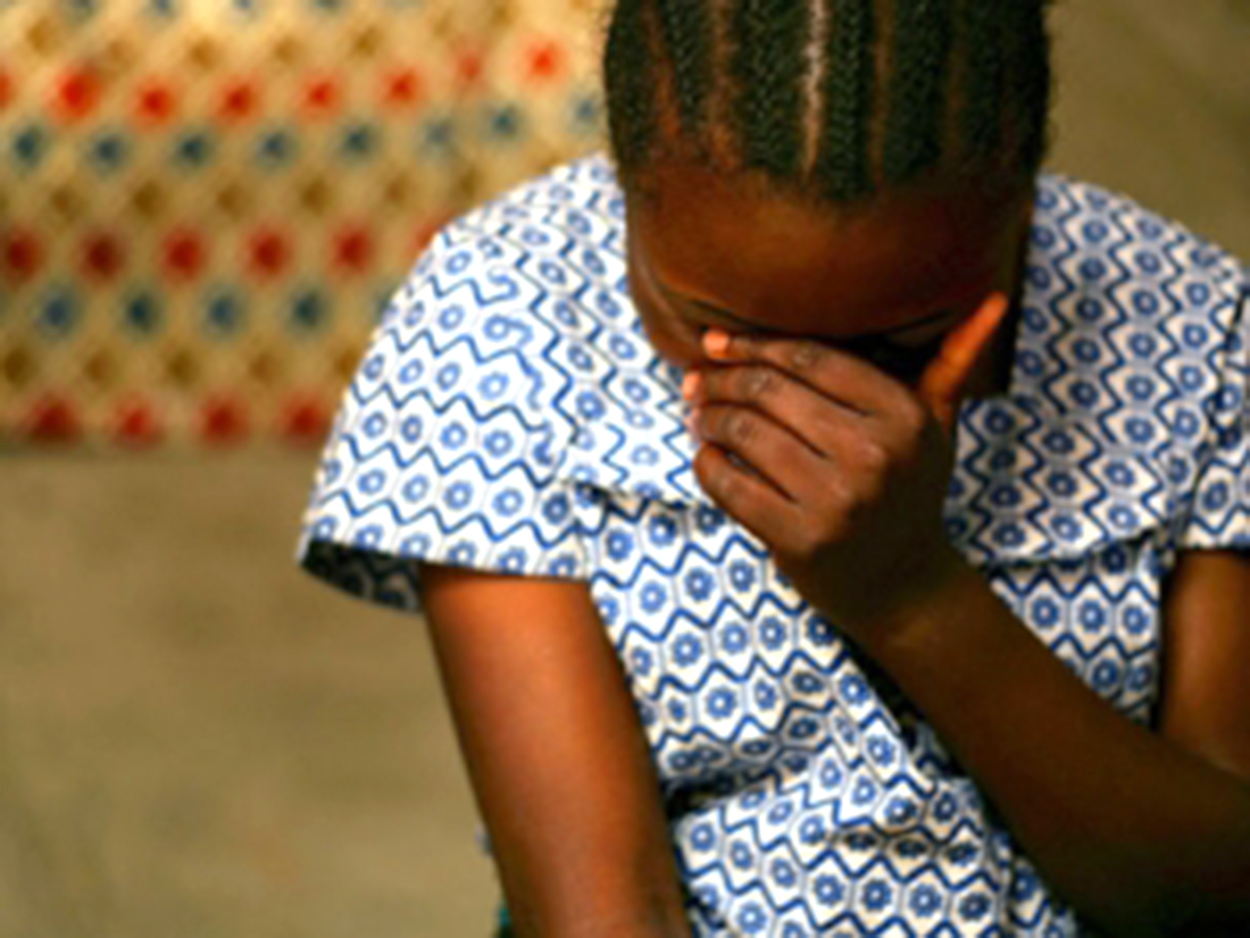
If justice is to provide a place where people can grow in harmony, then to act justly means to work hard for this to be true for all, and not only for our own community. If love is to take real interest in the other, then proclaiming the Word means to open our hearts and minds to the needs of others, especially the poorest. Isaiah, Hosea and the other prophets spoke of minding the widows and the orphans. They did so because these two groups were the most vulnerable in their society. A widow had no one to speak up for her in the council governing the village or town where she lived. No one would stand for her, unless a man would decide to defend her without expecting some personal gain. Likewise, orphans did not enjoy the same treatment that other children had nor did they have the same opportunities. This can also be said about the foreigner among us. A foreigner is disadvantaged; he might also fear the hostility of the community and become – unjustly – the target of scorn and hatred when things do not go well in society.
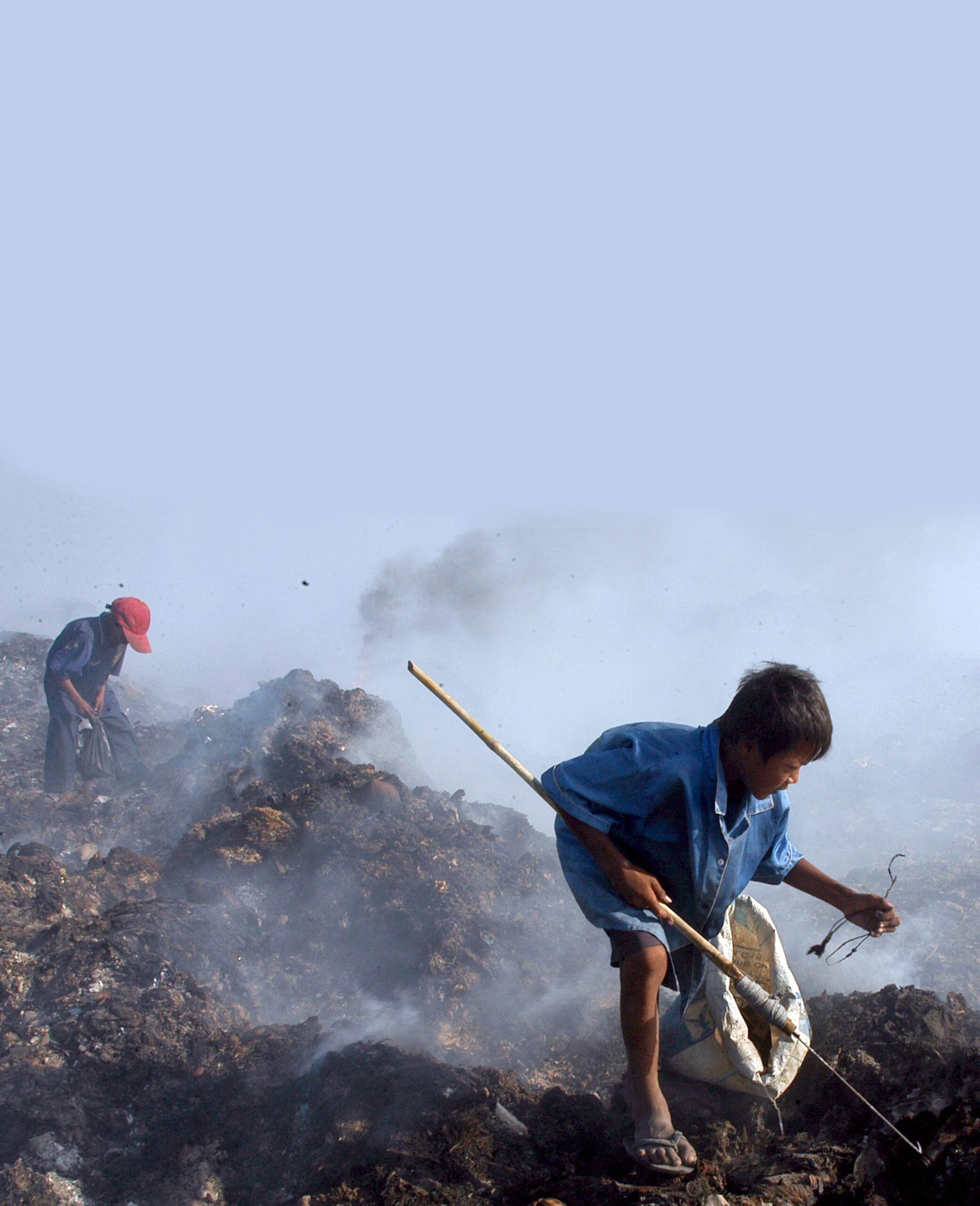
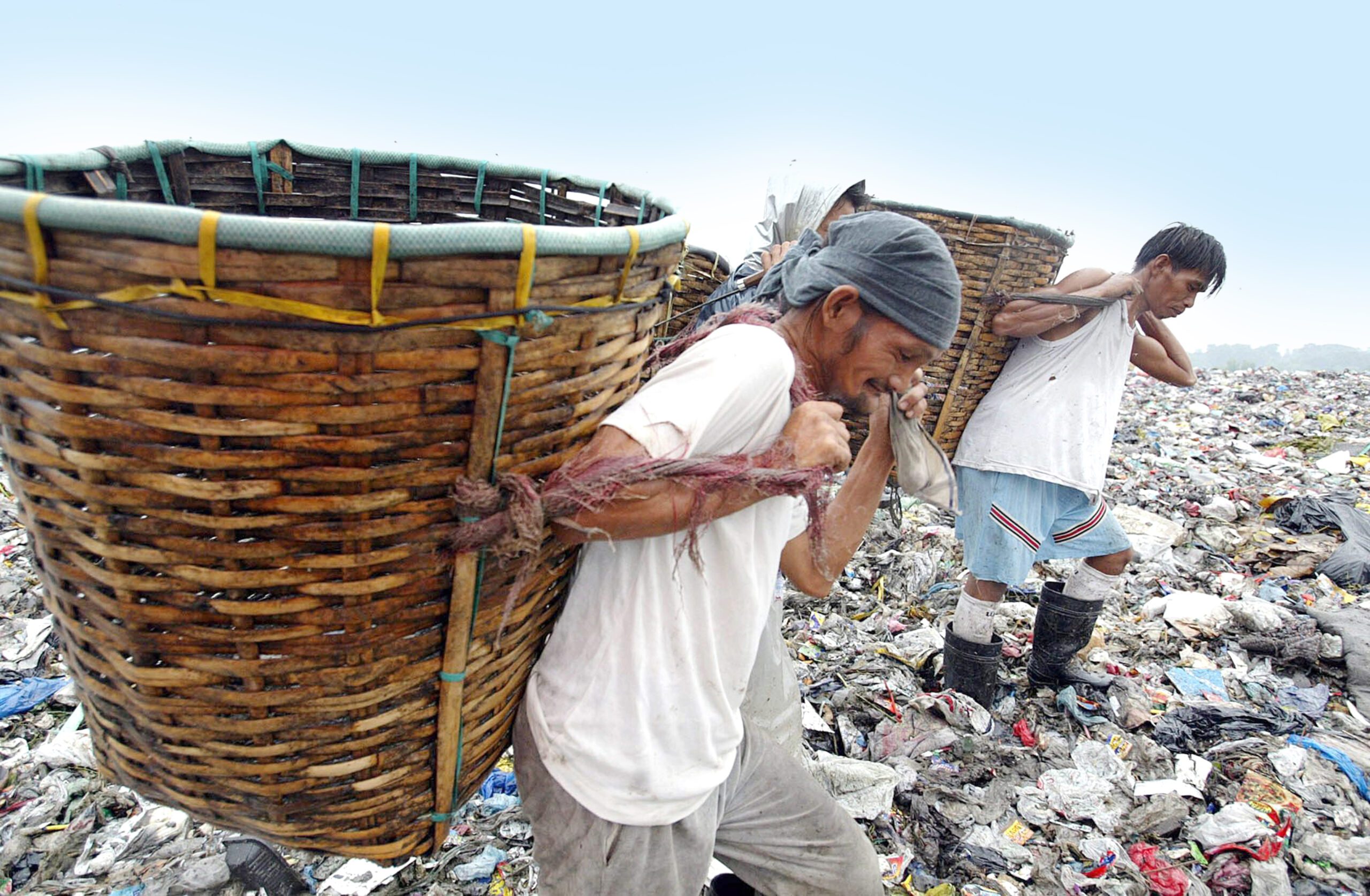
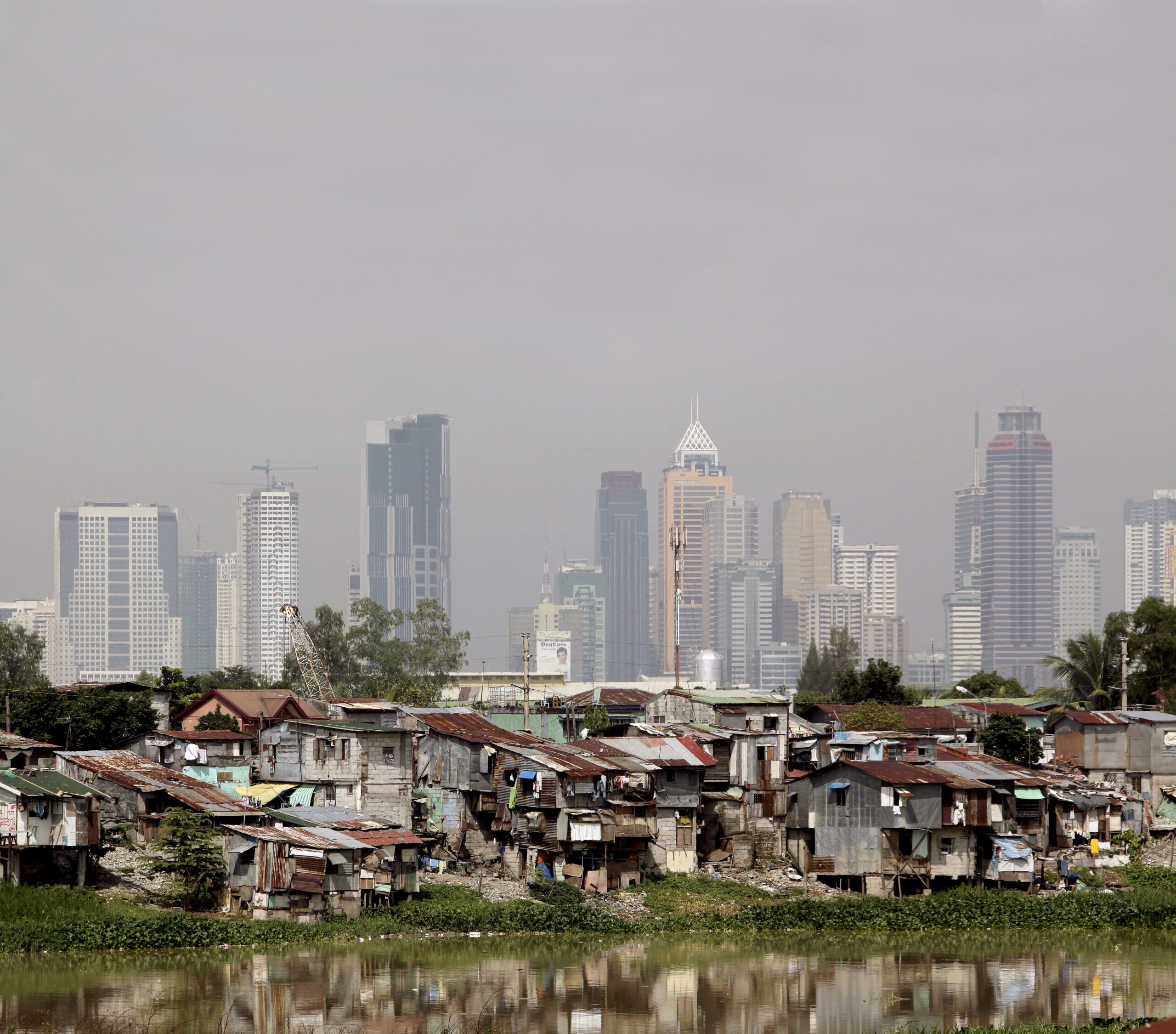
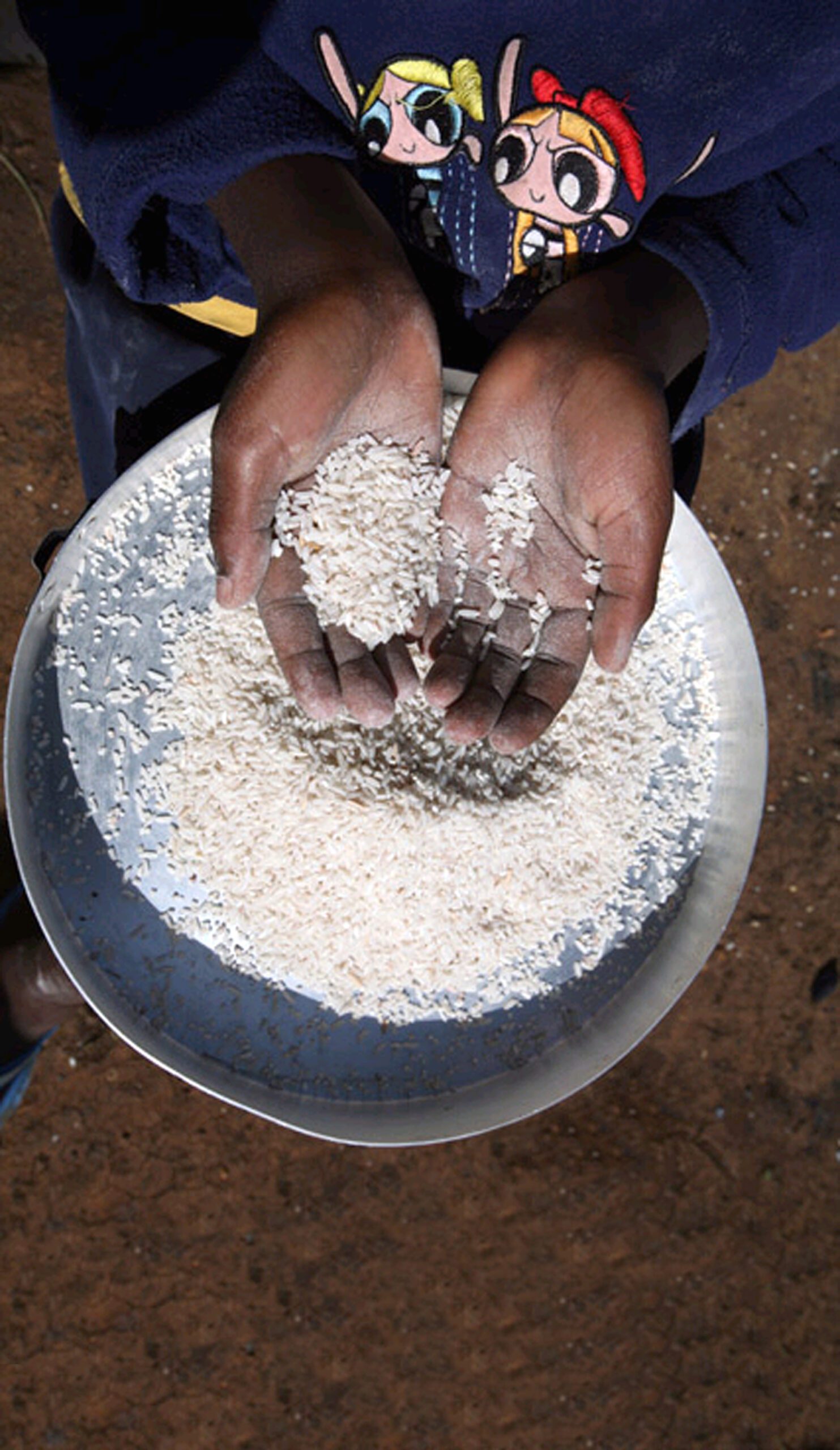
We can ask ourselves who are the widows, orphans and foreigners among us today. It will be easy to identify vulnerable groups, people who need our attention and care. In the end, we will find out that we also are people who need the attention and care of others and that we, too, can be very vulnerable. Giving a name to the vulnerable needing our care is important. It means to put the person at the center of our action and thought. It means drawing out the vulnerable from the shadow and giving them a place at the center. At the same time, recognizing the poor and needy is a way of realizing better our duty towards them.
When I became parish priest in a town of Kenya, I found out that the local community had a special collection for the poor once a month. The parish priest was then left to administer that money. I asked the community to change this approach. The people chose a group that would be in charge of the poor. The first task was to identify, within the community, who the poor really were. All were surprised to see that we had been assisting some undeserving families while other people – who were even too poor to come and beg – had not been supported at all. Giving a name to people and situations helped that community to realize who the poor were, and involved themselves directly in meeting the person first, and to intervene according to their possibilities, later. The whole process was important to give a face to the poor among us and to have a new relationship with them.
CREATING A JUST ENVIRONMENT
Yet, charity and justice cannot be confined to local realities. We all live inserted in nations that also need to be evangelized. The world of politics, of economics, of arts, of communication, they all need to be opened up to justice and charity. This requires commitment within society, and devising creative ways to influence policies with the spirit of the Gospel. There are many examples to draw from. One stands out for its effectiveness. Kenya is a country in Eastern Africa often coming to terms with issues of tribalism, possession of land, access to resources. These tensions have always been there, and they are used by shrewd politicians and businessmen to suit their interests of control and personal gain. These communities have also traditional ways to settle matter and practice reconciliation. A dozen of years ago, the Catholic Institute of Social Ministry of Nairobi proposed that the Administration Police of Kenya train a few of their officers so that they could intervene with local communities when issues arose, without waiting for a full blown violence to surface and escalate.
The officers followed a two-year course. Later, they were deployed in Nakuru, an important center in the Rift Valley, the region most hit by these instances. They organized a group of volunteers who monitored events and recognized situations that could potentially lead to inter-tribal violence. When these signs appeared, the police unit would intervene, calling the elders of the communities involved and asking them to solve tension through dialogue. The project was successful as those instances of violence diminished greatly. Police chiefs from other regions asked to have such a unit. The project continues today, with more officers trained to support the creation of a just environment, where people of different cultural backgrounds can live safely and appreciate each other’s values.
This is an example of how Christian ideals of justice and charity can become part of a social policy. This is also an example of evangelization of society: even though the project is not openly Christian, the values it proposes are such. These values are proposed to all, without asking them to adhere to a particular faith. At the same time, these values – experienced directly in the life of the community – prepare the way to accepting the Gospel.
CHANGING THE ROOT CAUSES OF POVERTY
The Christian community can be incisive in society if it follows a few steps. First of all, there is a need to reflect on the meaning of Justice, Peace, Love, and Charity within our community and society. A second step is to identify those areas where the community can bring a change in policy or offer better support to activities already running. Thirdly, this commitment cannot be left to a few volunteers. The whole community must be made aware of what goes on and challenge people to give their contribution. In this journey of reflection and action, the role of the Catholic media is important. It is important because, through media, we can reach people whom we are not normally in contact with. It is important because we need tools to guide our reflection and deepen our competence.
Coming back to the Kenyan experience, we can see how media helped that project. When Pope John Paul II announced the celebration of a second Synod of Bishops for Africa focused on peace and reconciliation, the Catholic media in the continent prepared various training tools for local communities. One of these tools was a short video on the project in Nakuru prepared by the New
People Media Center of Nairobi. Once all the materials were gathered and the video ready, the people involved found it easy to prepare a second video focusing on the role of the local police in promoting justice and well being within the community. From this perspective, policemen lost the negative image of officers to be feared or who arrive at the crime scene too late. Instead, their work and presence acquired a new light: they were people helping the community to live better. That video was shown to many policemen, inviting them to instill new values in their work and lives. It was also shown to police chiefs from other countries, spreading ideas that could influence their work. Through media, a successful project can influence choices far beyond our expectation.
Single Christians or local communities willing to play their part in living and spreading justice and charity must accept that this is a difficult work, slow in showing results. Intervening for the poorest and vulnerable is sometimes tough. The first answers to situation of needs and despair might well be that of material assistance. However, true charity is what facilitates the eradication of the root causes of poverty and difficult situations. This means that true charity cannot stop at assisting an immediate need. At times, the real causes of poverty, degradation, and lack of justice in a community rest with the victim themselves. Acting in these situations may require tough choices. In fact, frequently, the poorest and vulnerable do not want to be challenged, to change their attitudes and behavior and thus their lives. In these cases, the Christian community needs to make tough choices. Tough love is not easy, yet it is necessary to drive people away from apathy or lack of initiative and become protagonists of their own lives.