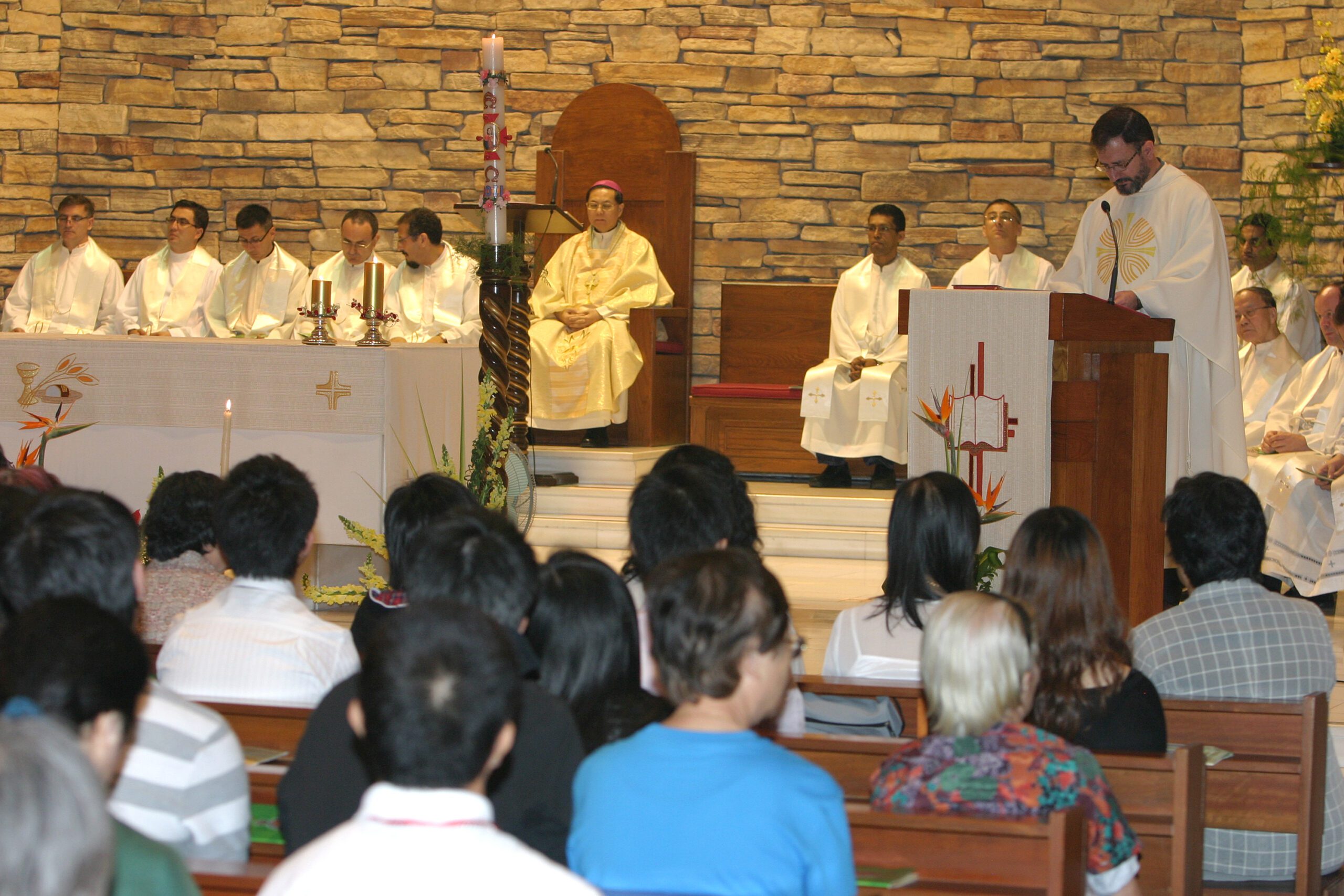
The hall of the Saint Cajetan Cultural Center, at Padua, Italy, was packed with people, on November 11, 2010, on the occasion of the visit of the President of the Republic of Italy, Giorgio Napolitano, for the 60th foundation anniversary of CUAMM-Doctors with Africa. All the representatives of public institutions were seated side by side with doctors, administrators and different friends and benefactors, together with many members of the public who, in the course of the years, had learned to believe in the commitment of this organization to promote health among the Third World poor.
Giorgio Napolitano described the work of CUAMM-Doctors with Africa, as a patrimony of six decades of generosity and dedication. “This is also the Italy that we should not forget when we ask ourselves about our present condition and our future,” he concluded. The coming of the highest Italian authority was a public acknowledgment that rewarded the CUAMM-Doctors with Africa, an organization that time has confirmed and sealed as a true Gospel initiative. The Gospel is carved in the heart of CUAMM-Doctors with Africa, in its very motto: “Euntes, curate infirmos” (Go, and cure the sick) from Matthew 10:7-8, a clear and well-defined mandate, without uncertainty.
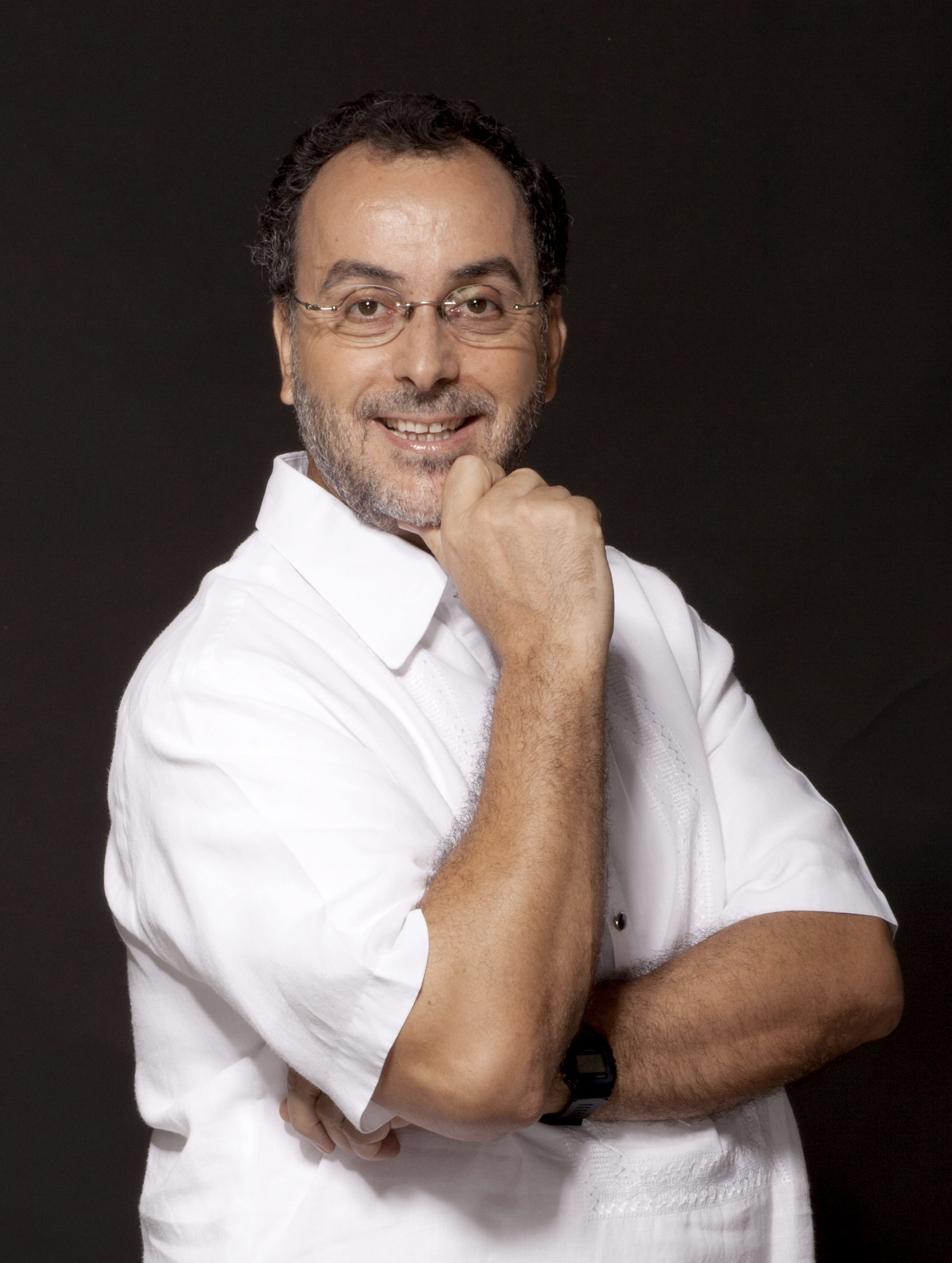
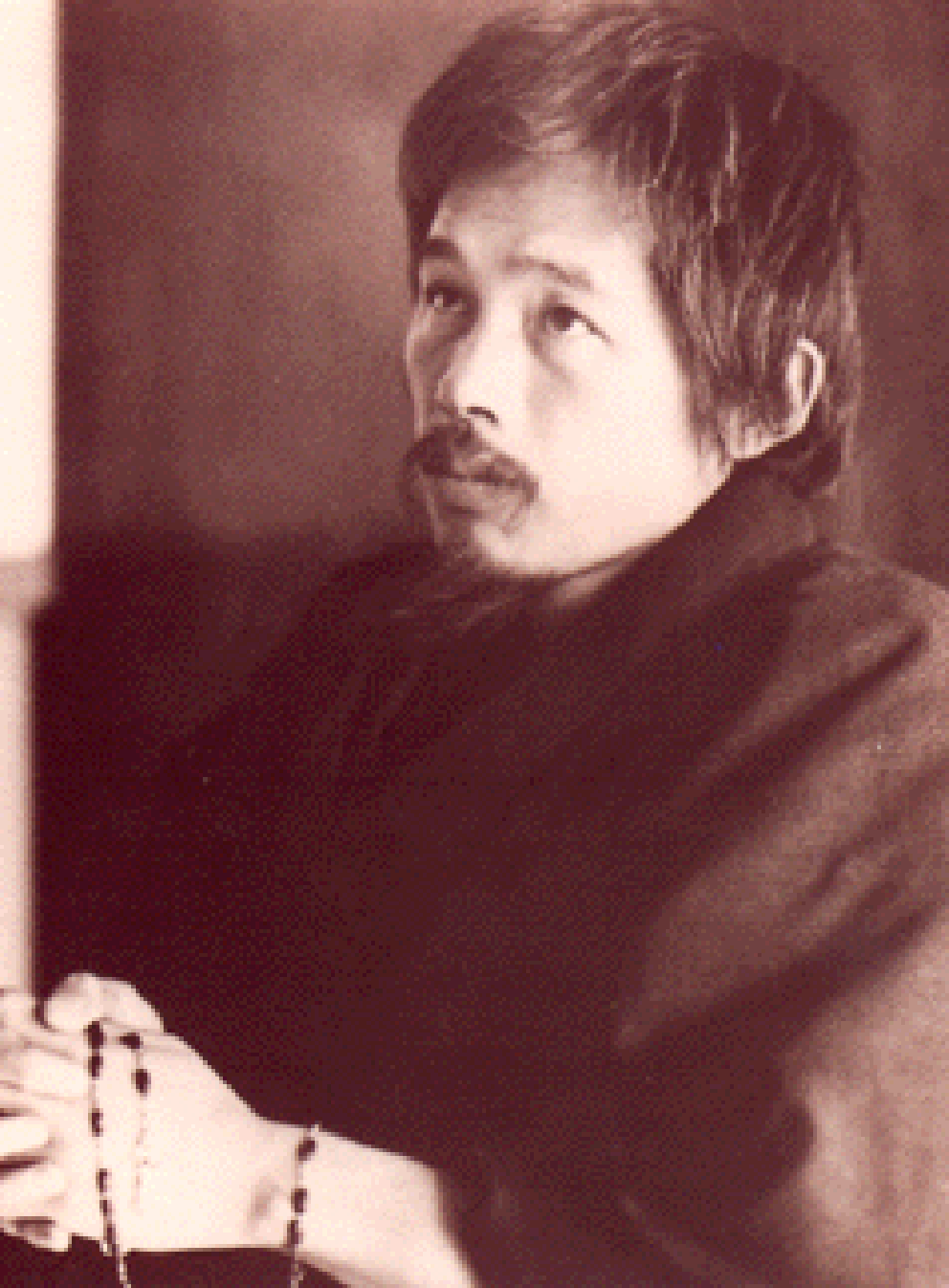
The most solemn moment took place at Padua University Hall with the conferring of the honoris causa degree in human rights to the priest who, for many decades, embodied the extraordinary performance of the CUAMM, Msgr. Luigi Mazzucato, director of the organization from 1955 to 2008. The new doctor stressed: “I see myself as a small man in front of this scenario that strikes me and fills me with confusion. I am only the witness of an extraordinary story that has been going on now for 60 years and of which I was made part by the bishop, when he put me at the head of CUAMM-Doctors with Africa, a mission that I had not envisaged in my priestly ministry.”
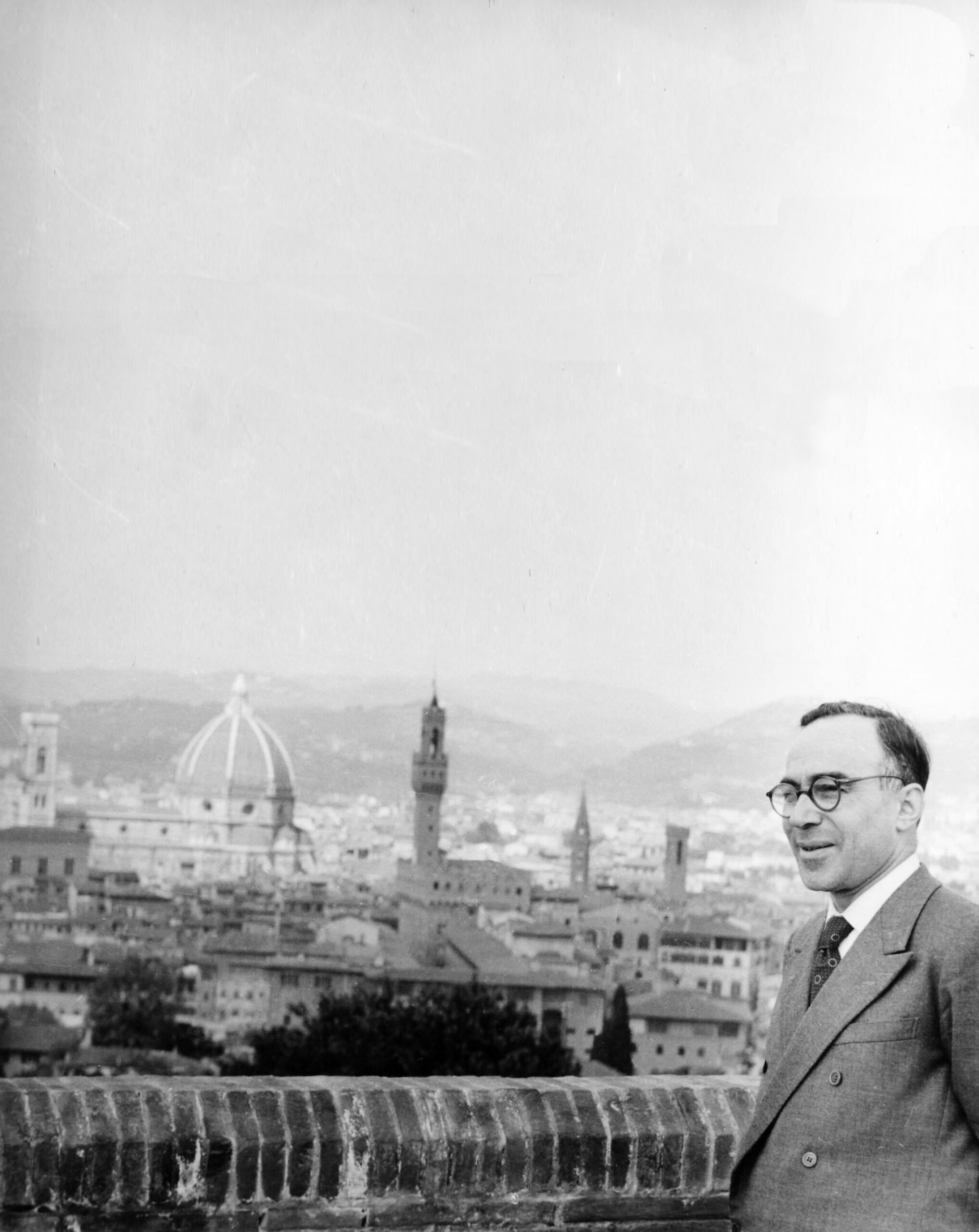
A GREAT CAPACITY FOR PERSONAL RELATIONSHIPS. CUAMM-Doctors with Africa was initiated, on December 3, 1950, at Padua, in Northern Italy, by a doctor, Francesco Canova, and the will of the then Bishop Gerolamo Bortignon. The first idea was to gather young people who wanted to be missionary doctors and host them during their university studies and train them. The acronym stands for University College for Aspirant Missionary Medical doctors. The first doctor to reach his degree was a Nigerian young man by the name of Simon in 1964.
Dr. Canova, after a meaningful experience as a doctor in Palestine and Jordan, envisaged even a University of Missionary Medicine. He had a prevailing interest for the human formation of the candidates more than fostering development in the field. This brought him in partial opposition with the priest director and this explained the fact that he never went to Africa, but he knew how to accept changes and had a very detailed knowledge of the people and of the projects. He died at 90, in 1998. Until a few days before his death, he used to ride his bicycle to attend evening Mass at the College. He had a great capacity for personal relationships: at Easter and Christmas, he used to send to the volunteers in the field gifts of books that he had painstakingly chosen for them in the bookshops. This was in addition to an extraordinary voluminous correspondence that he was keeping with them even in the last 20 years of his life.
A turning point in the life of the organization was when, about 15 years ago, it was decided not to continue to offer preparation for the health profession in Italy but to train those young people who wanted to become medical doctors in their country of origin. A great satisfaction in this regard was in 2007 when a batch of 13 new doctors was proclaimed at Beira, in Mozambique, outside the capital Maputo. Besides the University of Beira, CUAMM-Doctors with Africa supports Nkozi University in Uganda and Addis Ababa University in Ethiopia in order to train doctors at local level.
Very moving because it reflects personal experience, is the statement of Peter Lochoro who represents Uganda, a country that is the target of many of the services and missions of CUAMM-Doctors with Africa: “Looking at these doctors and admiring their service and dedication were the fundamental reasons that inspired me to become a doctor. In a certain sense, it is a debt that I am repaying with my work on behalf of CUAMM-Doctors with Africa, an organization with a clear mission: to operate so that the good health of the populations most in need may be recognized as a human right, by working together, not so much for them but with them.”
Msgr. Luigi confides: “During one of my last trips to Uganda, I asked Dr. Peter Lochoro to know his mother. Peter lives in one of the most underdeveloped areas of Uganda. Upon my request, he led me to the village where he was born. I entered a hut that was very clean. The only furniture consisted of two chairs and a little bench. This multi-specialized medical doctor sat holding his old mother’s hand for all the time of our visit. When a grandchild or any other relative was entering the hut, they all knelt in front of the old woman with great respect and devotion towards the elder of the family. We have a lot to learn from this lesson that Africa bestows on us in great simplicity.”
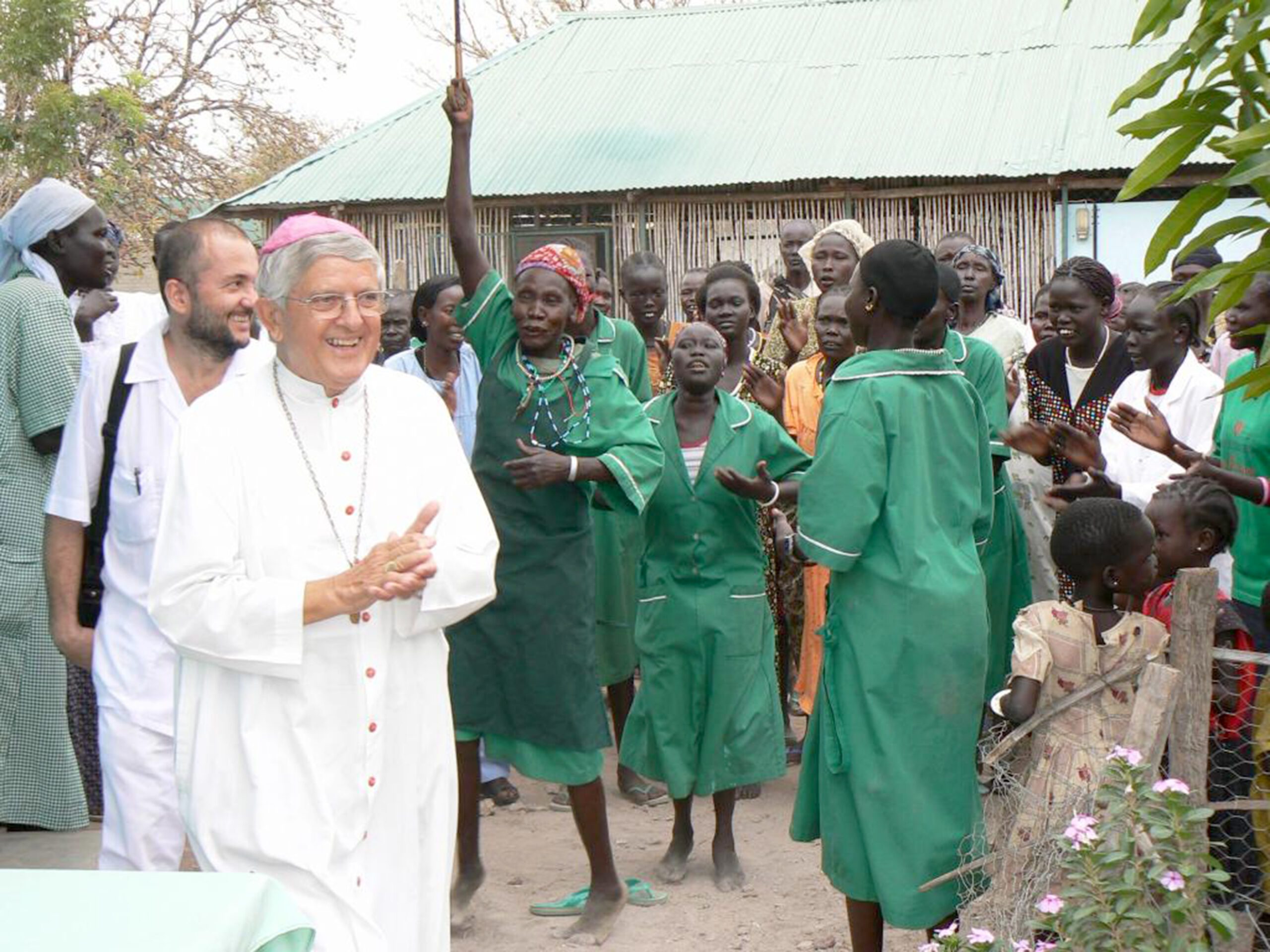
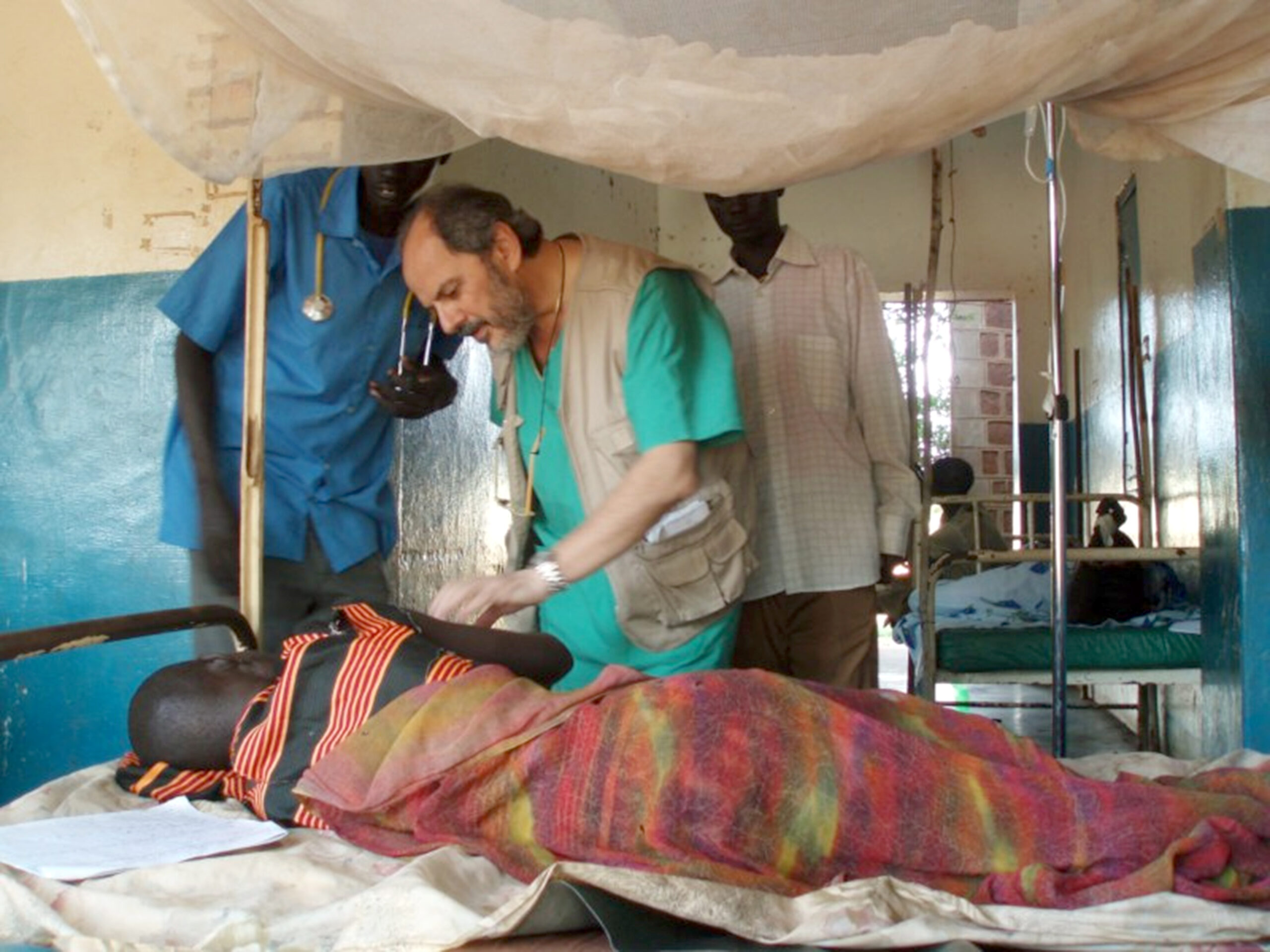
AT ALL LEVELS OF THE HEALTH SYSTEM. First NGO specialized in the health sector to be recognized in Italy, CUAMM-Doctors with Africa is now the biggest Italian health organization for the promotion and protection of the health of the African populations. It implements long-term interventions, even in areas which are war-torn or facing a humanitarian crisis. It operates at all levels of the health system – from mobile clinics to universities – offering high quality services accessible to all. To this aim, it commits itself, in Italy and in Africa, to the formation of the human resources dedicated to scientific research and implementation of health cooperation. It campaigns for the affirmation of the basic human right to health for all, even the most marginalized groups, promoting the values of solidarity, cooperation between peoples, justice and peace in the institutions and in the public opinion at large.
During these 60 years of existence, the organization sent more than 1,200 doctors to Sub-Sahara Africa, as well as 240 volunteers (nurses, technicians, etc.), and 270 medical students, from 35 countries of the developing world were hosted during their university studies. At present, the CUAMM operates in Angola, Ethiopia, Kenya, Mozambique, Uganda, Tanzania and Rwanda, in 16 hospitals started or run by the organization, employing, every given year, around 80 people, not only medical doctors but also nurses, physiotherapists and administrators.
In these sixty years of existence, the CUAMM-Doctors with Africa has produced some heroes who have given their lives in the field of duty: the most prominent is Dr. Maria Bonino struck to death by Marbourg fever in Angola in 2005, while assisting the children threatened by the same disease.
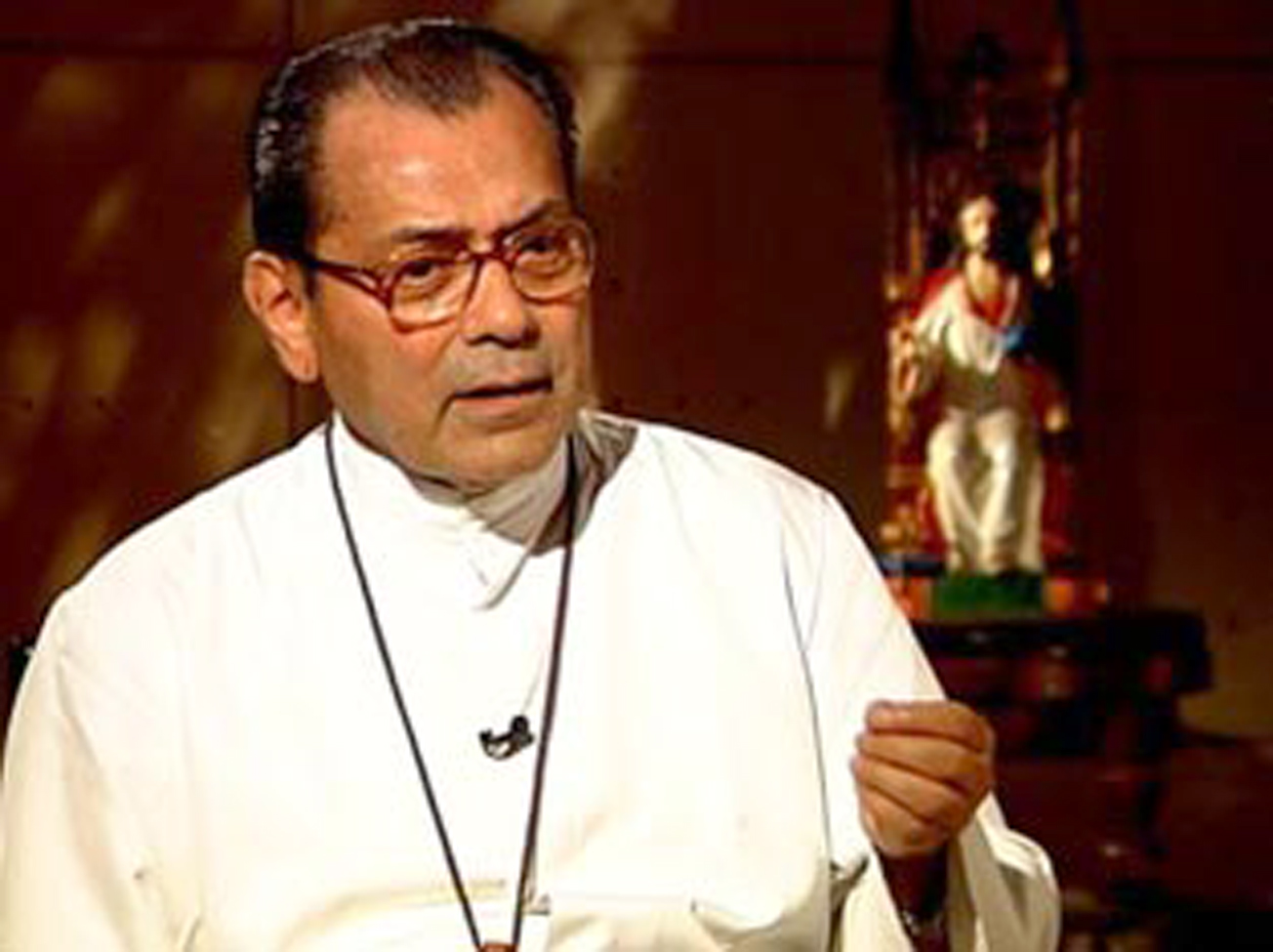
“YOUR AFRICA WILL BE THE CUAMM.” He is fifty years old, the new director of CUAMM-Doctors with Africa, Fr. Dante Carraro, himself a medical doctor. He succeeds Msgr. Luigi Mazzucato. It was during the university years that the idea of becoming a priest matured. He entered the seminary eventually and was allowed to attend to his specialization in cardiology while doing his theology. In 1991, he was ordained priest and applied to the bishop for missionary work in Africa. The bishop answered: “Your Africa will be the CUAMM.” At the moment, it sounded like a disappointment since he longed to be a missionary and a doctor in the field, but now he understands that it was a precious choice because he realizes how important it is for CUAMM-Doctors with Africa to be well-organized. Now, at the Padua headquarter, he is surrounded by a staff of about 30 people dealing with the sectors of projects, human resources, administration, information and communication with the various entities and individuals who are giving their support.
Fr. Dante declares: “The CUAMM has never swum in gold or accumulated profits; it has never betrayed the cause of health and we are capable of absolute dedication. This is our style and our only treasure. We work, above all, on behalf of sub-Sahara Africa because it is there where the need is the greatest: there is an enormous health personnel crisis (e.g. we can count on only one obstetrician for every 20,000 deliveries). We display a mule-like stubbornness and courage that doesn’t easily surrender. This anniversary of the first sixty years helps us to remember the passion and the courage of our origins, when a volunteer took as much as 25 days in the ship to reach his destination in Africa and there he would spend up to ten years close to the suffering population.”
FACING THE FUTURE. On February 12, 2011, Romano Prodi, former prime minister of Italy and present UN consultant for Africa, was in Padua as an invited guest of the CUAMM to speak about “Africa between Europe and China: What Kind of International Cooperation?” A tremendous change is taking place in the geography of poverty, accompanied by a transformation of the donors and the models of cooperation. Because of the present pace of growth of the economies in Asia, poverty will be reduced; whereas in Sub-Sahara Africa, there will be a concentration of all the world’s most poor people. At the same time, notwithstanding the recession and the crisis of the traditional cooperation model, the donor countries are more and the volume of aid has increased by 35% since 2004. The government aid tends to diminish, but what has increased are the private subjects and networks that join forces in order to achieve specific objects like the Global Fund against AIDS, tuberculosis and malaria. Inevitably, the cooperation strategies are changing, as well as their objective, because the new donors like to join aid and commercial targets.
Not long ago, CUAMM-Doctors with Africa has published a document by the title “AIDS in Africa: The Voices of the Front Line.” The answer to the dramatic AIDS emergency in Africa should not be silence, powerlessness and despair. The fight against AIDS is possible and the Africans have the bravery to face this challenge. This is the message that the CUAMM-Doctors with Africa is launching to the public opinion and to all those who care for the African continent and are engaged in working on its behalf. The document, published in Italian and English, places in context the concrete efforts of the organization in the places and situations in which it operates.
A case in point is Uganda and the community-based activities for the control of AIDS: an African answer to the African tragedy of AIDS: a consistent, efficient and lasting effort. The CUAMM-Doctors with Africa then exposes its strategic and political position about the right to health of the Africans and the fight against AIDS, as well as the integration of the health services and the defense of the human rights of the patients which are often violated in the case of AIDS. The Africans have the human resources and sufficient courage to face this challenge: what they need is international solidarity and the technical and scientific expertise that can come to them only from the world at large.