
Dialogue For Peace

INTRODUCTION

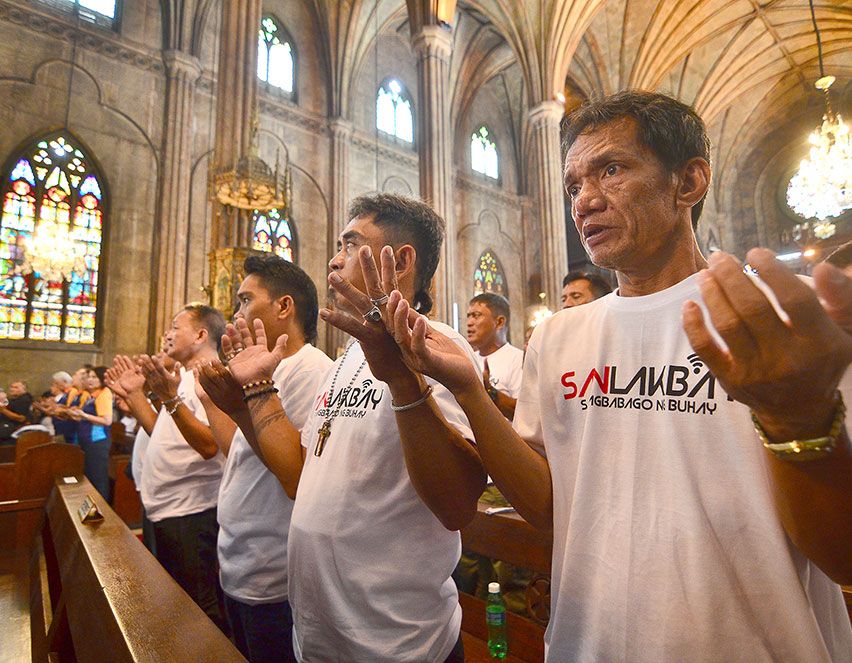
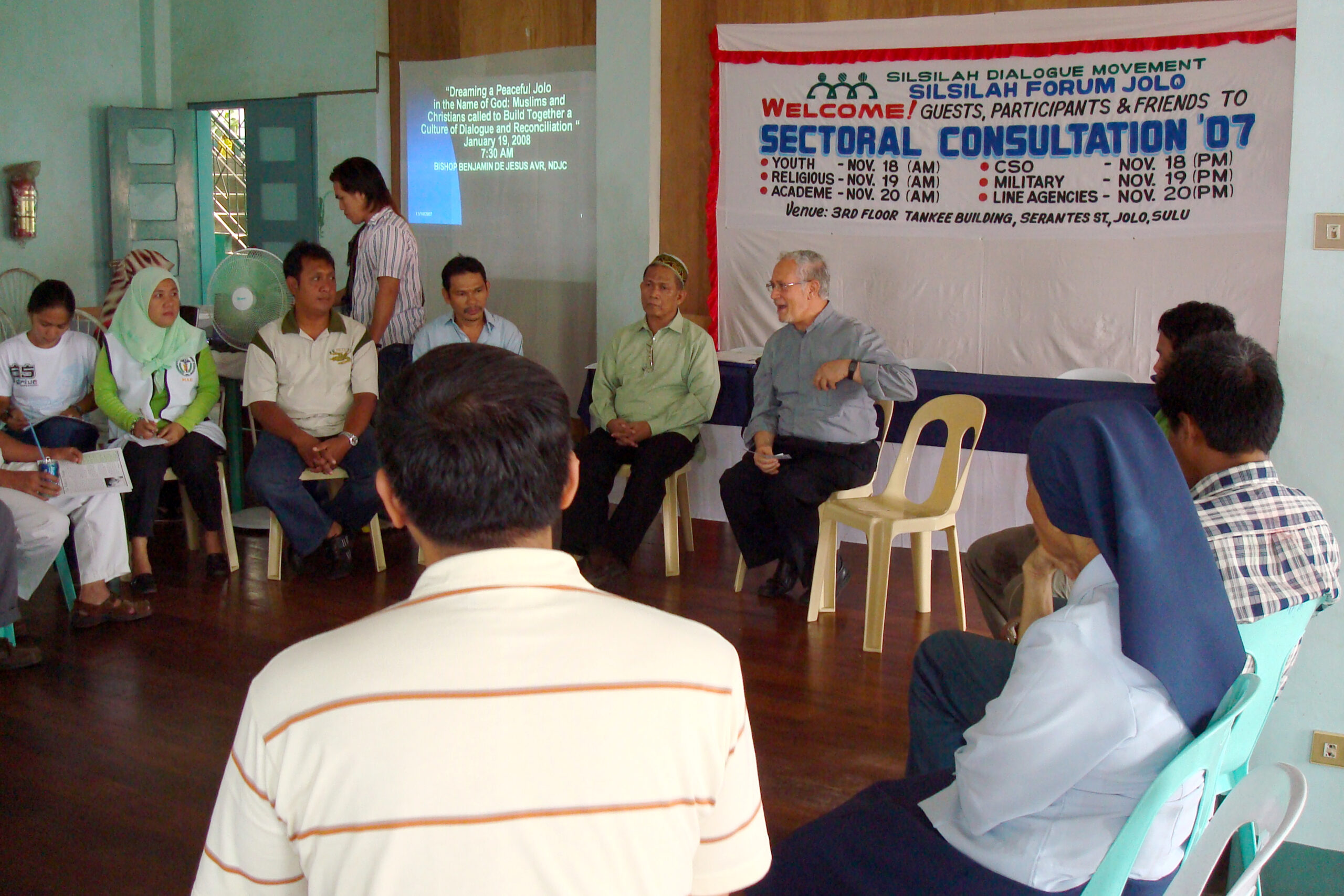
In the Philippines, the country that I know best because of my thirty years of mission in Mindanao and my commitment through the Silsilah Dialogue Movement, I observe that many Christian religious groups are now doing programs in line with dialogue for peace. In more recent time, we can observe a similar spirit among Muslims.

WRITTEN BY

SHARE THE WORD

PUBLISHED ON

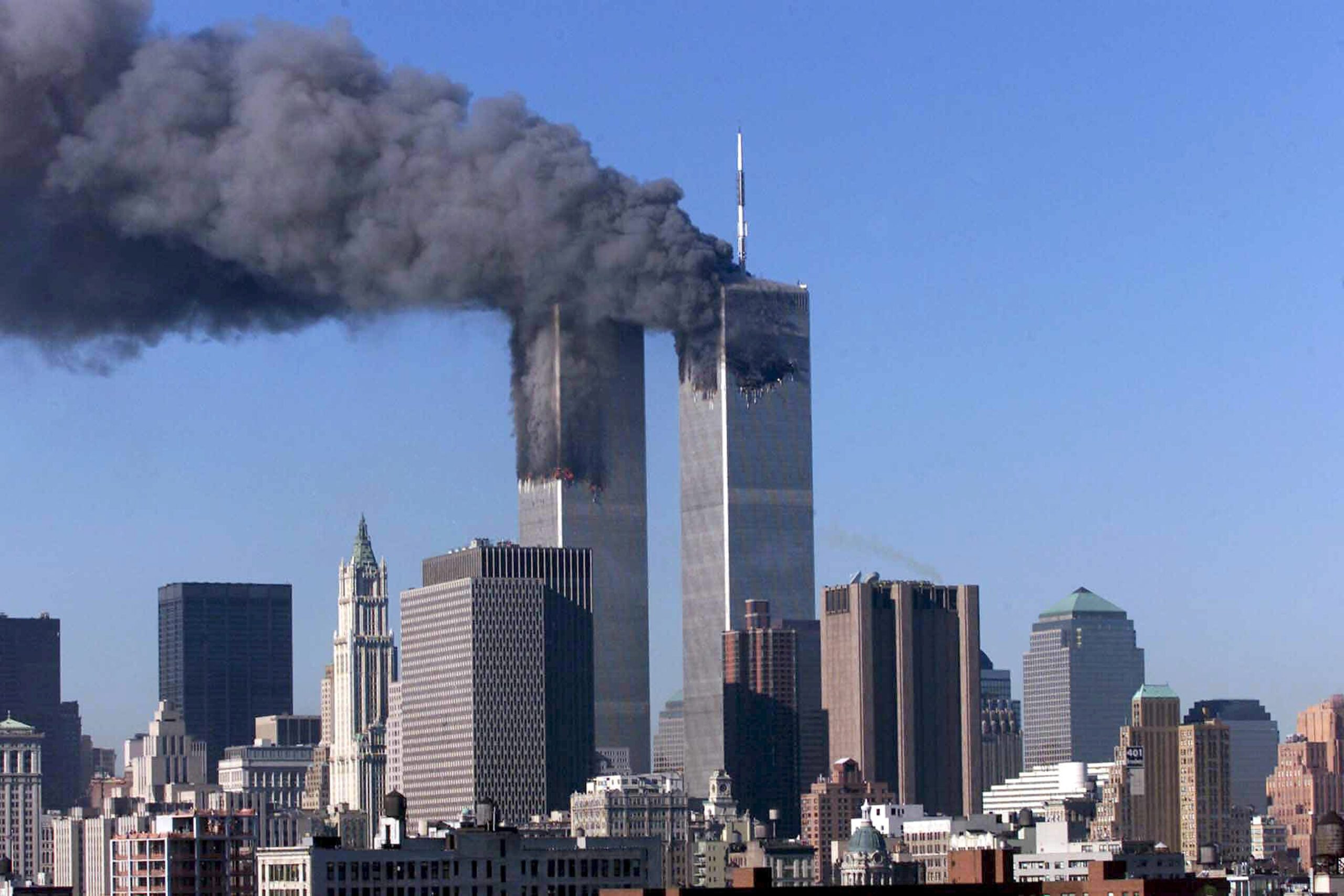
We start the year 2008 with the hope that this year will be a better time for peace in the world. This hope guides us always in our journey of life. We are called to see the signs of peace today, without ignoring the signs of violence.

Those who belong to specific religions, and those who do not have any religion but work for the common good, can be considered “believers” of peace. Religions today play an important role for the peace of the future, and we try to see and understand now the signs of peace.

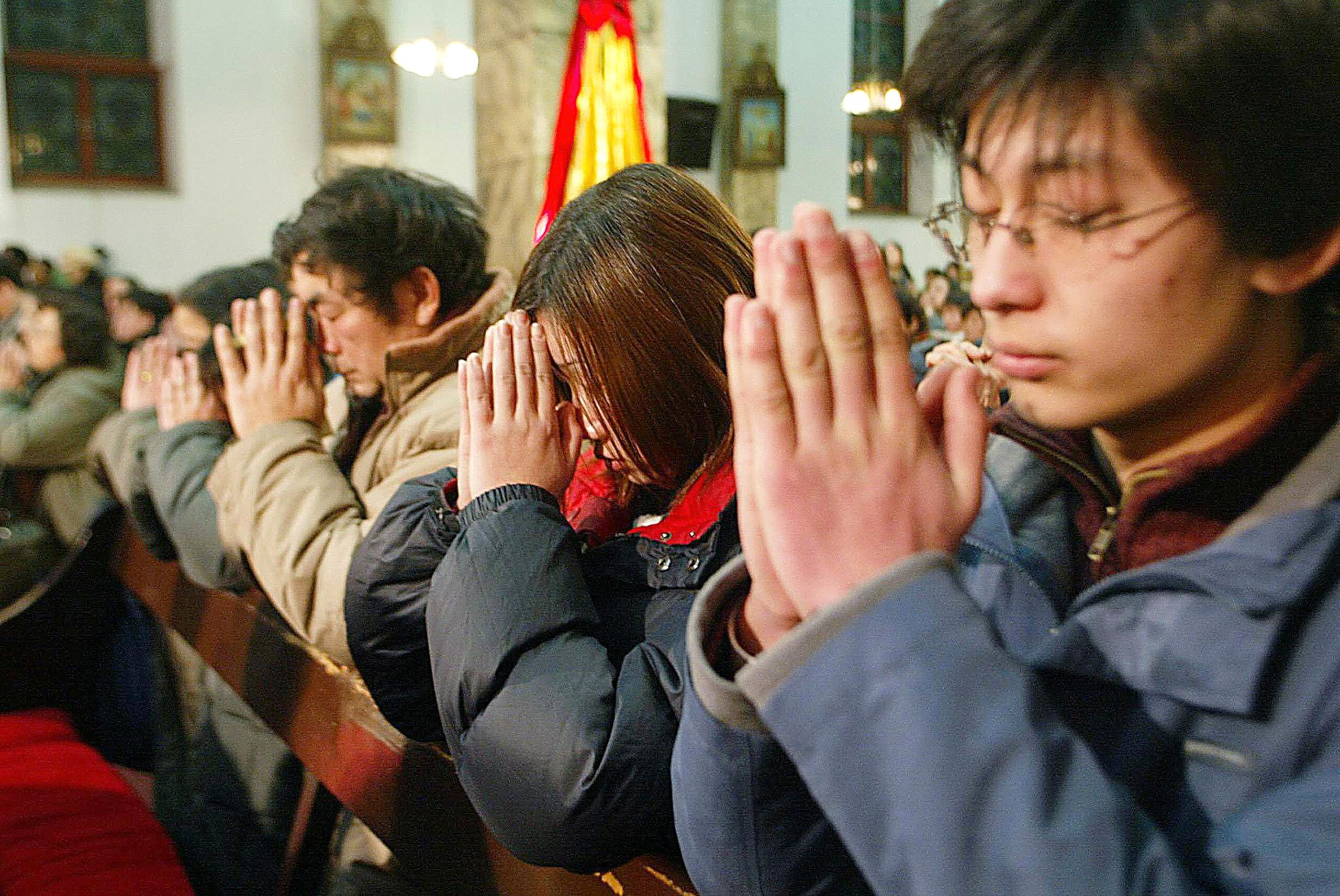
Doing this reflection, we concentrate on Christianity and Islam, the two biggest religions, whose followers together form 55% of the population of the world and directly or indirectly are influencing humanity for the future of peace.

The interreligious efforts among Christians and Muslims are becoming more relevant today. One can ask “Why?” For sure, one answer is that the times require more dialogue because of the violence in the world; but if we go deeper into this question, we find that we are still in the stage of “dialogue as a strategy.” The great challenge is to move from “dialogue as strategy” to the “spirit of dialogue.”

THE FEAR OF CONVERSION
Can we say that there is a spirit of dialogue today among Christians and Muslims? Firstly, we need to accept that the “spirit of dialogue” for a Christian and for a Muslim is different, because Muslims and Christians are guided by a different understanding of this concept arising from our respective traditions and beliefs. Secondly, we also know that both Christians and Muslims are often guided by a “dialogue” which is the fruit of fear and struggle, and not a real dialogue. However, there are signs among Christians and Muslims that we have to recognize and evaluate in their own context.

In the Philippines, the country that I know best because of my thirty years of mission in Mindanao and my commitment through the Silsilah Dialogue Movement, I observe that many Christian religious groups are now doing programs in line with dialogue for peace. In more recent time, we can observe a similar spirit among Muslims groups, although they have a certain fear that the programs of dialogue and peace in Mindanao promoted by Christians are strategies to sideline or forget the real issue of their “struggle for self determination.” For some, there is also the fear that such programs are really attempts coming from the majority Christian groups to convert them. We cannot deny that the same fear of conversion is in the mind of Christians, observing some very active groups who encourage and promote “balik Islam” (the conversion of Christians to Islam).

Silsilah Dialogue Movement, the first group started in the Philippines in 1984 to promote dialogue and is still very active, has been in contact with almost all the religious groups in many ways, especially giving formation on dialogue and peace through summer courses, for the last twenty-three years. The Movement has touched the lives and the hearts of thousands of Christians and Muslims and many of them are now in the front lines of many dialogue and peace programs.

CULTURE OF PEACE
For sure, the group that has most influenced the development of interest in Christian-Muslim dialogue in the last eleven years in Mindanao has been the Bishops-Ulama Conference (BUC), formed by the Catholic bishops of Mindanao, bishops of some Protestant groups and the Muslim religious leaders (ulama) of a respected group of ulama in the Philippines, the Ulama League of the Philippines.

The interest in interreligious dialogue, especially Muslim-Christian dialogue in the Philippines and many other parts of the world, has been often promoted in relation to the need of peace because of the world situation of violence. Thanks to the United Nations which, through UNESCO, is promoting the “Culture of Peace,” we can count today on many efforts, at the government level and the level of many other groups and institutions that promote the culture of peace in the Philippines.

We cannot ignore also the efforts of the Philippine government, through the Office of the Presidential Adviser for the Peace Process (OPAPP) and the many efforts of a good number of embassies based in the Philippines to promote dialogue and peace.

Even if many of the dialogue and peace efforts in the Philippines and other parts of the world are guided by fear, we cannot ignore this phenomenon and we are called to read the signs of the times as a signal to make use of the “momentum” to move for a better and deeper dialogue for peace. This “momentum” is challenging us in the Silsilah Dialogue Movement to promote the spirituality of life-in-dialogue as a way to promote the Culture of Dialogue, path to peace. It is an effort to encourage people to reflect on a process of a personal transformation to reach the stage of social transformation, path to peace.

MESSAGE TO THE MUSLIMS
In the context of this “momentum” of searching for peace I’d like to mention here the great effort of interreligious dialogue started with Vatican II in the sixties and, almost at the same time, the special commitment for peace in 1967 made by the Catholic Church when Pope Paul VI declared January 1 of every year as the Universal Day of Peace. On that occasion, the pope sends to the world, every year, a message of peace. In the same spirit, the Pontifical Council for Interreligious Dialogue (PCID) has encouraged dialogue, sending to the Muslim Umma on the last month of Ramadan the message “Christians and Muslims: called to promote a culture of peace.” Also relevant is the effort of the World Council of Churches (WCC) which represents most of the Protestant denominations. They have given special attention to dialogue and peace since the end of the Second World War.

The Muslim Umma has observed this new trend of dialogue among Christians and has answered with some forms of collaboration and dialogue, especially from the year 1986 when Pope John Paul II promoted the first day of prayer for peace in Assisi.

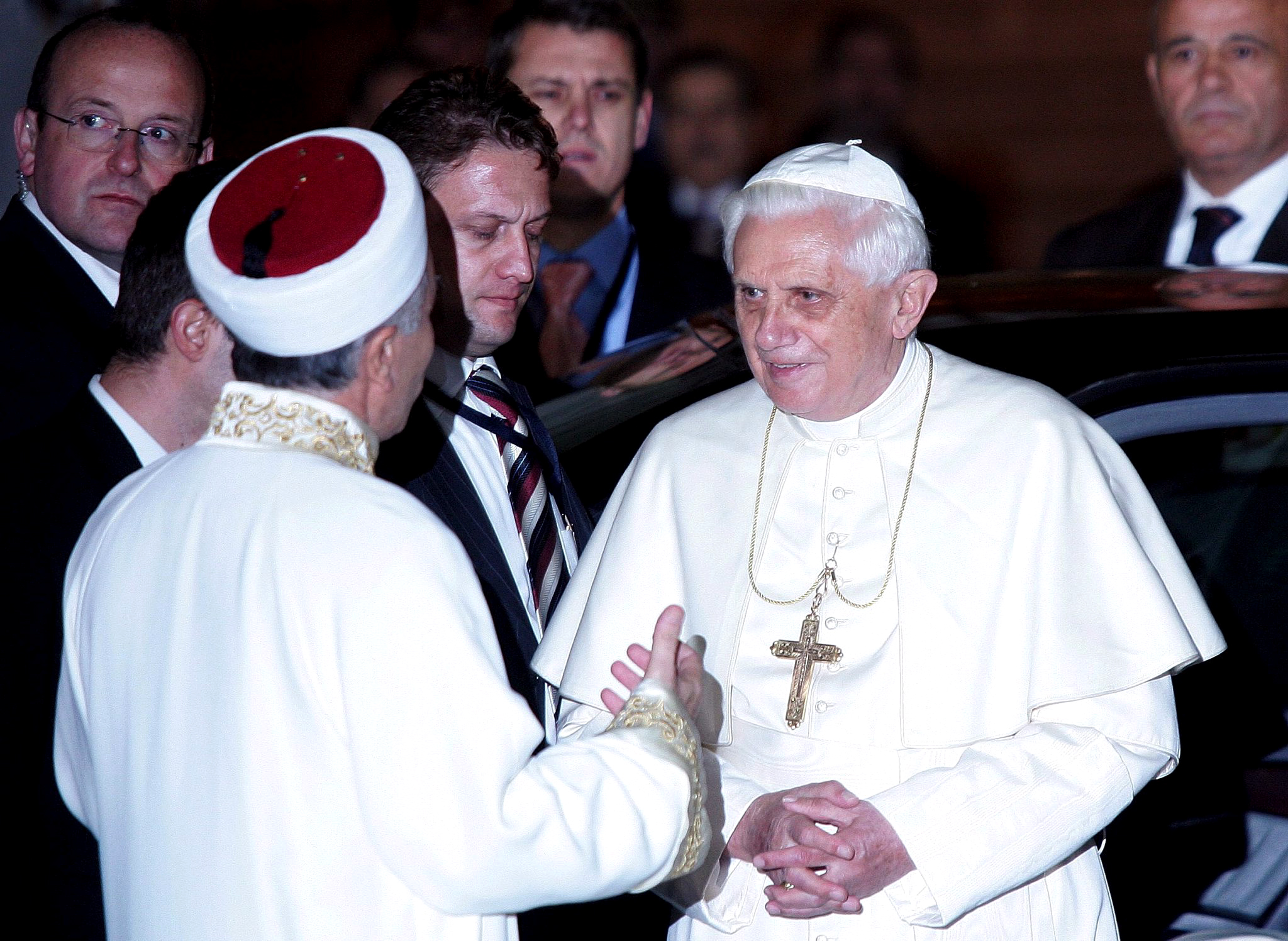
One relevant sign of dialogue coming from the Muslim Umma is the “open letter and call” of 138 Muslim leaders not only to Pope Benedict XVI, but also to the Orthodox Patriarch of Constantinople, the Archbishop of Canterbury and the leaders of the Lutheran, Methodist, Baptist and Reformed Churches. The title of the letter: “A Common Word between Us and You” was taken from the Qur’an (Sura 3:64) addressed to Jews and Christians considered by the Muslims the “Peoples of the Scripture.”

A RELEVANT SIGN
It is the first relevant sign of dialogue in history coming from the Muslim Umma. Although not all the 138 are the top Muslim leaders, nevertheless, they are leaders highly respected and the letter comes after that of the 38 Muslim scholars addressed to Pope Benedict XVI after his lecture in Regensburg.

The new letter of the 138 Muslim religious leaders is a good sign of dialogue especially because quotations are taken from the Qur’an and from the Bible and clearly condemns violence, saying: “As Muslims, we say to Christians that we are not against them and that Islam in not against them − so long as they do not wage war against Muslims on account of their religion, oppress them and drive them out of their homes (cf. sura 60,8).

The letter adds a special note to those who use violence even among the Muslims: “To those who, nevertheless, relish conflict and destruction for their own sake or reckon that, ultimately, they stand to gain through them, we say our very eternal souls are all at stake if we fail to sincerely make every effort to make peace and come together in harmony.”

THE COMMON ENEMY
As a conclusion of these few points of reflection, we can say that this is the worst time of history, but it is also the best of time, for the ideal of dialogue. This time is in our hands; we have a great responsibility for future peace. We are called to read the messages of this “momentum” to build a peace based on the centrality of God in history. We have to fight as Christians and Muslims, together with people of other religions, to remove the common enemy of materialism and relativism that are destroying our life and our future.

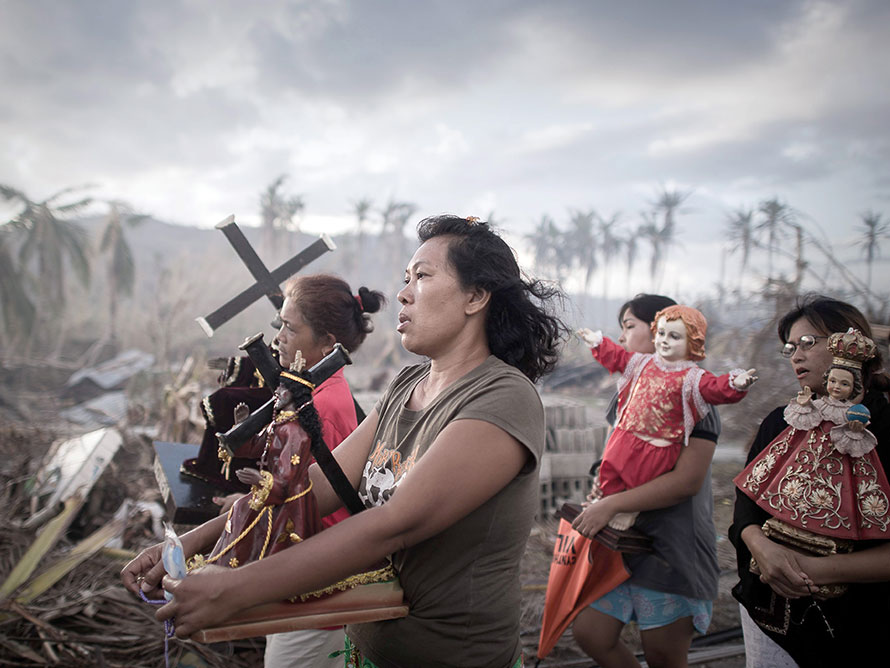
I hope the new generation will forgive us because we have lost our way with our violence and materialism. Though we have regained with courage what we have lost, still we will give them a wounded world, offering hope that comes from wounded healers and passing to them the torch of the “Olympians of Peace.”

Share Your Thoughts

All comments are moderated

From The Same Issue

The articles and content about this issue

From The Same Issue

The articles and content about this issue

From This Topic

The articles and content about this topic

From This Topic

The articles and content about this topic

WM Special

The three little shepherds

Explore Other Topics

Browse other coverage

Explore Other Topics

Browse other coverage

WM SPECIAL

Presents, discusses and draws readers to reflect on issues of outmost relevance to the world today.


FRONTIERS

Very often, mission is carried out in frontier situations around the world. Those who embrace these situations have much to share.


UNITY IN DIVERSITY

Writer Ilsa Reyes will be exploring the richness of Pope Francis’s latest encyclical Fratelli Tutti with a view of helping our readers to get a grasp of the this beautiful papal document.


FRONTLINE

Puts to the front committed and inspiring people around the world who embrace humanitarian and religious causes with altruism and passion.


IN FOCUS

Focus on a given theme of interest touching upon social, economic and religious issues.


FAITH@50

As the Philippines prepares to celebrate 500 years of the arrival of Christianity. Fr. James Kroeger leads us in this series into a discovery journey of the landmark events in the history of faith in the Philippine archipelago.


INSIGHT

Aims to nurture and inspire our hearts and minds while pondering upon timely themes.


FILIPINO FOCUS

The large archipelago of the Philippines, in its richness of peoples and cultures, offers varied and challenging situations for mission.


FOLLOW ME

Reflections and vocation stories that shape up the lives of young people.


MISSION IS FUN

As humor and goodness of heart are qualities of Christian and missionary life, the new column “Mission is fun” will be publishing some anecdotes and stories that have happened in a missionary context to lighten up the spirits and trigger a smile in our faces.


LIVING COMMUNION

To help readers of World Mission live this year dedicated to Ecumenism, Interreligious Dialogue and Indigenous Peoples, Tita Puangco, writer and lecturer, shares in this section insights on the spirituality of communion.


WINDS OF THE SPIRIT

A historic view of the Catholic movements that emerged from the grassroots as an inspiration by the Holy Spirit.


BRIDGE BUILDERS

On the Year of Ecumenism, Interreligious Dialogue and Indigenous Peoples, radio host and communicator Ilsa Reyes, in her monthly column, encourages Christians and people of good will to be one with their fellow people of other sects, religions and tribes.


INTERVIEW

Questions to a personality of the Church or secular world on matters of interest that touch upon the lives of people.


WORLD TOUCH

News from the Church, the missionary world and environment that inform and form the consciences.


CARE OF THE EARTH

A feature on environmental issues that are affecting the whole world with the view of raising awareness and prompting action.


EDITORIAL

The editor gives his personal take on a given topic related to the life of the Church, the society or the world.


YOUNG HEART

A monthly column on themes touching the lives of young people in the Year of the Youth in the Philippines by radio host and communicator I lsa Reyes.


SCROLL

A missionary living in the Chinese world shares his life-experiences made up of challenges and joyous encounters with common people.


EXTRAORDINARY PEOPLE

Life stories of people who deserve to be known for who they were, what they did and what they stood for in their journey on earth.


ONE BY ONE

Stories of people whom a missionary met in his life and who were touched by Jesus in mysterious ways.


INCREASE OUR FAITH

Critical reflection from a Christian perspective on current issues.


SPECIAL MOMENTS

Comboni missionary Fr. Lorenzo Carraro makes a journey through history pinpointing landmark events that changed the course of humanity.


PROFILE

A biographical sketch of a public person, known for his/her influence in the society and in the Church, showing an exemplary commitment to the service of others.


WM REPORTS

Gives fresh, truthful, and comprehensive information on issues that are of concern to all.


LIFE'S ESSENTIALS

A column aimed at helping the readers live their Christian mission by focusing on what is essential in life and what it entails.


ASIAN FOCUS

Peoples, events, religion, culture and the society of Asia in focus.


THE SEARCHER'S PATH

The human heart always searches for greatness in God’s eyes, treading the path to the fullness of life - no matter what it takes.


INDIAN FOCUS

The subcontinent of India with its richness and variety of cultures and religions is given center stage.


AFRICAN FOCUS

The African continent in focus where Christianity is growing the fastest in the world.


JOURNEY MOMENTS

Well-known writer and public speaker, Fr. Jerry Orbos, accompanies our journey of life and faith with moments of wit and inspiration based on the biblical and human wisdom.


IGNATIUS STEPS

On the year dedicated to St. Ignatius of Loyala, Fr. Lorenzo Carraro walks us through the main themes of the Ignatian spirituality.


THE SEVEN LAST WORDS OF JESUS

Fr. John Taneburgo helps us to meditate every month on each of the Seven Last Words that Jesus uttered from the cross.


INSIDE THE HOLY BOOK

In this section, Fr. Lorenzo delves into the secrets and depths of the Sacred Scriptures opening for us the treasures of the Sacred Book so that the reader may delight in the knowledge of the Word of God.


CONVERSATIONS

Reflections about the synodal journey on a conversational and informal style to trigger reflection and sharing about the synodal path the Church has embarked upon.


VATICAN II

This 'mini-course' series provides a comprehensive exploration of Vatican II, tracing its origins, key moments, and transformative impact on the Catholic Church.


COMBONIS IN ASIA

This series offers an in-depth look at the Comboni Missionaries in Asia, highlighting their communities, apostolates, and the unique priorities guiding their mission. The articles provide insights into the challenges, triumphs, and the enduring values that define the Comboni presence in Asia.


BEYOND THE SYNOD

Following the Synod on Synodality, this series examines how dioceses, parishes, and lay organizations in the Philippines are interpreting and applying the principles of the synod, the challenges encountered, and the diverse voices shaping the synodal journey toward a renewed Church.


A TASTE OF TRADITION

This series introduces the Fathers of the Church, featuring the most prominent figures from the early centuries of Christianity. Each article explores the lives, teachings, and enduring influence of these foundational thinkers, highlighting their contributions the spiritual heritage of the Church.


A YEAR OF PRAYER

In preparation for the 2025 Jubilee Year under the theme “Pilgrims of Hope,” 2024 has been designated a Year of Prayer. World Mission (courtesy of Aleteia) publishes every month a prayer by a saint to help our readers grow in the spirit of prayer in preparation for the Jubilee Year.


OUR WORLD

In Our World, the author explores the main trends shaping contemporary humanity from a critical and ethical perspective. Each article examines pressing issues such as technological advancement, environmental crises, social justice, and shifting cultural values, inviting readers to reflect on the moral implications and challenges of our rapidly changing world.


CATHOLIC SOCIAL DOCTRINE

This series unpacks the principles of Catholic Social Doctrine, offering a deep dive into the Church's teachings on social justice, human dignity, and the common good.


HOPEFUL LIVING

Hopeful Living’ is the new section for 2026, authored by Fr. James Kroeger, who dedicated most of his missionary life to the Philippines. In this monthly contribution, he will explore various aspects of the virtue of hope. His aim is to help readers align their Christian lives more closely with a hopeful outlook.


PHILIPPINE CROSSROADS

Filipino Catholic scholar Jose Bautista writes each month about how the Philippines is at a crossroads, considering the recent flood control issues and other corruption scandals that have engulfed the nation. He incorporates the Church’s response and its moral perspective regarding these social challenges.


BIBLE QUIZ

Test your knowledge and deepen your understanding with our Bible Quiz! Each quiz offers fun and challenging questions that explore key stories, themes, and figures from both the Old and New Testaments.


Shopping Cart