
When I was a primary school pupil in my native Verona, Italy, one of the highlights of the year was the traditional visit to the local African Museum. There I could look in wonder at the stuffed animals from Africa, feel the sting of the arrows and listen to the drums of the Zande from the Sudan. The Museum was attached to the mother house of the Comboni Missionaries. Our visit there would only be complete after meeting one of the old missionaries who had worked in Africa for ages. He would tell us his adventures, filled with suspense.
Today, an experience like that would be impossible. The adults would simply smile; the younger ones would be bored. Yet, many people still hold on to the myth of a romantic missionary. Many still consider the real mission the one that places the missionary in a village, complete with a river where women go to fetch water, and a bonfire, around which the elders pass on the wisdom of the tribe in the long evening hours. The missionary is there, evangelizing those people who have little or no contact with the modern world. This vision is a left over from the past. It certainly does not refer to the reality of evangelization today.
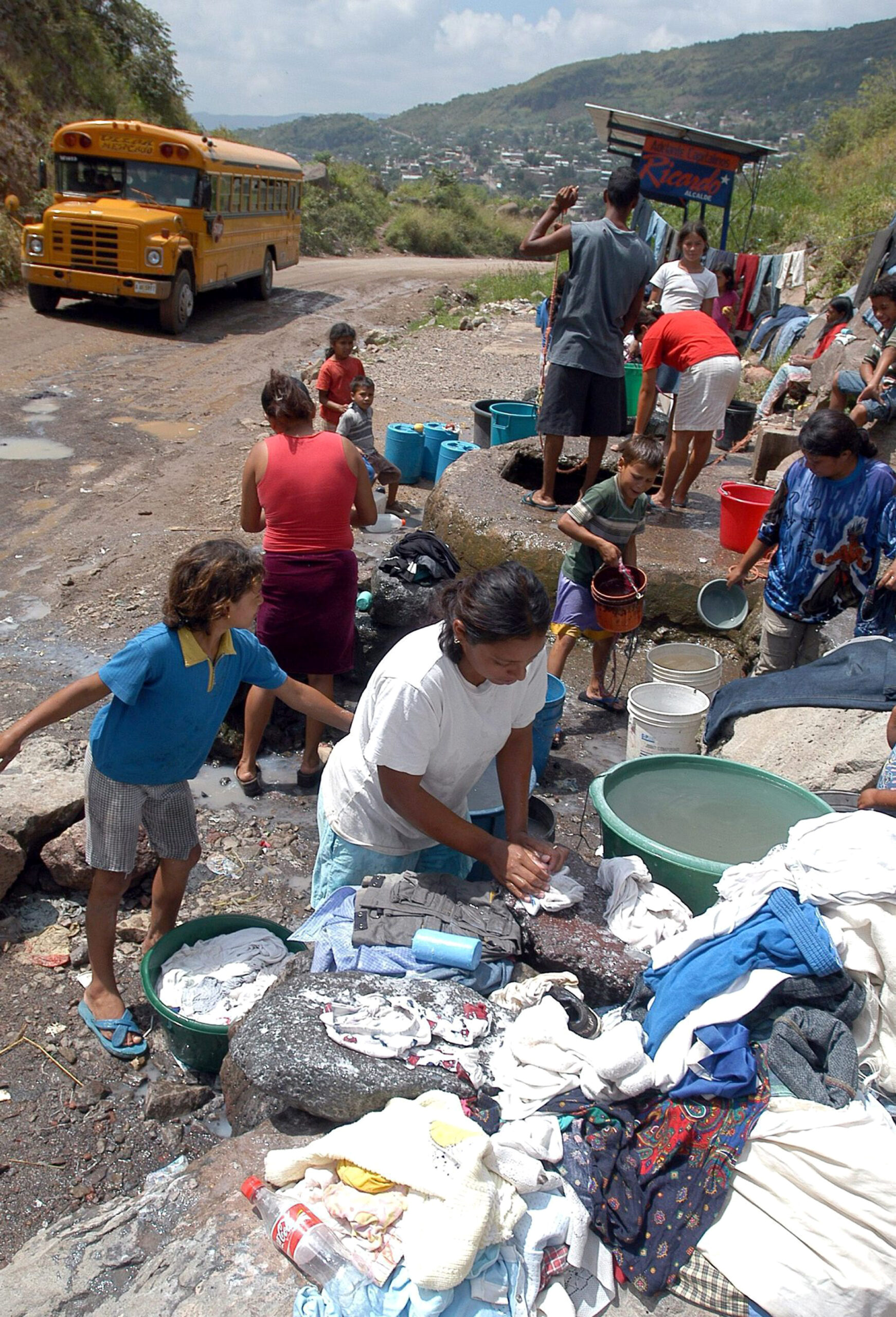
In today’s world, there are few remote villages. Certainly, there are plenty of people who live far from the cities and the technological advances they offer. Yet, Africa, Asia, and Latin America have come a long way and they are moving fast in new directions. Besides, the geography of mission has changed. While, in the past, it was safe to identify mission territories with the South of the world, today evangelization has become a global enterprise.
THE COMMUNICATION CHALLENGE
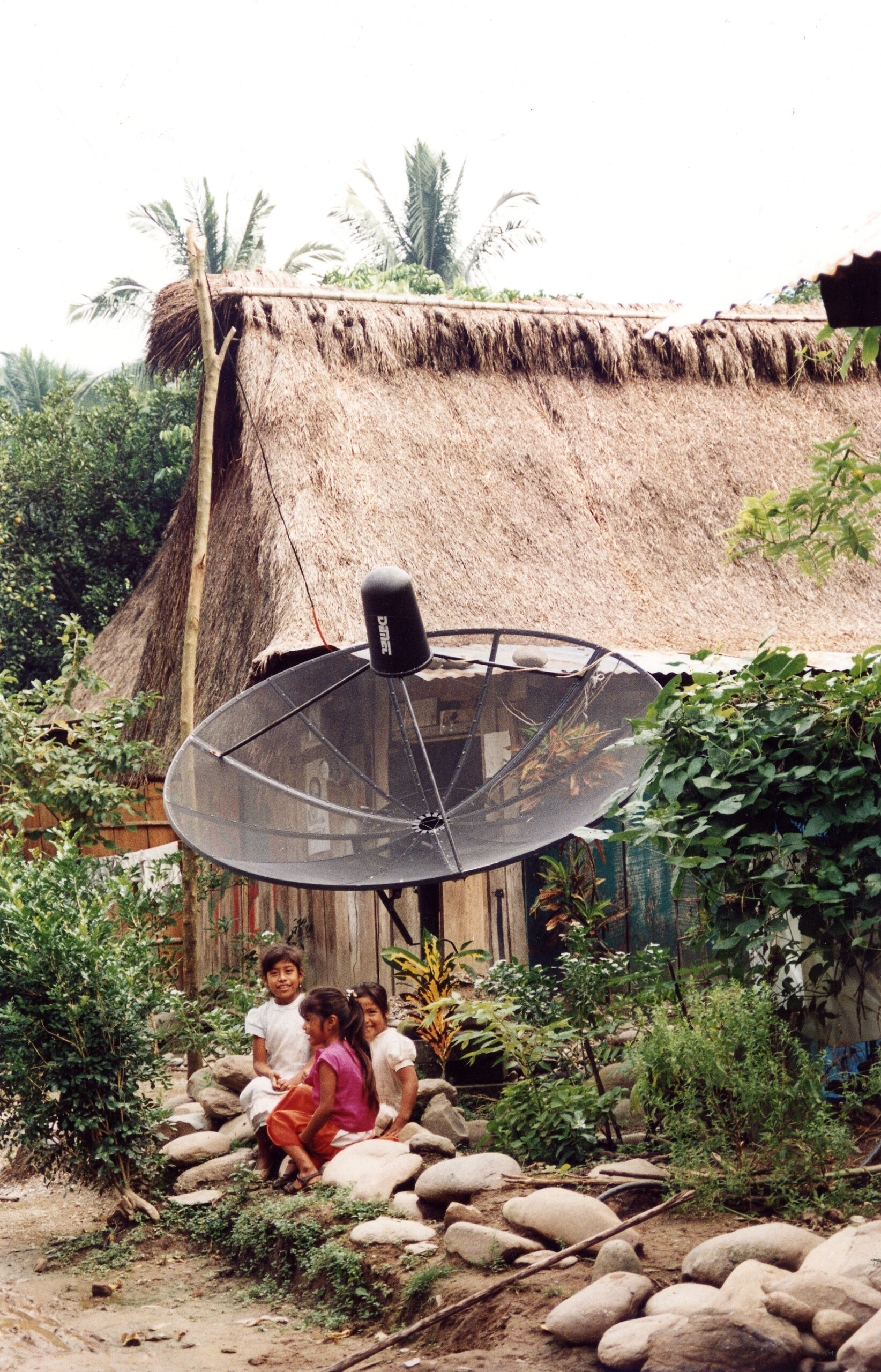
According to studies, the majority of people worldwide will live in urban areas very soon. Already today, the cities are the place where new ideas are forged and the future of the continents is taking shape. A practical example comes from the world of communication. Just ten years ago, there were less fixed telephone lines in sub-Saharan Africa than in Manhattan, a neighborhood of New York. Today, the number of fixed lines has gone even lower, but millions of Africans use mobile phones to communicate. One of the most common scenes in Africa today is a person fidgeting with a mobile phone, receiving or making calls, even in remote rural areas.
The same experience applies to all emerging countries. This new ease in communication has opened the way to a revolution in the way people think and in their perception of the future. The Church cannot afford to be left out of these changes. Like all social and cultural developments, these are events that challenge its evangelization methodology. The mission to the peoples is changing. All the documents of the universal Church of the past two decades state the need to find the new ‘spaces’ of mission. The local Churches need to explore new areas where evangelization is needed. In my opinion, these are culture, the economy and politics.
A SOCIAL REVOLUTION
The Church is actively present in all sub-Saharan countries where its social impact is undeniable. This is not true of cultural life. It is enough to follow the local media to realize that the Church is often absent; the faith being represented superficially or even in negative terms. This happens while the Churches − including Protestant denominations − have done much to provide education, even in the farthest corners of Africa, and to support local literature and media. In reality, evangelization has, up to now, made only a little dent in the way people evaluate reality. The Church has asked the people to look up to Jesus as a religious Savior. More is needed to emphasize that faith in Jesus means enacting a social revolution, a deep change in our attitudes towards the world and the way we value life.
Many Christians are confused by the insistence on inculturation. They understood inculturation as liturgical adaptation. Little effort has been exerted to push the local Churches to find local ways to express their faith, i.e. how to transform the way Christians live within society. As long as inculturation remains stuck to translating liturgical texts and acquiring signs and behavior from a faded past, there will be no true inculturation, but only the illusion of Africanizing the faith.
ECONOMY AND POLITICS
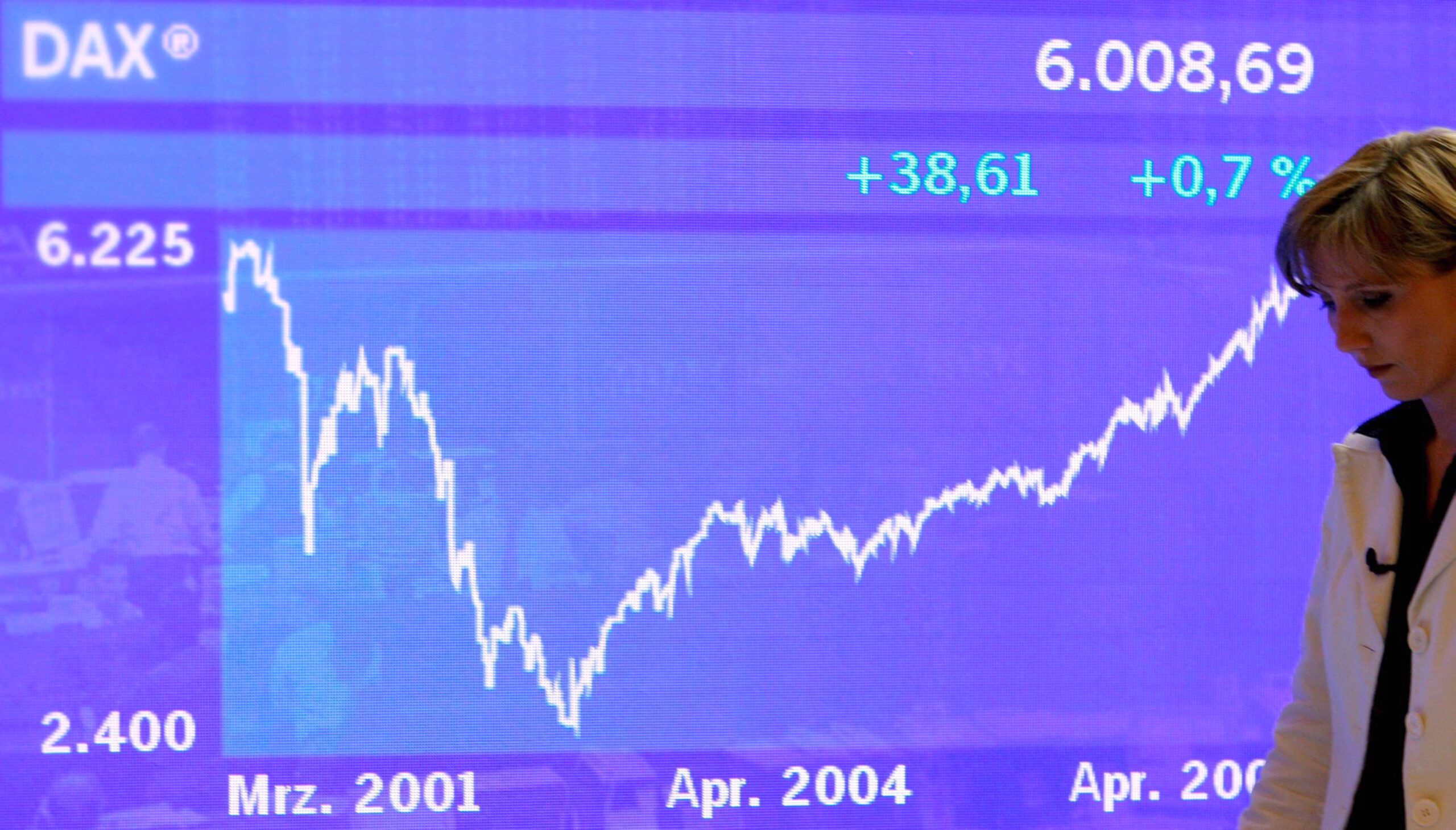
The financial world needs evangelization. We live in a more and more globalized world. Decisions taken by a multinational company can, and indeed do, have a strong influence on millions of people. How many resolutions are taken everyday without taking in due consideration the ethical issues? There is the tangible risk of creating and supporting real structures of sin. Even at local level, the Gospel needs to challenge the economy. Yet, it is not enough to ask Christians to show their faith in their financial dealings. It is important to help the financial world, the institutions and the people involved in them, to recognize human rights, to appreciate the service due to the poor, the attention to just profit and just sharing of common goods. These are areas where little is being done today.
The African political arena is as far from the Gospel as one can have it. Most political parties do not refer to any specific ideology. They do not have a code to comprehend and analyze society. They do not offer new solutions to a nation’s problems for they do not have a vision to propose. Most politicians do not understand their role as a service to the nation; they work only to reach personal goals. Of course, there are good principled people who sincerely want to build up their country. They are often inadequately guided by their lack of human and intellectual formation. A pastoral approach to politics would do a mountain of good. It would certainly help the insertion of Gospel values in the political world, in the structures of power and in the decisions that shape a nation. There are already positive examples to show that politicians are not opposed to the Gospel. What we miss are evangelizers that would proclaim the Word in the corridors of power.
TO EVANGELIZE SOCIETY
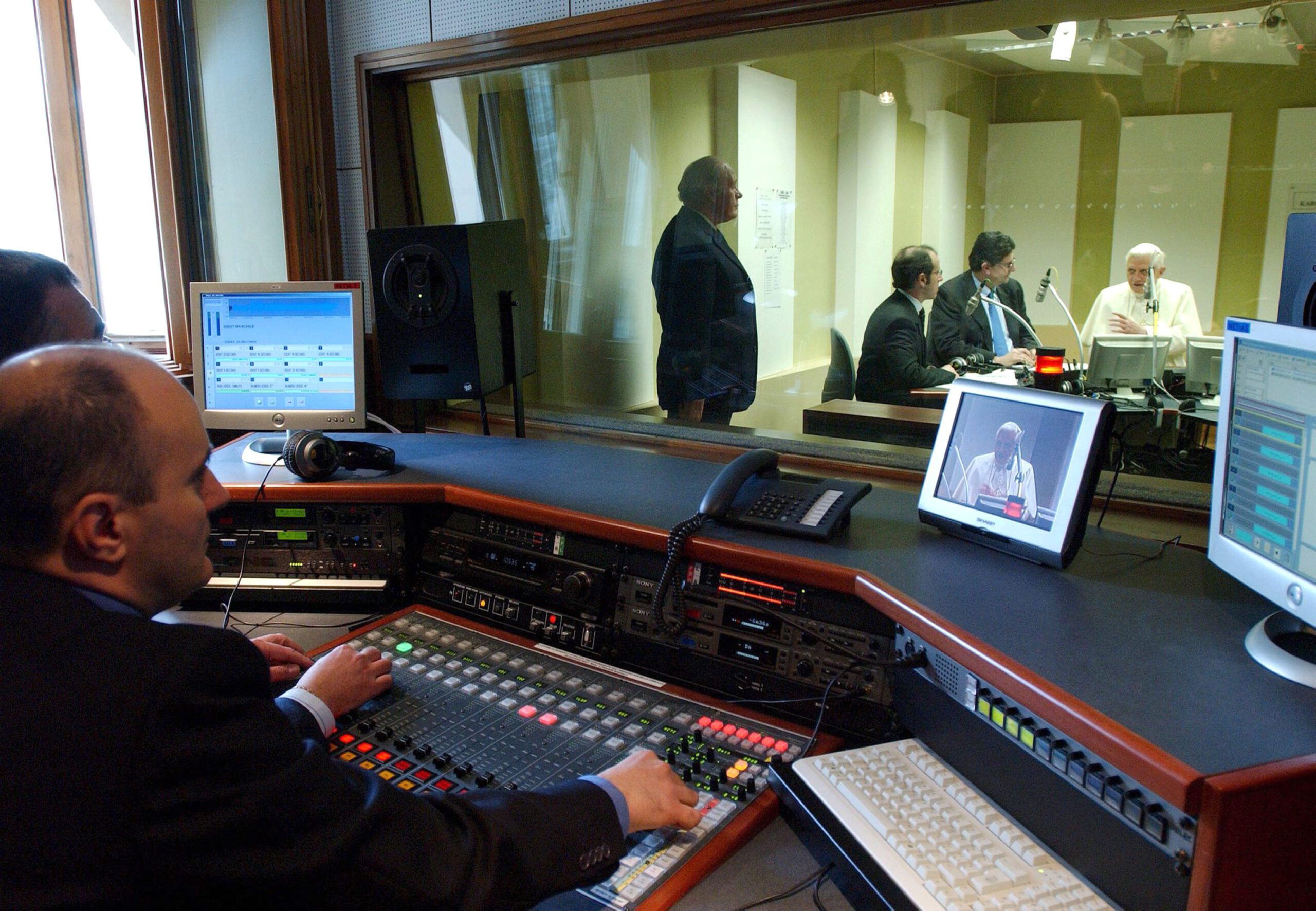
The evangelization of society, of the people that make up a nation, needs instruments. We have already spoken of human and professional formation. There is another instrument that is often talked about, and as often poorly used: the mass media. The Church owns many media. Some of these are important and have a considerably high impact on Church and society. It is enough to mention that the BBC, a British media powerhouse never too tender with Catholics, has acknowledged Radio Pacis − the Catholic radio station of the diocese of Arua, Uganda − as the best new radio in Africa in 2006. In the Middle East, Christians follow avidly Tele Lumiere, a television broadcasting from Lebanon in French and Arabic. Other televisions address local audiences. Without distinction, Christians and Muslims in Palestine tune in to Al Mahed, a private television of Christian inspiration broadcasting from Bethlehem and covering the whole of Palestine and part of Israel. The examples can go on. Think of the many magazines edited by local Churches and Catholic institutions that are distributed at continental level. The same can be said of book publishing, and the Catholic presence in the worldwide net.
Yet, Catholic media − even when they have a wider circulation than secular media − do not seem to have a great impact on society at a larger scale. Why? The answer is simple. Much too often, our media speak to the Church, forgetting to evangelize the society. We have many radio stations that talk to the faithful, yet forget to offer a space to those who do not know the Gospel. The same can be said of books, magazines and other mass media. This being the reality, there is plenty to do to reach people where it counts: in their mentality, in their social attitudes, in offering possible alternatives enlightened by the Gospel. Media are a powerful tool to present new ways of thinking. Evangelization then needs to use the media to pass the Gospel along. This should be done following a few guidelines.
NEWS ARE NOT ENTERTAINMENT
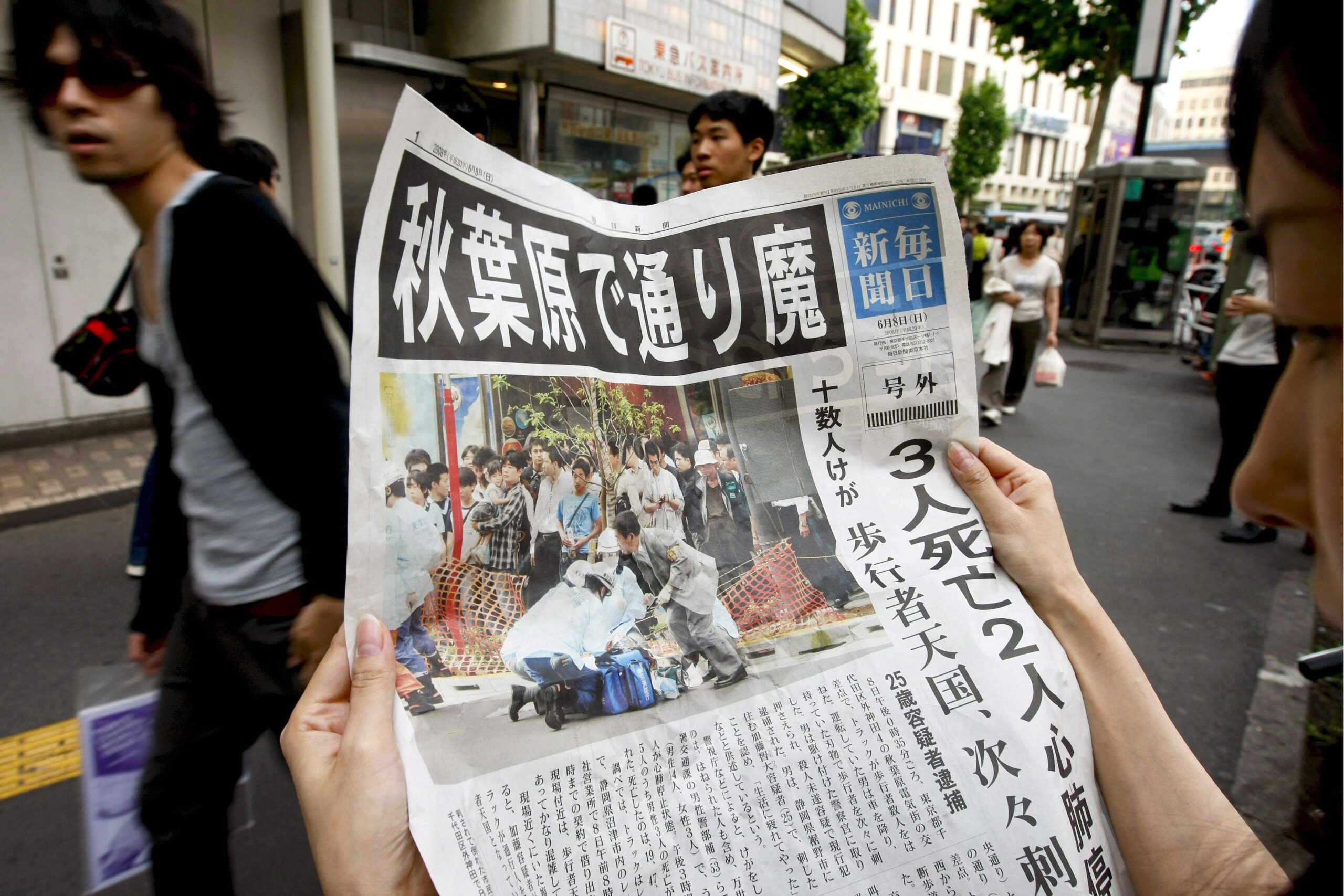
Much of the way we perceive the world today is influenced by the news we receive. A few media houses have kept a high standard in both choosing the news and the way they relate them. Most media houses are moving towards changing the news into light shows. This is true not only of worldwide networks, but also of local media houses. Granted that objectivity is a myth, the duty of journalists to represent reality without overloading news with prejudices, personal opinions, and the responsibility to give importance to what is important, still remains. Instead, news bulletins around the world have become an entertainment show. Web editions of electronic media highlight the news that are bound to attract people’s attention: those with dark details, those with sexual backgrounds, and those with spectacular pictures, especially shocking ones.
News is a ‘place’ where to evangelize. A Christian communicator can easily approach news editing and broadcasting from a new point of view. Instead of looking for scandal-worthy materials, a journalist can investigate realities that touch the lives of people. By reporting and analyzing facts from this point of view, journalists can help people to reflect on values − human rights, honesty, love, etc. − and facilitate the growth of a new mentality, where people will be less ready to accept political and financial behaviors that harm society.
The world of entertainment is also a place of evangelization. Media have a duty to entertain, but also to educate. This can be done with the Gospel in the background. Once again, the Gospel does not have to take the center stage. Yet, it can still influence the themes chosen, and the way they are performed. A good example comes from the movie channel Hallmark. This is a commercial cable and satellite television that broadcasts mainly movies and miniseries for family viewers. Its programs have a Christian overtone, without emphasizing anything religious. This channel was born with the fusion of two Christian televisions. Even though the Christian heritage is now less evident than before, Hallmark remains an example of the possibility to create quality entertainment and education programs without becoming parochial or close-minded.
FROM THE ROOFTOPS
Certainly, media can be a vehicle of change. Christian media is a way to prepare society to receive the Good News. Using media, the Church can also openly proclaim the Gospel. On one hand, the media can reach the People of God and offer deeper information about the faith. On the other hand, people who have not yet been exposed to the proclamation of the Gospel can hear it and be won by it. The mission to the peoples who have not yet heard the Gospel is still needed, and media is a tool that cannot be overlooked.
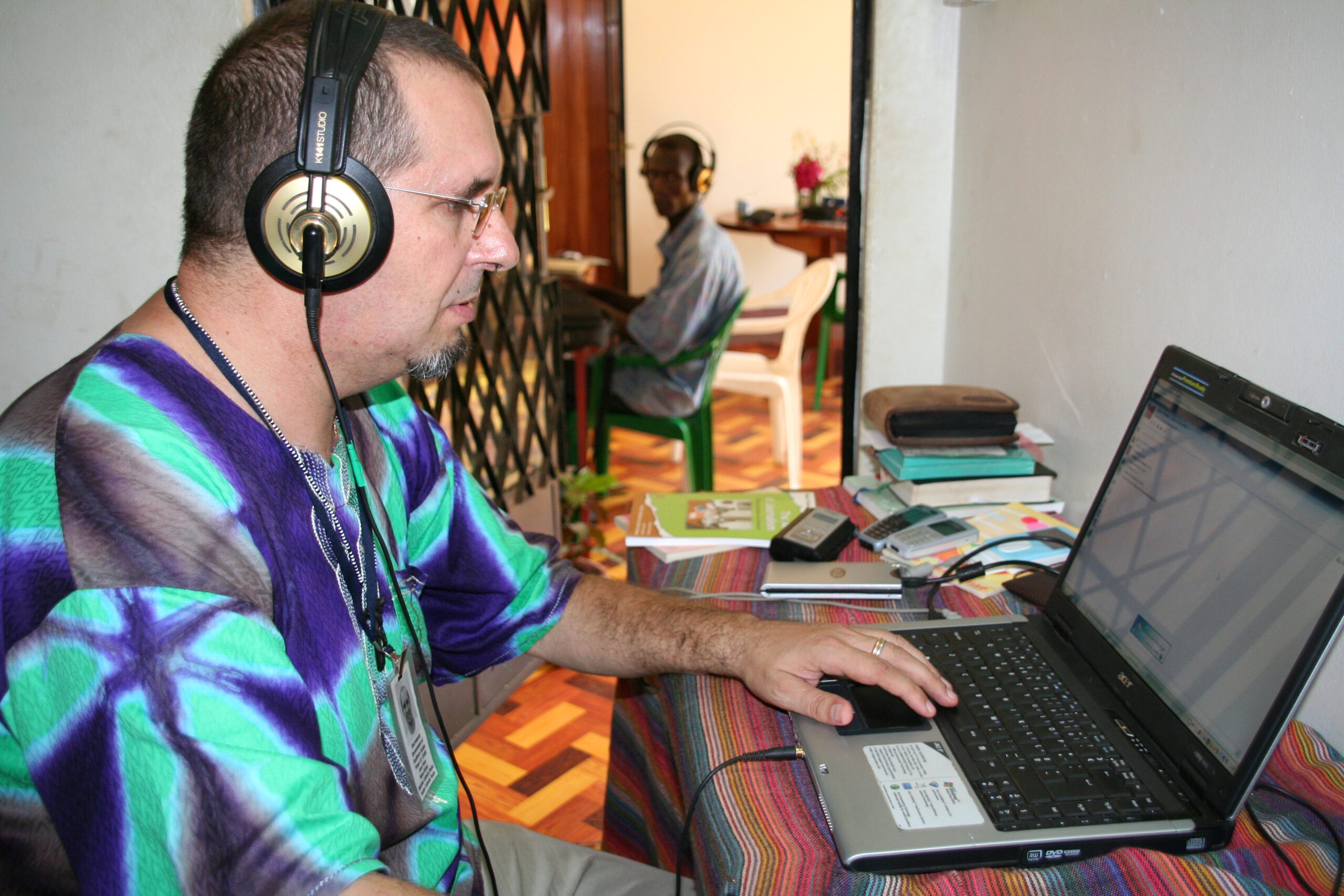
Using media for evangelization does not even need a sophisticated and expensive network. Throughout Africa, radio is the most used media. Even in the farthest corner of the continent, it is common to see people hooked to their radios. When I was parish priest in Ongata Rongai, in the diocese of Ngong (Kenya), the pastoral office asked me and other Church personnel to prepare a series of radio programs on Lent using the Maasai language.
They were broadcasted by the national radio and listened to by every single Maasai in the diocese. Most probably, we reached out to more Maasai during those brief programs than in all our parish ministries combined. The Church in Latin America is experiencing a similar return. Local radios are able to reach people, address issues important to them and proclaim the Gospel in a language that is understandable in their cultural setting. Radio is used in such areas where it is difficult to reach all the communities regularly, like on the Andes or in the Amazonian Forest. Small mobile radio transmitters are common in India to broadcast to people living in a radius of a few kilometers. Once again, evangelizers can talk to a specific audience proclaiming the Good News tuning in the needs and expectations of the people they address.
Jesus told us that the truth of the Gospel would be proclaimed from the rooftops. Today, these rooftops are the many media at our disposal. The Church is already using them with different degrees of success. It is important that all local communities develop a style of communication that will facilitate the passing on of the Good News. Particular attention is to be given to the internet. Many young people are at home surfing the web, and often they feel freer to discuss issues and deepen knowledge using the net, instead of personal encounters. If this is the case, then it is important to be present in this digital world, with captivating and well-produced sites, with proposals that challenge the status quo and support change.
A RENEWED APPROACH
The use of media calls also for a renewed pastoral approach. Today, networking is important. Activities, pastoral programs, special initiatives will work only if people are aware of them. Using media, the Church can amplify the result of a single initiative by involving many more people than what a local activity could do. Media allow people living far away from each other to be part of events and share experiences. Cooperation among Church personnel is then vital. After all, Jesus called many of the Apostles because they were experts in… networking.