
2025 is significant, for apart from the ordinary Jubilee of the Church, tagged as “Pilgrims of Hope,” the local Church of Parañaque also celebrates a double Jubilee in honor of the Virgin, particularly the 400th anniversary of her enthronement in the parish and the 25th anniversary of her canonical coronation.
Adapting the theme: “From his fullness we have all received, grace upon grace,” which is lifted from the Gospel of St. John (1:16), for truly it is a myriad of graces not only to celebrate the time in the Church when the doors of mercy are opened, but also these significant milestones in this humble portion of the archipelago where the Blessed Mother made her presence felt through the good events bestowed over her sons and daughters throughout the years.
Considered to be the third oldest Marian image in the country, the Virgin’s title itself is unique, for when it is translated from Spanish, the words, Buen Suceso, literally mean Good Event.
What is the Good Event or what does it pertain to in this case? It is none other than the coming as man of our Lord Jesus Christ, the Good Event of our lives, who brought us redemption from sin through his passion, death on the cross, and resurrection.
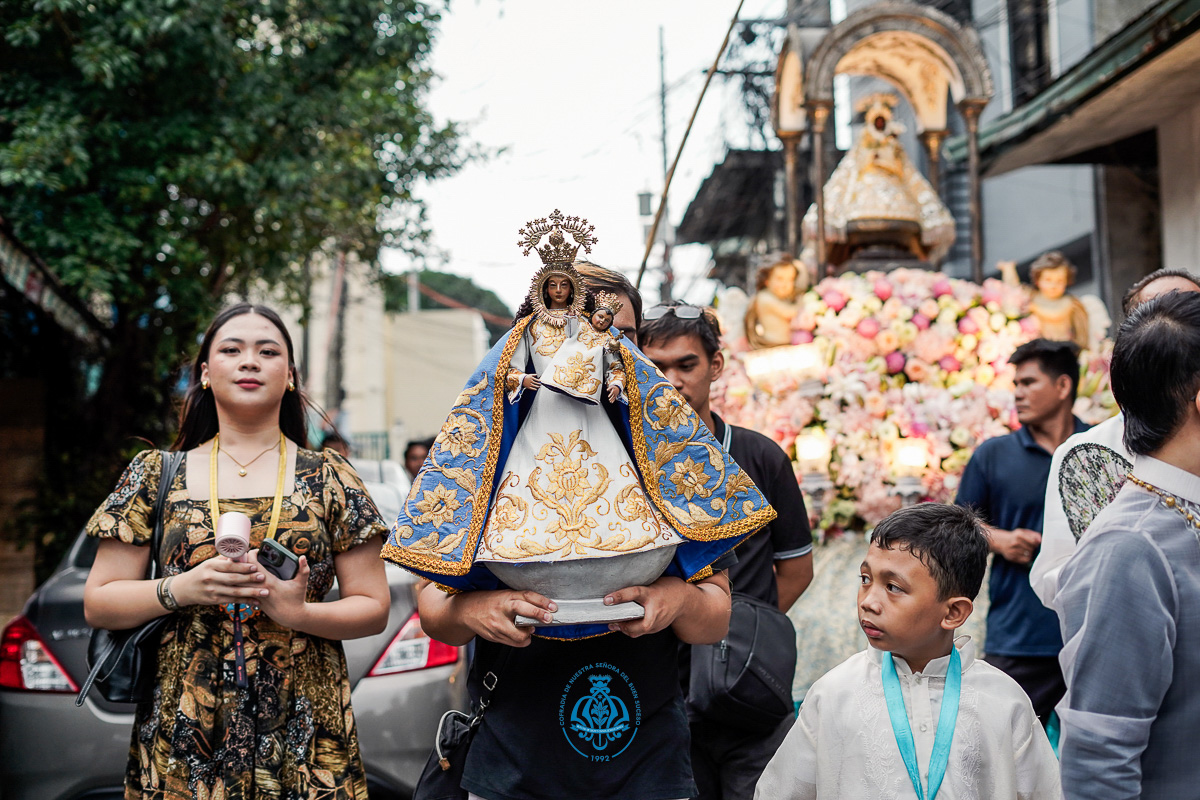
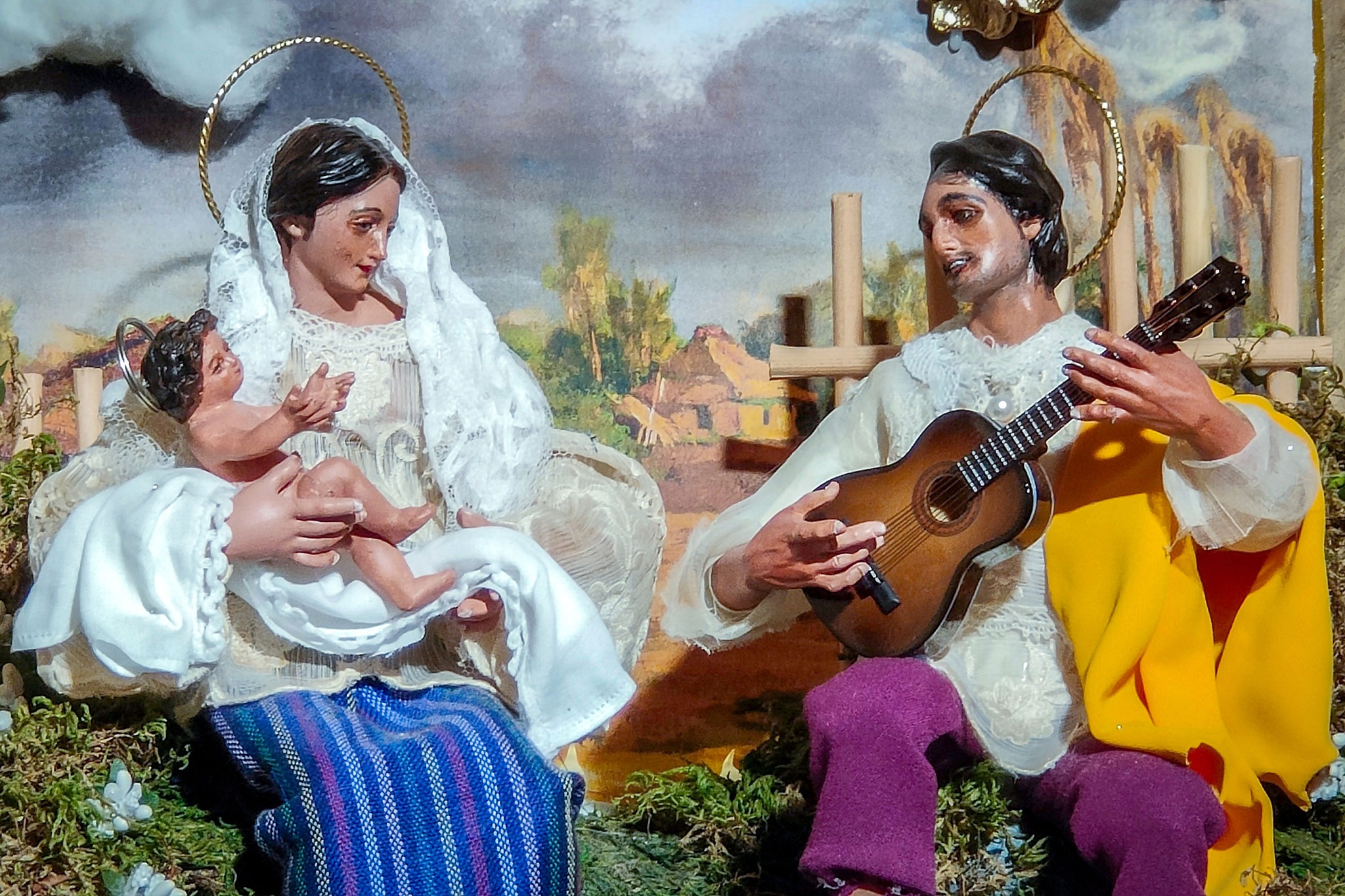
This is evident in the iconography of the image, as she carries nothing else other than the holy infant and presents Him lovingly to us. We may consider it a brief catechesis summarized in the Latin phrase, Ad Jesum per Mariam or to Jesus, through Mary.
As with all Marian devotions, it must be rooted and ultimately end in Jesus Christ, her beloved Son. For St. Louis Marie de Montfort says: “If then we are establishing sound devotion to our Blessed Lady, it is only in order to establish devotion to our Lord more perfectly, by providing a smooth but certain way of reaching Jesus Christ.”
UN PUEBLO DE AMANTES
As our ancestors embraced Christ wholeheartedly, so too did they welcome the Mother of God warmly. Filipino Catholicism is its own brand, especially in terms of popular piety. The Marian devotion, being one of its aspects, is in itself unique, as it takes its cue from cultural values such as strong family ties and a great emphasis on the role of a woman in society, that of a mother figure. She is prominently featured in many deities of precolonial faith.
Thus, the term Un Pueblo Amante de Maria or “A People in Love with Mary” was a moniker given to the rich devotion of the Filipino people to Our Lady, as throughout the country, many churches and communities are placed under the patronage of her various titles.
Related traditions that emerged were dedicated to her honor. Such an example is practiced to this day in Parañaque, for instance, where she is lovingly called Nana Ciso, an endearing term used by native Parañaqueños to call elderly relatives as a sign of their love, respect, and dedication to her.
Much has changed from the landscape of Parañaque of yesteryears. Originally a farming and fishing village just south of Manila named Palanyag, it has substantially grown over the years into a bustling metropolis where both physical and cultural remnants of the old town are slowly integrated into the phenomenon of modernization called progress. Yet, amidst the changing of times and seasons, it is the gift of faith that continues to enrich the spiritual lives of its inhabitants, likened to a flame that burns brightly.
As with the fledgling community of believers at Pentecost, the Blessed Mother under this beloved title is a silent witness to the growth of the local Church. The Augustinian friars first planted its seeds as early as 1580, to the priests of the Congregation of the Immaculate Heart of Mary (CICM) who came in 1915 and cultivated it with Catholic education.
Finally came the Diocesan Clergy from the Archdiocese of Manila, which eventually branched off as the Diocese of Parañaque, who currently shepherd the flock and cater to its pastoral needs. From her humble home, which has been elevated to the dignity of a Cathedral and later a shrine, she reigns as mother, queen, and patroness, continuously watching over her children and leading them to her Divine Son.
BEACON OF HOPE
At various times in her history, Nana Ciso has granted favors to travelers of this earthly pilgrimage, particularly sailors who would brave the stormy seas, earning her the epithet, Abogada de los Navegantes or Advocate of Navigators. One such case was that of Captain Antonio de Camara and the crew of the galleon, San Bernardino, who figured in a tempest that lasted forty (40) hours on October 31, 1636.
After desperately praying to her, they were miraculously delivered from this plight. As a sign of thanksgiving, they walked to the church of St. Andrew barefoot and kissed the ground before heading home to the Port of Cavite. Many similar experiences were also reported, and in time, a custom formed wherein ships would fire their cannon to salute her whenever they would pass by the town of Palanyag.
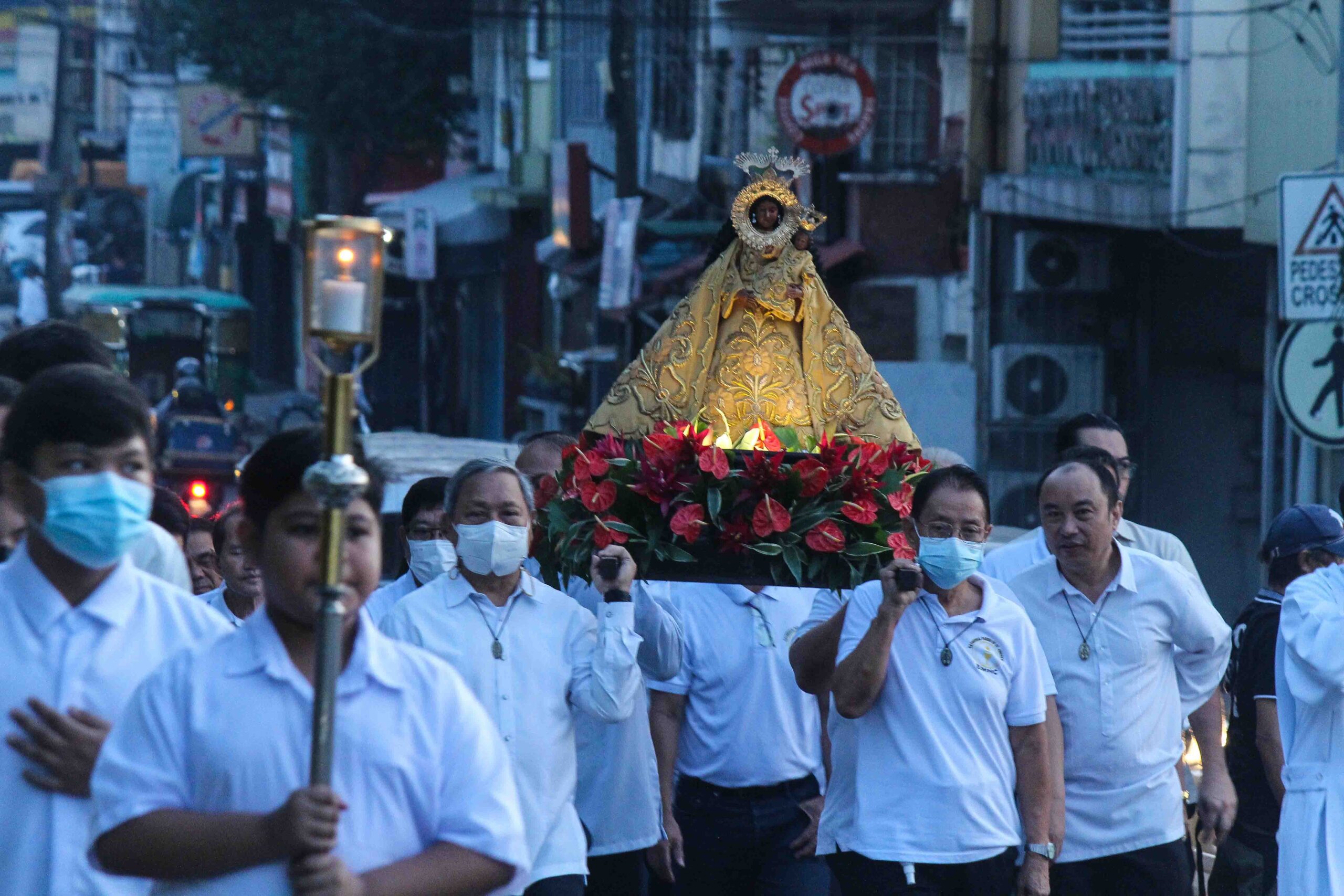
Numerous cures have been attributed to her earnest intercession, even during the tumultuous times of the recent COVID-19 pandemic, when all hope seemed lost. Her image was brought around the entire city of Parañaque in a motorcade on September 8, 2020, the anniversary of her canonical coronation. This was a strikingly similar gesture of hope that was shown more than three hundred fifty years ago, as the Philippine Islands was struck with pestilence from 1664 to 1666.
Fearing greatly for their lives, the townspeople through their leaders asked Fray Francisco Martinez, OSA, then prior of the convent, to bring out Nana Ciso in procession, which took place on November 23, 1664. As soon as the procession passed by the homes of ill persons, they would instantly be healed, ultimately joining the crowd until it reached the Church. Since then, no deaths were recorded in Parañaque as the community was placed under the mantle of her maternal protection.
THE DEVOTION AS EVANGELIZATION
Looking at the aforementioned glimpses of history would tell us how it has shaped the current devotion to Nana Ciso. Apart from her annual feast on August 10, a perpetual novena is held in her honor every Saturday.
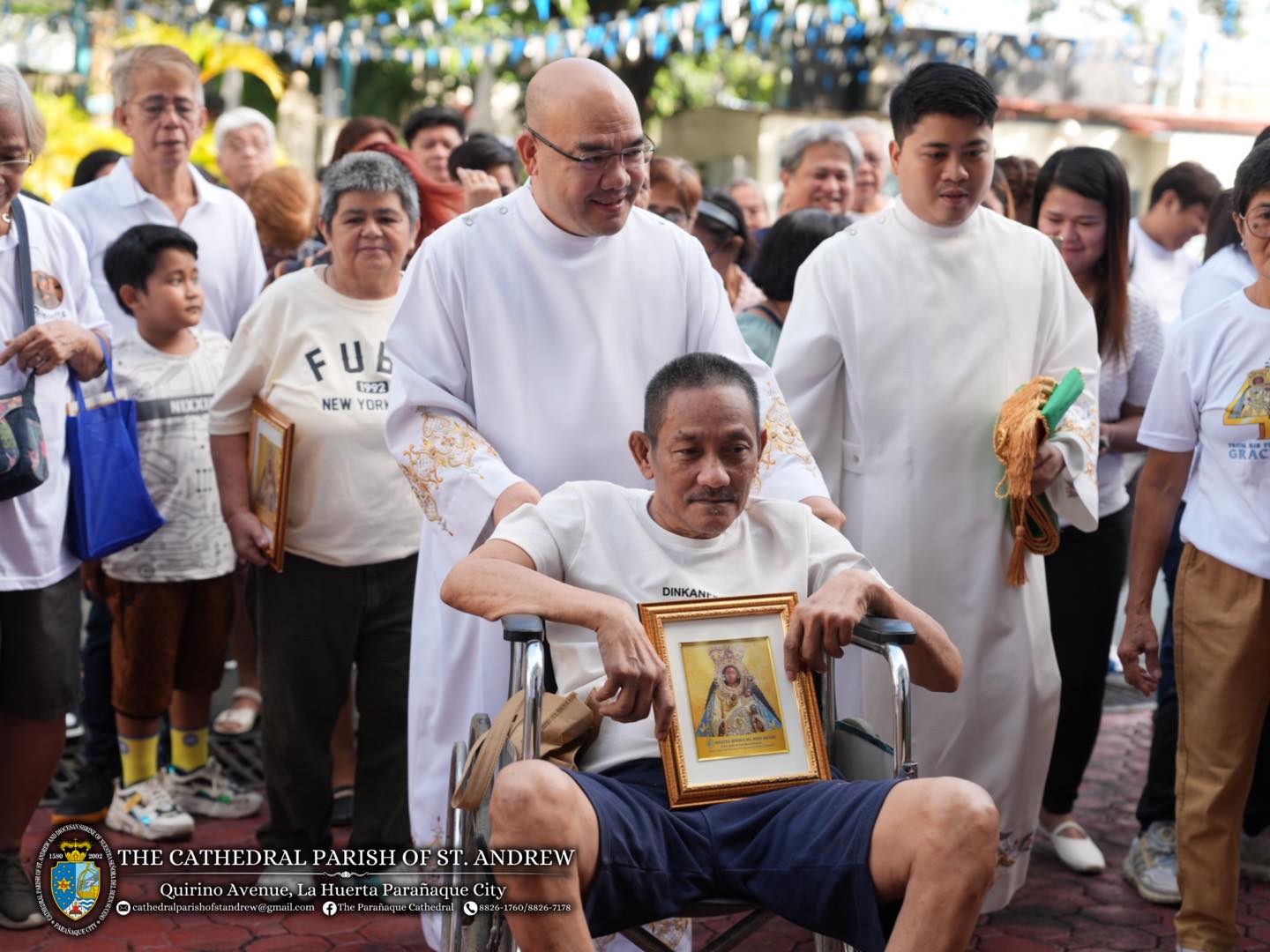
Specific intentions are assigned for each Saturday of the month, of which, the First Saturdays are set apart for the healing of the sick, beginning with the dawn procession around the Church before the start of the Holy Eucharist at 6:00 am. Overseas Filipino Workers, most of whom are seafarers, are particularly remembered during Second Saturdays, paying homage to her earlier title as “Advocate of Navigators.”
Third Saturdays are dedicated to families, given the present challenges that seek to distort its values. Fourth Saturdays are offered for the Youth, seen as the hope of both the church and society, along with vocations to the priesthood and religious life. Whenever there is a Fifth Saturday, it is especially reserved for couples wanting to conceive children. These and many other petitions are among the graces sought by her children to be bestowed upon them. When granted, testimonies are wholeheartedly shared through letters, which narrates the good event they received through her prayers.
At the wedding at Cana, Mary points us to Jesus, who brings us good events by doing whatever he tells us to do (John 2:5). Therefore, the propagation of the devotion to Nana Ciso is also a proclamation of the gospel and it calls us to be witnesses to this through our words and actions.
This is characterized by present efforts to introduce her to the faithful and are carried out by visits of her image not only to other churches and homes, but also to institutions such as schools, hospitals and even prisons.
On a personal note, it was this devotion that led me in my youth to strengthen my service to the Church and deepen my understanding of the Good News of our salvation. Thus, this is a testament that this devotion has greatly contributed to the propagation of the faith in my own journey as a Christian.
I end this selection with a quote from St. Maximilian Kolbe, who says: “Never be afraid of loving the Blessed Virgin too much. You can never love her more than Jesus did.” In Nana Ciso, we cling to the promise of God’s faithfulness that is found in Jesus Christ, the Good Event. As her children, all forms of piety towards her should translate into living out the values of the Gospel, leading us to the goal of being with Jesus in his eternal kingdom of everlasting life.