
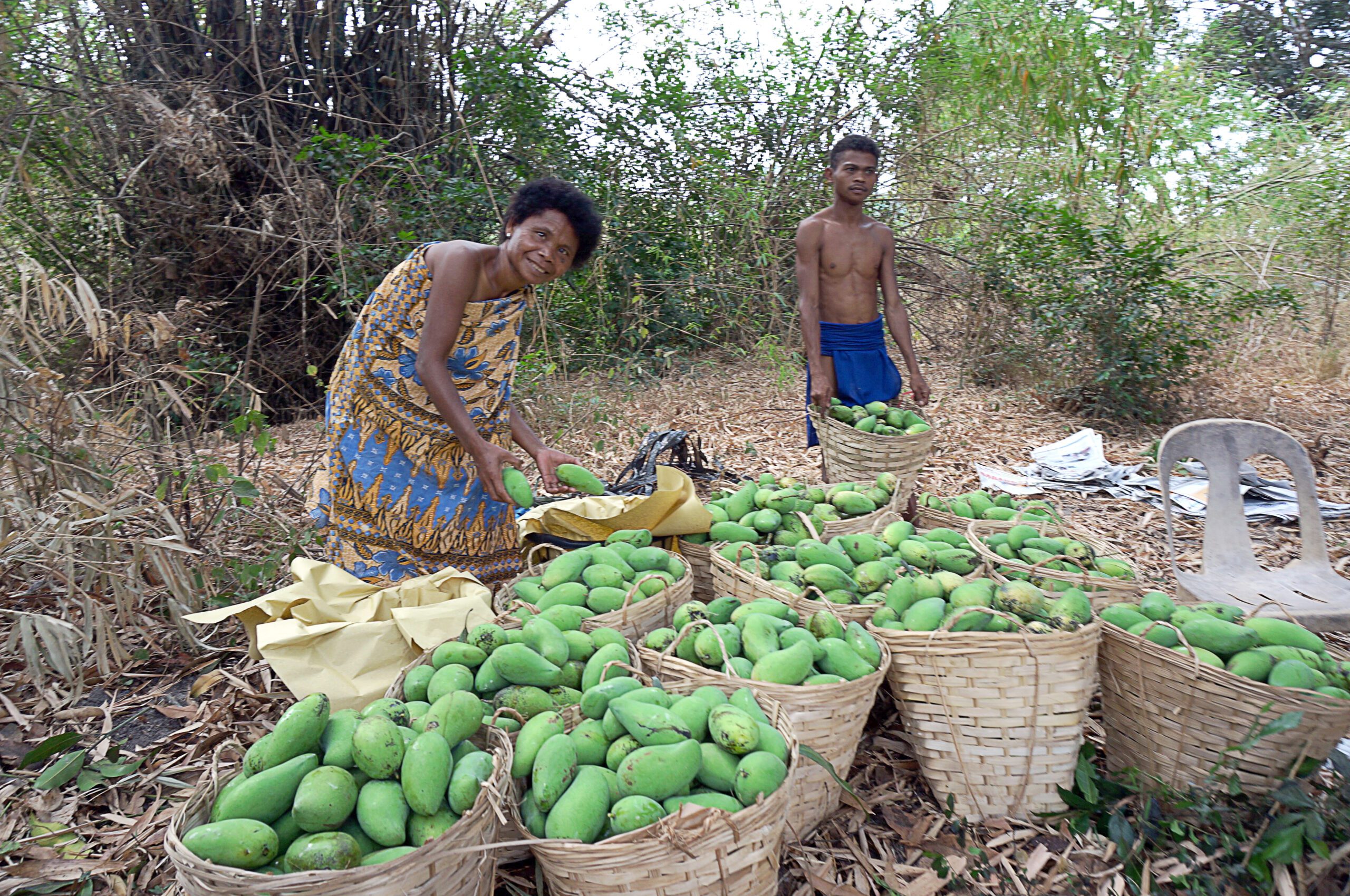
In March last year, I was making my way to a meeting with some indigenous Aeta farmers on the hills of Zambales in northern Philippines, when our group of agriculturists and community workers stopped in the wet market of San Marcelino. At the open parking space, passengers of delivery jeepneys were unloading their produce for traders to buy. Most sellers were medium-sized farmers delivering to their relatives who were traders. Such is an example of a direct farm-to-market-to-customer chain of trading.
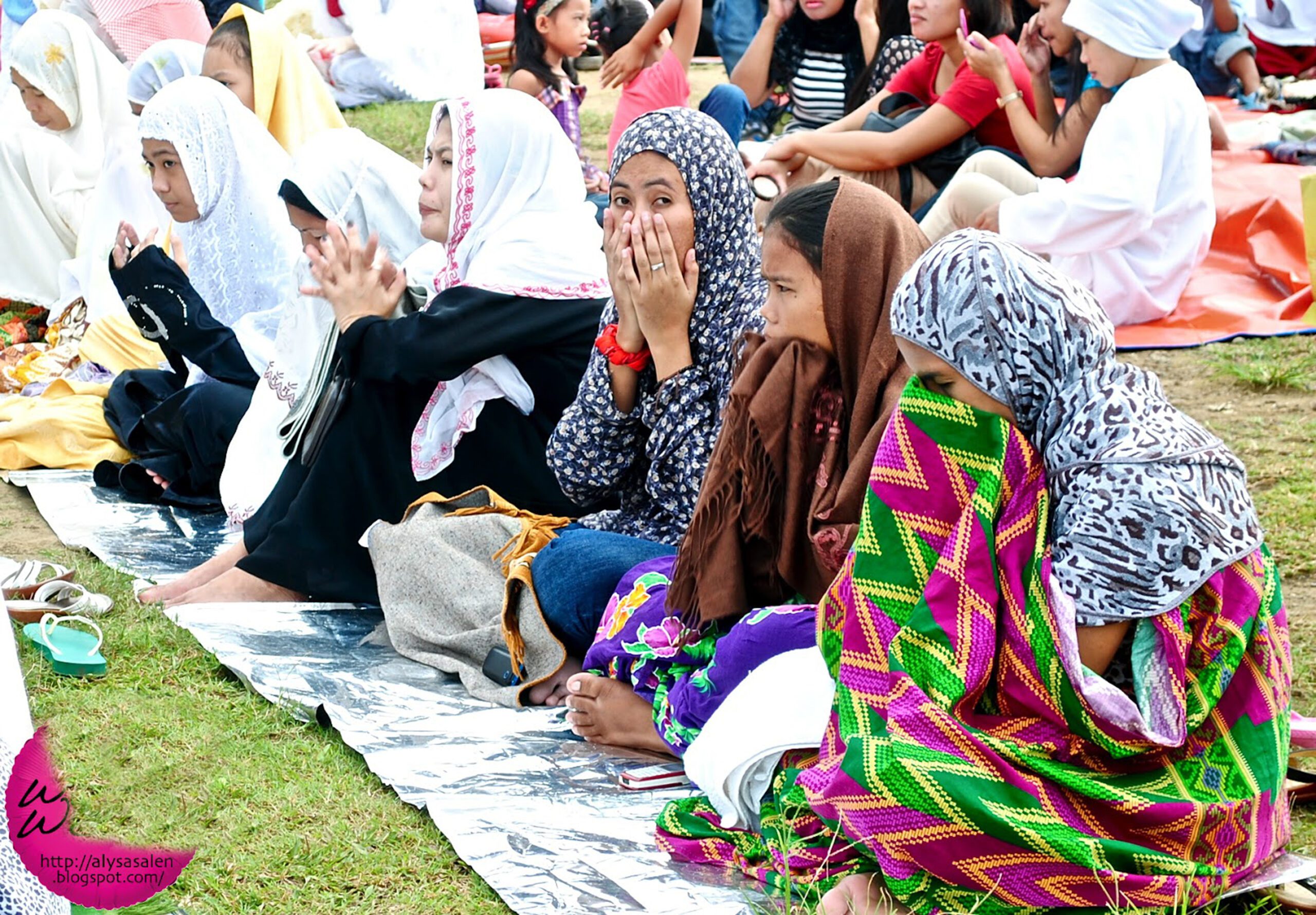
There was a group of women and children sitting there looking depressed. Perhaps, they had missed the “weapons carrier,” the converted WWII vehicle that is still being used to bring the rural poor into the rough mountain paths and over rivers. There are no roads to the mountain villages.
They were trying to open a coconut with knives and seemed so poor and hungry. I went over with Donard, an agriculturist, to talk to them. He could speak Ilocano and some Zambaleño, which most of the Aeta speak among themselves. I greeted them and squatted down to chat and was surprised to find that the two younger ones spoke Tagalog or Filipino, the national language. I speak it and so our chat started off well.
After traditional greetings and shy smiles, I asked: “Why are you here, do you want a ride to the village? We are going there and we can give you a place in our vehicle,” I said.
“That’s not the problem, we can walk, as we walked coming here. We have no money to buy enough rice for today and nothing for tomorrow,” a woman said. I noticed sacks with some produce and asked what they were and if they were waiting for traders to buy the products. “They are our mangoes. We carried them here, four sacks half-full. We cannot carry full sacks because we walk 15 kilometers. The traders only offered us four pesos a kilo or they would not buy them. We are many in the village.”
I had Donard estimate the number of kilos in the four sacks. There were about five kilos in each sack and, calculated, they would only earn eighty pesos (one euro and sixty cents or about 2 U.S. dollars) from the trade. That would only be enough to buy three kilos of rice, a staple food important for energy to hike and gather vegetables and fruit.
EXPLOITATIVE TRADE
The group could not fathom why, in “the outside world,” such an unjust system was in place whereas in their community, they traded and lived justly among themselves. In the villages, they would gather home-grown vegetables, wild bananas and mangoes and barter fairly among themselves. For example, a big papaya was worth six mangoes, a chicken was worth 2 sacks of mixed vegetables, and so on. This was an honest form of trade that existed for millennia and it had a trading value system of its own. It was based on a form of fair exchange respected by all.
Contrast this to the towns where, although they would not starve for a day or two by doing business with market vendors, they would end up not being able to get fair trade to buy rice and other things like kerosene and clothes.
However, since it was vital to obtain rice, which was a lowland crop, from the land which they had no ownership or possession of, they had to trade their produce in town. But it is there where they are cheated.
Imagine their frustration every time they would walk this far, only to be faced with exploitative cheating in the marketplace. There was no one to appeal to, no one who cared. The situation seems similar to that in parts of Europe, where farmers are protesting on the streets and driving tractors through Paris to protest the injustice of the artificially low price for wheat, milk and other products.
After a while, another agriculturist, Roger, joined us and brought drinks and sandwiches to share. Without hesitation, they ate quickly and hungrily. They were all smiling.
I left the group and went into the retail market and checked the prices of mangoes and rice. Mangoes were selling at 40 pesos a kilo but these same traders were offering only 4 pesos to the indigenous farmers who worked so hard climbing the trees and risked falling from them.
This was only a glimpse of the unfair trade that is being practiced in this lowly part of the Philippines.
JUST A GLIMPSE
One can only imagine the injustice being perpetrated by those who take advantage of the poor and the lowly the world over . That story and several others like it motivated the Preda Fair Trade team to expand its development and fair trade activities for small farmers to the Aeta indigenous people of the mountains of Zambales and Bataan.
The indigenous Aeta people are very poor and live in bamboo huts with grass roofs for the most part. They are the original people of these beautiful islands. They came to the Philippines thousands of years ago, when there were lower sea levels and land bridges connected the islands to the Asian Mainland. They became hunters and gathers in the rain forests. That lasted for thousands of years. After World War II, the massive destruction of the Philippine rain forests began – great ecological crime perpetuated by a few powerful politicians and international corporations. They plundered and destroyed every tree and mountain they could find. The invention of huge machines helped them do it so fast.
Today, there is only 3% of the rain forests left all over the Philippines. Wild life, hundreds of species gone, and the indigenous people have to turn to subsistence farming and yet the mining corporations and cattle farmers and sugar plantations are trying to take their ancestral lands.
LENDING A HAND
The assistance the Preda Fair Trade project could give was to help the people secure their land rights and get them fair trade prices for their mango fruit. The women I met in the market speak of the real hardship and cheating that caused them to remain so poor.
Together with a German fair trade organization, we developed a product based on the Pico variety of mango fruit that grows in abundance in mountains but is despised and considered inferior by traders, when in fact, it is a delicious high fructose fruit and grows semi-wild.
The trees are now cared for and harvested by the Aeta indigenous people, chemical-free, who produces organically-certified mango. It took three years of training in organic production and maintaining an internal control system to keep the mangoes chemical-free. But it paid off! After much expense, excessive bureaucratic procedure based on EU rules and 14.5 kilos of documents, 8,500 mango trees were counted and 4,000 tagged.
STRIKING GOLD
Eventually, we produced organically-certified mango puree. The flesh of the mango fruit is turned into a mash after the seed and skin is removed. This is pasteurized and sealed in aseptic bags and drums by a professional company and shipped to our fair trade partner in Germany.
Now we can get a higher price and a growing demand for this product. Naturland, the highly prestigious and fastidious German certification organization, along with ACT in Thailand, studied and investigated all our organic work and finally approved the certification. A big success for the Aeta people indeed!
Now we can pay 200% more for the Pico and carabao mangoes of the indigenous people. They are delighted at the high price Preda is paying to them. All mangoes are harvested, nothing goes to waste and Aetas get fair prices and other benefits, through development projects in their villages, and educational assistance for their children.
In Germany, Dritte Welt Partner (DWP) of Ravensburg, South Germany is producing yogurt and chocolate using the Aeta’s mango puree. They are marked “bio” or organic and meet their very high standards. This is fair trade at work.
It is a success that we thought we could not achieve because of the bureaucratic process and high cost of getting organic certification. This has to be changed and made easier so the poor people can have their produce certified and get into the world market.
It makes them fair organic traders and, with Preda Fair Trade, we can see a more prosperous and better life for these Aeta communities. These all happened because they got a fair price and, therefore, were given social justice…which is their right.
The women I met in the market can now afford to buy sacks of rice and clothes for their children and send them to school. There is great hope if this could be extended to many more farmers.
This is what the world of the poor needs: help, through fairness and social concern based on the moral standards of social justice.