INGRID BETANCOURT (COLOMBIA).
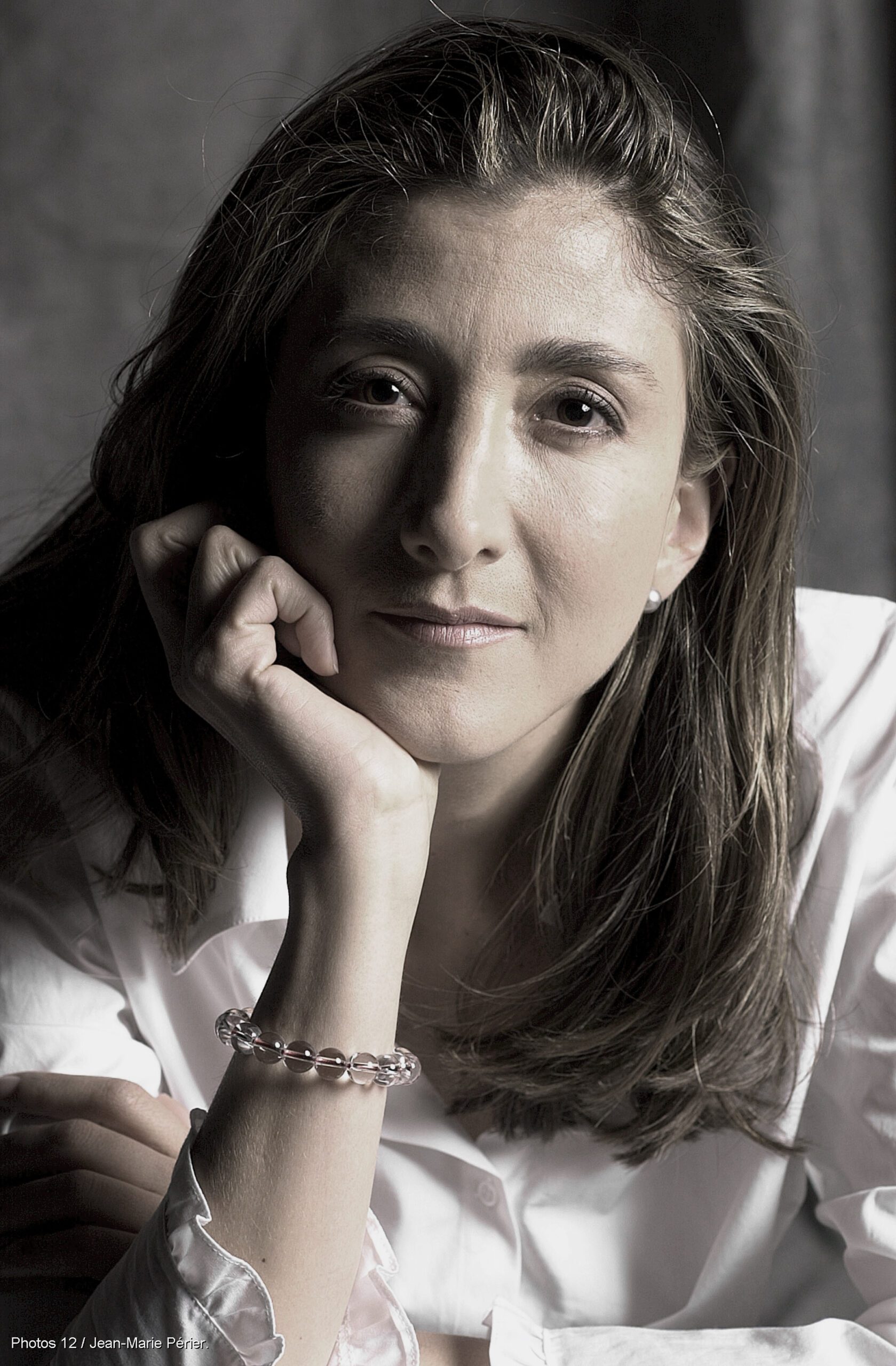
In her last captivity photo, she looked like a sad Madonna, waiting with quiet pain for the moment to deliver her soul. It was that image that went around the world and moved people: the emaciated face, the long hair falling like an already dead thing on a body so thin that seemed lifeless; her hands crossed on her lap as a last gesture of resignation of a condemned. It was that image that helped to make the last diplomatic efforts to release Ingrid Betancourt from the hell of the Colombian jungle and from the hands of her kidnappers, a group of fighters from FARC (the Revolutionary Armed Forces of Colombia) – efforts that had been made for years without success. That’s why the last-minute liberation seemed a miracle. Everybody knew it was the last chance.
The world rejoiced when, last July, TV showed this same body, enlivened by a sweet and joyful smile, embracing her children in Paris. Behind, she had left ordeals that no one can imagine and endured for six years, four months and nine days of her “imprisonment” in a “cage” of trees, bushes and thorny vegetation. In a recent interview by the Spanish newspaper El Pais, she tried to explain the unthinkable: “Jungle is a hostile environment.
There, everything hurts. The skin doesn’t protect us, but is one more source of pain. In the jungle, everything makes your skin itchy. Everything is uncomfortable. Having a body is like carrying an extra weight, because the body becomes a place where pain happens. It hurts to eat, to go to the toilet, to take a bath; likewise to live hurts, to breath hurts, not to be able to see the sky hurts, not be able to see our loved ones hurts.” She just mentions the physical and psychological aspects, the permanent and exhausting moves from place to place to escape detection, the terrible burden of carrying her few belongings, the reason that led her to burn the notebooks where she used to write. She doesn’t talk about abuses, she just admits that she has discovered the “animal” part of human beings.
She prefers to talk about “miracles.” For instance, the support she got from one of her fellow prisoners, who, when she was too weak to eat, fed her like a baby or when the “Madonna’s photo” was taken, the courage and compassion that William Perez, a Colombian military nurse, who was liberated with her, had to confront their “jailers” and demanded that she received special treatment. Ingrid confesses that, then, she was so ill that she had given up life. Afterwards, she wrote a moving letter to her mother, a sort of will, where she wrote: “Everything here has two sides: joy comes with pain, happiness with sadness, love cures and opens new wounds; to remember is to live and to die anew.” But she also exhorted her family to keep faith, and stated: “If I were to die today, I would go satisfied with life, thanking God for my children.” She has two, a boy and a girl, and the eldest played a big role, along with her mother, to keep alive the hope of her liberation and the mobilization of the world’s public opinion.
There was one “miracle” that seemed to serve only to aggravate the pain. Precisely one month after the kidnapping, her father died. Ingrid, who says he was always the “love of her life,” learned the news the hardest way: she was given a piece of cabbage wrapped in a scrap of newspaper. Eager for something to look at, she unfurled the paper only to see a picture of a coffin. It was the coverage of her father’s funeral. Feeling guilty, thinking about the loneliness of her mother and of her own condition, she admits she was then in a suicidal mood. But this sadness was also the beginning of a spiritual conversion: “I had always felt blessed, even pampered by life. When all this happened, I had two options: To deny the existence of God, and think that everything happens by chance and without reason, an unexplainable chaos without answers; or to find God. In the hell of the jungle, we cannot accept any kind of God. The ritualistic God of our childhood is not enough anymore. It is not enough to believe that God is love, or that we are unable to explain Him. In the jungle, we need a God of reason. If our faith is not rational, if we are not certain that God exists, we are not able to start a relationship with Him. Tradition is not enough. The Catholic tradition didn’t incite us to read the Bible, as if we were intellectually retarded. It is very hard to explain, but what I’m trying to say is that I understood that God is not energy, or light, or gas particles in the cosmos; God is human. That means His relation with us is made of words, that we are word beings and, I think, this is crucial: to understand that we are word beings. I discovered a God with a sense of humor, with a sense of authority, a God who teaches us, a God who loves, but, above all, a God who is able of anything. This means He could have made us, instead of human beings, perfect robots programmed to goodness. Thus, that is the question: why did He make us persons with a free will, not robots? The answer is beautiful: a robot can be programmed to love, but if it has no chance to love, its love has no value.”
How did she have a Bible in the middle of the jungle? That is another “miracle.” Once, tired of not having anything new to read, she asked her kidnappers for an encyclopedia but, instead, they brought her a Bible; that immediately became her key possession. That helped her to stand the hardships. She says that her faith was crucial to survive such hard times. And she did everything possible to feed her faith: she wove an intricate crucifix and a rosary. A very special one. “The kidnappers needed the string to weave belts for their guns. I used it to weave a rosary.” Before her kidnapping, Ingrid was not at all a pious person. In fact, she had strayed away from the Church. All her courage, strength and determination were focused on the political arena. She was a political activist and, because of her political exposure, she was kidnapped and kept by the FARC guerrillas as a sort of a trophy. During captivity, she never lost her fighting spirit. She tried to escape five times. And because she was such a problematic prisoner, her kidnappers frequently kept her chained to a tree.
Ingrid Betancourt is not a common Colombian or even a common politician. In a country where violence reigns and the people are stuck among the leftist guerrillas of FARC, the right wing paramilitaries, the drug cartels and the corrupt politicians, she resigned from her comfortable place in the Senate and ran for the presidency to try to change things. Not without warning her Chamber peers: “When I become president, I will ask all of you to resign!” It is plain to see that politics run in her blood. Her father was a former Minister of Education and her mother, an ex-senator. It was during the presidential campaign that she was kidnapped. Born in 1961 in Bogotá, the candidate had a chance to keep away from the typical mess of Colombian politics. She studied Political Science in Paris and, after marrying a French diplomat, spent her life in France, the Seychelles, Montreal and Los Angeles. It was after her divorce, in 1989, that she felt the urge to go back to her country and do something to help her people, especially the poor.
After her release from the FARC, she was received by the Pope and was distinguished with all sorts of honors; she was even nominated for the Nobel Peace Award. However, one of the first things she did was to go on a pilgrimage to Lourdes with her two children, Lorenzo and Melanie, for a private retreat. She hasn’t forgotten her captivity years, when she used to daily pray the rosary together with her fellow prisoners; she would thank Our Lady: “I am convinced this is a miracle of the Virgin Mary. To me it is clear she had a hand in all of this,” she said. She also didn’t forget her homeland: “It is time to drop those weapons and change them with roses, substitute the weapons with tolerance, respect and, as brothers that we are, find a way so that we can all live together in the world, live together in Colombia.” She has neither forgotten the three thousand hostages that remain (in several hands, not only in FARC’s; there, kidnapping is a kind of industry) somewhere in the country, suffering a hell similar to what she had. She promised to fight for their release. That’s one reason why she hasn’t cut her very long hair: “My hair is a symbol, a calendar. It represents days, months and years of captivity. It’s a way to remember that others are still there, to keep that in memory, and help the world not to forget them.”
Ingrid has not ruled out a future presidential campaign. As a politician, however, the ex-rebel with a cause has now a new kind of vision: “I thought that the FARC was a response to the system’s contradictions. After living with the FARC, I learned they are a byproduct of that same system, and that was a big disappointment. When I was involved in Colombia’s politics, I thought that the power structures had to be changed. Today, I think it is the soul of the Colombian people that has to be changed. When I think about Colombia, I think we are the product of a very sick civilization. And we cannot help but reach the conclusion that it is not only the hearts that need to be changed but the world, too. And, the more incredible it seems, the more I believe that it is possible, necessary and urgent.” She didn’t utter a word of anger against her jailers. There is no place for hate in a peaceful heart.
SHIFA AL-QUDSI (PALESTINE).
Peace, in itself, is a miracle, especially when it happens where violence and hate reign – in hearts blinded by a desire for revenge. If the jungle can be a hellish place, to live in areas where destruction and death are very common can be so, too. Cisjordanie is one of the Palestinian territories that has been, for decades, at the center of the Israeli-Palestinian conflict. There, the inhabitants and Israel’s forces seem to be guided by the old “law” of an “eye for an eye.” If Israel has one of the most powerful and skilled armies in the world, Palestinians use their demographic superiority and terrorism to fight for the land. The result, like in the other places of the region where Jesus, the King of Peace, was born and lived, is a tremendous violence that, almost everyday, produces more victims: civilians, children, women, and innocent bystanders.
It is in a Cisjordanie’s northern city, Tulkarem, near the border with Israel’s coastal plain, that a young woman, with a gentle smile on a pretty face framed by an elegant Muslim head-scarf, lives. Her name is Shifa al-Qudsi. She is the mother of a teenage girl and looks like an ordinary person. The fact is she has an extraordinary life story: In 2002, the year of the Jenin massacre, the reoccupation of Palestinian cities by Israeli troops, she was leading a normal life in Rammalah, working in a beauty parlor and educating her daughter. But, after seeing the effects of the invasion of Israeli tanks and helicopter gunships – she had witnessed the cruelty against the civilian population and the assassination of people who were close to her – her heart was so full of rage, that she decided to be a suicide bomber to take revenge. Her goal: to kill as many Israelis as possible.
The English newspaper, The Independent, describes what happened then: “Shifa al-Qudsi stood in the dark corner of a room while a young man from the Al-Aqsa Brigade checked the suicide vest rigged to her body to make sure the explosive charge was correctly connected. “All you have to do is press the button,” he said, before stressing the importance of ensuring that she produces her martyr’s will in front of a video camera. “It was the hardest, cruelest moment of my life,” she recalls. “I did what was asked, and I made my will trying to explain to my six-year-old daughter and my parents what I was doing. I also sent a message to the Israelis and the outside world that I was a freedom fighter and not a terrorist.” The 24-year-old beauty technician was being sent to blow up a supermarket in the nearby Israeli town of Netanya. With bitterness and hatred spawned by years of savage violence between Israelis and Palestinians, she had convinced herself that her action was justified.
But, at dawn of that fateful April day, two hours before leaving to carry out her mission, she was arrested in a raid of her home – betrayed, she believes, by an informer within the Palestinian ranks. In a way, she was saved at the last minute, even if afterwards she had to face a trial. Convicted, she spent six years in an Israeli prison. A strange place to pass through a sort of inner conversion: “I believed all the Israelis were racists and wanted to destroy us. This conviction changed during my imprisonment. It is true that many guards treated us with cruelty, with incredible despise and racism. But there were exceptions. For instance, one guard whose brother had been killed in a suicide attack told us: ‘I could use this chance to take revenge on you, but I won’t, because I feel you are suffering like us. Who play with our destinies are the political leaders.’ These words imprinted in my heart. I felt sympathy for her and asked her many questions. All of this gave birth to an idea: what is needed is to advance the peace process in a clear and transparent way.”
Before being in prison, she had met other trials. Some hours before her arrest, she had a talk with her daughter, then seven years old, and told her what she was going to do. The child cried and begged her not to do it; asking: “Who will take care of me? What will happen to me?” The beauty technician-turned-suicide bomber felt badly, but her motivation was so great that she decided to go ahead. “It was very hard to imagine that the murder of an entire population would be arried out even without my response.” Neither was it easy when she was arrested. “My house and the neighbors’ were surrounded by a big military apparatus. It was a frightening sight. More than 50 Israeli tanks, behind military vehicles and dozens of soldiers and special forces’ agents, and dogs were there. Helicopters, too, were flying over the neighborhood… They thought I had with me the bomb belt, they destroyed the whole house looking for it. Afterwards, they put me in a military vehicle and took me to a liaison office before proceeding to a detention center in Haifa; the soldiers only ceased beating me when we arrived in Netanya.” They wanted a confession at any cost, and used torture and beatings; they got it, because she knew they had proofs. The inquest lasted 42 days, and the conditions were so harsh that she felt psychologically maimed.
Once in prison, where she met her brother, Mahmud, and a cousin, she began to read a lot in her cell. And to change. Shifa says, with the same conviction that almost made her a martyr: “Today, my desire is to salvage peace from the ruins. I want to help Cisjordanie and those that are rotting in the occupier’s prisons.” (There are 11 thousand Palestinians in Israeli jails.) The will to do something began getting stronger two years before her release.
The project began to take shape in the conversations she had with her brother and other fellow prisoners. This was put into practice when she was set free, a year ago. The result: an association called Combatants for Peace, that joins Palestinians and Israelis in the same struggle: the end of bloodsheds and a solution to the Middle East conflict that passes through the existence of two states and two peoples living peacefully side by side. There are already 150 members in this improbable association composed of Muslims and Jews who spent a part of their lives, literally, trying to kill each other. They talk between them and give lectures to promote their program for peace.
The beginning of her conversion began with the reading of Gandhi’s works. It was his words that, together with the sympathetic guard’s example, changed her heart. Shifa, has returned to her work and resumed her studies (she is now learning Hebrew and English), believing in the nonviolent resistance preached by the Mahatma (Big Soul), even if she has doubts that Israel will react to it in the same way the British Empire did during India’s fight against colonialism. For her, something is certain, however. “Only God is allowed to take human lives.” This is already a very good start.
FR. JOHN DEAR (USA).
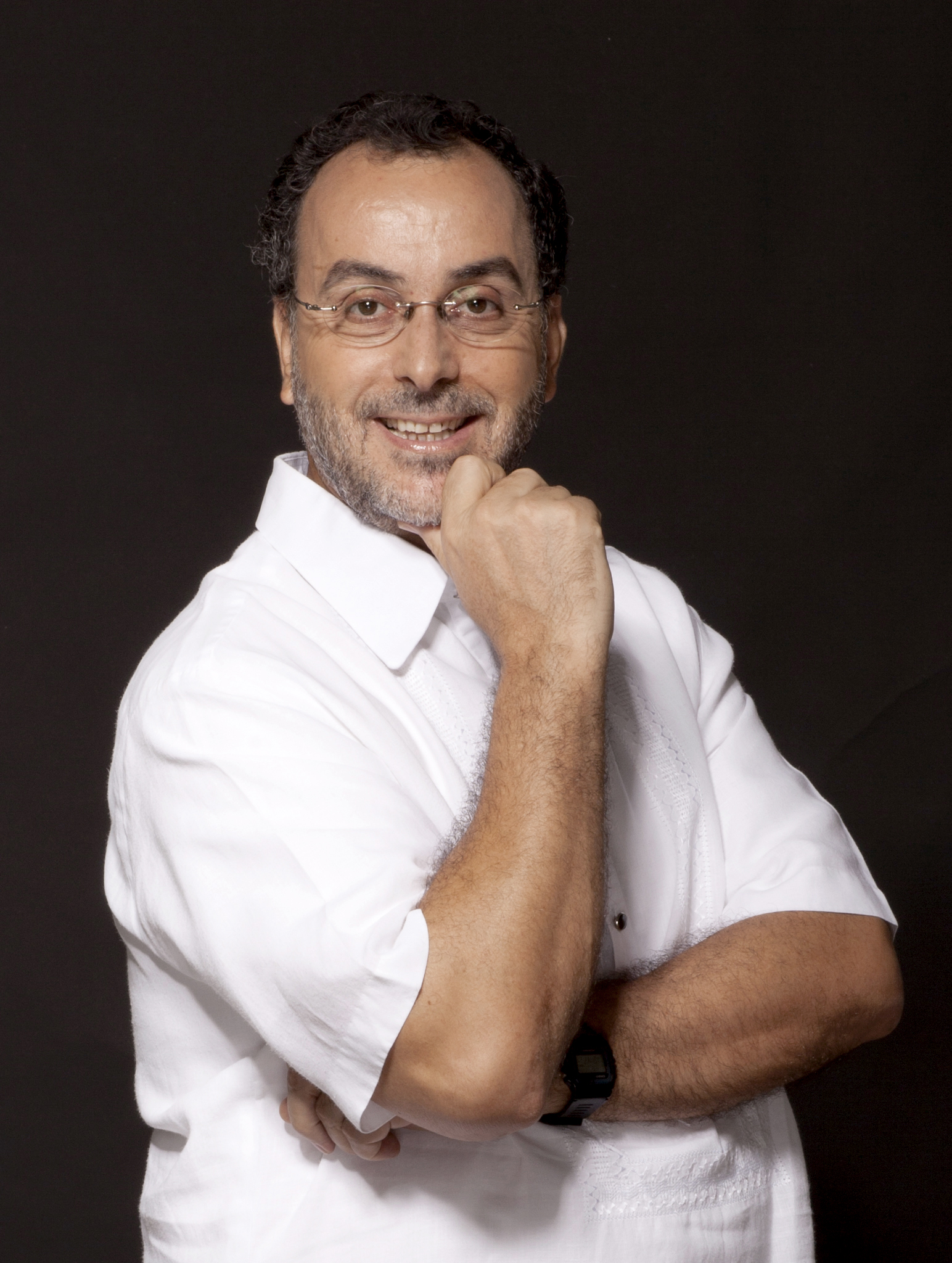
Example and words are a very powerful combination, as the life of Jesuit Father John Dear eloquently shows. A Jesuit? Some would ask: How can one link a Jesuit with a Colombian presidential candidate taken as a hostage or with a beauty technician turned from a suicide bomber to a peace fighter? Simple. Fr. John is no ordinary Jesuit. He is a peace activist. Certainly, his is one of the more outstanding voices in the world defending the path of nonviolence, a cause to which he has dedicated his life. But not only with words, although they are a big part of his life testimony. Father John chose not to stand comfortably behind the scene writing his books, producing speeches or orienting spiritual retreats – even if those are powerful tools in his peace apostolate. Like his role model, Mahatma Gandhi, he decided to act and to follow another interlinked path, the path of nonviolent civil disobedience.
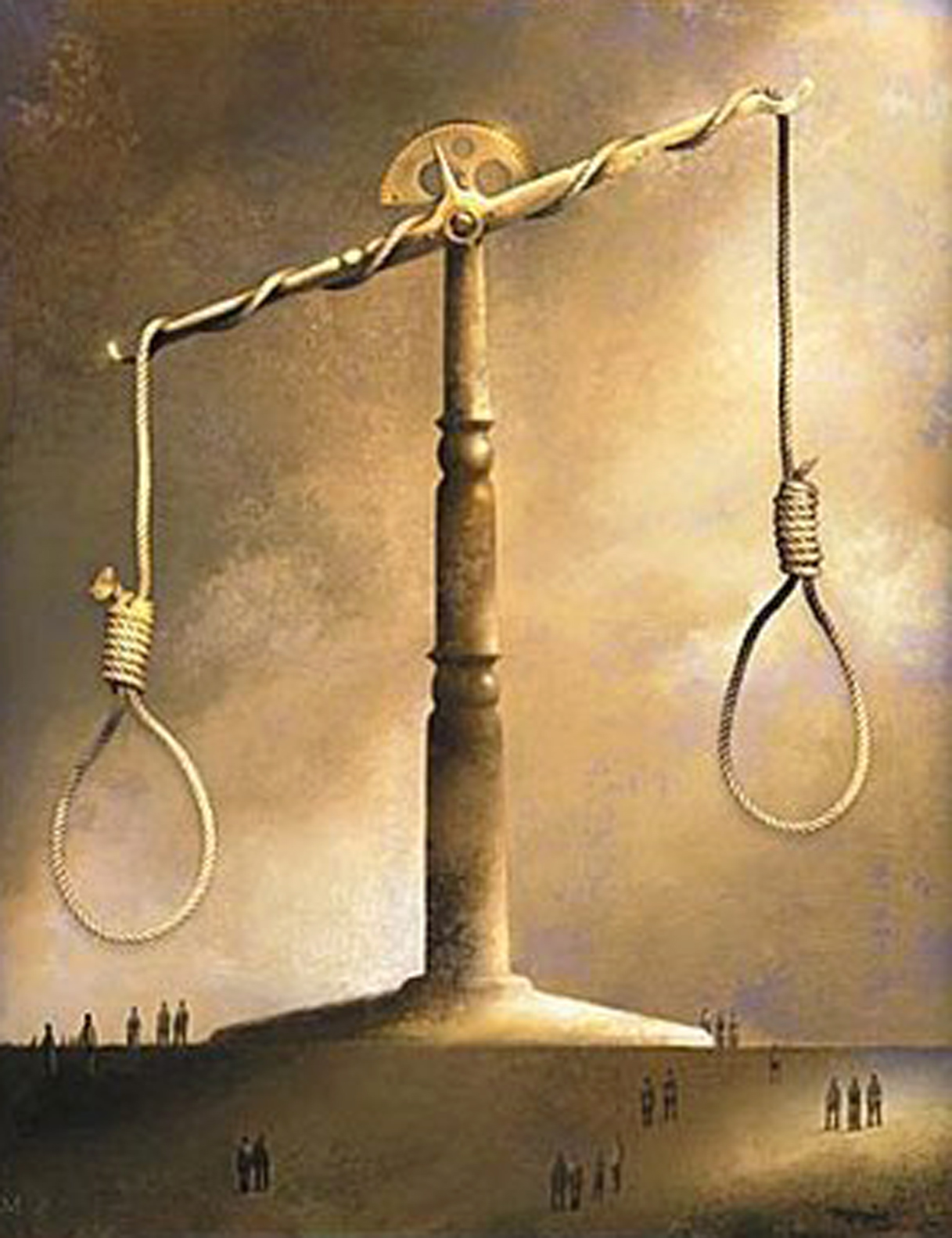
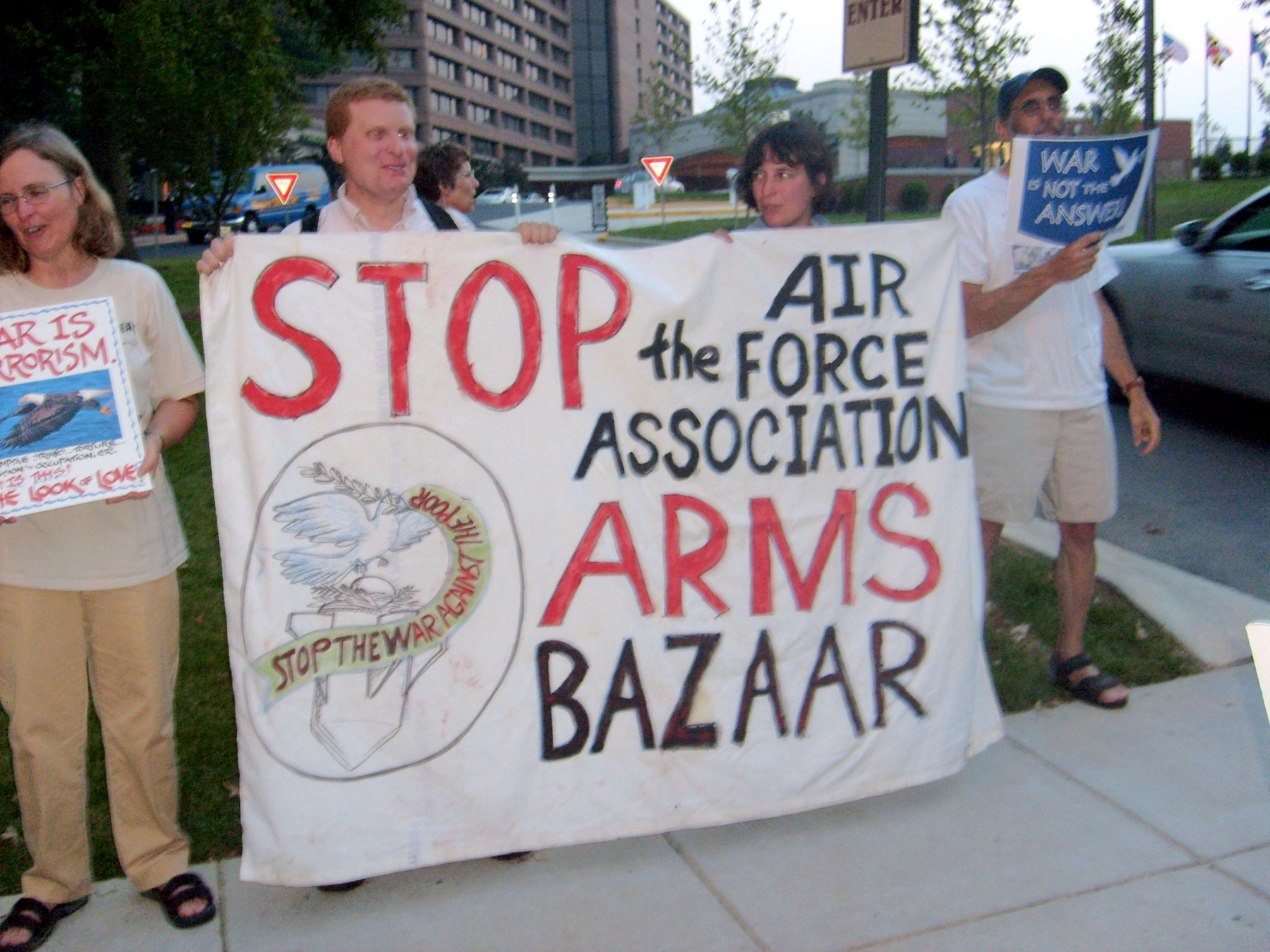
Although he does not have to face the daily violence of Colombia or the Middle East and does live in the USA (he is a native of North Carolina), he found a lot of things to protest for in a country that spends a big part of its budget in conventional or nuclear weapons, that claims, as a word of the Gospel, the constitutional right that citizens possess a gun – making it one of the countries with the highest murder rate in the world – that, in a big part of the federation states, practices the death penalty and judges it as a fair kind of punishment. And protest he did. Fr. John has been arrested over seventy-five times, and has organized hundreds of demonstrations against nuclear weapons at military bases across the country. In 1993, he was arrested at the Seymour Johnson Air Force Base in Goldsboro, for hammering on a F15 nuclear fighter bomber in an effort to “beat swords with plowshares.” He spent eight months in jail. He worked with Mother Teresa, among others, to stop the death penalty.
The range of his activities, as well as his writings and public interventions – besides the 25 books he has written, the hundreds of articles and the thousands of talks, he ensures one weekly column in the National Catholic Reporter (see the following text) – are astonishing. From 1998 until December 2000, he served as the executive director of the Fellowship of Reconciliation, the largest interfaith peace organization in the United States. After the September 11, 2001 attack on the World Trade Center, Fr. John served as a Red Cross chaplain, and became one of the coordinators of the chaplain program at the Family Assistance Center. He worked with some 1,500 family members who lost loved ones, as well as hundreds of firefighters and police officers while, at the same time, he spoke out against the U.S. bombing of Afghanistan. From 2002 to 2004, he served as pastor of several parishes in northeastern New Mexico. He co-founded Pax Christi New Mexico and works on a nonviolent campaign to disarm Los Alamos. Today, he lectures to tens of thousands of people each year in churches and schools across the country and the world.
As if this was not enough, he never forgot that justice is the other name of peace. Fr. John’s peace work has taken him to El Salvador, where he lived and worked in a refugee camp in 1985; to Guatemala, Nicaragua, Haiti, the Middle East, Colombia, and the Philippines; to Northern Ireland where he lived and worked at a human rights center for a year; and to Iraq, where he led a delegation of Nobel Peace Prize winners to witness the effects of the deadly sanctions on Iraqi children. He has run a shelter for the homeless in Washington, DC; taught theology at Fordham University; and served as executive director of the Sacred Heart Center, a community center for disenfranchised women and children in Richmond, Virginia.
No wonder that, last year, Anglican Archbishop Desmond Tutu – himself a legendary fighter for human rights and peace, and a pivotal figure in the peaceful transition from the inhuman apartheid regime to democracy in South Africa; a Nobel Peace Prize awardee in 1984, recipient of the Albert Schweitzer Prize for Humanitarianism, and the Gandhi Peace Prize in 2005 – nominated Fr. John Dear to 2008 Nobel Peace Prize. Archbishop Tutu justified his choice: “He is the embodiment of a peacemaker. He has led by example through his actions, in his writings and in numerous sermons, speeches and demonstrations. He believes that peace is not something static, but rather to make peace is to be engaged, mind, body and spirit. His teaching is to love yourself, to love your neighbor, your enemy, and to love the world and to understand the profound responsibility in doing all of these. He is a man who has the courage of his convictions and who speaks out and acts against war, the manufacture of weapons and any situation where a human being might be at risk through violence. Fr. John Dear has studied and follows the teachings of nonviolence as espoused by Mahatma Gandhi and Martin Luther King, Jr. He serves the homeless and the marginalized and sees each person as being of infinite worth. I would hope that were he to receive this honor, his teachings and activities might become more widely accepted and adopted. The world would undoubtedly become a better and more peaceful place if this were to happen. For evil to prevail requires only that good people sit on the sidelines and do nothing. Fr. John Dear is compelling all of us to stand up and take responsibility for the suffering of humanity so often caused through selfishness and greed.”
One of the more than two dozens of books that Fr. John Dear wrote was a compilation of Mahatma Gandhi’s writings. A field that he knows better than almost anyone: he fell “in love” with “The Big Soul” when he was still in the novitiate, and since then he got familiar with his works, a huge amount of 95 volumes, with more than 43 thousand pages. In it, there is a particular quotation that deserves to be thought about by all Christians: “God can be served in just one way. To serve the poor is to serve God. What is the aim of life? It is to know one’s self. This realization of self, or self-knowledge, is not possible until one has achieved unity with all living beings, until one has become one with God. To accomplish such unity implies deliberate sharing of the suffering of others and the eradication of such suffering.” Fr. John has been doing his part of the job very well. We need to do ours.
Because Gandhi, who loved Jesus and the Gospels (particularly The Sermon on the Mount), said also something that should be a shame for us: “The only people in the whole world that do not understand, much less accept, the nonviolence of Jesus are Christians.”
Credits: The data and quotations in this article were extracted from the interview with Ingrid Betancourt published in El Pais (by Juan José Millás) and the interviews with Shifa al-Qudsi published in The Independent (by Kim Sengupta and Said Ghazali) and in the London-based newspaper, Asharq al-Awsat, (by Ali Al-Saleh); some information came from Wikipedia. The most part of the text about Fr. John Dear was based on several sites dedicated to him, including his own (www.fatherjohndear.org)