Any agent of earnest social change needs to understand the population dynamics and socio-economic “building blocks” of cities. Religious ministers need to take note of the fact that their faithful are flocking into cities. Global population dynamics indicate a constant and accelerating movement towards permanent settlement in urban areas. It is inevitable that it is here that the battle over minds, identities and values of humanity will be won or lost. Take any city in the world today, critically analyze it and a lot of extremes in its socio-economic, religious and political make ups and foundations will literally “fly onto your face.” Blaming God for the misery of city masses or resorting to prayer without action will only make the agents of mission less credible. The joys and hopes, pain and sorrows of humanity were noted by the Vatican Council II and recognized as significant to the followers of Christ. What are the sources of these joys and hopes, pain and sufferings? The dynamics that lead to the emergence and development of cities hold the key to the answer of this question. The city is a complex reality of grandeur and squalor. Let us walk to the city as it is often conceptualized.
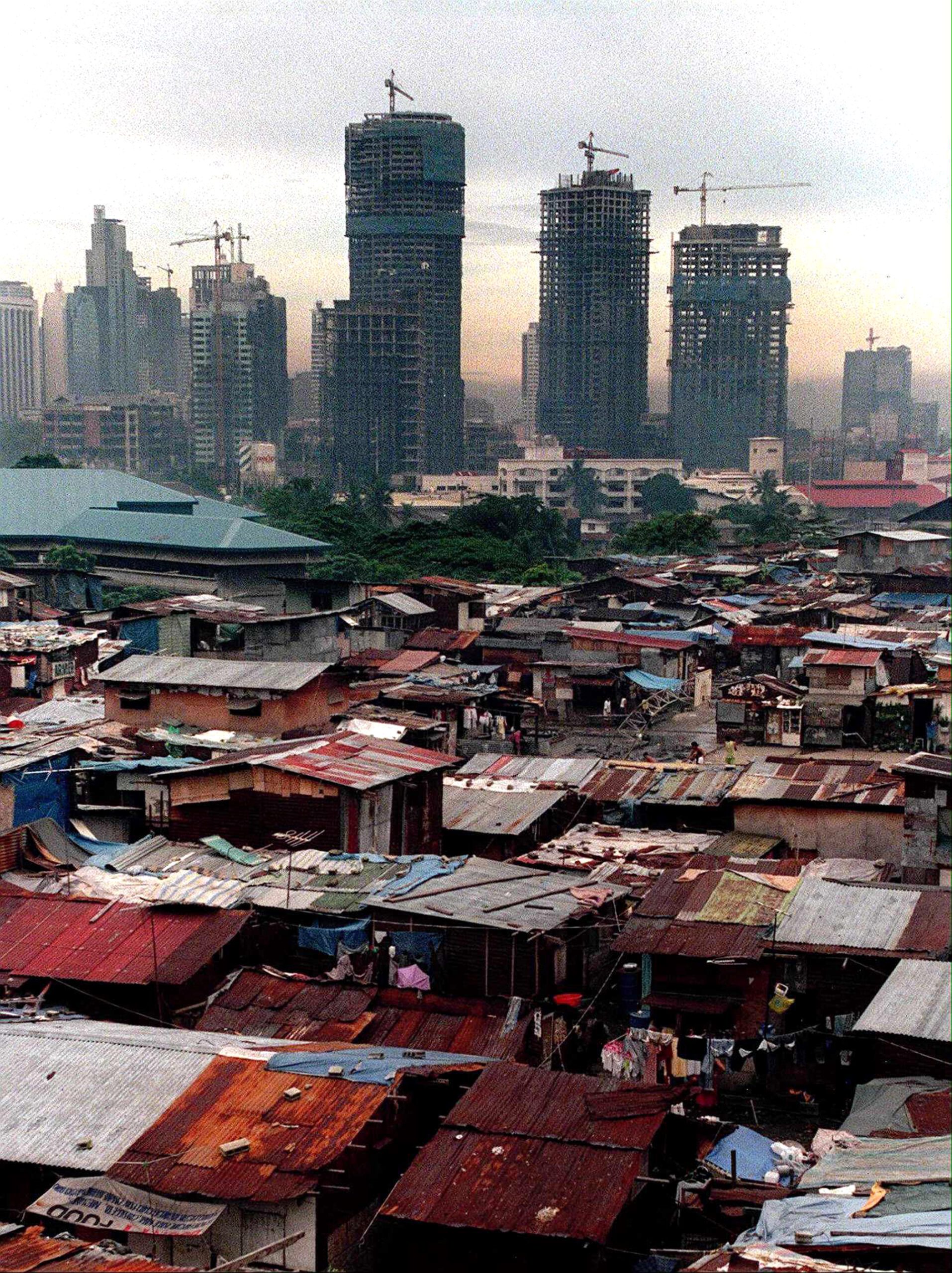
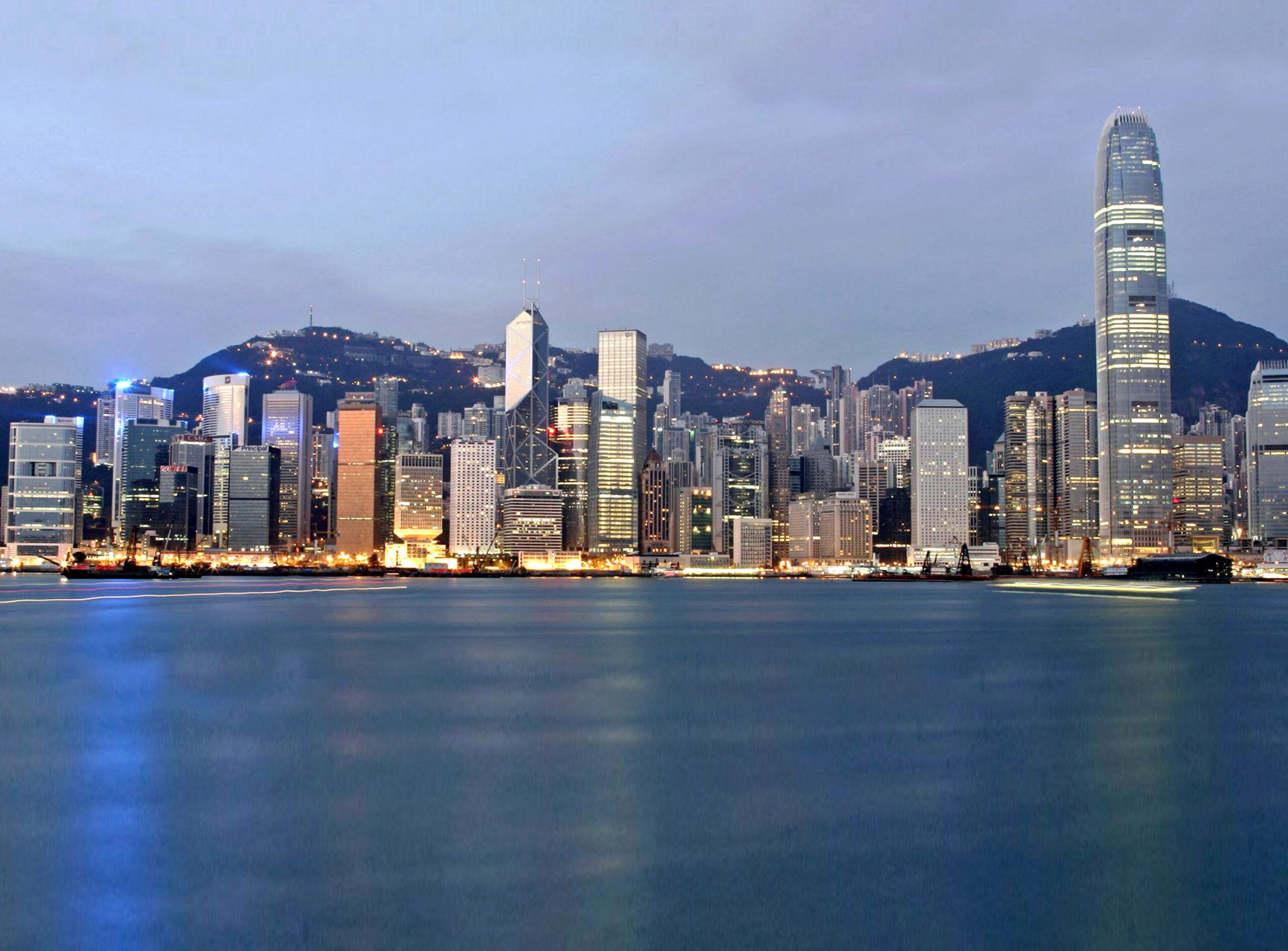
Skyscrapers and clearly distinguishable religious and cultural buildings catch the eye, especially the imposing banks, inviting supermarkets and the phallic financial temples that rise to heaven like towers of Babel. In these shopping centers the effective consumer gets “them all.” The word effective here connotes the possession, real or imaginary, of the required money, language and demeanor to stroll between the shelves well stocked with luxury consumer goods. Indeed, all that is necessary to become a “citizen” of the city is money, language and power. The power to buy defines the terms of admission or being barred from these temples of artificially elicited needs. The three sources of effective ‘citizenry’ in the city are closely interwoven. However, there are many other aspects of the city that are conveniently left silent, if not blinded out completely, in the minds and hearts of the politically powerful, economic “somebodies” and the academically eloquent. On the other side of the spectrum, those who do not belong to the world of glittering neon lights, spacious gyms, and extra food in deep freezers, experience scarcity as the defining experience of their lives: scarcity of living space, food, housing, self-esteem and opportunities for human growth.
GLOBALIZING UNBELIEF
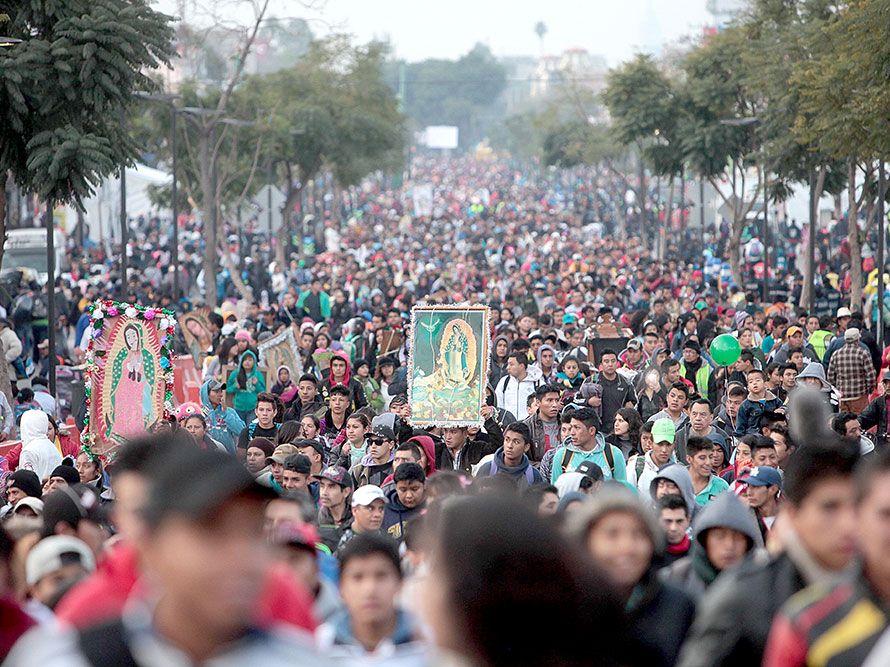
Giving direction in nearly all the cities of the world is made easy by using the cathedrals, minarets, parliament buildings, bell towers and buildings associated with the financial markets. Cities attract much more than their mere observers: the millions of people who migrate to them are irresistibly drawn to them more by socio-economic factors than a desire to live in the cities as such. Social services are generally more accessible to the average city dweller than they are in the countryside. Growing numbers of people – especially those who have accumulated worthwhile assets – are increasingly feeling and seeing more security in the cities than in rural areas. But there is more that attracts the eye than just the glitter of city lights.
In the anthology Megaciities − The Metropolises of the South between Globalization and Fragmentation, Ruediger Korff estimates that by 2025 two-thirds of the population in the industrialized countries will be living in cities while 55% of the inhabitants in the southern hemisphere will be living in the urban areas. An increasing number of the capital cities in the south are entering the league of metropolises. According to Collins English Dictionary, a metropolis is (1) the main city, especially of a country or region; capital; (2) a centre of activity; (3) the chief see in an ecclesiastical province.
What might not catch the attention of a casual observer is the fact that the capital cities of the world are interlinked by commercial, political, scientific and political interests. Inhabitants of cities in various regions of the world have more in common in terms of interests than citizens of the same country. Once these interests seem to have been met, the need for God apparently subsides. Most capital cities are like a microcosm or cross-section of the nation with all its beauty, grandeur, potential and contradictions. What affects them influences human behavior through the alteration or change of values. Anyone who aims to catch the attention of the city needs to understand its interests, for where their treasure is so will be their heart. In almost every case, the elements that constitute a city are interlocked both nationally and across national borders. These interests are not defined or conditioned by time or space. Simultaneity and differentiation are intertwined. If faith in God is diminishing in the cities, the same is likely to happen in the society at large. Like fashion, categories of thought spread rapidly in the global village.
THE NEW “CATHEDRALS”
The metropolis is not only a centre of earthly power, but also the seat of representatives of the Kingdom of God from the perspective of Christian faith. However, the close relationship that existed between Church and state still confuses the line between faith and politics. It will be necessary to draw lines between the earthly kingdom and gospel values. The spirit of the social teaching of the Church requires a critical appraisal of who and what needs evangelization. Yet the term mission still evokes in the mind of most agents of evangelization scenarios of primitive peoples and lands that await the Gospel message. A close look at the task of building a “new heaven and a new earth” reveals a deeper and more complex challenge: the apparently irreversible process of global urbanization and its other side. This other side takes the form of a new religion that manifests itself as practical atheism. The new religion denies the existence and relevance of God who is replaced with affluence, hedonism and idol worship, i.e. fashion. In the city it is fashionable to wear this and eat that, if one is to belong to the “City.” It is fashionable to belong to this or that political faction or religious denomination without necessarily and critically understanding its core value and programs of action for the metropolis and its various categories of “citizens.” How come the city and its idols are the new center of reference?
The phenomenon of globalization of daily life through consumer goods has reduced the world into a village, or rather a neighborhood of many cities that are increasingly taking the shape of interwoven villages. It is in the city that the highest concentration of means of mass communication has its centre of gravity. Through modern means of communication, the world has been woven into one web; a mosaic of diverse ideas, values, tastes, aspirations and socio-cultural and political-economic locations. Like their models in Europe and America, cities in the south are made up of units of extreme poverty and affluence. Between the two extremes, there are distinguishable intermediaries in the form of socio-economic zones that merit the attention of agencies of social change from the perspective of the Christian faith. The symbols of these intermediary factors are religious buildings, banks, public offices such as parliaments and elaborately decorated shopping centers. What happens to one of these symbols, vis-à-vis the rest is an indication of deep-seated alterations in the factors of socialization and the making of minds.
For example, standing on Community Hill overlooking the City of Nairobi, a keen observer of the emerging metropolis will note that the bell tower of the Holy Family Cathedral is no longer the dominating marker on the skyline. Banks, political landmarks, financial markets and shopping centre are becoming increasingly more visible than churches and other symbols of faith. This scenario is hardly different from what one observes in the north: during the 1960s, cathedrals and other religious buildings towered above all other buildings. Religious buildings have always symbolized the presence of God among people.
THE SILENT PEOPLE
During the last one and half centuries, local economies in Africa, Latin America and Asia that supported local populations have rapidly been interlinked to world markets and are giving way to international production and consumption systems that depend on rapid transportation of goods, services and knowledge. These goods and services include a complex package of information that is deliberately designed to elicit consumption of a new and exponentially growing range of products. Goods that are produced in one corner of the world are consumed thousands of kilometers away within few hours. Information is “traded” instantly. Within one country, fresh products coming from the rural areas are transported overnight to cities that are expanding at an increasing rate. The economy thus develops its dynamics of growth that draw people and goods to the centre, the city, the metropolis. Like in the idiom that “all roads lead to Rome,”’ all goods, services and knowledge lead to the cities. From the cities, these goods travel backwards to the rural areas, especially in the form of emerging values.
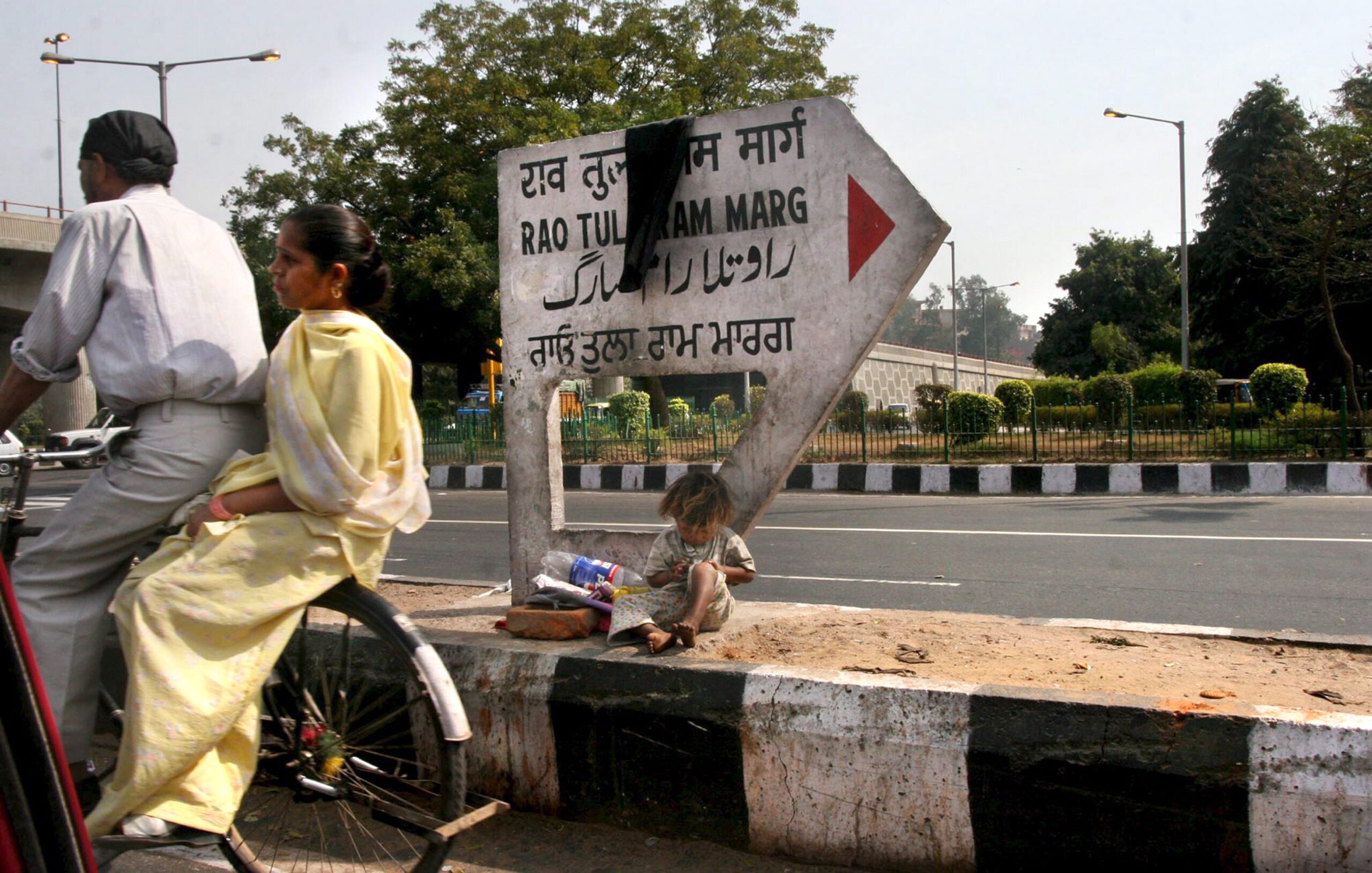
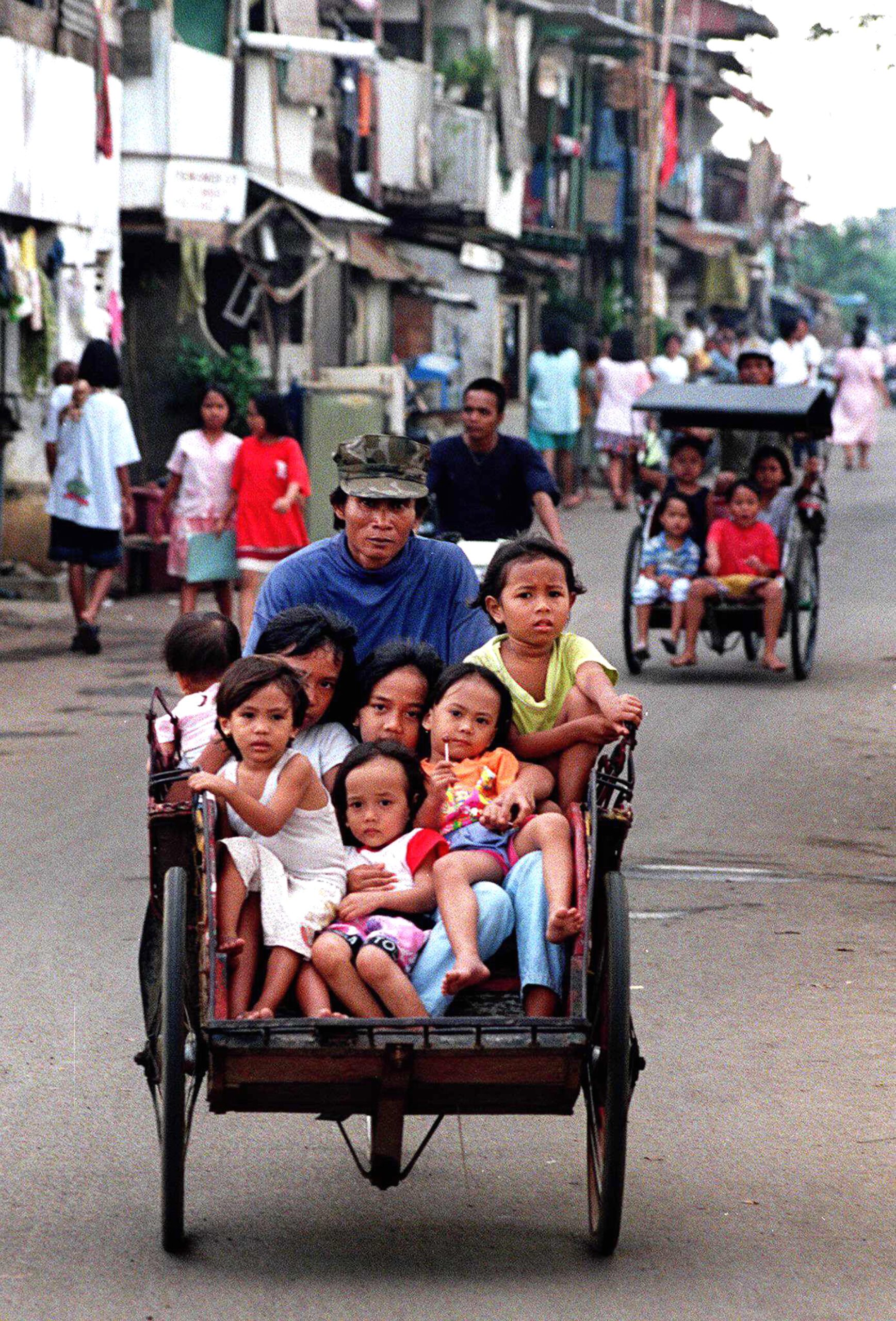
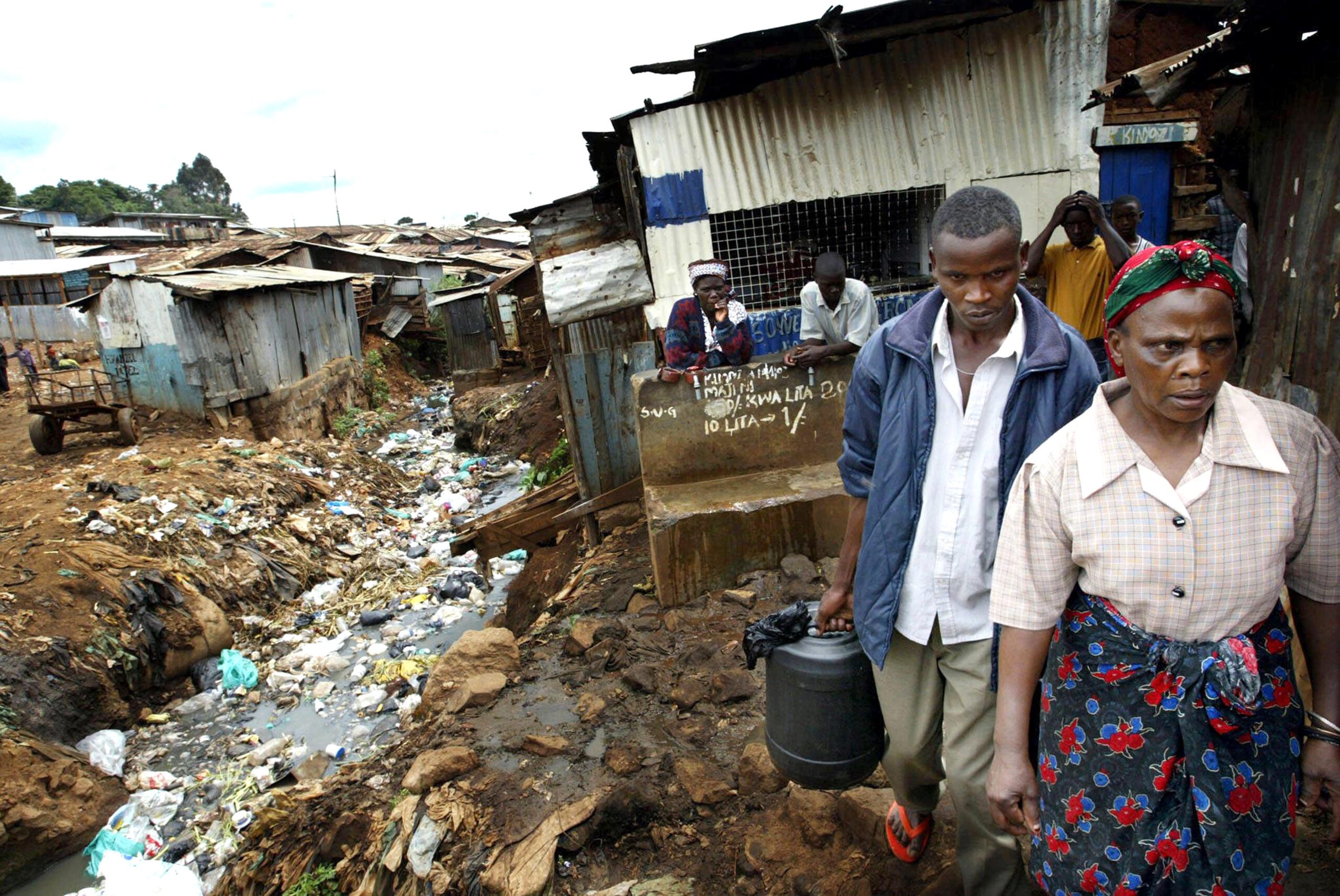
Everyday early in the morning, hundreds of thousands of workers walk tens of kilometers to their workplaces. Late in the evening, they take the same routes, mostly on foot, to return home to their slum dwellings, too exhausted to have time for anything other than a quick cheap meal before sleeping. Who among the evangelizing agents knows who these people are and what dreams and aspirations they hold in their apparently silent, if not deceptively unschooled, minds? Who among the politicians cares about the real needs of these voters, which academician would lose sleep over the humanness of the living conditions of these silent people? Yet without their labor, the metropolis would not live, it would lose its glamour and attraction. The churches would be empty, the shopping centers would lose their luster and the politician would be left without an audience.
BUILDING THE KINGDOM
The need to feed urban populations and the real demand for consumer goods in cities − especially food, sanitation, education, health and transport − craft urban centers into points of convergence of economics, politics and religion. Mechanization of agriculture and the general process of industrialization have changed the phenomenon of urbanization. Cities are no longer mainly centers of administration but rather points of aggregation of economic, political, academic and religious power. To keep the wheels of production running, industries need thousands of workers. The majority of rural-urban migrants are forced out of their traditional homes by the collapse of traditional agriculture and diminishing sizes of land available for growing adequate food for both consumption and sale. Subsistence agriculture is no longer a viable option. As laborers in the cities, these migrant-workers are paid much less than their labor’s worth. Thanks to the collapse of traditional economies that supported the larger part of the population in the rural areas, most rural-urban migrants have no choice other than take whatever the employers have to offer in exchange for surplus labor.
The production of electronic means of communication merits special attention in the economy of human advance. When appropriately used, information and communications technology is a useful tool for promoting and sharing values. But how often do we hear leaders mainly speaking negatively about the mass media? The 21st century has been named Era of the Third Revolution: that is of information. Knowledge-based communication is vital for building credulity. The clergy, religious and laity who are involved in the spread of the Kingdom will need to be not only media-friendly but also media-literate. The city is the sphere where the media has focused its attention: partly because media houses live on commerce that is concentrated in the cities, where most capital is also concentrated. Dedication to revive a reading culture and the ability to use electronic media effectively present a unique option to evangelizers if they are to reach the silent millions with the word of hope. The poor should be taken as allies in the effort to remind the affluent that we are all in the same boat. We float or sink together: some later than others, perhaps, but the destiny of human beings is, in the final analysis, common. This common destiny is reason enough for everyone, and particularly for Christians, to consider the following realities and promote some appropriate interventions as part and parcel of building the Kingdom.
WORK IS THE KEY
• Work as the key to the social question: This was the theme chosen in a symposium organized at Vatican in year 2000 to address the issues of development without a human face. Most workers in cities have been reduced into silent and mindless tools of production. Yet work is the primary asset that the masses have to make the city turn on its axis. Does brutal economic globalization dehumanize workers? Human work has both an objective and subjective dimension. Through work, human beings express who they are. It defines them. Unemployment denies the human person the chance to effectively participate in co-creating the Kingdom of God or share the benefits of human advance. In 1996, Han-Peter Martin and Harald Schumann published The Trap of Globalization: Attack on Democracy and the Welfare State. The two young authors noted with concern that the world economy, driven as it is by neo-liberal economists and politicians, excludes 80% of the world’s population from gainful and humanly meaningful employment. Only 20% of workers in the world take pride in and meaningfully gain from their work. As an agent of mission, the Church needs to hold forums at both macro and micro level to address the issues of globalization and its effects on human beings, especially in the cities.
• Microcredits and the emergence of the informal sector: According to statistics, most families in both the city and rural areas depend on small and medium enterprises. These businesses are often the only source of livelihoods for the 80% of the population. However, many informal sector investors close their enterprises within one or two years. Two factors have been identified as the reasons for these businesses to wind up: lack of access to affordable credits and insufficient management skills. Here, too, the Church needs to see a pastoral opportunity. Mobilizing local and international capital for financing appropriate and viable micro enterprises is a pastoral obligation. In the words of Pope Benedict XVI, the proclamation of the Word, celebration of Sacraments and charitable services to the community are equally important in defining who and what the Church is (Deus Caritas Est, 22).
• Women, children and youth are often left out in decision-making. This observation applies to many societies. However, definition of these sections of the population has changed over time. In the immediate aftermath of collapsing traditional African economies and their social support system, women and children assumed disproportionate challenging social and economic responsibilities. Denied of his traditional roles as bread winner and security provider of the families, the dispossessed male has been left vulnerable to low self-esteem that manifests itself in aggressive behavior towards the physically weak. The Church is faced with the pastoral challenge of coming up with interventions that redefine relationships among women, children, youth and adult males. These four groups need a platform on which to share their hopes and joys, fears and anxieties. The above headings represent only a summary of what the Church could do to mitigate and, hopefully, eventually reverse the negative effects of globalization especially with reference to the city and its opportunities and challenges.
* The authors work in socially-oriented institutions in Nairobi, Kenya.