
An “earthquake,” a “lightning bolt,” a “groundbreaking document.”
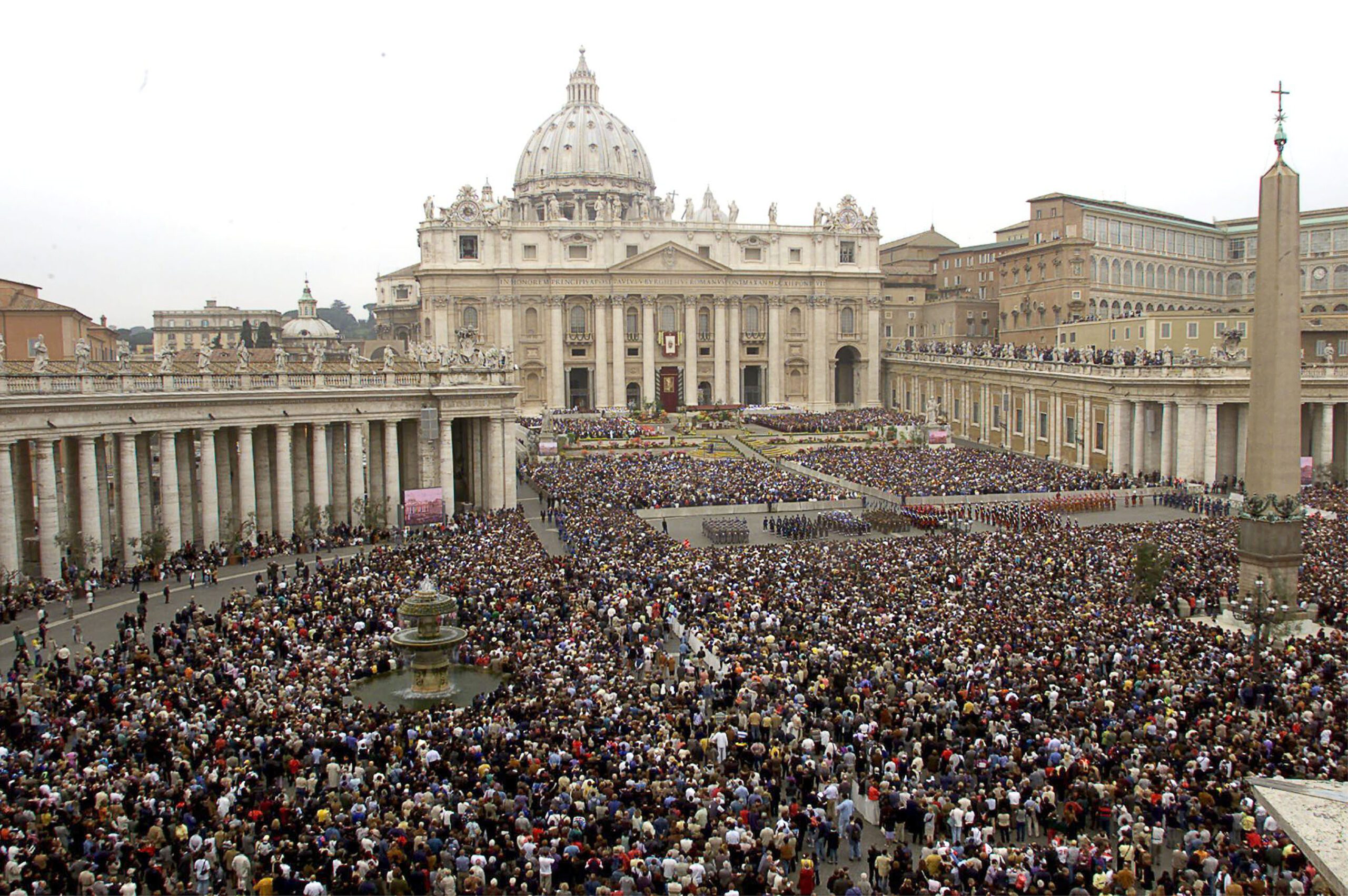
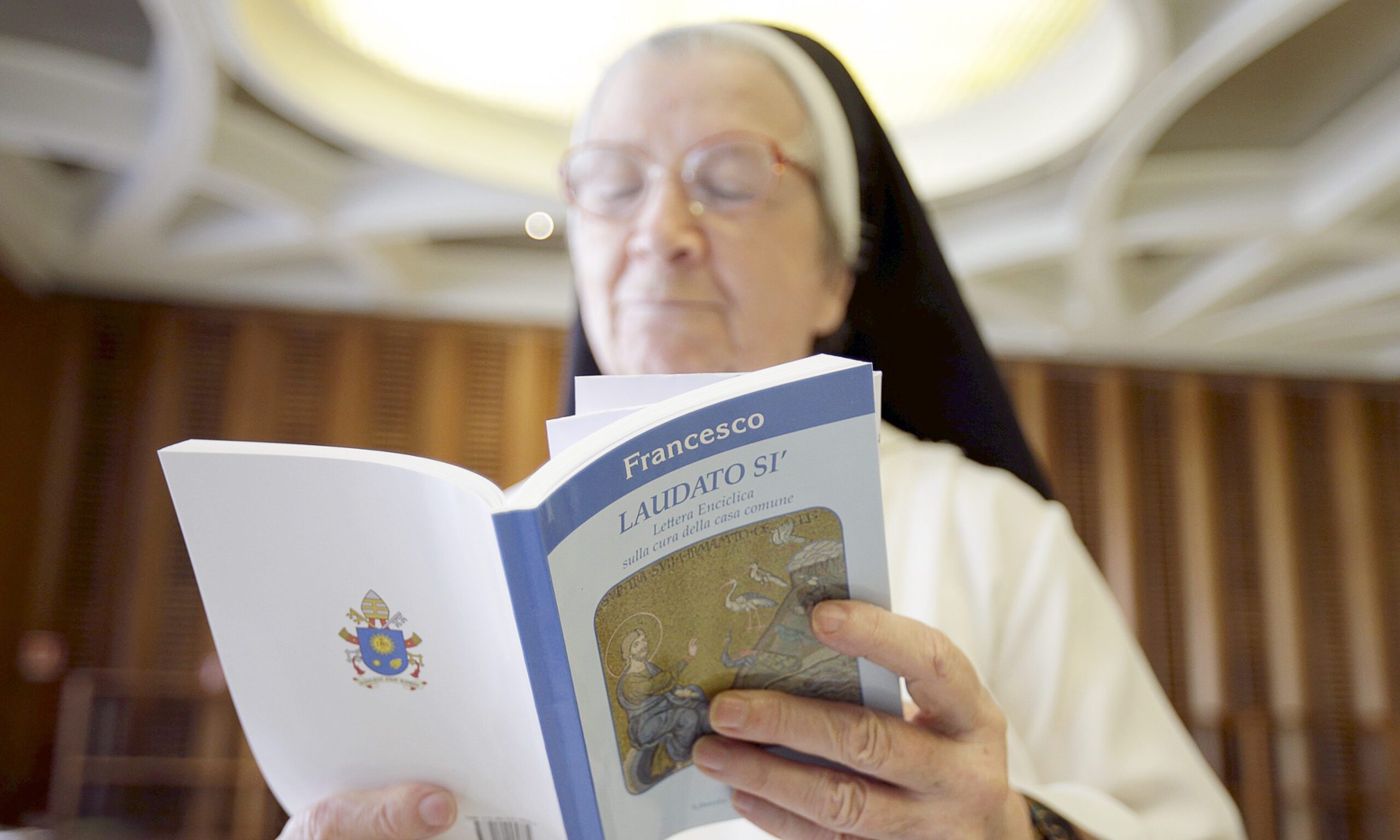
These are only some of the words used by journalists, academicians, and environmental lobbyists to describe Pope Francis’ encyclical Laudato Si (LS), literally “Be praised” or “Praise be to You,” on the care of our common home, weeks and days before its much-anticipated release on June 18. Never has such a document, which is neither published nor ratified by an international body or policy-making organization but by a spiritual leader, generated so much expectation and criticism as this “eco-encyclical.”
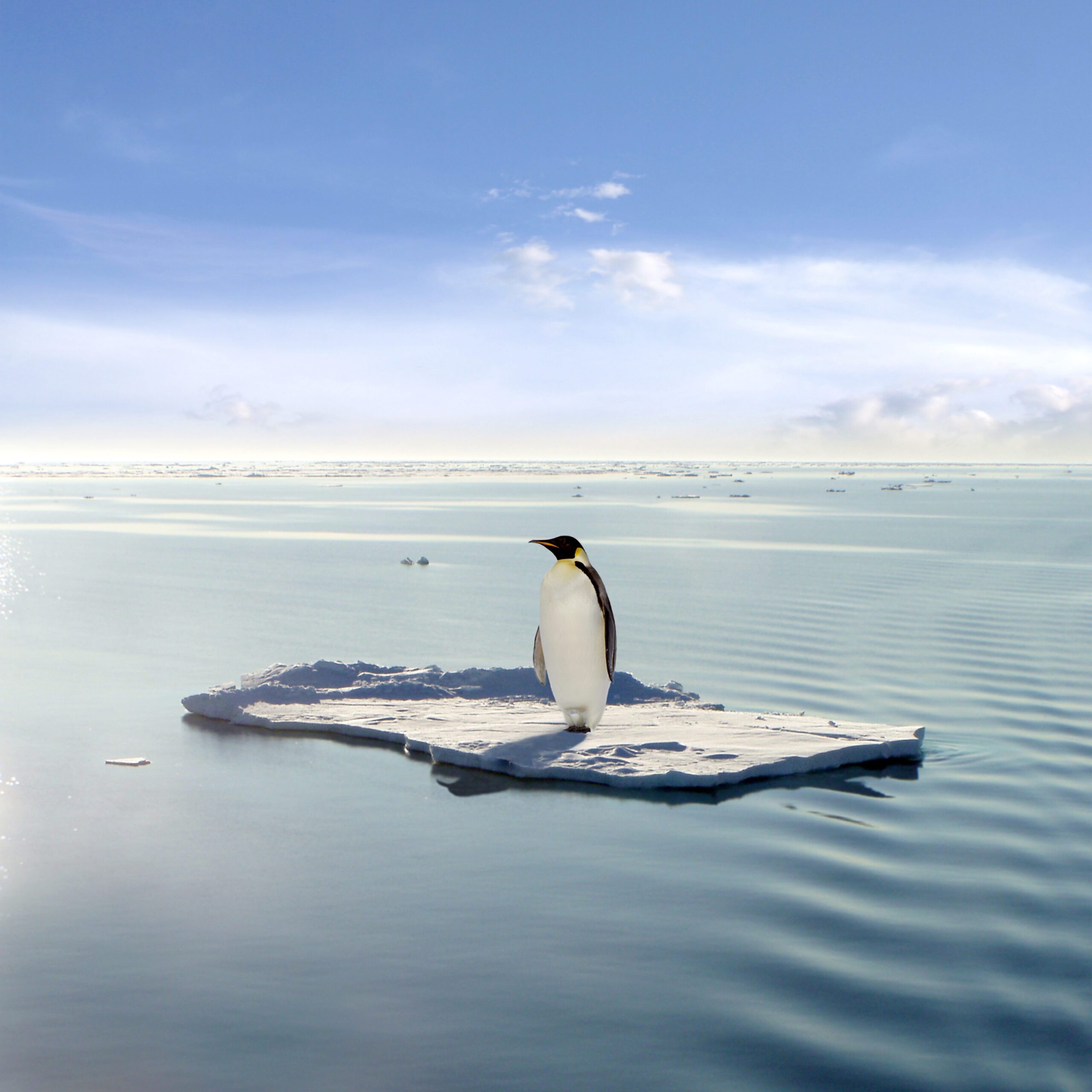
In fact, three days before its scheduled release, the Italian magazine l’Espresso published what it claimed to be a draft of Laudato Si. Many believe that the publication was a move to sabotage or dilute the impact of the encyclical, which will likely be a foreword to the Pope’s address before the U.S. Congress and the United Nations General Assembly in September and which will heavily influence the upcoming United Nations Climate Change Conference in Paris in December. The Paris talks are set to sanction an agreement to push the world, particularly developed economies, to begin the process of limiting carbon emissions and, therefore, global warming to 2 degrees Celsius.
“The encyclical will have a major impact. It will speak to the moral imperative of addressing climate change in a timely fashion in order to protect the most vulnerable,” commented Christiana Figueres, the U.N.’s climate chief, days before the release of Laudato Si.
Meanwhile, some U.S. politicians, a number of whom are Catholic, criticized the Pope for joining the climate change debate, saying the Pope should stop meddling in political affairs and instead focus on spiritual matters. Pope Francis, however, has repeatedly emphasized that caring for the environment is not just a political or economic issue but a moral, ethical, and anthropological concern.
Now that the encyclical is finally out for everyone to analyze, discuss and debate on… what next?
THE HEART OF THE MATTER
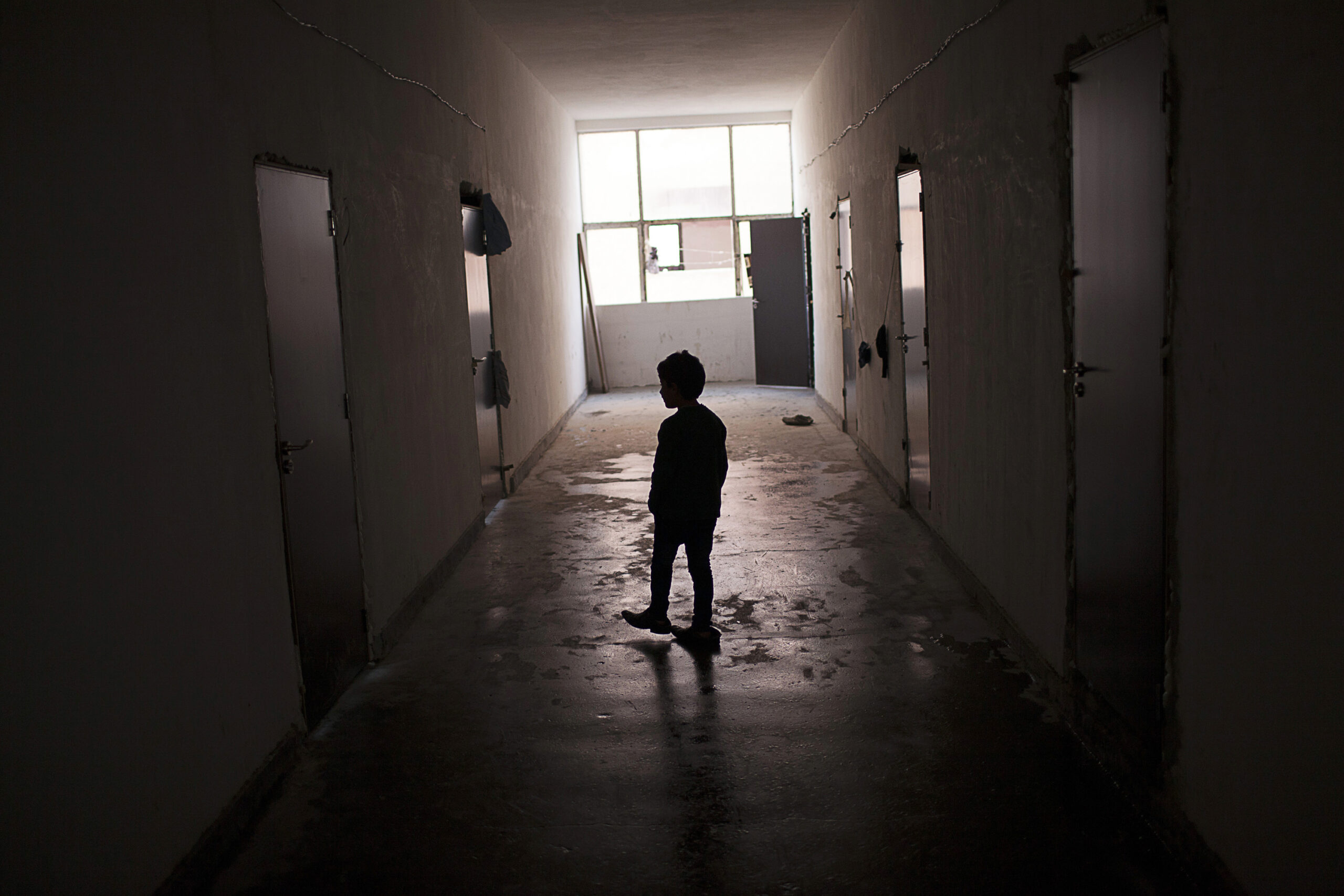
“What kind of world do we want to leave to those who come after us, to children who are now growing up?”(LS 160). This question is at the core of the Pope’s “eco-encyclical.” More than a question being asked by a popular religious figure to his 1.2 billion-strong flock or to policymakers he intends to influence, it is a question asked by a wise father to his children who have squandered the family’s wealth or property or who have lost their focus in life.
Asking this question presupposes the fact that the world is already in an advanced state of degeneration and “is beginning to look more and more like an immense pile of filth” (LS 21) because of man’s own doing. It also leaves no room for argument that climate change is merely a hypothesis, a hoax floated by developed countries who refuse to admit that their carbon-driven economic activities or “human causes which produce or aggravate” climate change (LS 23) are causing the ecological imbalance. Climate change, the encyclical notes, is a phenomenon based on sound scientific findings.
Therefore, Laudato Si is not an expository paper that proves whether disturbing and extreme changes are actually happening to the climactic system or not, but a moral action plan on how humanity can slow down the environmental change that is already taking place. For this moral action plan to work, the Pope places his hope and trust in humans, which, “while capable of the worst are also capable of rising above themselves, choosing again what is good, and making a new start” (LS 205).
THE BODY AND ITS PARTS
The encyclical’s title is inspired by the prayer of St. Francis, “Praise be to You, my Lord,” in his “Canticle of the Creatures.” It is a reminder that everything in this world is connected – the air, the waters, the land, the plants, and the animals, i.e., everything that God has asked man to take care of and not merely have dominion over. It also prompts one to contemplate on man’s origin – dust of the earth – and how humanity has abused this origin, this earth which has been crying out for help for many years now.
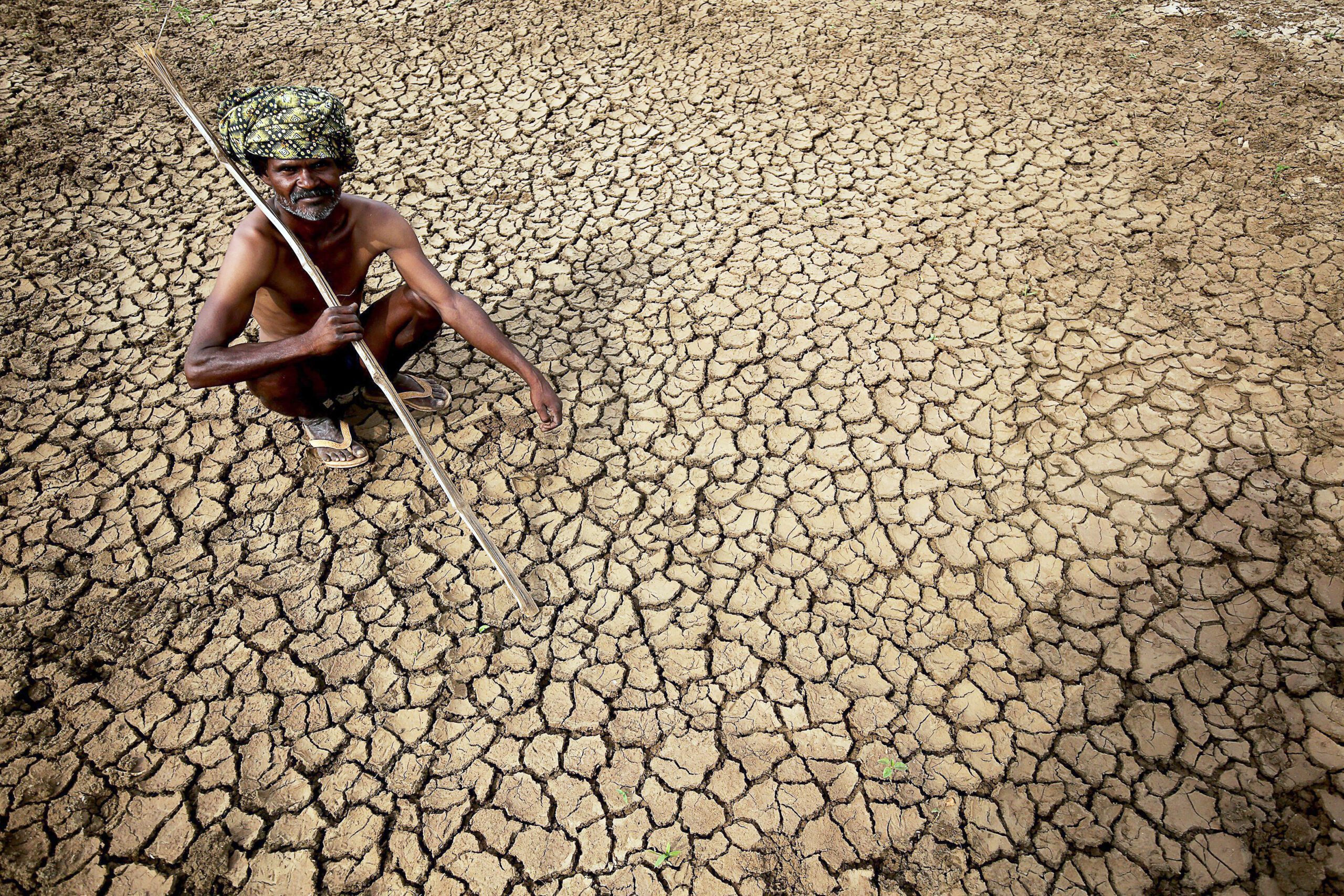
Laudato Si is composed of six chapters. The first chapter presents the state of the climactic system based on scientific findings, again debunking beliefs that climate change is merely a part of the Earth’s natural “wear-and-tear.” The culture of waste and how it contributes to the buildup of rubbish and pollution, its effect on the poorest of the poor and the quality of human life, and the loss of water and biodiversity are only some of the problems discussed by the Pope in this chapter.
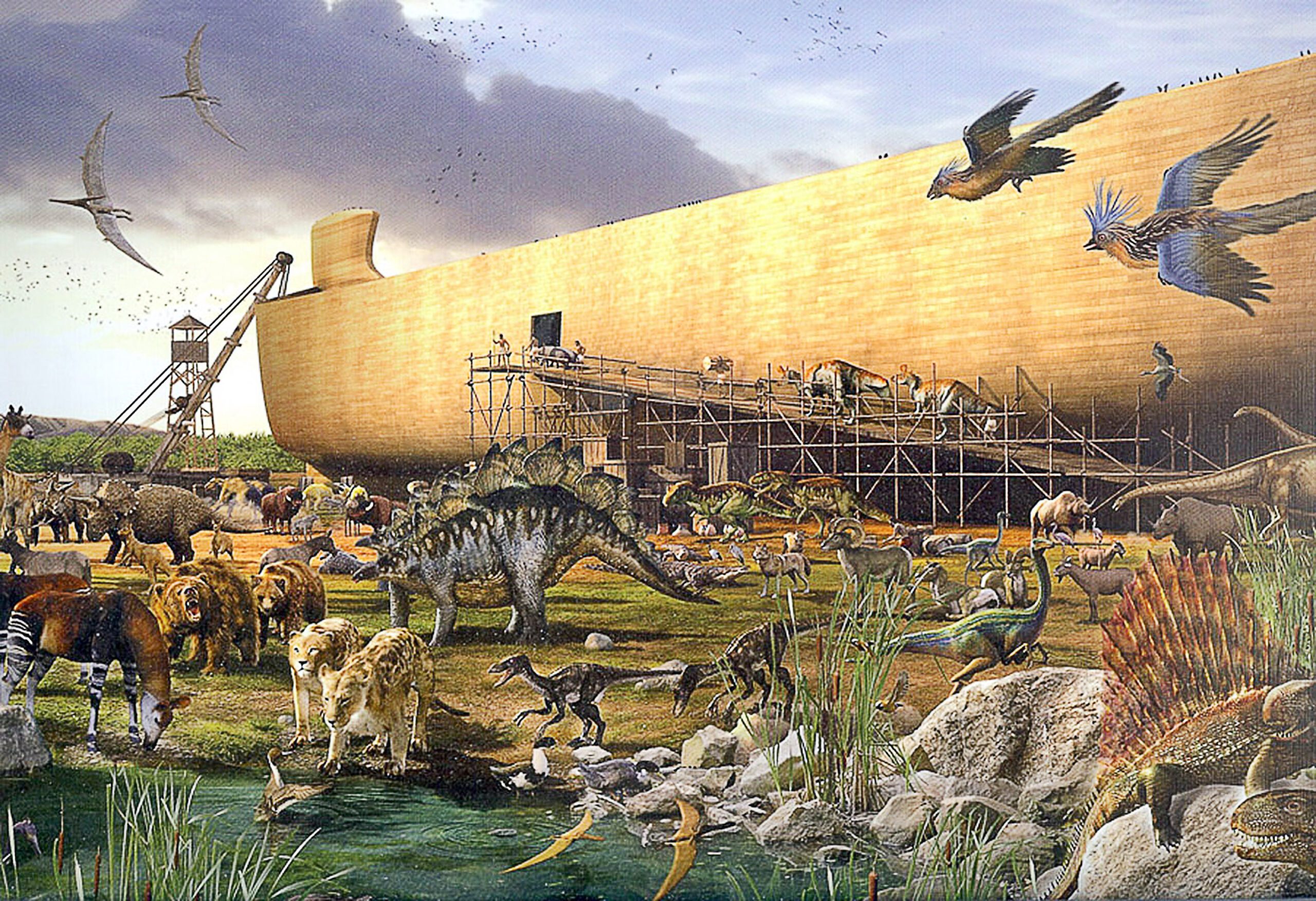
Meanwhile, Chapter 2 lays down the biblical foundations for creation and stewardship and how man is connected to each and all of God’s creations. The Pope reminds readers that man’s transgressions against creation and against his fellowman break his relationship with God, a poignant reminder that the God of Redemption is the same God of Creation. The Holy Father also warns the faithful about justifying the abuse and exploitation of natural resources by citing God’s command in Genesis to subdue the earth and have dominion over its creatures.
Chapter 3 cites the human-driven reasons for the ecological crisis, such as globalization, anthropocentrism, practical relativism, biological technology, and selfish labor interests, among other things.
In Chapter 4, the Holy Father proposes an “integral ecology, which clearly respects its human and social dimensions” (LS 137) as a new paradigm of justice. This is not limited to caring for nature alone but to everything connected to it, as established in Chapter 2. The Pope insists that everyone should begin to think of environmental issues not as a stand-alone problem but as a crisis which affects the individual, families, employment, the community, institutions, and all aspects of society and daily life. It also focuses on everyday life especially in the urban setting, stating that authentic development should guarantee an improvement in the quality of human life, such as housing and transportation.
The action plan is illustrated in Chapter 5. It calls for a dialogue at all levels of society that promotes transparent decision-making processes, whether at the local, national or international levels. The Pope cautions policymakers not to develop approaches in an ideological, superficial or reductionist way and laments that international summits on the environment have failed to come up with solutions because of certain nations’ refusal to diminish their economic and political status. “What would induce anyone, at this stage, to hold on to power only to be remembered for their inability to take action when it was urgent and necessary to do so?” (LS 57), the Pope remarked. He then exhorts political leaders to be courageous in making decisions and “attest to their God-given dignity and leave behind a testimony of selfless responsibility” (LS 181).
In Chapter 6, Pope Francis issues a reminder that no initiative or action plan can be effective if it is not guided and formed by a responsible conscience. He admits that changing old habits, behaviors, and lifestyles will be difficult and that intense ecological conversion, supported by “motivation and a process of education” beginning in the family, the schools, media and elsewhere (LS 15) is called for. Again, such a conversion will come from the individual, whose choices can then influence political, economic and social powers to change the way he/she does things, eventually creating an ecological citizenry (LS 211).
ECOLOGICAL CONVERSION
As with all forms of problem-solving, the Pope proposes, as he did in Chapter 6, a change of attitude in treating the environment – an ecological conversion – that will start from the individual and work its way to the institutions. However, the collaboration should be two-way, not merely from bottom to top, entering into dialogue with all people about our common home and for the common good.
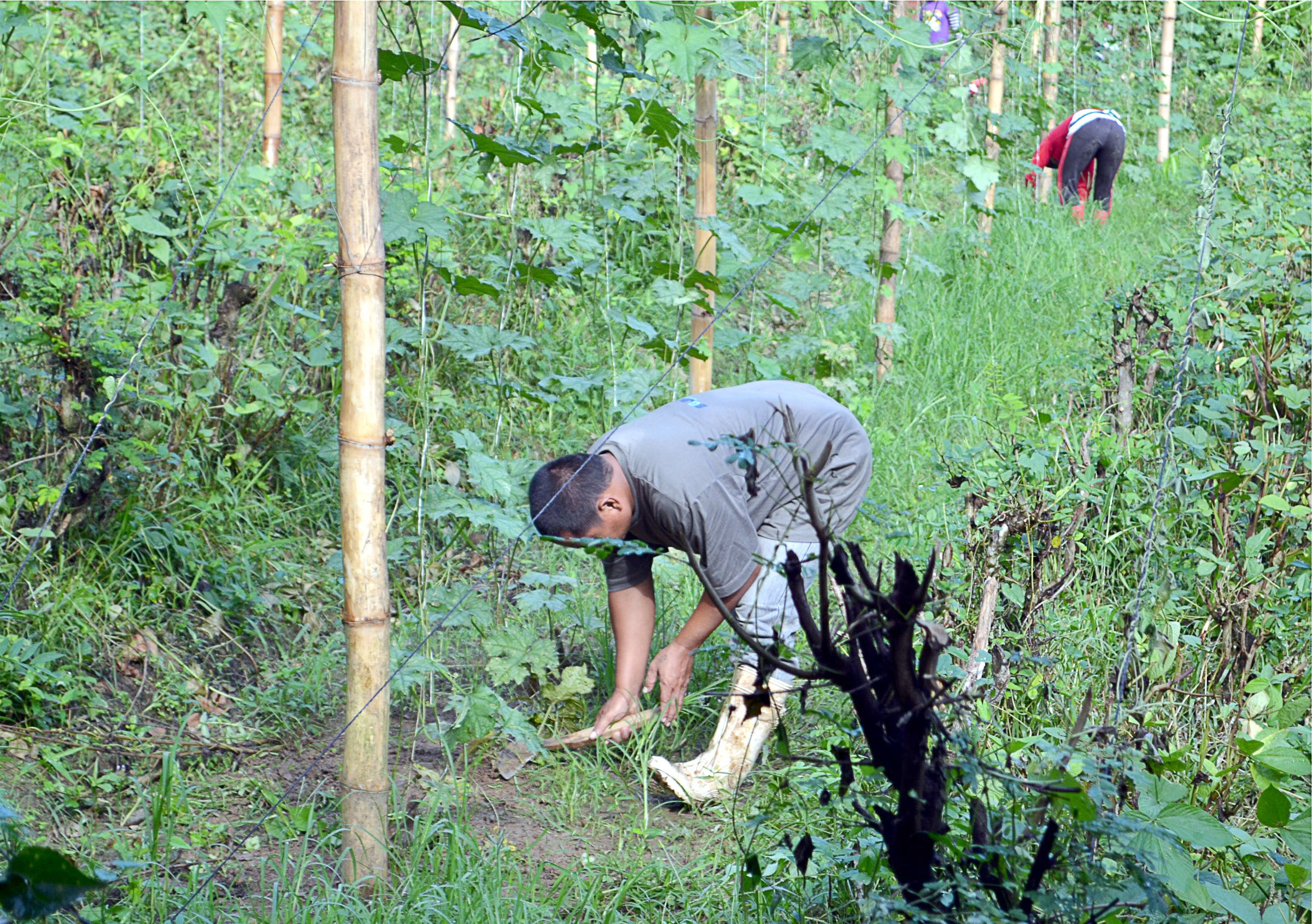
To the ordinary faithful, this proposal may be a huge and daunting task. But true to his simple, practical, and charismatic way of teaching, Pope Francis offers numerous ways for individuals, whether Catholics or not, to begin this internal conversion at home or within the immediate community.
Here are some of his teaching examples:
Recycle. “We have not yet managed to adopt a circular model of production capable of preserving resources for present and future generations, while limiting as much as possible the use of non-renewable resources, moderating their consumption, maximizing their efficient use, reusing and recycling them” (LS 22).
Use “green” vehicles and build “green” homes. “Investments have also been made in means of production and transportation which consume less energy and require fewer raw materials, as well as in methods of construction and renovating buildings which improve their energy efficiency” (LS 26).
Ensure safe and clean water by avoiding harmful chemicals. “Detergents and chemical products, commonly used in many places of the world, continue to pour into our rivers, lakes and seas” (LS 29).
Limit the use of pesticides that can harm non-pests. “Often a vicious circle results, as human intervention to resolve a problem further aggravates the situation. For example, many birds and insects which disappear due to synthetic agrotoxins are helpful for agriculture: their disappearance will have to be compensated for by yet other techniques which may well prove harmful” (LS 34).
Save electricity. “People may well have a growing ecological sensitivity but it has not succeeded in changing their harmful habits of consumption which, rather than decreasing, appear to be growing all the more. A simple example is the increasing use and power of air-conditioning” (LS 55).
There are many other practical solutions that the Pope offers especially in LS 211 which many overlook or take for granted.
INITIAL WORLD REACTION
In addition, the Pope offers advice to world leaders in the entire first section of Chapter 5. He says a true leader is one who upholds high principles and the long-term common good even when faced with difficult decisions (LS 178).
Meanwhile, U.S. President Barack Obama welcomed the release of the encyclical, hoping that world leaders will heed the Pope’s call to bolder action to slow down climate change. “As we prepare for global climate negotiations in Paris this December, it is my hope that all world leaders and all God’s children will reflect on Pope Francis’ call to come together to care for our common home.” On June 19, Obama called for a 24% cut in carbon emissions for trucks by 2027.
The week after that, security and economic leaders of the U.S. and China, the world’s two largest economies and carbon emitters, sat down to discuss, among other things, climate change.
THE BEGINNING, NOT THE END
The Pope ends his eco-encyclical with two prayers: one that can be prayed by all who believe in God as the all-powerful Creator and another that can be prayed by Christians (LS 246).
While prayer is the expected conclusion to a largely moral teaching document such as an encyclical, it is definitely not the last word, from this Pope or the Catholic Church, on caring for the environment. Laudato Si will, no doubt, be cited by many in the future, as the world continues to struggle “to prepare for a better future, for the coming of your Kingdom of justice, peace, love, and beauty.”
The encyclical ends with the phrase “Praise be to You!” as it was likewise begun.