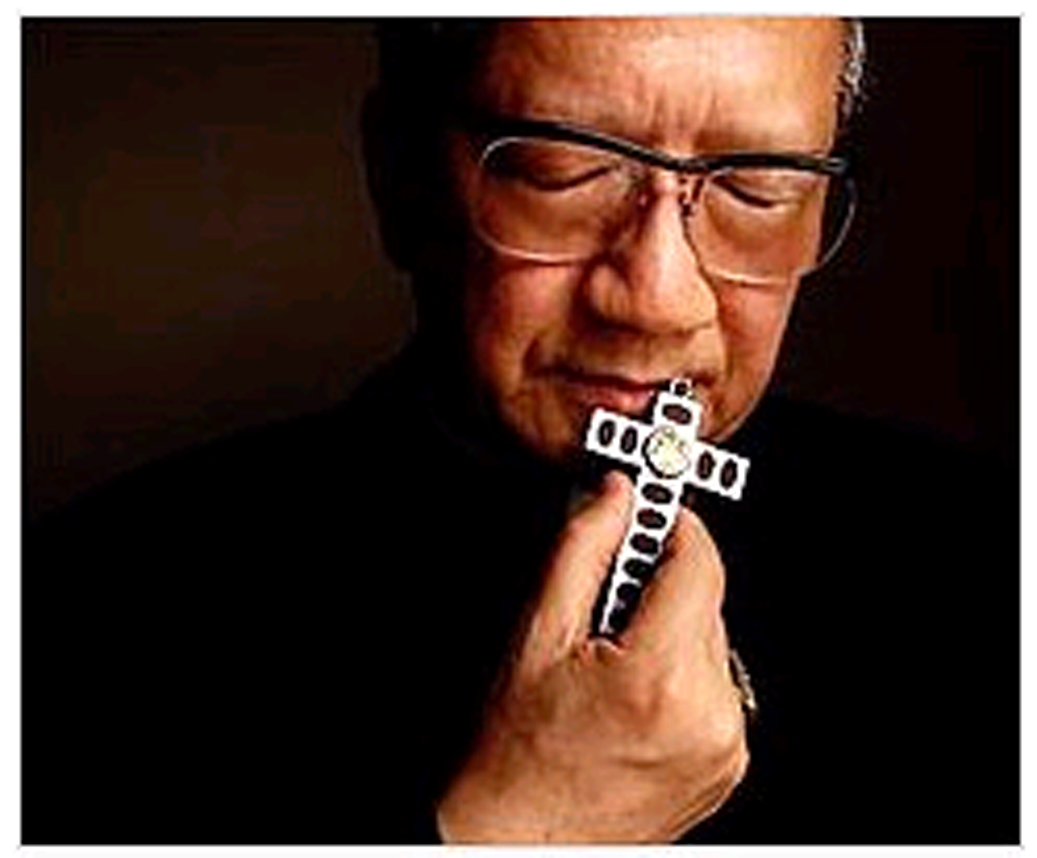

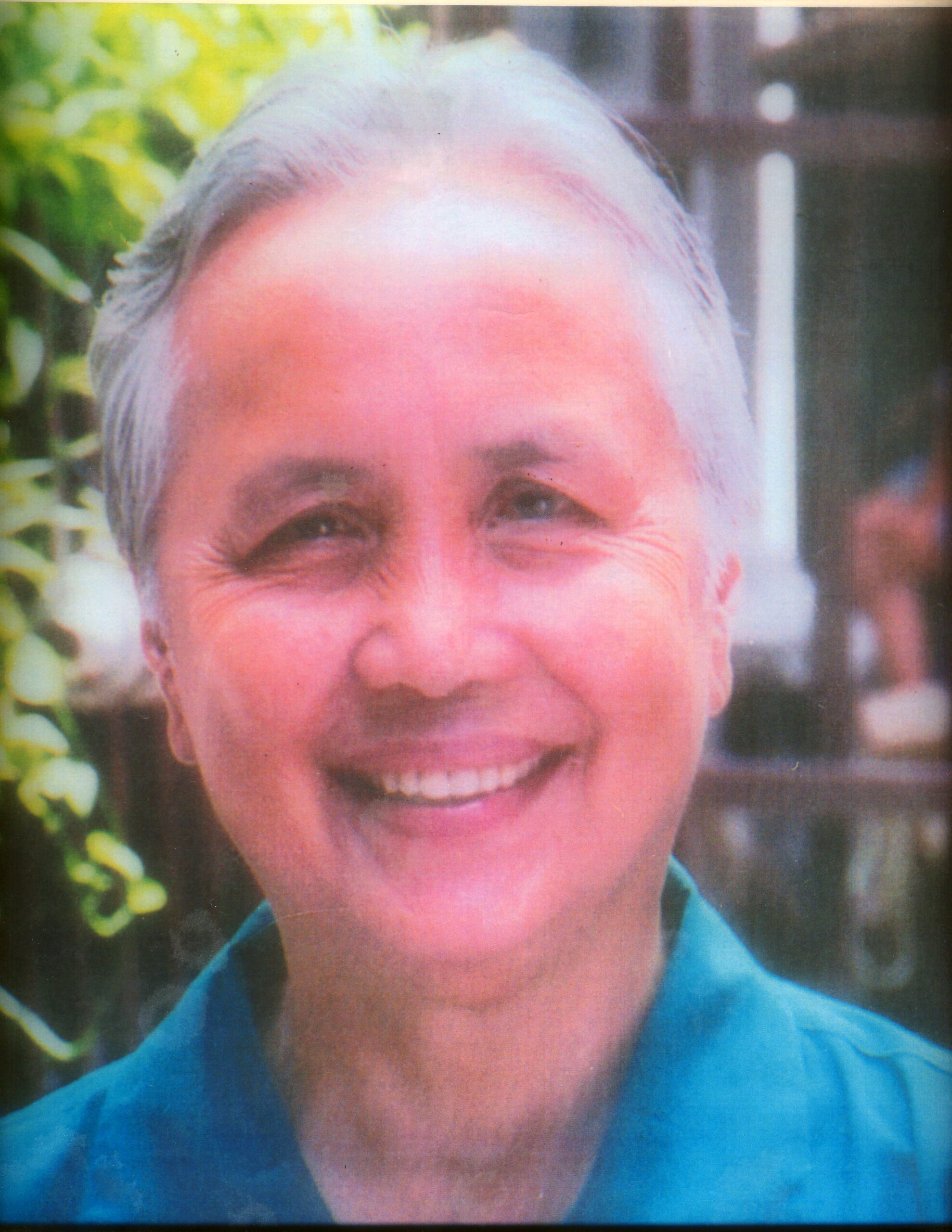
“I have no regrets,” Sister Mary Christine Tan said shortly before she died. “I have given my all.” In prayer and in the bosom of the poor, she said, she had found “the pearl of great price.”
This Good Shepherd nun was many things to many people. She was a human rights advocate, a nationalist activist, a religious leader. But, most of all, she was a true friend of the poor. She broke through class boundaries and, like the model of the Good Shepherd, strode into untested waters in order to reach out to the last, the least and the lost. The outpouring of affection and appreciation after she died, from those who had experienced her goodness, was proof of her zeal and the breadth of her embrace.
Sr. Christine was, in many ways, controversial, unconventional and unorthodox. She was ahead of her time, many would say. But though she was always in the thick of things she remained deeply spiritual and would often withdraw to connect, through prayer, with her personal God, the God of all, the God “with a thousand names.’’ She loved silence and was known to be a woman of few words.
25 YEARS AMONG THE POOR
Sr. Christine, together with several Good Shepherd Sisters, lived and worked among the poor for almost 25 years starting 1979. They gave up the material comforts most religious enjoyed and journeyed with the dispossessed, fighting alongside them, praying with them.
With her fellow nuns, Sr. Christine founded the Alay Kapwa Christian Community and set up cooperatives and livelihood projects for the poor in Manila, Cavite, Quezon and Cebu. She encouraged the poor to come close to God through prayer, by living the Gospel and reaching out to their fellow poor. She wanted them to discover their dignity as Filipino citizens and children of God.
Sr. Christine came from a family of comfortable means. Born on November 30, 1930 in Manila, she was christened Amanda Justina and nicknamed Mengie. She was the fifth of seven children of Judge Bienvenido Tan Sr. and Salome Limgenco. She attended St. Scholastica’s College in Manila where she graduated with a liberal arts degree, major in mathematics. Sr. Christine joined the Religious of the Good Shepherd in 1954.
FIRST FILIPINO SUPERIOR
In 1970, Sr. Christine was elected the first Filipino Provincial Superior of the Religious of the Good Shepherd of the Philippine Province (which included Korea, Hong Kong and Guam at that time). Invoking the statement of the First Asian Bishops Conference (FABC) on making an “option for the poor,” she broke open many doors and urged more sisters to go out to the materially poor and live among them.
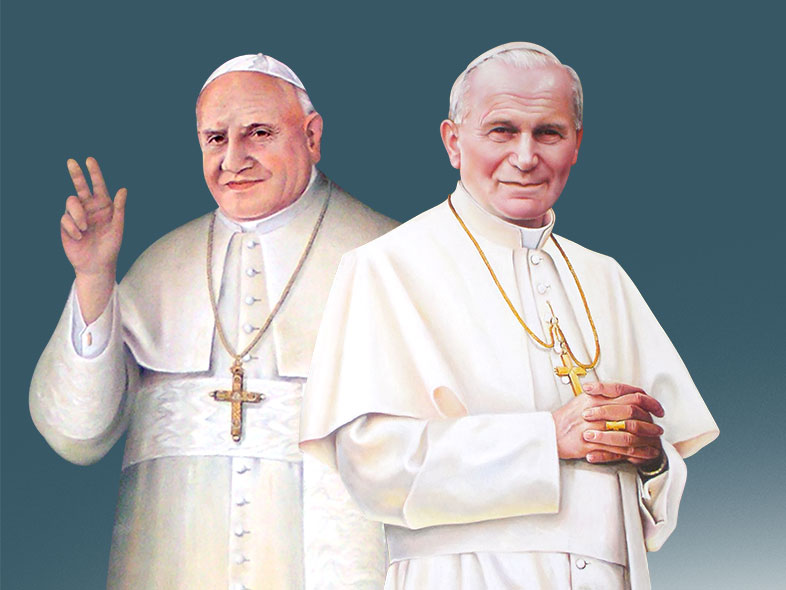
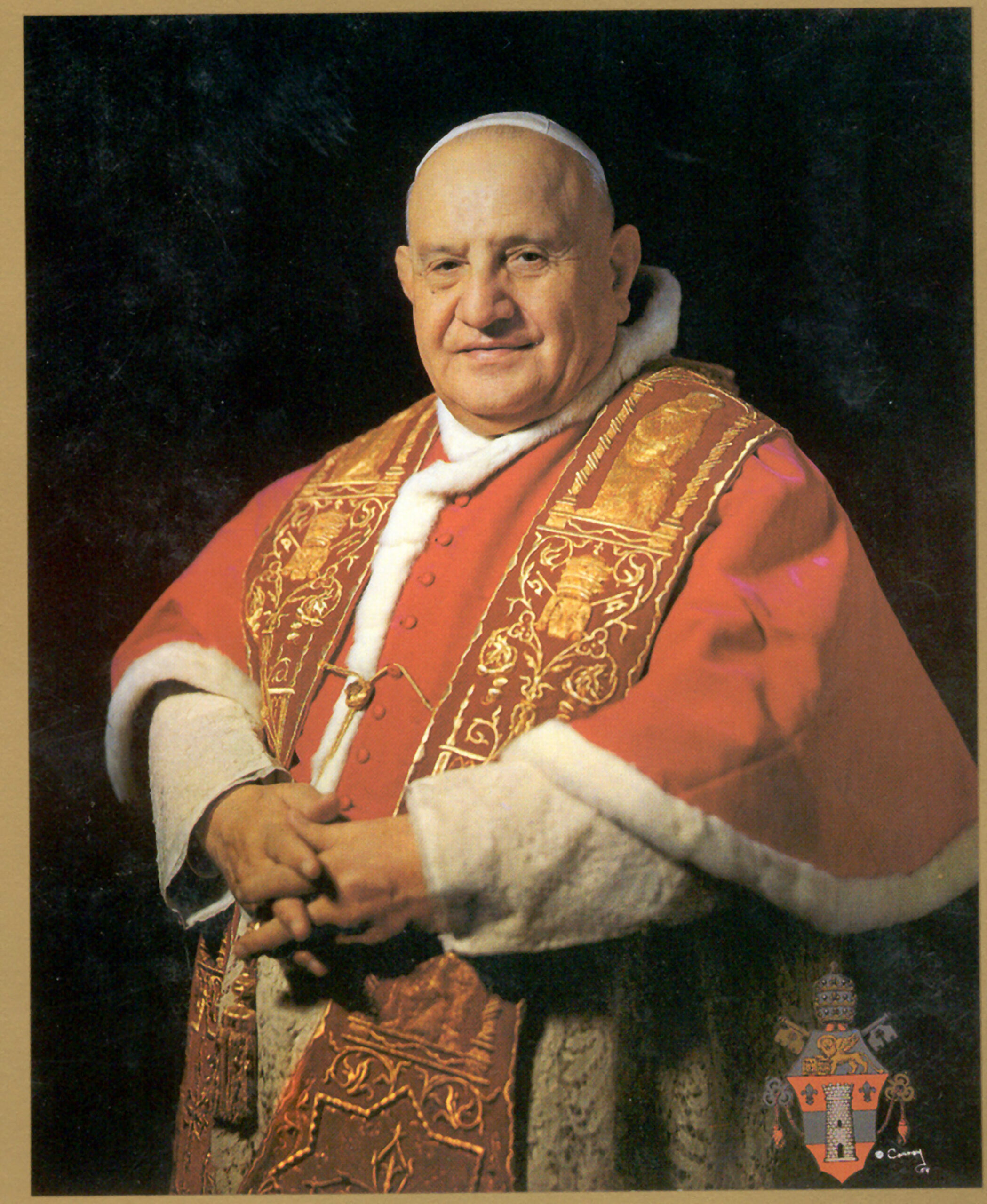
She was ever thankful that “a man named John,” had come along. (She was referring to Pope John XXIII who made possible radical changes in the Church through the Second Vatican Council.)
She opened the windows wide for the Asian breezes to flow in. She discovered the beauty of Asian spirituality. She roused the religious to find “our Asian face, our Asian soul.”
When Pres. Ferdinand Marcos imposed martial law in 1972, Sr. Christine, then chairperson of the Association of Major Religious Superiors of Women in the Philippines (Father Benigno Mayo, SJ, headed the religious superiors of men then) and other leaders in the religious sector organized themselves to fight military abuses and prevent arbitrary detention, torture and involuntary disappearances. They set up task forces to address the crying need for justice work, communicating and organizing in the rural and urban areas. Those were dark and dreadful years that required a strong and daring leadership.
Her term as Provincial Superior over in 1976, Sr. Christine continued to serve various sectors through non-government organizations and human rights movements. But it was for the literally poor that her heart bled the most.
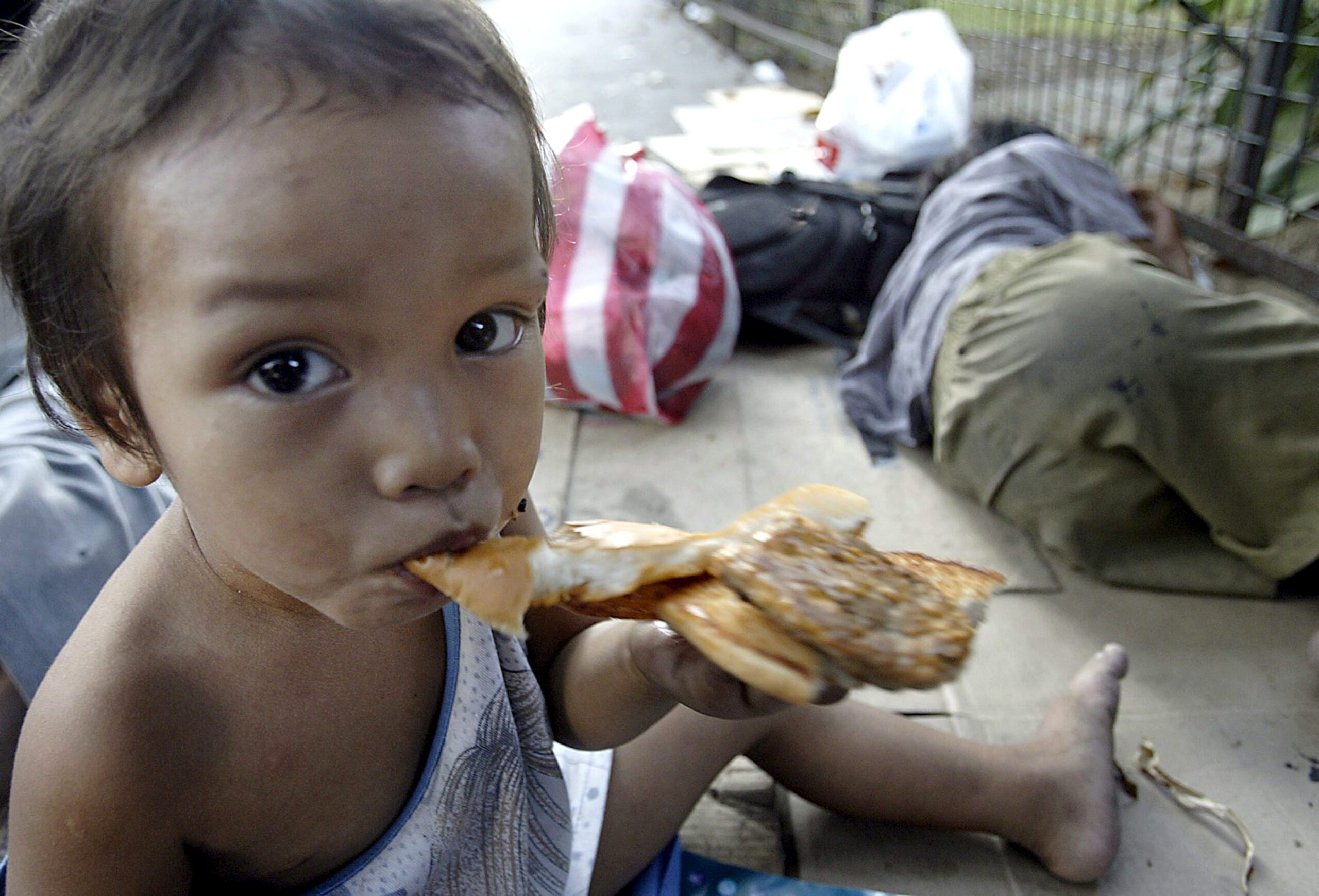
When Sr. Christine and a handful of nuns moved to the slums on Leveriza St. in Manila’s Malate district in 1979, there was only stark poverty. Many things have changed since then − not just in the physical landscape but, more importantly, in the hearts of many.
LIKE A MOTHER
Indeed it was in Leveriza that Sr. Christine’s true-to-life journey with the poor ended and began. And indeed, only the truly poor could say what Sr. Christine was like to them. Let us hear some of them:
• “Siya ay bukas palad para sa mga mahihirap. Strict siya pero mababa ang kaloooban. Higit sa lahat disciplinarian.” (She was generous with the poor. She was strict but humble. Most of all, she was a disciplinarian.)
• “Matigas ang paninindigan niya sa lahat ng uri ng katiwalian.” (She stood firm when fighting what was evil.)
• “Napakabait, matulungin, parang ina na naghahanap ng makakain ng kanyang pamilya. Mula nang tumira siya sa Leveriza, nabago ang paligid.’’ (She was a very good person, like a mother in search of food for the family. So many things have changed in Leveriza since she lived here.)
• “Iilan lang ang pananalita niya pero makahulugan. Kusa siyang tumutulong sa mga nangangailangan. Meron siyang isang salita. Suplada siyang tingnan pero ang kanyang kalooban ay bukal lalo sa mga nangangailangan.” (She was a woman of few words but her words were full of meaning. She helped those in need. She had word of honor. She may have looked unapproachable but actually her heart was full of goodness for those in need.)
Her close friend, former president Corazon C. Aquino, said of her: “She possessed the qualities I was looking for − integrity, patriotism, selflessness and dedication. I think Sr. Christine was a great woman. She had clearly shown by example how we should love God and our neighbor.”
DRAFTING THE CONSTITUTION
In 1986, after the Marcos dictatorship ended through People Power, Pres. Corazon Aquino appointed Sr. Christine to the Commission that drafted the 1987 Constitution. Later, under the Estrada administration, she served in the Board of the Philippine Charity Sweepstakes Office where she stirred a hornet’s nest when she exposed irregular fund disbursements that involved members of the Estrada family.
Her fellow Good Shepherd nuns paid her tribute for breaking ground during “the angry 70s” and for “bringing new wineskins for new wine.” Sure, she was controversial but she was much loved by many. And she loved much in return. Her friends came from all walks of life.
She enjoyed good movies, books and breakfasts-for-two with special friends. She not only sent the poor kids to school on scholarships, she personally tutored them in the afternoons.
TO BE LIKE GOD
She never thought of her lifestyle as severe. Sleeping on the hard floor was good for the back, she said. The pollution was making them sick, she said, but they were “comfortable.” What’s bad, she said, was the drunkenness of the men. She admired the women. “It’s the women who are strong. At first, we tried to help everybody but we created parasites. The hardworking we help, the lazy are left to die, ignored completely.”
But it is in prayer that she found the meaning of everything. Uniting with God in silence, she said, gave her much joy beyond all telling. “In prayer,” she confided, “when you go deep into the silence, you actually feel God. You and God are merged as one. In that utter stillness you could feel the light, and the fire and tight embrace, and the tenderness enfolding you. Then you become strong like a bull, you go straight like an arrow.”
Encountering God is a passionate experience, she said. “Violent but also tender. We have to be like God to the people.”
UNCOMMON COURAGE
Sr. Christine died on October 6, 2003 after a seven-month bout with cancer. Her body was cremated immediately. On December 10, 2004, Human Rights Day, her name was engraved on the Wall of Remembrance at the Bantayog ng mga Bayani (Monument for Heroes). Sr. Christine was hailed for her uncommon courage and leadership during the dark days of martial rule, for her nationalist stance and for her compassion and love for the poor. She was also conferred the Bukas Palad Award by the Ateneo de Manila University. When she was alive, she had also received a number of citations for her courage, among them the Chino Roces Award. Awards did not mean much to her but she accepted them graciously.
Thirty years ago, Sr. Christine wrote: “Today, as we live through helplessness and national suffering, I hold the key to many lives. Each step I make could build or destroy, contribute to truth or to sham. Perhaps the world will be better because I was born. But while every fiber of my being is immersed in this frenzy of service and passion, deep in my core, nothing matters except that on the day of reckoning, the One for whom I lived my life in struggling purity, will see my face… and recognize it.”