In November 2009, you led 25 protesters in a nine-day hunger strike in front of the Department of Environment and Natural Resources’ main office. What was at stake?
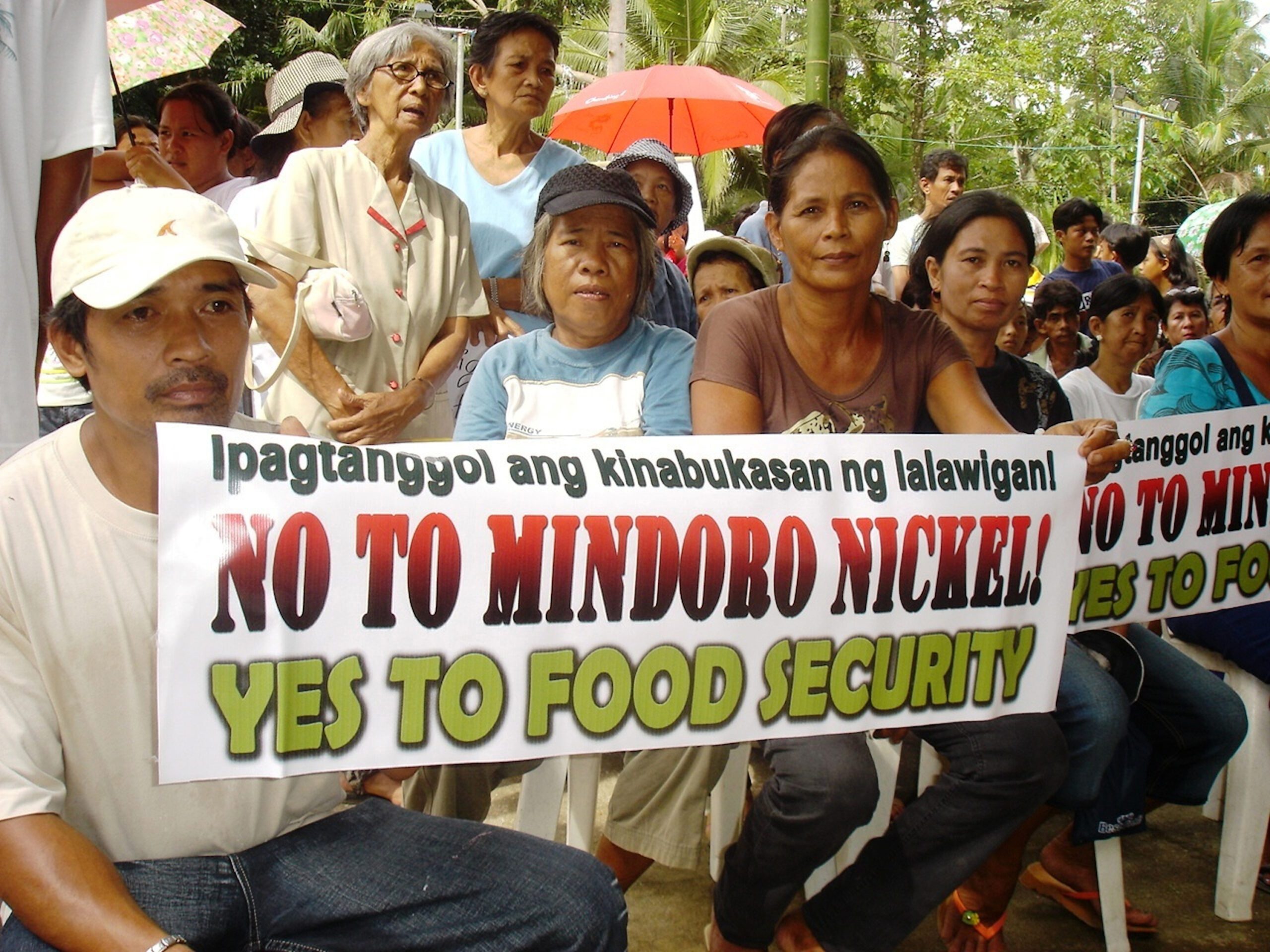
– The hunger strike was really a last resort on our part to denounce the issuance of an environmental compliance certificate for the nickel-extraction project to a Norwegian mining company in Mindoro without public consultation. From the time the company started exploring for nickel in 1997, we tried to dialogue, but they were not listening to the issues we were raising. We got our acts together and we formed the Alliance against Mining in Mindoro (ALAMIN – Alyansa Laban sa Mina) – a coalition of civil society organizations, people’s organizations, including the local government units, and Churches to oppose mining operations that are a big threat to the ecology of Oriental and Occidental Mindoro.
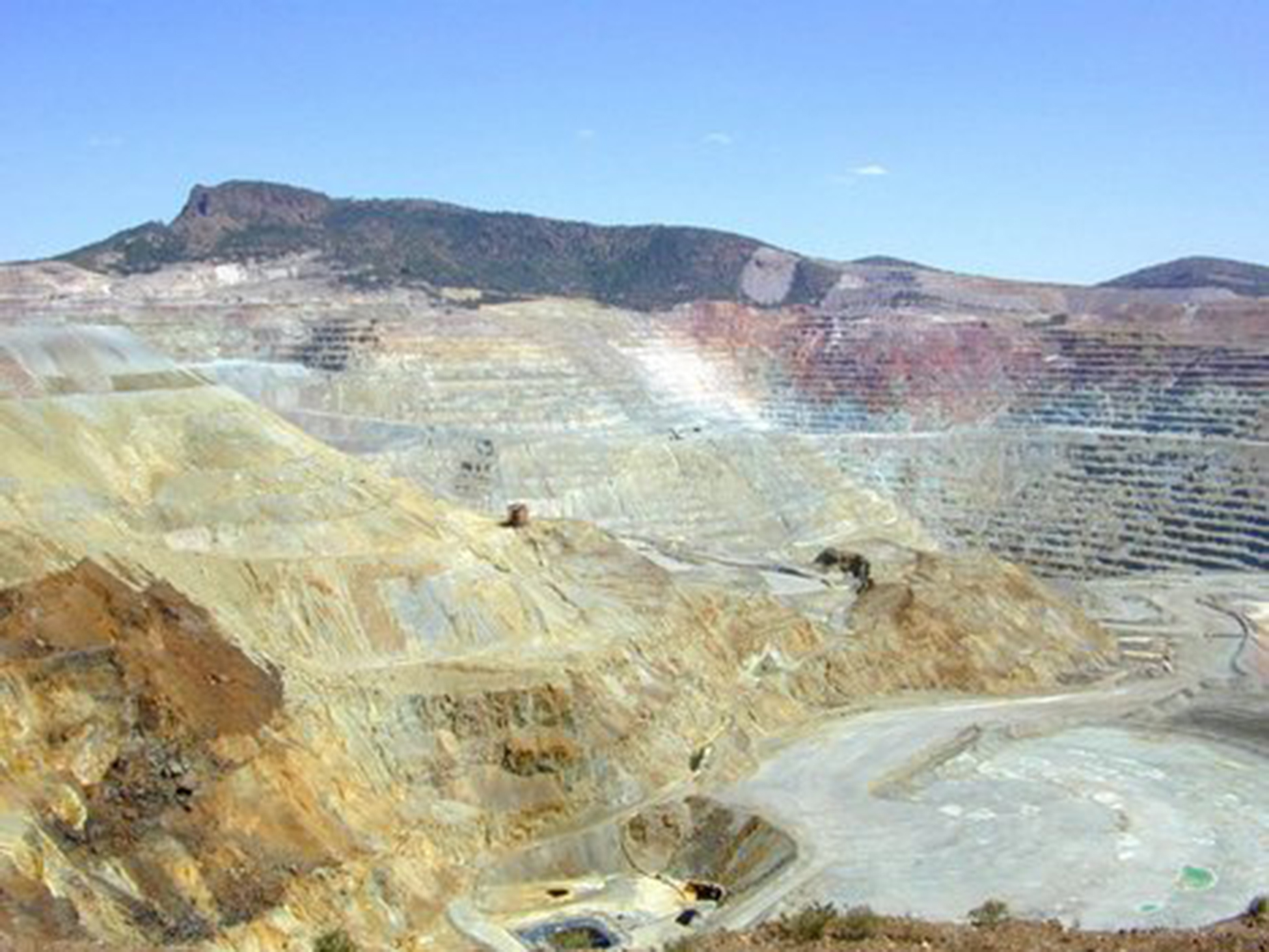
We conducted several protest actions, rallies, symposia, petitions… We did everything possible to ask the national government to stop mining because the island’s ecology was at risk. Our forests have been greatly destroyed. The mining concession is within the ancestral domain of the indigenous peoples; there is also a watershed supporting four municipalities down below with potable water, water for irrigation and fish ponds; and the mine was going to dispose millions of tons of tailings that would contaminate the sea and the fish ponds. It was really a big issue for the province – for the indigenous peoples but also for the farmers and all the people. That is why the local government units and people are very much opposed to the project. In fact, the local government units of all the affected communities and municipalities had already issued a resolution opposing mining and the provincial government had passed an ordinance banning mining in Oriental Mindoro for 25 years.
The company hadn’t yet started its operations at that time…
– It had finished the exploration. The next phase would be to go on full blast into operation. Companies are required to conduct consultations… but they consulted only the people they thought to be on their side. There were instances of bribery which is part of the investigation done in Europe for the OECD (Organization for Economic Co-operation and Development). It was clear that the national government was really on the side of the mining company, conniving with it, trying to push its case – despite the clear and strong opposition of the people and of the scientists who made the study. Despite all that opposition, the Department of Environment and Natural Resources had issued an Environmental Compliance Certificate (ECC) – a kind of a go signal for the mining company. They were about to start. That was the time we became so alarmed that we saw no other way of resisting but to launch a hunger strike in front of the DNR office to show them that we were really serious in opposing the project.
Who were supporting your hunger strike?
– Supporting us in this struggle were the local officials of the province and the Church (both the bishops of the Oriental and Occidental Mindoro celebrated Mass when we started the strike; the governors of Oriental and Occidental Mindoro and members of the local councils were present). Two local councilors of Victoria, where the mine is located, were part of the 25 hunger strikers.
Why did you stop the strike?
– The DENR finally met our demand. It was an important victory. Bishop Broderick Pabillo (the Chairman of the CBCP-Episcopal Commission on Social Action – Ed.) was part of the support group that helped us to pressure the DENR. Actually, the negotiations with the DENR Secretary happened in the NASSA’s office. The DENR Secretary met with us and Bishop Pabillo and they gave in to our demands to cancel the ECC issued to the company and then to revoke the permit. That was the compromise. They revoked it temporarily and created an investigative team composed of representatives from the NGOs, civil society and the DENR. I became part of that investigating team.
Were you ready to go all the way to the last consequences?
– Yes. We, celibates, have an advantage over married people. I was more concerned with those who were with us because they have their families to think about. But it was an indefinite hunger strike. We did not program it for 9 days or 10 days; it was until the DENR would give in to our demand. As time passed, some of the indigenous peoples were hospitalized and I was beginning to ask “how much longer…?” But we decided to pursue the struggle up to the end. There were 25 of us when we started but only eight remained up to the end. Some had already been declared unfit for health reasons. So, the eight of us remaining were really discussing the possibility of offering our last breath for that cause – and prove that we were really serious in protecting our people and ecology.
PATRIMONY ON SALE
How did you become an anti-mining campaigner? How did this consciousness come about?
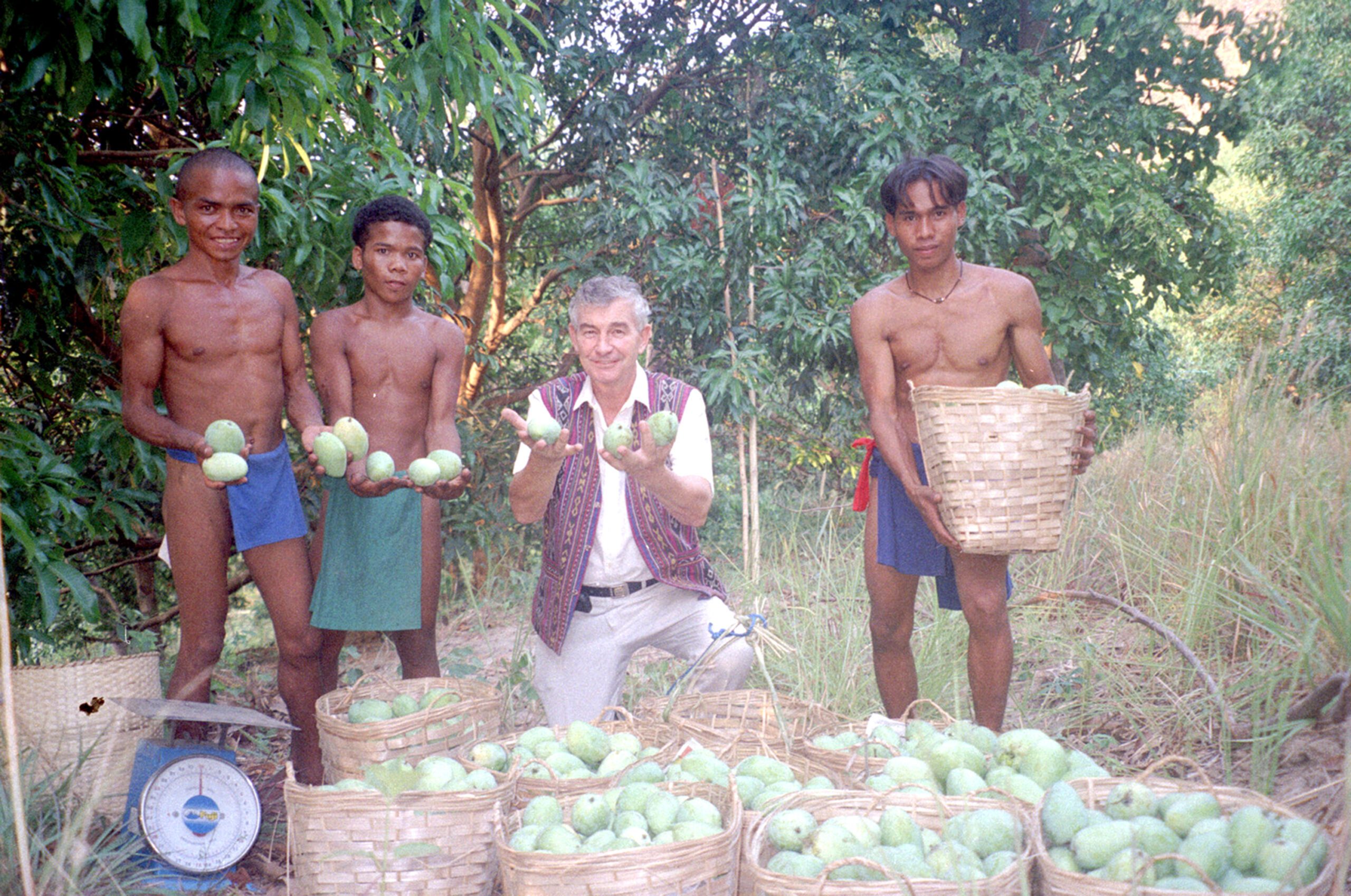
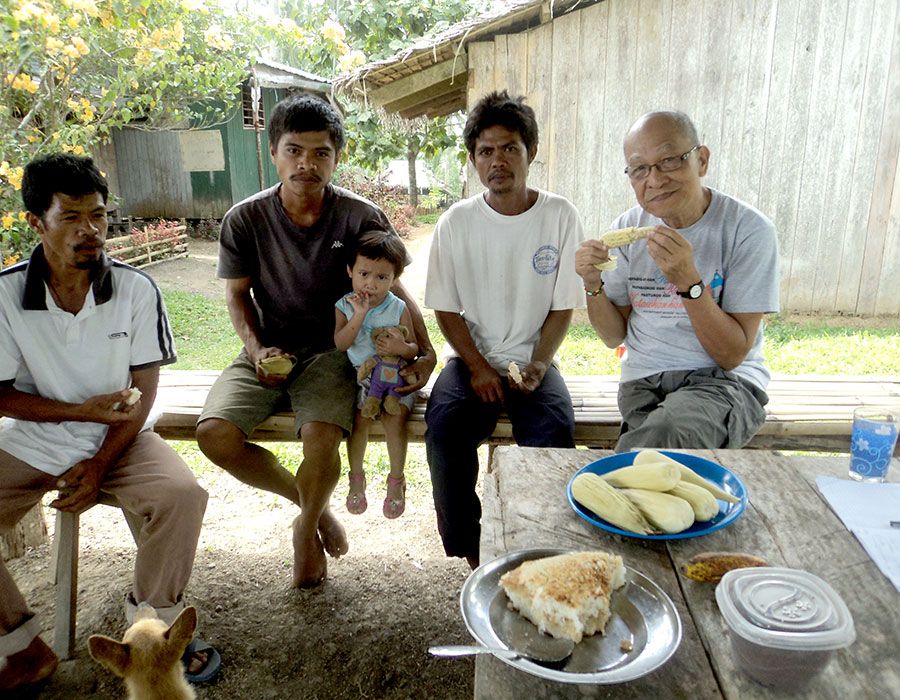
– I started my priestly ministry among the indigenous peoples. I am from Quezon province, but I asked my bishop that I be incardinated in Oriental Mindoro so that I could work among the Mangyan communities. I was not full-time with them because the bishop gave me other assignments: social action, teaching in the seminary, media and others. Thus, since my ordination in 1993, I have been involved, even though only on a part-time basis, with the indigenous peoples, particularly in the struggle for their ancestral domain and the recognition of their other rights. We worked in development programs. The mining problem came up in 1997. It endangered all the more the rights of the indigenous peoples. I became very much concerned about its impact, because part of the mining concessions had already been declared to be part of the Certificate of Ancestral Domain Claims (CADC). It would mean an outright land grabbing by an international company. The indigenous peoples have a rather different set of values – not only economic. They always say that the spirits live in the land and the rivers, which cannot be sold or bought. The money they could get wouldn’t compensate for the loss of their cultural values. Besides, they live in the land. They do farming. Hence, they would be displaced outright because the total size of the mining concession is 9,720 hectares.
Is your anti-mining stand against Philippine progress?
– Of course not! We are not anti-development. In fact, we are trying to work for the development of the communities and of the people. That is part of our work. The question really is: development for whom? Because if we analyze the economics of mining, the cost/benefit of it, we end up realizing that there is not much benefit for the communities. Indeed, we are cheaply selling our national patrimony to multinational companies and getting all the destruction. Actually, we are giving our lands for nothing. From their operations, we just get a little tax: the excise tax. We do not get royalty payment for our resources. The companies get millions and millions, but the communities get only a small amount. Considering the destruction wrought and the rehabilitation that needs to be done – of the land and the water resources, for instance – it does not amount to anything. So, we are at the losing end. Even if we do the computation of how many jobs they are able to create, it doesn’t compensate for the displacement of the indigenous peoples, the alienation of farmlands, the destruction of the coastal marine resources… We would end up getting all the problems while they would be getting the resources.
ROYALTIES SHOULD BE PAID
Don’t the companies pay other taxes to the national government?
– They pay only the excise tax – to the national government and to the local government. That is the reason we are trying to come up with new mining regulations. It is called the alternative minerals management bill. We are not totally and absolutely against mining. But, there’s a right way to do it. We have our own recommendations and framework – making sure we do not sacrifice our ecology, our environment; there are no go zones; and there should be equitable distribution of profits.
If the local communities are getting practically nothing and the government very little, why is the DENR issuing certificates for operations when there is so much opposition? It seems senseless!
– That is precisely the question we are asking them: Why are you doing this? Why are you letting them get our natural resources almost for free? In fact, we are getting very little. Well, we cannot have proof but, you know that in the Philippines, corruption is well entrenched. There’s always the suspicion that officials of government endorsing mining are getting substantial amounts for the permits. In Mindoro, Palawan, hundreds of mining permits have been issued. Of course, not all with permits will operate but why are they giving so many for so small islands? Something is wrong!
Not all of them are permits to international corporations?
– If you go into large-scale mining, you always need to have an international partner because local corporations would not have the required funds for the mining operation.
Are there many small-scale mining initiatives?
– The funny thing about that is: small-scale mining is a strategy of the big corporations. They apply for small-scale mining, in partnership with local companies, but then they are using heavy equipments like trucks and backhoes… Without declaring it, big mining companies are suspiciously behind many small-scale companies, financing them.
Some studies say that the mining companies are making superprofits…
– Yeah! As long as we don’t change the law, we get only the excise tax. The indigenous peoples get only 1% of the total income. That is prescribed in the law. It is too little!
How is the excise tax computed?
– It is computed upon what the companies declare. And the law also provides them tax holidays: they are entitled not to pay their taxes for five years and now it has been extended to eight years, I think. They get many more incentives besides tax exemption. That is another reason we need to change the legal framework. In other countries, they set the amount that the country should get. They are getting our natural resources. In return, we should get a portion of their earnings as royalties.
Besides the mining companies, who else profits?
– Government officials who are corrupt.
STAGGERING MINERAL WEALTH
Mindoro is called the “golden island” not only for its biodiversity, richness of agricultural products, fishing, etc… but also for its underground wealth. What are these basic much-coveted underground resources?
– We have computed how much the province gets from our agricultural produce and how much money it would get from the proposed mining operations (because they have already given their estimates). We are earning billions of pesos from our agricultural production but this will be threatened by the mining companies’ operations. For instance, there is the threat of flooding the agricultural areas below the mining concessions. In such a way, mining threatens our food security and the agricultural productivity of several municipalities. We are earning more now than what they were going to give us or invest. We have made a cost/benefit analysis to show that we would not get as much as we are getting now from our farms. And we are not yet considering our fisheries, only the agricultural component.
What minerals are these companies looking for?
– Basically: nickel, cobalt and gold. It is not declared in their permit that they are mining for gold. But we know, for a fact, that Mindoro is also rich in gold. There is already small-scale mining searching for it.
How transparent are the mining contracts?
– That is another problem. For the first part of our advocacy, we needed all the data we could gather. We started doing our research. But the mining companies and their subsidiaries wouldn’t release all the information and data pertinent to the mining operation. Even the DENR wouldn’t give us a copy of the studies. Only later on were we given a copy because we complained and complained and complained even internationally before the OECD which said that it should not be a secret, that they should be transparent. Now, I think, pressured by the international bodies, they have started putting information on the web.
Is the Mining Act of 1995 promoting trade liberalization?
– Yes. That Mining Act really sets the tone for the liberalization of mining in the Philippines. We have data to show that the passage of the law was facilitated by the World Bank itself to make the mining industry open for trade liberalization.
NEW BILL NEEDED
Is the Church in favor of a new Mining Act?
– Yes. In many instances, that has been already articulated in the statements of the CBCP – that they want the present Mining Act revoked. We suggested that the bishops call it the New Mining Bill. But there is another term we are using now: Alternative Minerals Management Bill. But it is the same. The whole issue is that we need to address the root cause of the problem: that is, the law we have is very much pro-transnational corporations – prioritizing the investment enticement over many other considerations like environment, ecology, rights of the indigenous peoples and communities, issues of equity, social justice and all those…
Aren’t we in a cul-de-sac? If you have to take into account the indigenous’ ancestral domains, the rights of people, local development, disposal of tailings not to contaminate the soil, the watersheds… is there still room for mining?
– All those issues must be considered before we can allow mining corporations to operate. What is at stake is really the life of the people. They always say that they are for responsible mining. But if you want responsible mining, we need a framework to do it where all these considerations must come into the picture. We cannot allow mining considering only its economic aspect. We have crafted a new Mining Act. It is already pending in Congress waiting for a Senate counterpart to sponsor it.
When will it be discussed, approved and passed into law?
– We hope it becomes law in the coming years before Congress ends its mandate. Meanwhile, the Aquino Government should come out with an EO (Executive Order) on mining, revising the old one of the Arroyo’s administration which promoted aggressive mining. The Office of the President has appointed a working group made up of five experts to study the issue. We have been consulted, but we don’t know if our points have been considered. The companies are also lobbying for mining and they are powerful.
What you are saying is that, as of now, it is not clear where this Government stands on this question.
– That is right! One thing that we are happy about is that the ECC for Tampacan (gold-copper project in South Cotabato) has been cancelled. That is one indicator that, somehow, this Administration is trying to weigh things more carefully.
Mining companies are advertising themselves in the media saying that they have developmental and ecological concerns. Are they afraid of losing the minds and hearts of Filipinos?
– Yes, because they know the strong opposition of the people, particularly of the Church. They know that, even though they have great resources at their disposal, we, the Church, cannot compromise our position and we cannot be bought. This kind of moral ascendency in our advocacy threatens them. That is why they are trying to neutralize the opposition by brainwashing, convincing the people that mining can be done responsibly and that they can contribute greatly to the economy and all that… But, as long as we have the present regulations setting the standard for the mining operations, we cannot really see how mining operations can be done in a responsible and sustainable way. Mining can, perhaps, be done in a country like Canada where there are vast areas with no people around; but, in the Philippines, being an archipelago with such a great population density – even in the mountains there are indigenous peoples – it is almost impossible. Mining has too much impact, particularly, large-scale mining, with hundreds of hectares being mined.
But the country needs investment…
– Of course!
Not in mining?
– Not in mining! If we improve our agriculture, we can earn more money than in mining. We have our case studies. Even in Samar Island, we have to prioritize biodiversity considering the requirements for climate change adaptation and all that. We could get more from alternative forms of investment than from mining.
DANGEROUS MINING
What has been your advocacy abroad where the companies come from?
– We went to Norway and England twice, in separate years, to appeal to the company’s shareholders, to make them aware that the project was being opposed by the people, what were the issues and the threats to our island’s ecology. We talked with some members of the Parliament and the civil society of both countries and we presented to them the macro perspective of the mining in the Philippines and how they can help us address these concerns, based on their country’s experience. Actually, the complaint before the OECD was a partnership between us, our local organization, and Norway, where the mining company is based.
Did you have other initiatives?
– We are also pursuing a campaign in trying to address the mining policy before the World Bank and the International Finance Corporation (IFC). We will try to attend the World Bank meeting in Washington, DC, in April. What we are trying to do is to influence the World Bank’s policy on extracting so that it may be more transparent, fairer and respectful of people’s rights. This is being pursued in collaboration with our partners in the U.S. and the Philippines’ Miseror Partnership Inc., a coalition of anti-mining NGOs, most of them Church-based. Some fruits are appearing. The IFC sent their people to Mindanao recently and they threaten to stop financing a company if it does not respect the rights of the indigenous people and do not comply with what is required in the Philippine law.
Were mining and logging the causes of the recent tragedies in Mindanao?
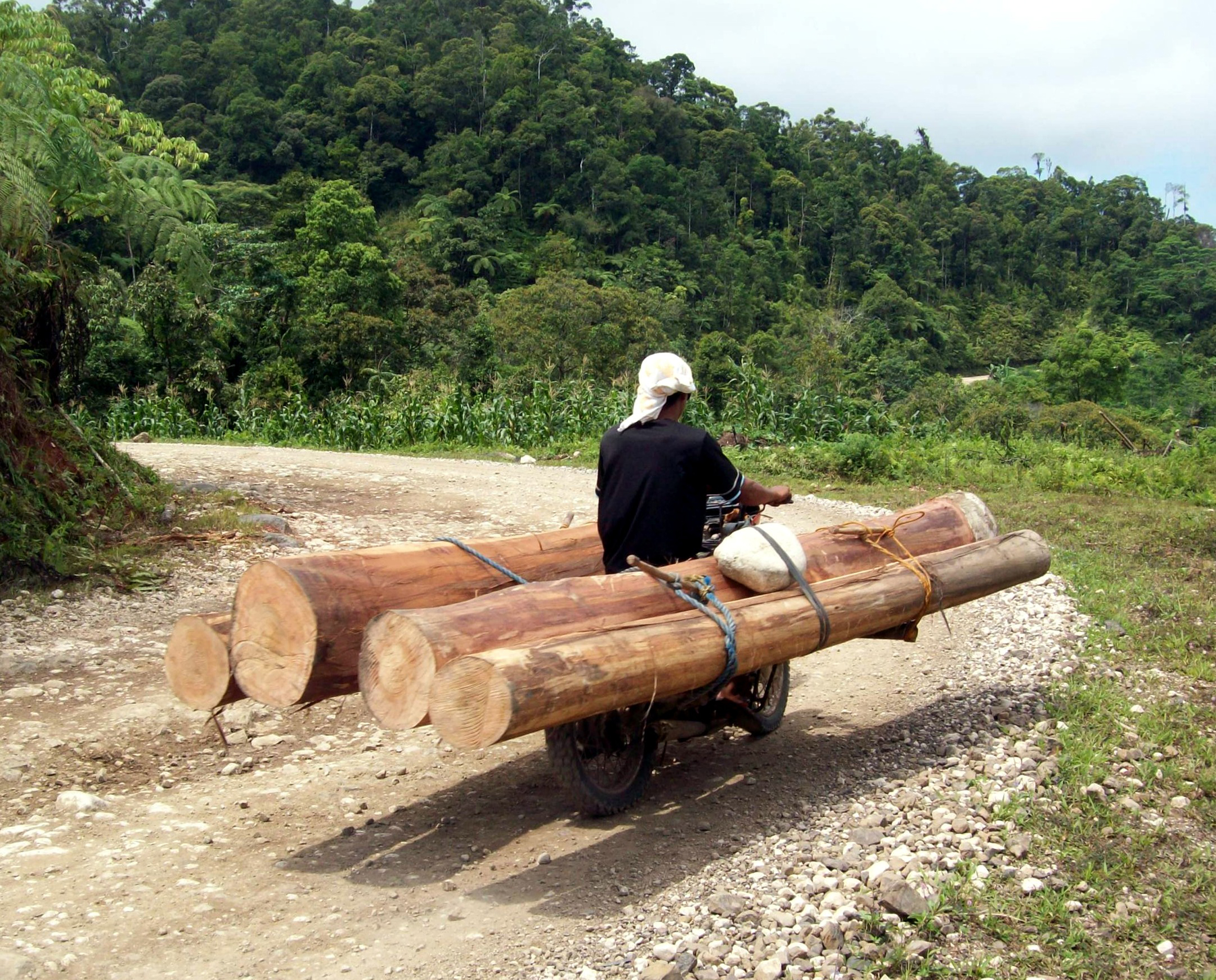
– That is one of the important reasons for opposing mining. We need to preserve the remaining forest we have. The deforestation problem is not only in Mindoro but all over the country. If we destroy the remaining forest, we will get floods and landslides like those we have seen in several communities in the country. We need to protect our forests. Anything we do to destroy our forest will have a negative impact on the community. Logging is one; but mining is much worse! You not only cut the trees but you extract the soil. And it is not only in a small-sized area. Large-scale means thousands of hectares.
You have been an anti-mining activist. What does your appointment as NASSA secretary mean? Is the Church saying that it supports an anti-mining position?
– I don’t know. Maybe you need to ask the bishops about that. I was requested to join the NASSA office, to be its executive secretary, and my job is not just to campaign against mining. The scope of our work is much larger because ecology is just one of the many components of our programs. I don’t think it is intentional that the Church is sending signal that, as an activist, heading the office would mean that we are more serious in addressing this concern. Being the NASSA executive secretary, I am in a much better position to pursue this important advocacy, but as one of the many programs of the office.
Which is also technical, to study the issues and present proposals more than to be active in the field…
– The important thing that I am happy about is that we are providing alternatives. The office could not just be advocacy against. It is advocacy for. NASSA is the social development arm of the CBCP. As such, we have many development programs including disaster relief. Now, we are into this project of housing the victims of typhoon Sendong in Iligan, Cagayan de Oro and Dumaguete. But, everything is interconnected. We are doing this for the victims of the typhoons but, at the same time, we are also analyzing why all these happen. Our ecology has been gravely damaged! In order for us to work pro-actively we need to preserve our environment. There’s no development if we destroy our environment. We need to move to the level of advocacy again. How can we pursue development programs if we do not address the concern to preserve the integrity of creation? It is all interconnected. A good thing about my being here is that I am able to be at the center stage where I can really work for development and, while doing so, continue our anti-mining advocacy. And integrate all this in a more comprehensive cause.