
The Church was born in the Holy Land at Pentecost. At first, the original Jewish community was undivided. For the first four centuries, the community of Jerusalem did not experience any doctrinal division. The Bishop of Jerusalem was the recognized authority over all Christians. In the V century, new interpretations about the identity of Christ appeared and clashed. The Ecumenical Councils of Ephesus (431) and Chalcedon (451) condemned the views of Nestorius and Eutyche because they put into question the right understanding of Jesus as true God and true Man, one only person with two natures. The local Churches that did not accept this formulation were considered schismatic and organized themselves as separate from Rome. These are the Nestorian Church and the monophysite (those who believed in one nature of Christ) Churches: Syro-western, Armenian, Copt. The Church of Jerusalem remained faithful to the teaching of the Councils, but it was influenced by the presence of monks and pilgrims from monophysite Churches.
THE LATIN PATRIARCHATE
In the XI century, Western Christianity warmed up to the idea of taking control of the Holy Land from the Islamic forces to help local Christians and open the way to pilgrims. The arrival of the Crusaders meant the establishing of a Catholic hierarchy in Jerusalem and the Holy Land. The Latin Patriarchate was erected and lasted until 1291, when the Crusaders left Palestine.
With the Crusades, the Catholic Church gained an increasing influence in the Holy Land. The Franciscans arrived in the XIII century and established themselves in and around sacred sites. In 1336, they established a house in Jerusalem and, in 1342, Pope Clement VI gave them the Custody of the Holy Land. The Franciscans gave an important input to the local Church. They also contributed to the propagation in the West of two devotions originally from the Holy Land: the Way of the Cross, and the novena in preparation to Christmas.
From the XIII century, within the Greek Orthodox and the older Oriental Churches, some bishops started looking towards Rome. This phenomenon brought to the formation of Catholic Oriental Churches. These Churches accepted the authority of the Pope as universal shepherd of the only Church of Christ, but kept their liturgical, spiritual and theological traditions. In the Middle East, five Catholic Oriental Churches were born: the Chaldean Church in 1552; the Greek Catholic Church in 1724; the Armenian Catholic Church in 1740; the Syrian Catholic Church in 1773; and the Coptic Catholic Church in 1824. At the same time, the Maronite Church – from Lebanon – started expanding in the region.
HEBREW CHRISTIANS
In the XX century, Anglicans and Lutherans arrived in the Holy Land mainly to convert Jews. Once their plan failed, they turned to the Arab population, with little success. Many religious orders and institutes (Latin and Oriental) opened houses to serve the local communities. The same happened within the Orthodox Churches, which have known a time of renewal. A new trend in Israel is the growth of a local community of Christians of Hebrew expression.
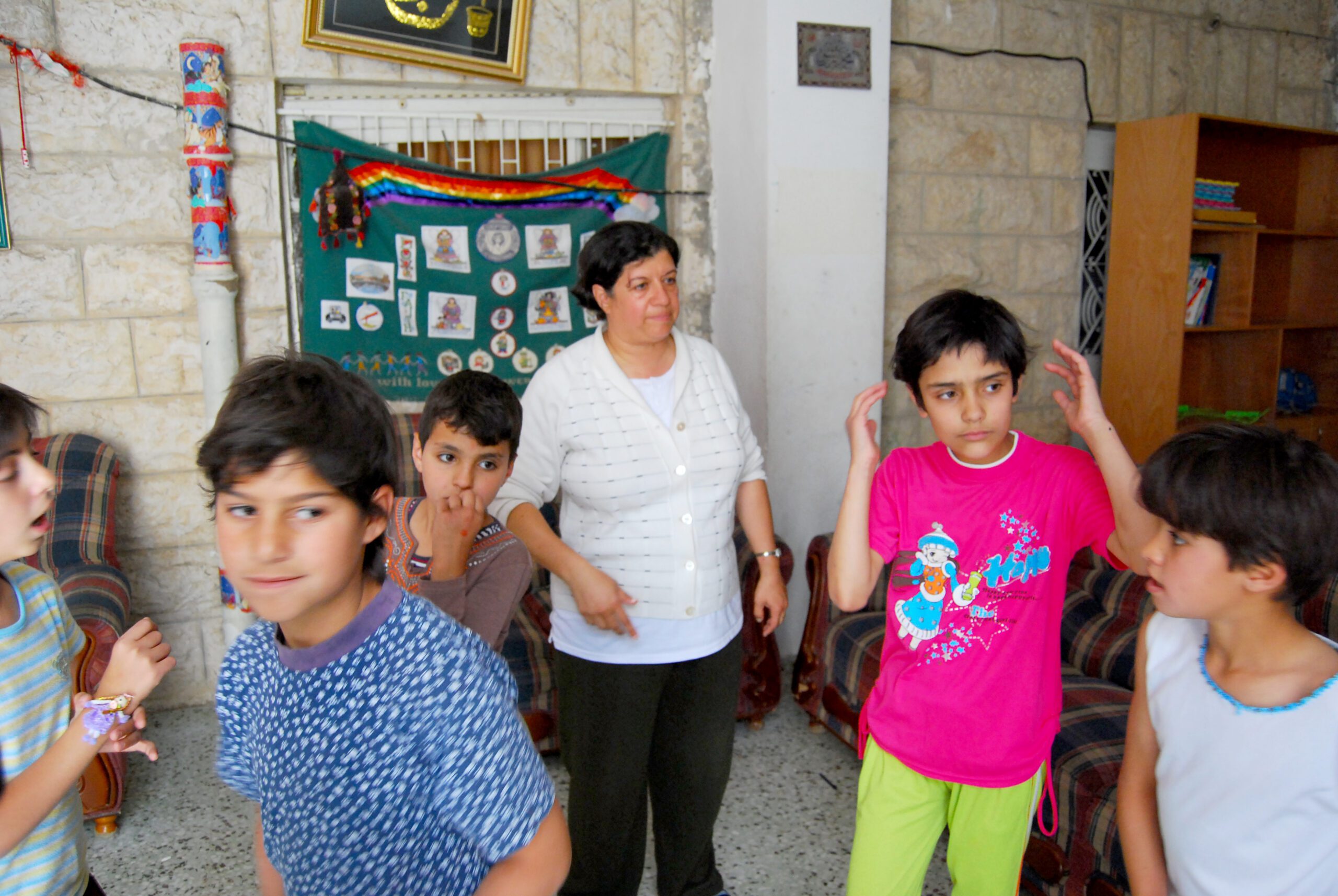
Today, the Holy Land has a global population of about eleven million people. The inhabitants of Israel are 7,250,000, of whom 1,500,000 are of Arab descent. The Palestinian Territories have a combined population of 3,850,000 people. The Christians are about 200,000: 135,000 in Israel and 65,000 in the Palestinian Territories. These numbers do not keep in account the number of Christians coming from Eastern Europe whose status is kept secret or not recognized officially. A learned guesstimate puts their number to 300,000 people. Anglicans and various Protestant Churches have a small following of about 7,000 people.
TWO PERCENT OF THE POPULATION
Christians in the Holy Land are about 2% of the population. At the beginning of the XIX century, they used to be around 10% of the population. Many have left the region because of the political uncertainty and the discrimination to which they were subjected. The majority of Christians live in Galilee and around Jerusalem. Taybeh is the only village entirely inhabited by Christians. In Jordan, the villages of Semakìeh, Fuhèis e Shàtana are also entirely inhabited by Christians
The Patriarch resided in Jerusalem until 1291. The title survived as a titular see until 1847, when a new Patriarch was sent to Jerusalem. During the long absence of a bishop, the Franciscans of the Custody of the Holy Land followed the life of the Church in Palestine. The Franciscans had an important role in keeping the Church alive, in promoting the various communities and offering catechetical support. In 1342, Pope Clement VI approved their work and erected the Custody of the Holy Land. The friars did work tirelessly to support local communities and assist pilgrims. Up to now, they are in charge of most holy sites.
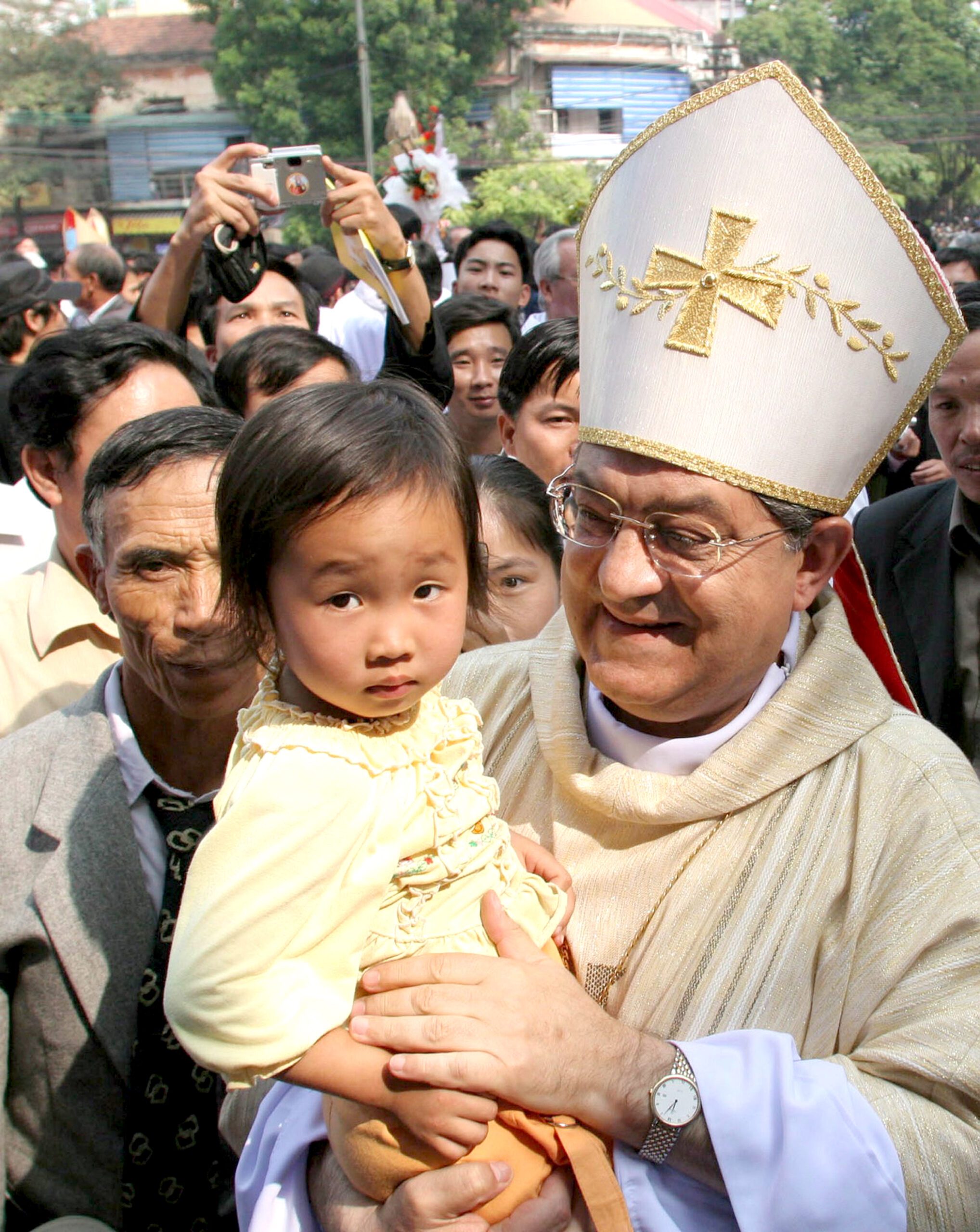
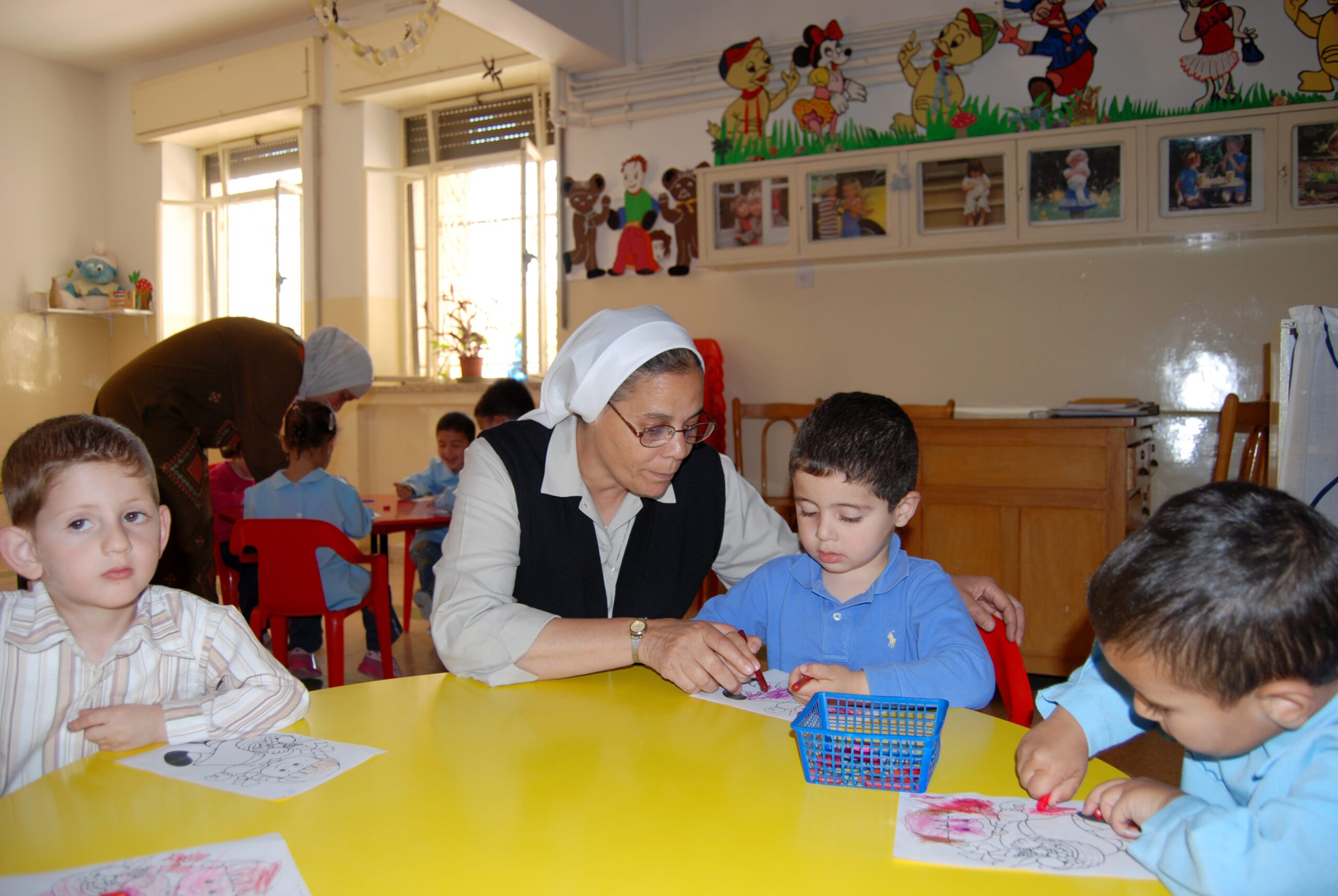
The Latin Patriarchate was revived with the election of Bishop Giuseppe Valerga in 1847. The Patriarchate covered the whole of Palestine of the day, TransJordan and Cyprus. The community is well organized and controls numerous institutions: educational, social, cultural, ecumenical, interreligious, health centers… The local community is served by 70 parishes and more than 80 diocesan priests, to whom various Religious priests, Brothers and Sisters have to be added. In 1987, Msgr. Michel Sabbah, a Palestinian, was elected Patriarch of Jerusalem. Since 2008, Jordan-born Fouad Twal has been the new Patriarch.
COMMON CELEBRATIONS
The visits of Paul VI (1964) and John Paul II (2000) to the Holy Land, recent pastoral letters of the Catholic Patriarchs of the Middle East and other material prepared by the Latin Patriarch of Jerusalem, and the joining of the Catholic Churches in the Council of Churches of the Middle East have all promoted the ecumenical work at all levels. The local Christians live this dimension in sharing their lives, in solidarity, service and common moments of prayer. Many parishes in Palestine, Israel and Jordan have common celebrations, accept mixed marriages – often with the presence of ministers from the different Churches at the celebration of the Sacrament – share the Lenten season and the celebration of Easter.