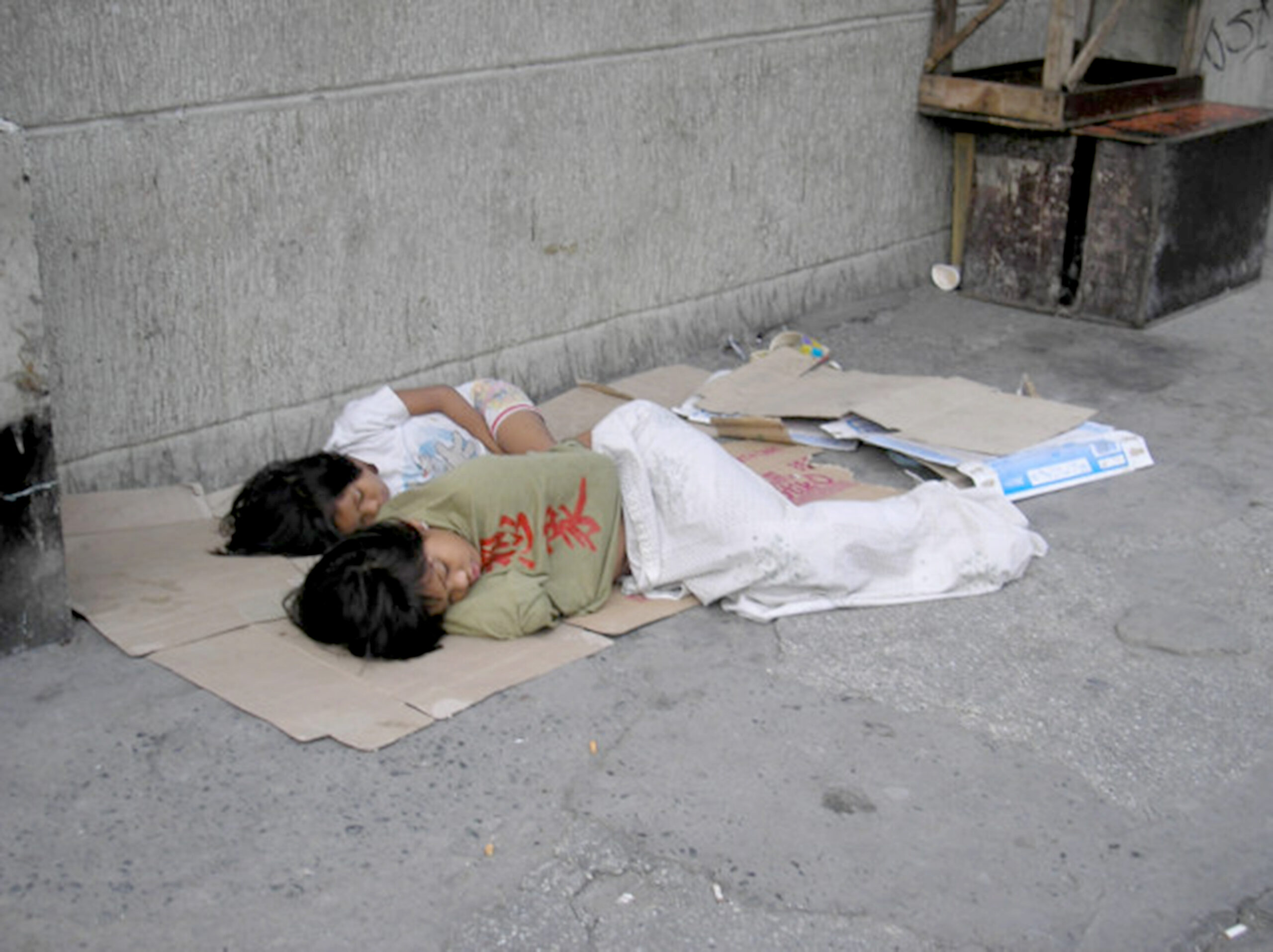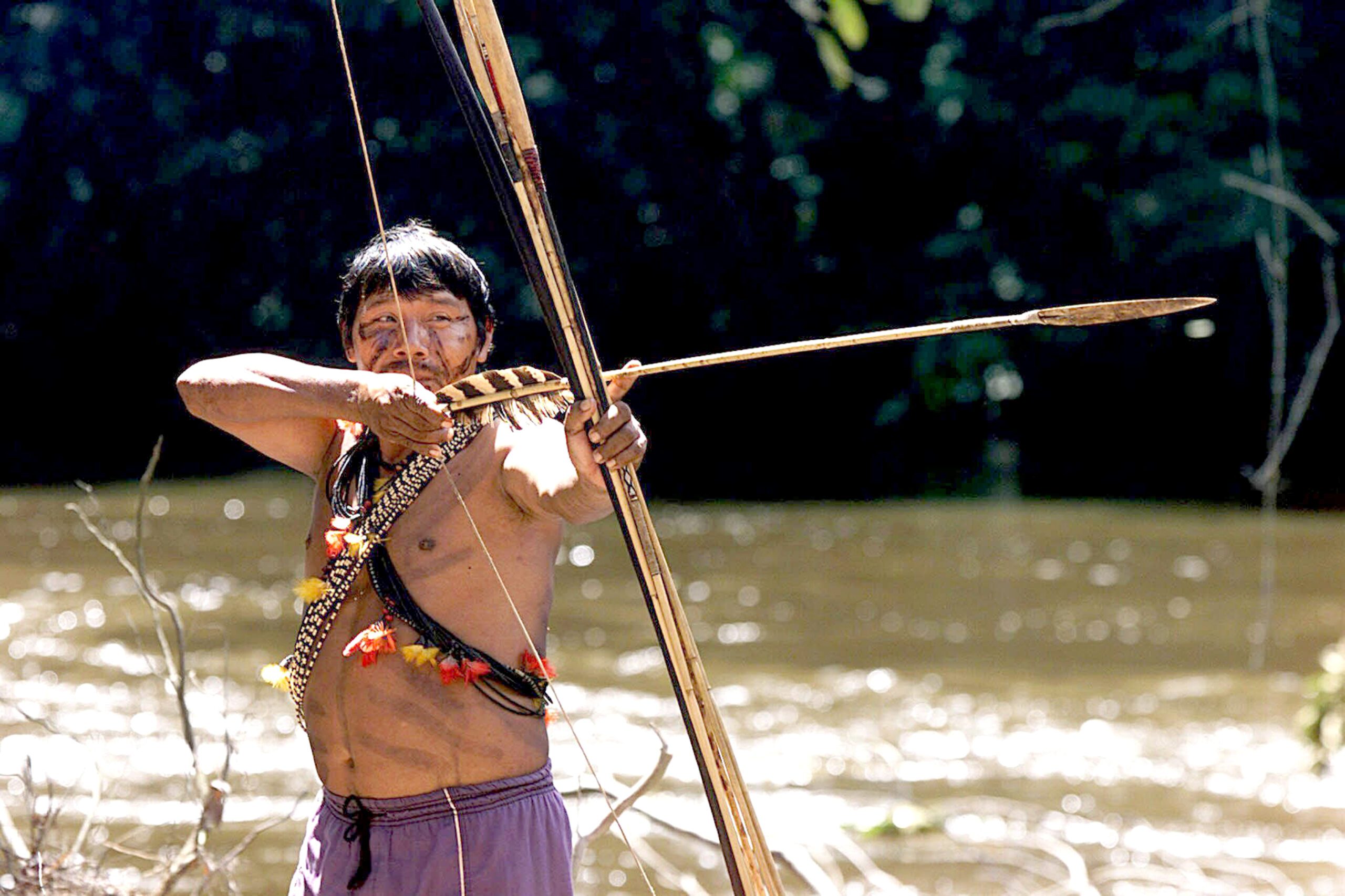

Backward, uncivilized, primitive, uneducated. These are some of the descriptions that still easily come to mind when the words tribe, native, cultural minority and more recently, indigenous peoples, are mentioned. With these preconceived notions so deeply embedded in us, it is no wonder that very few take time to question if these are true, much less challenge them. It is because of such widespread and accepted judgments and prejudices that more than 1/5 of the country’s population is marginalized in the Philippines. Estimated to be more than 12 million by the National Commission on Indigenous Peoples (NCIP), indigenous peoples in this country of 86 million continue their struggle to be genuinely heard instead of just being the objects of pity, charity and ridicule of the rest of the nation.
The word indigenous, according to Merriam Webster Online, is defined as “having originated in and being produced, growing, living, or occurring naturally in a particular region or environment,” and when applied to the phrase indigenous peoples, a simplified explanation would be “(…) any ethnic groups that inhabit a geographic region with which they have the earliest historical connection, alongside migrants which have populated the region and which are greater in number.”
Except for foreigners who have chosen to be naturalized Filipino citizens and those born in the country but of foreign ancestry, all Filipinos are indigenous to the Philippines. Today’s Filipinos are descendants of cultural communities indigenous to the islands of what is now the Philippine archipelago. A growing body of archeological findings reveals that these communities actively took part in trading activities in the region with other peoples like the Chinese and those in Borneo before the coming of Spanish colonizers in 1521. According to F. Landa Jocano, in his book Philippine Prehistory, the cross-cultural interactions of our ancestors with other peoples because of trade further enriched the cultural heritage of the communities in the archipelago: “(…) these adaptation techniques had generated the momentum of change that transformed their social system from the simple to the complex way of life we call civilization. This identification (of their core achievements) is important because the idea of civilization has never been a part of our contemporary thinking. The general consensus among many contemporary Filipinos, including respected scholars, has been that our ancestors were never civilized until the colonizers came to do them the favor.”
INDIOS AND “SAVAGES”
It was the presence of Spanish followed by American colonizers for the next 400 years that effectively erased our collective memories of our ancestors’ civilization and our rich heritage as peoples. The efforts of the colonizers to conquer the many cultural communities also resulted in the differentiation of our ancestors into a Hispanized/Americanized population at one time called indios and those they called ‘pagans’, ‘savages’ or ‘tribes.’ Examples of this abound, like in the book of Jean Mallat about the Philippines, written in 1846, where he has a chapter on the lifeways of the indios and another chapter for the ‘savage races.’
The former were those who lived in the settlements established by the Spanish colonizers and as the centuries went by, their descendants were assimilated into the Spanish then American way of life and governance of the Philippine colony. John Leddy Phelan, who wrote The Hispanization of the Philippines, narrates that these settlements called cabeceras were established in an effort to ‘civilize’ the local population since our ancestors and their way of life were viewed as primitive, backward and at times, ‘works of the devil.”
Those called pagans, savages and tribes, on the other hand, actively resisted the colonizing efforts of the Spaniards and later, the Americans, and continued to live their own culture and community practices. In many cases, they moved into the interior and more isolated parts of the Philippine landscape in their effort to resist colonial incursions into their communities. As these communities courageously stood their ground, they were used by colonizers as representations of what Filipinos should not be: backward, primitive, heathen, uncivilized.
It is the descendants of these cultural communities who still struggle to hold their ground until today who ascribe themselves as indigenous peoples of the Philippines.
STILL “INFERIOR” AND “BACKWARD”
The perspective that indigenous peoples are inferior and/or backward is still the dominant view today and this has been reflected in government policies since colonial times. From the Spanish period until the 1980s, there was no legal recognition of indigenous cultural communities and government policies were largely assimilationist in objective, implying that the indigenous communities’ way of life, community systems and identity are to be left behind and outgrown as they become part of modern Philippine society.
This allowed discrimination and prejudice to be embedded in various efforts that impacted on indigenous cultural communities. Government development programs that would displace indigenous communities from their ancestral lands were implemented without hesitation, and the communities’ opinions about and protests against these programs were largely disregarded because they were viewed as uneducated and thus ignorant about what was good for them. Scholarship programs for indigenous youth were viewed as a vehicle for them to become civilized and the scholars were expected to move their communities from a primitive way of life to modernity when they returned to their communities. Such efforts and the viewpoints on which they were based were clearly a carryover from the colonial history of the country.
THE CHURCH’S SUPPORT
Despite all these and the changes and suffering these policies brought about, indigenous communities continued the struggle to articulate their presence, worldviews and identity. When the 1987 Constitution was crafted, representatives with indigenous ancestry in the constitutional commission asserted for the recognition of indigenous cultural communities. For the first time in Philippine history, indigenous cultural communities were legally recognized together with their right to live their own culture and choose their development path. It took another ten years of lobbying and advocacy work before a law specifically protecting and promoting the rights of indigenous peoples was passed by the Philippine Senate – the Indigenous Peoples Rights Act of 1997, also known as IPRA or Republic Act 8371.
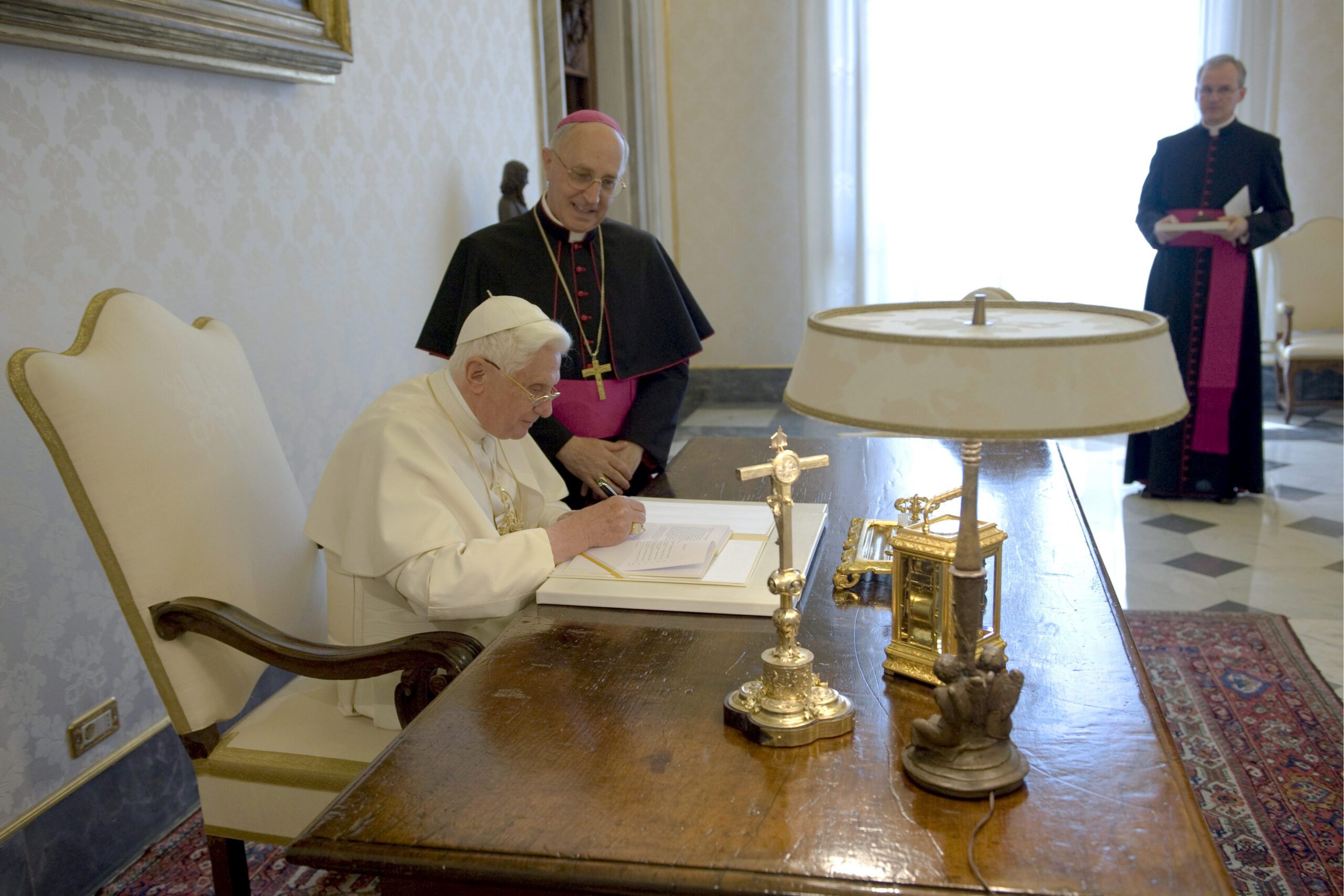
In the struggle to be recognized by the larger Philippine society and to assert their rights, some indigenous communities especially in Mindanao formed partnerships with local Catholic churches or sought their support. Reflecting upon their situation, the Catholic Church in the Philippines decided in 1974 to institutionalize its journey with indigenous peoples through the creation of the Sub-commission on Non-Christian Tribes, which today is the Episcopal Commission on Indigenous Peoples (ECIP).
The raging conflict in Mindanao during the 1970s further stressed the plight of indigenous communities who were caught in the crossfire among Muslim and Christian militants plus the Philippine military. Community after community were also being displaced by development programs of the government implemented in different parts of the country. The urgency of their situation together with new directions promulgated by Vatican II fueled the growing commitment of the Catholic Church to understand the situation of indigenous communities from the viewpoint of indigenous peoples themselves, and to listen more deeply to their voices.
This commitment is enshrined in the Constitution and By-Laws of the Catholic Bishops Conference of the Philippines (CBCP) which states that the ECIP: “(…) shall work for and with tribal Filipinos in their efforts to: secure justice for themselves, protect their ancestral lands, preserve their cultural heritage; and “(…) shall foster among the Christian majority a greater awareness and appreciation of the tribal Filipinos and thus help lessen deep-seated prejudices against them.”
This mandate emerged from further reflection through the years that deepened the realization about the Church’s contribution, especially during the colonial centuries, to the discrimination and prejudice being experienced until the contemporary times by indigenous peoples. It was further clarified that the Church’s role is to support indigenous communities as they articulate and realize their right to protect and nurture their identity, culture and heritage and determine for themselves their development path and how this is to be attained – in other words, their right to self-determination.
THE LAND OWNS US
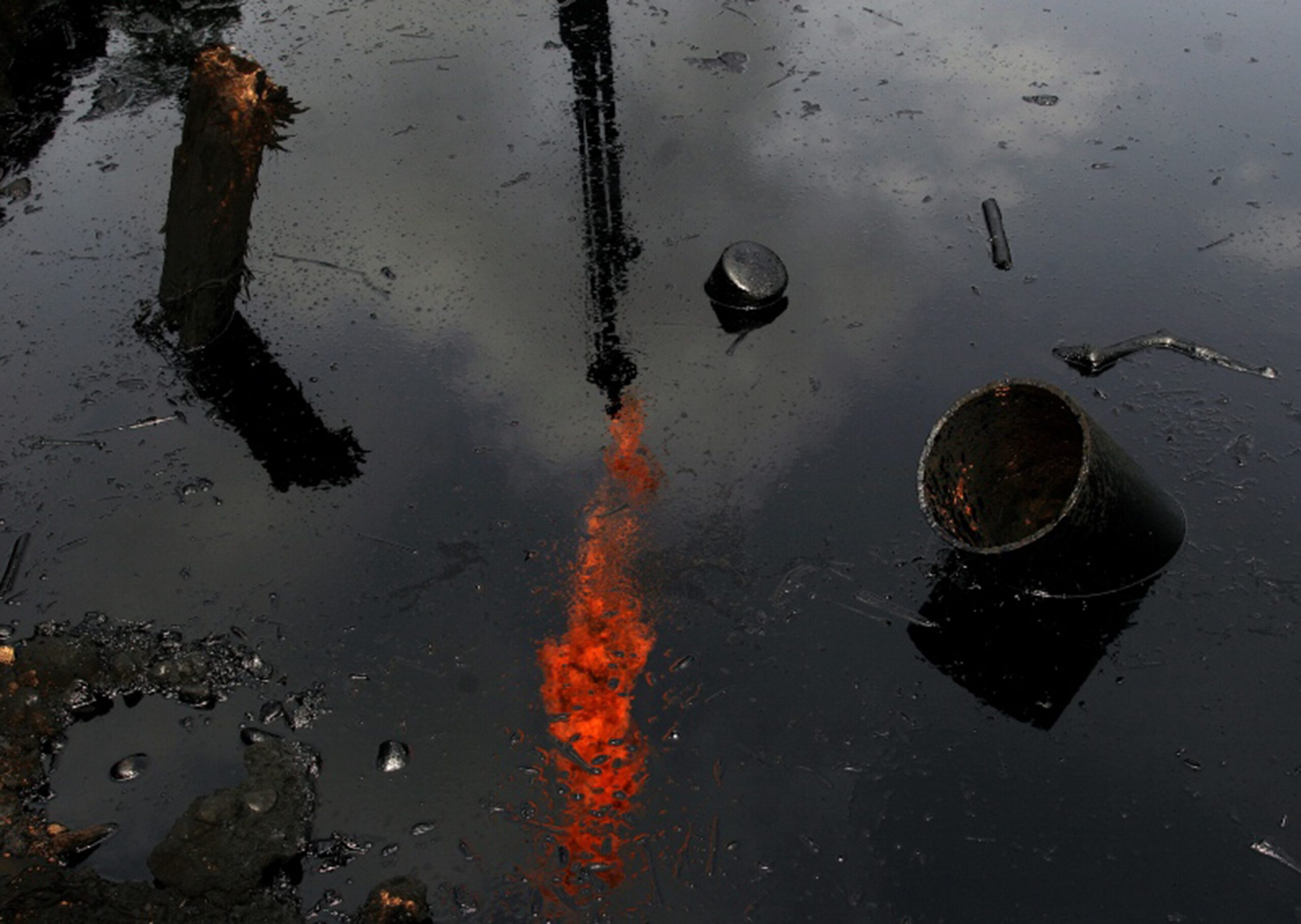
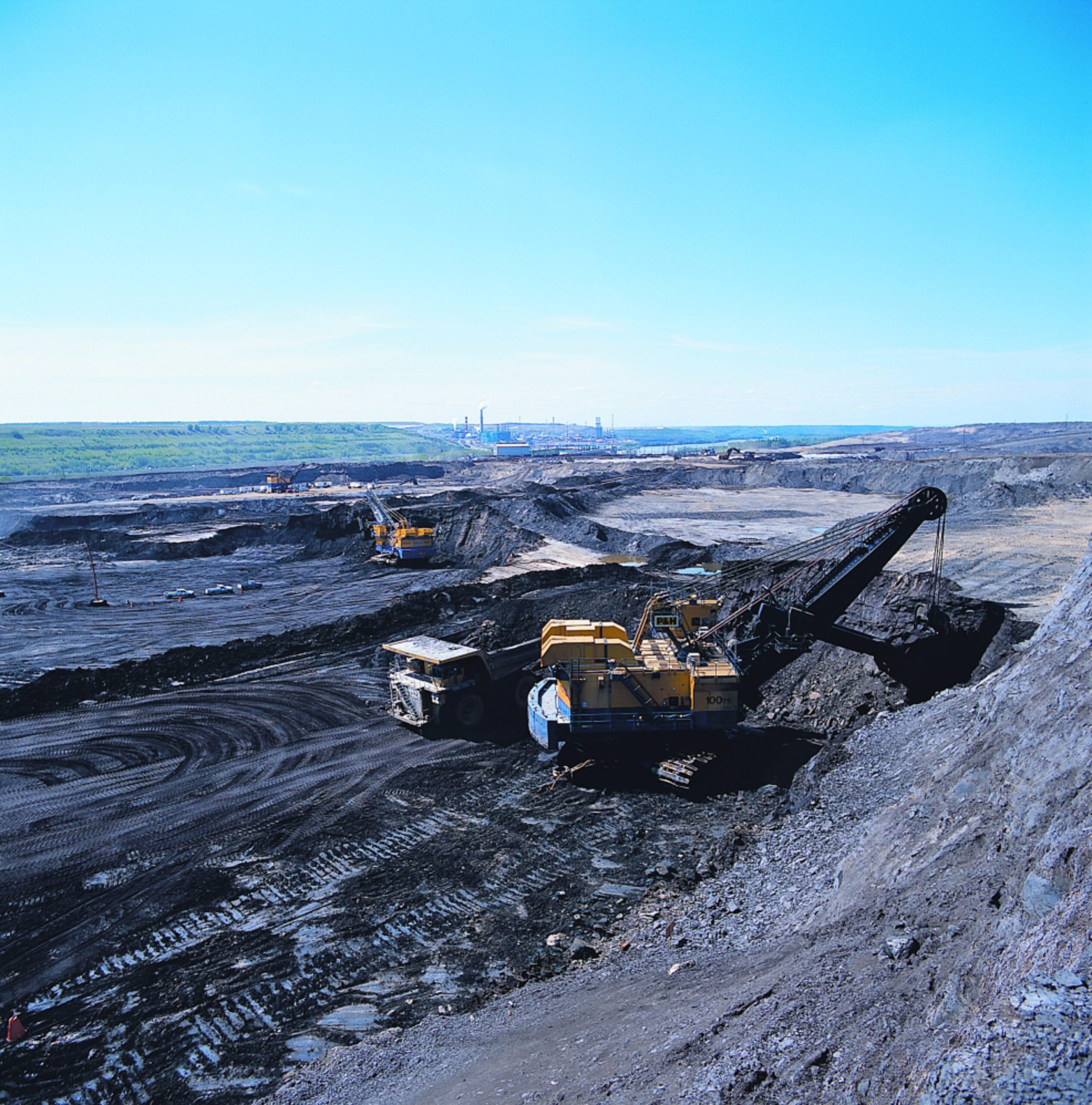
While legal instruments like the Philippine Constitution and IPRA articulate the rights of indigenous communities to self-determination, its genuine implementation is still far from being a reality. After 12 years of IPRA, the struggle of indigenous people (IP) communities for the legal recognition of their ancestral domains which is specifically enshrined in this law continues to be an uphill battle. In Karl Gaspar’s book, The Lumad’s Struggle in the Face of Globalization, he observes that while plantations, logging and dams were the main culprits that displaced IP communities from their ancestral domains and wrought havoc in their way of life in the 70s and 80s, the specter since the 1990s until today is large-scale mining and energy-generation projects that, ironically, are strongly supported by the government. (See Callenging “Goliath”).
The ancestral domain is central to the lives of IP communities because their livelihood, heritage, culture and identity are rooted in their relationship with it, which goes back thousands of years. It is these centuries of human-ancestral domain interaction that has made the ancestral domain not only a physical space in which to live but a cultural space from which indigenous knowledge systems, sacred memories, and a unique culture and way of life have sprung from. It is from this experience handed down from one generation to another that the phrases ‘land is life’ and ‘the land owns us’ are evoked.
This worldview and way of life, however, are difficult to grasp in a society which has buried its memories of intimate relations with the biogeographical landscape and is dominated by private ownership and use of land. Indeed, while the ‘ancestral domain versus mining’ issue is largely articulated as a clash of policies, underpinning it, there’s a difference in worldviews and in history. With the ancestral domain as economic base and cultural home of indigenous communities, it follows that they are economically marginalized and culturally uprooted when displaced from their ancestral domains.
THE RULE OF MONEY
Deprived of livelihoods that are governed by sustainable cultural practices and familiar to them, IPs are forced to cope with the harsh demands of a money economy even in ways that violate their own way of life like participating in logging, mining, charcoal production, dynamite fishing and other extractive industries which we now recognize as damaging to the environment. Even cultural artifacts (clothes, tools, etc) and manifestations (dances, songs, stories, etc) which have deep meanings and in some cases are sacred, have become market wares because of the struggle to survive and fit into a society where almost everything, including education and religious practice, needs to be mediated by money.
Intrinsic in being economically marginalized and uprooted is the deterioration of the governance system of indigenous communities which is responsible for mediating justice and participation in community decision-making. This is one reason why, through the decades, it has become more and more difficult for indigenous communities to stand as one in response to issues and concerns impinging on them.
In cases where communities have been able to take action against the violation of their person and their rights, their initiatives have been met by the brunt of armed threats either from the government through the military or from the private armies of company owners. This has been reported by the United Nations Special Rapporteur on Indigenous Peoples Rodolfo Stavenhagen in 2003, after his visit to the Philippines.
AS LONG AS THE SUN RISES
In the face of all these, indigenous communities still muster what strength and courage they have to respond and it is these efforts that ECIP supports through the indigenous peoples’ apostolates (IPAs) nationwide. The filing of ancestral domain claims and the struggle against mining companies that manipulate their way into communities still continue. Some communities have ventured into sustainable agriculture, drawing from their indigenous knowledge and the recent developments in sustainable farming. The use of herbal plants has been revived in several dioceses, but this time packaged in forms like capsules or ointments.
Community leaders are also being trained in para-legal and advocacy work so that they themselves can assert and push for their rights in the mainstream arena. Efforts are also being undertaken to document customary laws so that governance issues within the community can be settled using their indigenous system. Community schools/learning centers have also been put up as a means to pass on the memories and cultural heritage of the community to the younger generation while being honed in the competencies needed to interact with other cultures and a fast-changing world. (See Nurturing the Culture-Bearers).
By 2021, the journey of indigenous peoples to hold their ground will be five hundred years long, punctuated by developments like globalization and climate change that have not been encountered by previous generations. In the face of all these challenges old and new, they listen to the exhortation of their ancestors to “… face the struggle, do not turn back, for as long as the sun rises…”