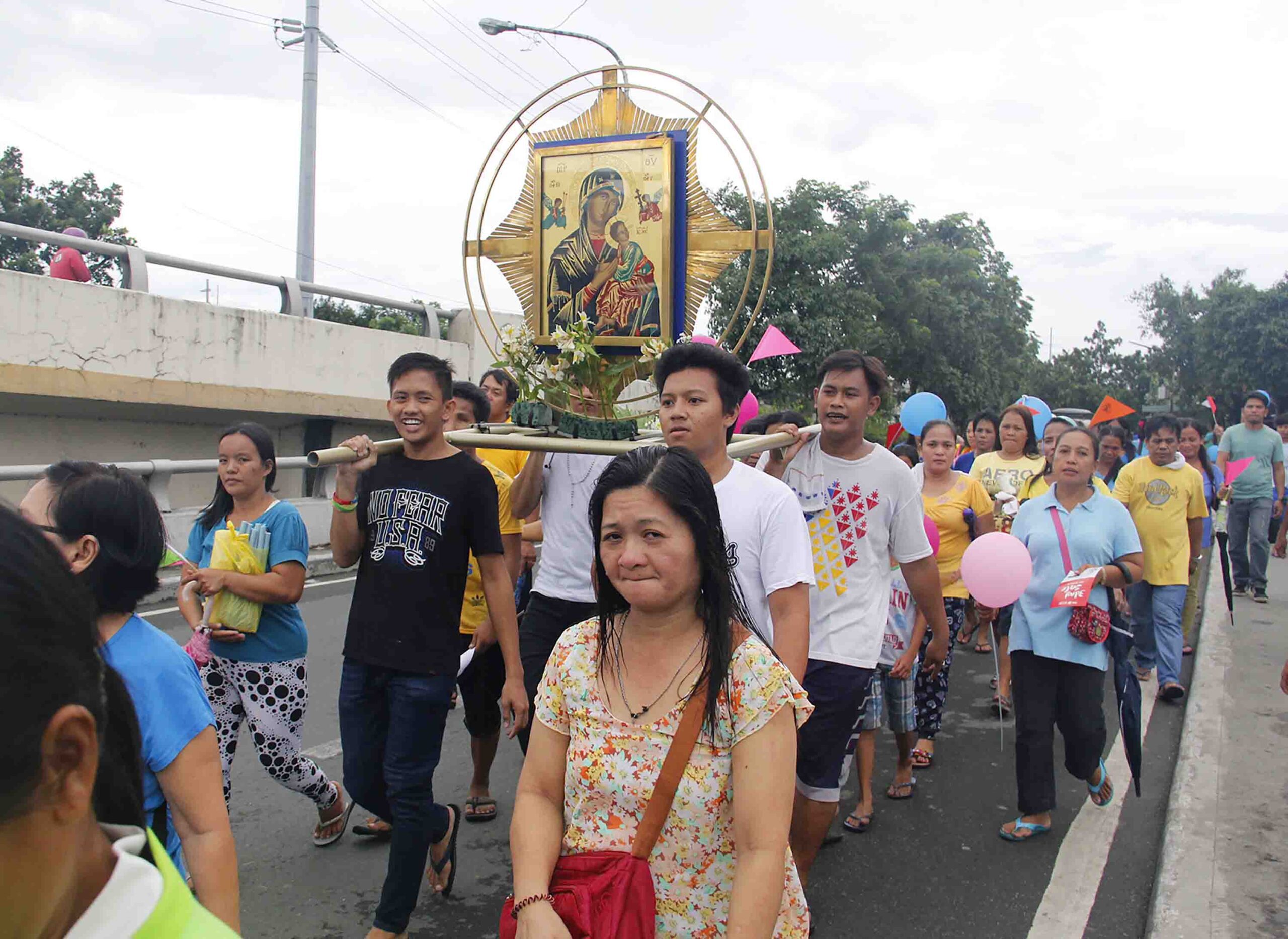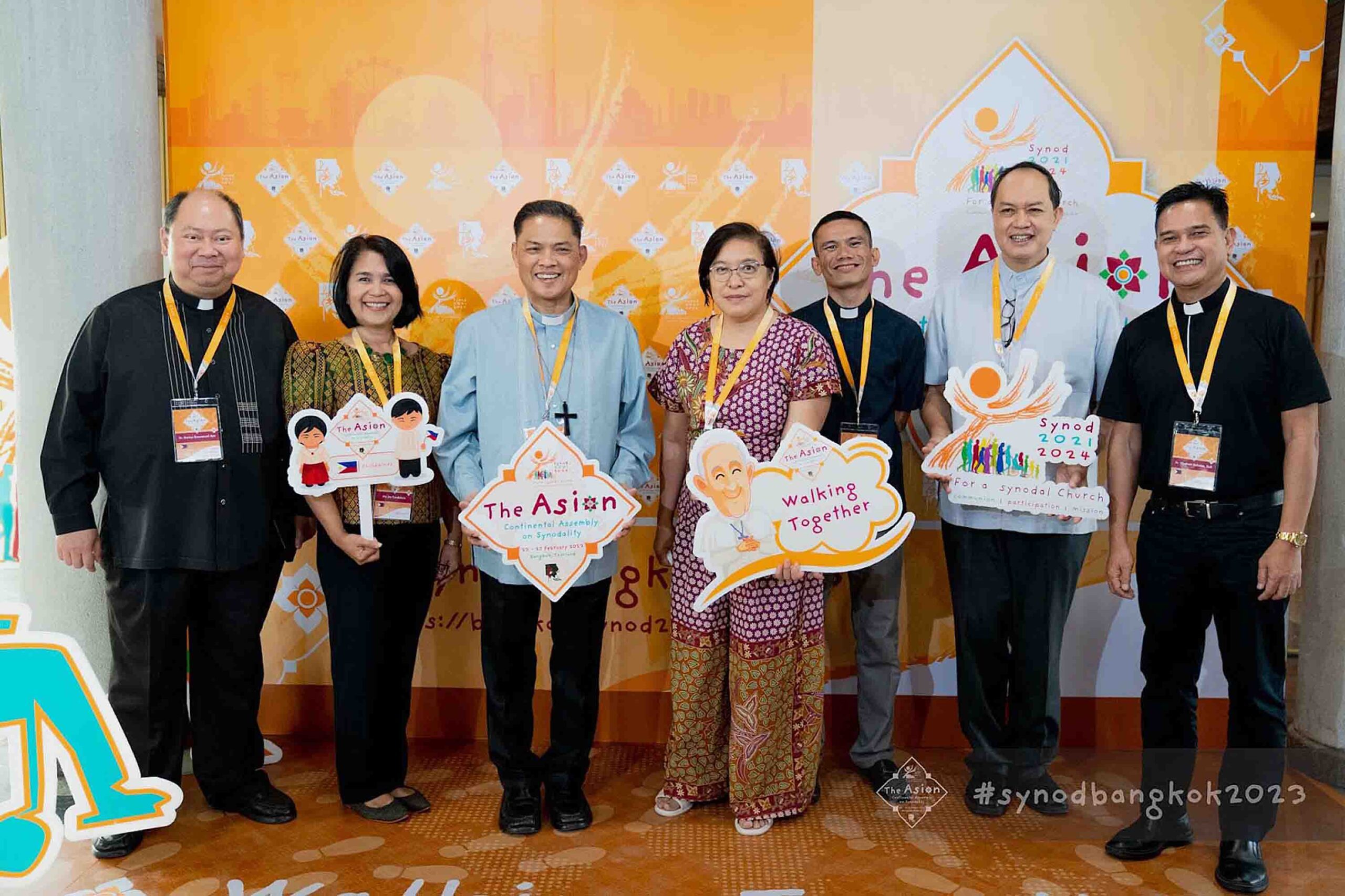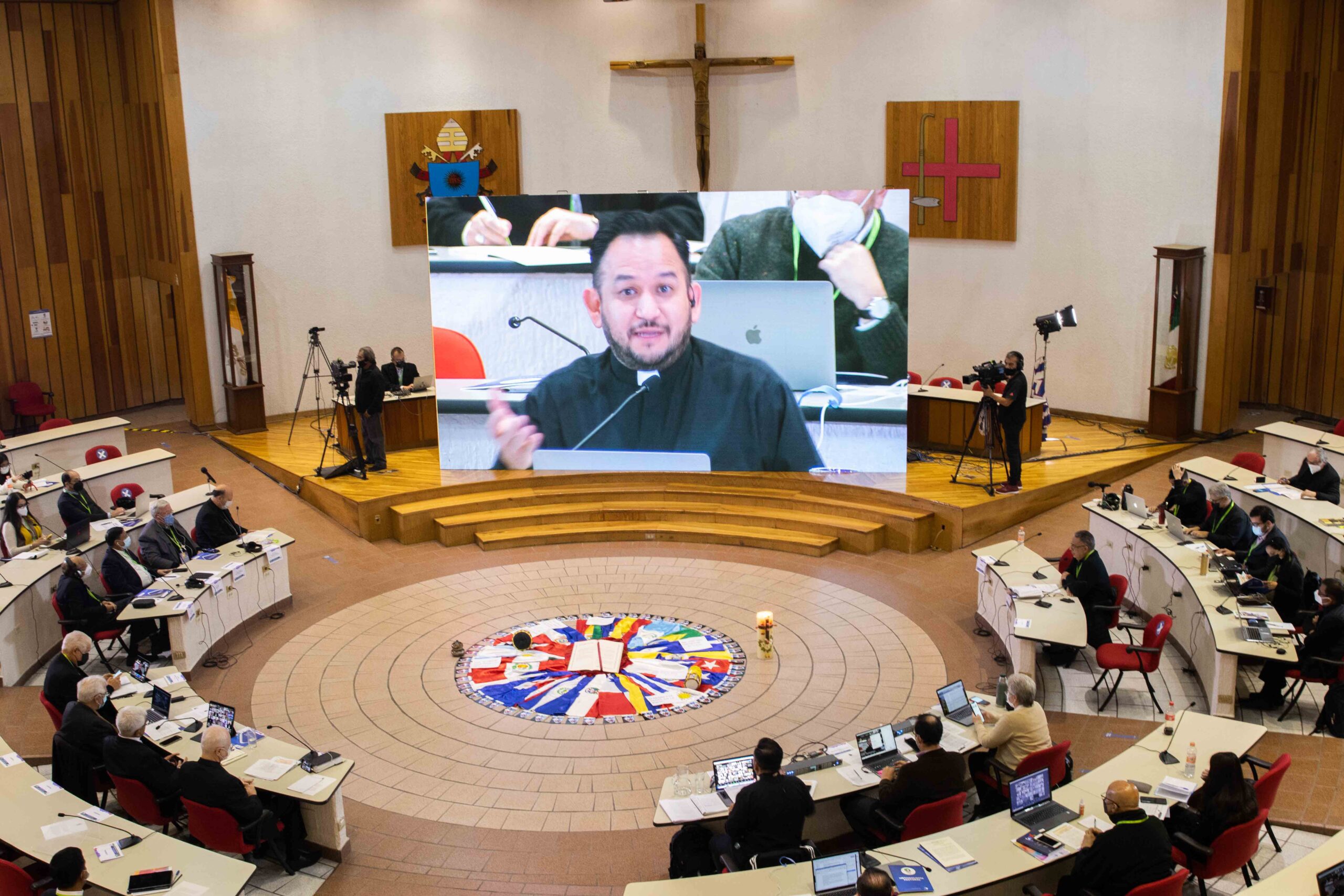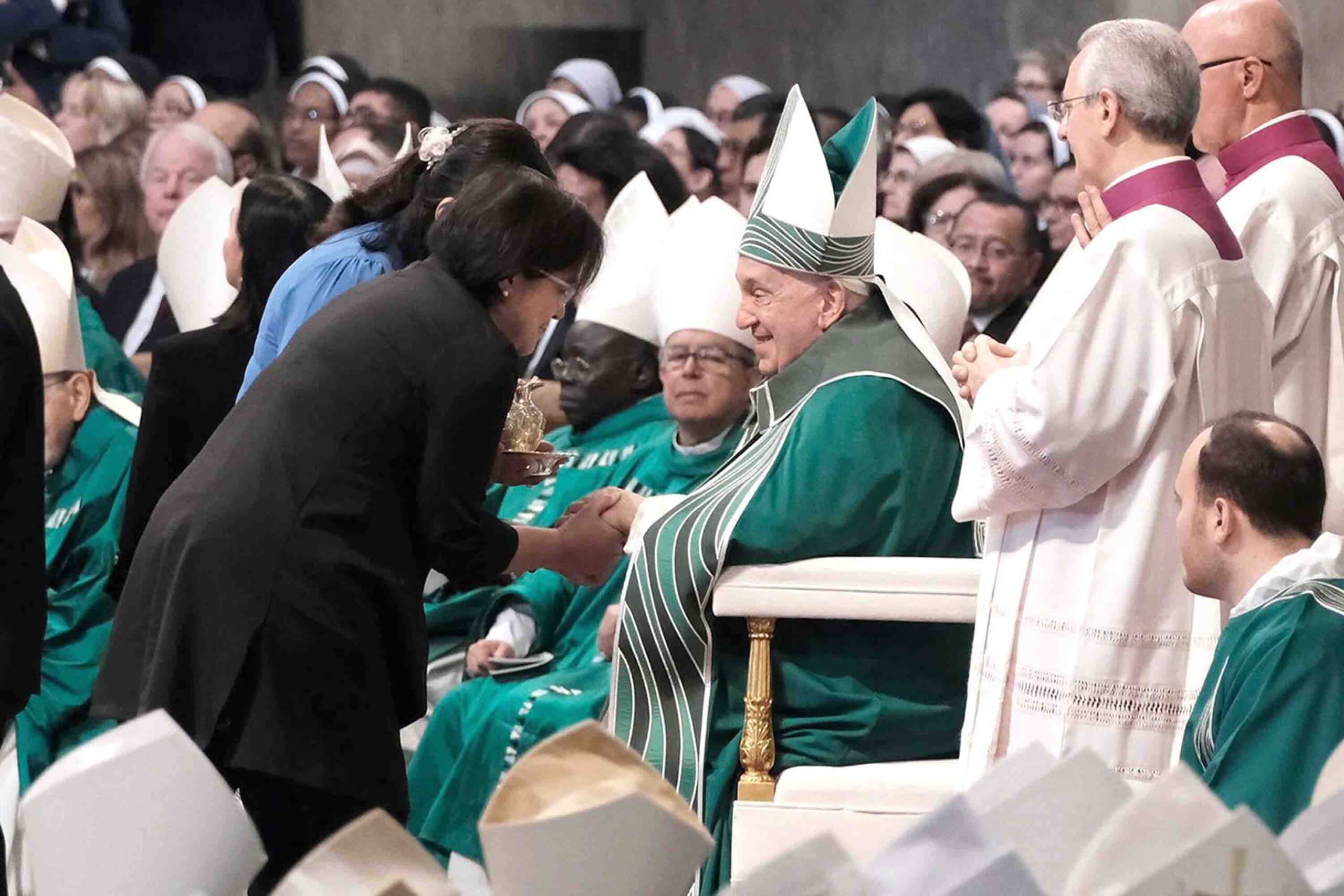

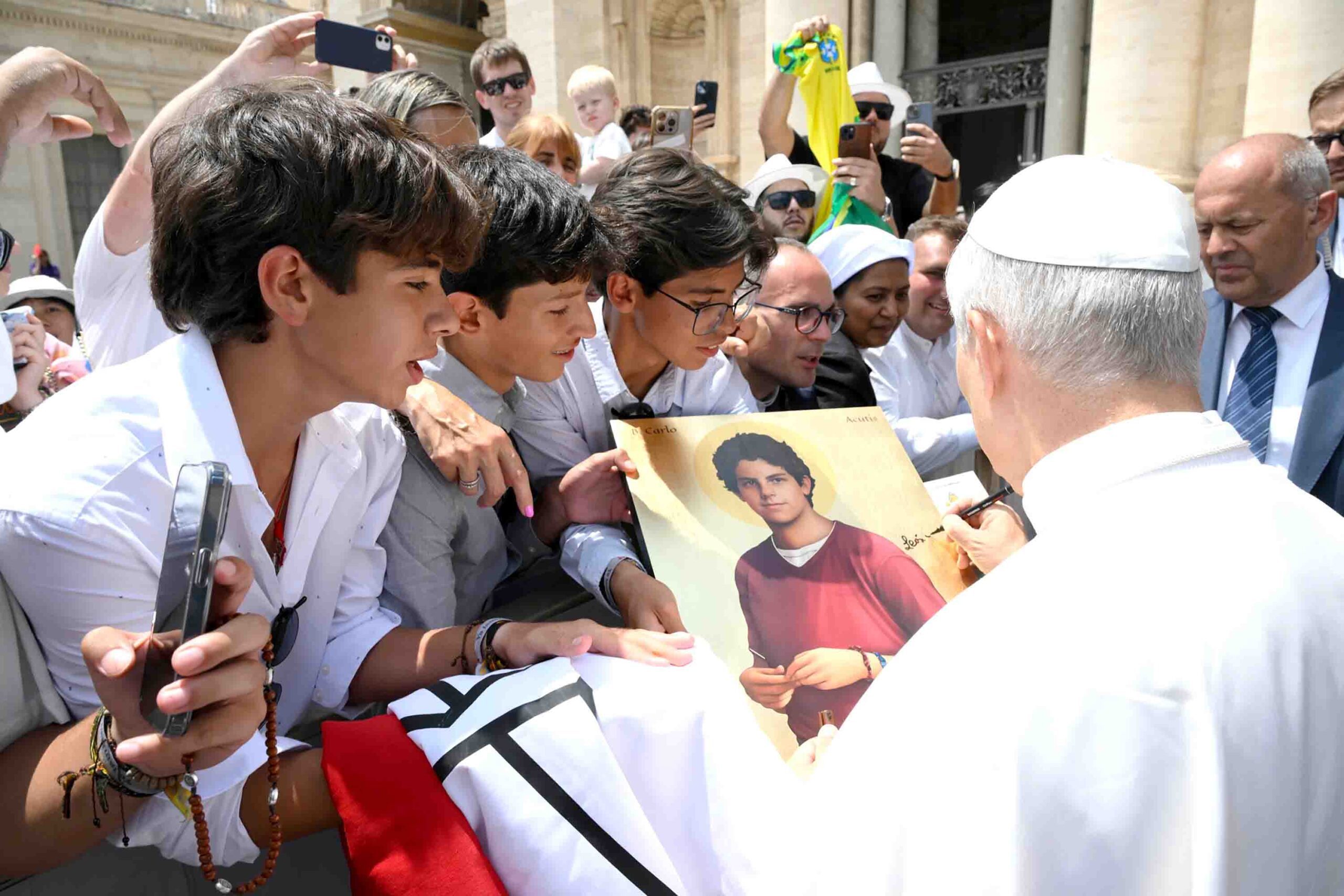
A synodal Church is, above all, a relational Church, one where interpersonal complementarity and reciprocity shape a mission-oriented People of God in the midst of complex realities. I recognize this interpersonal moral force demands not only my own metanoia but also a conversion of relationships, especially between the hierarchy and the laity.
I believe metanoia is always possible, even for pastoral leaders who seem indifferent, because conversion is a gift of the Holy Spirit. It is the Spirit–poured out at Pentecost (cf. Acts, 2:2-3)–who empowers us and gives direction in our pilgrimage. Metanoia calls me to a transformation of my attitude, a change of heart, and a sincere openness marked by a willingness to listen and engage in dialogue. I see this as an essential requirement for true consensus-building.
Synodal consensus is not imposed but collectively constructed, for it is the scaffolding of a discerning Church that learns from mistakes and cares from the heart, a Church that seeks not control but communion and participation. Consensus is built when listening prevails over speaking and when a common narrative emerges in which each participant can say with truth, “I recognize myself in this narrative” (cf. Final Document, 84).
THE SPIRIT IS THE TRUE PROTAGONIST
Theologically, consensus-building stems from the grace of the sensus fidei, a gift bestowed upon the entire People of God, enabling the faithful to discern what is in harmony with Divine Revelation. By this grace, the Church holds with certainty that the faithful cannot go astray in matters of faith (cf. Final Document, 83–84). The sensus fidei does not emerge from majority opinion, democratic vote, or popular trends. Instead, it is born of hearts attuned to the Spirit that bear a wisdom that is enduring, quiet, and faithful.
The sensus fidei reaches its maturity in the consensus fidelium, which serves as a sure criterion of apostolic truth (cf. Lumen Gentium, 12). This consensus embodies the harmony of faith and morals that resonates with the apostolic witness across the centuries.
History confirms that, in moments of doctrinal uncertainty, the Church has turned to this universal consent as a luminous sign of truth–in the recognition of the biblical canon, in Mary’s perpetual virginity and divine motherhood, and in the veneration of the saints. St. John Henry Newman once highlighted the decisive role of the faithful in the post-Nicene defense of Christ’s divinity and in later debates over the Real Presence and the Beatific Vision.
For this consensus to be authentic, careful discernment is required, along with an accurate diagnosis of the problem. A wrong diagnosis risks an incorrect solution and undermines the synodal process. Thus, the Synod insists on a sustained dialogue until disagreements are fully addressed and resolved (cf. Final Document, 89-91).
In this way, synodal consensus-building reveals itself not merely as a methodology but as a manifestation of the Church’s deepest identity: a pilgrim people, listening to the Spirit, discerning together, and bearing witness to the truth through the harmony of faith.
In his meeting with interfaith leaders at the Vatican in May 2025, he emphasized the values of participation, dialogue, and co-responsibility, showing that he views consensus not as optional but as integral to synodal practice. Pope Leo urges more authentic experiences of participation and communion, which, by implication, require listening to diverse voices, not just those of the clergy or the hierarchy.
PATHWAYS
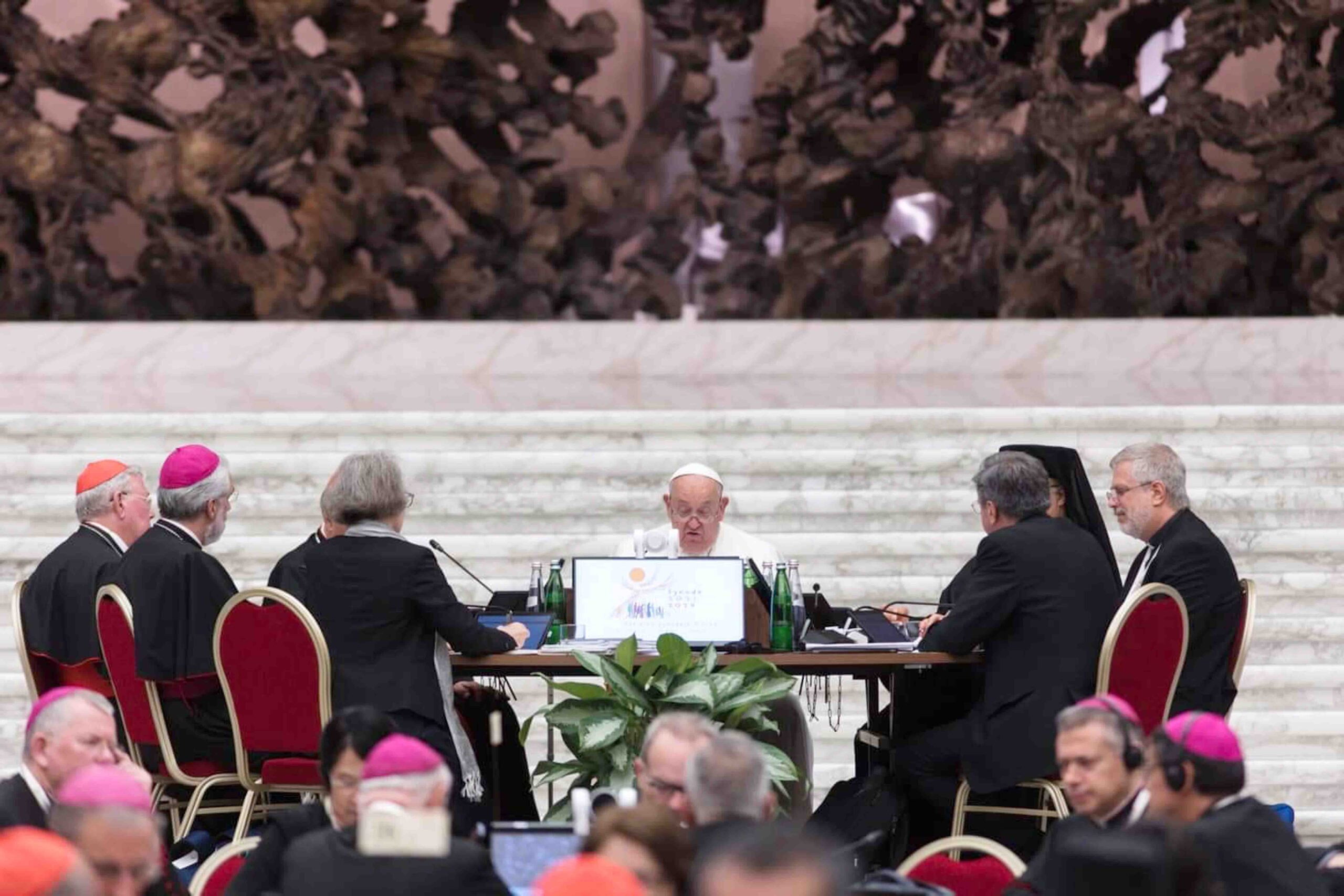
During his June 2025 visit to the General Secretariat of the Synod, Pope Leo XIV presided over the XVI Ordinary Council, approved the document Pathways, and reaffirmed that “synodality is an attitude that helps us to be Church, fostering authentic experiences of participation and communion.” Filipino Cardinal Pablo Virgilio David was present at this meeting as a member of the Council entrusted with ensuring that synodality is implemented at the local level.
What remains less clear to me is the precise procedural framework the Church envisions for consensus-building–particularly in ensuring that marginalized voices are heard and that disagreements are constructively resolved in dioceses and parishes.
I pray that our bishops and priests actively and fully embrace the document ‘Pathways’ for the implementation phase of the Synod (2025-2028). Pathways constitutes a framework released by the General Secretariat of the Synod intended to guide local Churches, culminating in an ecclesial assembly in October 2028. The talk is easy, but the walk is holy. The walk needs conversion.
The Holy Father’s repeated insistence on listening, dialogue, and authentic participation suggests that synodal consensus-building is important to his pontificate. In this, Pope Leo XIV continues and deepens what Pope Francis initiated: a Church marked not by domination but by communion and by the Spirit-given harmony of the faithful in the midst of diversity.
José Mario Bautista Maximiano is the lead convenor of the Love Our Pope Movement (LOPM) and author of the book Church Reforms 4: Pope Leo XIV, Church Reforms, and Synodality (Claretian, 2025). Church Reforms 1, 2, 3, and 4 are available at Lazada and Shopee. Email: jomaximiano@gmail.com