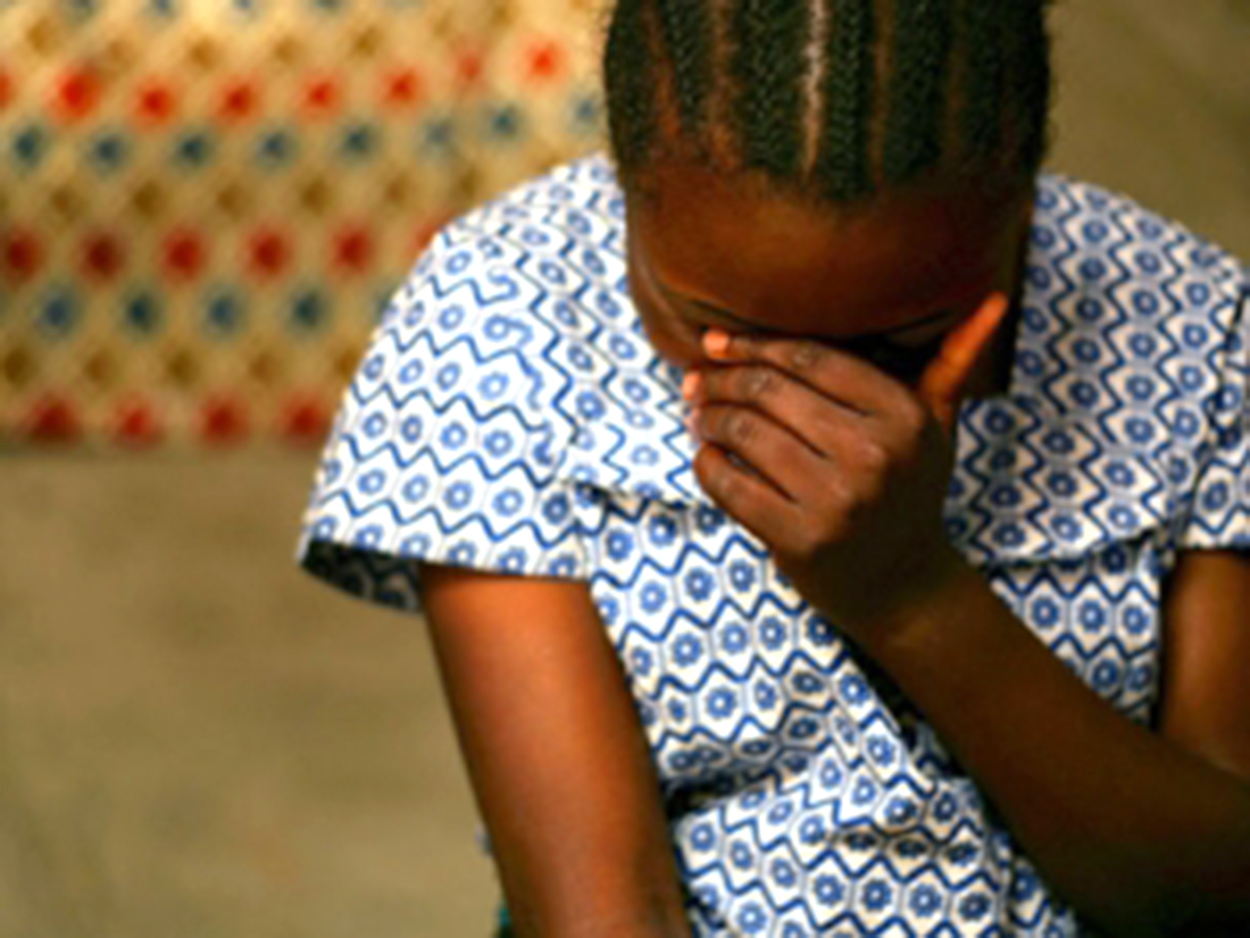
The most recent confrontation was triggered on May 7, after reports that a Coptic-Christian woman, who had converted to Islam, was being held against her will in a church in Cairo’s Imbaba district. After a number of Muslim residents gathered outside the church to investigate, shots were reportedly fired from a neighboring building, killing several of them. “The first shots, fired from an automatic weapon, originated from a building adjacent to the church,” recalled Sherara, who witnessed the events.
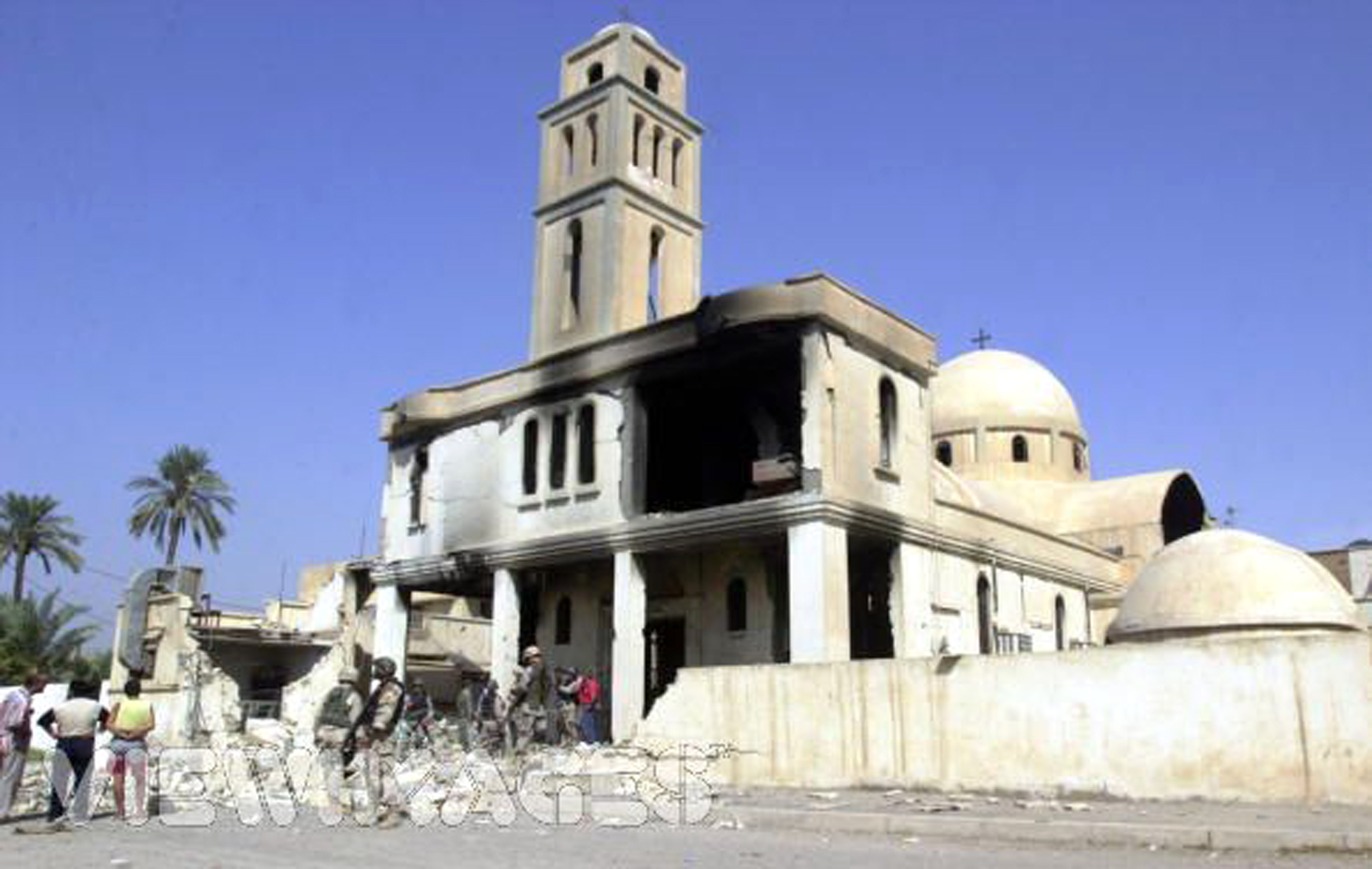
Hearing the gunfire, hundreds of local residents quickly arrived at the area. Clashes soon erupted between Christians and Muslims, which quickly escalated into an exchange of gunfire. Eyewitnesses from both sides, however, later said that unidentified gunmen had instigated the violence by firing randomly into the crowd. By the time the army arrived some 90 minutes later, 15 lay dead, both Muslims and Christians, and more than 230 injured. Dozens were arrested. During the clashes, meanwhile, another Coptic church – located some two kilometers away – was set on fire by gunmen. While there were no resultant deaths or injuries, the church was badly damaged by the blaze.
While the twin incidents were initially attributed to local Muslim-Christian rivalries, it later emerged that the violence had been largely instigated by outsiders. “Initial investigations confirm that the events in Imbaba were planned and instigated by hired ruffians, not religious zealots,” Justice Minister Mohamed Abdelaziz al-Gindi announced. He went on to blame the incidents on an ongoing “counterrevolution aimed at destroying national unity.”
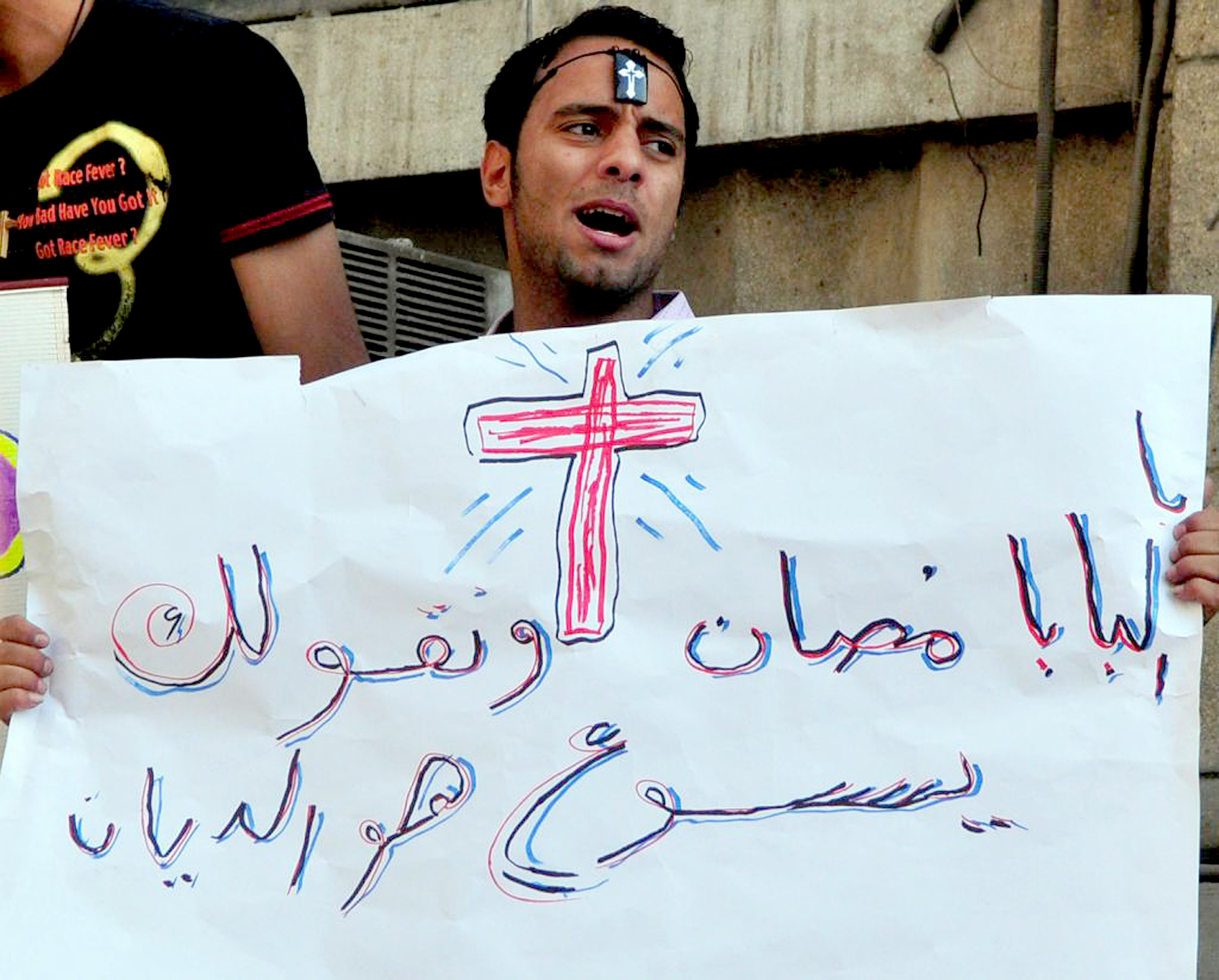
“The men who torched the church looked like professional thugs, not religious extremists. They weren’t from around here. It looked pre-planned,” one Coptic eyewitness, preferring anonymity, said. The eyewitness added that frictions between the neighborhood’s Muslims and Christians had been “previously unheard of.” The May 11 edition of state daily, Al-Missa, quoted local Coptic clergymen who described the events as “a conspiracy.” Nevertheless, hundreds of Coptic protestors have staged an open-ended sit-in in Cairo’s Maspero district since May 8 to protest perceived discrimination against Egypt’s Christian minority (estimated at roughly 10% of the majority-Muslim country’s population of 85 million). On May 14, protesters clashed with armed thugs, leaving dozens injured from both sides.
Numerous local commentators blame the mounting sectarian tension on “remnants of the former regime,” which, they say, have a vested interest in derailing post-revolutionary Egypt’s transition to democracy. A number of commentators, including prominent political figures, have also alluded to a possible Israeli role in the recent sectarian flare-ups. Mohamed Selim al-Awa, former secretary-general of the International Union of Muslim Scholars, speaking to Al-Jazeera on May 10, alleged that “Israel is trying to thwart Egypt’s revolution by any means possible.” He went on to point to “elements of the former regime that will ally themselves with anyone to restore the status quo.” On the following day, prominent political commentator Fahmi Howeidi asserted that “the possibility of Israeli involvement (in the ongoing sectarian strife) cannot be ruled out.” “Israel,” he wrote in independent daily Al-Shorouk, “was badly frustrated by the ouster of Mubarak, who Israel officials had publicly described as a ‘strategic treasure.’” Notably, last November, former head of Israeli military intelligence Amos Yadlin openly bragged about Israel’s success in “promoting sectarian tension” in Egypt. “We have succeeded in promoting sectarian and social tension there so as to create a permanent atmosphere of turmoil,” Yadlin was quoted as saying in the Hebrew- and Arabic-language press. www.ipsnews.net / Adam Morrow and Khaled Moussa al-Omrani