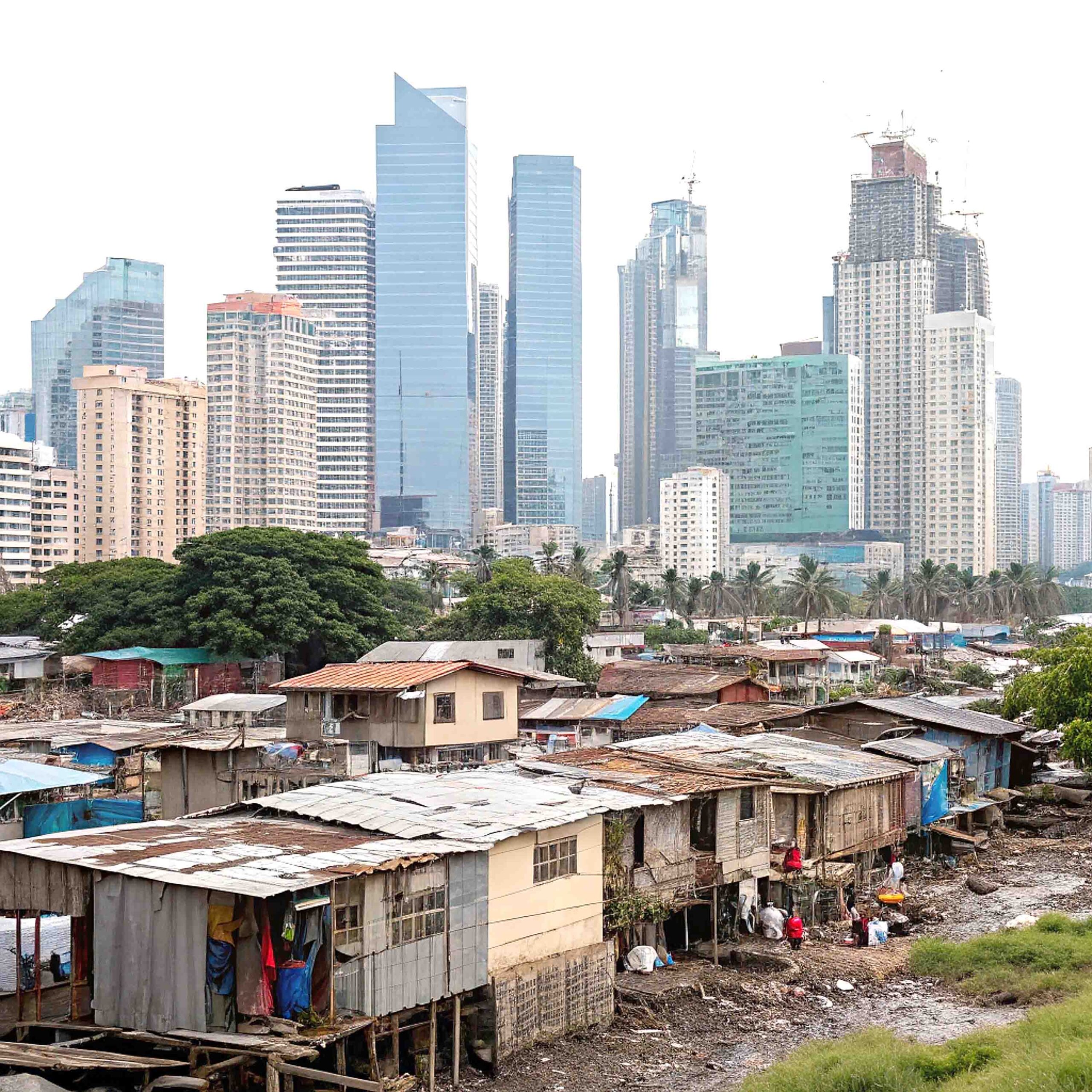
The words of the Holy Father resonate deeply in Metro Manila, where the contrast between wealth and poverty is impossible to ignore. In Bonifacio Global City, glass towers rise into the sky, housing multinational offices, luxury condominiums, and guarded lobbies. Order is enforced, comfort is engineered, and money glows in polished sidewalks. Yet, just a few kilometers away, in Tondo and Payatas, narrow alleys choke with people, homes are patched together from scrap metal and plywood, and families live day to day, one illness or missed paycheck away from collapse.
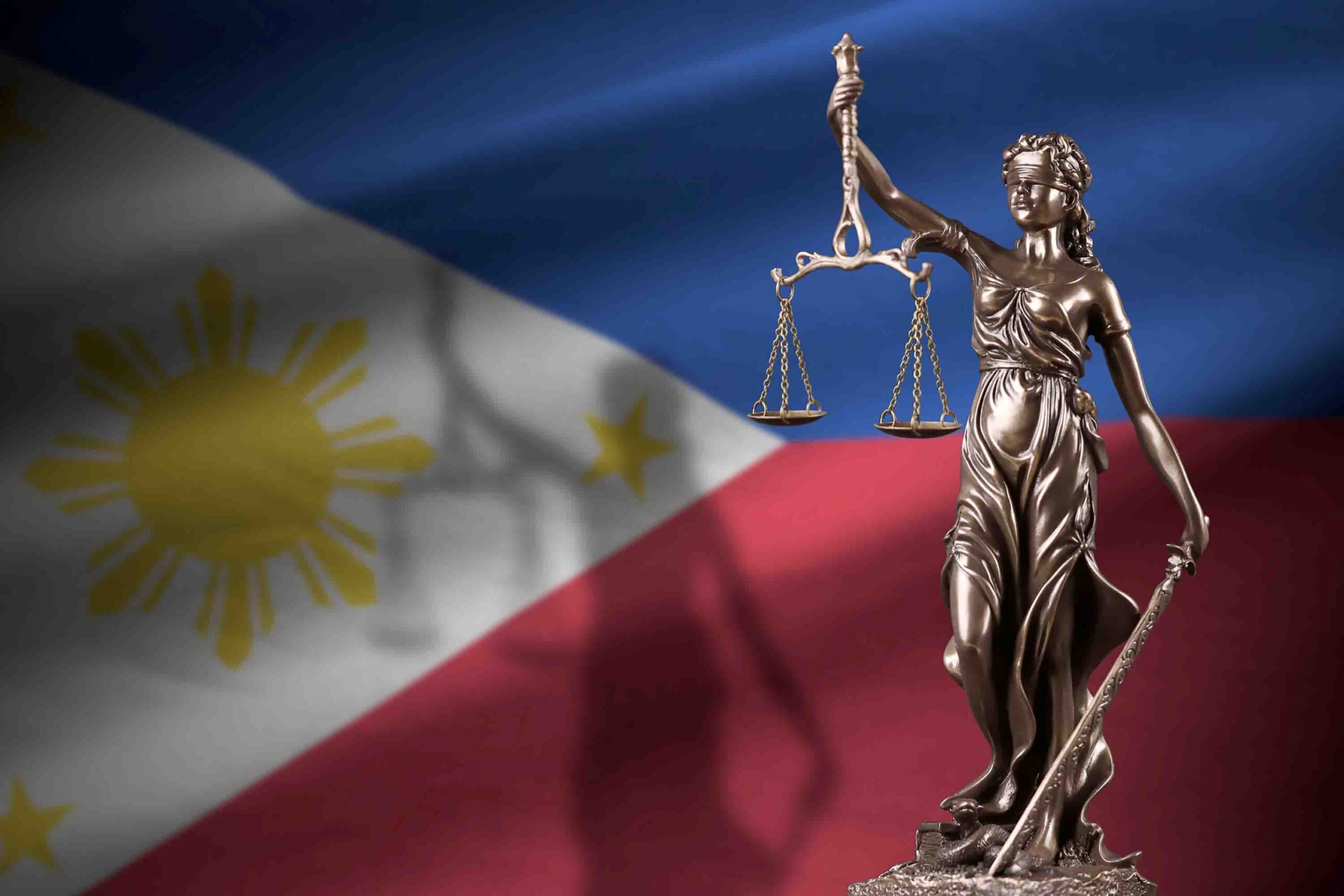
Filipinos share the same Motherland, the same Filipino blood, the same flag–but not the same reality. Is this side-by-side existence of extreme wealth and extreme hardship an accident? No, a big no. Inequality, that’s what it is! It’s the clearest picture of a society split in two: one protected, one abandoned.
THE FACES OF INEQUALITY
Inequality in the Philippines is a sad experience lived daily by millions. A mother of four in Quezon City, Edna, survives in a cramped shanty while her husband drives a jeepney for meager pay. Inflation in 2023 forced her to skip meals so her children could eat. Even with government aid through the 4Ps (Pantawid Pamilyang Pilipino Program), she feels forgotten once elections end. Her story reflects the insecurity and indignity that official poverty statistics fail to capture.
National averages often conceal the deeper fractures of inequality. Where one is born in the Philippines usually determines one’s chances in life.
Decades of conflict and chronic underinvestment have left the Bangsamoro Autonomous Region in Muslim Mindanao (BARMM) with some of the nation’s highest poverty rates. A mother in Lanao del Sur once compared her family’s daily food budget to the price of a single cup of coffee in Makati, an anecdote that captures the staggering gulf between the regions.
Nature itself deepens inequality in Bicol. Typhoons and volcanic eruptions repeatedly erase development gains. A farmer in Catanduanes spends his savings rebuilding his home every few years, preventing him from accumulating assets or investing in his children’s future. Disasters act like an invisible tax on the poor.
Geographic isolation and sporadic security issues deter investment, leaving communities in Zamboanga Peninsula dependent on unstable livelihoods. Residents often feel “forgotten by Manila,” a sentiment supported by infrastructure, health care, and connectivity deficits.
THE MALACAÑANG MANDATE
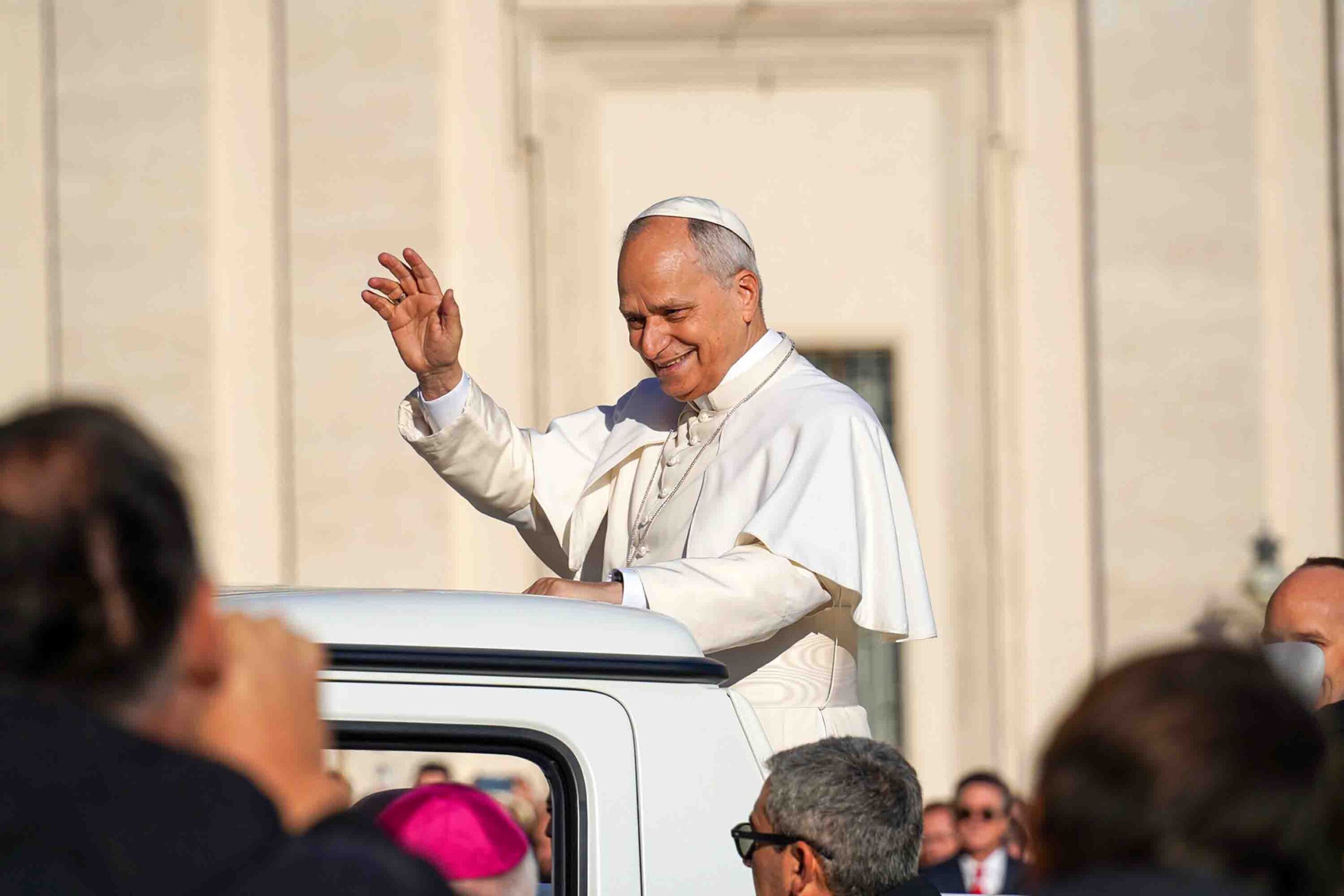
When Pope Francis stood in Malacañang Palace during his pastoral visit, he did not simply offer a polite blessing; he issued a direct indictment of the Philippine status quo. He called the national divide “scandalous” and urged Filipinos to break the bonds of injustice and oppression that give rise to glaring inequalities.
In his address to the Authorities and the Diplomatic Corps at the Malacañang Presidential Palace, he said: “It bids us break the bonds of injustice and oppression which give rise to glaring, and indeed scandalous, social inequalities,” (January 16, 2015).
For a country that prides itself on being a bastion of Christianity in Asia, this economic reality is a theological contradiction. We cannot claim to follow biblical tradition while maintaining a system where wealth is a fortress for the few and a cage for the many. The Pope’s message carried three urgent demands:
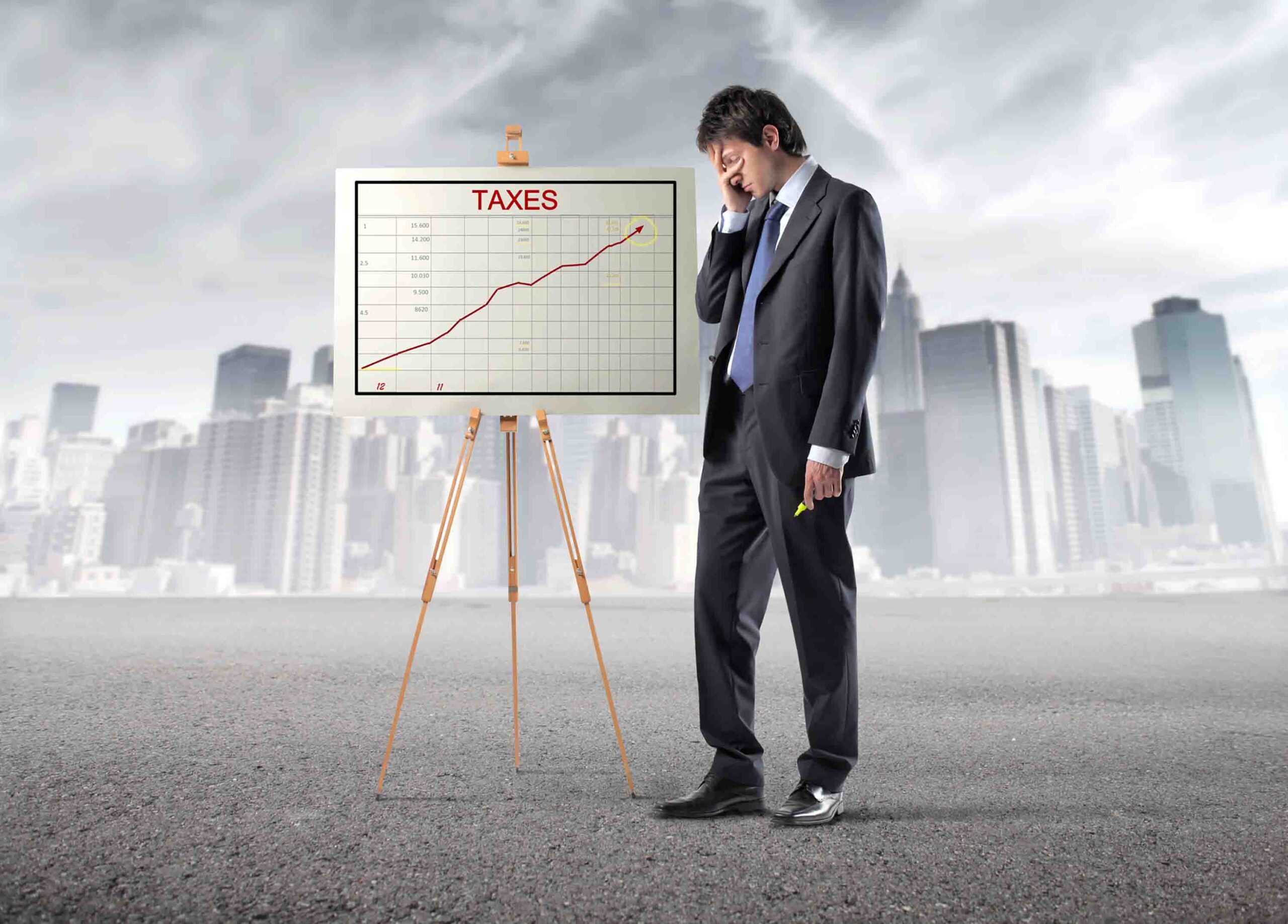
- Structural reform. The divide between Makati’s towers and Tondo’s shanties is not “unfortunate” but deliberate. Tax breaks, political dynasties, and laws protect the wealthy while excluding the poor. Pope Francis insisted that reforming these structures requires not only policy change but also a conversion of mind and heart.
- Reject corruption. Our Jesuit Pope warned, “corruption is paid by the poor.” Every peso lost to ghost projects or facilitation fees is a classroom unbuilt or a hospital bed unfunded. The Holy Father desired that “prophetic summons will challenge everyone, at all levels of society, to reject every form of corruption which diverts resources from the poor,” (2015).
- Moral duty to hear the poor. In a democracy, the survival of the poor must outweigh the expansion of a billionaire’s portfolio. Francis reminded Filipinos that listening to the poor is not charity but a duty, a test of whether the nation truly lives its Christian faith.
How can a nation that venerates the Gospel tolerate a system where wealth is a fortress for the few and a cage for the many? Pope Francis’ challenge was not only political but theological: to reconcile faith with justice. Pope Francis’ 2015 visit was more than a pastoral journey. His words echo the biblical prophets who condemned exploitation and demanded care for widows, orphans, and strangers.
José Mario Bautista Maximiano is the lead convenor of the Love Our Pope Movement (LOPM) and author of the book Church Reforms 4: Pope Leo XIV, Church Reforms, and Synodality (Claretian, 2025). Church Reforms 1, 2, 3, and 4 are available at Lazada and Shopee. Email: jomaximiano@gmail.com