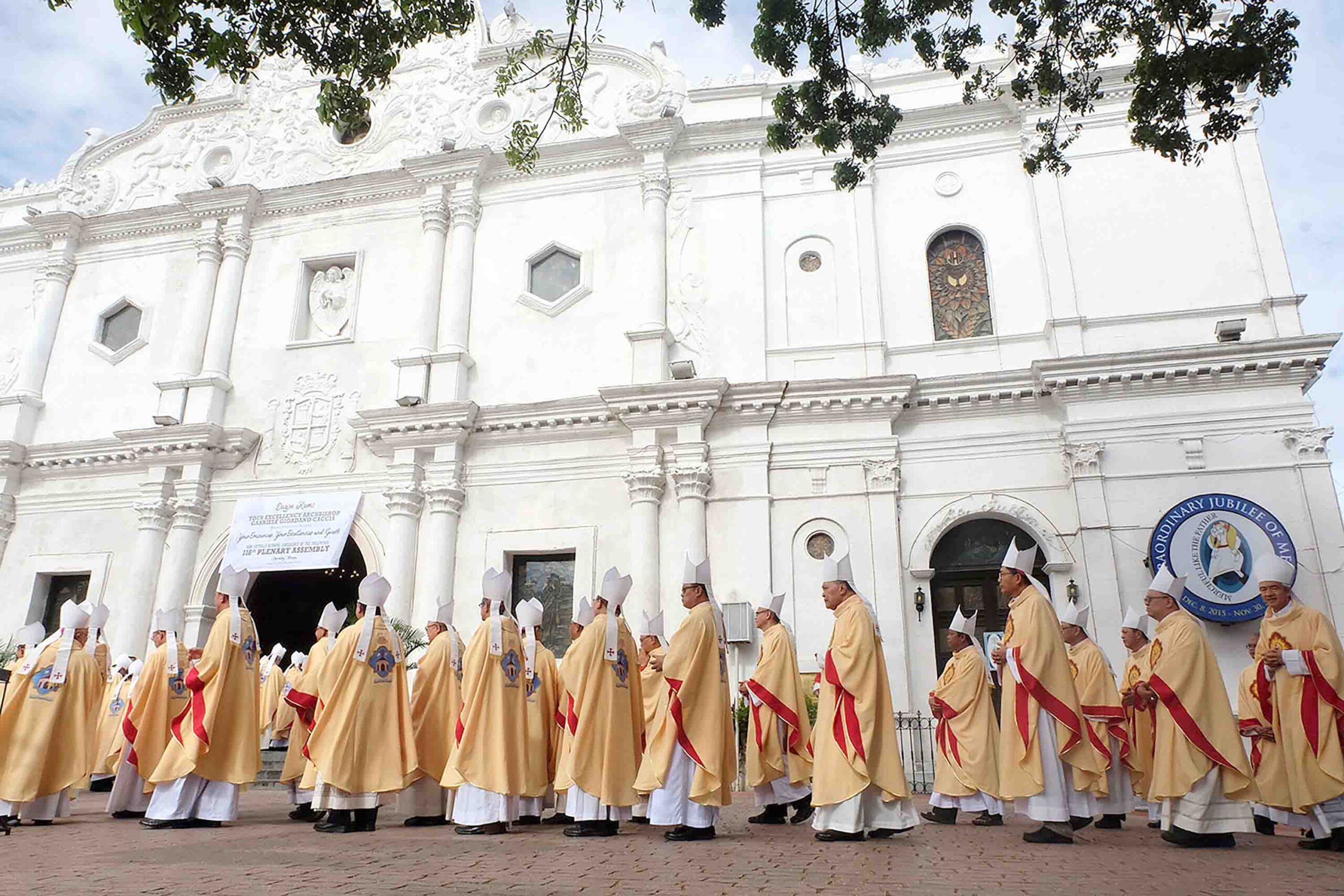

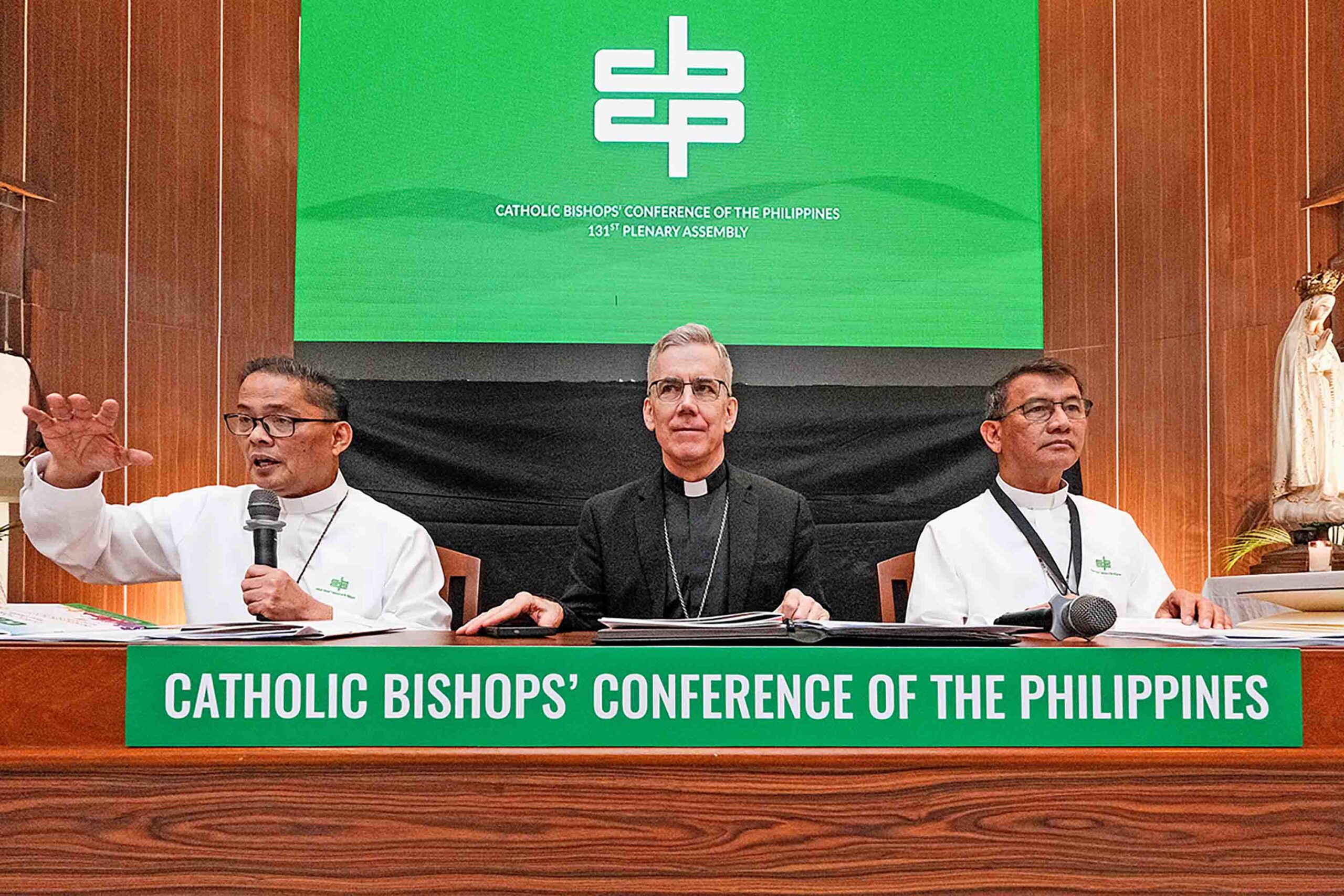
Filipino Catholics increasingly expect more visible courage, clarity, and presence from their shepherds, yet the Church cannot demand prophetic leadership from bishops who are spiritually depleted, emotionally isolated, or institutionally constrained. Care and expectation, our bishops’ assembly suggested, are not opposites but conditions of one another.
Affection for our ordained shepherds remains strong. The question is whether episcopal leadership has kept pace with the moral anxieties of the people. The faithful long for shepherds who stand close to them in times of injustice, crisis, and confusion. At the same time, there is growing realism that bishops who lack support tend to retreat into procedural caution or diplomatic silence.
RICH DIOCESES ADOPT POOR DIOCESES
I believe it is time for wealthier dioceses–Manila, Cebu, San Fernando (Pampanga), Jaro, Tuguegarao, Nueva Segovia, and Antipolo (inter alia)–to formally adopt and support poorer dioceses, prelatures, and vicariates. Such partnerships should provide sustained material and administrative assistance: properly staffed chancery offices, coordinated evangelization and catechetical programs, transparent financial management, and shared back‑office services.
By pooling resources and expertise, such care among bishops directly benefits the faithful, especially in struggling regions. When wealthier dioceses sustain poorer ones, bishops are freed from constant fundraising and administrative strain and can exercise prophetic courage: denouncing corruption, defending human dignity, and resisting political pressure without fear of isolation.
Supported bishops may serve as model servant leadership by setting healthy limits and practicing compassionate governance. With stronger chancery support, transparent resource management, and shared services, they become more effective at protecting the vulnerable, addressing scandal, and restoring trust in the Church.
CARE INTENSIFIES EXPECTATIONS
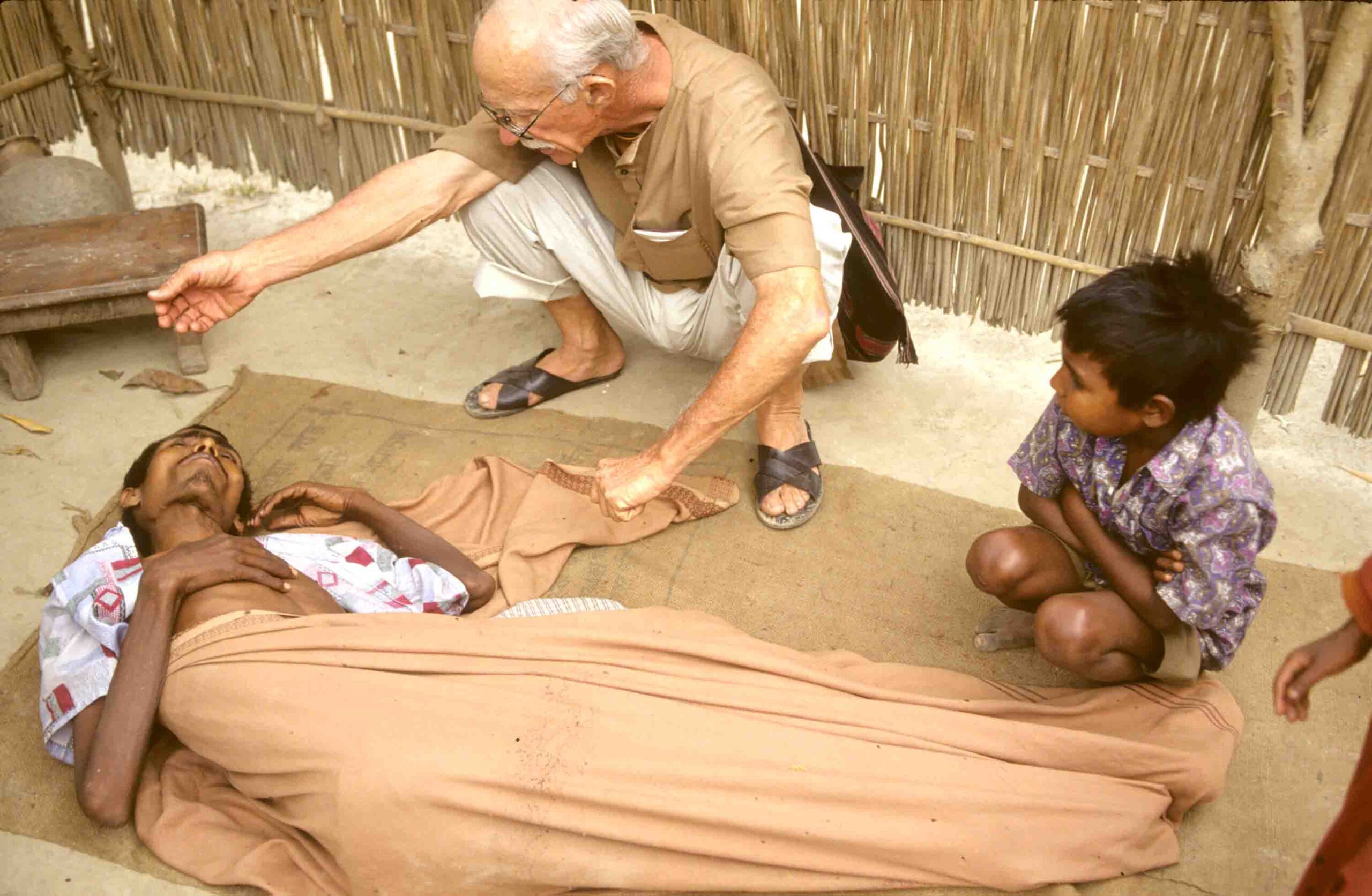
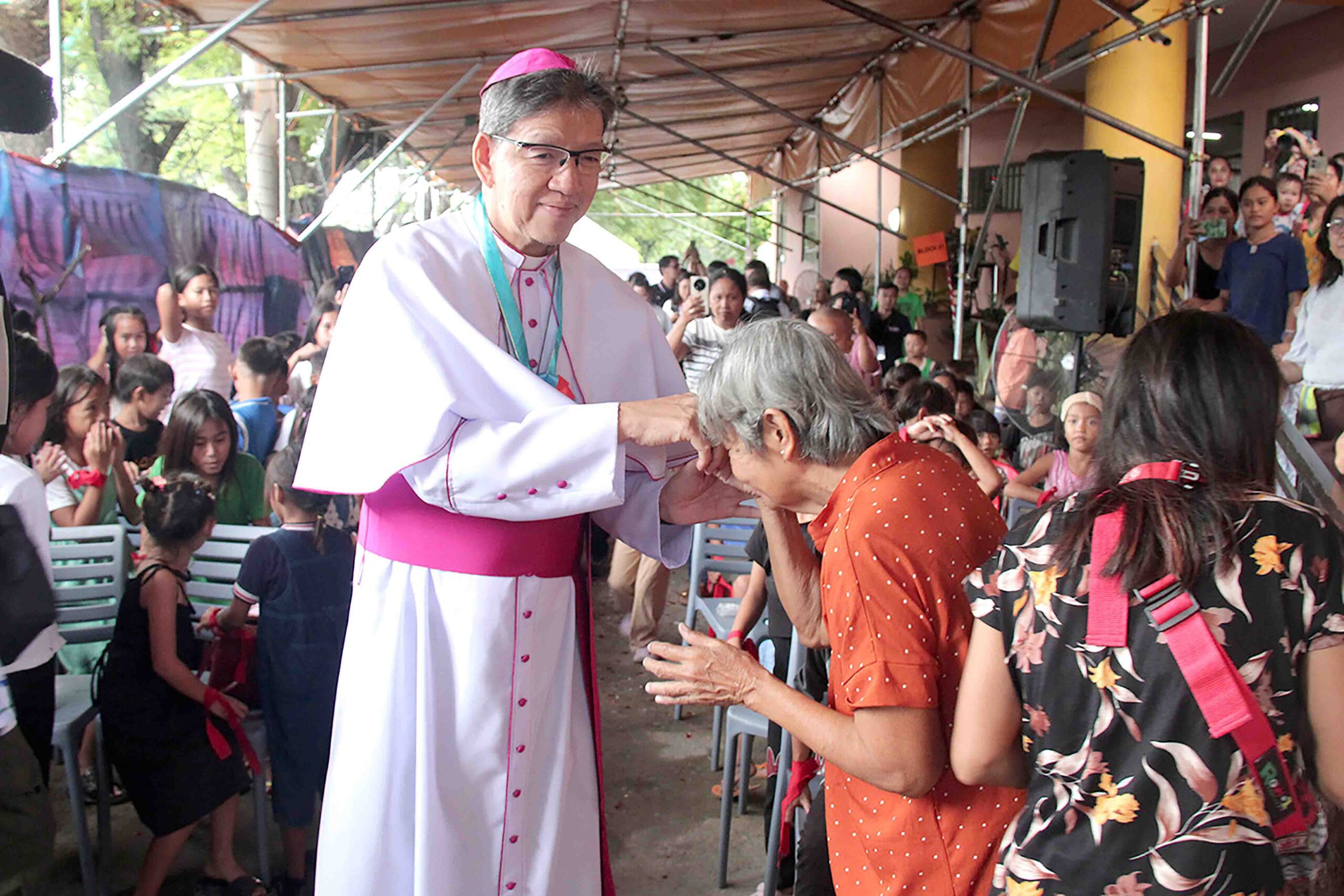
We, the Lord’s flock, expect our shepherds to be pastorally present and accessible, attentive to grassroots suffering rather than distant from it. We expect moral clarity–leaders who speak truth to power while embodying humility and mercy. We expect service over prestige, a visible rejection of ecclesial pomp in favor of solidarity with the poor. We expect transparent stewardship and clear communication. Episcopal authority today is measured less by office than by personal example.
This expectation intersects with a crucial moral-theological distinction: the voice of the people is not the voice of God. Modern politics often confuses popularity with truth. Just because an idea is popular doesn’t mean it is right or “God’s will.” It’s a warning against letting a majority vote decide what is morally true.
History cautions otherwise. From the French Revolution’s exaltation of popular sovereignty to Machiavelli’s flirtation with equating the people’s will with divine authority, the danger is perennial. Logic names it the bandwagon fallacy; Christian tradition names it more sharply. Alcuin of York warned Charlemagne that Divine truth is not produced by consensus.
Concrete moral issues make this unavoidable. Same-sex marriage may gain majority approval yet contradicts the Church’s understanding of human sexuality. Divorce may become socially acceptable, but Christ’s command remains uncompromising: “What God has joined together, let no one separate” (Mark, 10:9).
Political history reinforces the lesson. Electoral mandates have legitimated policies–and voted for a president that championed the most starkly violent anti-drug campaigns–that resulted in grave injustices.
POPULAR VS RIGHT
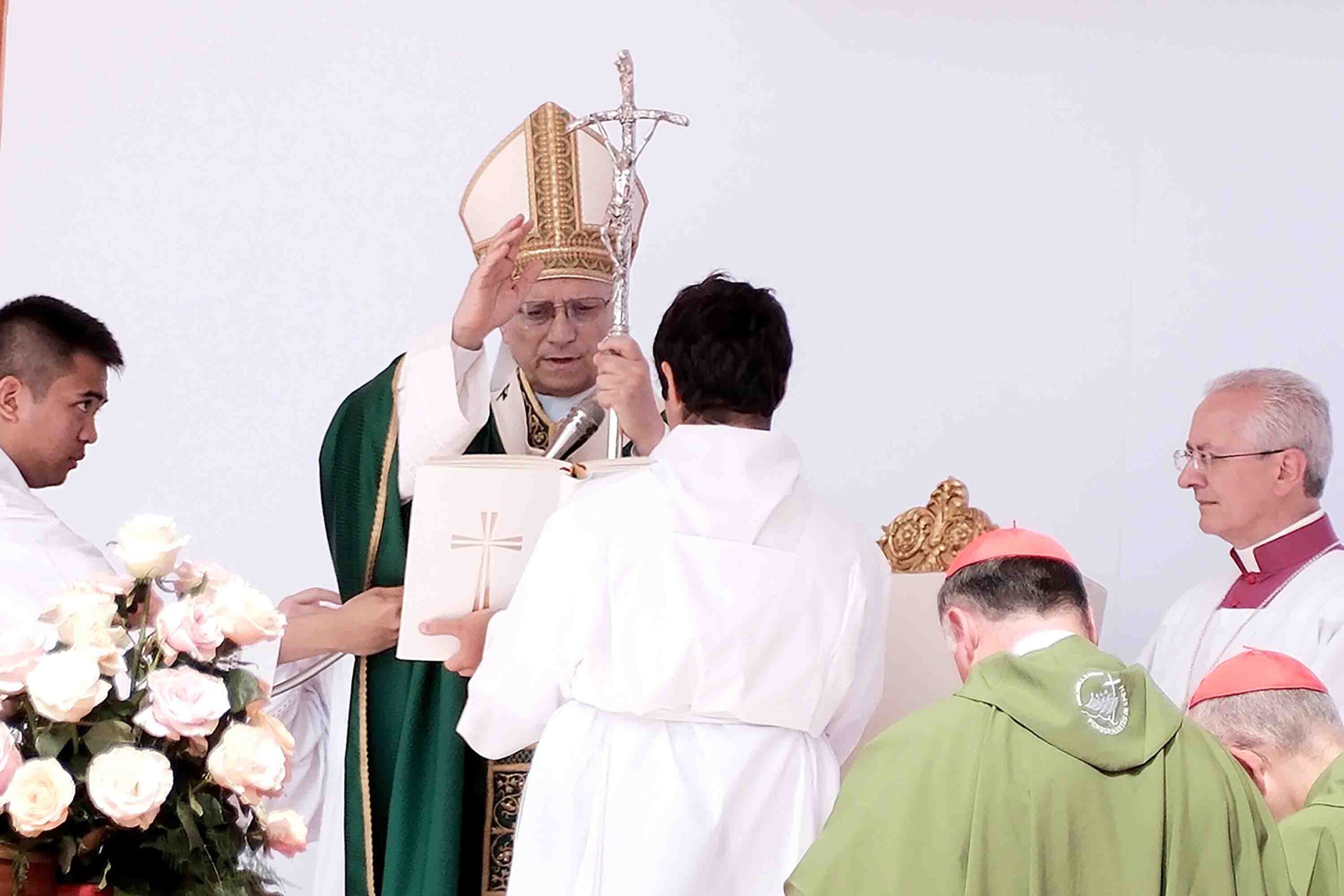
Because of this gap between “what’s popular” and “what’s right,” the Bishop has a specific job: The Bishop isn’t supposed to be a mirror that reflects what the public thinks. Instead, he is supposed to be a guide who measures public opinion against the teachings of the Gospel. He is there to tell the truth, even when the truth is unpopular.
Democracy deserves respect, of course, but it is not revelation. In matters of faith and morality, final authority rests not with opinion polls but with the Church’s teaching office. Each bishop autonomously governs his diocese. Yet episcopal autonomy complicates collective and prophetic witnessing. The result is uneven prophetic speech: a few voices speak clearly while many remain cautious. The need for one solid prophetic leadership erases the cost of its absence.
History offers stronger models. From Domingo de Salazar, who defended indigenous rights in the sixteenth century, to later pastors who confronted authoritarian power, the Philippine episcopate possesses a tradition of moral resistance. Vatican II and subsequent social teaching affirm that action for justice is integral to the Gospel. Pastoral care cannot be reduced to sacramental administration; it must include prophetic engagement and concrete solidarity.
The pastoral challenge is urgent. Love for bishops endures. What the faithful ask is leadership equal to that love–supported yet accountable, compassionate yet courageous, and unmistakably anchored in the Gospel rather than in fear or favor. Care for our bishops is not the destination. It is the condition for a Church that dares to speak truth, bear suffering, and shepherd its people with integrity.
José Mario Bautista Maximiano is the author of the book Citizen’s Guide Vs. Corruption (Claretian Publications, 2026) and three-volume series on 500 Years of Christianity in the Philippines (Claretian Publications, 2021, 2022). Email: jomaximiano@gmail.com