
This reflection examines three people named “Francis.” They lived in very diverse contexts and vastly different ages. Yet, their lives and wisdom can serve as reliable compasses on life’s journey.
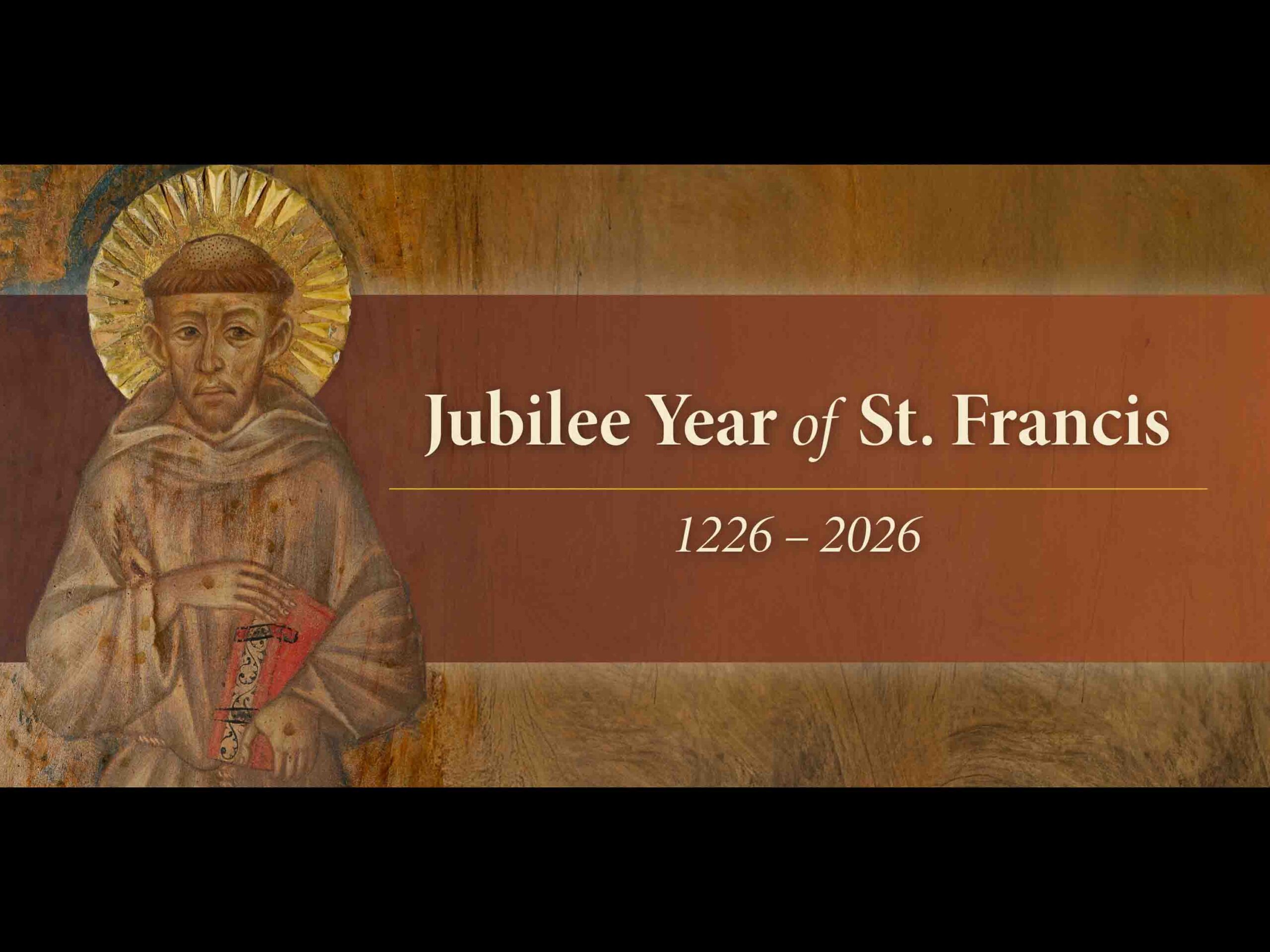
Francis of Assisi. This popular Catholic saint lived from 1182-1226. Son of a wealthy cloth merchant, he spent his youth in frivolous pleasures. When about twenty years old and filled with dreams of earthly glory, he went off in a knight’s armor to wage war against neighboring Perugia. He was captured and spent a year suffering in prison before being rescued.
Francis’ prison experience and severe illness provoked a deep spiritual crisis. One day, he met a despised leper and was moved to share his cloak–even kissing the poor man’s disfigured face. His life began to be shaped around a new agenda with radical Gospel values. Once, while praying before the crucifix, he heard a voice saying: “Francis, repair my Church.”
This challenge was much deeper than the physical reconstruction of the dilapidated chapel of San Damiano; Francis was called to seek a profound spiritual renewal of the Church. He accomplished this in numerous ways: founding the Friars Minor, living in material poverty, and experiencing the suffering caused by receiving 1224 stigmata, the physical marks of Christ’s passion.
In a prayer attributed to Francis, he prays: “Lord, make me an instrument of your peace: where there is hatred, let me sow love; …where there is despair, hope.” He also prayed: “God, enlighten the darkness of my heart and give me a right faith, a sure hope, a perfect charity.”
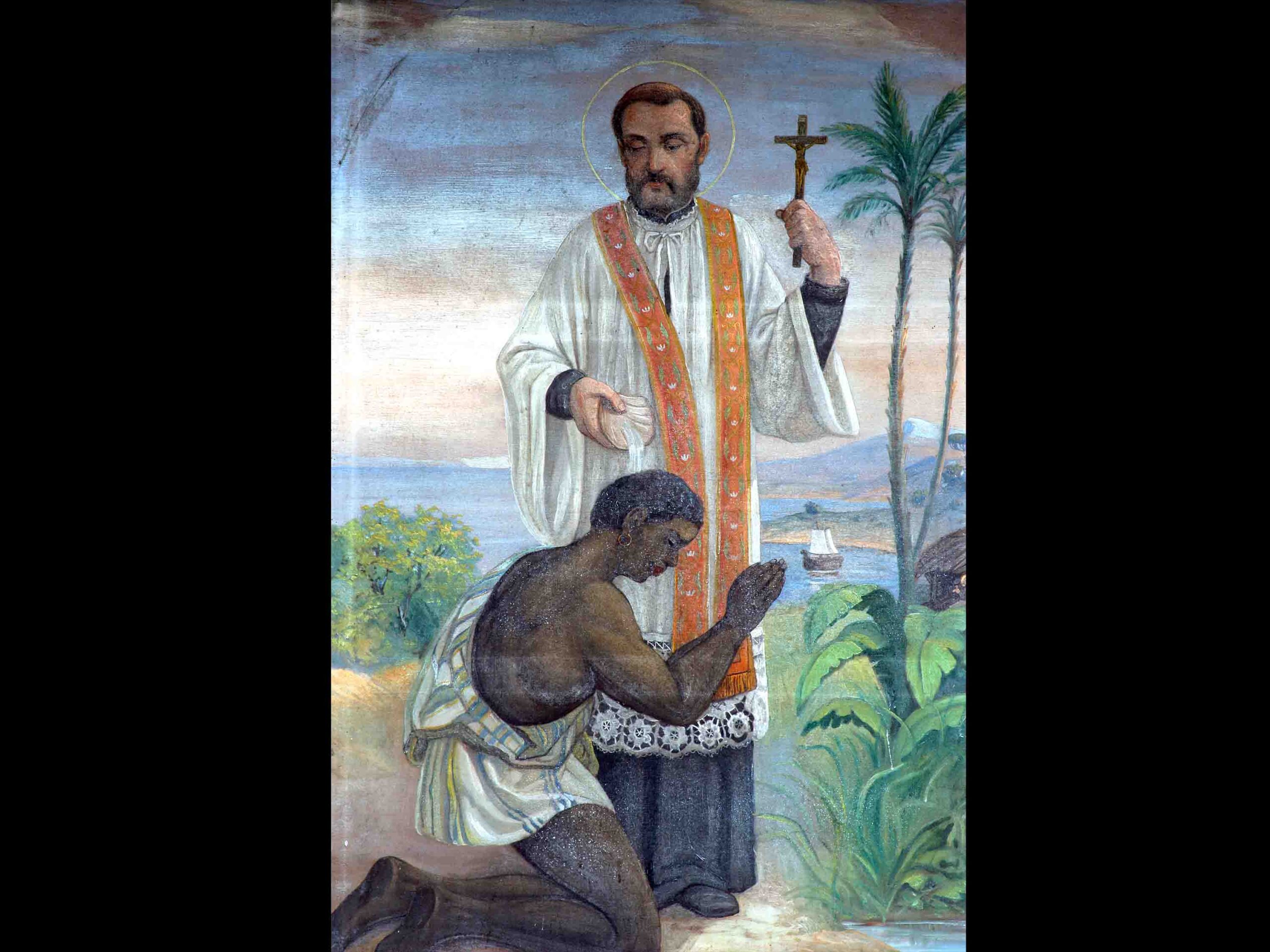
Francis Xavier. This Jesuit missionary lived only 46 years (1506-1552). He received a papal appointment as apostolic nuncio to Asia, embarking on his mission in 1541. Arriving in Goa after a fifteen-month perilous journey, he found the local Church in a deplorable condition. Immediately, he set about his mission.
While he achieved much success among the poor and lower-caste peoples, he sought to evangelize other places, setting out for Japan as his next mission. An unverified tradition asserts that his ship took refuge from a sea storm in the town of Sigaboy (Governor Generoso) in Eastern Davao, Philippines (where this author served for three years). The Catholic parish in that town is named Saint Francis Xavier.
Arriving in Japan on August 15, 1549, he saw the need to renew his approach to his mission. Quickly realizing the highly developed Japanese culture, Francis discerned the need to appreciate the local culture with its many strengths, virtues, and insights. This reality demanded new mission methods. Francis remained in Japan for twenty-seven months; then he departed for China.
Arriving in China in 1552 in poor health, Francis disembarked on Sancian Island (which faces mainland China), where he died on December 3.
Franz Jägerstätter. The life of this layman (1907-1943) and his solitary Christian witness are genuinely inspiring. Franz was an ordinary Austrian farmer, devoted husband, father of three daughters, and a devout Catholic.
When Hitler invaded Austria in 1938 in the Anschluss and annexed it into the “Greater Germany,” Jägerstätter expressed his disdain for the Nazis. He received an induction notice in 1943, but refused to alter his firm conviction that any form of Nazi military service would constitute a mortal sin. As a “conscientious objector,” he discerned that he could not prolong his human life if this endangered his immortal soul.
Jägerstätter’s profound hope was rooted in deep faith, documented in Franz Jägerstätter: Letters and Writings from Prison (Orbis Books). He viewed his suffering as a necessary dimension of following Christ, noting that “the way to heaven” remains “rugged and rocky.” Franz’s conscience and hope gave him clarity of vision to see the profound evils of Nazism.
Executed by guillotine (1943), Franz was declared a martyr for the faith by Pope Benedict XV and beatified on October 27, 2007, in a ceremony attended by his wife, Franziska, their children, grandchildren, and great-grandchildren (sixty family members in all). Jägerstätter has inspired numerous contemporary witnesses to have hope–even in the most challenging situations.
Our Prayer: Lord, heartfelt thanks for the many witnesses that encourage us to live our daily lives in joyful hope. Their lives become “shining stars” that enlighten our daily lives.
James H. Kroeger, MM, served mission in Asia (Philippines and Bangladesh) for over five decades; recently he authored Walking with Pope Francis (Paulines, Manila) and A Joyful Journey with Pope Francis (Claretians, Manila).