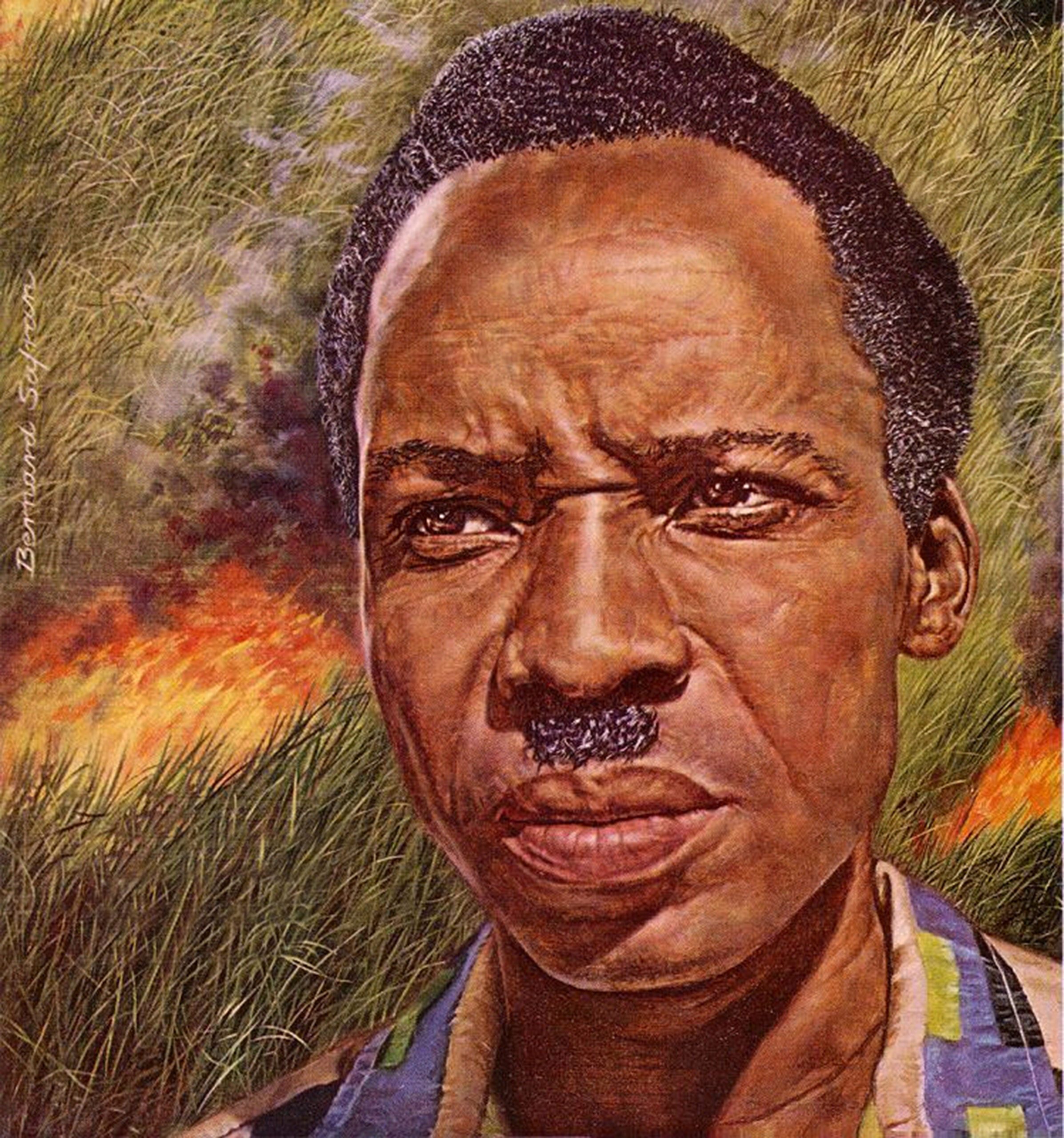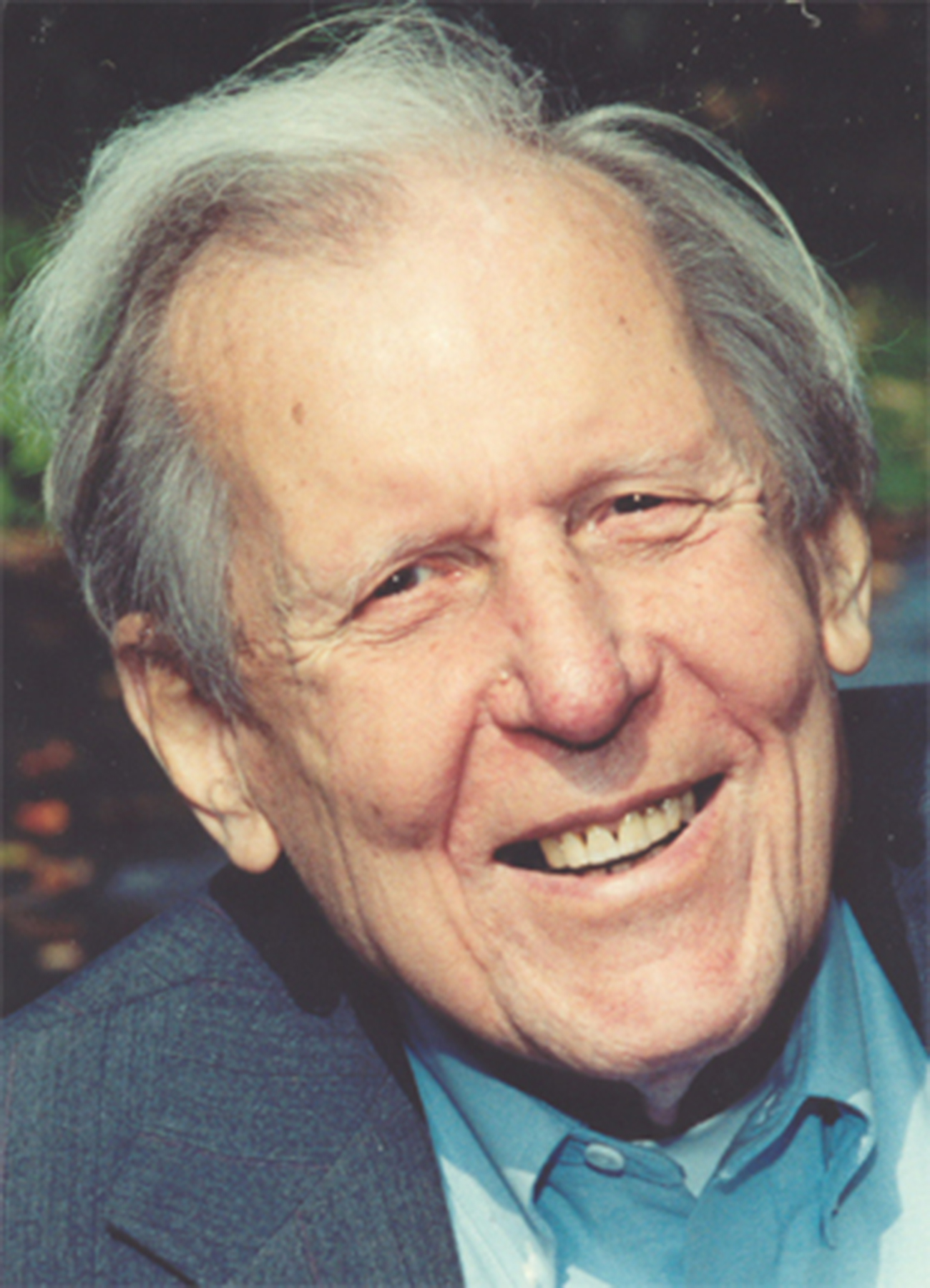
On Monday, June 1st 2009, Fr. Thomas Berry died peacefully at the age of 94, surrounded by his family. For a man who loved nature so much it was fitting that he died in his own hometown, Greensboro, North Carolina. He is best known in the English-speaking Catholic world for his writings and lecturing on cosmology and ecology. Because of his efforts to free religion, and particularly, Christian theology, from the constraints of a homocentric perspective and relate them to the wider universe, he often presented himself as a geologian. In 1989, Newsweek described him as “the most provocative figure among the new breed of eco-theologians.” There were, of course, many other aspects to Tom’s rich and fulfilling life.
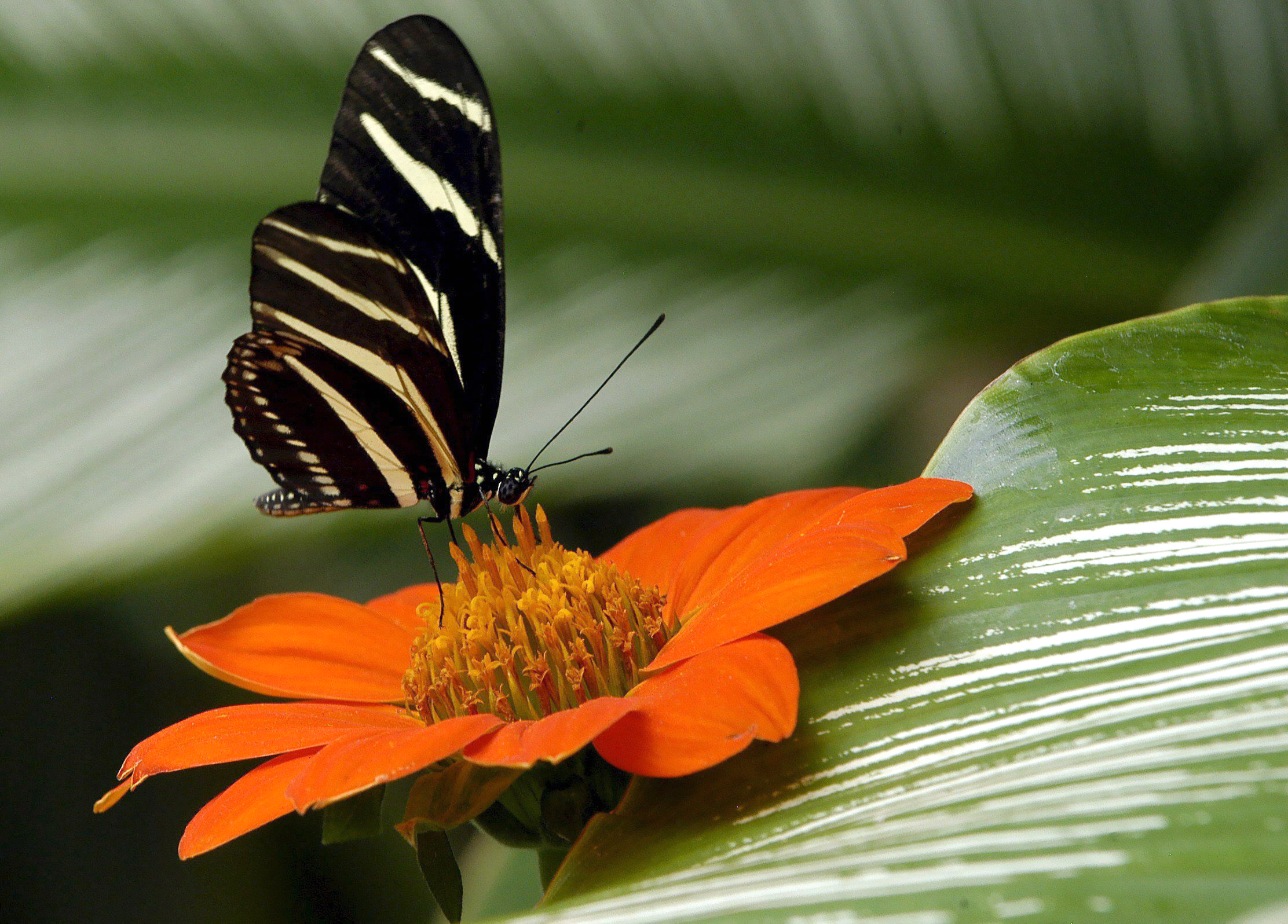
He was born in 1915, during World War I, in North Carolina in what was then a predominantly rural environment. The well-being of that environment, especially a particular meadow near his home, was a reference point for all his later work. He recalled in later life the delight he took in that meadow where he could hear the singing of the crickets and take pleasure in the wild flowers. According to Tom, “Whatever fosters this meadow is good and whatever does harm to this meadow is not good.” Good economics would help protect this meadow: Good religion would enable us to experience the Divine in the meadow. Even in his early years, Tom could see how industry and technology were about to rip up meadows and other crucial ecosystems locally and around the world. I remember him pointing out to me that his life spanned the rise of the automobile. In his lifetime, he was able to track the profound impact this technology has had on the global landscape, firstly, in the United States and, later, in every part of the world.
THE BUDDHISM APPEAL
Thomas entered the Passionist community in 1935. It was an inspired choice as it gave him long hours during which he could study. Though members of the Passionist Order are involved in preaching retreats and pastoral care, each community chanted the Divine Office. This included the Office of Matins in the early hours of the morning. Most monks went back to bed after the Matins and slept on until Office of Lauds at 6 a.m. Tom used this time to develop a study regime that marked him out as one of the most erudite people I have ever met. He steeped himself in the wisdom of the Western tradition with its two streams, one flowing from Jerusalem and the other from Athens.
After ordination in 1942, he went to the Catholic University of America in Washington D.C. and pursued a doctoral program in cultural history. His doctoral thesis on Giambattista Vico’ philosophy had a profound impact on Tom’s own intellectual perspective. After completing his doctorate, Thomas was assigned to work as a missionary in China. His time there was cut short by the victory of the Communist Party in 1949. Unlike many missionaries who were deported from China, Tom kept up an active interest in the Chinese language and culture. In subsequent years, he broadened out his engagement with Asia by studying Sanskrit and Buddhism. The fruit of that scholarship is evident in his book Buddhism published by Columbia University Press in 1995. It is one of the best introductions to Buddhism for a Western reader as it explains key concepts such as suffering, karma, nirvana, impermanence and the monastic life in an understandable and competent way.
THE DARK SIDE OF TECHNOLOGY
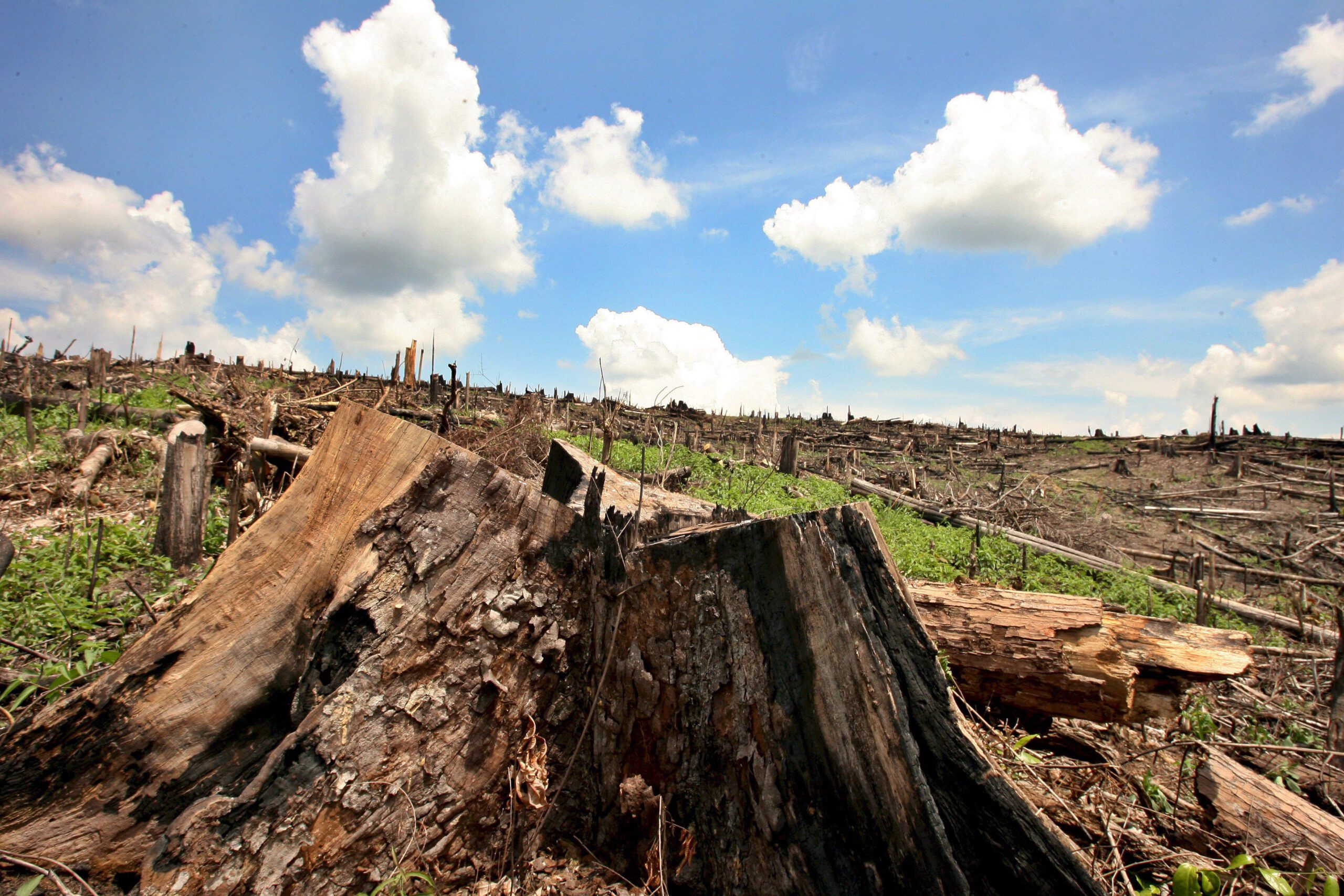
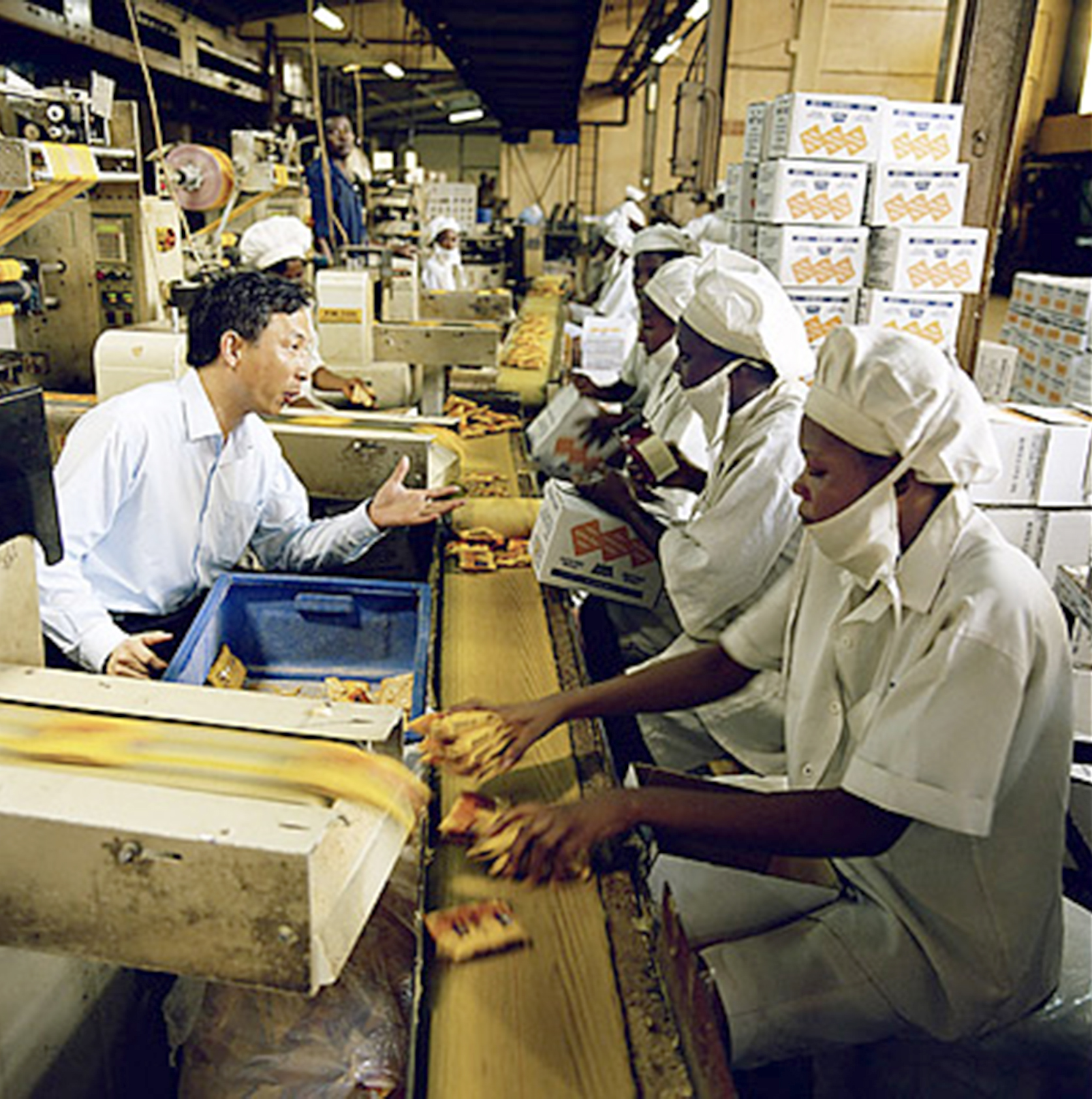
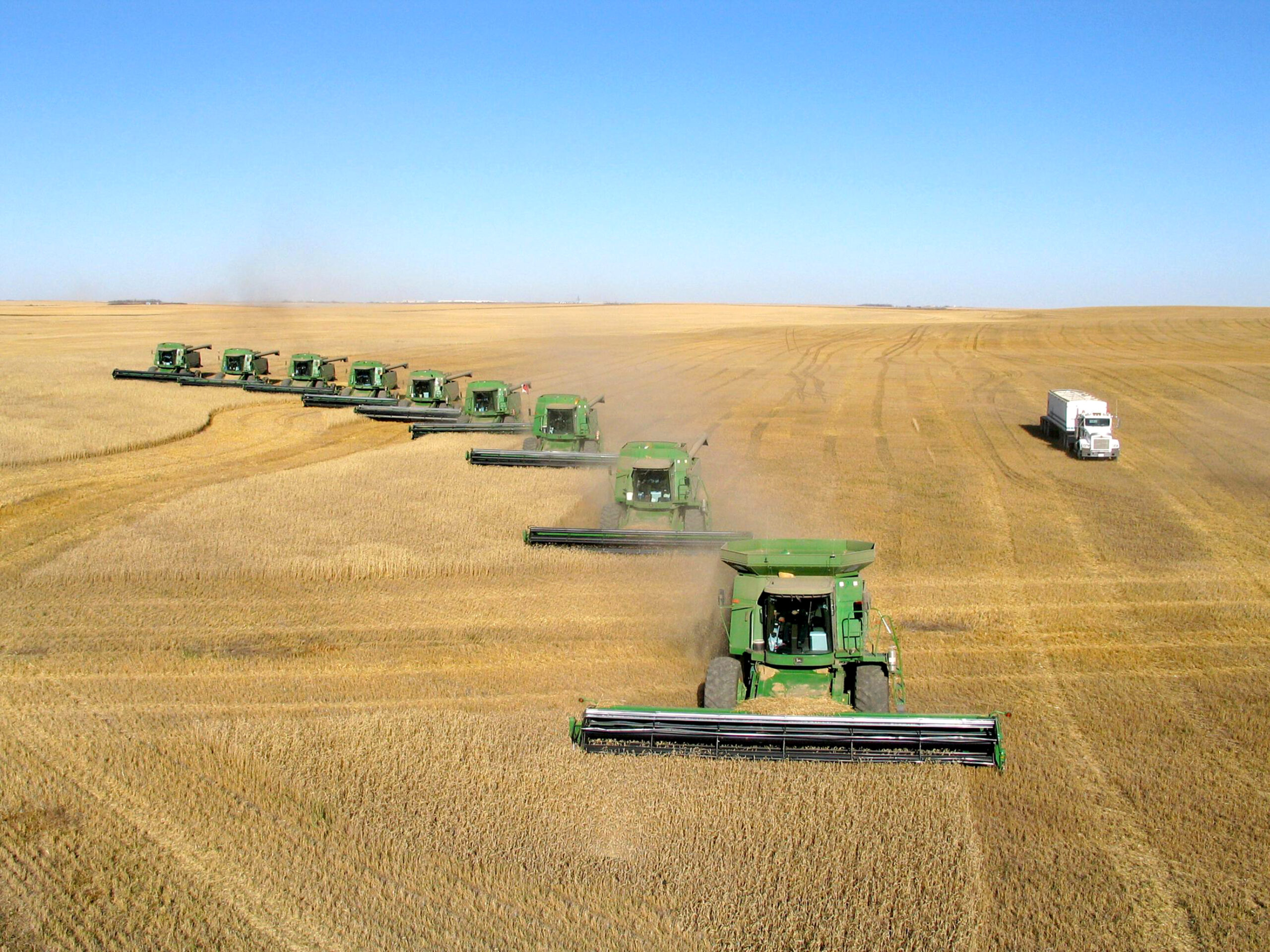
The publication of Rachel Carson’s book, Silent Spring in 1962 had a profound impact on Thomas Berry. Once again, he set out to study the intellectual roots of the modern scientific, technological world, beginning with Newton’s study of celestial mechanics, Principia Mathematica. While most people are impressed by the extraordinary achievements of modernity, Thomas began to call attention to the negative aspects of technology, particularly as specific technologies, such as the internal combustion engine began to wreak havoc on the natural world, through, for example, climate change. The Riverdate Center which he founded in the Bronx on the banks of the Hudson River was a place of intellectual ferment from 1970 until the mid-1990s. The time I spent with Tom at the Center in 1980 was one of the most informative experiences of my life.
Among Tom’s publications are The Dream of the Earth (Sierra Club Books, 1988), and The Great Work (Random House, 1992). With Brian Swimme, he published The Universe Story, 1992). This is considered one of the most important books in the genre.
ALL THE CREATURES ARE LOOKING TO US
Thomas Berry was, by far, the most important and insightful Catholic commentator on environmental issues in the second half of the 20th century. In his last book Evening Thoughts (Sierra Club Books, 2006), he sets the agenda for every human being for the twenty-first century. He wrote: “All the creatures of Earth are looking to us for their destiny. Among these are our children and our grandchildren, who depend on our decisions for the sustenance and flourishing of the life-systems of the planet. This remains one of our primary challenges in the twenty-first century.”
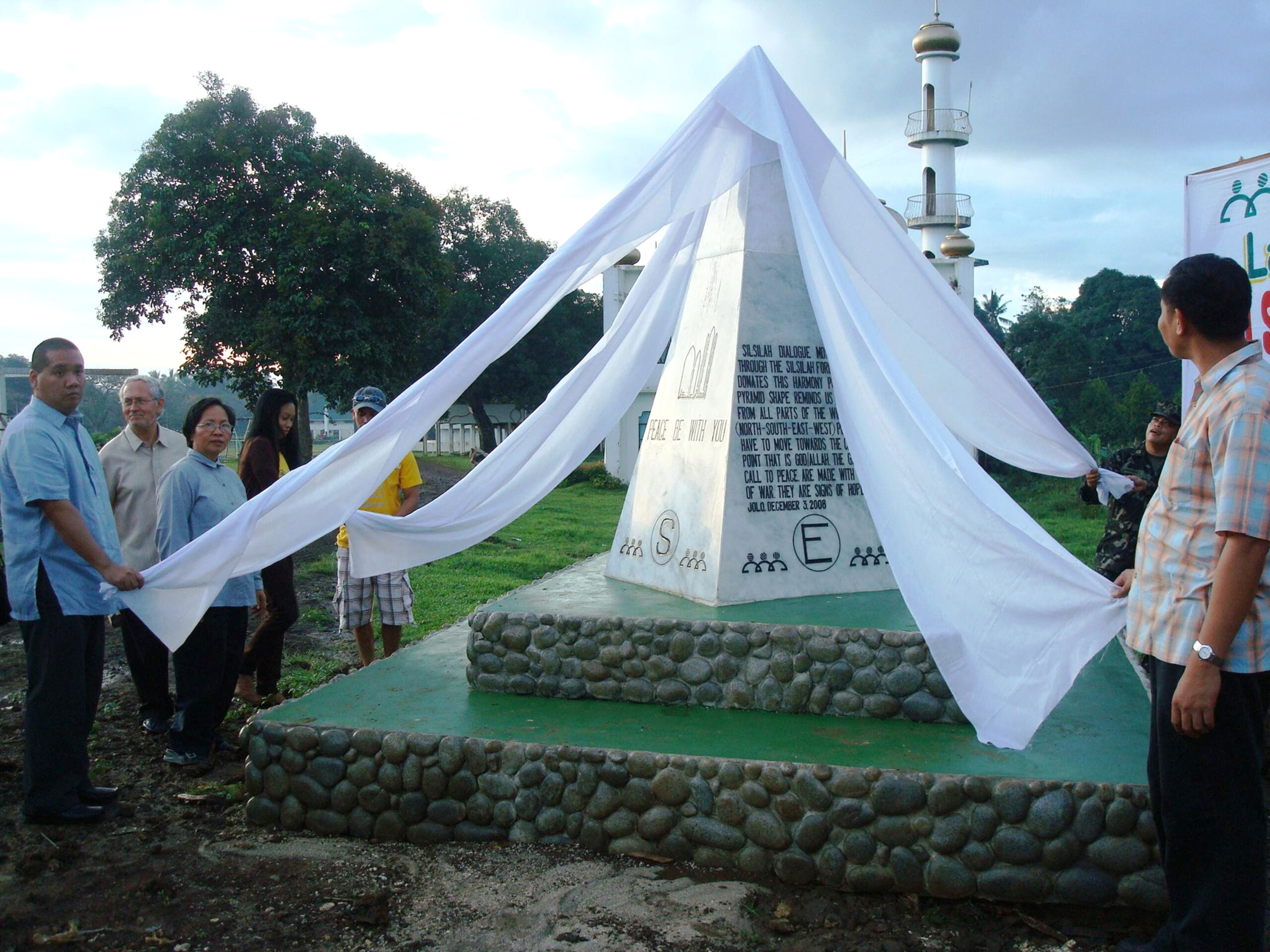
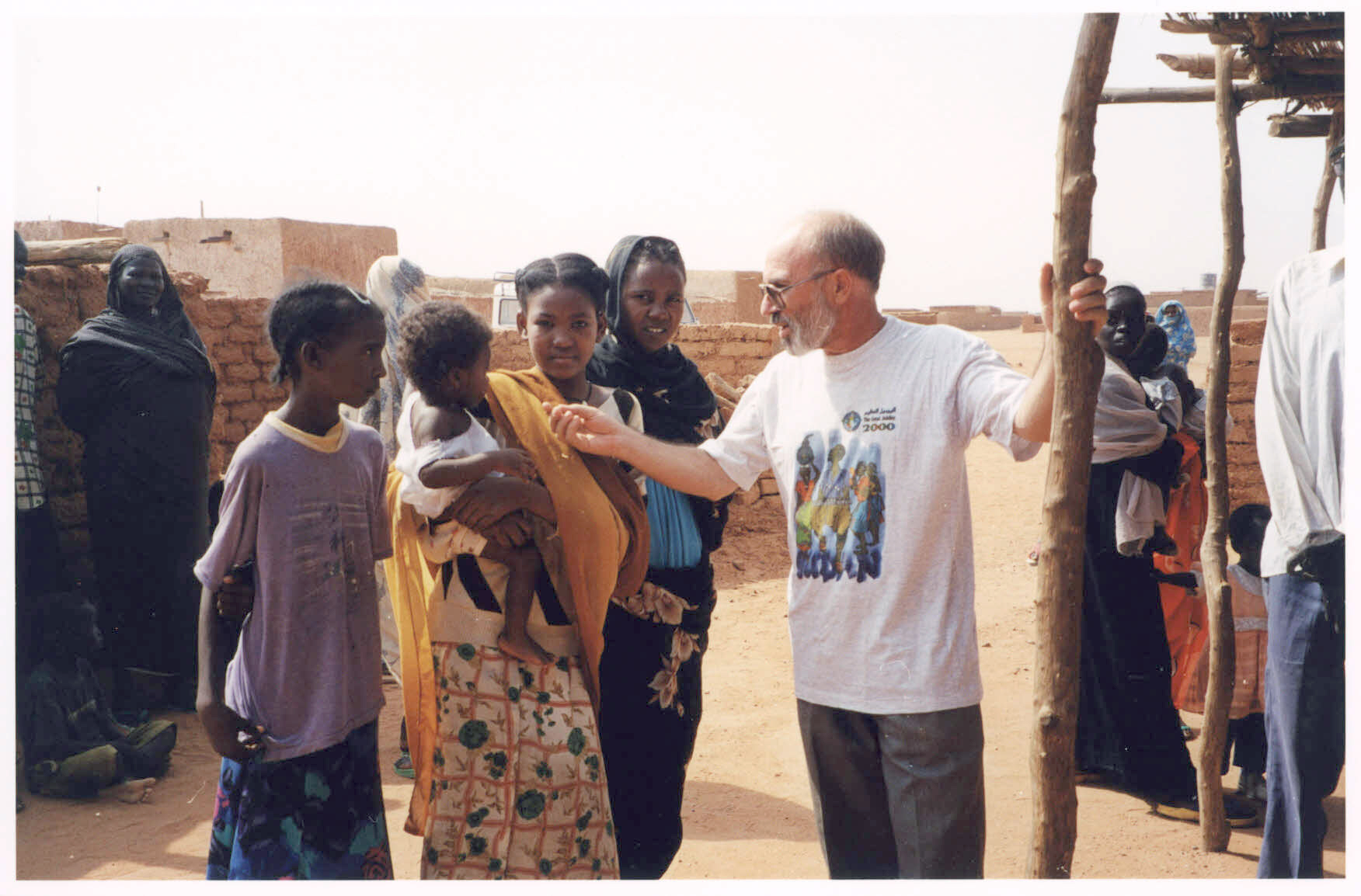
He shared his knowledge generously with all who came in contact with him whether they were scholars of high renowned or tribal people. I remember the delight he took in listening and talking to individual T’bolis during his visit to Mindanao, Philippines in 1982. His gentle and supportive presence will be missed by all who knew him well and by countless others who have read his books or heard him speak.