
The Costs of Climate Change

INTRODUCTION

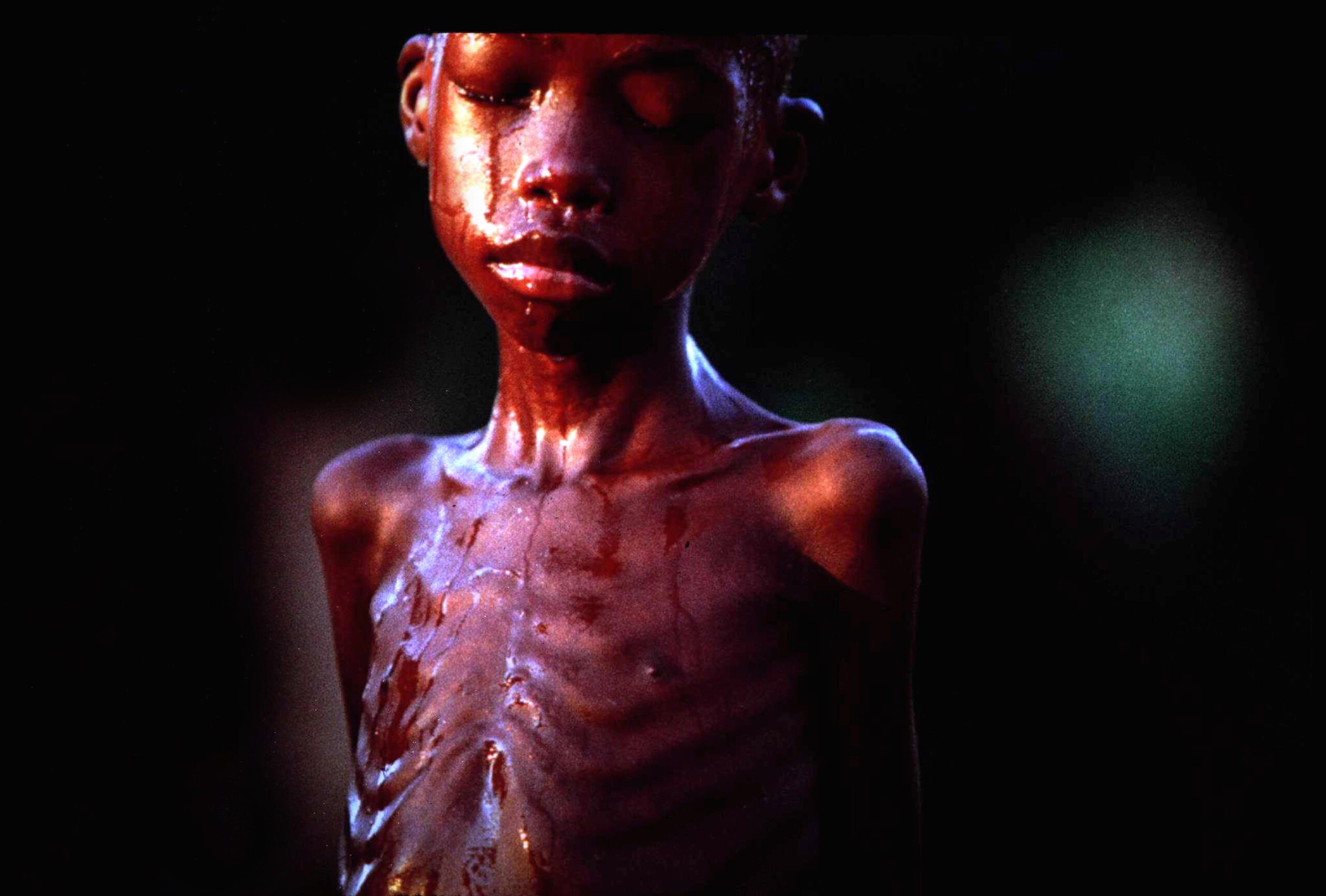
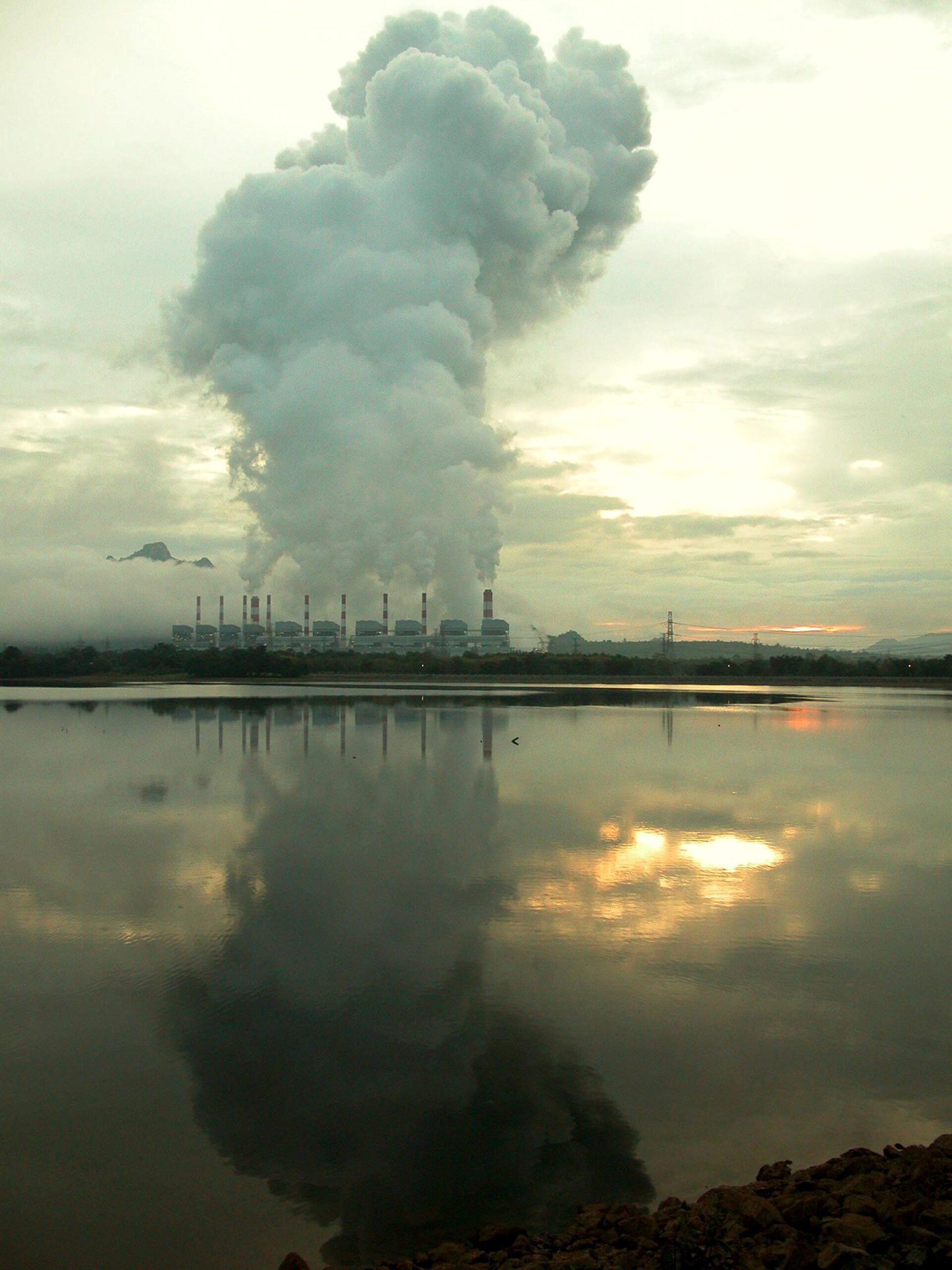
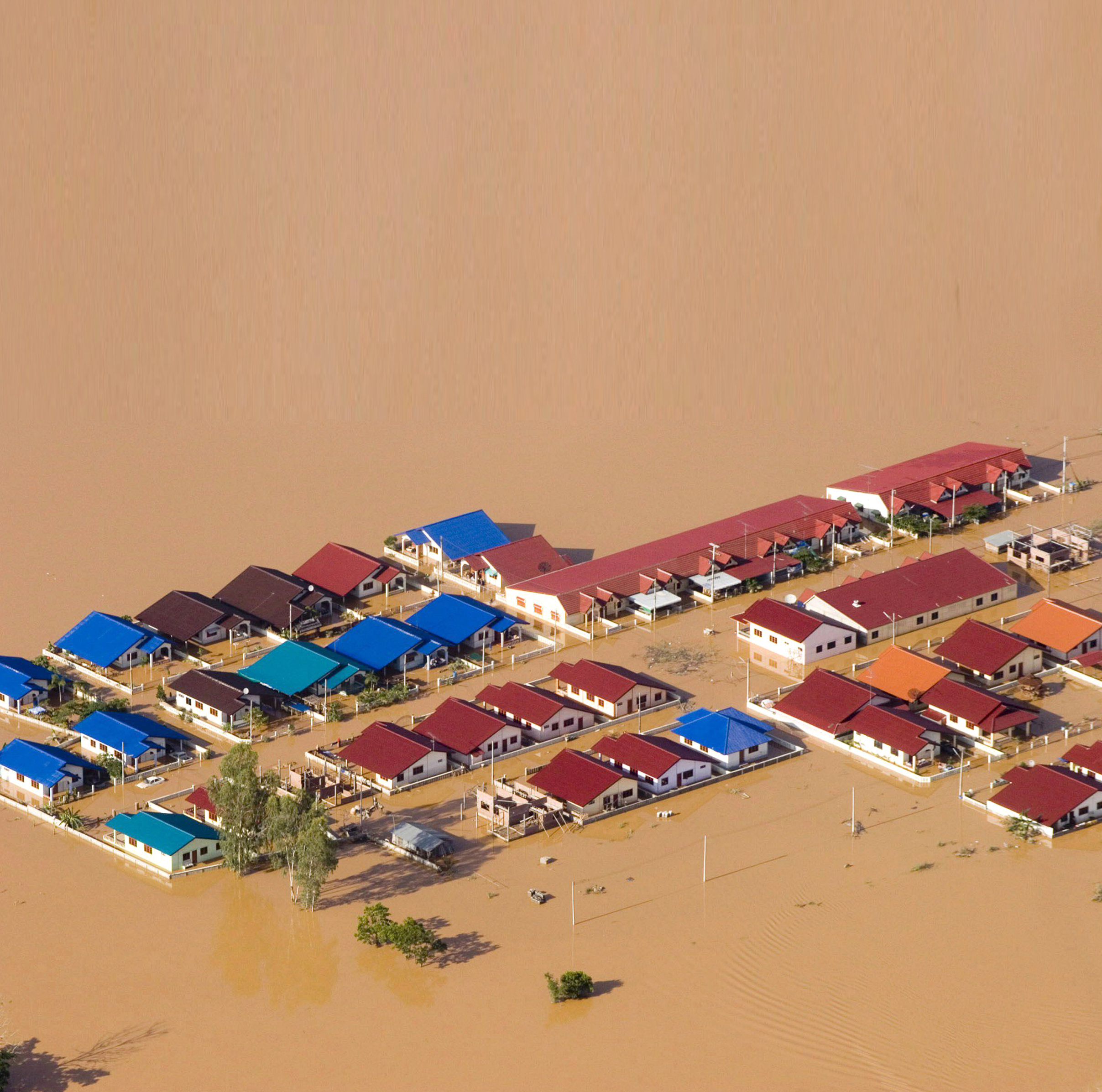
Effects of climate change, such as droughts and floods, will cause grave setbacks in efforts to rid the world of hunger. The availability of food will decline, prices will rise, employment opportunities will disappear and, consequently, many more people will face hunger and starvation. The statistics are pretty frightening.

WRITTEN BY

SHARE THE WORD

PUBLISHED ON

Climate change is having a major impact on food production worldwide. The food security early warning advisor of the UN World Food Program (WFP), Menghestab Haile, told a gathering in Bali in December that “climate change is real and is posing great threats to the availability of food around the world. The WFP is currently fighting hunger and destitution brought about by floods, droughts and other extreme events spurred by climate change.” While poor countries are most vulnerable to the impacts of climate change, Haile warned his audience, “climate change threatens agriculture in both developed and developing countries. It has a multiplier effect.”

Climate shocks, such as droughts and floods, will cause grave setbacks in efforts to rid the world of hunger. The availability of food will decline, prices will rise, employment opportunities will disappear and, consequently, many more people will face hunger and starvation. The statistics are pretty frightening. According to a recent projection by the United Nations Development Program (UNDP), by 2080, the agricultural potential of rich countries, mainly situated in temperate climate zone, could increase by 8% because of a longer growing season. The growing season in Ireland and Britain has increased by, at least, two weeks in the past few decades. In poor countries, located in the tropics, things will be different. The report calculates that agricultural production could fall in these areas by up to 9%. As a result, by 2080, the number of additional people at risk from hunger could reach 600 million. Since 800 million are experiencing hunger today, the total number would amount to 1.4 billion hungry people. This would leave the Millennium Goal of halving the number of hungry people, by 2015, in tatters. According to Haile, WFP is in the process of implementing a number of approaches to address the problem. These include more efficient and targeted humanitarian responses, accurate vulnerability analysis, based on better mapping, and the integration of traditional coping skills into an overall program.

BANGLADESH’S WARNING
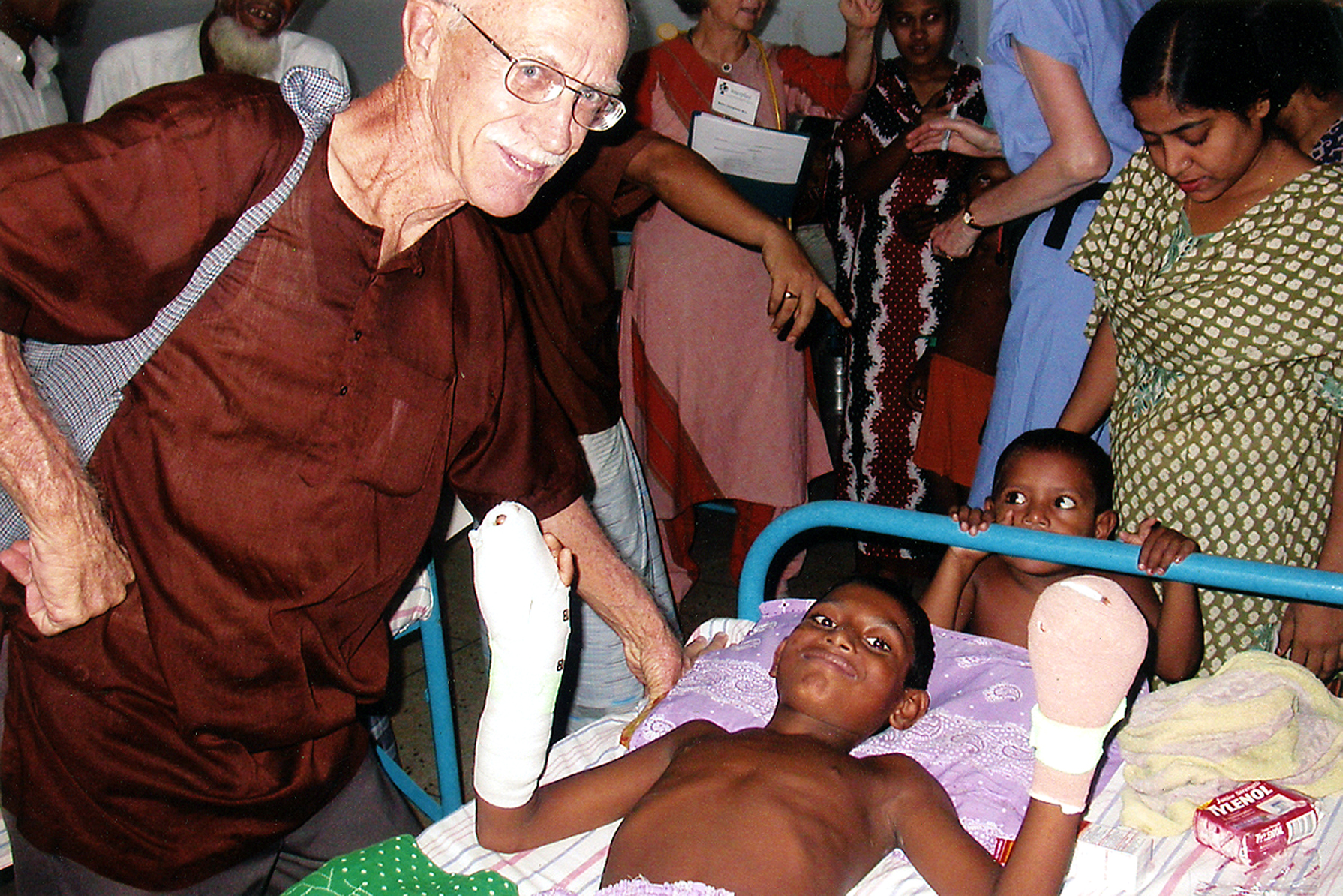
You have to look no further than Cyclone Sidr, which devastated Bangladesh in November, to see what is happening. Rezaul Chowdhury from Bangladesh, representing the Global Call to Action Against Poverty (GCAP), told participants at the Bali conference that “Sidr killed thousands of people and destroyed more than 40% of our land. This is a huge setback in terms of the efforts to eradicate poverty in Bangladesh.” Apart from losing their houses and personal belonging, people also lost their animals, which are such an important element in the life of rural people. They represent more than a source of food, as they are used as collateral for obtaining loans and as part of dowry in marriage negotiations. Many western friends of mine, who visited me in Lake Sebu when I worked among the T’boli, were often amused when they heard that, in negotiating a wedding arrangement, a certain number of horses and carabaos were often stipulated as part of a dowry.

Furthermore, with climate change, life does not return to normal when a typhoon or cyclone has passed. Chowdhury spoke about his own home on the island of Kutubdia in Bangladesh. The island is gradually being submerged as sea levels rise. Salt water is entering the aquifer and contaminating the water used for drinking, personal hygiene, and agriculture. All the signs are staring him in the face that, as climate change bites, life will be very difficult for the 40 million people who live in the delta area of Bangladesh.

WOMEN ARE THE MAIN VICTIMS
It is against this background that I spent some time at a meeting hosted by the International Strategy for Disaster Reduction (ISDR) Working Group on Climate Change and Disaster Risk Reduction. The ISDR is attempting to develop a twin-track approach. On one hand, they are promoting policies that will reduce greenhouse gas emissions, the driving force behind climate change. On the other front, it is attempting to reduce the vulnerability of societies with limited resources to inevitable climate change impacts. They offer four proposals for the post-2012 agreement. These include: making adaptation to climate change a fundamental pillar of any post-2012 agreement; ensuring that disaster risk reduction and climate risk management are core elements of the Adaptation Fund to climate change; establishing mechanisms to provide sufficient funding for adaptation to climate change and risk reduction in order to protect the most vulnerable; taking immediate action to implement adaptation to climate change and risk reduction in vulnerable countries in the period 2008 to 2010.

I would add a further proposal to the ones enunciated above. This would focus on being sensitive to gender issues when designing risk management strategies. This point was made by, Ellen Teague and Theresa Polk, two participants at the Columban Climate Change Conference in September 2007. They pointed out that the death rate in the massive storm which hit Bangladesh in 1991, with the loss of almost 200,000 lives, was five times higher among women than among men. A recent publication, Up in Smoke? Asia and the Pacific, gives the reason: “Men were able to warn each other as they met in public spaces, but they communicated information to the rest of the family only sporadically. Many women, too, are not allowed to leave their homes without a male relative. They waited tragically for their relatives to return home and take them to a safe place. Moreover, as in many Asian countries, most Bengali women have never learned to swim.” (Up in Smoke? Asia and the Pacific: The threat from climate change to human development and the environment, December 2007, page 7).

THE CHURCH’S ROLE
Reflecting on my experience as a missionary on the Island of Mindanao in the Philippines, I believe that missionaries and Catholic development organizations ought to help local Churches develop effective capacities for adaptation to climate change and disaster risk reduction. This would help avoid major losses and disruptions to peoples’ lives and their environment, between now and the 2012 agreement. The planning needs to be based on good science, capacity-building for agencies that deal with disasters, and adequate funds from a variety of sources to help countries and regions manage the growing consequences of climate change.

Share Your Thoughts

All comments are moderated

From The Same Issue

The articles and content about this issue

From The Same Issue

The articles and content about this issue

From This Topic

The articles and content about this topic

From This Topic

The articles and content about this topic

WM Special

Rohingya Crisis

Explore Other Topics

Browse other coverage

Explore Other Topics

Browse other coverage

WM SPECIAL

Presents, discusses and draws readers to reflect on issues of outmost relevance to the world today.


FRONTIERS

Very often, mission is carried out in frontier situations around the world. Those who embrace these situations have much to share.


UNITY IN DIVERSITY

Writer Ilsa Reyes will be exploring the richness of Pope Francis’s latest encyclical Fratelli Tutti with a view of helping our readers to get a grasp of the this beautiful papal document.


FRONTLINE

Puts to the front committed and inspiring people around the world who embrace humanitarian and religious causes with altruism and passion.


IN FOCUS

Focus on a given theme of interest touching upon social, economic and religious issues.


FAITH@50

As the Philippines prepares to celebrate 500 years of the arrival of Christianity. Fr. James Kroeger leads us in this series into a discovery journey of the landmark events in the history of faith in the Philippine archipelago.


INSIGHT

Aims to nurture and inspire our hearts and minds while pondering upon timely themes.


FILIPINO FOCUS

The large archipelago of the Philippines, in its richness of peoples and cultures, offers varied and challenging situations for mission.


FOLLOW ME

Reflections and vocation stories that shape up the lives of young people.


MISSION IS FUN

As humor and goodness of heart are qualities of Christian and missionary life, the new column “Mission is fun” will be publishing some anecdotes and stories that have happened in a missionary context to lighten up the spirits and trigger a smile in our faces.


LIVING COMMUNION

To help readers of World Mission live this year dedicated to Ecumenism, Interreligious Dialogue and Indigenous Peoples, Tita Puangco, writer and lecturer, shares in this section insights on the spirituality of communion.


WINDS OF THE SPIRIT

A historic view of the Catholic movements that emerged from the grassroots as an inspiration by the Holy Spirit.


BRIDGE BUILDERS

On the Year of Ecumenism, Interreligious Dialogue and Indigenous Peoples, radio host and communicator Ilsa Reyes, in her monthly column, encourages Christians and people of good will to be one with their fellow people of other sects, religions and tribes.


INTERVIEW

Questions to a personality of the Church or secular world on matters of interest that touch upon the lives of people.


WORLD TOUCH

News from the Church, the missionary world and environment that inform and form the consciences.


CARE OF THE EARTH

A feature on environmental issues that are affecting the whole world with the view of raising awareness and prompting action.


EDITORIAL

The editor gives his personal take on a given topic related to the life of the Church, the society or the world.


YOUNG HEART

A monthly column on themes touching the lives of young people in the Year of the Youth in the Philippines by radio host and communicator I lsa Reyes.


SCROLL

A missionary living in the Chinese world shares his life-experiences made up of challenges and joyous encounters with common people.


EXTRAORDINARY PEOPLE

Life stories of people who deserve to be known for who they were, what they did and what they stood for in their journey on earth.


ONE BY ONE

Stories of people whom a missionary met in his life and who were touched by Jesus in mysterious ways.


INCREASE OUR FAITH

Critical reflection from a Christian perspective on current issues.


SPECIAL MOMENTS

Comboni missionary Fr. Lorenzo Carraro makes a journey through history pinpointing landmark events that changed the course of humanity.


PROFILE

A biographical sketch of a public person, known for his/her influence in the society and in the Church, showing an exemplary commitment to the service of others.


WM REPORTS

Gives fresh, truthful, and comprehensive information on issues that are of concern to all.


LIFE'S ESSENTIALS

A column aimed at helping the readers live their Christian mission by focusing on what is essential in life and what it entails.


ASIAN FOCUS

Peoples, events, religion, culture and the society of Asia in focus.


THE SEARCHER'S PATH

The human heart always searches for greatness in God’s eyes, treading the path to the fullness of life - no matter what it takes.


INDIAN FOCUS

The subcontinent of India with its richness and variety of cultures and religions is given center stage.


AFRICAN FOCUS

The African continent in focus where Christianity is growing the fastest in the world.


JOURNEY MOMENTS

Well-known writer and public speaker, Fr. Jerry Orbos, accompanies our journey of life and faith with moments of wit and inspiration based on the biblical and human wisdom.


IGNATIUS STEPS

On the year dedicated to St. Ignatius of Loyala, Fr. Lorenzo Carraro walks us through the main themes of the Ignatian spirituality.


THE SEVEN LAST WORDS OF JESUS

Fr. John Taneburgo helps us to meditate every month on each of the Seven Last Words that Jesus uttered from the cross.


INSIDE THE HOLY BOOK

In this section, Fr. Lorenzo delves into the secrets and depths of the Sacred Scriptures opening for us the treasures of the Sacred Book so that the reader may delight in the knowledge of the Word of God.


CONVERSATIONS

Reflections about the synodal journey on a conversational and informal style to trigger reflection and sharing about the synodal path the Church has embarked upon.


VATICAN II

This 'mini-course' series provides a comprehensive exploration of Vatican II, tracing its origins, key moments, and transformative impact on the Catholic Church.


COMBONIS IN ASIA

This series offers an in-depth look at the Comboni Missionaries in Asia, highlighting their communities, apostolates, and the unique priorities guiding their mission. The articles provide insights into the challenges, triumphs, and the enduring values that define the Comboni presence in Asia.


BEYOND THE SYNOD

Following the Synod on Synodality, this series examines how dioceses, parishes, and lay organizations in the Philippines are interpreting and applying the principles of the synod, the challenges encountered, and the diverse voices shaping the synodal journey toward a renewed Church.


A TASTE OF TRADITION

This series introduces the Fathers of the Church, featuring the most prominent figures from the early centuries of Christianity. Each article explores the lives, teachings, and enduring influence of these foundational thinkers, highlighting their contributions the spiritual heritage of the Church.


A YEAR OF PRAYER

In preparation for the 2025 Jubilee Year under the theme “Pilgrims of Hope,” 2024 has been designated a Year of Prayer. World Mission (courtesy of Aleteia) publishes every month a prayer by a saint to help our readers grow in the spirit of prayer in preparation for the Jubilee Year.


OUR WORLD

In Our World, the author explores the main trends shaping contemporary humanity from a critical and ethical perspective. Each article examines pressing issues such as technological advancement, environmental crises, social justice, and shifting cultural values, inviting readers to reflect on the moral implications and challenges of our rapidly changing world.


CATHOLIC SOCIAL DOCTRINE

This series unpacks the principles of Catholic Social Doctrine, offering a deep dive into the Church's teachings on social justice, human dignity, and the common good.


HOPEFUL LIVING

Hopeful Living’ is the new section for 2026, authored by Fr. James Kroeger, who dedicated most of his missionary life to the Philippines. In this monthly contribution, he will explore various aspects of the virtue of hope. His aim is to help readers align their Christian lives more closely with a hopeful outlook.


PHILIPPINE CROSSROADS

Filipino Catholic scholar Jose Bautista writes each month about how the Philippines is at a crossroads, considering the recent flood control issues and other corruption scandals that have engulfed the nation. He incorporates the Church’s response and its moral perspective regarding these social challenges.


BIBLE QUIZ

Test your knowledge and deepen your understanding with our Bible Quiz! Each quiz offers fun and challenging questions that explore key stories, themes, and figures from both the Old and New Testaments.


Shopping Cart