More Food Summits, But Less To Eat

INTRODUCTION

The FAO-hosted, high-level summit gathered, last June in Rome, 150 world leaders and representatives of 237 major organizations to debate the food security crisis. The summit was marked not only by many promises but also by a heated discussion about the role of biofuels in the skyrocketing prices, a controversial insistence over the agricultural market liberalization demanded by the World Trade Organization – and lots of skepticism.

WRITTEN BY

SHARE THE WORD

PUBLISHED ON

After two major U.N. food summits, one in 1996 and the other in 2002, the international community pledged to alleviate hunger and reduce malnutrition. And a world conference on food back in 1974 went one better: it even promised to eradicate hunger “within a decade.” But most of the promises at the three U.N. talkfests never came to pass − despite the fact that the two summit commitments were made by world leaders.

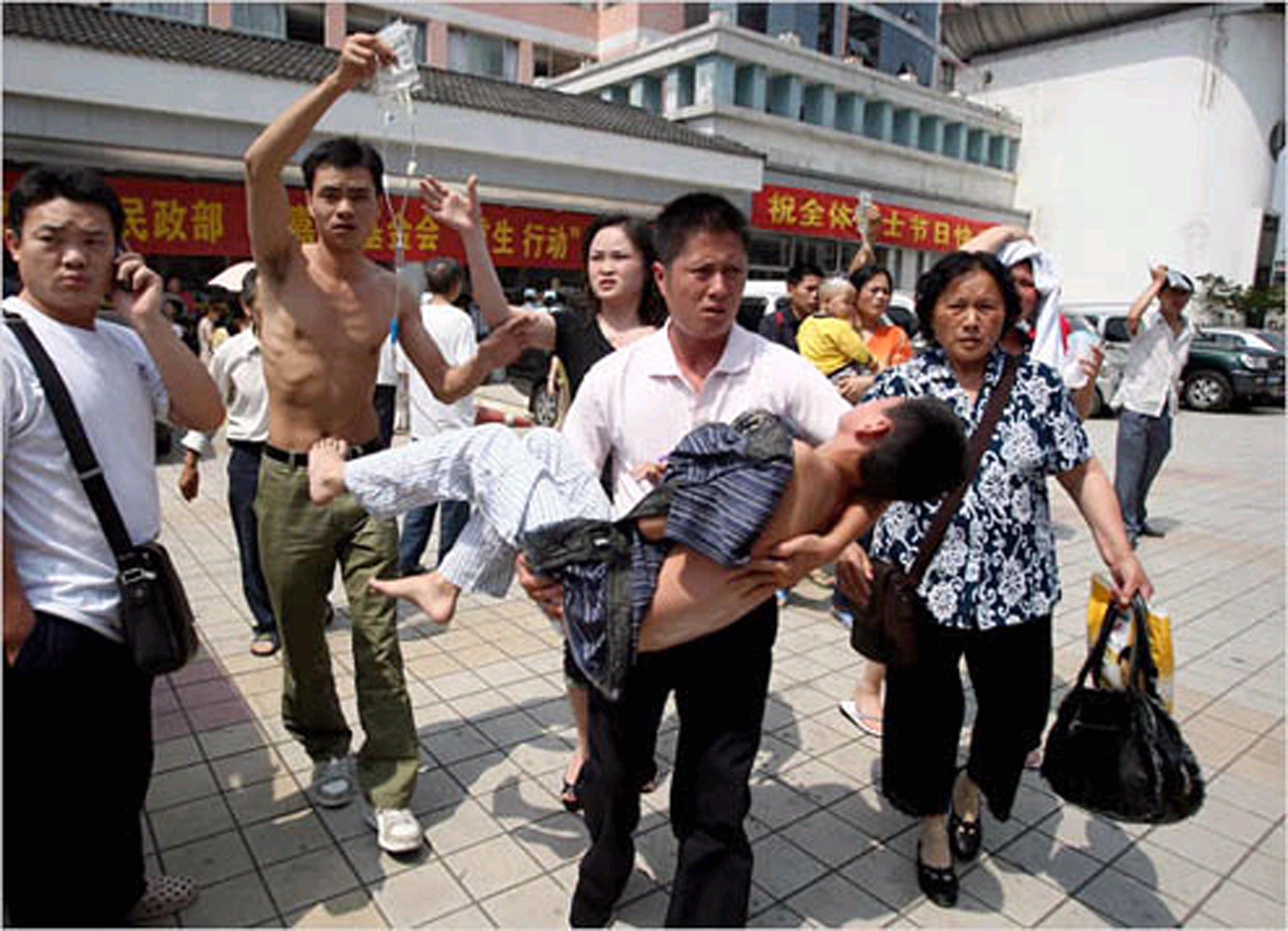
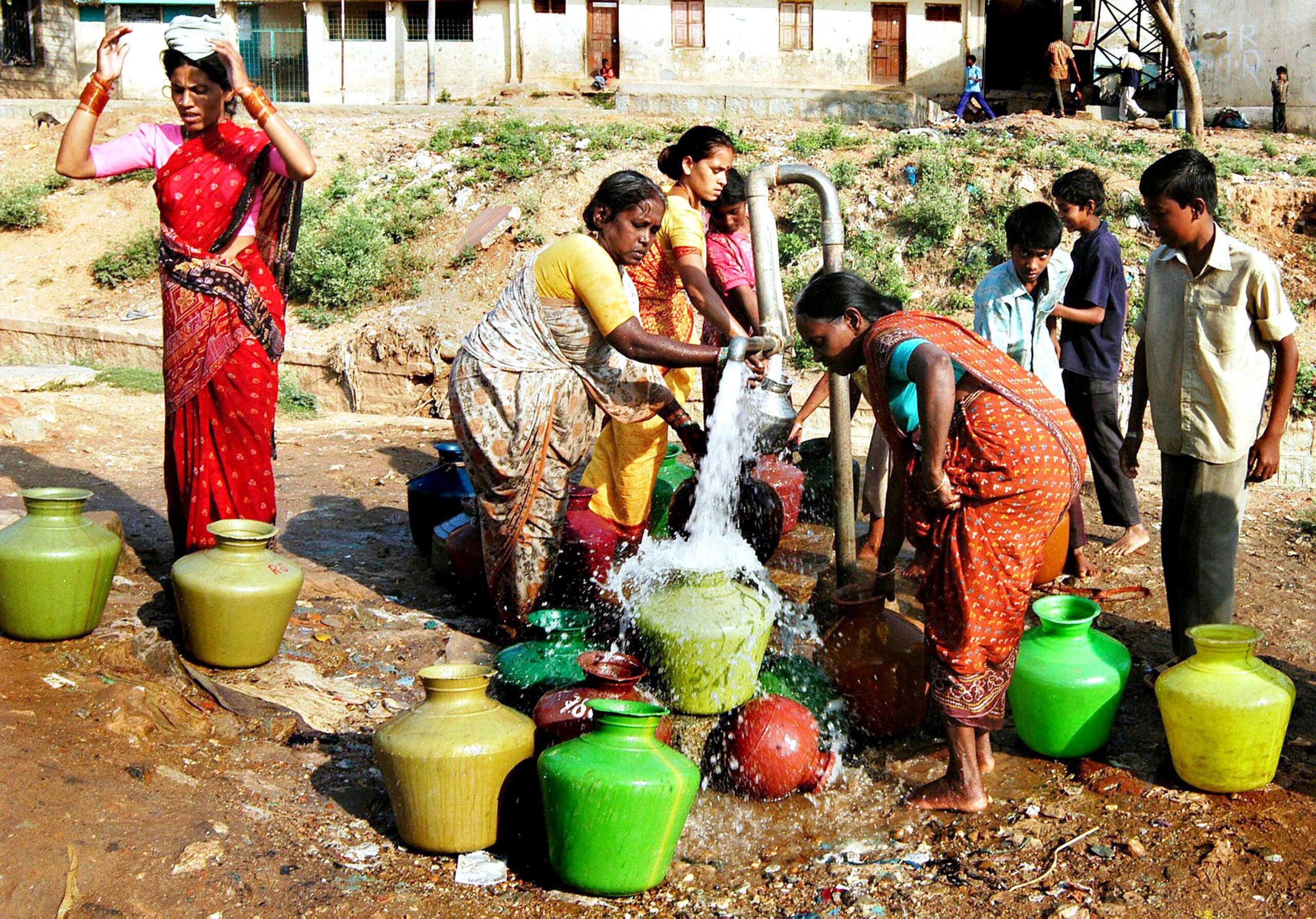
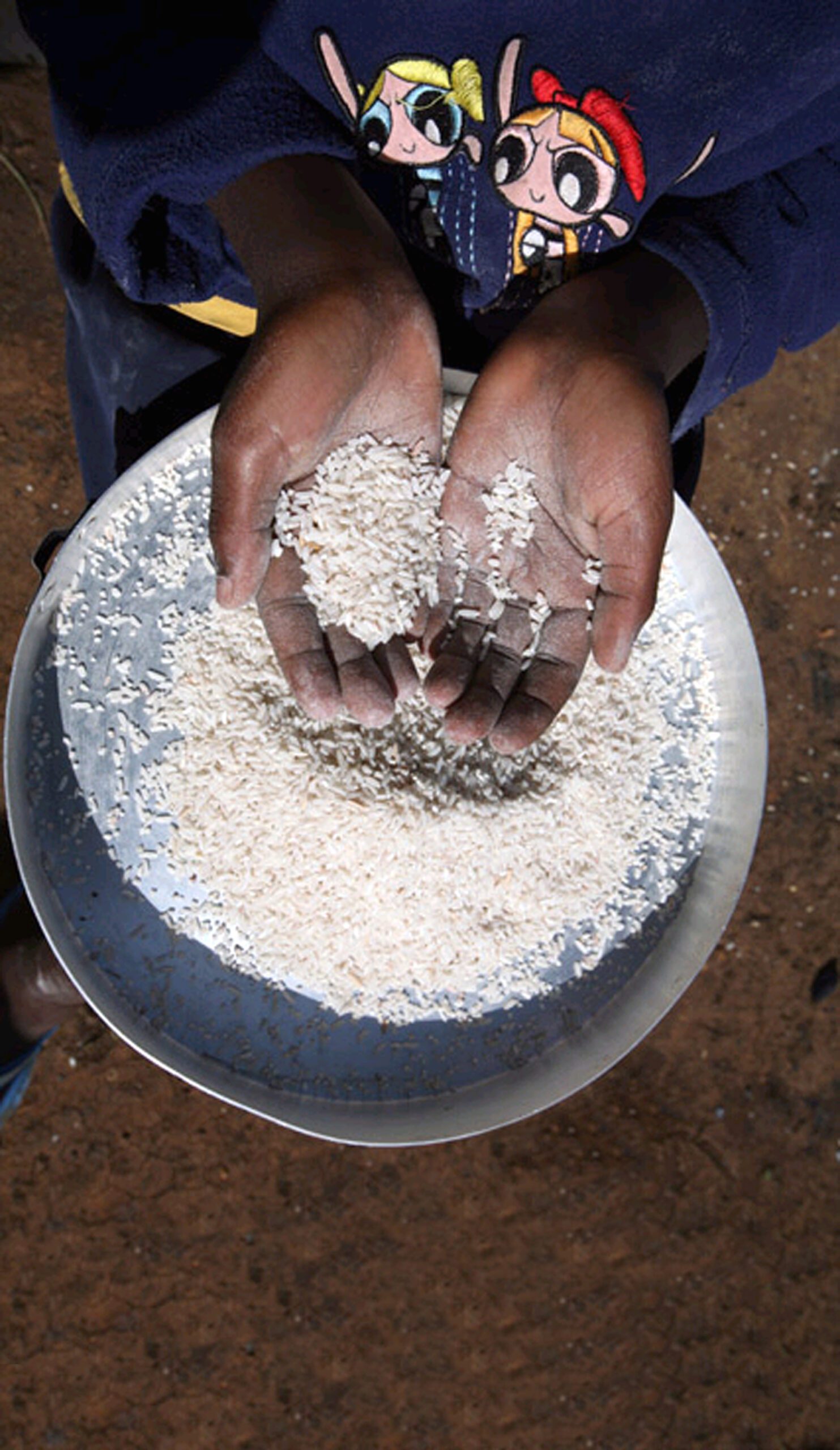
With food riots in over 30 countries, and rice and corn shortages in more than 60 countries, a third global summit of over 150 world leaders pledged last June “urgent and coordinated action” to resolve the ongoing crisis. U.N. Secretary-General Ban Ki-moon dramatized the food shortages when he told the Rome summit: “In Liberia recently, I met people who normally would buy rice by the bag. Today, they buy it by the cup.”

The resounding cry at the summit was the need to harness the political will of the international community, and specifically the rich nations of the world, to respond to the crisis − fast. “If we do not act quickly, the bottom billion (of the world’s poorest) will become the bottom two billion, virtually overnight, as their purchasing power is cut in half due to a doubling in food and fuel prices,” warned Josette Sheeran, executive director of the World Food Program (WFP), the lead U.N. agency doling out food aid to the hungry and the starving.

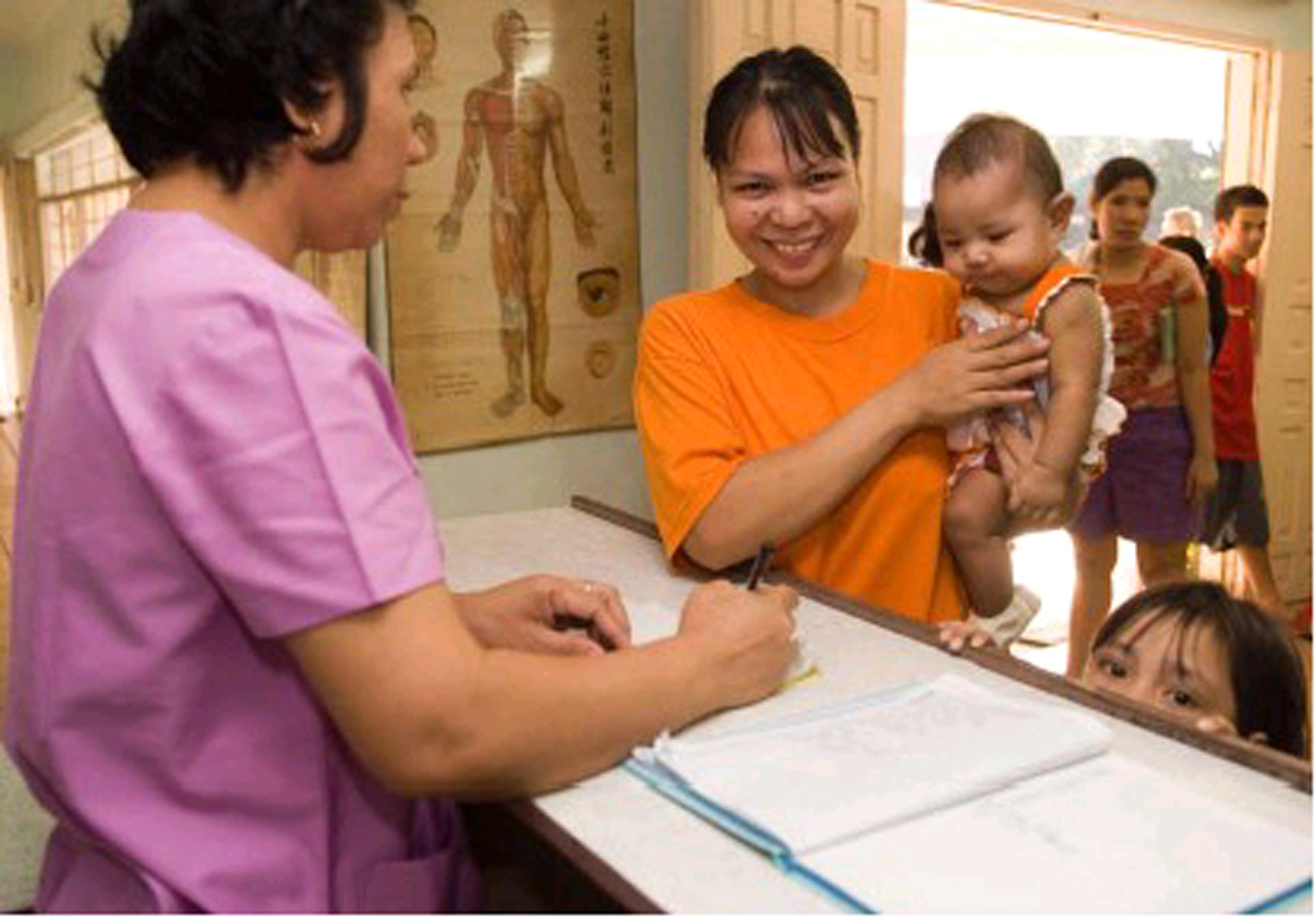
The WFP says it will be providing about 5.0 billion dollars worth of food aid to nearly 90 million people in 78 countries this year. The list includes some of the countries worst-affected: Haiti, Afghanistan, Somalia, Ethiopia and Kenya.

STAGGERING NUMBERS
The three-day summit, hosted by the Rome-based UN’s Food and Agriculture Organization (FAO), was predictable in its outcome: a pious declaration to fight hunger and malnutrition worldwide. But how much of the declaration will eventually be implemented?

Along with the declaration came staggering numbers. As the Secretary-General told the summit, there is a need for “substantial new resources” − perhaps as much as 15 to 20 billion dollars a year to deal with the impact of the global crisis, including about 8.0 to 10 billion dollars annually to realize the requirements of a “Green Revolution” in Africa.

Anuradha Mittal, executive director of the San Francisco-based Oakland Institute, which has done exhaustive studies on issues relating to food trade and agriculture, considered the commitments made at the summit, at first glance, impressive. She said calls for immediate action to assist countries affected by the food crisis and policy recommendations, including support for small-scale producers, strengthening social safety nets, development of buffer food stocks and other risk management mechanisms, will be vital for ensuring food security.

At the same time, medium-and long-term recommendations, urging governments to embrace a people-centered policy framework for agriculture, are also geared towards ensuring food security, she added. Mittal said the current food price crisis and growing hunger demands a new agricultural and food system that is about feeding communities instead of commodities to be traded in international markets. This will require that Third World countries have the necessary policy space to adopt measures that will ensure food sovereignty. She said it will also require space for the WFP and the International Fund for Agricultural Development (IFAD) to operate with budgets that can ensure the fulfillment of their mandate.

“It will require the ability of Third World countries to break away from ill advised policies of the international financial institutions,” Mittal said. “And it is about creating an agricultural system that is based around small farmers, farm workers, fisherfolks and indigenous communities who are the best stewards of the land and the ones to ensure food sovereignty and self-sufficiency of nations,” she argued.

PRODUCTION NOT DEREGULATION
Ban Ki-moon said the international system is already contributing to immediate needs. The FAO has called for 1.7 billion dollars in new funding to provide low-income countries with seeds and other agricultural support. The WFP has raised the additional 755 million dollars it needs, mostly from Saudi Arabia, to meet existing commitments this year. IFAD is giving an additional 200 million dollars to poor farmers in the most affected countries. And the World Bank has established a new 1.2 billion dollar rapid financing facility to address immediate needs and boost food production, including 200 million dollars in grants targeted at the world’s poorest nations. The United Nations itself has set aside a reserve of 100 million dollars from its Central Emergency Response Fund (CERF) to help fund new humanitarian needs arising from soaring food prices.

Meanwhile, the summit declaration also says that members of the World Trade Organization (WTO) reaffirmed their commitment to the “rapid and successful conclusion” of the WTO Doha Development Agenda, including strengthening the trading capacity of developing nations. Asked about impact of the Doha Agenda, Mittal said some of the gains in the summit declaration are being “erased” by the call for a quick conclusion of the Doha negotiations of the WTO to solve the current crisis.

She said the Doha Round, as is currently envisioned, will intensify the crisis by making food prices more volatile, increasing developing countries’ dependence on imports, and strengthening the power of multinational agribusiness in food and agricultural markets. “Developing countries are likely to lose further policy space in their agriculture sector, which would in turn limit their ability to deal with the current crisis and to strengthen the livelihoods of small producers,” she said. The inability to manage the current food crisis is an illustration of the failure of three decades of market deregulation in agriculture. “We are, therefore, calling for real solutions that will stabilize food production and distribution to meet the global demand for healthy, adequate, and affordable food,” Mittal added.

Meanwhile, 237 major non-governmental organizations (NGOs), trade unions and social movements from about 50 countries have warned WTO Director-General Pascal Lamy that the answer to skyrocketing food prices “does not lie in deeper deregulation of food production and trade.” The letter says that Doha negotiations do not tackle the major challenges facing the global food system, which include climate change, natural resource depletion, the quadrupling of oil prices, the lack of competition in world commodity markets, financial speculation and the rapid expansion of unsustainable agrofuels production. The signatories include ActionAid International, Africa Trade Network, Asian Peasant Coalition, Oxfam, Oakland Institute, the Latin American Coordination of Rural Movements, Third World Network, Friends of the Earth, Grassroots International and FoodSpan. www. ipsnewsasia.net and www.ipsnews.net

Share Your Thoughts

All comments are moderated

From The Same Issue

The articles and content about this issue

From The Same Issue

The articles and content about this issue

From This Topic

The articles and content about this topic

From This Topic

The articles and content about this topic

Explore Other Topics

Browse other coverage

Explore Other Topics

Browse other coverage

WM SPECIAL

Presents, discusses and draws readers to reflect on issues of outmost relevance to the world today.


FRONTIERS

Very often, mission is carried out in frontier situations around the world. Those who embrace these situations have much to share.


UNITY IN DIVERSITY

Writer Ilsa Reyes will be exploring the richness of Pope Francis’s latest encyclical Fratelli Tutti with a view of helping our readers to get a grasp of the this beautiful papal document.


FRONTLINE

Puts to the front committed and inspiring people around the world who embrace humanitarian and religious causes with altruism and passion.


IN FOCUS

Focus on a given theme of interest touching upon social, economic and religious issues.


FAITH@50

As the Philippines prepares to celebrate 500 years of the arrival of Christianity. Fr. James Kroeger leads us in this series into a discovery journey of the landmark events in the history of faith in the Philippine archipelago.


INSIGHT

Aims to nurture and inspire our hearts and minds while pondering upon timely themes.


FILIPINO FOCUS

The large archipelago of the Philippines, in its richness of peoples and cultures, offers varied and challenging situations for mission.


FOLLOW ME

Reflections and vocation stories that shape up the lives of young people.


MISSION IS FUN

As humor and goodness of heart are qualities of Christian and missionary life, the new column “Mission is fun” will be publishing some anecdotes and stories that have happened in a missionary context to lighten up the spirits and trigger a smile in our faces.


LIVING COMMUNION

To help readers of World Mission live this year dedicated to Ecumenism, Interreligious Dialogue and Indigenous Peoples, Tita Puangco, writer and lecturer, shares in this section insights on the spirituality of communion.


WINDS OF THE SPIRIT

A historic view of the Catholic movements that emerged from the grassroots as an inspiration by the Holy Spirit.


BRIDGE BUILDERS

On the Year of Ecumenism, Interreligious Dialogue and Indigenous Peoples, radio host and communicator Ilsa Reyes, in her monthly column, encourages Christians and people of good will to be one with their fellow people of other sects, religions and tribes.


INTERVIEW

Questions to a personality of the Church or secular world on matters of interest that touch upon the lives of people.


WORLD TOUCH

News from the Church, the missionary world and environment that inform and form the consciences.


CARE OF THE EARTH

A feature on environmental issues that are affecting the whole world with the view of raising awareness and prompting action.


EDITORIAL

The editor gives his personal take on a given topic related to the life of the Church, the society or the world.


YOUNG HEART

A monthly column on themes touching the lives of young people in the Year of the Youth in the Philippines by radio host and communicator I lsa Reyes.


SCROLL

A missionary living in the Chinese world shares his life-experiences made up of challenges and joyous encounters with common people.


EXTRAORDINARY PEOPLE

Life stories of people who deserve to be known for who they were, what they did and what they stood for in their journey on earth.


ONE BY ONE

Stories of people whom a missionary met in his life and who were touched by Jesus in mysterious ways.


INCREASE OUR FAITH

Critical reflection from a Christian perspective on current issues.


SPECIAL MOMENTS

Comboni missionary Fr. Lorenzo Carraro makes a journey through history pinpointing landmark events that changed the course of humanity.


PROFILE

A biographical sketch of a public person, known for his/her influence in the society and in the Church, showing an exemplary commitment to the service of others.


WM REPORTS

Gives fresh, truthful, and comprehensive information on issues that are of concern to all.


LIFE'S ESSENTIALS

A column aimed at helping the readers live their Christian mission by focusing on what is essential in life and what it entails.


ASIAN FOCUS

Peoples, events, religion, culture and the society of Asia in focus.


THE SEARCHER'S PATH

The human heart always searches for greatness in God’s eyes, treading the path to the fullness of life - no matter what it takes.


INDIAN FOCUS

The subcontinent of India with its richness and variety of cultures and religions is given center stage.


AFRICAN FOCUS

The African continent in focus where Christianity is growing the fastest in the world.


JOURNEY MOMENTS

Well-known writer and public speaker, Fr. Jerry Orbos, accompanies our journey of life and faith with moments of wit and inspiration based on the biblical and human wisdom.


IGNATIUS STEPS

On the year dedicated to St. Ignatius of Loyala, Fr. Lorenzo Carraro walks us through the main themes of the Ignatian spirituality.


THE SEVEN LAST WORDS OF JESUS

Fr. John Taneburgo helps us to meditate every month on each of the Seven Last Words that Jesus uttered from the cross.


INSIDE THE HOLY BOOK

In this section, Fr. Lorenzo delves into the secrets and depths of the Sacred Scriptures opening for us the treasures of the Sacred Book so that the reader may delight in the knowledge of the Word of God.


CONVERSATIONS

Reflections about the synodal journey on a conversational and informal style to trigger reflection and sharing about the synodal path the Church has embarked upon.


VATICAN II

This 'mini-course' series provides a comprehensive exploration of Vatican II, tracing its origins, key moments, and transformative impact on the Catholic Church.


COMBONIS IN ASIA

This series offers an in-depth look at the Comboni Missionaries in Asia, highlighting their communities, apostolates, and the unique priorities guiding their mission. The articles provide insights into the challenges, triumphs, and the enduring values that define the Comboni presence in Asia.


BEYOND THE SYNOD

Following the Synod on Synodality, this series examines how dioceses, parishes, and lay organizations in the Philippines are interpreting and applying the principles of the synod, the challenges encountered, and the diverse voices shaping the synodal journey toward a renewed Church.


A TASTE OF TRADITION

This series introduces the Fathers of the Church, featuring the most prominent figures from the early centuries of Christianity. Each article explores the lives, teachings, and enduring influence of these foundational thinkers, highlighting their contributions the spiritual heritage of the Church.


A YEAR OF PRAYER

In preparation for the 2025 Jubilee Year under the theme “Pilgrims of Hope,” 2024 has been designated a Year of Prayer. World Mission (courtesy of Aleteia) publishes every month a prayer by a saint to help our readers grow in the spirit of prayer in preparation for the Jubilee Year.


OUR WORLD

In Our World, the author explores the main trends shaping contemporary humanity from a critical and ethical perspective. Each article examines pressing issues such as technological advancement, environmental crises, social justice, and shifting cultural values, inviting readers to reflect on the moral implications and challenges of our rapidly changing world.


CATHOLIC SOCIAL DOCTRINE

This series unpacks the principles of Catholic Social Doctrine, offering a deep dive into the Church's teachings on social justice, human dignity, and the common good.


HOPEFUL LIVING

Hopeful Living’ is the new section for 2026, authored by Fr. James Kroeger, who dedicated most of his missionary life to the Philippines. In this monthly contribution, he will explore various aspects of the virtue of hope. His aim is to help readers align their Christian lives more closely with a hopeful outlook.


PHILIPPINE CROSSROADS

Filipino Catholic scholar Jose Bautista writes each month about how the Philippines is at a crossroads, considering the recent flood control issues and other corruption scandals that have engulfed the nation. He incorporates the Church’s response and its moral perspective regarding these social challenges.


BIBLE QUIZ

Test your knowledge and deepen your understanding with our Bible Quiz! Each quiz offers fun and challenging questions that explore key stories, themes, and figures from both the Old and New Testaments.


Shopping Cart