Since then, pressure came from the UN, governments, NGOs and public opinion, but the results are scarce and shallow. For instance, regarding the cooperation with Sudan in the Darfur crisis, China adopted an ambiguous position, as it did later during the Burmese repression. Internally, the persecution of human rights activists became perhaps a little more discreet. But the truth is that the changes were few and mostly cosmetic.
In its last year’s report, the Reporters Without Borders organization said that “nothing has changed” regarding the freedom of speech and human rights. And denounced: “The departments of propaganda and public security and the cyber-police, all conservative bastions, implement censorship with scrupulous care. At least 30 journalists and 50 Internet users are currently detained in China. Some of them since the 1980s. The government blocks access to thousands for news websites. It jams the Chinese, Tibetan and Uyghur-language programs of 10 international radio stations. After focusing on websites and chat forums, the authorities are now concentrating on blogs and video-sharing sites. China’s blog services incorporate all the filters that block keywords considered “subversive” by the censors. The law severely punishes “divulging state secrets,” “subversion” and “defamation” − charges that are regularly used to silence the most outspoken critics. Although the rules for foreign journalists have been relaxed, it is still impossible for the international media to employ Chinese journalists or to move about freely in Tibet and Xinjiang.”
AN APPARENT NORMALITY
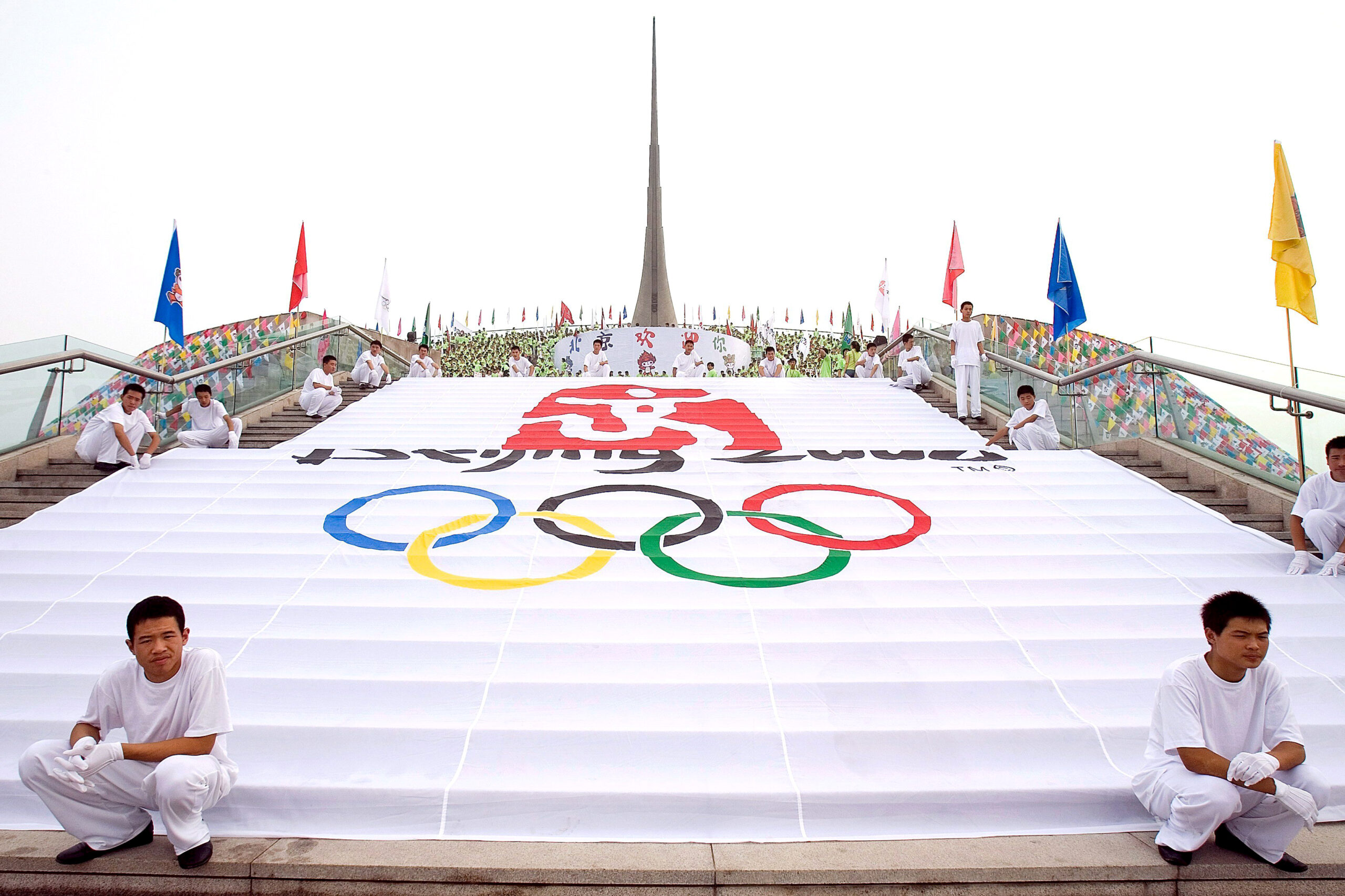
Just some months away from the opening of the Games (August 8), what really matters to the authorities is to guarantee an apparently “peaceful social climate” and finish in time the huge infrastructures that will show to the world that China is a modern superpower. The only worry is the air quality in Beijing that was already considered by some Olympic Committees a danger to the athletes’ health. But even this is being cared for with harsh measures: from the severe control of the frantic car traffic to the removal of entire factories around the capital. No matter the costs! According to a report published in January in the site of ChinaAid, a Christian organization, Beijing Shougang Group’s fourth blast furnace was extinguished, “signifying the start of the company’s move to cut steel production by 4 million tons. The company, China’s leading steelmaker, plans to manufacture only 4.2 million tons (half of its capacity) ahead of the Beijing Olympics, to fulfill its promise to improve air quality for the Games.”
The human costs are not measurable. There are reports about a lot of buildings demolished and thousands of people evicted or expelled of their lands without any compensation to build the futuristic Olympic structures, luxury hotels and an ultramodern transport system. Another January report in ChinaAid gives an idea of the Government’s heavy fist with regard to absolute control and “security.” Authorities in Beijing have detained a prominent civil rights activist and have demolished the last of the shanty town housing of people lodging complaints against the government. Hu Jia, best known for his advocacy work on behalf of those living with HIV/AIDS, has been detained by national security police on charges of “incitement to subvert state power.”
As Hu was taken from his home, bulldozers were clearing away the last shacks in Beijing’s “petitioner village” near the southern railway station in the capital, the shanty town which gave scanty shelter to the thousands of people lodging complaints against officials’ wrongdoing in the capital. Beijing-based petitioner Zhao Shuling said: “It’s because of the Olympic Games. The area around the southern railway station will become an international railway terminus, which will be huge, with three levels underground.”
MEDIA BLACKOUT
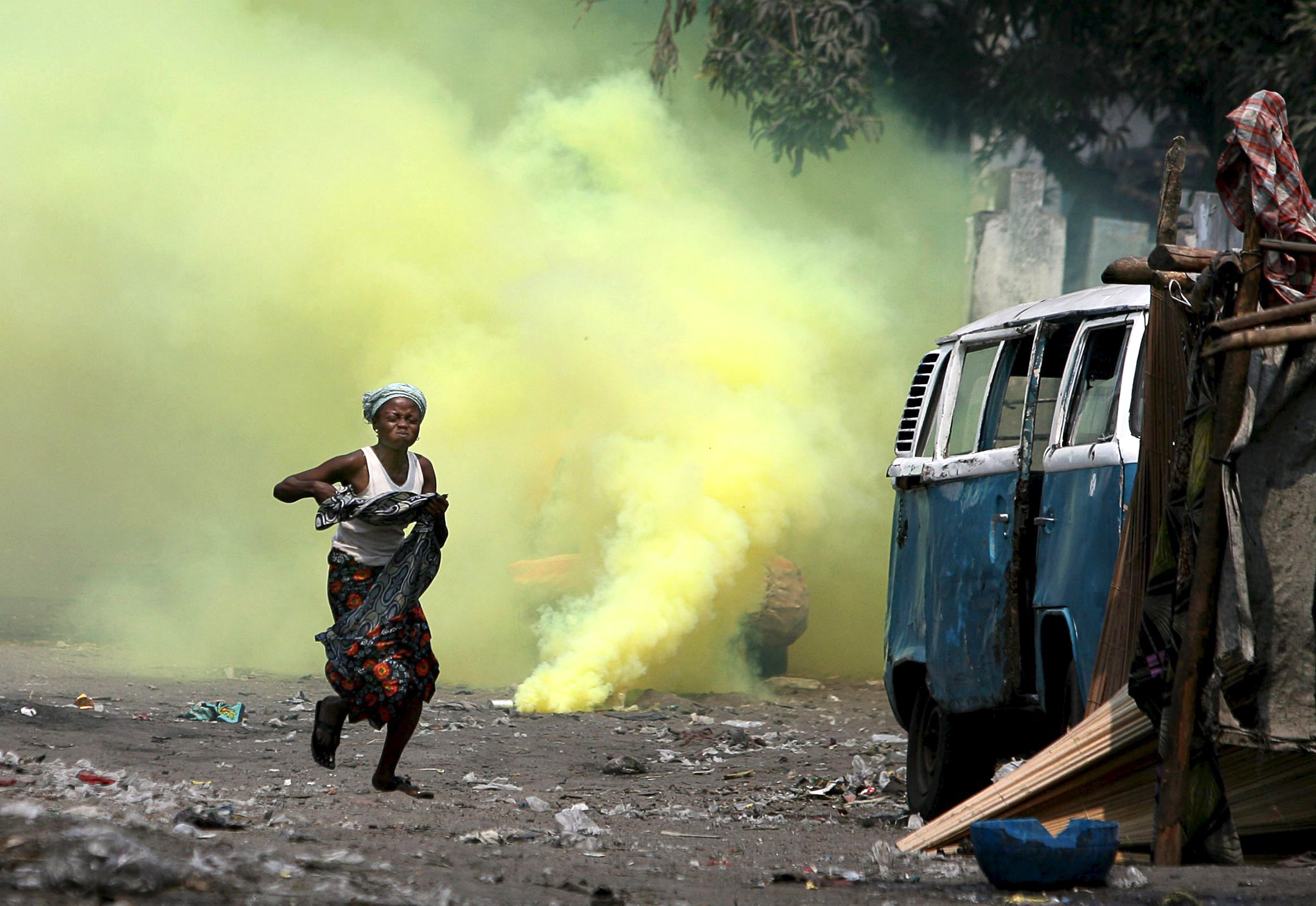
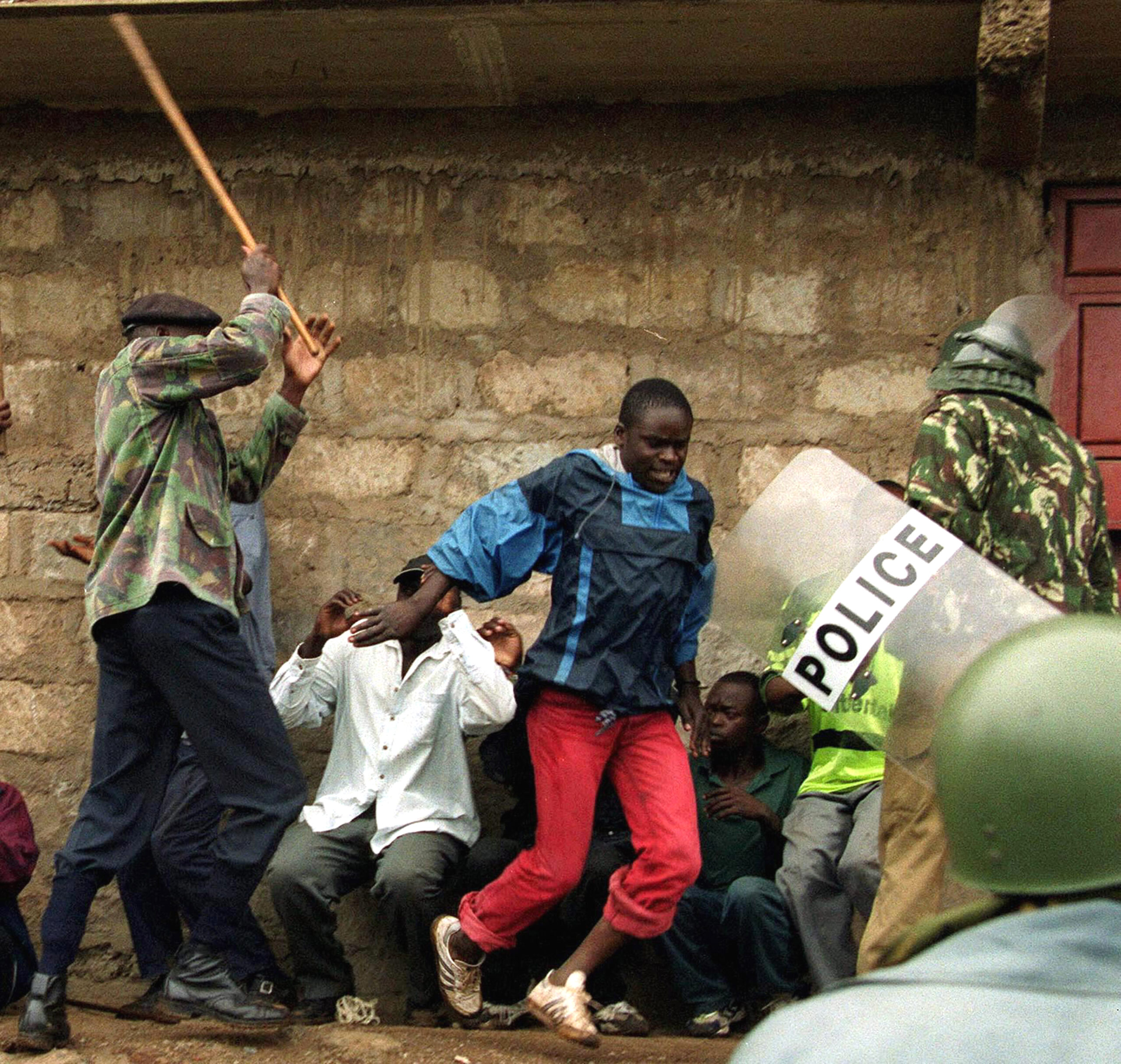
This kind of “clearing” is not happening only in the capital. Still according to news published in ChinaAid, in the southern city of Shenzhen, which neighbors Hong Kong, where Olympic equestrian events will be held, hundreds of police used water cannon and tear gas to move residents of “nail houses,” or hold-outs, who refused to leave their homes to make way for a local subway line.
Even the Chinese Olympic teams are under close surveillance. Underlines a report published in the Columban Missionaries’ website: “Training camps are placed under armed watch. Athletes and coaches go on long retreats, announce total media blackout. Ostensibly, the reason for the silence is to avoid “sport espionage” but, most likely, it is to avoid any bad publicity. As usual, the public’s right to information is swept aside.” Nothing is left to chance. Foreigners who will visit China during the Games are allowed to bring just one Bible per person; more will be considered propaganda.
Is this the Olympic spirit? Reporters Without Borders says “no.” And makes an appeal to Olympic Committees, athletes, sports lovers and human rights activists “to publicly express their concern about the countless violations of every fundamental freedom in China.” They add: “After Beijing was awarded the Games in 2001, Harry Wu, a Chinese dissident who spent 19 years in prisons in China, said he deeply regretted that China did not have “the honor and satisfaction of hosting the Olympic Games in a democratic country.” Russian dissident Vladimir Bukovsky’s outraged comment about the holding of the 1980 Olympics in Moscow − “Politically, a grave error; humanly, a despicable act; legally, a crime” − remains valid in 2008.