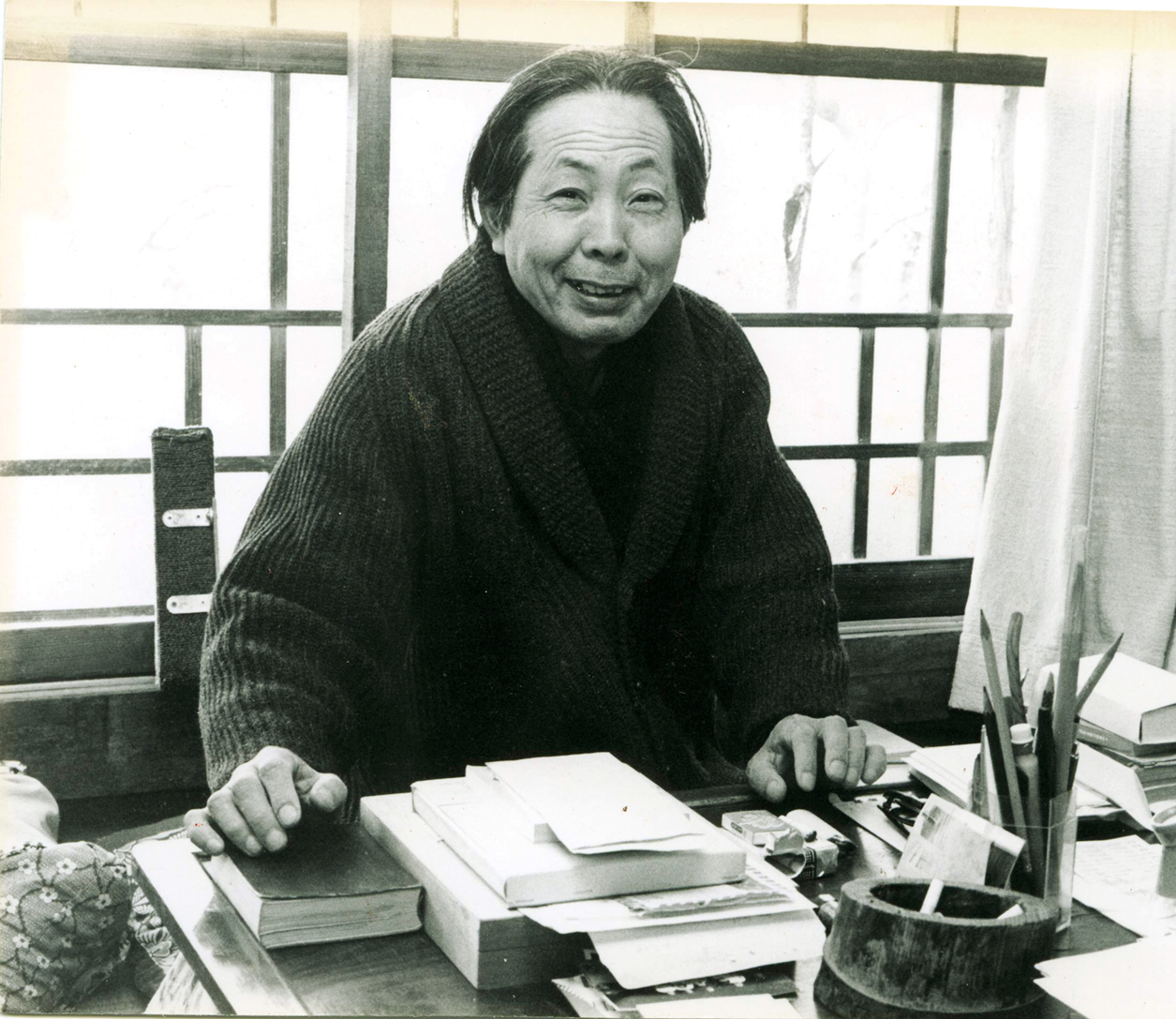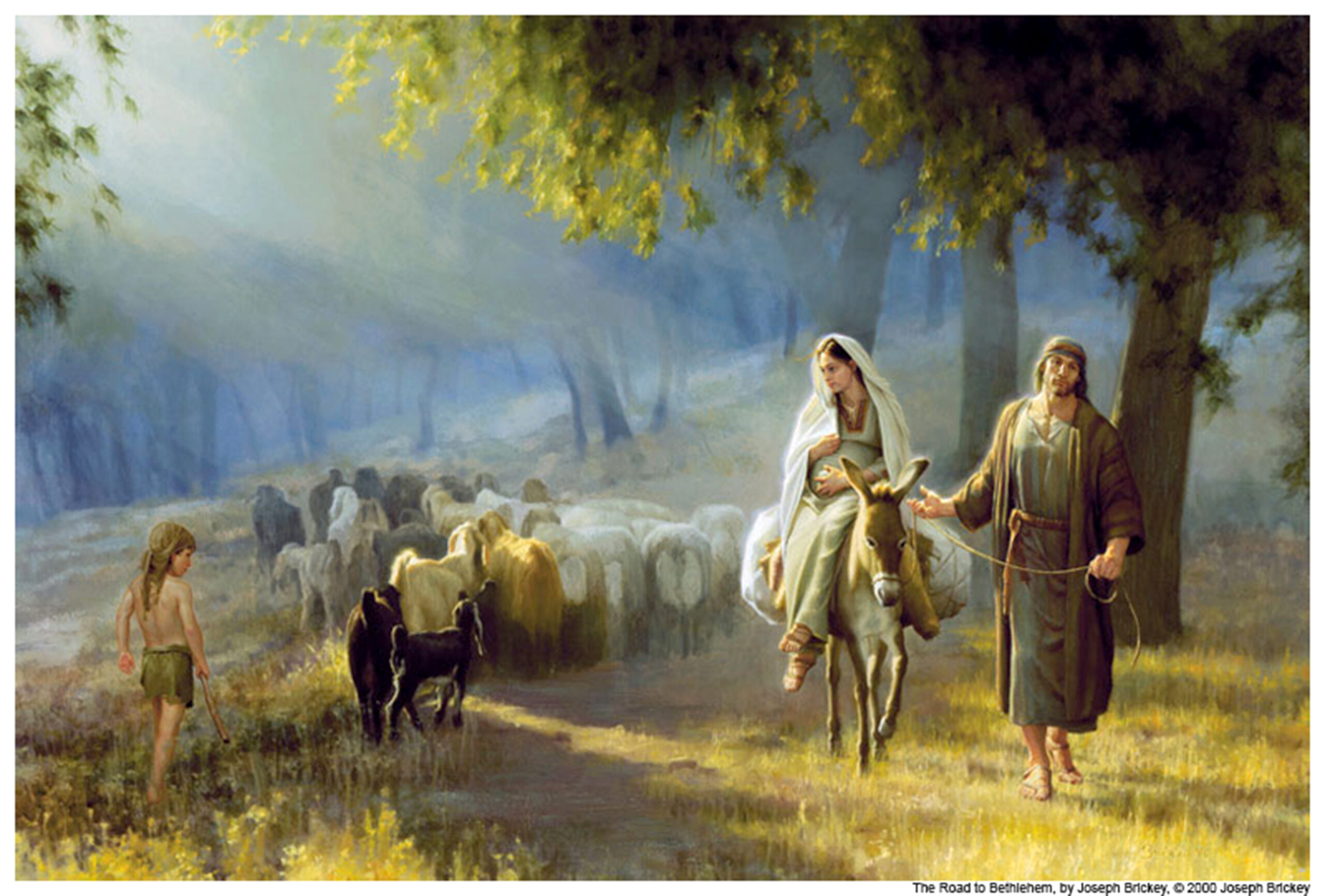

Magdeleine Hutin was born in Paris, France in 1898. She founded the Fraternité des Petites Soeurs de Jesus (The Little Sisters of Jesus) in 1939 in North Africa’s Saharan outpost of Touggourt (Algeria). A pious woman, with a strong faith in God, she already had a great devotion to the Infant Jesus in the early years of her vocation and spent much time reflecting on this big proof of divine love: An Infant, as weak and vulnerable as all infants, carries the burden of the world.
Robert Ellsberg wrote: “The word ‘little’ had a special meaning for Magdeleine. During the early years of her vocation, she had experienced a number of intense visions inspired by her meditations on the Infant Jesus. The humility, weakness, and vulnerability of a baby were the disguises under which He first appeared. And it seemed appropriate to her that this baby should also be the inspiration and model for those who wished to bear witness to divine love among the poorest and most powerless of the world.”
PUSHED BY ILLNESS
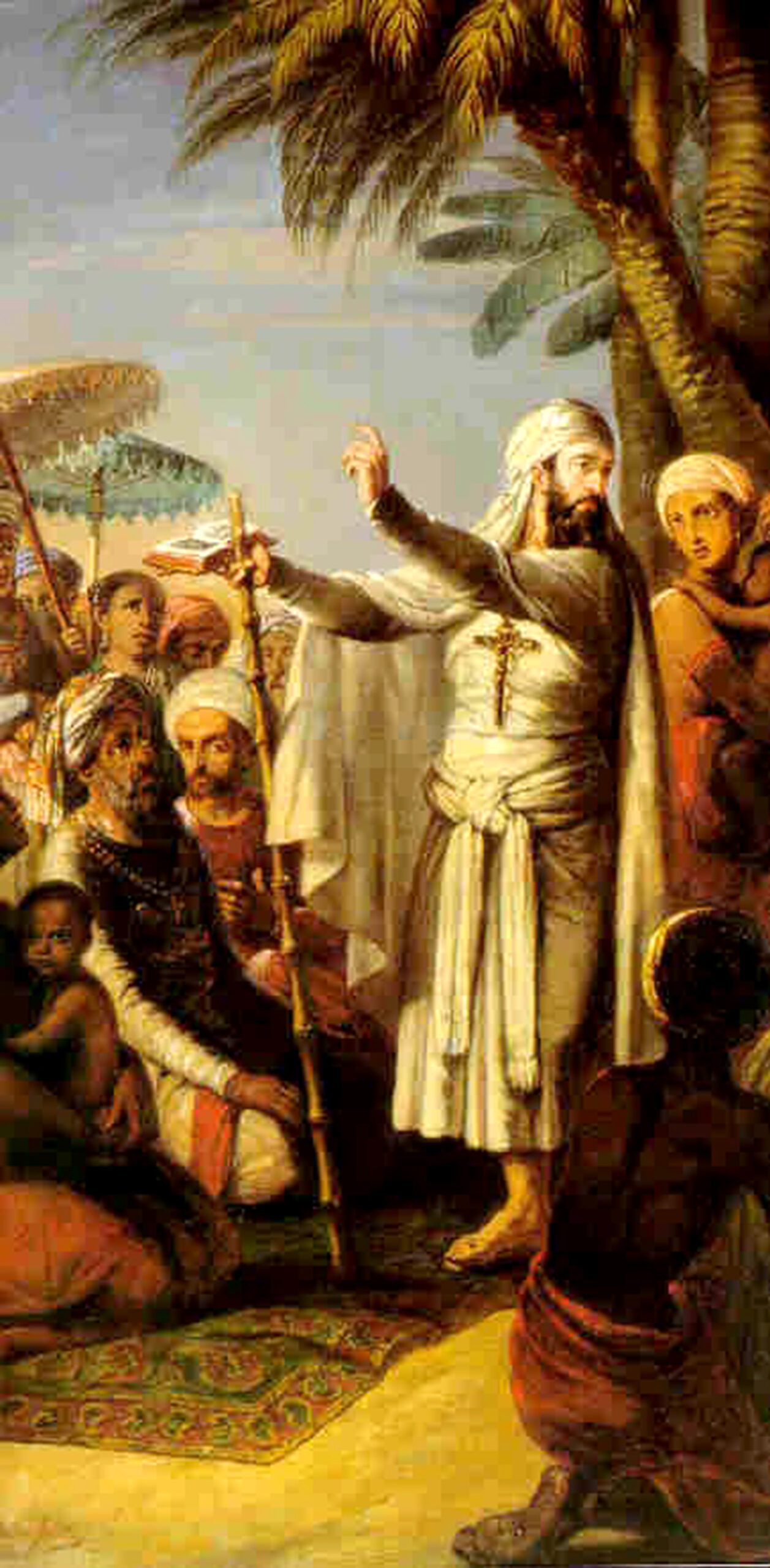
In her twenties, Magdeleine read the first biography of Charles de Foucauld, French explorer, priest and “desert father” in North Africa: She had found her way! But then came World War I which decimated her family and she was left alone with her mother. She had now a big responsibility upon her shoulders and, furthermore, she was ill. After many years of waiting, providence played its hand: doctors recommended a dry climate, like the one we can find in the Sahara desert. At last, she could follow the footsteps of Charles de Foucauld in the land where he had lived and died.
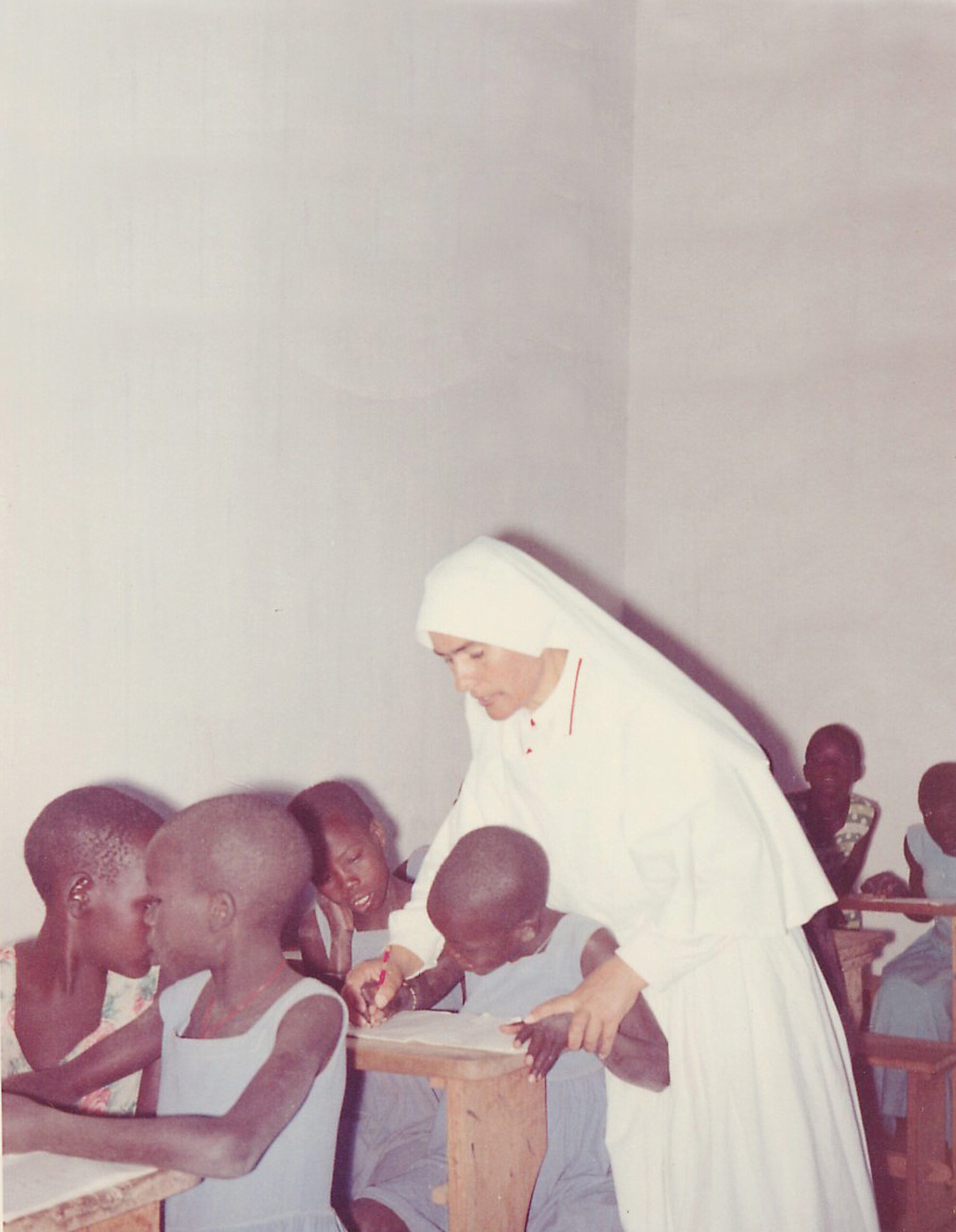
So, in 1936, she left for Algeria with her mother and another young woman, Anne. Upon their arrival, they met a priest who asked them to help him in a small town called Boghari, where they settled in the heart of the Muslim community. She had long desired to follow Charles de Foucauld’s spirituality by welcoming poverty, manual work and commitment in prayer. They spent three days a week in a dispensary and soup kitchen that they set up and, the rest of the week, visited people in their homes. Eventually, the work load became overwhelming and they had little time for the prayer and recollection that they also desired as contemplatives in the spirituality of Charles de Foucauld.
In 1938, they made a pilgrimage to El Golea where Bro. Charles was buried and there met Fr. René Voillaume for the first time. He, too, was beginning a community in this spirituality, the Little Brothers of Jesus. She felt encouraged in her desires by Fr. Voillaume as well as by Bishop Nouet of Ghardaïa. On their return to Boghari, they found that another community was ready to take over their work. This freed them to follow their dream.
After their novitiate among the “White Sisters” in 1939, they pronounced their vows and, aided by her friends, the nomads, Magdeleine founded the first community of the Little Sisters of Jesus at Touggourt. World War II forced them to return to France and Magdeleine used this time to travel around France and speak about her vision to all who would listen. Women began joining…
However, in 1946, she became certain that the world was their home, not only the desert. In 1949, she formally relinquished the leadership of the congregation. Ellsberg writes: “She preferred to play an informal role as mother to her Sisters, traveling constantly around the globe rather than confining herself to the administration of a growing congregation. Although she had been sickly in her youth, she remained remarkably robust into her old age, continuing to do manual labor well into her eighties and undertaking her final exhausting trip to the Soviet Union at the age of ninety-one. She died later that year, specifically, on November 6, 1989.”
A KIND OF LEAVEN
In his inspiring book (All Saints: Daily Reflections on Saints, Prophets, and Witnesses From Our Time), Robert Ellsberg shows us how her certitude was right: “By the time of her death, there were 280 communities with 1,400 Little Sisters from 64 different countries. These included Little Sisters who traveled with gypsy caravans in Europe, who lived with nomadic circus troupes, and who even volunteered as prisoners. There were communities among the pygmies of Cameroon, in remote Eskimo villages in Alaska, among boat people in Southeast Asia, and in the slums of London, Beirut, and Chicago. In her later life, Magdeleine felt a special call to bear witness in the communist countries of the Eastern bloc. Driving in a converted minivan, she made dozens of trips throughout Eastern Europe, including eighteen trips to Russia. Quietly, she was able to establish communities in a number of these countries. Whatever the setting, the aim of the Little Sisters was not to evangelize in a formal sense but to serve modestly as a kind of leaven in the midst of the world, imparting a spirit of love.”
When Magdeleine had conceived the mission of the Little Sisters, it was exclusively in relation to the Muslims of North Africa. But now, they are present all over the world, attracting women of all races and nationalities. Magdeleine’s generosity became the leaven to many others. The Little Sisters have always chosen to live wherever poverty, marginalization and violence exist. For instance, among the many dangers of Afghanistan, a Muslim country devastated by decades of war and religious intolerance, they constituted the only Catholic presence from 1994 to 2002.
A LOVE WITHOUT MEASURE
Little Sister Magdeleine will always be remembered for her courage and determination to follow God. She is a living proof that He calls us through the inner desire of our hearts. Her story, full of difficulties and hardships but always inspired by the even harder life of Charles de Foucauld, testifies another important thing: We need others to be our spiritual guides as we journey on so that we, too, can give life and love.
Let’s engrave in our hearts what she said: “I would like to pass on to my Little Sisters the important ideal of a holiness which is human. I want them to fix their eyes and their heart on the life of Jesus which was so simple, so that they can get the taste for the extraordinary out of their minds forever, unless, of course, it’s a taste for the extraordinarily simple. Then, onto this humanity, we must graft divine love, a love without measure.”