The Brazilian youth have a significant role in the various historical moments of the country since the time of the Portuguese colonization in the early 1500. One of the great struggles taken up by the youth was the campaign for the abolition of slavery in which the youth assumed the defense of the enslaved members of the society; they helped in organizing mass escapes. Among the prominent leaders was Joaquim Nabuco who had a strong influence in the movement that culminated in the abolition of slavery in 1888, and in the proclamation of a Republic in 1889. Another symbol of resistance was the Afro-Brazilian Zumbi dos Palmares, born in the northern state of Alagoas in 1655. For decades, he led 30.000 slaves forming a community composed of those who had escaped from farms, prisons and senzalas (houses of slaves in the big rural properties). At the age of 20, Zumbi was already a military strategist at the service of his black brothers and sisters. Among the local Indians, a young leader named Sepé Tiaraju is well remembered in the history of the Gaúchos in the state of Rio Grande do Sul. He was a missionary Guarani hero who led the indigenous militia against the Luso-Brazilian and Spanish troops during the Guarani War.
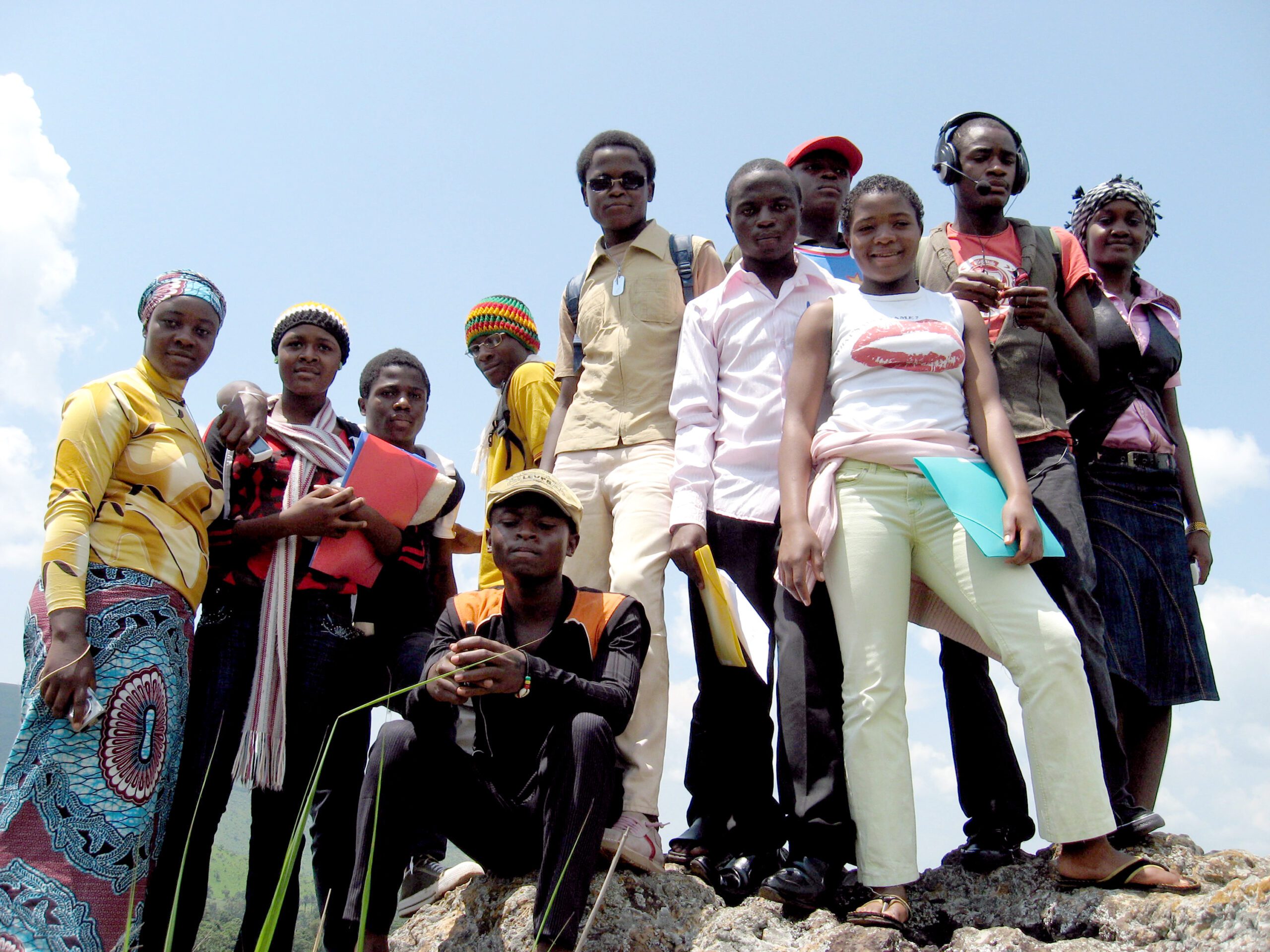
The 20th century ushered a more visible and larger participation of the youth. An outstanding moment happened in the Week of Modern Art, in 1922, in the Tenentista Movement (a movement of young militaries against the political oligarchies of coffee and milk producers) and in the organization of the Communist Brazilian Party, both of which happened that same year, when the youth acted as the protagonists of new ideas for the nation and the State, according to Caccia-Brava (2004). Between 1930 and 1950, the National Union of Students (UNE) was founded, as well as religious movements like the Catholic Action. The 1960’s saw the rise of the Catholic Specialized Action (ACE), formed by various branches as the Agrarian Youth (JAC), Students Youth (JEC), and the Workers Organization (JOC). These youth organizations came from the urban middle classes and challenged the cultural and political values of the time, as reported by Regina Novaes (2000). Later on, the Catholic University Youth (JUC) also appeared with a very significant contribution to the Brazilian society. The 1970’s saw the military repression organized by the military dictatorship that began in the military coup of 1964. The Brazilian youth played an important role during this period, either as part of organized groups called sindicatos (unions) or in the clandestine armed guerrilla movements. May I also point out the start of the participation of young people in the socio-pastoral ministries that developed in the Basic Ecclesial Communities as fruits of the Liberation Theology. The 1970’s and the 1980’s also showed the rise of the social movements that focused on issues of citizenship. From the 1990’s onward, there has been a depoliticization of the student movements.
According to Sampaio Cardoso, the reference for the young is no longer the political party or the organized workers’ unions (sindicatos), focusing from that moment on their specific movement. Two new manners of organizing appeared in this period, namely, the Hip-Hop Cultural Movement and the work developed by the Youth Pastoral Ministries of the Brazilian church. The 1990’s saw the withdrawal of the great revolutionary utopias (socialism, communism, armed struggle, etc) on the part of the youth which, according to J. T. P. Sousa, turned to the preservation of individuality, in a search for autonomy and realization of individual desires. The exception was seen during the impeachment of President Fernando Collor de Melo when the Brazilian youth were very much present, through the movement of carapintadas (painted faces) and the MST (Movement of Landless Rural Workers) that had a significant place in the struggle against neo-liberalism.
The changes that accurred from the nineties onward can be explained by the importance of the youth’s involvement in the Brazilian society. In the sixties and seventies, their participation was in unions and student movements; in the eighties, in social movements; in the nineties, in cultural and ludic movements. In the years after 2000, the young people found their place of socialization in the religious movements, such as the Catholic Charismatic Renewal or the Neo-Pentecostal Evangelical Movements. However, the youth have not been completely absent in the socio-political life. This was evident in their mass participation in the World Social Forum that took place in Porto Alegre, South Brazil, in 2001, 2002, 2003 and 2005. These events were clear indication of the effort to involve the young in the social and political life of the Brazilian society and in global economic discussions. Several researchers show that religious institutions, Catholic and evangelicals, appear, in contemporary time, to be good venues to organize the youth.
In the meantime, there are new and big challenges in store for the youth today. These are problems that still need attention from the government, the Church and the Brazilian society in general: urban violence, drug issues, lack of work opportunities for a large part of the youth, the precariousness of structures in the periphery districts of the big cities that do not offer adequate conditions for leisure and for the development of cultural activities for the youth, among others.
SOCIAL DISCRIMINATION
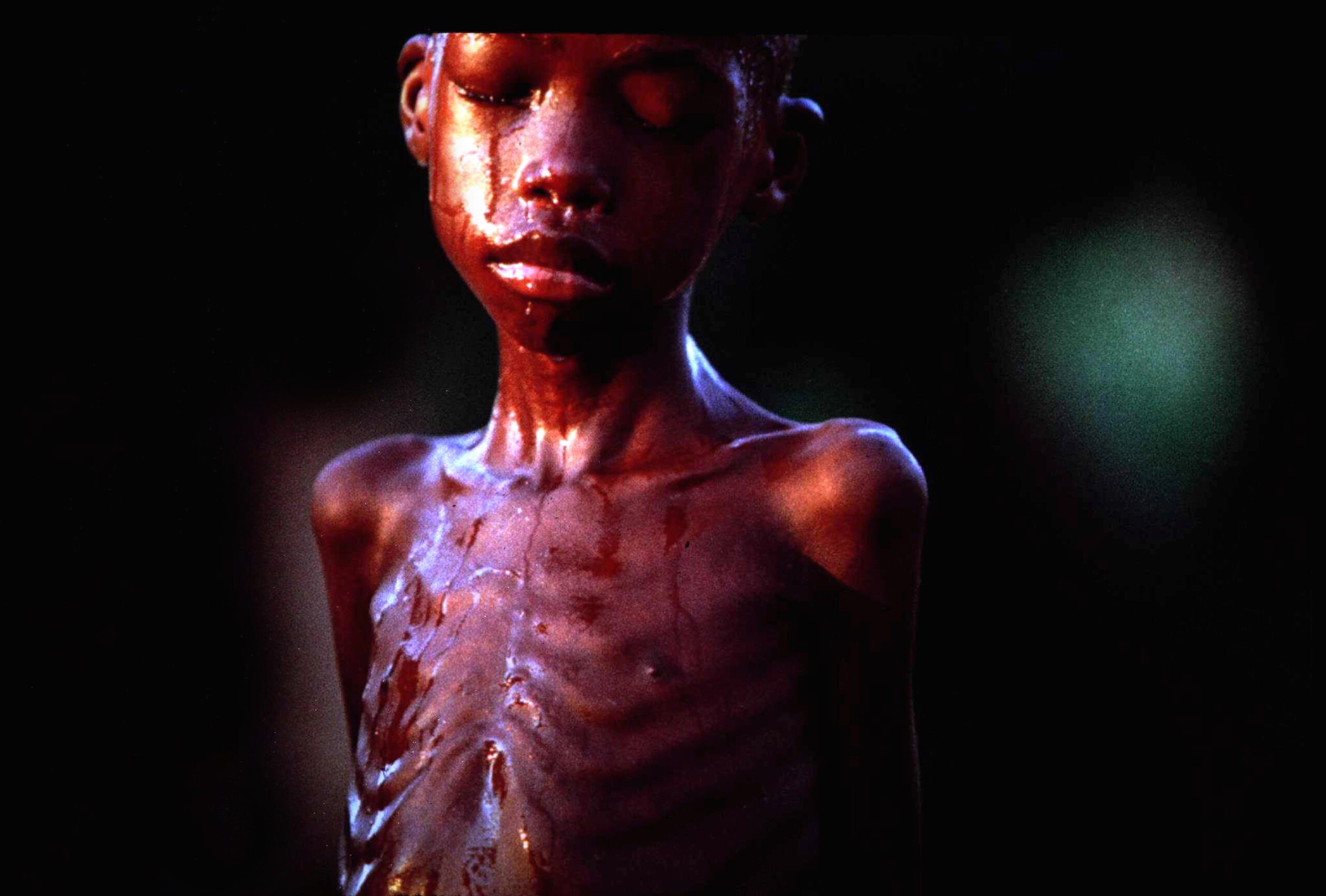
Among the most serious problems faced by the Brazilian society today is violence. Eighty-five percent of the Brazilian youth live in the urban centers where they are confronted by high levels of violence and unemployment. Forty-eight percent of the urban youth live in inadequate housing conditions and two million of the youth, between the age of 15 and 29, still live in favelas (shantytowns and slums); 67% of whom are blacks. The homicide levels continue to be very high with an increase in the violent deaths of young people. The percentage of youth mortality from violent death reaches 40% of the total of homicides in the country. This violence affects mainly the black youth. While the level of homicides among the white youth gets to 63,9% for each 100 thousand inhabitants, the level of homicides among the black youth reaches 135,3% and that of the mulattoes reaches 122,8%. For each white youth’s violent death, there are two blacks’. This high level of violent deaths is generally due to trafficking and use of drugs. There has been significant increase in the consumption of cannabis, cocaine and crack among the young people, affecting all social classes. The federal and the state of Rio de Janeiro governments adopted, in the last years, a policy of pacification of favelas in the city of Rio de Janeiro as part of its preparation for the 2014 World Cup and for the 2016 Olympic Games. Some of these favelas, dominated by drug trafficking, were occupied by police forces. They have started to become present also in the middle of the favelas’ population that, often, was unaware of the presence of the State among them. Some drug traffickers have lost control in some of these areas, although many still remain in others. Some have migrated to the countryside where the police forces are less prepared to handle them and the local population is more vulnerable. Many young people, mostly blacks, find drug trafficking a means of subsistence for themselves and for their families, exposing themselves to the violence of the police and of traffickers.
Another cause of the high level of violent deaths is vehicular accidents. This affects all kinds of social classes, especially in the big urban centers. There is still a slow response to this problem on the part of the Brazilian society and of the State. The present public policies and the pastoral response from the part of the Church are still wanting.
The same inequality can be verified at the levels of scholarship of the young Brazilians. Illiteracy among the blacks is twice of that of the whites. Despite the government’s policy introducing social and racial quotas at public universities where up to 50% of its place, should be reserved for those coming from public schools, and those with Afro-Brazilian and indigenous background, 20% of the white young people are in the university against only 7% of the Afro-Brazilians.
The ethnical distribution of the Brazilian youth tends to be balanced: 47% of the population being formed by whites and 53% (IPEA data) by blacks. However, 70% of the poorest come from the blacks and mulattoes. In spite of the general belief that there is no racism in Brazil, statistics shows the contrary. Racism, though, is due to social origin rather than to ethnic origin.
LACK OF AN AGRARIAN REFORM
Fifteen percent of the Brazilian youth come from the rural areas which are more subject to the difficulties when it comes to access to education, work, cultural activities and public security. The Fernando Henrique Cardoso and the Lula governments did not advance significantly in agrarian reform. The agrarian situation has turned worse with the changes in agriculture in the international market, and with the political alliances with the conservative sectors under the last two presidents who conformed to the interests of the Brazilian agri-business. The demand for technical modernization of agriculture was imposed without the necessary social reform. The representative sectors of the big rural properties and of the agro-industrial agglomerates gained the state’s support, expanding the model favorable to agri-business, with the monoculture of commodities and deficient working relations.
Those outside of the logic of this development model such as the Indians, the forest people, the black rural communities (quilombos, once created by escaped slaves), the small producers, and the peasantry, in general, remain excluded from the socio-economic system.
The governments of Fernando Henrique Cardoso and Lula went on prioritizing primary exportations (cattle and agriculture products, minerals and brute petrol) so the country started to be seen as commodities furnisher (meat, soy, sugar, alcohol, cellulose, minerals such as iron, etc), having retroceded in the commerce of manufactures. The industry linked to these products has increased intensively in the last decades. With the new role that Brazil has played as a furnisher of raw materials to the world market, we have alleviated the problem of internal deficit. And agrarian reform has not appeared as part of the fundamental reforms that the country needs.
The Brazilian agribusiness has favored enormously the concentration of land, speculative valorization of private lands, expansion of monocultures, illegal occupancy of public land, deforestation, deterioration of working relations besides the non-observance of the legal statute of land in the country.
MINERS AGAINST INDIANS
As to the indigenous youth, according to the last census, there is in Brazil 896.917 people who declare themselves as Indians, of which 572.083 of them are living in rural areas. There are still 305 ethnic groups living in the whole country, speaking 274 different indigenous languages. The 1988 Federal Constitution, still valid, recognized the Indians’ rights to the lands they have inhabited since ancestral times and have demarked a great part of them.
However, the Mining Code, created by the militaries in 1967, is being reviewed by the government of President Dilma Roussef as the Indians` rights to their lands are threatened by the pressure of big mining companies, nationals and foreigners, eager to explore minerals in the Indians` lands. Besides the social-environmental risks of these extracting activities and the prejudices they can bring to the indigenous population, we ask who is going to benefit from this wealth that belongs to the whole Brazilian people. The unlimited desire for profit on the part of the mining companies and the necessity of financing the public debts of governments, in addition to lack of financial resources for social investment, disturb a balanced control of such activities from the part of the public institutions.
Neither the Indians nor the other big sectors of the population, such as the social movements, were involved in the revision of the Mining Code. The discussions on its revision were restricted to the enterprises and their representation. Syndicates (unions), social movements, NGOs and native populations (Indians and rural people) were also either excluded from the discussion or have not been able to influence the process of law making, to their interests. Another concern is that the Brazilian state has been permissive in taxing mining activities, collecting the state of Minas Gerais – to give an example – only 2% over the mining extraction in its territory. The profit coming from these activities must be put at the service of the redistribution of wealth in the country, creating a new model of development at the service of local interests and not merely aimed at the external market, increasing still more our condition of peripheral and dependent economy. The youth, specially the university students, could be much more aware and involved in all these discussions.
SOCIAL AND RELIGIOUS CHALLENGES
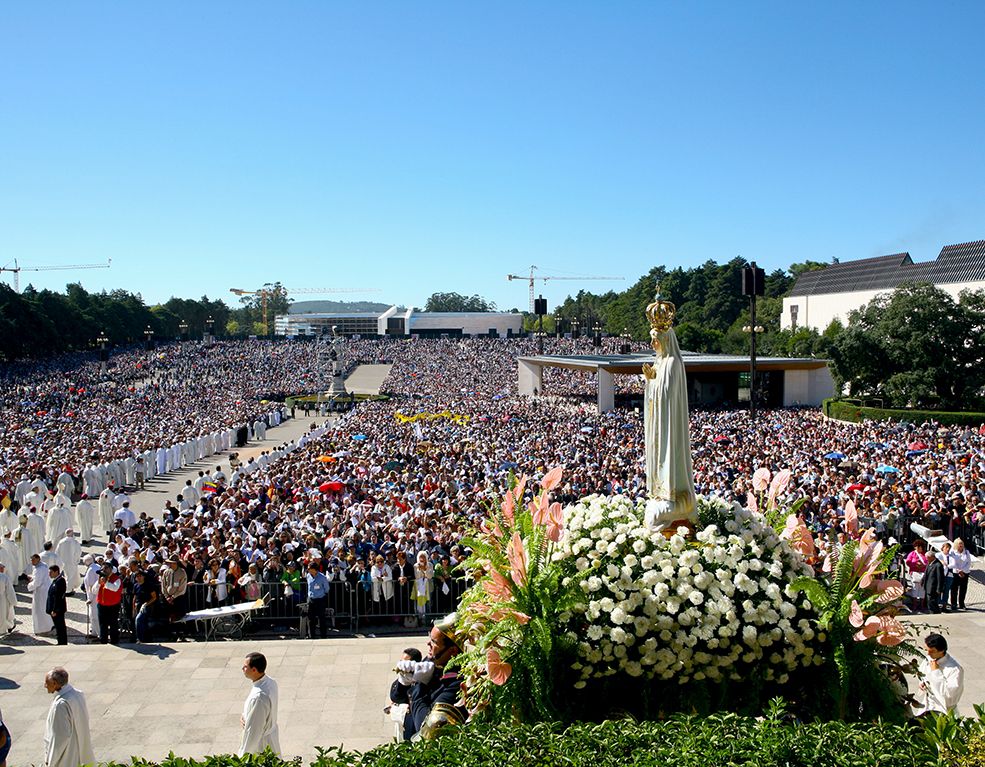
The philosophers have been predicting the end of religion and God`s death. What we could see, however, in post-modern times, is the return of religiosity and of the Sacred. Unfortunately, what we have now are forms of religiosity which are fundamentalists, conservatives and individualistic, preaching an apolitical and socially indifferent form of religion, alienating a great part of the youth from the social struggle. In the Catholic Church, we have seen old traditions being revived in a triumphalist spirit ,without telling anything to the contemporary society and culture. On the other side, from the seventies and eighties onwards, a liberating spirituality has been born in the whole Latin-America, born out of a social and political engagement, in a protagonist way, in search of a more egalitarian and socially inclusive society leading to a more prophetic Church.
The Brazilian bishops’ advice: “We cannot preach an abstract love which covers the economic, social and political mechanisms responsible for the marginalization of big sectors of our population.” Here, we see the need of forming the youth for the exercise of citizenship. There is need to connect faith with life, faith with politics” (CNBB, Document 85, 2007). The task of building a more just and egalitarian society depends, fundamentally, on the formation and evangelization of the youth, on their conscientization and on their engagement in social struggles and movements. We can notice a tendency in the neo-conservative movements, such as the RCC (Charismatic Renewal), to an individualistic spirituality disconnected from social justice. Such a tendency is still clearer in the neo-pentecostal churches which preach a theology of economic prosperity, eluding people´s hope of improving their standard of living. The challenge is to revert such tendencies and return to a prophetical mystic which is able to join faith and politics, faith and social justice.
On the part of our society, the challenge is to overcome all forms of exclusion and all forms of social and racial discrimination, above all, against the poorest, offering an education that is free, egalitarian and of quality, to all sectors of the population. The education system should impart adequate knowledge on the country’s history and its present, as lived by our society, so that the young may be more encouraged to become active agents of transformation and citizens of a more just and solid society.
Fr. Ozanan Carrara, SVD, is Justice, Peace and Integrity of Creation (JPIC) Coordinator in the northern province of Brazil.