

Thirty-nine members of the Comboni Family across the world gathered to discuss and call for urgent action towards the climate crisis happening at present on the occasion of COP30, on November 10-21, in Belém, Brazil.
COP30 stands for Conference of Parties on its 30th edition. It is the annual meeting of countries that signed the United Nations Framework Convention on Climate Change (UNFCCC) to assess progress, make decisions, and agree on actions to combat climate change.
This worldwide event gathered thousands of government leaders, environmentalists, social movements, civic organizations, and Church personnel for a two-week conference to negotiate an agreement between countries to phase out fossil fuels as a source of energy.
While high-level official delegations representing over 190 countries were in a secluded area known as the “blue zone,” discussing matters for a final deal on climate change, members of the Comboni Family, which includes the Comboni Missionaries, the Comboni Sisters, the Lay Missionaries, and the Comboni Seculars, participated in various workshops, debates, activities, and discussions that were open to the public, referred to as the “green zone.”
PROACTIVE SOCIETY
Civil society in Brazil is very proactive and dynamic in its approach to the issues of good governance and the defense of human rights. The country hosts a significant indigenous population that is being threatened by powerful corporations intending to exploit their ancestral lands. Their representatives were present at COP30 and voiced their grievances, pleading for justice and the right to live peaceful lives on their own lands.
In an ecumenical and interreligious debate hosted by the Anglican Church of Belém, the panelists emphasized the importance and urgency of ecumenism as a platform for climate action. They condemned religious and political fundamentalism that is robbing the Amazonian people of their human rights.
At one of the events at the “People’s Summit,” a conglomerate of social movements lobbying for climate justice and the rights of the Amazonian peoples, members of the public insisted on the need for a “just” transition to clean and renewable energy. The common sentiment is that under the pretext of the so-called “transition to clean energy,” big projects are implemented without the consent of local communities, which is detrimental to their livelihoods.
The Catholic Church had the largest delegation in the history of COPs at COP30. The Holy See sent a delegation of 10 people who participated in the formal negotiations. Beyond the official state delegation, a significant number of other personalities and groups attended, including cardinals, bishops, priests, nuns, and over 100 individuals representing hundreds of Catholic organizations.
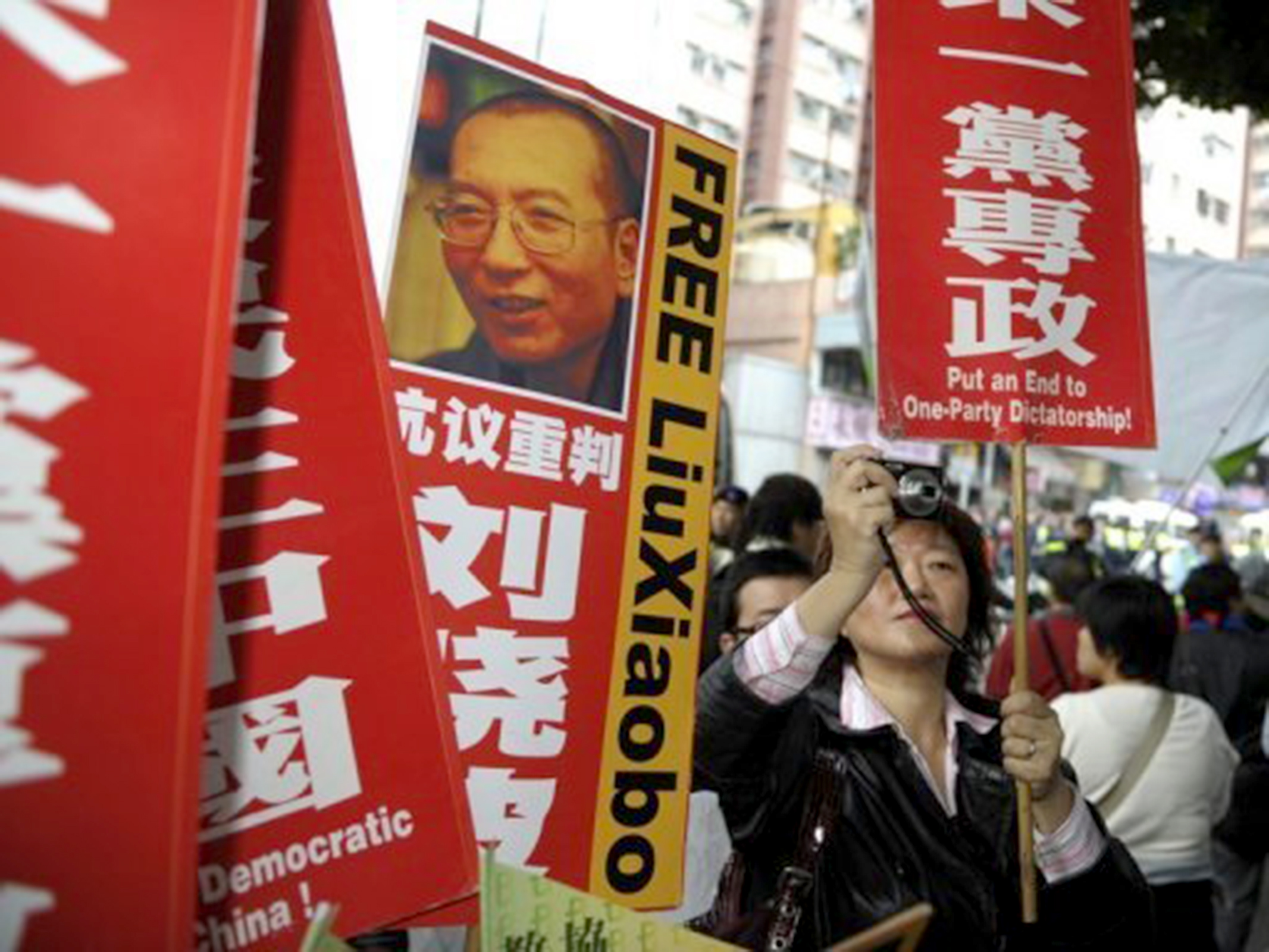
A “great people’s march” took place on the last day of the “People’s Summit.” Local officials estimate that about 70,000 people marched along a five-kilometer route through the main avenues of Belém. It was a large, colorful climate justice protest featuring thousands of participants, including Indigenous communities, family farmers, and activists from around the world. Marchers called for urgent climate action, an end to fossil fuels, and greater protection for Amazonian territories.
Church groups holding their respective banners could be seen during the march, including members of the Comboni Family and other Catholic organizations. Cardinals and bishops also joined the march in support of the popular movements, including Cardinal Ambo David from the Philippines, who walked alongside the Laudato Si’ group.
The editor-in-chief of World Mission magazine from the Philippines, Fr. Antonio Carlos, who participated in the Comboni Family forum and in the “people’s march,” said that “it is encouraging to see the active participation of such a high and numerous presence of the Church in this event. It signals that Christians are sharing the struggles and sufferings of people and want to be part of the solution to their problems.”
FINAL COMMITMENT
The “People’s Summit” ended with the presentation of a declaration to COP30 President, Ambassador André Corrêa do Lago. The document summarized all the outcomes and demands of the various social groups and movements so they could be taken into account in the final formal negotiations. The children also had their “Children’s Summit;” they addressed a letter to the COP30 president expressing their concerns about the socio-environmental crisis.
The Comboni Family held its own concluding “summit” as a mutual sharing and discernment to develop a plan of action. In their final message, the participants mentioned that they felt “part of a Church that is reaching out, seeking transformation, allied with ancestral and scientific knowledge, in an ecumenical and interreligious dialogue that opens minds and hearts.” And they committed themselves, among other things, to promoting and sustaining personal and community ecological conversion to transform relationships rooted in inequalities and injustices.
As the participants were packing up to head back to their respective homes, the high-level official delegations were still enclosed hammering out the final details of a deal that would emphasize climate cooperation and the continuous resolve to keep 1.5 degrees Celsius within reach.