Drug War Orphans’ Tatay

INTRODUCTION

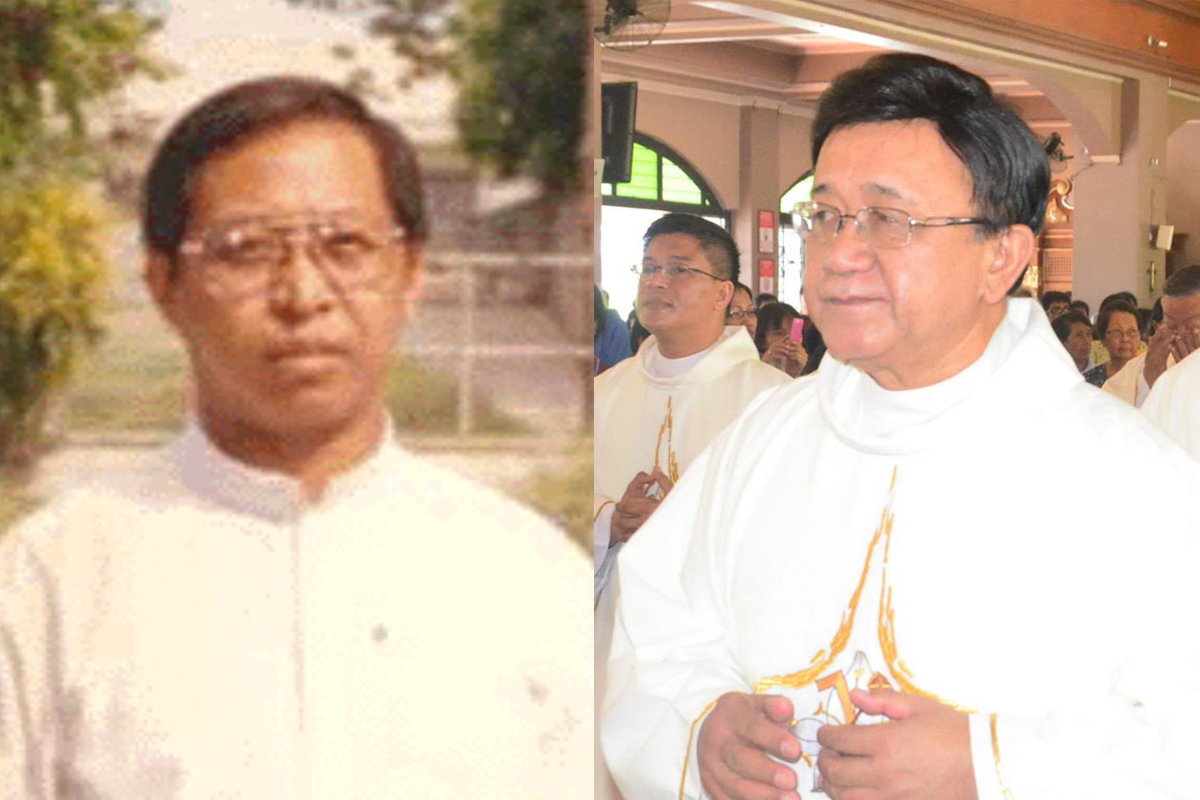
Ramon Magsaysay Award 2025 recipient Fr. Flaviano “Flavie” Villanueva never set out to become a priest, much less a father to the children orphaned by the Philippine war on drugs. But when thousands of men were killed, he stepped into the silence to rebuild the wounded nation.

WRITTEN BY

SHARE THE WORD

PUBLISHED ON

While officials reduced the dead to statistics, Fr. Flavie Villanueva saw families–wives in shock, children grieving fathers who never came home, and communities drowning in fear and stigma. Through the Arnold Janssen Kalinga Center and its offshoot, Paghilom, he offered what the state denied: dignity, presence, and healing. 

“They saw the dead were not only statistics,” Fr. Flavie said. “They were human, and there were people who cared about them.” In the ruins of the drug war, he became not just a priest, but tatay (father) to the wounded it left behind.

In the shadows of the Philippines’ war on drugs, where fathers were taken and families shattered, one Catholic priest stepped into an unexpected role: tatay to the children left behind. “My journey toward priesthood was a journey of grace,” he said. “Grace that in the beginning I did not feel worthy of. That means I never wanted or dreamed of becoming a priest.”

Raised by “beautiful, pious, disciplinarian, and God-fearing parents,” he grew up with Christian values, but also with influences far beyond his age. As the eldest of two, surrounded by older cousins from the province who lived in their home while studying in college, he was exposed early to vices. He recalls being caught smoking outside his elementary school. 

“We beat up the student who reported us for smoking,” he said. “It worsened things.” The threat of not being allowed to graduate elementary school pushed him into his first real moment of prayer. “That’s when I found myself really praying hard,” he said.

He juggled many identities–student, athlete, lector, and commentator–he also began slipping into substance use. “Substance was introduced to me and it was also affecting my decisions, my relationships, and even my behavior,” he said. “But I graduated on time. What I am proud of is I never repeated a year.”


AN UNPLANNED CALLING

Fr. Flavie later on joined the Society of the Divine Word (SVD), unaware that his path would lead to the streets. He was assigned to lead two offices: Justice, Peace, and Integrity of Creation (JPIC), and the Mission Secretary. Both, he said, lacked direction and programming when he arrived.

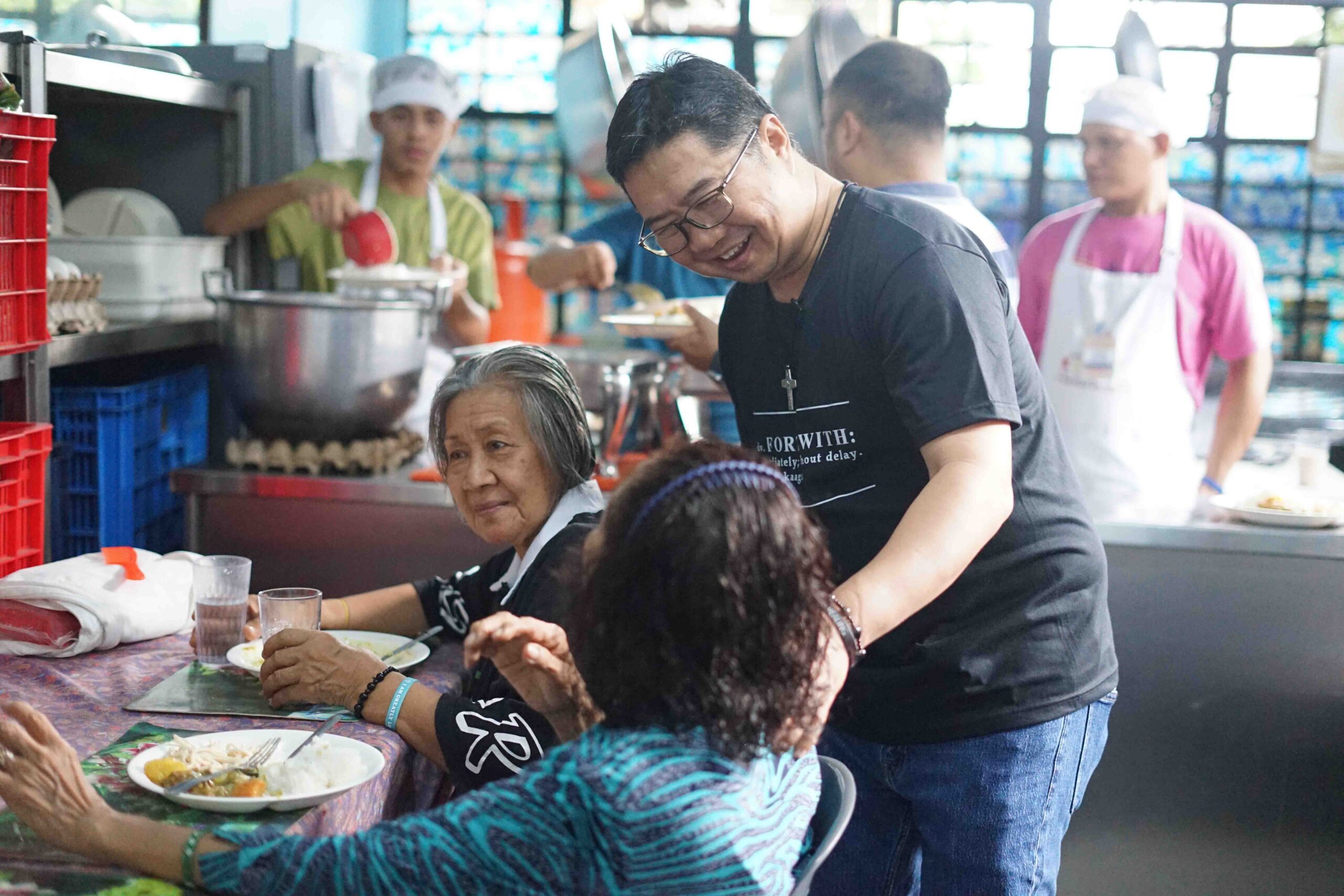
“There was no program…so I did the program, objective and everything, planned it very well,” he said. In researching who they should serve, he looked not to boardrooms or convents but right outside the building. “I saw the life of the homeless… and I only had one question: How can we be part of their plight and their stories?” Instead of simply offering food, he offered dignity. 

“What they need is basic care,” he said. “The solution was not food, but cleanliness. Apart from food, bath. And I don’t like just food, just bath. I wanted to have a dignified form of care. We did it in three ways–dignified, systematic, and holistic care.”

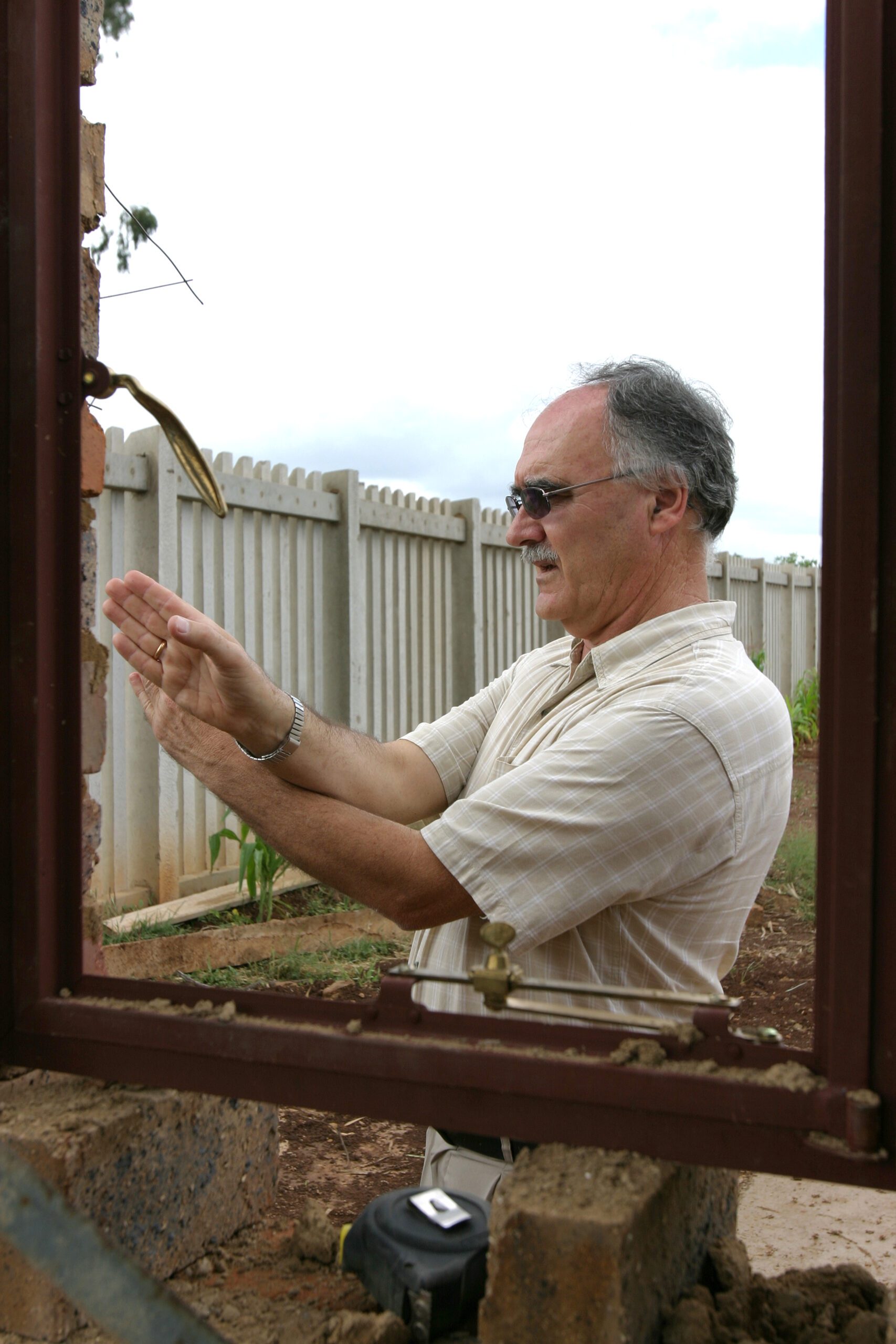
At the Arnold Janssen Kalinga Center, he added grooming mirrors so the homeless could see themselves again. “The streets rob them of the value of cleanliness, not only the outside appearance, but also the goodness inside them.” Over time, he witnessed transformation. 


A STORY OF HOPE

One man left a mark on him during the pandemic–Ali, nicknamed “Highway” for the bald strip across his head. He had been disowned and beaten by his father after admitting he was gay, leading to 22 years on the streets.

They met when Kalinga Center opened seven shelters for the homeless during lockdowns. Ali saw food being catered and made a suggestion that changed operations. “He suggested that we cook instead of getting catering service so we could cut on expenses.” From 100 meals, they grew to serving 1,000 daily.

Fr. Flavie credits Ali’s healing to being trusted and heard. “One of the things lacking in them is no one is giving them way for hope, no one is giving them a chance, and no one is trusting them. But we did.” Today, Ali works in a canteen and has reunited with his family. “His story is a story of brokenness, but he started believing that it cannot remain broken.”

The Kalinga Center would soon lead to something even more urgent–Paghilom, a program born out of guilt and responsibility. “Paghilom is simply an offshoot of Kalinga Center… as payment for my mistake for voting for the man who architected the mass killings, I created a program,” he said.

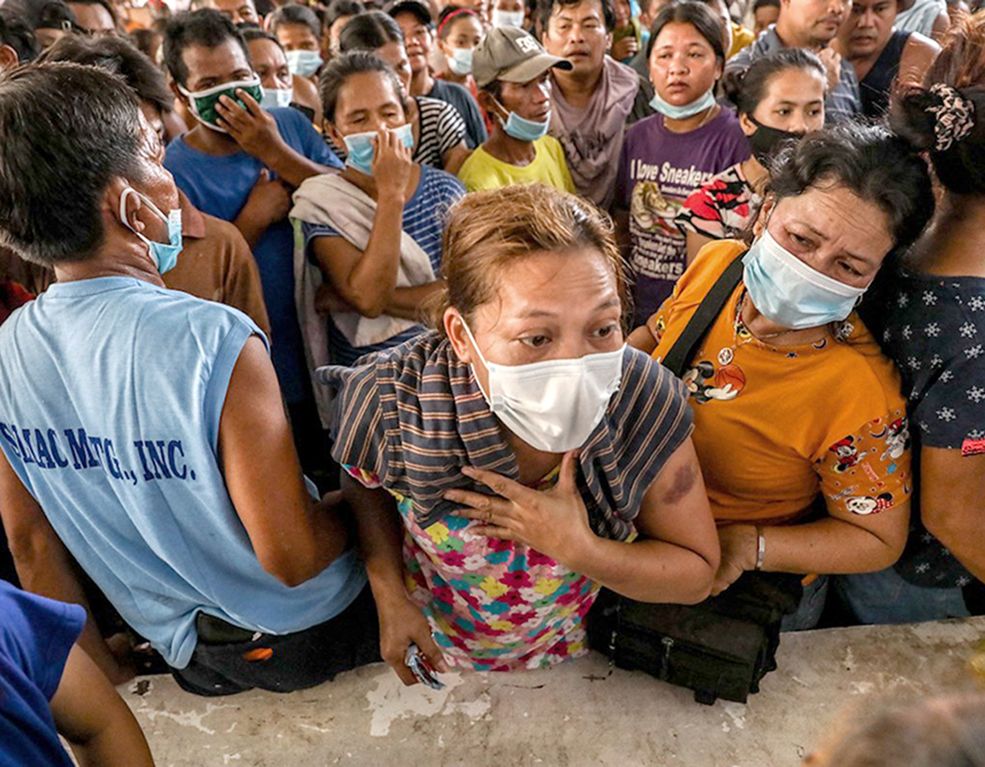
He learned that those killed in the drug war were often breadwinners. “If the families of the dead would not be helped in their grief, healing, and recovery, they would also end up in the streets.” He began by reaching out to one family, then another. By 2024, the program had served 327 families. In 2025, twelve more were added.

The impact went beyond grief support. “The orphaned wives and children healed, but in the deeper sense they saw the dead were not only statistics. They were human and there were people who cared about them.” 

When asked about justice, Fr. Flavie’s answer is grounded in daily survival. “Justice has many faces. When a mother or a grandmother rise early in the morning for work, it’s justice. When an orphan decided to study and persevere, he gives justice to the justice denied to them. When they tell the story with courage and truth, justice is being reflected in their lives.”

He also helped them reclaim legal narratives. “Their narrative became the affidavit they signed and sworn. It becomes a legal document that counters the police report that forced them to make false narratives.”

The Kalinga Center was built on a belief in a hospitality that crosses barriers. “It is synonymous to dignified caring for the homeless in a dignified way,” he said. “Even the church had no clear plan for the homeless when I started this, except for the traditional feeding.” For him, the Church must not be distant. “The church’s role is not really to bring them out of poverty, but to mirror the God of poverty. This God of poverty is a radical God who is not afraid to smell like the sheep.”

He insists that presence is ministry. “The church’s task is to be a priest to help them recreate their self-image… to help reclaim their self-respect… to help the poor and wounded recreate, reclaim, and regain their self-worth.” His advice to people feeling helpless is simple but demanding. “Do not lose hope. There are always things that we can do in everyday life. Just by telling the truth, confronting lies, standing by the Gospel, is already a big thing.”

Even gestures matter. “Just by greeting others, by asking the name of another, by carrying hope and joy each day and make it felt around, I think it’s already a big thing. If I go to the office wearing a smile and bearing a flicker of hope, it’s already a big thing.”


RECOGNITION AND MISSION

In 2025, he received the Ramon Magsaysay Award, Asia’s equivalent of the Nobel Prize. Recognition did not come naturally. “I am slowly embracing the Ramon Magsaysay Award,” Fr. Flavie said. “I am not used to recognition. We silently work not to be recognized because it is needed.”

But he sees meaning in it. “The award revolves around selflessness, transformative leadership, compassion, and companion. We should let the Filipino once again recognize the greatness in each one. And that greatness need not involve doing great things.” He believes greatness is found in everyday faithfulness. “If I sweep the streets, I will make myself the greatest sweeper. If I’m a factory worker or a driver, how does it mean to be a great factory worker or a great jeepney driver?”

For him, the goal is nation-building. “We are doing and recognizing this greatness not because for us–it is our calling towards holiness. It is a calling to rebuild our wounded nation… and to live something better for the next generations.”

Fr. Flavie dreams of a future where the Kalinga Center is no longer needed. “We wish that someday it will eventually close its doors because there are no more homeless in the streets. The homeless are fully humans again and they are now offering care for those in need.” But until then, they plan an extension–a center for the elderly and terminally ill. 


REDEFINING HOMELESSNESS

For him, homelessness is not always about sleeping on pavements. “There are many people who have a home who also feel homeless and are subject to homelessness,” he said. “They are homeless because they lack understanding from others… because no one listens to them.”

His call is both spiritual and social. “Let’s find these people and offer them food, shower, and education so that they become better. Let that greatness in spirit, no matter how simple it is, be felt by them through us.”

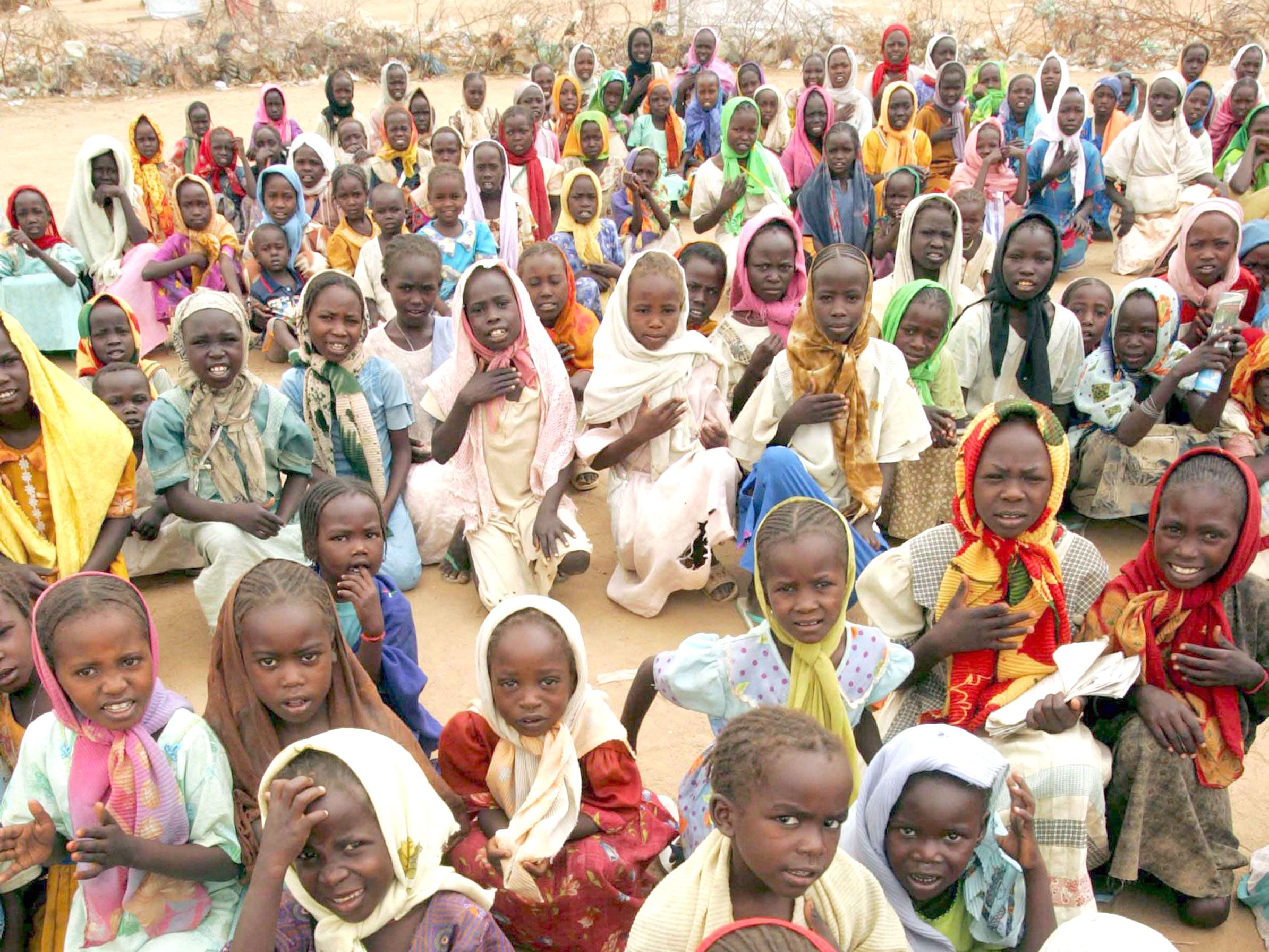
In the aftermath of a deadly war on drugs, he did not respond with slogans or silence–he responded with fatherhood. In the eyes of hundreds of children, Fr. Flavie Villanueva is not just a priest. He is tatay. 

Share Your Thoughts

All comments are moderated

From The Same Issue

The articles and content about this issue

From The Same Issue

The articles and content about this issue

From This Topic

The articles and content about this topic

From This Topic

The articles and content about this topic

Frontline

Jesus wept!

Explore Other Topics

Browse other coverage

Explore Other Topics

Browse other coverage

WM SPECIAL

Presents, discusses and draws readers to reflect on issues of outmost relevance to the world today.


FRONTIERS

Very often, mission is carried out in frontier situations around the world. Those who embrace these situations have much to share.


UNITY IN DIVERSITY

Writer Ilsa Reyes will be exploring the richness of Pope Francis’s latest encyclical Fratelli Tutti with a view of helping our readers to get a grasp of the this beautiful papal document.


FRONTLINE

Puts to the front committed and inspiring people around the world who embrace humanitarian and religious causes with altruism and passion.


IN FOCUS

Focus on a given theme of interest touching upon social, economic and religious issues.


FAITH@50

As the Philippines prepares to celebrate 500 years of the arrival of Christianity. Fr. James Kroeger leads us in this series into a discovery journey of the landmark events in the history of faith in the Philippine archipelago.


INSIGHT

Aims to nurture and inspire our hearts and minds while pondering upon timely themes.


FILIPINO FOCUS

The large archipelago of the Philippines, in its richness of peoples and cultures, offers varied and challenging situations for mission.


FOLLOW ME

Reflections and vocation stories that shape up the lives of young people.


MISSION IS FUN

As humor and goodness of heart are qualities of Christian and missionary life, the new column “Mission is fun” will be publishing some anecdotes and stories that have happened in a missionary context to lighten up the spirits and trigger a smile in our faces.


LIVING COMMUNION

To help readers of World Mission live this year dedicated to Ecumenism, Interreligious Dialogue and Indigenous Peoples, Tita Puangco, writer and lecturer, shares in this section insights on the spirituality of communion.


WINDS OF THE SPIRIT

A historic view of the Catholic movements that emerged from the grassroots as an inspiration by the Holy Spirit.


BRIDGE BUILDERS

On the Year of Ecumenism, Interreligious Dialogue and Indigenous Peoples, radio host and communicator Ilsa Reyes, in her monthly column, encourages Christians and people of good will to be one with their fellow people of other sects, religions and tribes.


INTERVIEW

Questions to a personality of the Church or secular world on matters of interest that touch upon the lives of people.


WORLD TOUCH

News from the Church, the missionary world and environment that inform and form the consciences.


CARE OF THE EARTH

A feature on environmental issues that are affecting the whole world with the view of raising awareness and prompting action.


EDITORIAL

The editor gives his personal take on a given topic related to the life of the Church, the society or the world.


YOUNG HEART

A monthly column on themes touching the lives of young people in the Year of the Youth in the Philippines by radio host and communicator I lsa Reyes.


SCROLL

A missionary living in the Chinese world shares his life-experiences made up of challenges and joyous encounters with common people.


EXTRAORDINARY PEOPLE

Life stories of people who deserve to be known for who they were, what they did and what they stood for in their journey on earth.


ONE BY ONE

Stories of people whom a missionary met in his life and who were touched by Jesus in mysterious ways.


INCREASE OUR FAITH

Critical reflection from a Christian perspective on current issues.


SPECIAL MOMENTS

Comboni missionary Fr. Lorenzo Carraro makes a journey through history pinpointing landmark events that changed the course of humanity.


PROFILE

A biographical sketch of a public person, known for his/her influence in the society and in the Church, showing an exemplary commitment to the service of others.


WM REPORTS

Gives fresh, truthful, and comprehensive information on issues that are of concern to all.


LIFE'S ESSENTIALS

A column aimed at helping the readers live their Christian mission by focusing on what is essential in life and what it entails.


ASIAN FOCUS

Peoples, events, religion, culture and the society of Asia in focus.


THE SEARCHER'S PATH

The human heart always searches for greatness in God’s eyes, treading the path to the fullness of life - no matter what it takes.


INDIAN FOCUS

The subcontinent of India with its richness and variety of cultures and religions is given center stage.


AFRICAN FOCUS

The African continent in focus where Christianity is growing the fastest in the world.


JOURNEY MOMENTS

Well-known writer and public speaker, Fr. Jerry Orbos, accompanies our journey of life and faith with moments of wit and inspiration based on the biblical and human wisdom.


IGNATIUS STEPS

On the year dedicated to St. Ignatius of Loyala, Fr. Lorenzo Carraro walks us through the main themes of the Ignatian spirituality.


THE SEVEN LAST WORDS OF JESUS

Fr. John Taneburgo helps us to meditate every month on each of the Seven Last Words that Jesus uttered from the cross.


INSIDE THE HOLY BOOK

In this section, Fr. Lorenzo delves into the secrets and depths of the Sacred Scriptures opening for us the treasures of the Sacred Book so that the reader may delight in the knowledge of the Word of God.


CONVERSATIONS

Reflections about the synodal journey on a conversational and informal style to trigger reflection and sharing about the synodal path the Church has embarked upon.


VATICAN II

This 'mini-course' series provides a comprehensive exploration of Vatican II, tracing its origins, key moments, and transformative impact on the Catholic Church.


COMBONIS IN ASIA

This series offers an in-depth look at the Comboni Missionaries in Asia, highlighting their communities, apostolates, and the unique priorities guiding their mission. The articles provide insights into the challenges, triumphs, and the enduring values that define the Comboni presence in Asia.


BEYOND THE SYNOD

Following the Synod on Synodality, this series examines how dioceses, parishes, and lay organizations in the Philippines are interpreting and applying the principles of the synod, the challenges encountered, and the diverse voices shaping the synodal journey toward a renewed Church.


A TASTE OF TRADITION

This series introduces the Fathers of the Church, featuring the most prominent figures from the early centuries of Christianity. Each article explores the lives, teachings, and enduring influence of these foundational thinkers, highlighting their contributions the spiritual heritage of the Church.


A YEAR OF PRAYER

In preparation for the 2025 Jubilee Year under the theme “Pilgrims of Hope,” 2024 has been designated a Year of Prayer. World Mission (courtesy of Aleteia) publishes every month a prayer by a saint to help our readers grow in the spirit of prayer in preparation for the Jubilee Year.


OUR WORLD

In Our World, the author explores the main trends shaping contemporary humanity from a critical and ethical perspective. Each article examines pressing issues such as technological advancement, environmental crises, social justice, and shifting cultural values, inviting readers to reflect on the moral implications and challenges of our rapidly changing world.


CATHOLIC SOCIAL DOCTRINE

This series unpacks the principles of Catholic Social Doctrine, offering a deep dive into the Church's teachings on social justice, human dignity, and the common good.


HOPEFUL LIVING

Hopeful Living’ is the new section for 2026, authored by Fr. James Kroeger, who dedicated most of his missionary life to the Philippines. In this monthly contribution, he will explore various aspects of the virtue of hope. His aim is to help readers align their Christian lives more closely with a hopeful outlook.


PHILIPPINE CROSSROADS

Filipino Catholic scholar Jose Bautista writes each month about how the Philippines is at a crossroads, considering the recent flood control issues and other corruption scandals that have engulfed the nation. He incorporates the Church’s response and its moral perspective regarding these social challenges.


BIBLE QUIZ

Test your knowledge and deepen your understanding with our Bible Quiz! Each quiz offers fun and challenging questions that explore key stories, themes, and figures from both the Old and New Testaments.


Shopping Cart