
Can you describe the circumstances of your kidnapping?
After the Mass in Payao, I was going to a village. About two kilometers from the center of Payao, the road passed through a mangrove. The kidnappers must have been eight or nine, one with a pistol, the others, with armalites − M60 and M40, I think. They did not use violence and I did not resist at all as it was useless. They tied my hands with masking tape. But in the mangrove, when I was losing my tsinelas (slippers), I managed to get free.
Were there witnesses?
Yes. I was afraid because, ahead of me, there was a man on a motorbike; and entering the mangrove, there was a man collecting firewood; all the guns were pointed at him. I was afraid because, generally, they do not want witnesses. Both were abducted. They kept them for a while and released later on, according to what the captors told me.
Did they introduce themselves?
They said they belonged to Abu Sayyaf. This is what they told me from the beginning to the end of captivity. But now, reading the papers and reflecting, I doubt they were Abu Sayyaf. They could be a lost command of MILF, since there are many of them.
Where did they bring you?
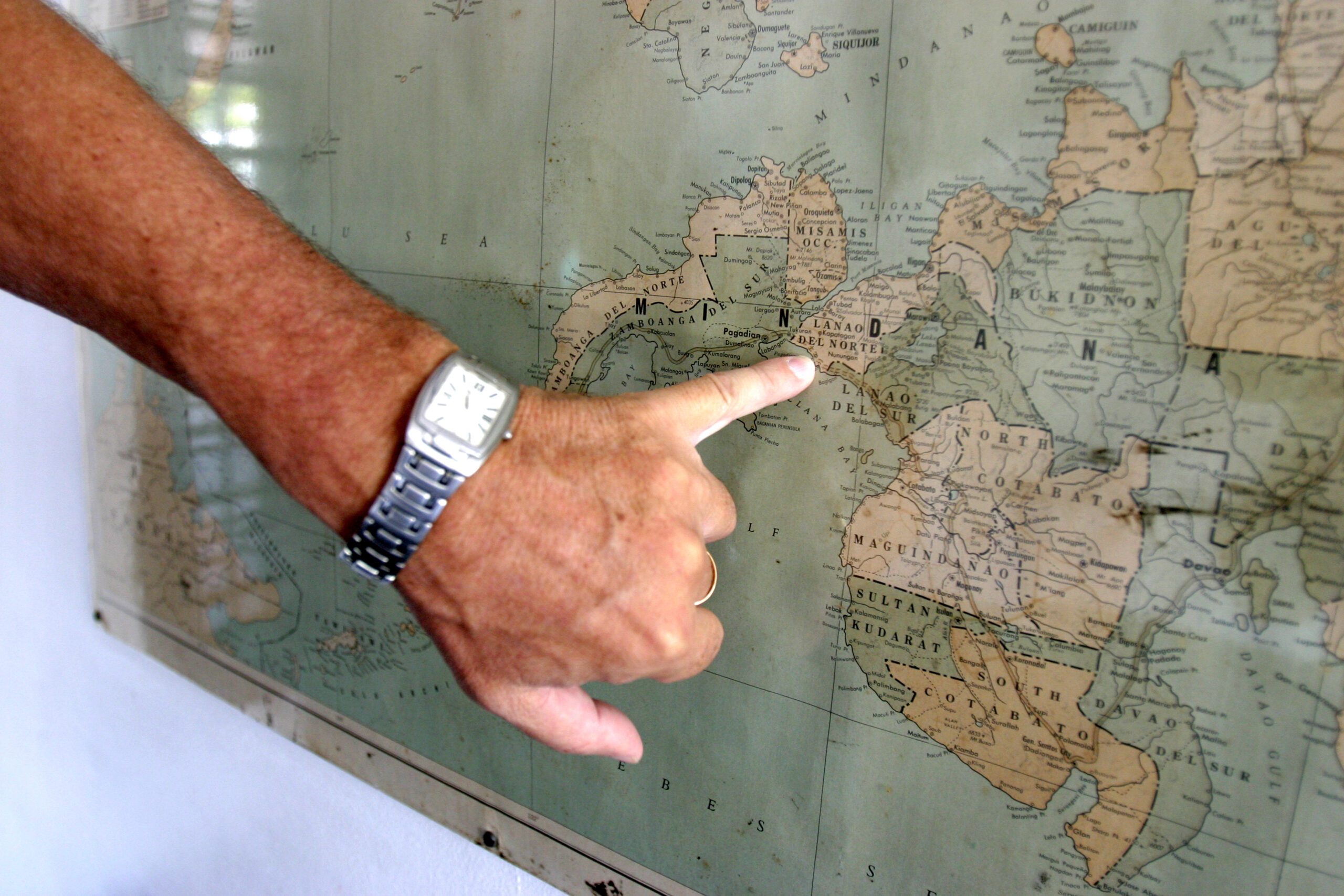
For sure, they brought me to Lanao in a motorboat. We arrived there at 11 p.m. We took almost 14 hours. We walked about one hundred meters on a cement road then, for more than one hour, up the mountain. We rested. The day after, they gave me some T-shirts, we walked for 7-8 hours at night towards the forest.
Did they move you around?
We always moved at night, never during the day, to avoid being seen. We moved generally when thge guy, coming from the place and who knew all the paths, was with us. We changed place only four or five times. They had cell phones, but there was no signal in the forest. The guy was the one making communication.
Where did you sleep?
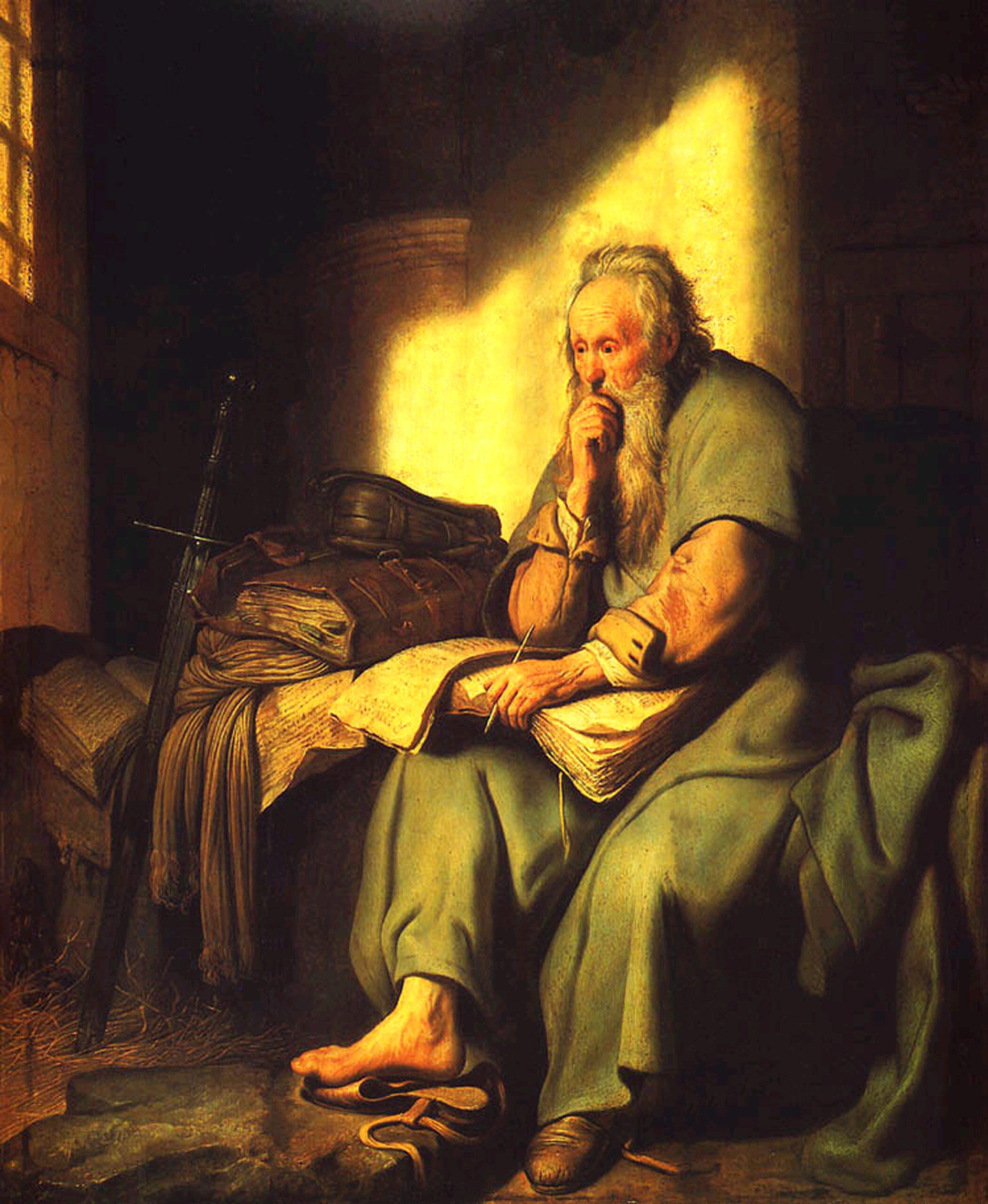
The shelter was very simple: it was like a camping. We had our hammocks and a plastic (a piece of 4-5 meters X 4-5 meters), which farmers use to dry rice, as our roof. I was lucky because there were mosquitoes only during daytime. At night, there were no mosquitoes at all and I could sleep well. The problem was during the day. It seemed like eternity! Can you imagine being seated there doing nothing, looking at the sun…
Did they feel, at any time, threatened by the closeness of the police or of AFP?
We moved certainly because soldiers were near. And twice, we heard the sound of machine guns, but it was far away.
Who was cooking and what?
They prepared the food. They had some rice supply. When we moved very fast the supply was scarce and, for almost two weeks, we ate rice with salt. Then, for a change, there was rice and dry fish. One day, we had chicken − we were very happy − and twice, we had fresh fish which we really enjoyed. These were exceptions. Usually, it was rice, salt and dry fish. I lost more or less 20 kg.
Did you have water for your washing and personal hygiene?
In one place, it was very hard to get water. But, in the other places, bathing was very easy. Usually, they put the camp near a water stream where we can bathe. The first thing they gave me was a toothbrush and a Colgate. We shared the soap for bathing.
Did they give you spare clothes?
It was difficult to find clothes for me because I am big. But they managed to get a pair of trousers. Thank God! They gave me also a malong − a piece of wrap-around cloth. Then, they decided to make a pajama out of it. One day, one of them disappeared and, that night, I got my pajama.
How did you manage without cigarettes and medicine for your high blood pressure?
I used to get half of a tablet (2.5 mg) for high blood pressure. I haven’t taken it since then. I have to go to a hospital for a general checkup and I will ask the doctor what should I do. After being released, I had my blood pressure taken in Zamboanga. It was 160 over 100; therefore, it wasn’t so bad. The doctor just gave me one tablet and a few hours later it already dropped to 120. I gave up smoking. The reason is very simple: during the weeks we got only rice and salt, I told myself: “Father, if you want to survive, you need strength which comes from food. Since it is scarce, you have to preserve your breath. So stop smoking!” But it was not easy to keep the word. When there were cigarettes around, I asked for them and I started smoking again. Then we were without cigarettes for two full days. When they brought them, they gave me. I put them in my pocket and, so far, I have resisted lighting them.
Did you have any privacy?
No. They were always there. They never let me alone because they were afraid I would escape. During the night, I had to call them for a flashlight to go out to urinate.
What were your feelings during those long days? Were you afraid of being killed?
My feeling was that one day I would be free like Fr. Luciano Benedetti and Fr. Giuseppe Pierantoni before me. I was prepared to endure captivity for two or three months. Fr. Giuseppe was kept hostage for six months and Fr. Luciano, two months. I was preparing myself not to become crazy. I was telling myself: “Relax and enjoy what you have.” Thank God, I was so calm, relaxed and tranquil inside me. That really was amazing! I never panicked or feared they were going to kill me. In truth, I never thought about the hypothesis of being killed. And I never got the feeling they would kill me.
Was it because you managed to have a good relationship with your captors?
Yes. I tried to talk to them. It was a way of spending time there in the forest. I knew that they could understand Cebuano. Since I know Cebuano, I talked to them in that language. I have developed a kind of friendship with them.
What did you talk to them about?
My first question was about religion. I asked them many times why they were praying. They were Muslims. When they were praying, I would pray, too. But there was a big difference. They prayed with an armalite on the right and I, the prisoner, on the left. I asked them: “What is the meaning of your prayer? If, as a Christian, I would be praying with a gun and with a prisoner, I would be ashamed.” They did not have such problems. They answered: “Allah is in our heart, but we have to do this.” Another said: “Allah is just in our hearts, not in our way of life.” He meant that there was a gap between life and faith. It happens also to Christians. One believes in God but does not live according to God’s word.
Why did they kidnap you? Was there a second agenda?
They told me, just for money. A foreigner is a good bait to get a ransom. I asked them: “Don’t you feel that kidnapping a priest may create bad feelings between Christians and Muslims and spoil the relations they are trying to build?” They answered: “We don’t care about that.” They only cared about money.
What are they doing for a living?
One told me he was a fisherman, another, that he was a farmer… They were poor. In my opinion, they were ordered to do this job by someone higher. They do not know who is the boss, as what happens in Mafia. They were referring to a boss. They called him the Supreme. I asked one who seemed to be the leader of the group why they wanted the money. He answered that they would use it to help the poor, for hospitalization… I told them that I was doing that, too; that, as a priest, I was helping a lot of people.
Did you realize, at any time, that there were ongoing negotiations for your liberation?
At the beginning, I was becoming upset because they did not ask me for any message to prove that I was alive. Only after almost three weeks, they came to ask me to translate a message. They wanted me to translate it into Italian. “I am alive. I want to go home and I am very, very sick.” I told them: “I am not going to translate this in Italian because if my mother gets this message, she will die of heart attack.” So we discussed and proposed a variant: “I am well. My condition is still good. And I want to go back to Payao.” They asked me to write “home” instead of “Payao.” This was the first message. A guy went to send it as an MSN. I thought it was for my superior but, I learned later, that he never received it. I do not know to whom it was sent. But, it might have been the beginning of the negotiations. The proofs that I was alive were probably the pictures. I sent also a message in a tape recorder. In the jungle, it was impossible to know with whom they were negotiating.
Do you think that some ransom was paid?
This is another mystery. During the press conference, government officials were saying that nothing was paid. I don’t know.
Did the group give you any reason to free you?
No, they did not give any reason at all. I did not believe until I was on the road. It happened so fast. For sure they were following orders to release me. They brought me on to the road. We waited hiding behind a rock. From there, they got in contact with a car. When the car came, since they were not so sure it was the right one, only one man came out with me. As soon as my captors recognized the driver, they put me in the car which brought me to Zamboanga.
Did you learn any thing from this painful experience? Is there any message you think God wanted to convey to you?
For me, there are many signs. When I was put in the boat I was a bit angry with God. I prayed: “Lord, what are you doing? I have just arrived in Payao and now you are taking me away. Why?” Then I asked: “Please, send a priest who loves Payao and the people.” I concluded saying: “You got me. I trust in You.” I was kidnapped on the Feast of the Body and Blood of Christ. I stayed in captivity 40 days and I was released on my mother’s birthday (87th birthday). All these signs make me reflect but I still have to find out what the Lord wants me to do. I don’t know yet. I might know when I come back from my holidays.
Do you have a security problem?
No. I went there to greet the people and the Apostolic Administrator because I do not want anybody to feel guilty about what happened. I told the people that my kidnapping should not spoil the good relations existing between Christians and Muslims. I was kidnapped by criminals. Criminals can be Christians, Muslims or of any other religion. I do not want this to be an obstacle in increasing mutual trust. My religious dialogue is my daily life. They know me. I respect them as long as they respect me.