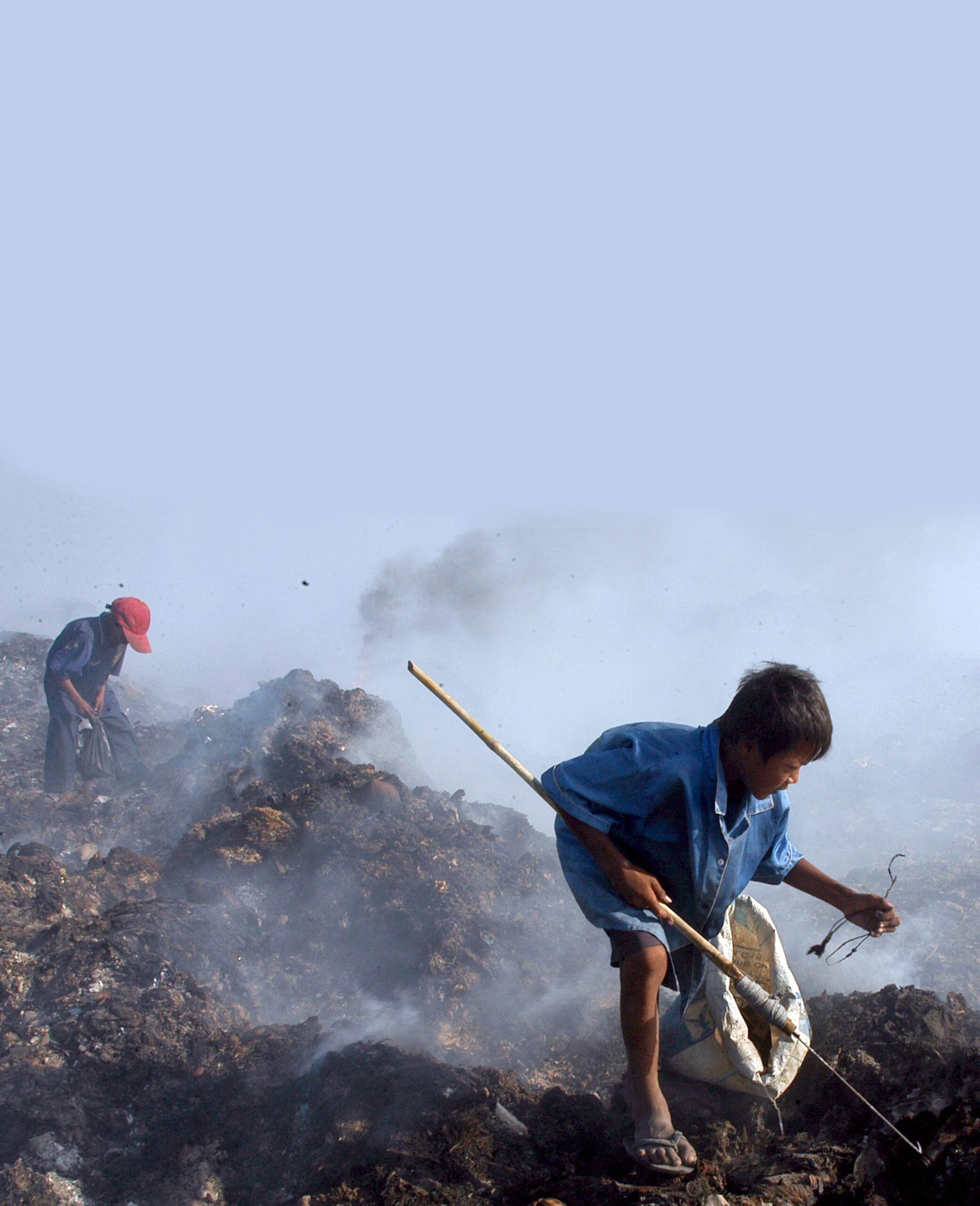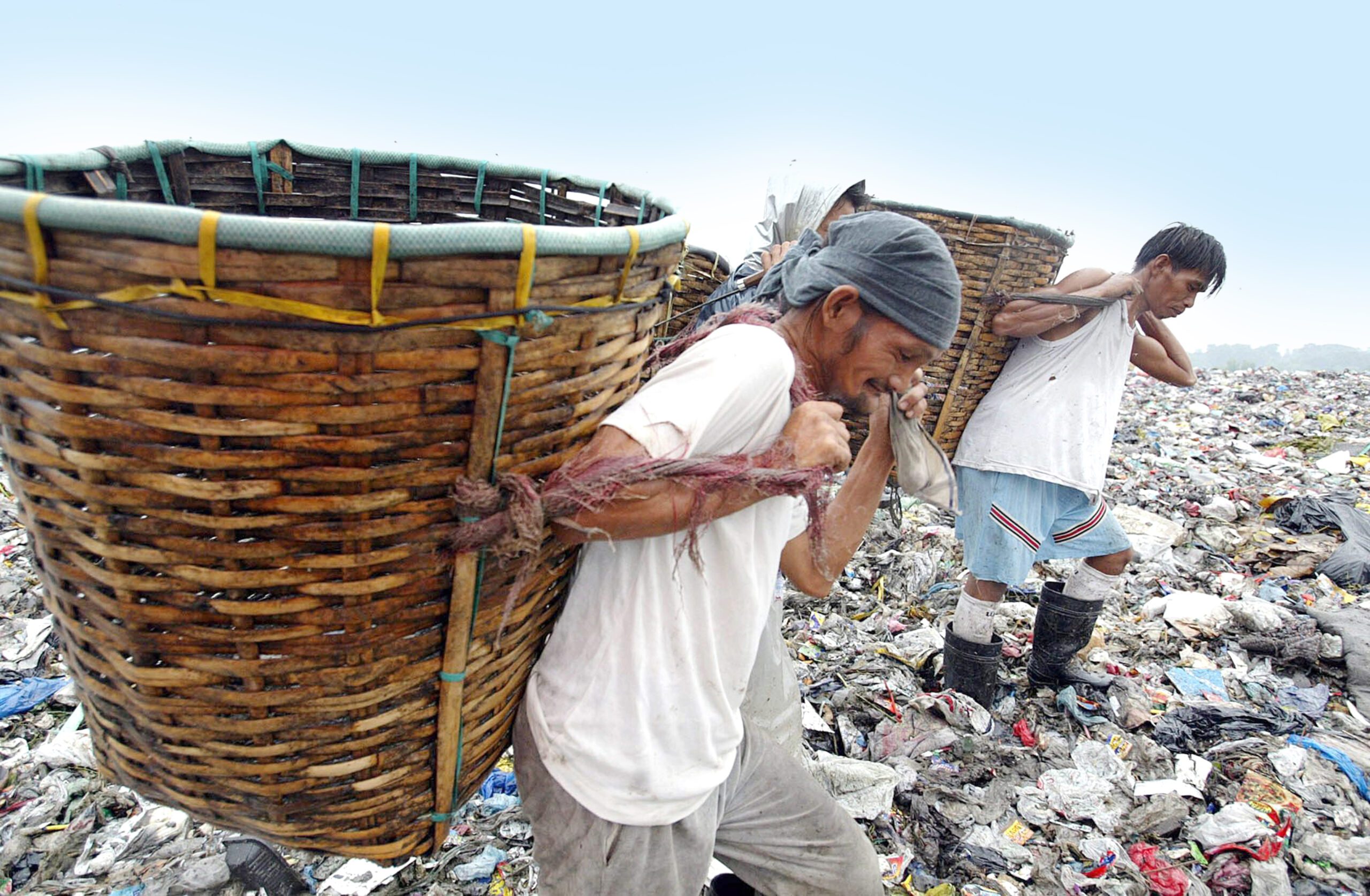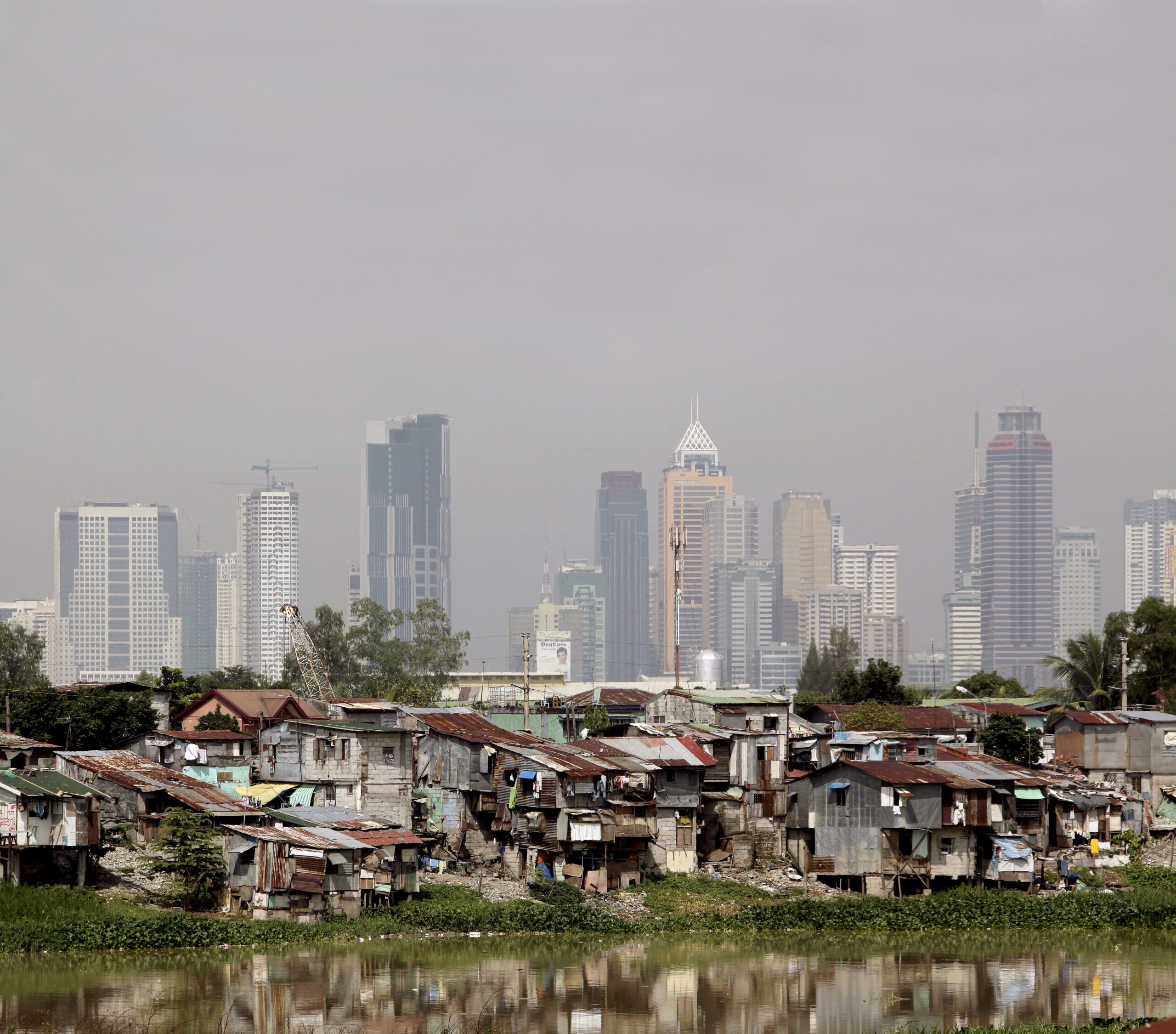

It is striking that in spite of the so many charitable initiatives and outreaches for the poor, poverty incidence in the Philippines is worsening and more people are going hungry even while the economy is growing, according to the latest Social Weather Stations’ survey. The fact shows, if there were still doubts in this regard, that charity without justice won’t be the solution to massive poverty and social inequality.
Perhaps, in no other country as in the Philippines is the dichotomy between justice and charity so evident – and scandalous, too, considering its often-proclaimed Christianity. The accent on charity that characterizes our ecclesial tradition, ignoring basic principles of the Church’s social doctrine, suits perfectly the country’s elites who control power and reign over the institutions, through which they perpetuate a culture of servitude and dependence.
Such huge poor-rich divide is certainly the result of opportunity and good fortune; but it is often made possible also by mind-boggling corruption and impunity. Great part of the country’s land and resources belong to a minority and the poor are without alternatives to break away from the vicious cycle of poverty. With the advent of a new administration, awareness about the need of honest politicians and the thirst for justice have increased. But to redress past wrongs and defeat the monster of inequality is such a mammoth task that no less than a “miraculous” social revolution would be needed, it seems.
The enormous social iniquities that condemn the poor to a miserable existence and to death bring Jesuit Fr. John Carroll to speak of a society living in sin – with deformed moral judgments. He adds that much of the comfort the better-off people enjoy is made possible by the exploitation of the workers. To be sure, there’s a kind of public complacency about the social order that is at the root of all inequalities and exclusions.
Ingrained with injustice are the defense patterns normally used by human rights’ abusers and plunderers of the public coffers, obviously besides the classical denial of wrong doing and the threat to sue the whistle-blowers. When confronted with a serious accusation – that has the likelihood of truth, raised by credible witnesses, even by clerics – the alleged perpetrators of malfeasance consider them “politically motivated” and driven by “partisan politics”; they declare to have a clean conscience,” assert the need for “due process” (meaning never-ending process!) and cry that they are being “prejudged” and “maligned.” They like to label it “a demolition job” or a “character assassination” that is “vindicated” eventually by any insignificant hint on the contrary.
One is innocent until proven guilty. But all this shrewd rhetoric in dismissing critics would be laughable if there would be consistent probes into the allegations and above-board processes to make the truth emerge. This, unfortunately, hardly happens, and more often than not, self-interest – not the common good – finds ways to prevail, mainly due to public indifference, compromising institutions and, especially, a slow and corrupt judicial system.
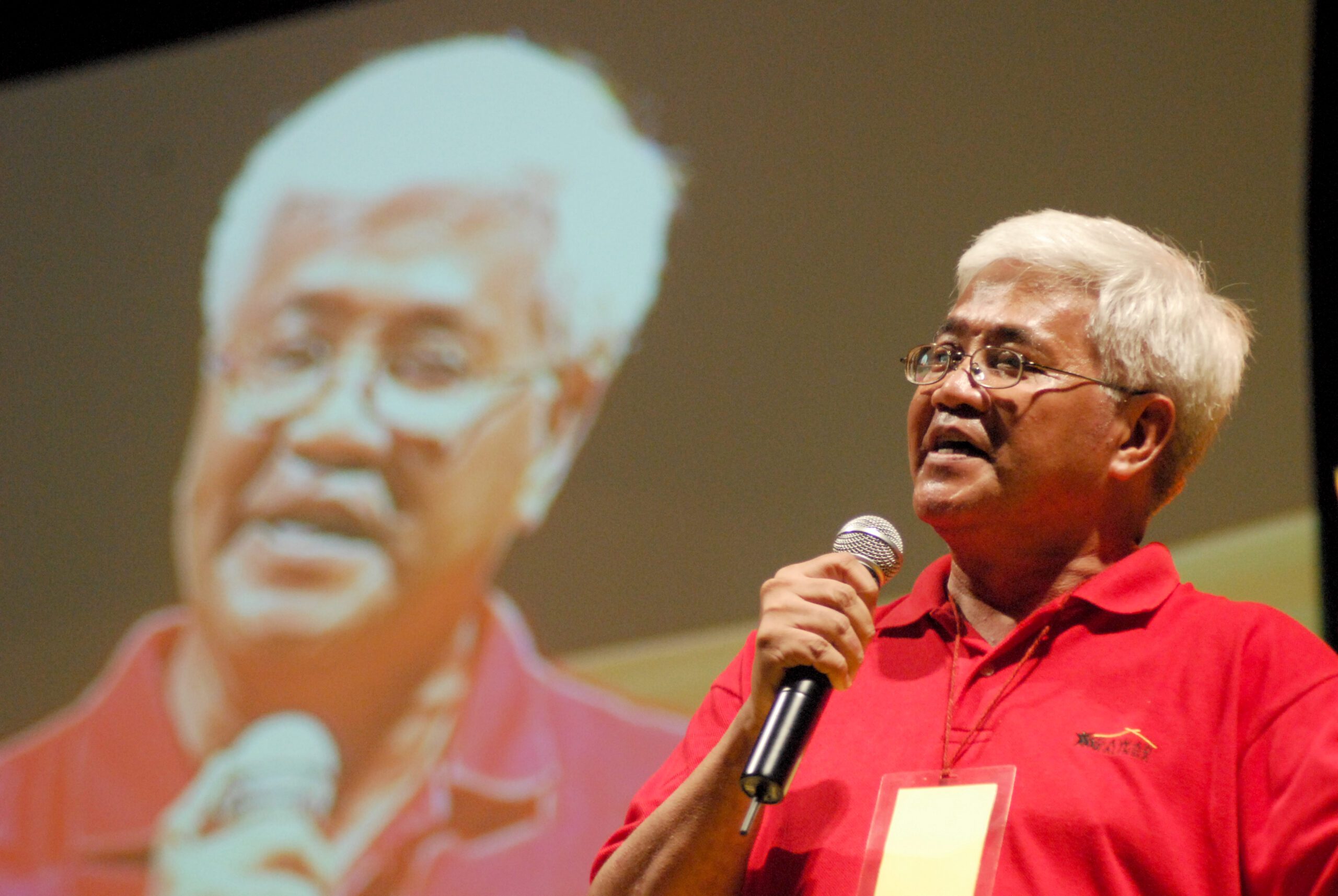
A long-term solution to poverty has to be articulated in clear and unequivocal policies aiming at redistributing wealth and creating social justice. The poor need justice – not doles. The magnificent work of Gawad Kalinga, following the inspiration of its founder, Tony Meloto, unites justice and love and invites people to change their attitude towards the poor as a condition to empower and make them subjects of their own destiny – enhancing their productive capacities and helping them help themselves. May it succeed in helping the country get rid of mass poverty!