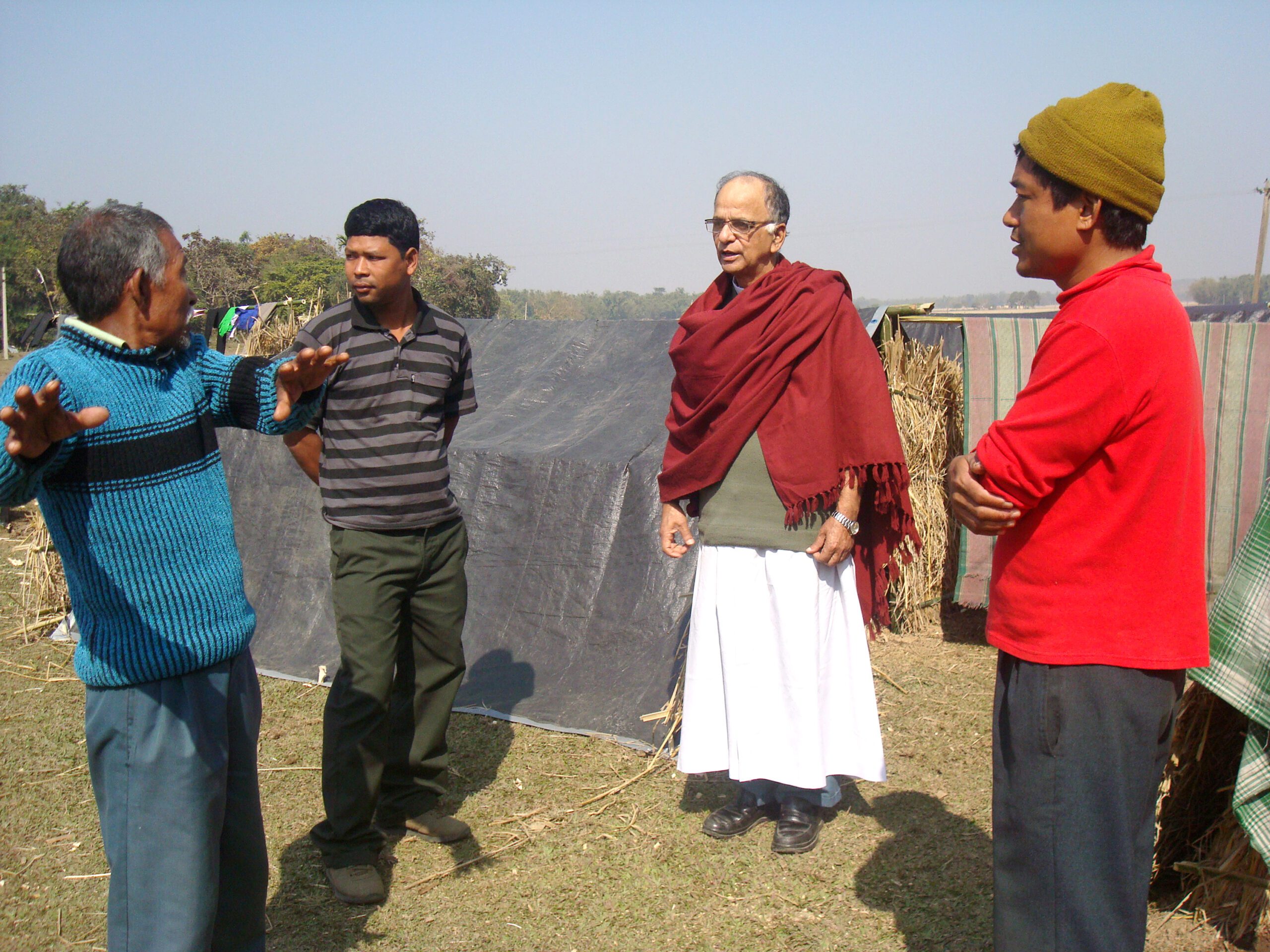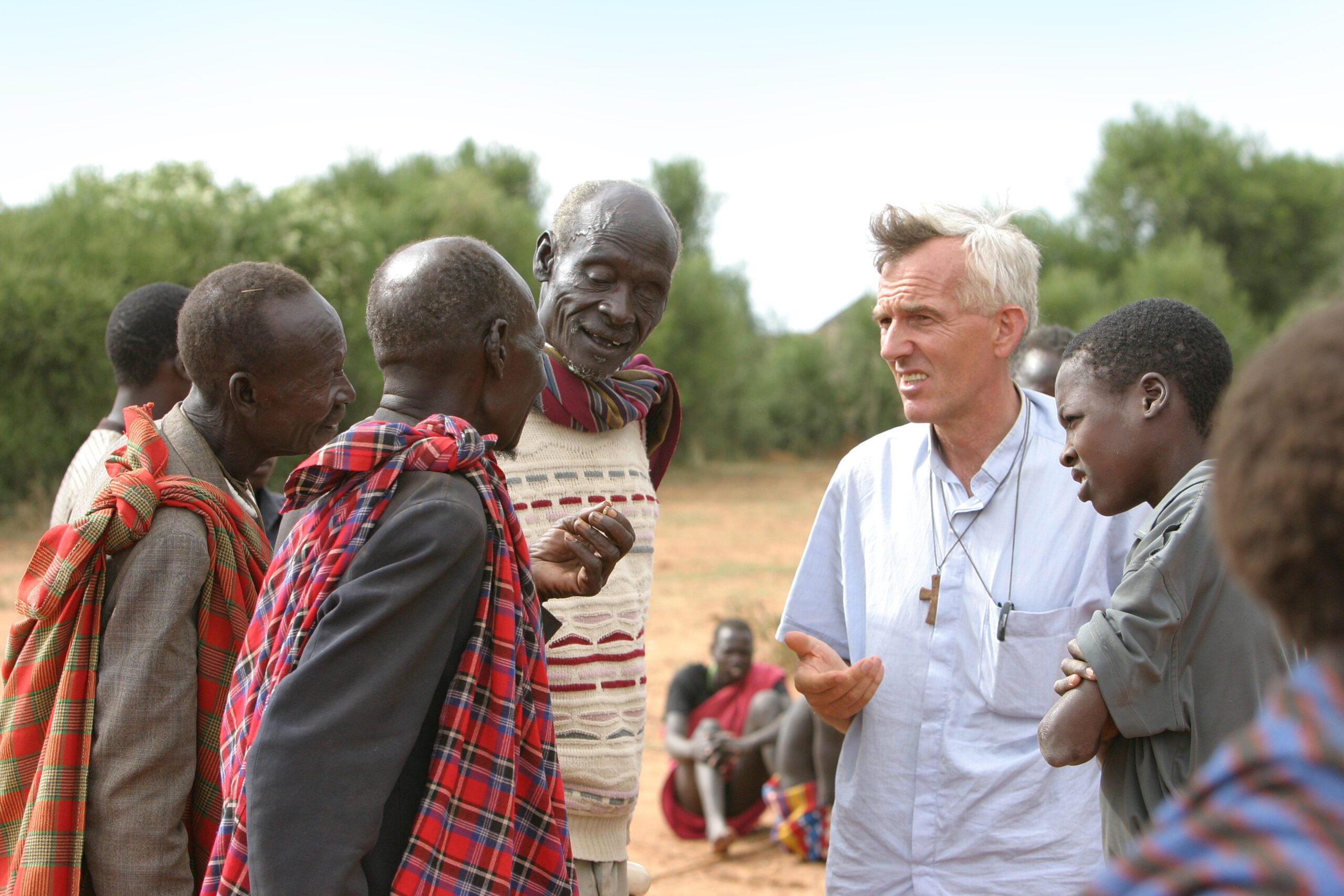
Many people have been asking me what formula has been leading our “Joint Peace Team of Northeast India” to success in our work for peace and reconciliation during the last 15 years. There is no other formula than what is found in the Gospels and in the wise teachings of every culture and tradition. The most important thing is to awaken the natural sense of concern that every person has for ‘the other’ person, whether ‘the other’ is the aggressor or the victim, of one’s own community or of another. It takes some effort to convince someone that even his/her very self-interest would demand that he/she fosters a minimum of concern for others, even for those with whom he/she has a difference. Today, we would first think of the economic advantages of mutual cooperation; but in every situation, one’s humanity finds completion and fulfillment only in relationship with others including one’s opponents.
The most important skill that a peacemaker needs to develop is the ability to discover and tap the resources and use the energies for peace that are already existing in the hearts of the very people who are in conflict. Societies do not fight easily, but leaders often drag their communities into conflict to satisfy their own ego requirements. Thus, the conflict comes to belong to everyone. Sentiments of hurt and anger take a more radical form in actual fighters. But we can always appeal to the larger society itself. Surprisingly, even the hardened combatant has a deep longing for peace, at least at the subconscious level. This constitutes a ready resource to be tapped.
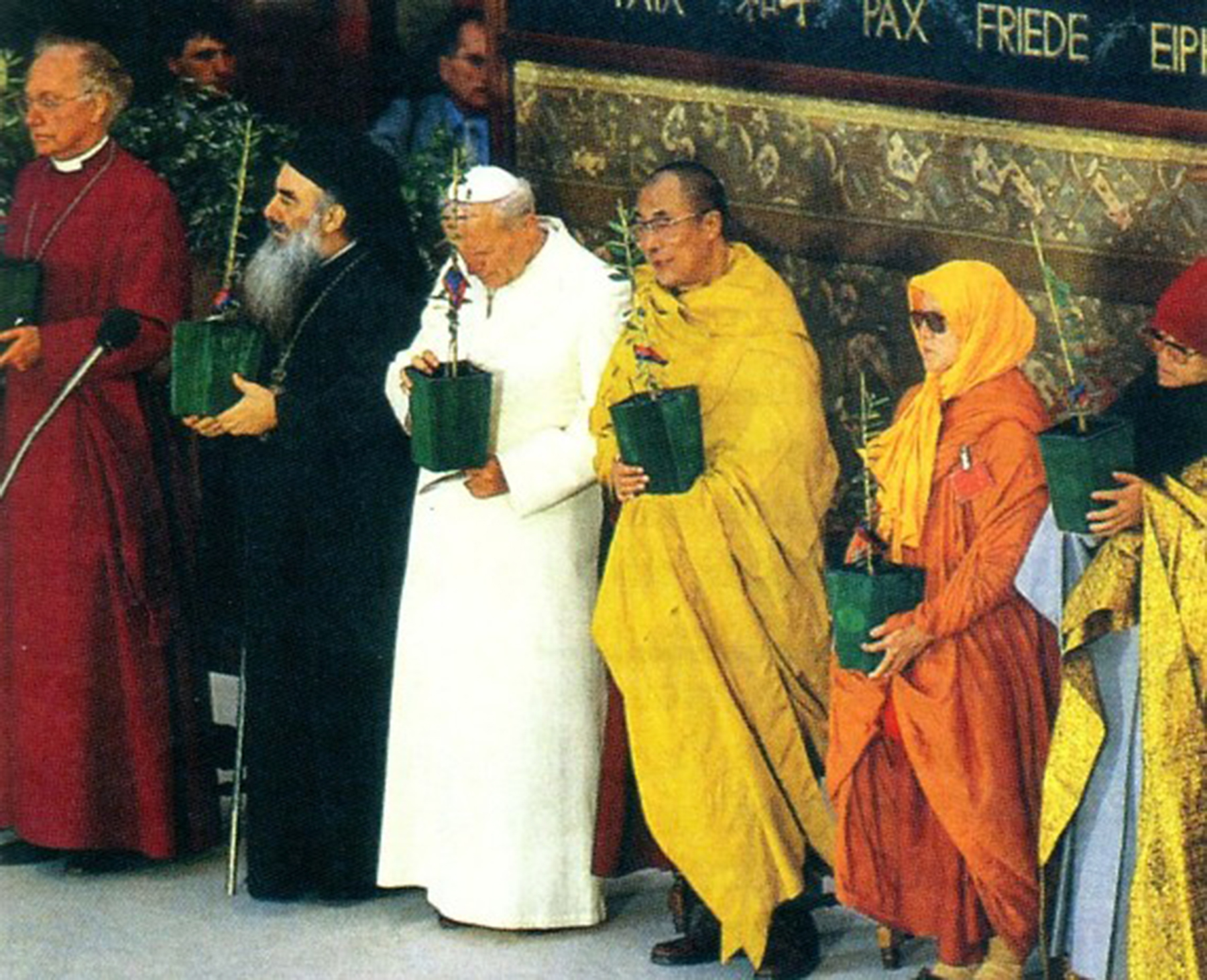
The peacemaker does not come into the field making condemnations. He begins with offering sympathy to all parties concerned. To the victims, certainly; but also to the alleged aggressors. The latter are not asking that the peacemaker approves of their violence, but understands their point of view and show concern for their grievance. This is a good start. But especially, the peacemaker seeks to bring together moderates who have developed reconciling styles and persuasive ways, who make sure that their statements are objective and their expectations are realistic and moderate; those who respect the other persons’ view and have concern for the other persons’ interests, those who are esteemed in society as a whole. Such people may not have political power, but they wield moral authority, like thinkers, writers, teachers, artists, social workers, religious leaders. The skill consists in bringing people of that caliber from both sides together. In this process, the peacemaker bypasses persons who are eager to show themselves to be smart, easily take offense, remain inflexible and controversial. If one can build up an ecumenical or interreligious team for peace, it can help a great deal.
The peacemaker has to be ready to fail, not once but many times. He may fail to get the right people together. Many may disappoint him. Some will oppose him. But he moves ahead in perfect tranquility. He may have to wait for hours for some insignificant person who, in this specific trouble, may be important. He may have to walk for miles in the slush or through forests in order to initiate a discussion. He is ever eager to meet as many persons as possible on both sides. He knows that decisions are made at the highest level, but opinions are created at the lowest.
The peacemaker appeals to youth groups, women’s associations, cultural societies, development agencies. He elicits the support of government agencies and voluntary bodies. He approaches neutral groups and seeks to build up a neutral opinion. He circulates literature on peace. He may be opposed, criticized, threatened; his failure may be held up for public ridicule. People generally celebrate success, they do not understand failure. None of these things upsets the peacemaker, because he knows that he is dealing with life-and-death issues. Saving even one life is worth all the trouble. He is not distracted by marginal issues; he invites people not to overconcentrate on the problems of the past or the concerns of the present but look to the possibilities of the future. When success comes ultimately, everyone rejoices. And the peacemaker mingles with the crowd and disappears.
ACCOMPLISHING THE IMPOSSIBLE
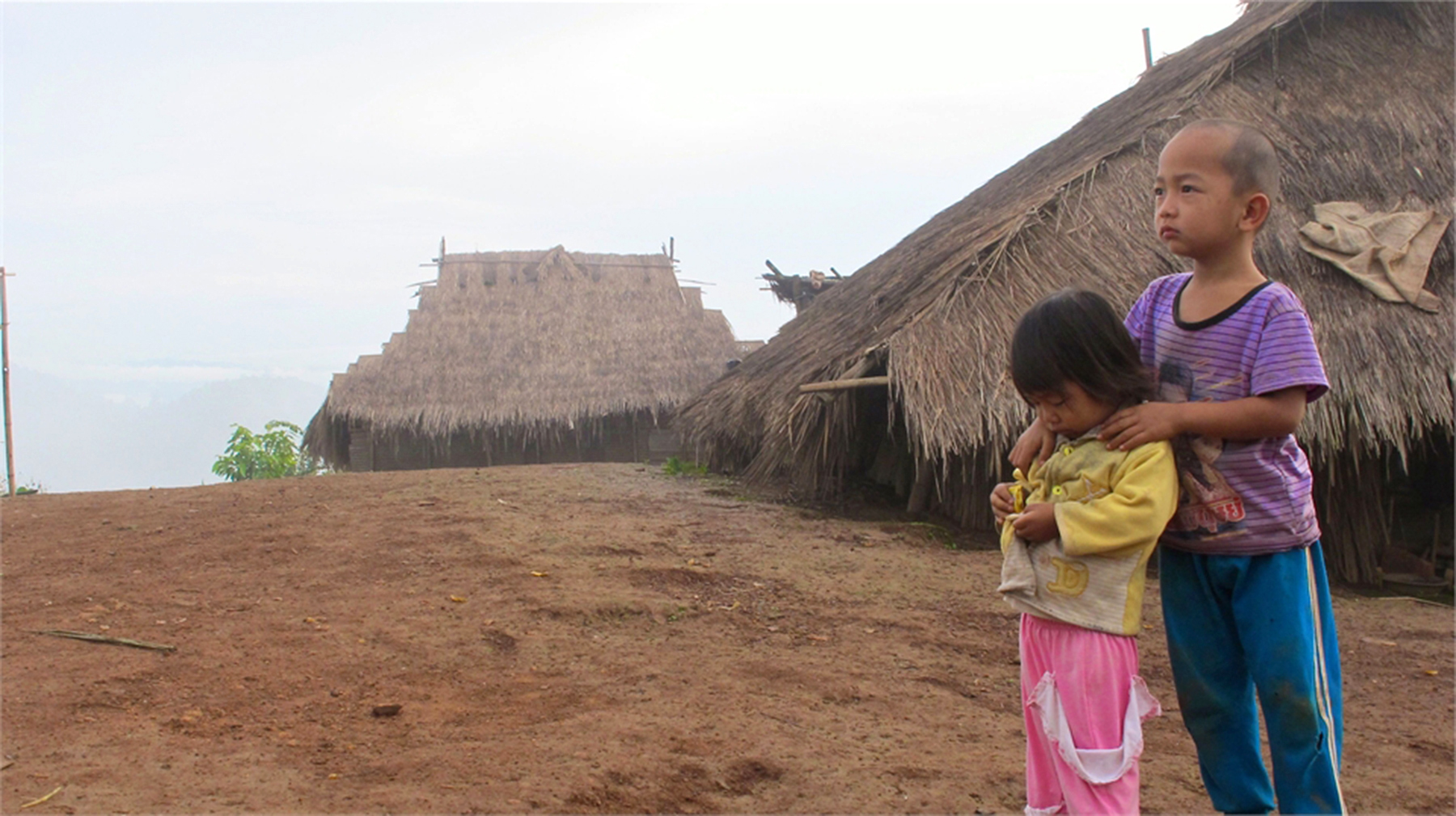
“Most of the children are sick and all of them will die,” said a Sister returning from Kokrajhar after she had visited the relief camps in which over 250,000 had taken shelter following a conflict between the Bodos and the Adivasis-Santals in 1996. These words hit me hard and roused me from my sense of helplessness before a massive problem. As the Psalmist says, “in my helplessness the Lord helped me.” Over 500 people had died and hundreds of houses had been burnt. People were rotting in 42 camps. We could not afford to wait. I began by bringing into the field persons with little competence for offering relief, but a lot of goodwill: seminarians, candidates, novices. I kept informing the public what we were trying to do. Learning of our work, people came: nurses, doctors, university students, volunteers of all sorts. We joined hands with the other Churches. We sought the help of non-governmental agencies. Over 400 of us worked in turn for half a year bringing relief to people in the camps.
The Chief Minister of Assam came to see our work, the Governor praised us. The affected people urged us to go beyond relief work and do something for peace. That is how the “Joint Peace Team” representing all the Churches of Northeast India, came into existence. Ever since, the Peace Team has accomplished the impossible. We brought together, not the political leaders or the actual fighters, or even the vociferous element; but the sober, moderate, far-sighted element in society… the persons who were respected on either side. When they made an appeal for peace, everyone listened.
The Kokrajhar story became a legend in the region. I was invited, in 1998, by the Baptist Church to help at Churachandpur during the conflict between the Kukis and the Paites. Peace came. In some of the negotiations, I was the only Catholic present. But we worked as a team. The Dimasa-Hmar conflict in 2003, the Karbi-Kuki clash in the same year and the Dimasa-Karbi tensions in 2004 carried away hundreds of lives. A similar number of houses were destroyed. Tensions were about ownership of land, power distribution in politics, opportunities for education or jobs. In each place we were able to help.
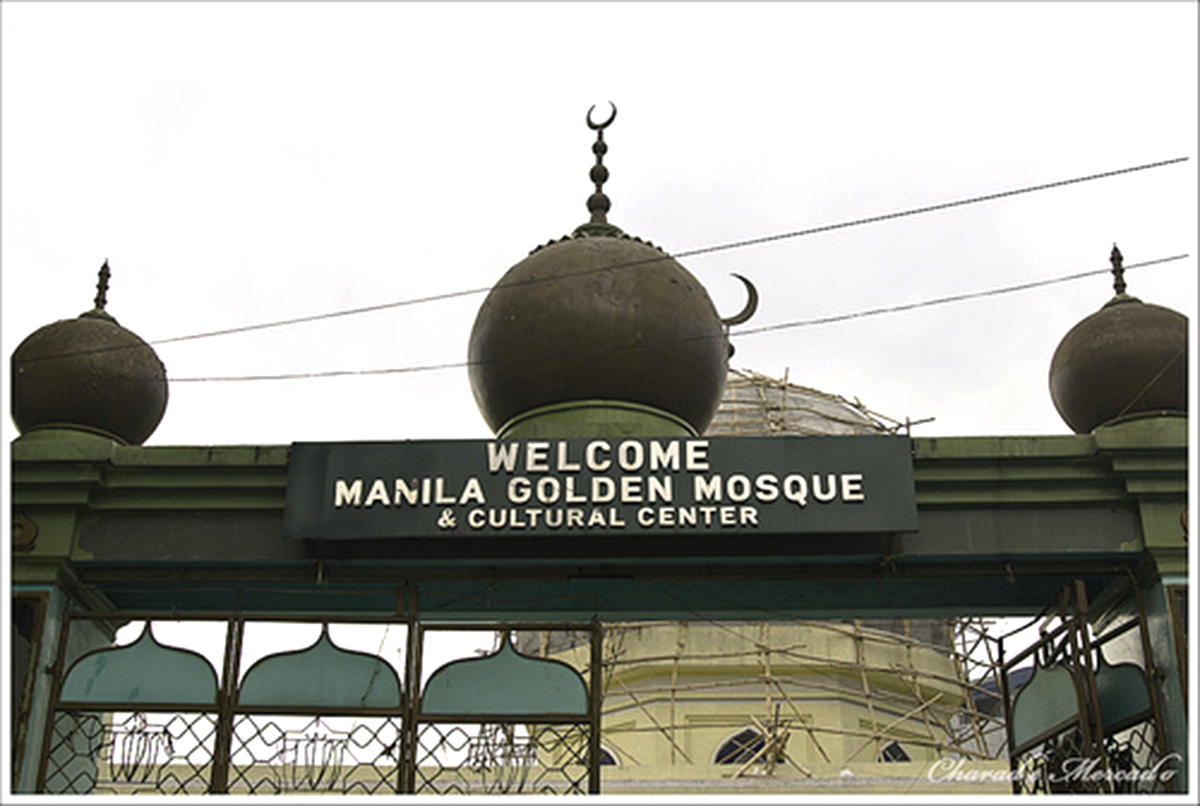
Then there was a period of quiet. We thought conflicts were over. But, all of a sudden, the Bodos and the Muslims clashed at Udalguri in 2010. We helped in the dialogue. We helped at Khandmal in Orissa to conduct a peace camp for 160 young people in 2010. The most recent conflict has been between the Rabhas and the Garos this year. I was away at Chennai attending the National Bishops’ Conference when we heard that 35,000 people had fled their homes. When I returned to Assam, I heard only complaints and reports of anger. But when I actually met people, one leader after another, group after group, I could notice everyone’s longing for peace. Today, all are back in their own villages. It was a miracle. Things returned to normalcy within three months.
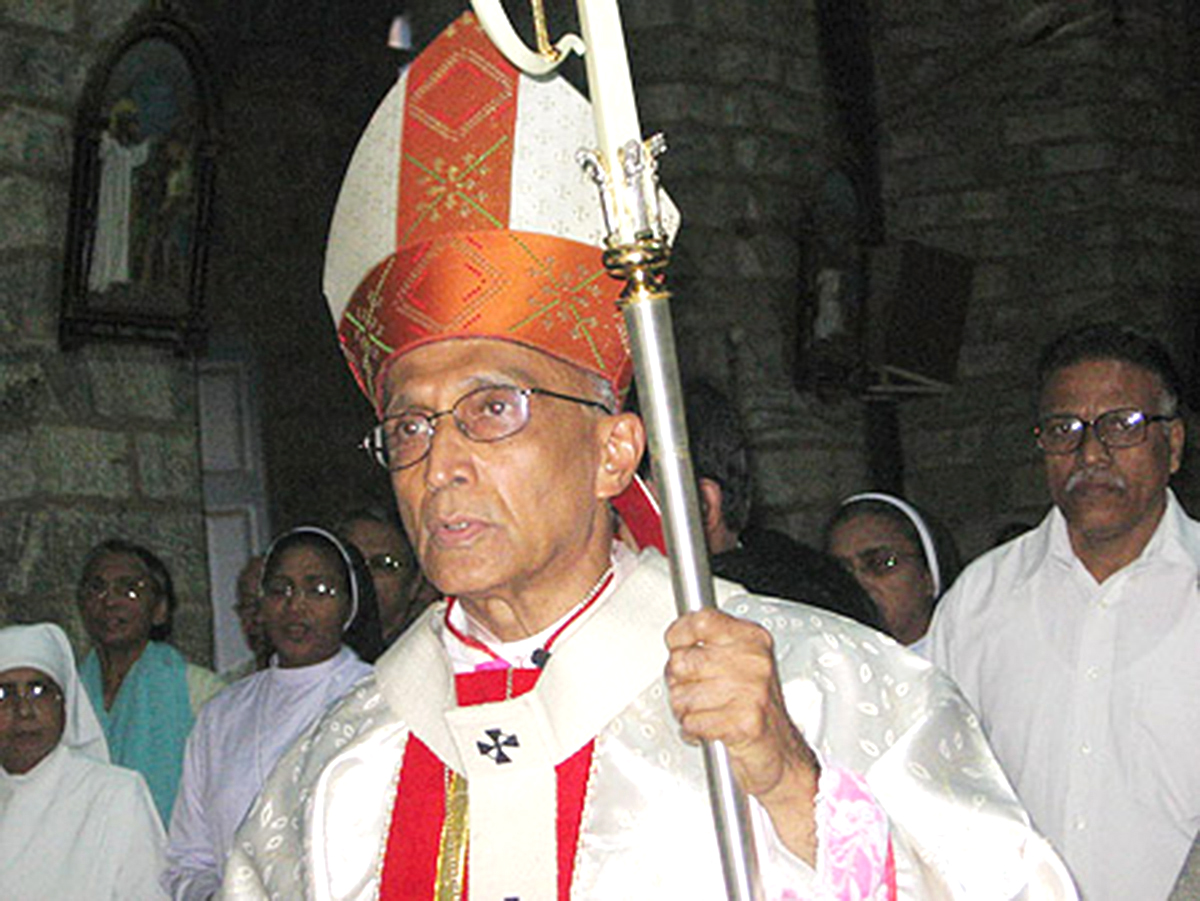
There have been heartbreaking moments: much fatigue, no results; enormous amount of effort, total failure. But we continue; we trust in the Lord. There have been encouraging moments, too, when, for instance, a Muslim group said: “We came only because Archbishop Thomas invited us to this peace meeting”; or when some of my Presbyterian or Baptist friends would quote from my writings on peace saying: “As ‘our’ Archbishop suggests.” Many youth groups have been inviting me to speak on principles of ethics because they have read my books on “Probity in Public Life.” However, it is difficult for me to take the credit. So many people have been helping me all along. Because I was helpless, the Lord helped me, the people helped me. May our Peace Team continue to work for peace.