
The Church and Nonviolence

INTRODUCTION

The Church is the global community of followers of Jesus, and since Jesus was perfectly nonviolent, taught, and commanded active nonviolence, the Church is therefore the community of active nonviolence.

WRITTEN BY

SHARE THE WORD

PUBLISHED ON

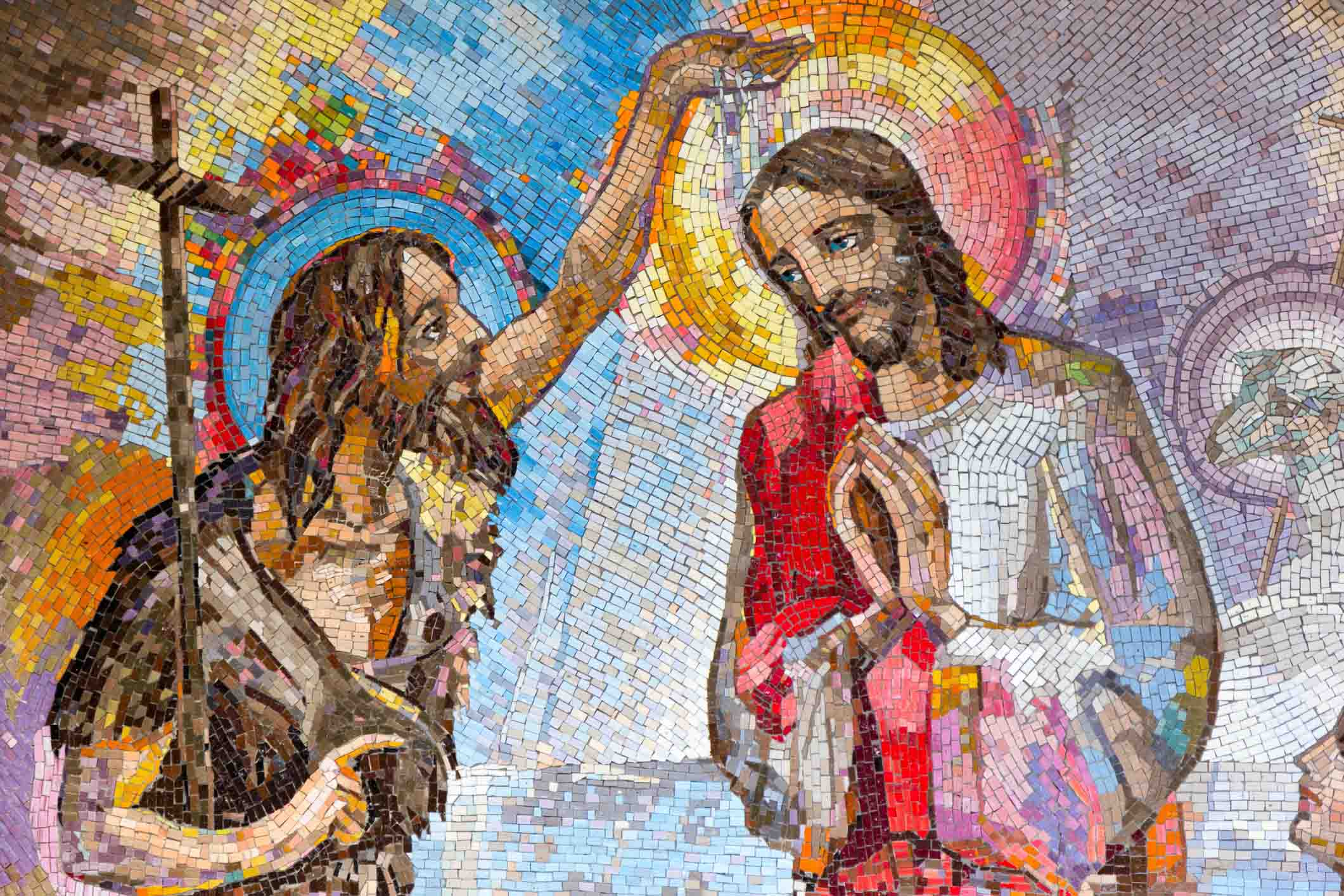
To me, nonviolence is the all-important virtue to be nourished and studied and cultivated,” Dorothy Day wrote in 1967. She regretted that she had not done more to promote nonviolence as a way of life. I think we can all do more to nourish, study, cultivate and promote nonviolence as a way of life. As a spiritual path, as the basis for people power, as a political methodology for change, and as a hermeneutic for Christian discipleship, active nonviolence is the best hope for humanity. For 1700 years the Church has rejected the nonviolence of Jesus and betrayed him, but today, we are in a Kairos moment and waking up to His nonviolence. This is the most hopeful, important work for the Church and the world. So I will say a few words about Jesus, nonviolence, the just war theory, and the Church.

Gandhi called Jesus the most active practitioner of nonviolence in the history of the world, and if that is true, then every follower of Jesus has to become nonviolent and work for a new nonviolent world as He did. In the Sermon on the Mount, He commands nonviolence: “You have heard it said an eye for an eye and a tooth for a tooth but I say offer no violent resistance to one who does evil.” 

In a world of permanent war and total violence, this is the starting point for Christians. Tolstoy spent the last 25 years of his life preaching that one verse. Gandhi read it every day for the last 45 years of his life. We have to start taking it seriously too. Then Jesus says, “You have heard it said, love your countrymen and hate your enemies, but I say love your enemies and pray for your persecutors then you will be sons and daughters of the God who lets the sun rise on the good and the bad and the rain to fall on the just and the unjust.”

Notice He does not say: “However, if they are really bad, and you follow these seven conditions, bomb the hell out of them.” Notice too that in this the most political sentence in the entire Bible, which not only outlaws war and killing but commands universal nonviolent love, Jesus describes the nature of God as totally nonviolent. These two teachings are the key to discipleship, the Church, peace and the future of humanity.


DISARM AND HEAL

Jesus organizes a campaign of nonviolence, like a nonviolent military campaign, like Gandhi’s Salt March, and sends 72 people ahead of him, saying, “I am sending you out like lambs into the midst of wolves.” He leads a grassroots nonviolent movement that seeks to disarm, heal and welcome God’s peace.  

He marches to Jerusalem, walks into the Temple, the center of systemic injustice, and turns over the tables of the moneychangers in nonviolent civil disobedience. He does not hurt anyone, kill anyone, or bomb anyone, but He is not passive. He takes direct nonviolent action and accepts the consequences. This is the normative behavior of Christians. Christians do not kill; they take nonviolent action to stop the killing and injustice.

That’s all well and good, you say, but sometimes you just got to kill people. No. We have been commanded to be nonviolent. Everyone is redeemable; nonviolence works; wars can be ended. We can overcome evil through organized goodness; we never overcome evil through greater evil. The means are the ends; those who live by the sword die by the sword. Nonviolence is our only practical political solution left.

In the upper room, He takes the bread and says “My body broken for you.” He takes the cup and says, “My blood shed for you.” If He were a good American He should have said, “Go break their bodies for me; go shed their blood for me.” No, “My body broken for you, my blood shed for you, do this.” This is the new covenant of nonviolence, the methodology of Jesus.

Then, He is in Gethsemani, here come the soldiers, and Peter realizes He’s about to be arrested, and Peter thinks, “We’ve got to protect our guy.” He thinks: “If there was ever a just war in human history, if violence was ever divinely sanctioned in all of history—this is the moment,” and he’s right. As he takes up the sword to kill, the commandment comes down, “Put down the sword.” Dear friends, these are the last words of Jesus to the Church before He was killed; it’s the last thing they heard Him say; and it’s the first time they understood how serious He was about nonviolence, so they all run away, and abandoned Him.

So Jesus is arrested and mocked and tortured by six hundred drunken soldiers, and never once retaliates or even gets angry. Anyone can kill or drop a bomb; the nonviolent Jesus was the bravest, most courageous person who ever lived. As He is executed, He practices perfect nonviolence until the end, saying, “The violence stops here in my body. You are forgiven, but from now on, you are not allowed to kill.” God affirms His nonviolent life and raises Him from the dead.


PEOPLE OF RESURRECTION

Resurrection means having nothing to do with death, having not a drop of violence in you. The military uses death as a social methodology and brings good people to death; the Church knows that in the light of the resurrection of the nonviolent Jesus, death does not get the last word; that we would prefer to undergo death than inflict it on anyone; and that our attitude is that of the poet Edna St. Vincent Millay who said, “I shall die but that is all I shall do for death.” We know that in the resurrection, our survival is already guaranteed, so we announce that the days of war and killing are coming to an end. If we want to be people of resurrection, we have to renounce death and practice active nonviolence.

Nonviolence is a tactic and strategy, but it’s also a spiritual path and a way of life, but it’s also the fundamental characteristic of discipleship to Jesus and it’s also a positive methodology of social change and it’s also power, the power of God given to us to disarm the world, more powerful than all the militaries and bombs combined. Through nonviolence we try to be nonviolent to ourselves; nonviolent to every person we meet; nonviolent to everyone on earth, every creature, and mother Earth itself; and join the global grassroots movement of nonviolence to disarm the planet, and bring justice and peace.

Active nonviolence holds that we are all one, all equal sisters and brothers, all children of the God of peace, already reconciled, already united. We renounce violence, seek the truth of our common unity; non-cooperate with and resist systemic violence and injustice; and persistently reconcile with everyone and practice unconditional, all-inclusive, non-retaliatory, universal love—with one condition: there is no cause however noble for which we support the killing of a single human being. We do not kill people; we do not kill people who kill people to show that killing people is wrong. We work to end the killings; to educate everyone in nonviolence; to institutionalize nonviolent conflict resolution and to work for a new culture of nonviolence.


WAR IS NEVER JUSTIFIED

So for the Christian, there is no such thing as a just war. War is never justified. War is never blessed. War is the mortal sin. War always leads to further wars. Jesus does not teach us how to kill or wage war, but how to love and wage peace, how to be nonviolent and resist evil, how to pray and suffer and die gracefully. For the Christian, the just war theory is blasphemy, heresy.

So Christians and Catholics should no longer serve in any military in the world, or participate in violence, injustice or war. You cannot be a Christian, a follower of the nonviolent Jesus, and serve in the military. Christians and Catholics are called to practice active nonviolence, end war and the causes of war, and build a new culture of peace and nonviolence.

We’re all addicted to violence; the church is like a global 12 step meeting, where we confess our violence, turn to our higher power, pledge to become sober people of nonviolence, make amends for our wars, and start a new sober life of nonviolence. It does interventions to help nations become sober people of nonviolence.

The military trains professional killers; the church is supposed to train professional people of Gospel nonviolence. The Church calls people to quit the military, as Archbishop Romero did, and urges them not to join the military, but to resist war and militarism, and make peace and practice nonviolence, and to work for the abolition of war, nuclear weapons, poverty, and the coming of God’s reign of nonviolence here on earth.

This is why we urgently need Pope Leo XIV to issue a new encyclical calling for the global return to the nonviolence of Jesus, for the end of the just war theory, for the institutionalization of nonviolence in the global Church and the world itself, so that we can get on with the most important mission God has given us: the abolition of war itself.   Published in Pax Christ International

Share Your Thoughts

All comments are moderated

From The Same Issue

The articles and content about this issue

From The Same Issue

The articles and content about this issue

From This Topic

The articles and content about this topic

From This Topic

The articles and content about this topic

Explore Other Topics

Browse other coverage

Explore Other Topics

Browse other coverage

WM SPECIAL

Presents, discusses and draws readers to reflect on issues of outmost relevance to the world today.


FRONTIERS

Very often, mission is carried out in frontier situations around the world. Those who embrace these situations have much to share.


UNITY IN DIVERSITY

Writer Ilsa Reyes will be exploring the richness of Pope Francis’s latest encyclical Fratelli Tutti with a view of helping our readers to get a grasp of the this beautiful papal document.


FRONTLINE

Puts to the front committed and inspiring people around the world who embrace humanitarian and religious causes with altruism and passion.


IN FOCUS

Focus on a given theme of interest touching upon social, economic and religious issues.


FAITH@50

As the Philippines prepares to celebrate 500 years of the arrival of Christianity. Fr. James Kroeger leads us in this series into a discovery journey of the landmark events in the history of faith in the Philippine archipelago.


INSIGHT

Aims to nurture and inspire our hearts and minds while pondering upon timely themes.


FILIPINO FOCUS

The large archipelago of the Philippines, in its richness of peoples and cultures, offers varied and challenging situations for mission.


FOLLOW ME

Reflections and vocation stories that shape up the lives of young people.


MISSION IS FUN

As humor and goodness of heart are qualities of Christian and missionary life, the new column “Mission is fun” will be publishing some anecdotes and stories that have happened in a missionary context to lighten up the spirits and trigger a smile in our faces.


LIVING COMMUNION

To help readers of World Mission live this year dedicated to Ecumenism, Interreligious Dialogue and Indigenous Peoples, Tita Puangco, writer and lecturer, shares in this section insights on the spirituality of communion.


WINDS OF THE SPIRIT

A historic view of the Catholic movements that emerged from the grassroots as an inspiration by the Holy Spirit.


BRIDGE BUILDERS

On the Year of Ecumenism, Interreligious Dialogue and Indigenous Peoples, radio host and communicator Ilsa Reyes, in her monthly column, encourages Christians and people of good will to be one with their fellow people of other sects, religions and tribes.


INTERVIEW

Questions to a personality of the Church or secular world on matters of interest that touch upon the lives of people.


WORLD TOUCH

News from the Church, the missionary world and environment that inform and form the consciences.


CARE OF THE EARTH

A feature on environmental issues that are affecting the whole world with the view of raising awareness and prompting action.


EDITORIAL

The editor gives his personal take on a given topic related to the life of the Church, the society or the world.


YOUNG HEART

A monthly column on themes touching the lives of young people in the Year of the Youth in the Philippines by radio host and communicator I lsa Reyes.


SCROLL

A missionary living in the Chinese world shares his life-experiences made up of challenges and joyous encounters with common people.


EXTRAORDINARY PEOPLE

Life stories of people who deserve to be known for who they were, what they did and what they stood for in their journey on earth.


ONE BY ONE

Stories of people whom a missionary met in his life and who were touched by Jesus in mysterious ways.


INCREASE OUR FAITH

Critical reflection from a Christian perspective on current issues.


SPECIAL MOMENTS

Comboni missionary Fr. Lorenzo Carraro makes a journey through history pinpointing landmark events that changed the course of humanity.


PROFILE

A biographical sketch of a public person, known for his/her influence in the society and in the Church, showing an exemplary commitment to the service of others.


WM REPORTS

Gives fresh, truthful, and comprehensive information on issues that are of concern to all.


LIFE'S ESSENTIALS

A column aimed at helping the readers live their Christian mission by focusing on what is essential in life and what it entails.


ASIAN FOCUS

Peoples, events, religion, culture and the society of Asia in focus.


THE SEARCHER'S PATH

The human heart always searches for greatness in God’s eyes, treading the path to the fullness of life - no matter what it takes.


INDIAN FOCUS

The subcontinent of India with its richness and variety of cultures and religions is given center stage.


AFRICAN FOCUS

The African continent in focus where Christianity is growing the fastest in the world.


JOURNEY MOMENTS

Well-known writer and public speaker, Fr. Jerry Orbos, accompanies our journey of life and faith with moments of wit and inspiration based on the biblical and human wisdom.


IGNATIUS STEPS

On the year dedicated to St. Ignatius of Loyala, Fr. Lorenzo Carraro walks us through the main themes of the Ignatian spirituality.


THE SEVEN LAST WORDS OF JESUS

Fr. John Taneburgo helps us to meditate every month on each of the Seven Last Words that Jesus uttered from the cross.


INSIDE THE HOLY BOOK

In this section, Fr. Lorenzo delves into the secrets and depths of the Sacred Scriptures opening for us the treasures of the Sacred Book so that the reader may delight in the knowledge of the Word of God.


CONVERSATIONS

Reflections about the synodal journey on a conversational and informal style to trigger reflection and sharing about the synodal path the Church has embarked upon.


VATICAN II

This 'mini-course' series provides a comprehensive exploration of Vatican II, tracing its origins, key moments, and transformative impact on the Catholic Church.


COMBONIS IN ASIA

This series offers an in-depth look at the Comboni Missionaries in Asia, highlighting their communities, apostolates, and the unique priorities guiding their mission. The articles provide insights into the challenges, triumphs, and the enduring values that define the Comboni presence in Asia.


BEYOND THE SYNOD

Following the Synod on Synodality, this series examines how dioceses, parishes, and lay organizations in the Philippines are interpreting and applying the principles of the synod, the challenges encountered, and the diverse voices shaping the synodal journey toward a renewed Church.


A TASTE OF TRADITION

This series introduces the Fathers of the Church, featuring the most prominent figures from the early centuries of Christianity. Each article explores the lives, teachings, and enduring influence of these foundational thinkers, highlighting their contributions the spiritual heritage of the Church.


A YEAR OF PRAYER

In preparation for the 2025 Jubilee Year under the theme “Pilgrims of Hope,” 2024 has been designated a Year of Prayer. World Mission (courtesy of Aleteia) publishes every month a prayer by a saint to help our readers grow in the spirit of prayer in preparation for the Jubilee Year.


OUR WORLD

In Our World, the author explores the main trends shaping contemporary humanity from a critical and ethical perspective. Each article examines pressing issues such as technological advancement, environmental crises, social justice, and shifting cultural values, inviting readers to reflect on the moral implications and challenges of our rapidly changing world.


CATHOLIC SOCIAL DOCTRINE

This series unpacks the principles of Catholic Social Doctrine, offering a deep dive into the Church's teachings on social justice, human dignity, and the common good.


HOPEFUL LIVING

Hopeful Living’ is the new section for 2026, authored by Fr. James Kroeger, who dedicated most of his missionary life to the Philippines. In this monthly contribution, he will explore various aspects of the virtue of hope. His aim is to help readers align their Christian lives more closely with a hopeful outlook.


PHILIPPINE CROSSROADS

Filipino Catholic scholar Jose Bautista writes each month about how the Philippines is at a crossroads, considering the recent flood control issues and other corruption scandals that have engulfed the nation. He incorporates the Church’s response and its moral perspective regarding these social challenges.


BIBLE QUIZ

Test your knowledge and deepen your understanding with our Bible Quiz! Each quiz offers fun and challenging questions that explore key stories, themes, and figures from both the Old and New Testaments.


Shopping Cart