

One of the most enjoyable aspects of travelling and visiting different communities or settlements around the world is in seeing how each culture has addressed the same basic needs. How food, clothing, and shelter are supplied provides a fabulous pallet of discovery for the visitor. In considering any regionally unique solution, the opportunity to understand different peoples also presents itself. At least in some small part, the motives and conditions that influenced those people to arrive at their unique answers are tied to their locale. Why certain people choose yurts, castles, or mud huts to live in, why they choose to wear tailored suits, thwabs or saris, or why they drink blood and milk or eat sauerkraut and pickled herring, or burgers and fries for food, are some examples.
A scientific approach has allowed experts to better understand specific adaptations and the motivations and influences behind them. Further research has been able to tie these in how plants, animals (including humans), and all living things have developed specificity. What has been gained in awareness and understanding has been valuable and significant. However, it would be incredibly naïve and lacking in humility to believe that all of the elements that impact any environment are known, let alone understood. And so, there are many nuances and larger parts of cultural specificity that change for not-yet-understood reasons.
Just as looking at a varied horizon pleases the eye with detail of ridges and valleys, a seemingly endless prairie reveals thousands of shades of color with every breeze. Insects and frogs engaged in the endless songs of life can entrance as surely as songbirds engaged in the mundane activity of their lives. Natural diversity provides a feast for the senses. This is not simply an accident. We have evolved to gather all of this information upon which we make the choices that determine our actions.
SURVIVAL OF THE FITTEST
Each reality of place (cultural identity) is an expression within a fabulously complex system. If we are to accept the lessons of nature, we must accept that diversity is the fundamental basis upon which all living systems are sustainable. Consider the following: living things can thrive under ideal conditions. Likewise, in less suitable conditions, those same organisms may struggle, languish, or die. There is a correlation between thriving or perishing and situation. These results are one nuance of evolution. Those that thrive as a reproductive group, transfer their ability so that their progeny can thrive under those same specific circumstances and conditions. Those that do not thrive are out-competed and often disappear from that environment.
We have observed that there is great practical value in variety, within and outside of living communities. We know from great plagues and epidemics that not all organisms are equally susceptible. Those that have no resistance to a given disease or malady do die. Those that are less affected and strong enough to heal, survive. And those that are not susceptible to that specific scourge are affected in that friends and neighbors die. Although we may indeed experience no personal physical impact, our world is altered. That alteration has an impact on future generations. In addition, it is essential to recognize that the species as a whole, in spite of individual susceptibility, can survive due to the inherent strength in diversity. This is an observed reality of our world. The strengths represented by the diversity in systems of living organisms are part of the reason that we are here today.
Collectively, as well as regionally, there are specific impacts and challenges. The specific impacts to one region may not exist in another. For example, when the Europeans emigrated to the New World, they brought diseases that they had long managed to live with. The native peoples in the Americas had not developed resistance to diseases such as typhoid, cholera, smallpox, and measles. The first smallpox epidemic in MesoAmerica is thought to have killed nearly 50% of the local population. The origin of smallpox was believed to be the area around the Caspian Sea. Passing through that region on their return from the “Holy Land,” the 13th century crusaders contracted and introduced smallpox into Europe in the Middle Ages. Smallpox killed about 30% of the population there. These are known examples of populations being exposed to plagues that were devastating. The plagues did not reduce the overall population to below a survivable threshold, even though whole communities were wiped out in affected areas at that time. These plagues had a profound impact on the populations and altered them significantly.
The concerns expressed for regional diseases and pests moving throughout the world are nothing new. Legionnaires disease, Salmonella typhimurium infectians, Hepatitis C, Chikungunya, viral meningitis, and a host of other diseases are on the world’s radar in terms of their epidemic potential. Not the least of which is the recent discovery of the H7N9 strain of Avian Influenza responsible for 120 deaths in China, as well as the MERS-CoV in the Middle East. Ebola is only one opportunistic pathogen with epidemic potential wreaking havoc today in the deaths of the 6,187 people known to have been claimed by this disease to date. This one event has altered funerary practices in an ancient culture as it threatens the region along with the ranks of those who work to check its advance.
LESSONS FROM THE PAST
Nature is constantly shuffling the deck of survivability. The process of natural selection drives these changes in all the living communities of the world, from single-celled organisms to humpback whales, and certainly including humans. Fortunately, there is ample evidence, if not a perfect record, of many of these events and outcomes prior to the industrial revolution. Why fortunate? Because this means that there is a chance to learn from the experiences and mistakes of the past. The past cannot be changed. However, it can help make informed decisions about the future. Documented history is invaluable to our future survival, but only if we deal in fact and truth, and learn to do differently.
What measures should inform this future? One must consider population dynamics as formula to better understand the role of diversity. Population dynamics is concerned with changes in the density or numbers of organisms and the processes that cause these changes. One example is that of a successful population in an area that is abundant in food. The population tends to stay in that location and grows rapidly due to the food supply.
As they increase in number and remain in that area, the population becomes denser. Refuse and waste can build up over time, resulting in a challenging environment that may provide less food per organism and have an increased predator, toxin, or pathogen concentration. Predatory organisms also flourish because the opportunity represented by the escalating subject population is an asset to the predators. When a critical mass is reached regarding availability of any necessary resource, the subject population begins to suffer from scarcity. The event results in weakening the constitution of vulnerable members in the population who then are more easily victim to predators, disease and the like. One outcome is an escalation of the predator population that preys upon the weakened subject population and drives that population down to a subsistence level or into extinction. If the subject population level is not driven to extinction, it may exist at a background level until the predator population diminishes and the food supply increases. Then, the entire process begins again. While we often tend to think that such things are “man-made”, in fact, they too yield to the laws of nature.
THE IMPACT OF INDUSTRIALIZATION
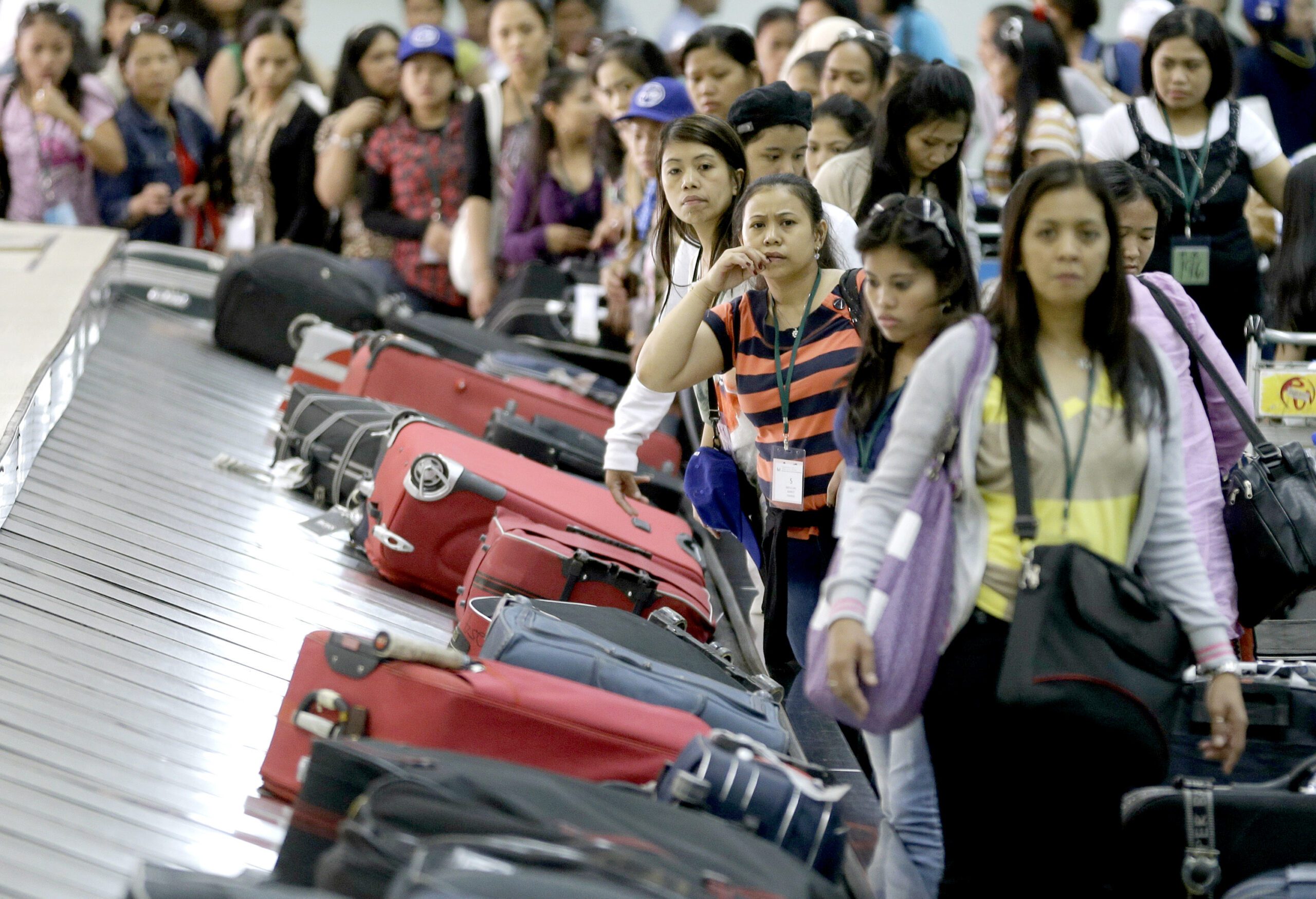
It often seems that the world keeps getting smaller. Advancements in technology especially in transportation, communication, globalization of markets, along with population growth and ease of human movement all have lent to this perception of the “shrinking” of our modern world. Even the most remote areas on earth are not immune from the reach of communication technology. In addition, more and more people are devoting more and more time to their electronic gateways to the rest of our world. It is important to acknowledge that there are still very many people who walk, work, and live in technologically simple ways. Even so, the number of those folks, who are not in some way touched by technology, seems to shrink by the hour.
‘Selfies’ from space, Antarctica, Mt. Everest, the plastic garbage island in the Pacific Ocean gyre, and millions more remote environments where men go are not uncommon. Every bit of information and every image available at the click of a mouse or tap of an application, regardless of the truth of what is viewed, has changed the viewer’s life in some way. As the Bible aptly puts it, the ‘eyes are the windows of the soul.’ In other words, ‘what you see is what you want.” Being very visually-oriented animals, we also have a sense of “knowing about something” simply by seeing it. Rather, to genuinely know the reality of anything, a person must engage with it in context and in person. To presume that by simply seeing we can know is to ignore the rest of our senses.
This focus on ‘seeing is knowing’ is a profound cornerstone of marketing and sales. The role of marketing is to present an image and concept as seductive as possible with one goal: to make a sale. Marketing is a truly human expression. Barter and trade were honed to fine art over centuries. Modern mass marketing has become the companion of the industrial revolution. As technological capacity and innovation have advanced, the resulting concentration of wealth along with the opportunity for people to move further and further away from direct contact with the source of their sustenance, has also permitted a huge population explosion. Disengaging from the need to devote a predominant part of the time in our lives to ‘hunting and gathering’ or ‘farming’ has resulted in “leisure time.” Technological advancement has contributed to extending the average life, preserving the lives of those who, without technology, would not be able to live. Transportation, communication, medical practices, food production, entertainment, and education all have changed dramatically in just the last 100 years, a century that is a mere dot on the timeline of human history.
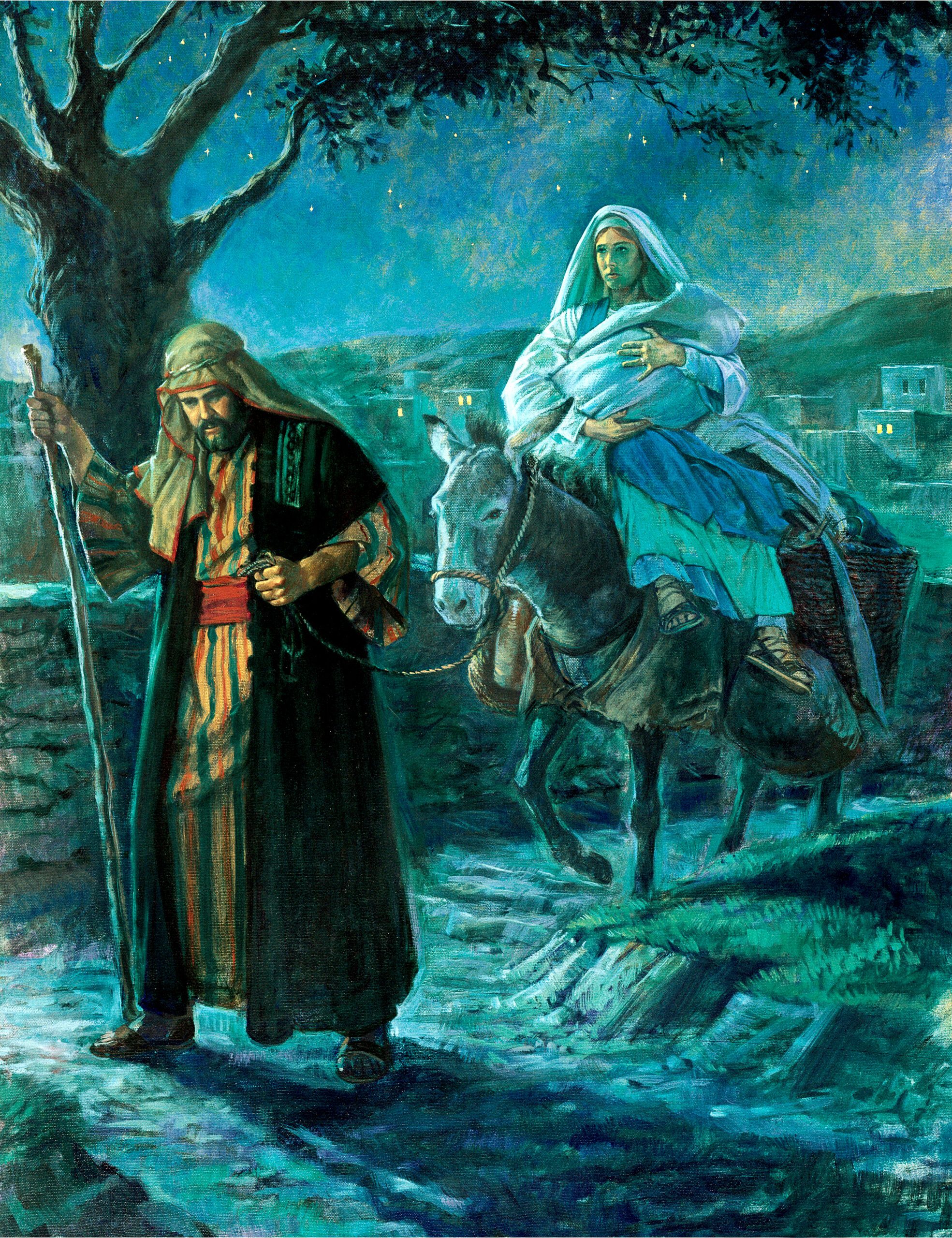
Consider pre-industrial-revolution communities. The history of trade is no less significant in that world than our modern history. Barter and exchange have been taking place as far as we can tell. An exotic flavor, an improved implement or tool, a rare fabric, a new concept; the list is endless. Trade has also been the driving force in directing much travel and exploration across our world. As routes of travel became known, the opportunities represented by trade were reason enough for people to take a great risk for the sake of profit, not exclusively in terms of physical wealth, but also in terms of knowledge and new ideas and experience. An example is the origin of many food choices. It has been revealed that seeds and breeding stock and styles of preparation were shared and bartered with native peoples by explorers and emigrants from all places. At a time and in an age when every ounce of weight moved, came at personal cost to the carrier, and each item took valuable space in a wagon or pack or cart, people were likely to take with them only those things that they most valued. This was a kind of naturally occurring limitation selecting out extravagance. Freighting non-essential or frivolous things was a rarity. This winnowing of possessions often resulted in emigrating peoples taking only those things that most signified their sense of place and home – what might be considered the tangible essence of their cultural identity.
THE ROLE OF CONFLICT
Conquest and war have been an integral part of human history as well. As humanity became more organized, the desire for possession, power and/or dominion drove conquests and wars of greater intensity and magnitude. In some cases, the invading peoples moved en masse with their families. In other cases, the military conquered and invested in the societies they conquered. The conquerors exported, by force, many of their cultural ideas and prejudices. Conquered peoples either adapted or died. In addition to tactical military force, genocide and epidemic have ravaged once mighty civilizations. Unfortunately, although human development has proven that a kinder, gentler reality is possible, genocide, war and conquest persist to this day.
The net result of both war and technological advancement is cultural integration, that is when a population isn’t destroyed in the process. However, noting that a population may not be destroyed does not equate to the preservation of its cultural heritage. Where does cultural diversity fit in all of this?
People have moved into and adapted to almost every ecological and environmental region of the world. True to the process of evolution, this adaptability resulted in locale-specific characteristics. These characteristics are reflected in the appearance, beliefs, language, customs, arts, habitations, food, and behaviors of each particular society; in short, creating unique cultural identities.
Many customs and traditions are based in cultural wisdom developed over years of survival. They inform the local people of what to do when confronted with good fortune and calamity. The most common have to do with food, shelter, water, clothing, weather, and interaction with other people. Certainly, not every custom is good. Many are superstitious, isolationistic, and prejudicial. Given the reality of war and disease, it was with good reason that ‘the stranger’ was always, at first, looked upon with suspicion.
PROGRESS: BANE OR BOON?
If we accept that thought, then we should also accept the concept that many of those cultural wisdoms and traditions remain in our best interest. A big problem for humankind, though, is that the promise of ease and wealth or the accumulation of wealth is very seductive. Lately, progress, as an ideal, has been sold as a much more attractive mantra than purpose.
Diet is clearly one area that we now begin to find ‘scientific’ evidence to support much of the specific local cultural wisdoms. ‘Thrift genes” that support survival in times of starvation in places where there are food scarcity cycles, have contributed to severe obesity today in resource-abundant societies. People are less engaged in the production of their own food. Processed food has largely supplanted fresh food in diets of people in many places.
While there is no obvious correlation, it is clear that the incidence of ‘lifestyle’ diseases has escalated in the past 75 years. The changes in diet, use of synthetic materials and plastic, rise of the corporate food processing industry, and pharmaceuticals have exploded in the past 75 years. Along with these changes, more and more people are living largely sedentary, more-complex, and stressful lives.
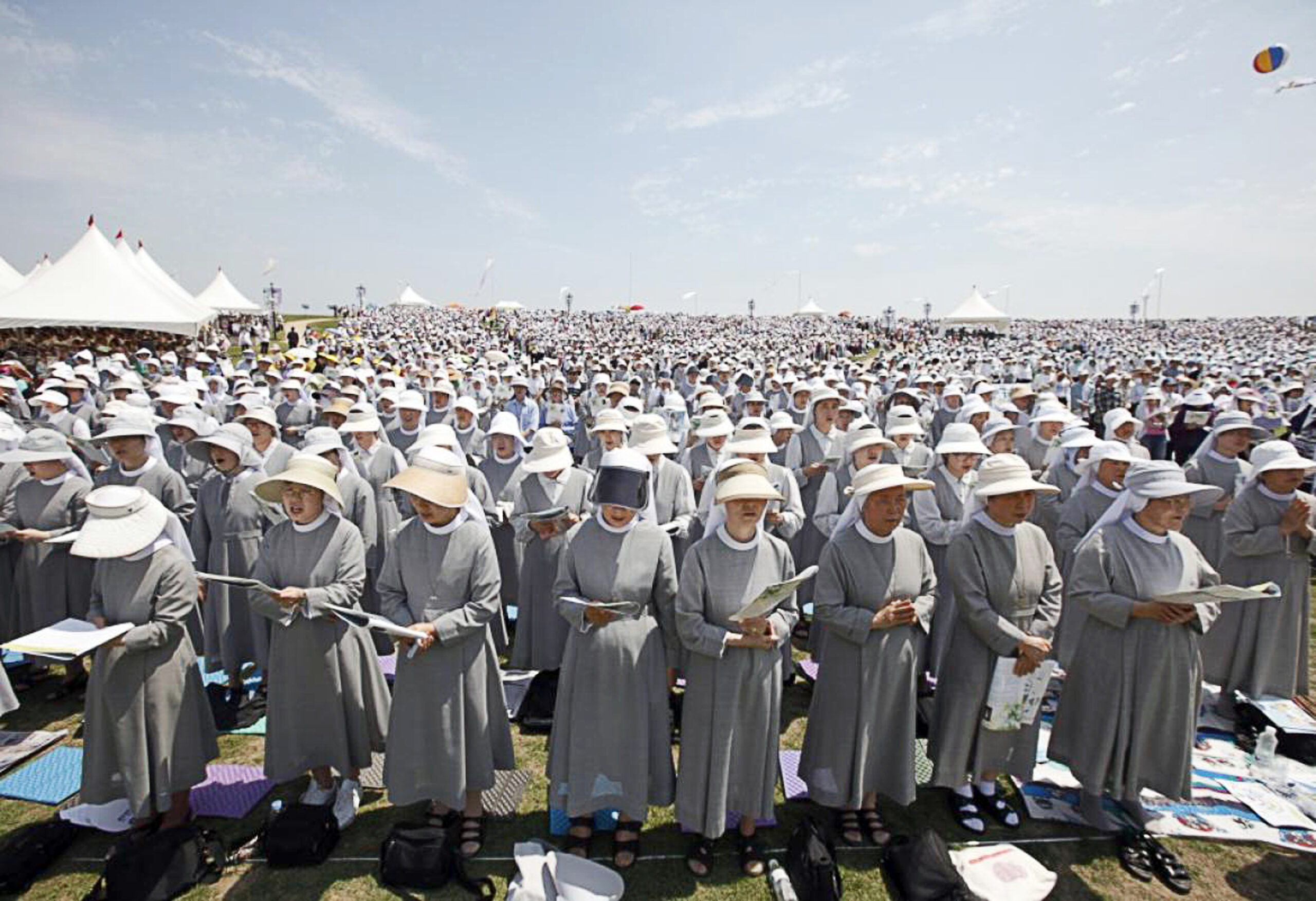
We live in a dramatically different world today than our grandparents did. Their warnings and customs may even seem foreign and ‘old fashioned.’ To a person who is looking at the world through the lens of mass media, the ‘old’ customs may only represent a former time or curiosity. What they really are, are the vestiges of diverse cultures, each with its own specialized suitability of place and people. Not the least of which, represented by language, food, music, art, clothing, spiritual beliefs, stories, and etc., is all of the richness and wisdom preserved over ages and handed down through traditions.
REALITY CHECK
As research is beginning to shed light on the correlation between regional types of food and cuisine, lifestyles, and adaptation in populations, it raises some very intriguing questions. Is a culturally informed lifestyle really of so little value in our world that we can afford to simply dismiss it with less consideration than we give to deciding what pattern of cover to buy for our next cellphone? Who would ever expect to find caviar or strawberries in equatorial desert? And yet, because these things can be sold and shipped all over the world, they appear there. Is it acceptable simply to do things because they are possible? What are the real costs if ‘possible’ is the sole decision criterion? What are the hidden costs? What are the unanticipated costs? Do we even have the ability to identify these?
What do we risk losing with the blending, blurring, and synthesizing of ‘media delivered’ culture? First, one must ask: “Is what we are seeing real?” Or is the focus on what is seen through the window of media simply the result of cleverly crafted sales pitches designed to excite basic desires? Is it possible that cultural diversity is as necessary to the sustainability of the human race in terms of spirit and identity and purpose, as it has proven necessary to survive disease and epidemic? As resources are consumed and pollution mounts across the globe, can anyone who is intellectually honest agree that the rise of consumerism is sustainable and beneficial? Consumerism may drive an economic market today, and yet, isn’t the trajectory of this sequence of events approaching a crash? Are we risking the future of our children? What is worth that?