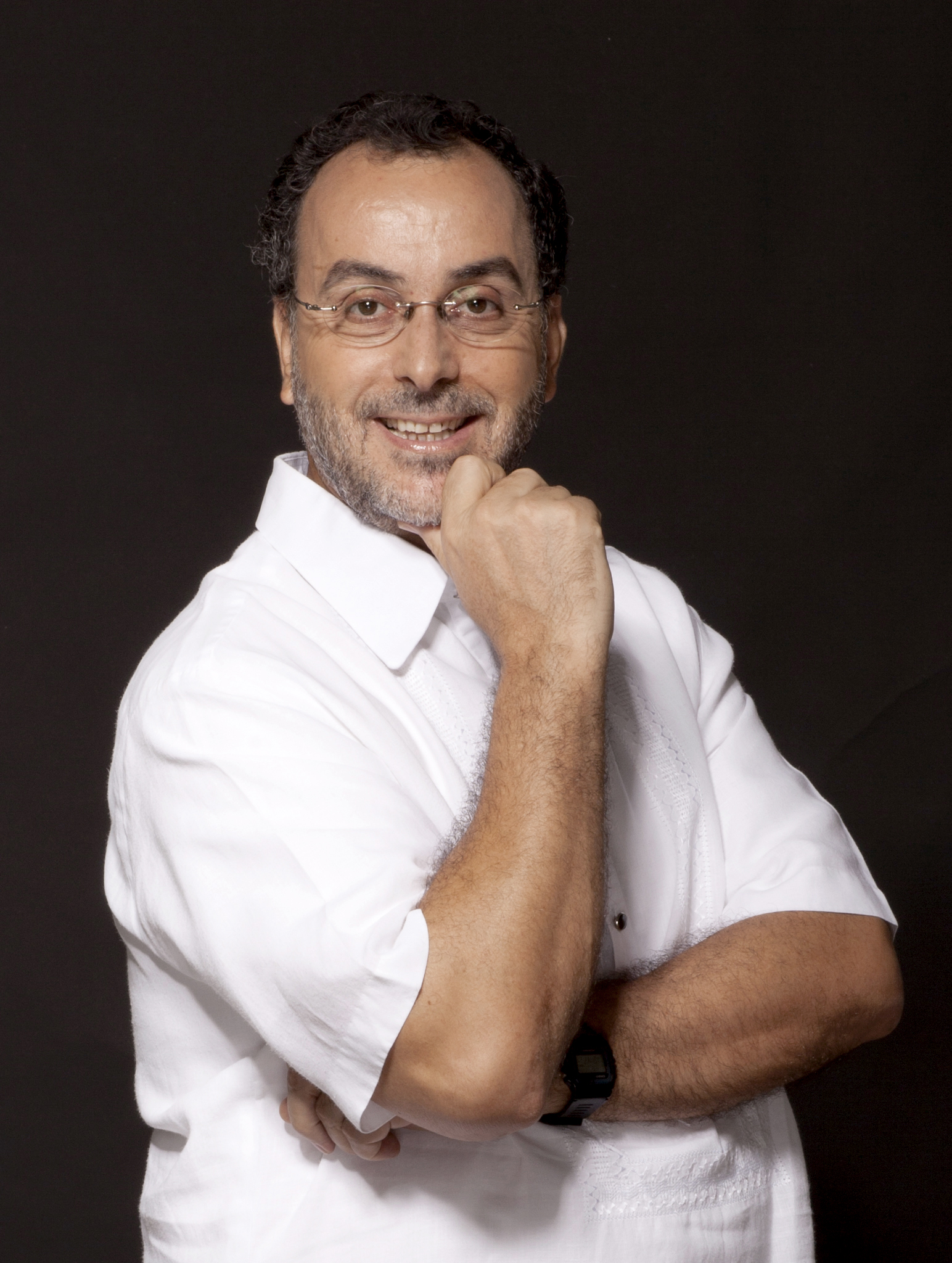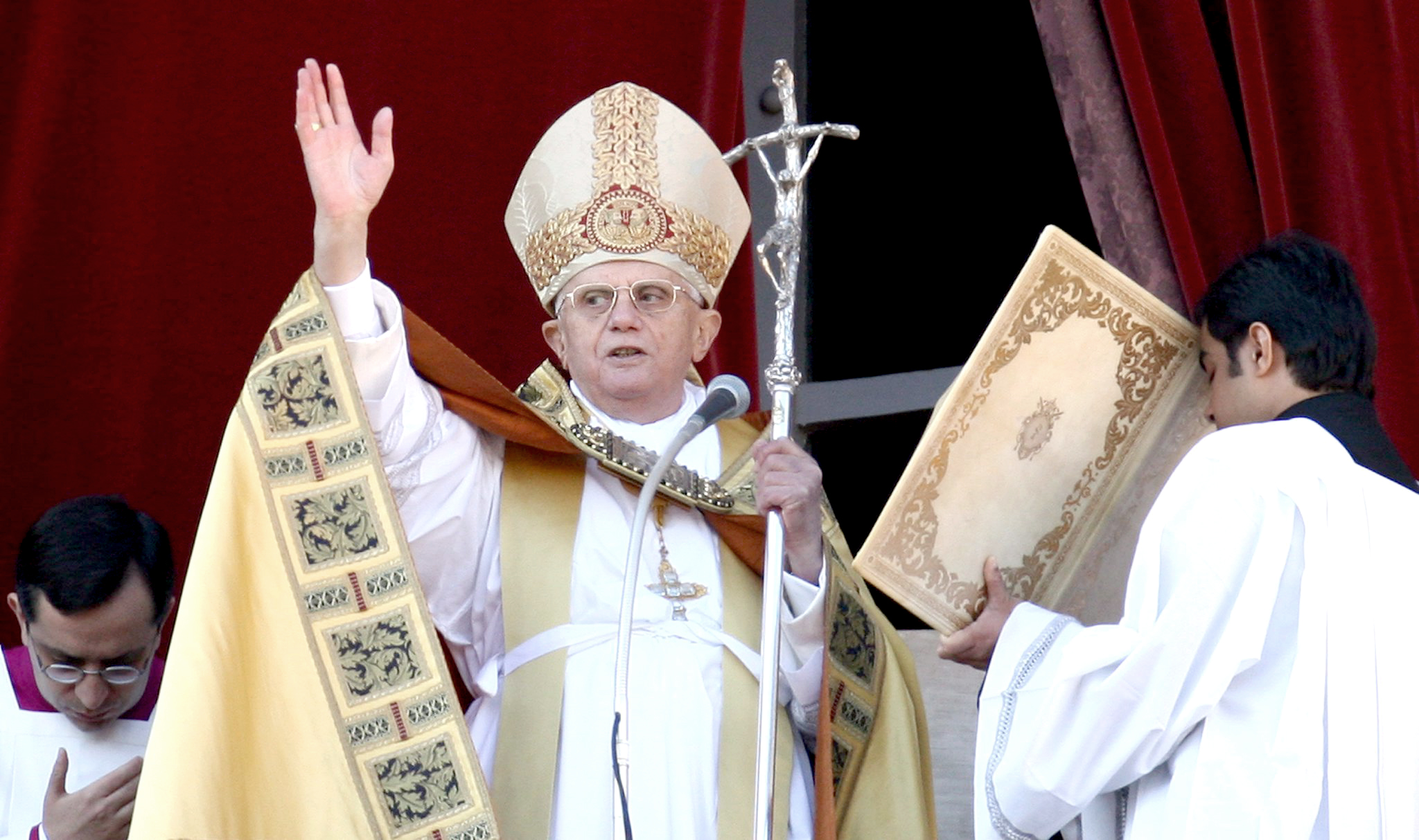

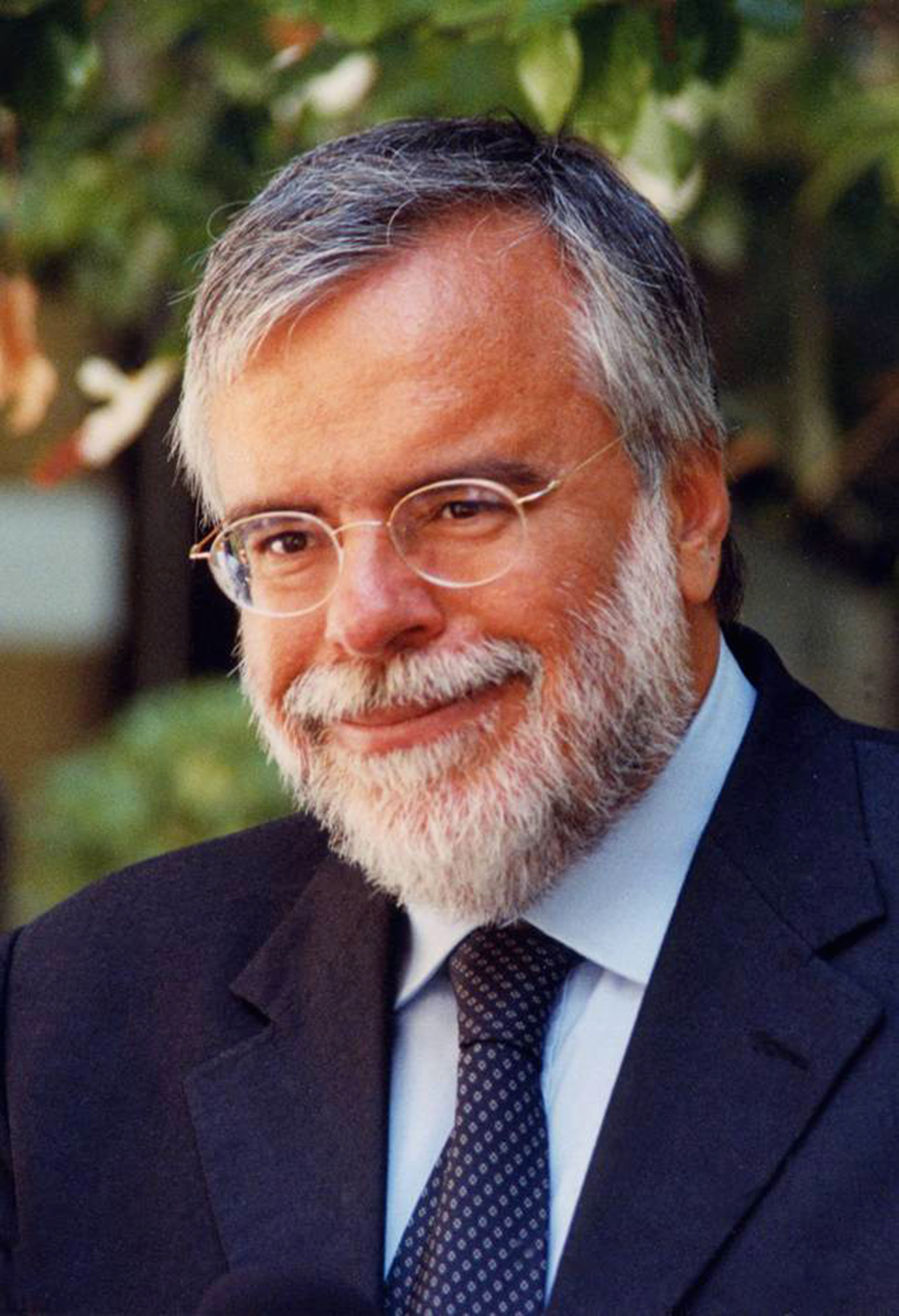
When George W. Bush visited Rome two years ago, he wanted to see everybody who mattered in world affairs: Pope Benedict, the political leaders of Italy and, remarkably enough, the members of the Community of Sant’Egidio, first of all, the founder and president, Andrea Riccardi, now professor at the ‘Università degli Studi’ of Rome and internationally renown author and scholar.
This is not surprising since the fame of the Community of Sant’Egidio has put it already for several years in the list for the Nobel Prize. In 2004, it was awarded the Balzan Prize for the commitment in reviving the peaceful coexistence among different ethnic groups and in promoting, regardless of religious beliefs, humanitarian action, peace and brotherhood among peoples. It is most interesting to know how everything started.
A FRUIT OF VATICAN II
The Community of Sant’Egidio was born in Rome out of the initiative of Andrea Riccardi, then a seventeen-year-old college student who, in the climate of renewal promoted by Vatican II, started gathering a group of other college students in order to read and put the Gospel in practice.
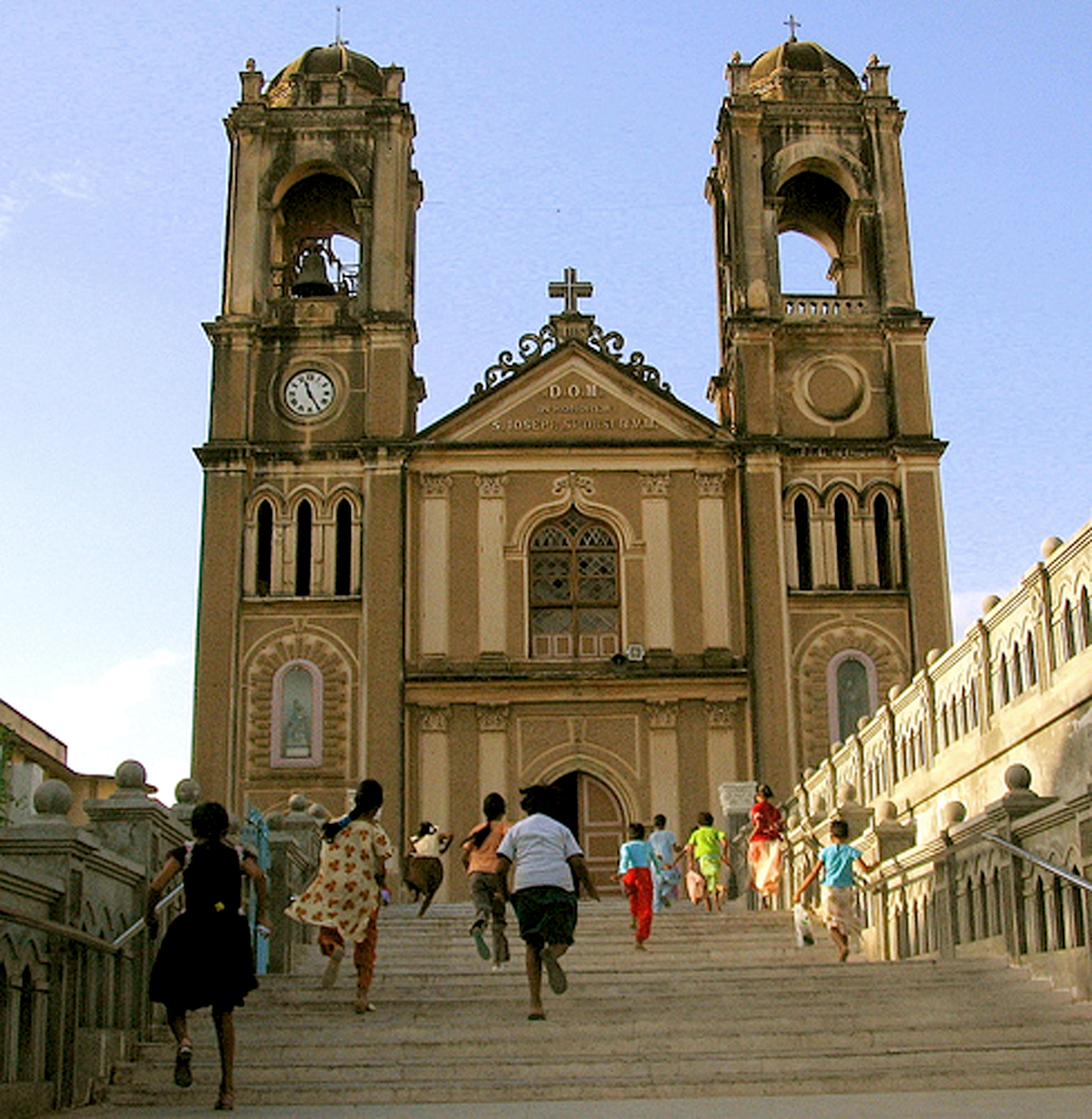
In a few years, their movement spread in different students’ environments and became concrete in activities on behalf of the poor and marginalized. In the popular quarters of the outskirts of Rome, the work of evangelization started and soon gave origin to the adult community. From 1973, in the church of Sant’Egidio at Trastevere, the first church of the community, there originated the tradition of the evening common prayer that since then accompanies all the communities all over the world.
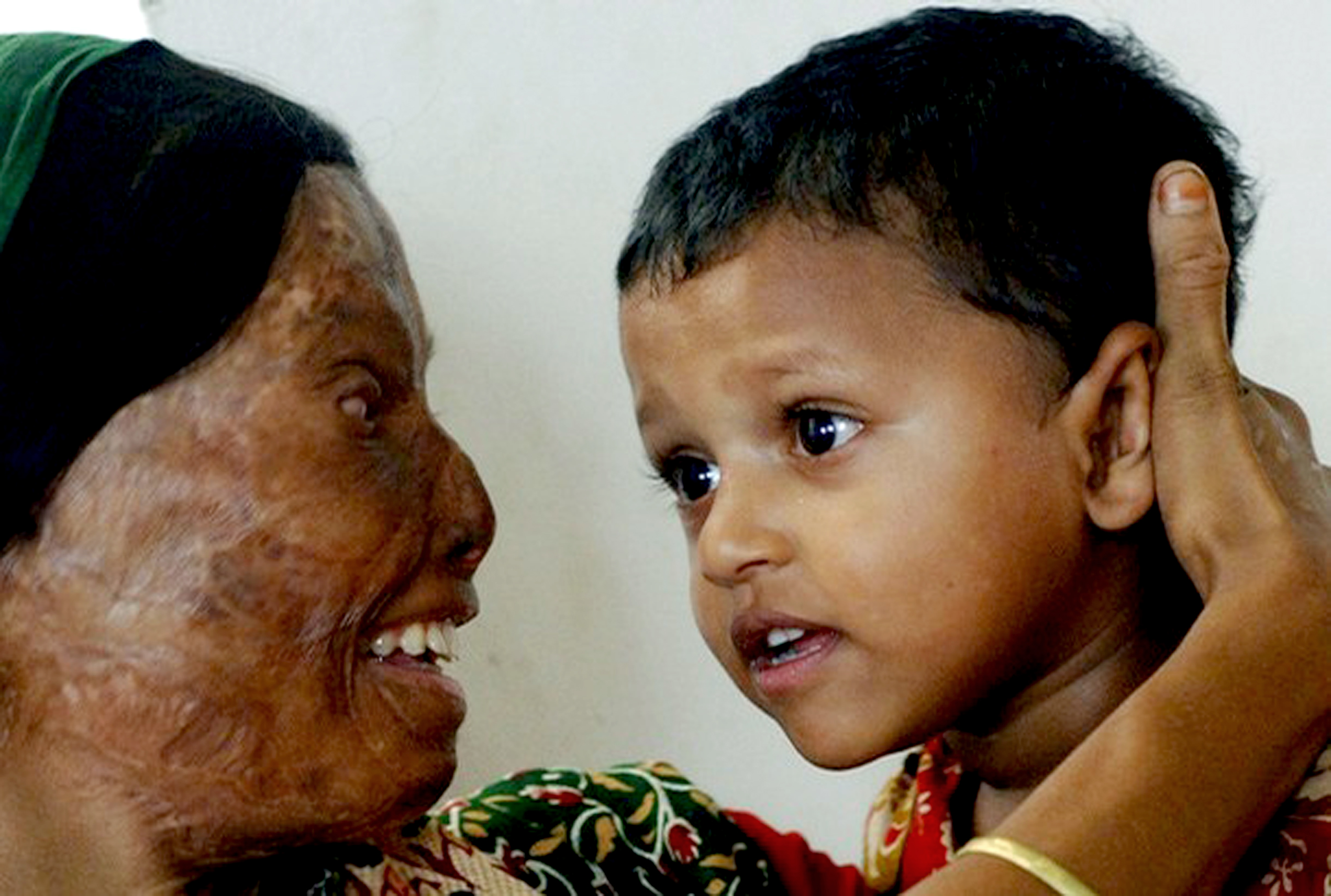
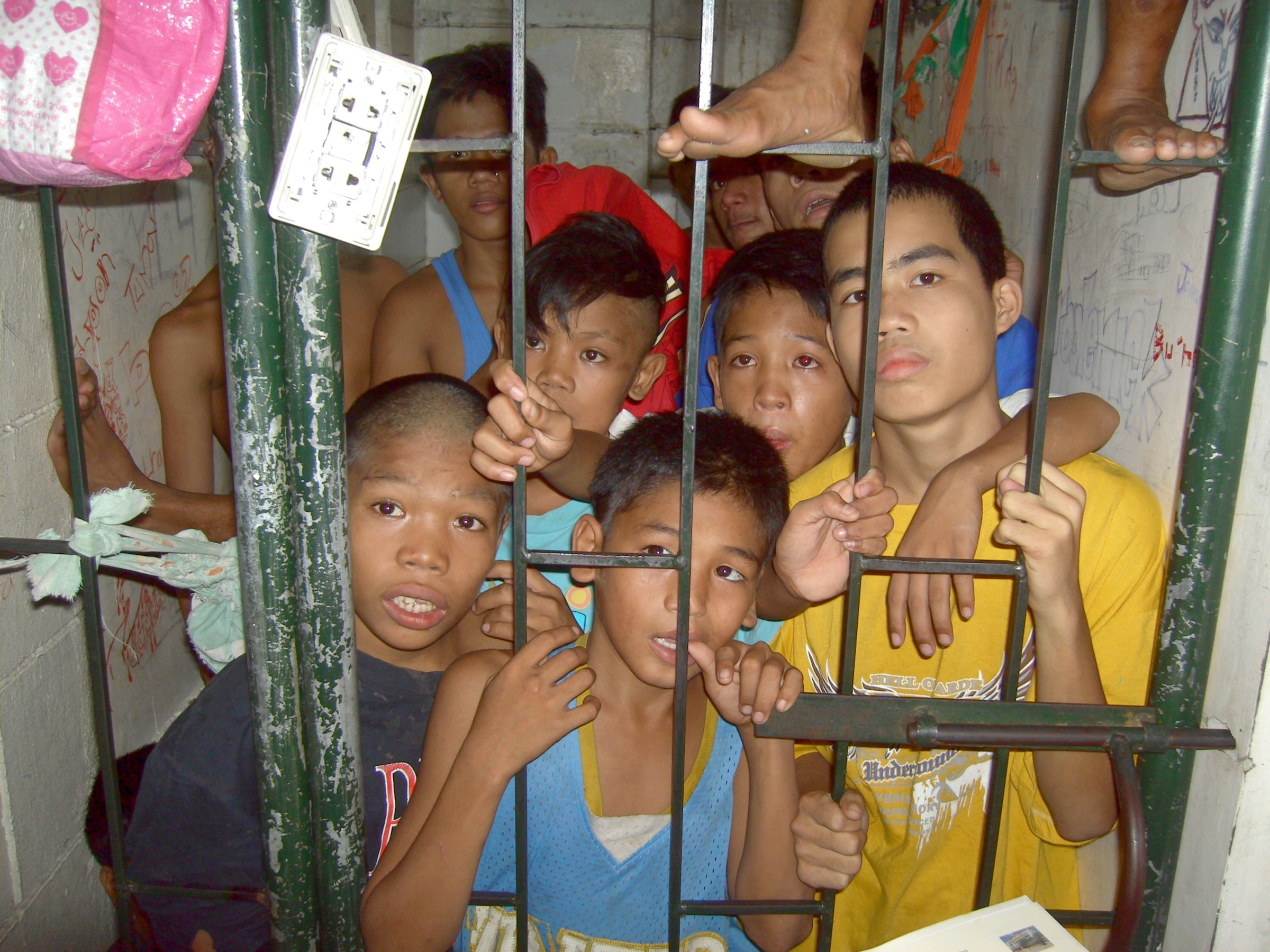
In the second half of the seventies, the Community began to take root also in other Italian cities and then, in the eighties, to spread throughout Europe, Africa, America and Asia. Since its origin, the Community has cared for all kinds of poverty: the aged, especially if alone and not self-sufficient, the immigrant and vagrant, the terminally ill and AIDS patients, the abused and abandoned children, the physically and mentally handicapped, drug addicts, the victims of war, prisoners and death-row convicts.
On May 18 1986, the Pontifical Council for the Laity decreed the erection of the Community of Sant’Egidio as an international lay association of pontifical right. The leadership of the Community is entrusted to the president with his council and helped by an assistant who is a priest. All of them are elected every five years by the assembly of the representatives of all the clusters of communities in the different countries of the world. The Community of Sant’Egidio counts about 50.000 members in more than 70 countries in Europe, Africa, Asia and North and South America.
Together with prayer and the communication of the Gospel, the life of the Community has built up forms of help and friendship, caring for the dignity and the rights of the human person. The poor are the daily companions of the life and activity of the members of the Community like friends and part of the family. It is this very friendship with and closeness to the poor that have made the Community of Sant’Egidio understand better how war is the mother of all poverties and consequently commit itself openly in favor of peace and peacemaking.
PEACE AND DIALOGUE
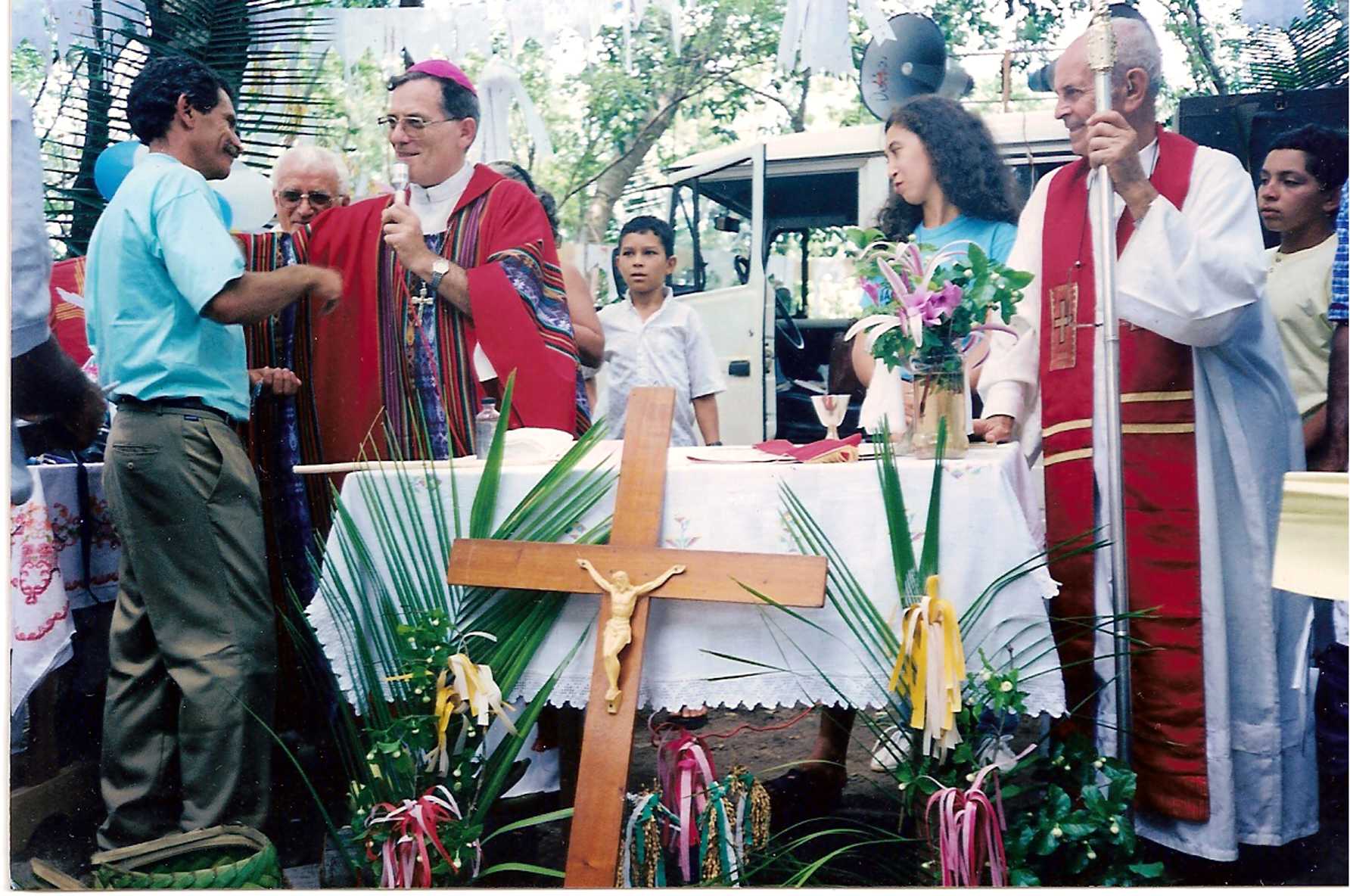
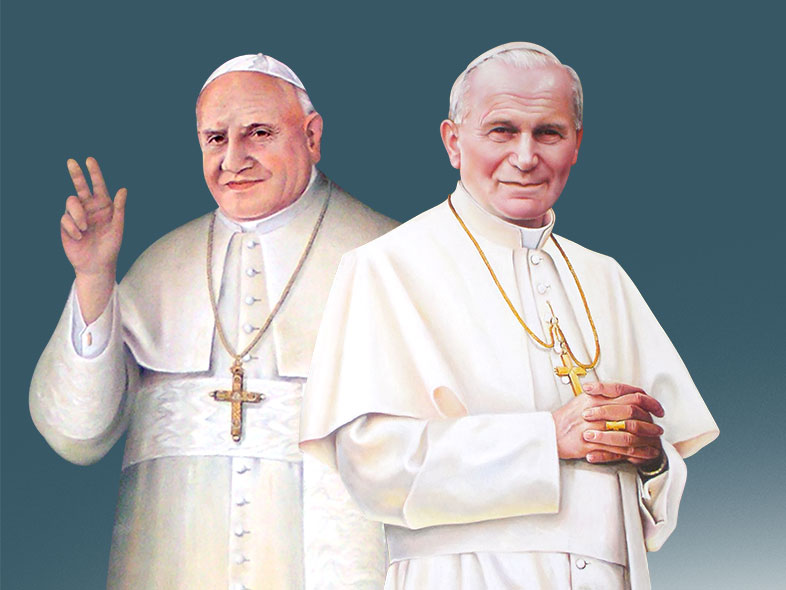
On October 27, 1986, Pope John Paul II, with the inspiration of a prophet, invited the leaders of the world religions to pray and fast for peace at Assisi. Those who were present speak of the humble demeanour of the Dalai Lama, the major Rabbi of Rome, the Archbishop of Canterbury, Mother Teresa and many others as they entered the small chapel where Saint Francis died on the bare ground.
All prayed in silence for a short time before dispersing to twelve different locations in Assisi, where they prayed according to their own unique tradition, in this way showing the unity and diversity of the world religions.
What Pope John Paul II did on that occasion has become a point of reference for the world also because the Community of Sant’Egidio took to itself the heritage of John Paul II and, every year since that date, has conveyed a gathering of representatives of all world religions in different cities of the world like, among others, Warsaw, Brussels, Milan, Florence, Bucharest, Padua, Venice, Barcelona.
This commitment has grown contemporarily with the work of mediation for peace, first of all in the troubled continent of Africa. In Mozambique, a country ravaged by more than twenty years of civil war, the Community of Sant’Egidio had intensified and diversified its humanitarian assistance and welfare so that, when it happened, it was naturally accepted as a peacemaker.
Thanks to the mediation of the Community of Sant’Egidio, after a long and difficult process of meetings among the contenders, with ups and downs of hope and disappointment, the peace agreement was signed in Rome on October 4, 1992. Even in the final stage, the Community of Sant’Egidio worked successfully to overcome the final obstacles. Peace has survived and is now a consolidated conquest.
The experience of Mozambique is particularly important at a time when the winds of war seem to prevail over efforts for peace and the patience of the talks is countered by the force of arms. Even if with less success, the mediation of the Community of Sant’Egidio has since extended to many other hot spots of the world like Algeria, Kosovo, Gaza, China.
A SPECIAL LOVE FOR AFRICA
The successful work of the Community of Sant’Egidio for the peace in Mozambique marks the beginning of a special commitment to Africa. This is how Andrea Riccardi explains this love of predilection: “In the 1960s, we had the idea of living as a community in Rome, in the dimensions of the city. The idea was to hold our prayer at Sant’Egidio, but to work in the periphery (the poor zones in the outskirts of the city). This was the initial idea.
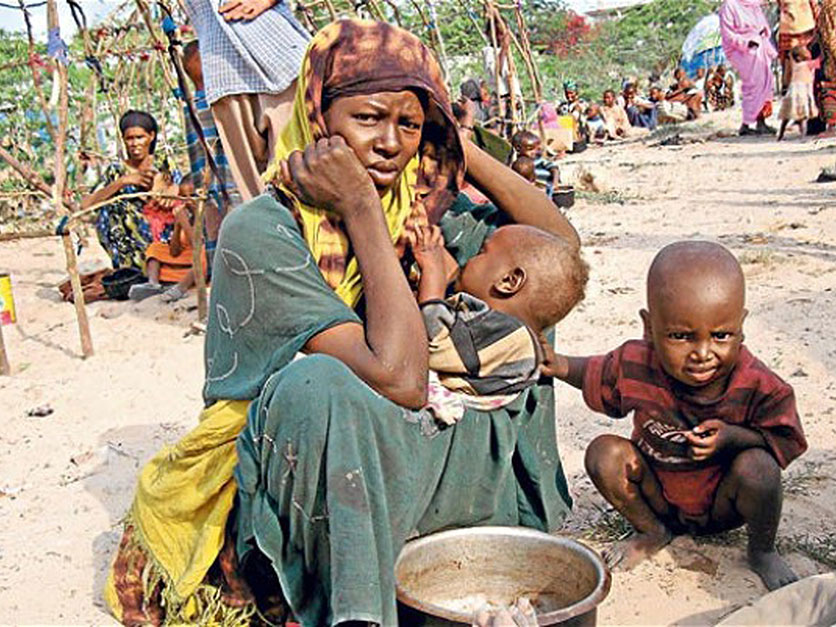
At that time the periphery of the city was very different from what you see today. Rome was an unbalanced city similar to those of the Third World, with rich neighborhood but also shantytowns full of immigrants who, at that time, were from Southern Italy. We worked in the periphery, among the poor. So, how was our interest for Africa born? I would say that it was born because Africa is another periphery, the periphery of our contemporary world, a periphery that seems to have no value whatsoever.”
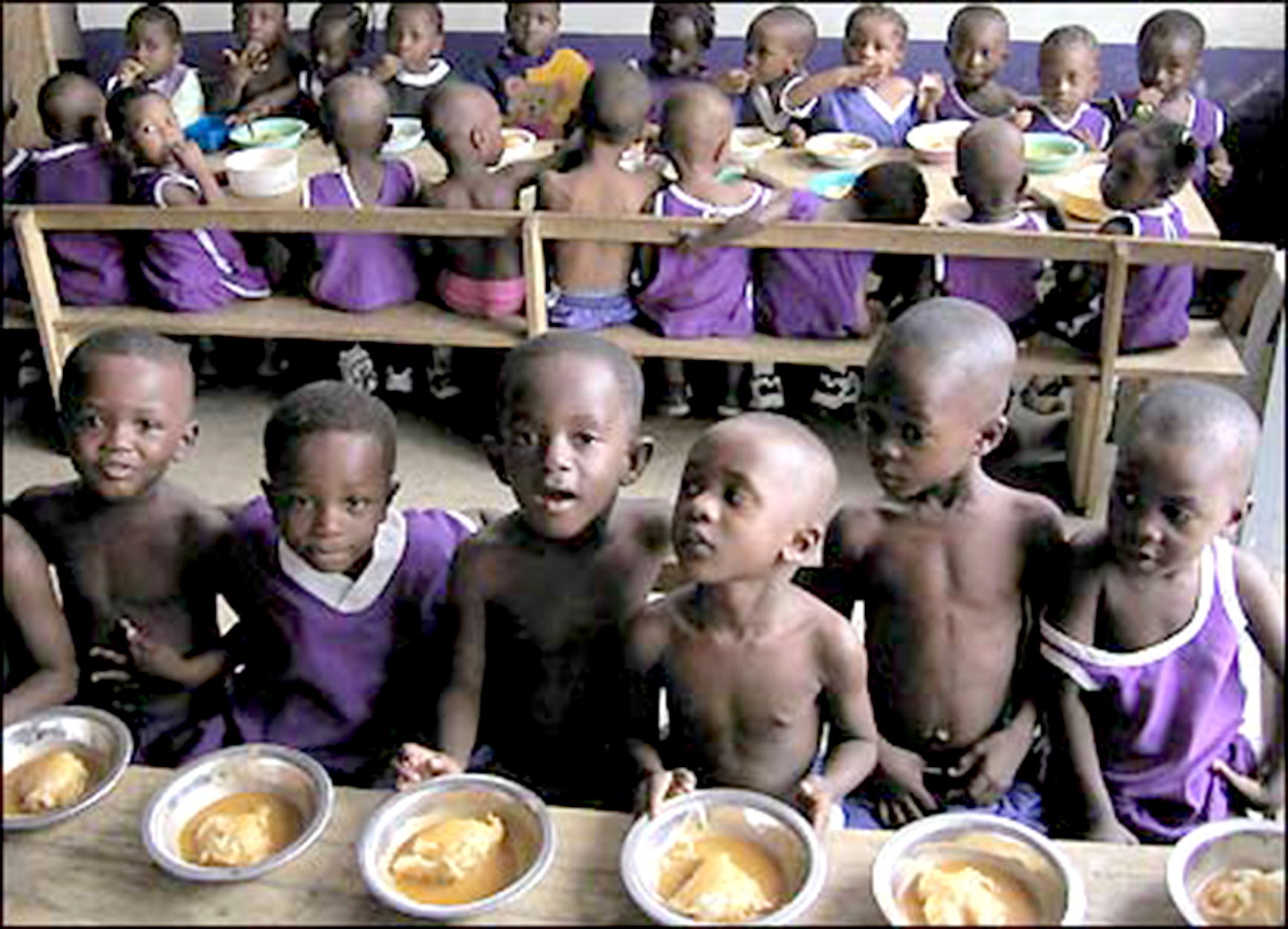
It is in Mozambique that the Community has developed its strategy to tackle AIDS, the new enemy, the fourth cause of death in the world and the first cause of death in Africa. This new African tragedy threatens the disappearance of much of today and tomorrow, reaping victims among young people and adults, decimating professionals required for a better future, and eroding the already precarious health and education systems of the countries.
It is in this context that came within the Community of Sant’Egidio the idea of a project to combat AIDS that brings together prevention and therapy, has become a model for the entire continent and is considered the most important initiative in place right now in Africa: DREAM (Drug Resource Enhancement against AIDS and Malnutrition). DREAM is now part of the program of the Ministry of Health of Mozambique.
The initial results of DREAM realized in Mozambique were presented for the first time at the X International Conference on Retroviruses and Opportunistic Infections (CROI), held in Boston in February 2003. Results are encouraging: the model does work, mortality is lower, the quality of life of patients improves, the viral load decreases significantly. Above all, it confirms the good adherence to therapy, a point considered at risk for such initiatives in countries like Mozambique.
For the people who animate the activities of the Community of Sant’Egidio, the human person has central value. They discuss all possible routes of escape for those who are not yet infected, but also think of the 34 million lives affected by HIV or AIDS and pay attention to the silent appeal that rises from the sick of so many other African countries. The Community of Sant’Egidio is, in fact, working to extend DREAM to Angola, Tanzania, Guinea-Bissau, Guinea-Conakry, Malawi, South Africa and Swaziland.
INSPIRED BY THE CHURCH OF THE ACTS
The Community of Sant’Egidio is a family of communities rooted in different local churches. The term “Community” mirrors, among other things, a demand for brotherhood that is so much felt since the members of the Community live fully in the world, in the dispersion of big modern cities. Friendship is thus a characteristic trait of the Community both inside the group and in its outward attitude of empathy and attention towards the world and other church movements.
Points of reference of the Community are the example of the first Christians in the Acts of the Apostles, the preferential option for the poor of the post-conciliar Church and the primacy of prayer. A marked sense of the mercy of God for the sick and the sinner, the emotional expression of Jesus in front of the crowds, abandoned like sheep without a shepherd, His invitation to proclaim the Gospel of the Kingdom and heal every kind of infirmity: all this becomes daily nourishment of the personal life and spirituality of the members by means of listening to the Word of God and faithfulness to personal and community prayer.
The lay character and the placement in the big cities have developed a kind of “urban” spirituality, that brings to unity the fragmentation of life and the variety of responsibilities (family, profession, civil tasks) around the primacy of evangelization and service. A decisive means of this unity is the evening common prayer, open to all who/that want to take part in it.
It is amazing to see how the little seed sown in the turbulent year of the students’ revolution has grown with the peaceful strength of faith and love into a big tree that gives shelter to thousands if not millions.